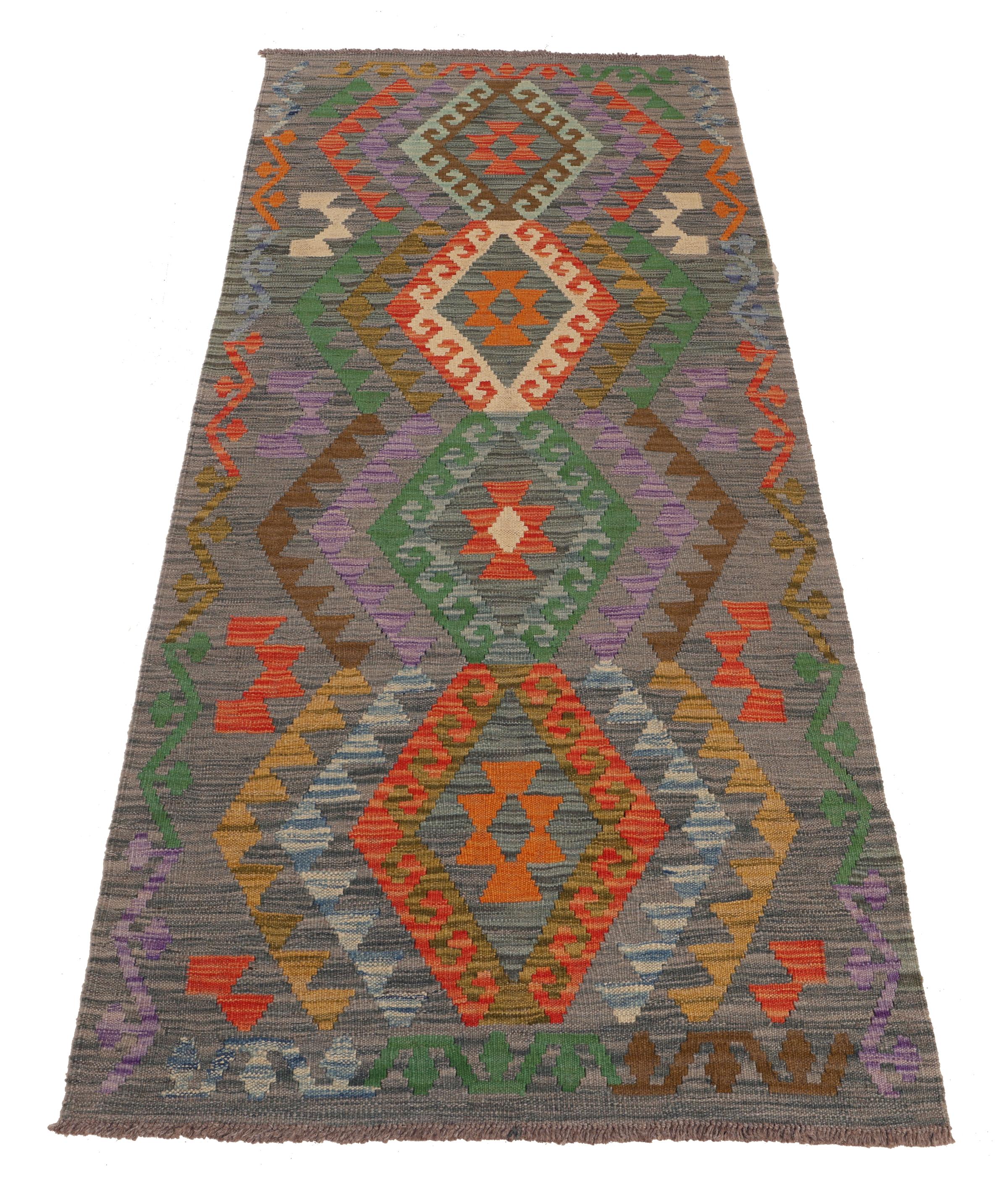
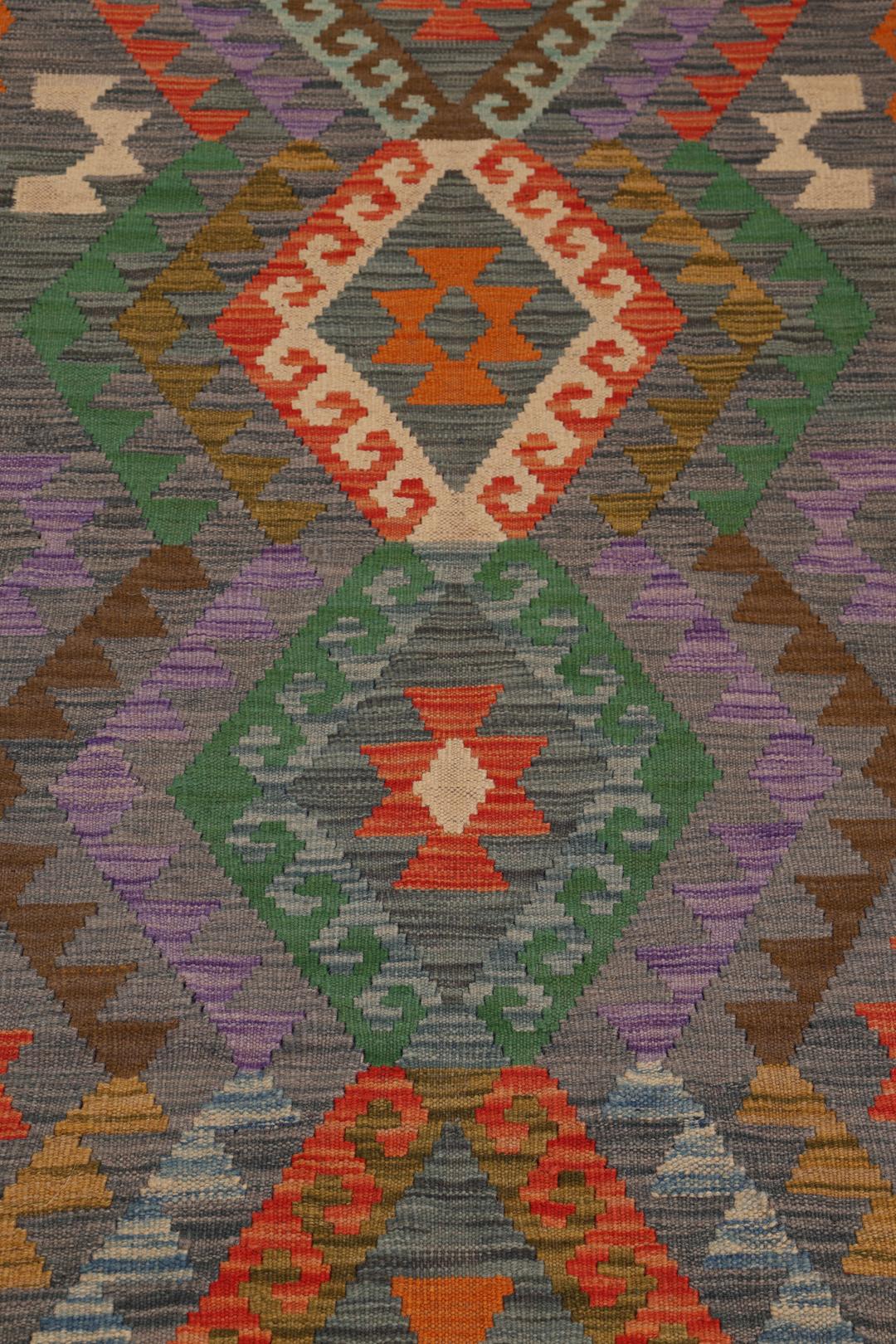
The Kelim tradition in Afghanistan is a testament to the enduring legacy of nomadic and village weaving. These rugs are deeply rooted in the cultural history of the region, serving as both functional floor coverings and expressions of identity. The patterns are often passed down through generations, reflecting the landscapes and stories of the communities where they are crafted.
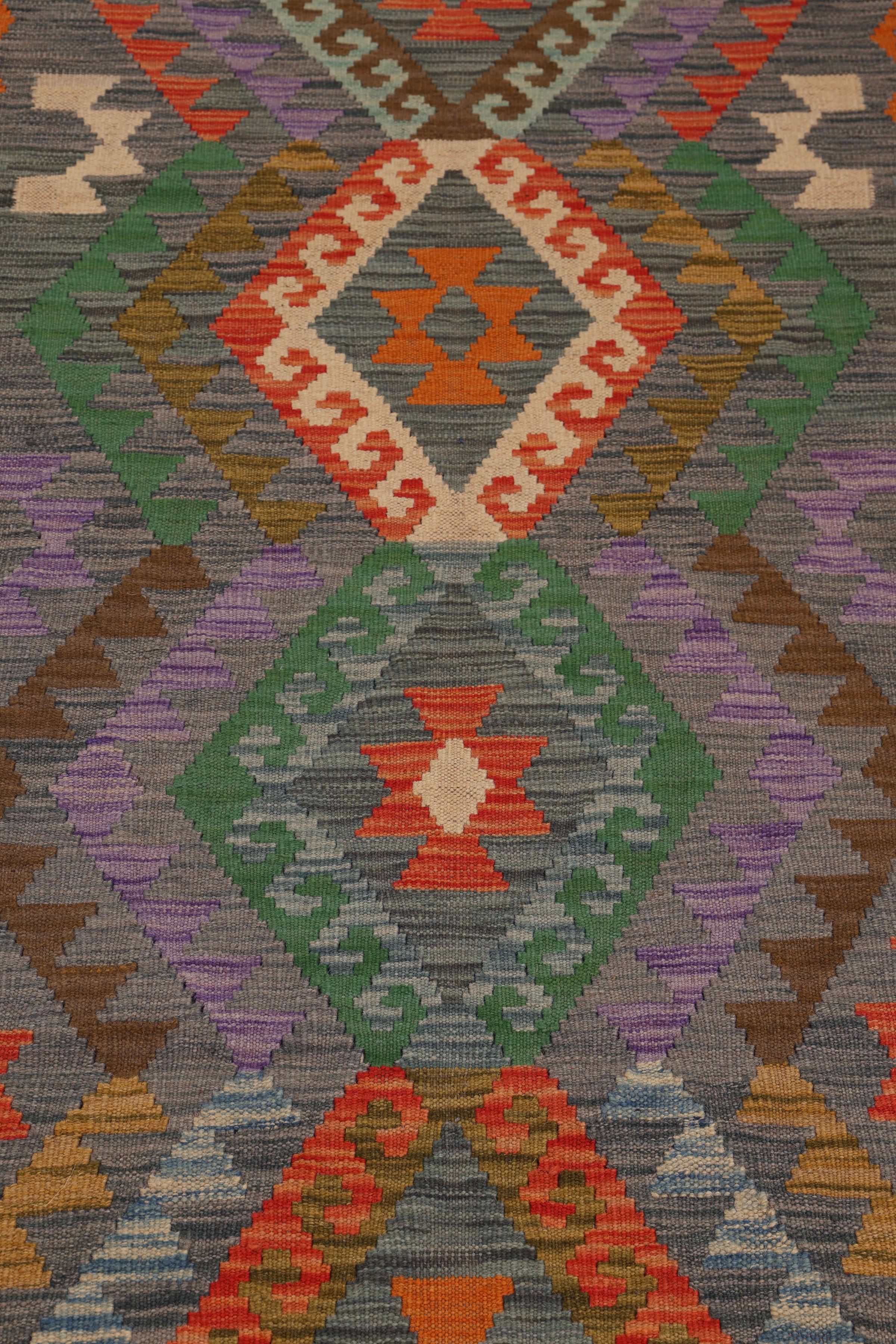
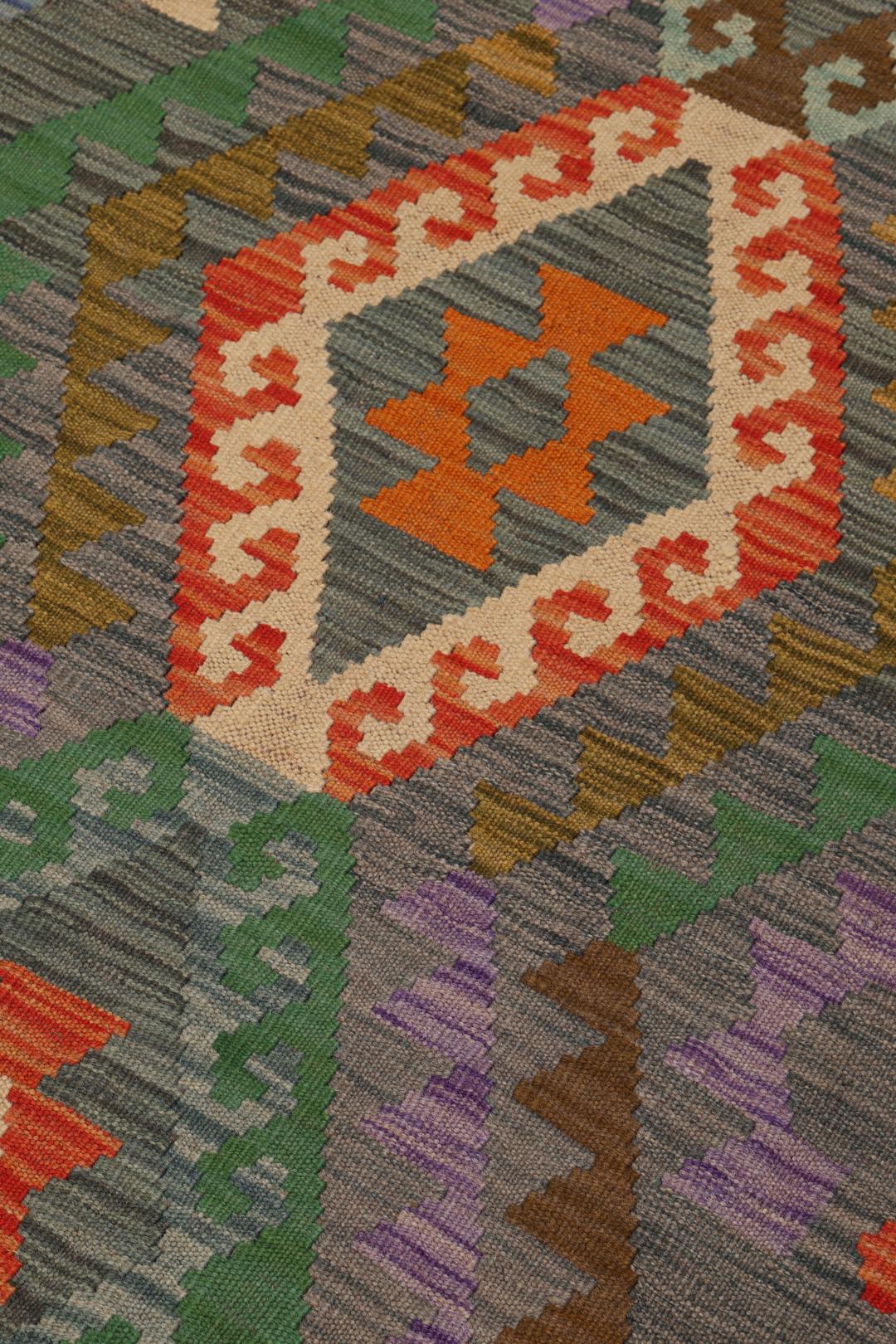
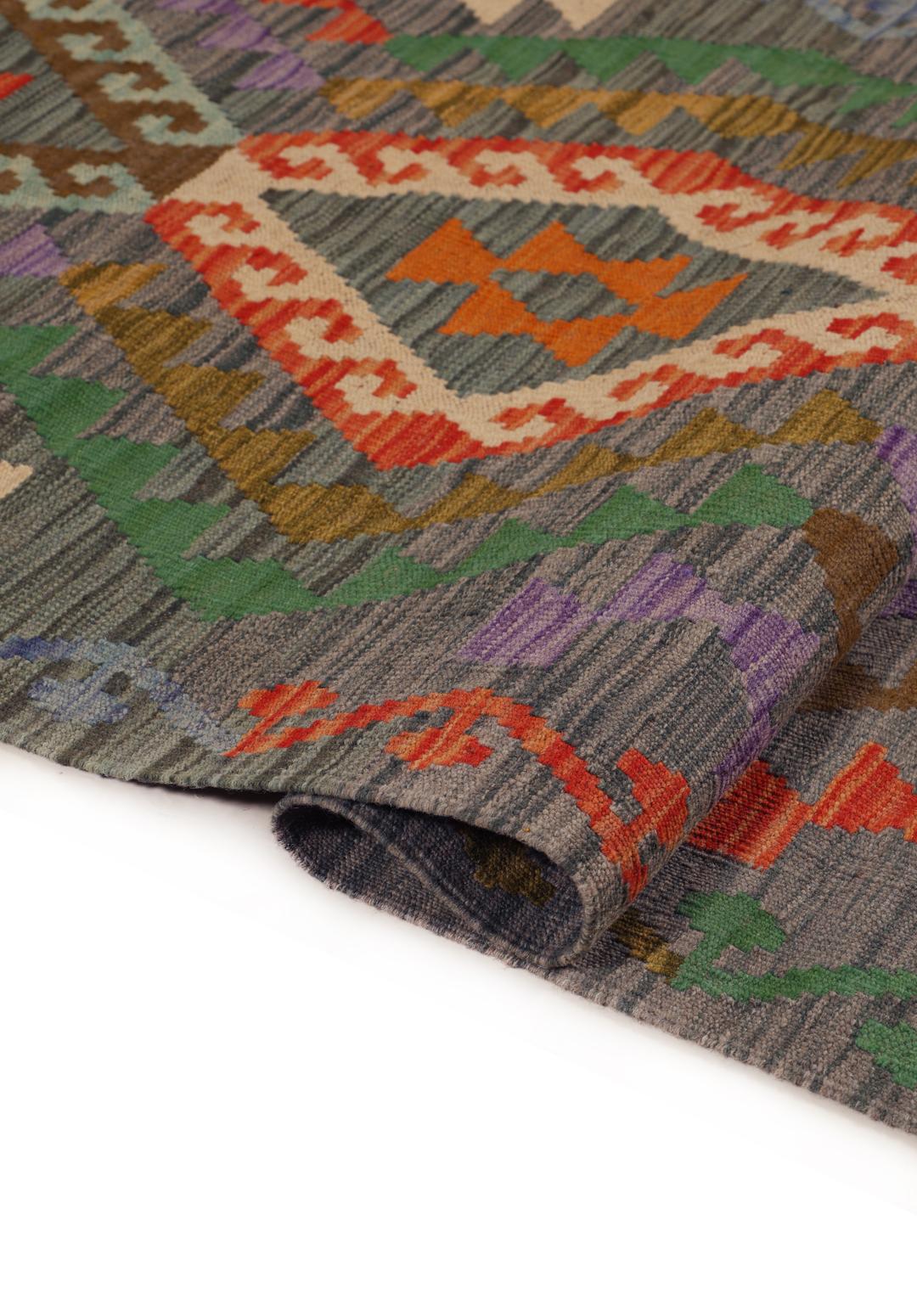
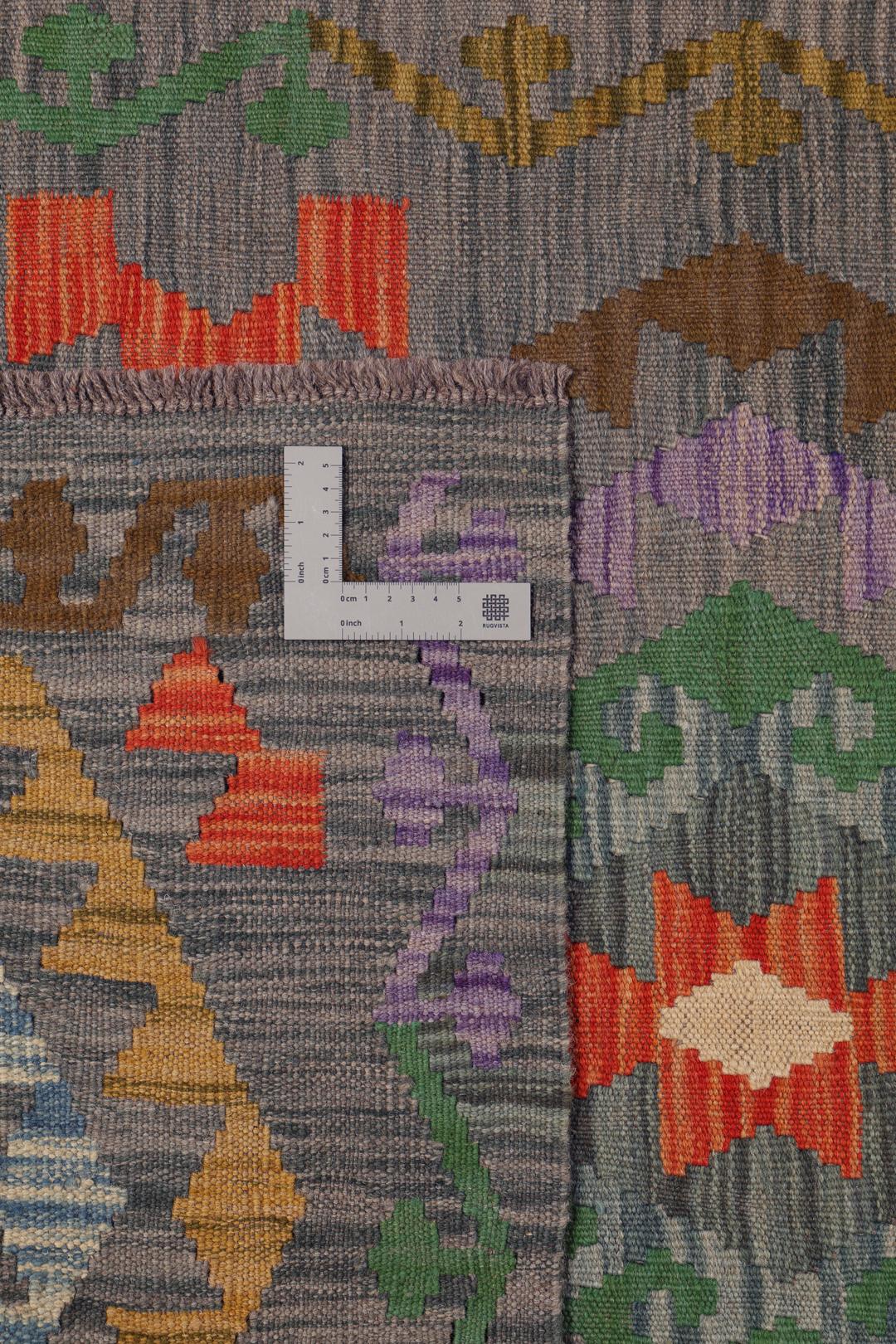
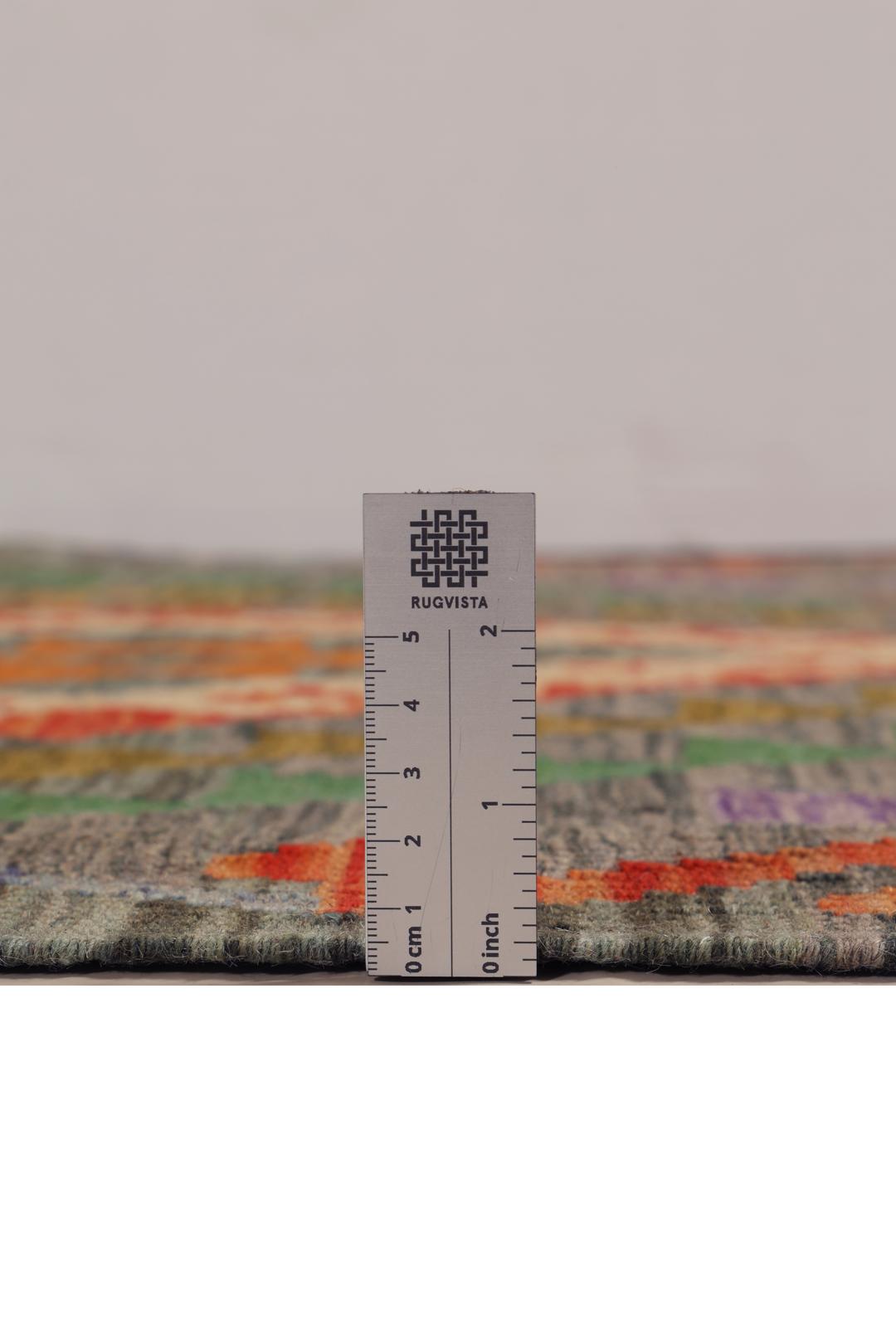
As a flat-woven textile, the Kelim is defined by its lack of a pile, which is achieved by passing the weft threads through the warp threads to create the design. This technique is highly valued for its precision and the resulting clarity of the motifs. The absence of a pile makes these rugs particularly versatile and lightweight, a quality that has been essential for the mobile lifestyles historically associated with these weaving traditions.
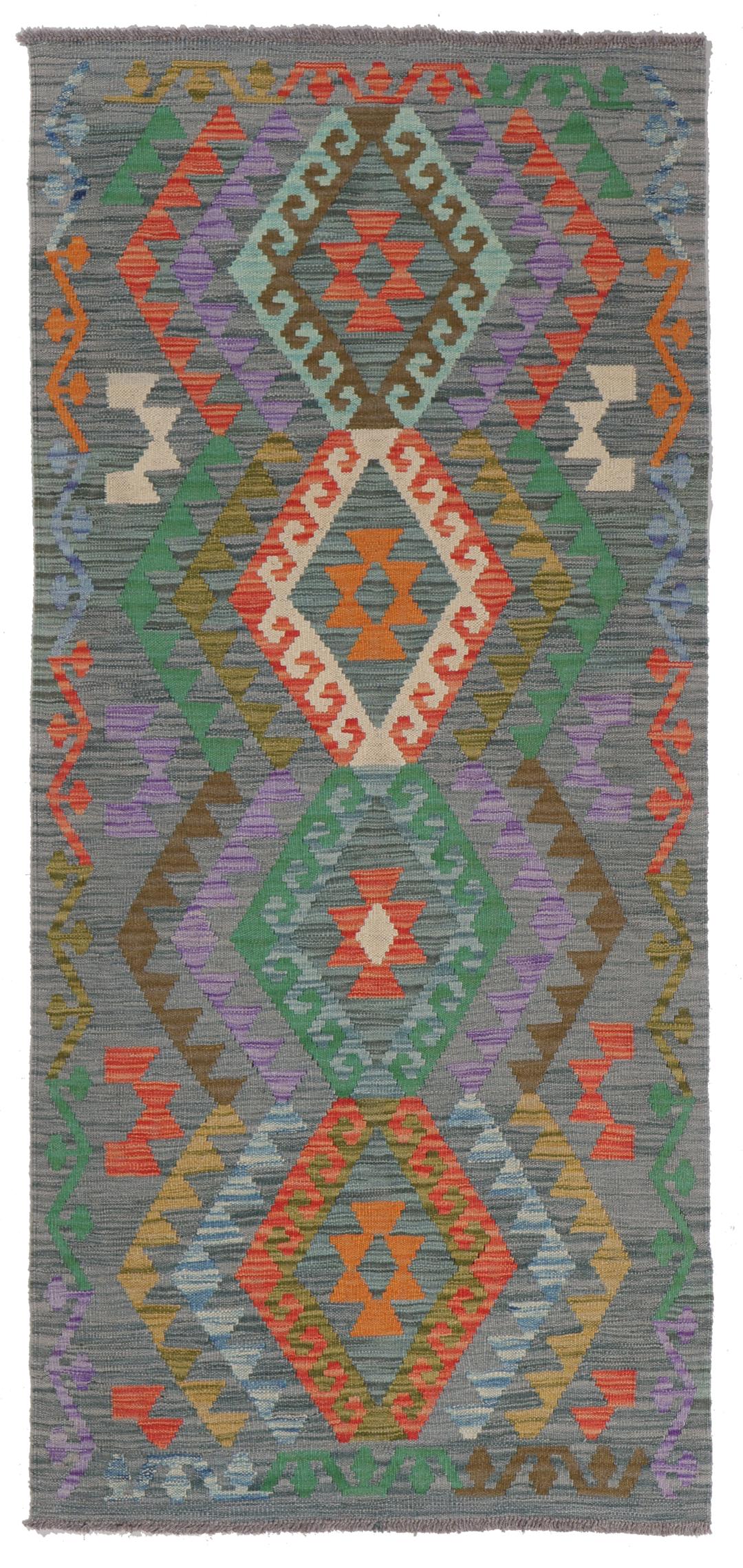
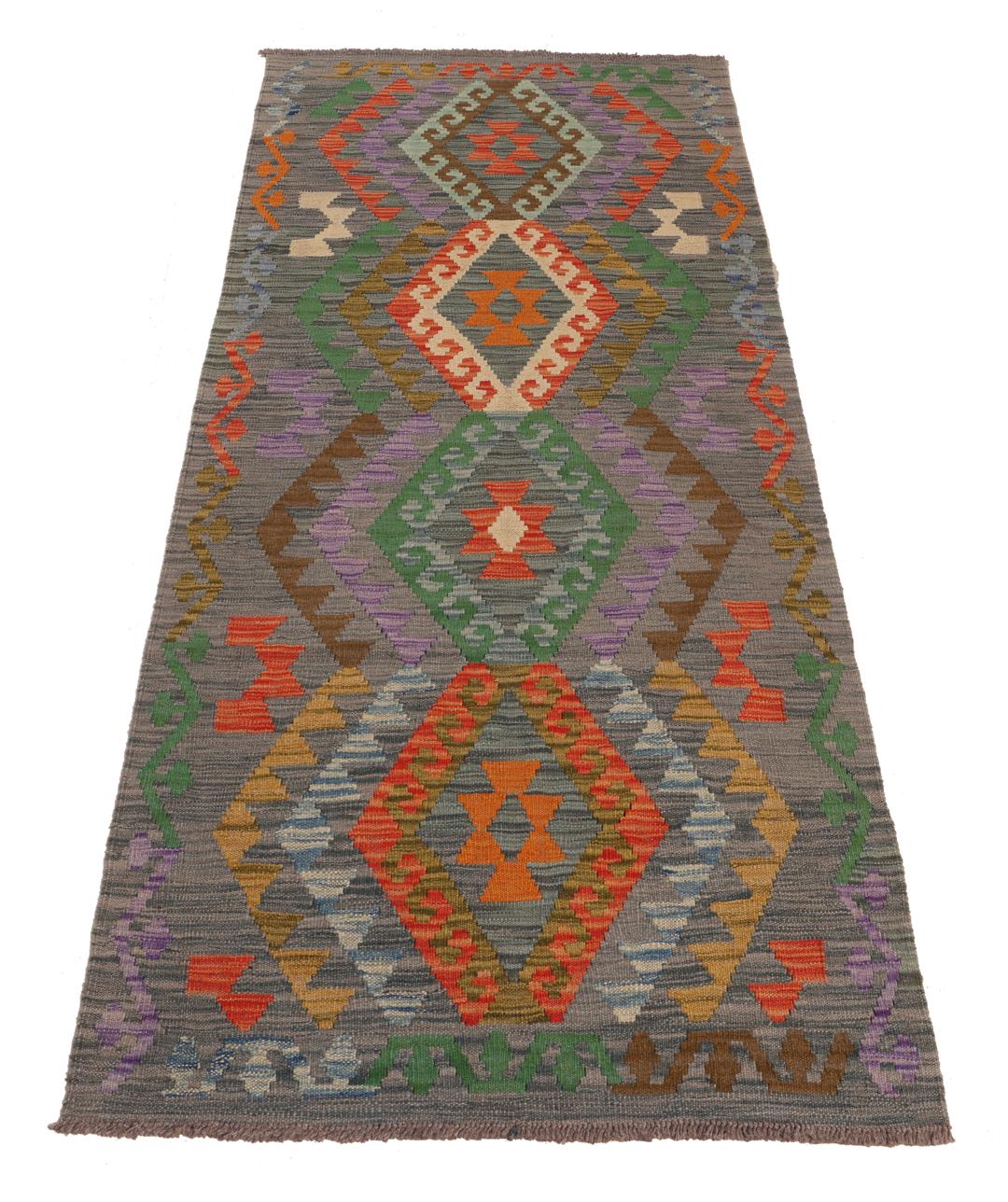
The visual language of this tradition is dominated by bold geometric shapes and symbolic motifs. Diamonds, triangles, and stylized floral elements often fill the field, creating a rhythmic and balanced composition. The use of vibrant, contrasting colours is a signature of this style, intended to bring joy and vitality to the home. This specific runner utilises these traditional elements to create a striking, modern look that honours its roots.
Collecting these rugs is an investment in human skill and cultural history. Each piece represents a connection to a craft that has survived for centuries, resisting the pull of industrialisation. By choosing a hand-woven Afghan Kelim, you are not just purchasing a rug, but becoming a custodian of a tradition that values authenticity, heritage, and the beauty of human craftsmanship.