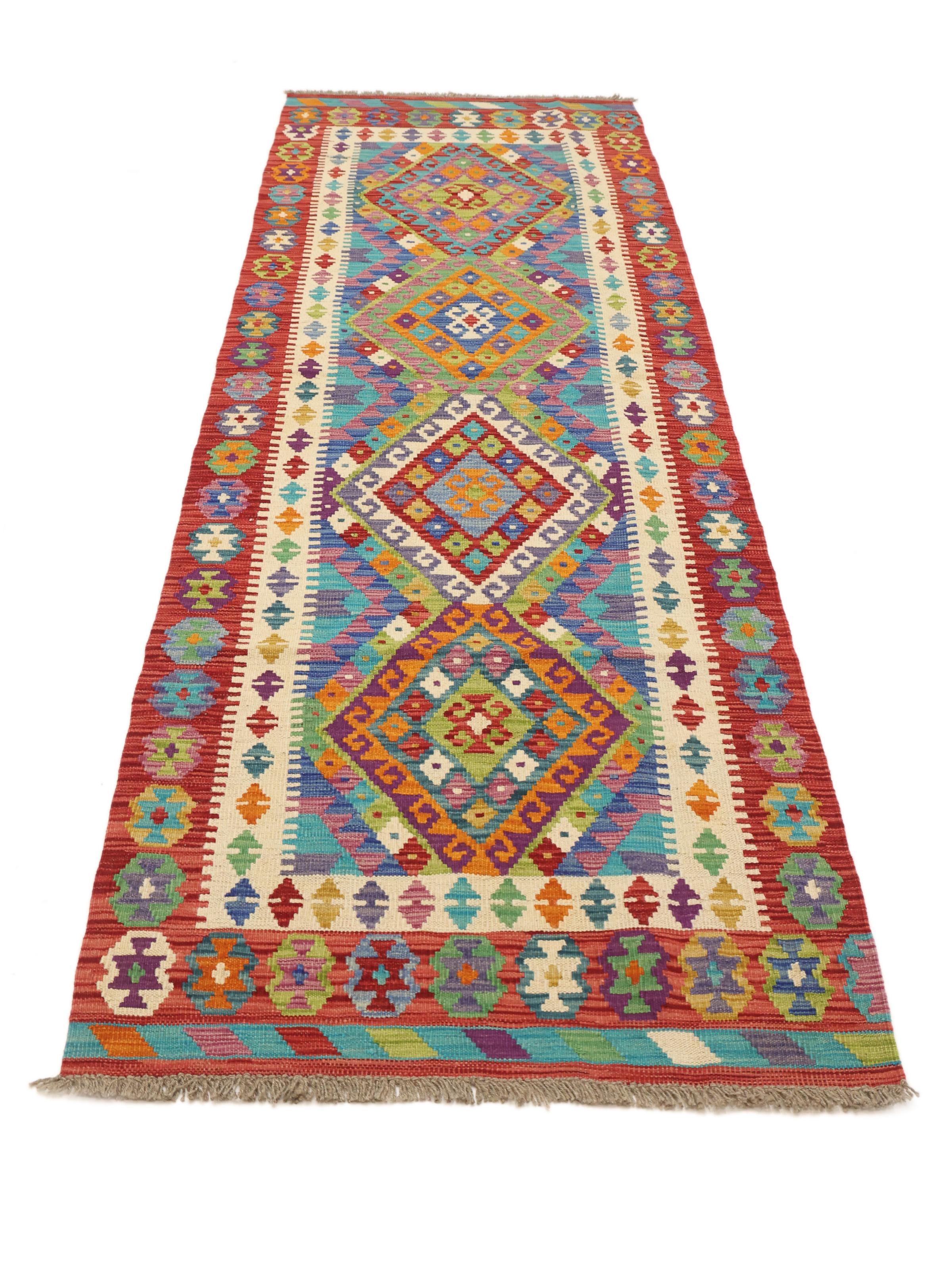
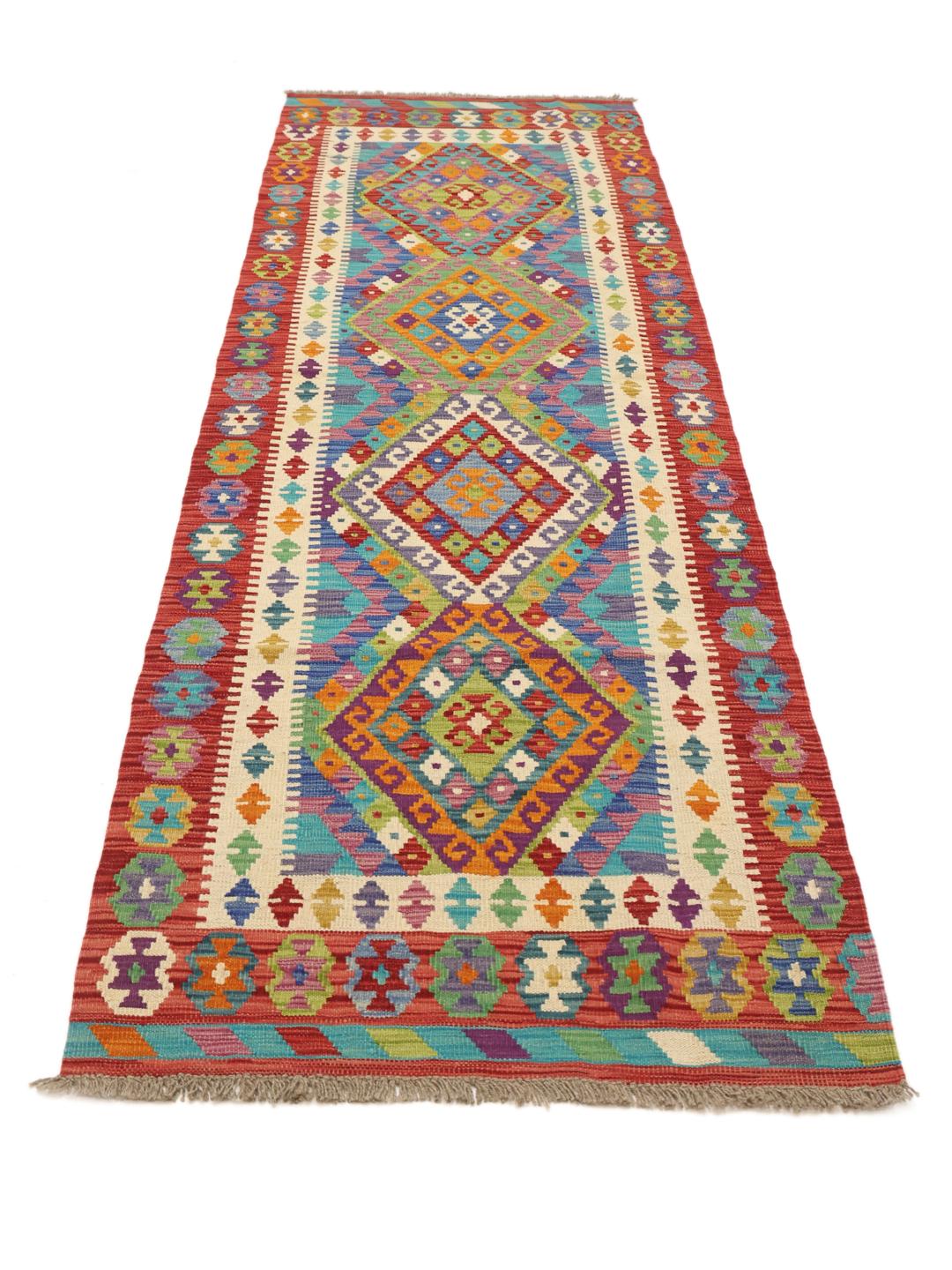
The Kelim Afghan tradition is deeply rooted in the nomadic and semi-nomadic cultures of the Middle East, where weaving has served as both a practical necessity and a vital form of artistic expression for centuries. These rugs are born from a lineage of craft that has been passed down through generations, evolving from essential floor coverings for tents into celebrated pieces of interior art.
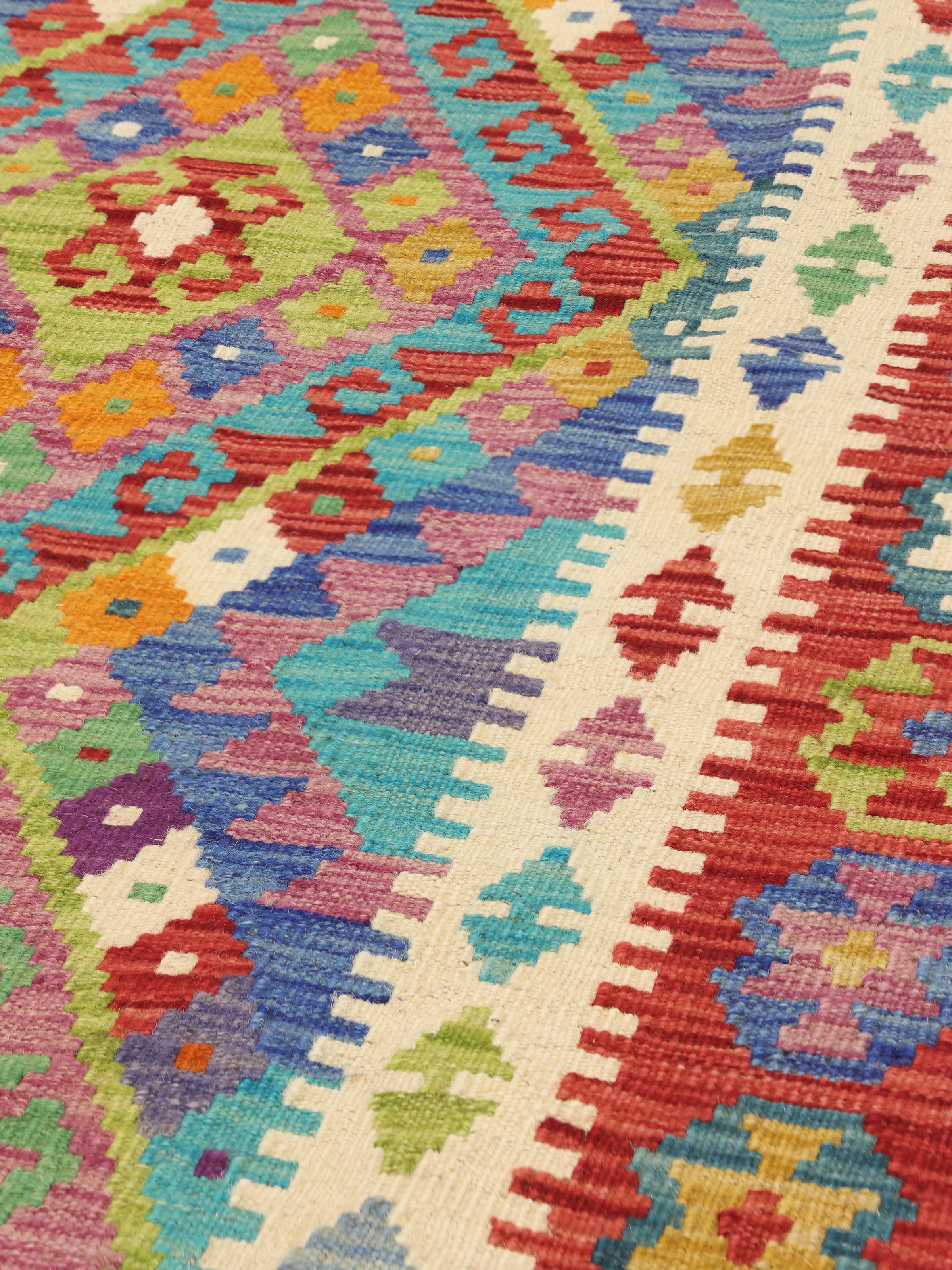
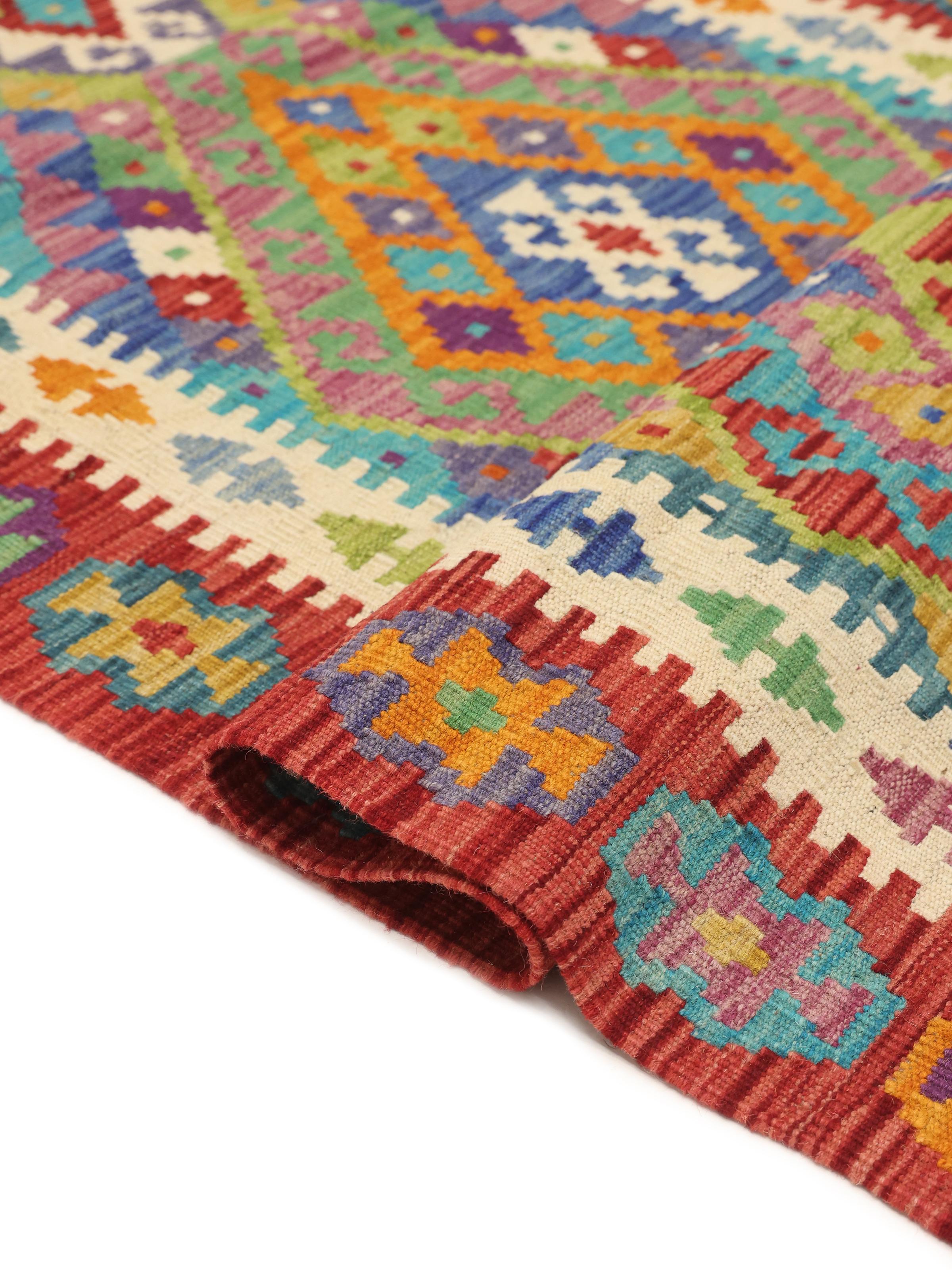
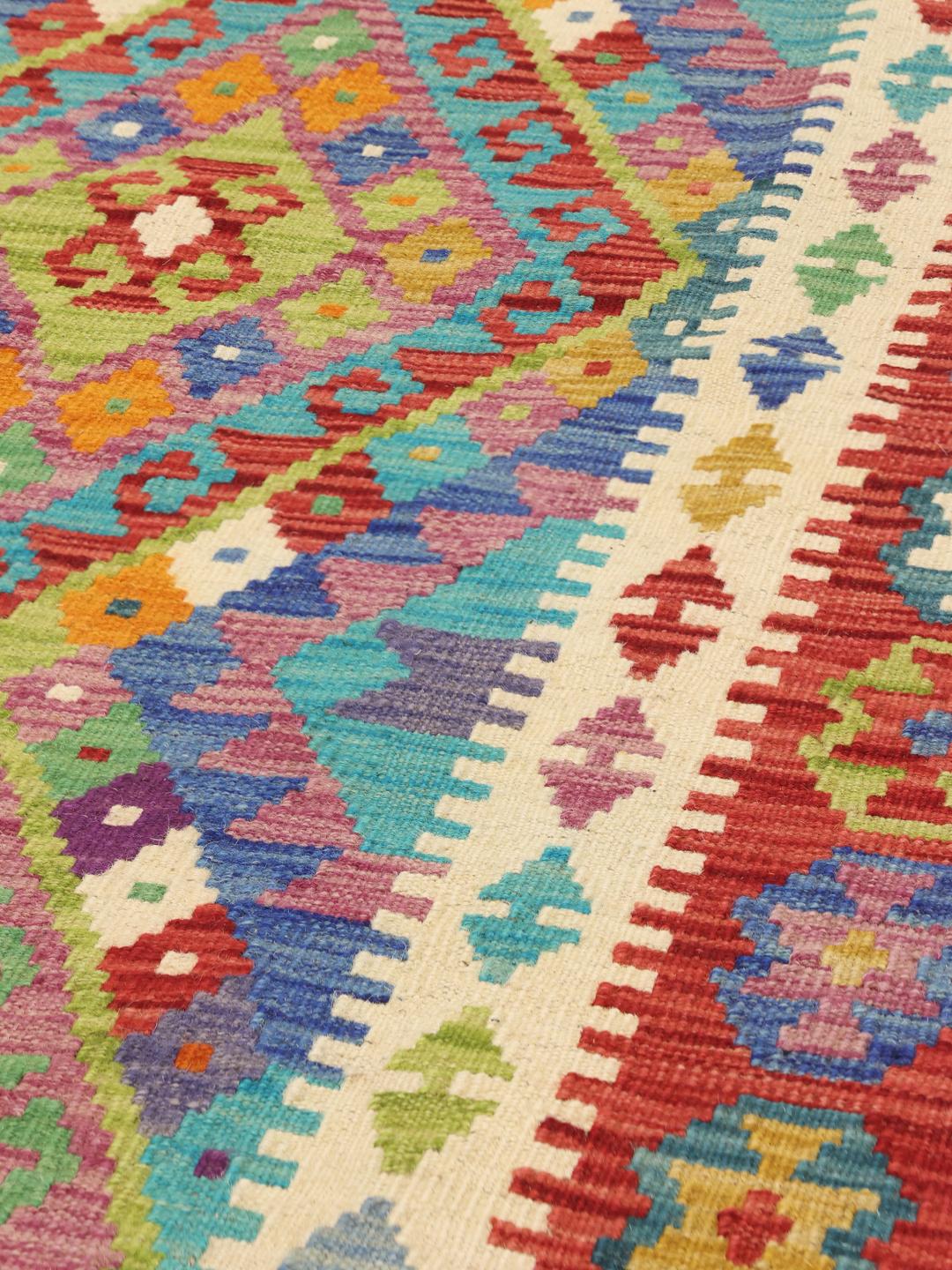
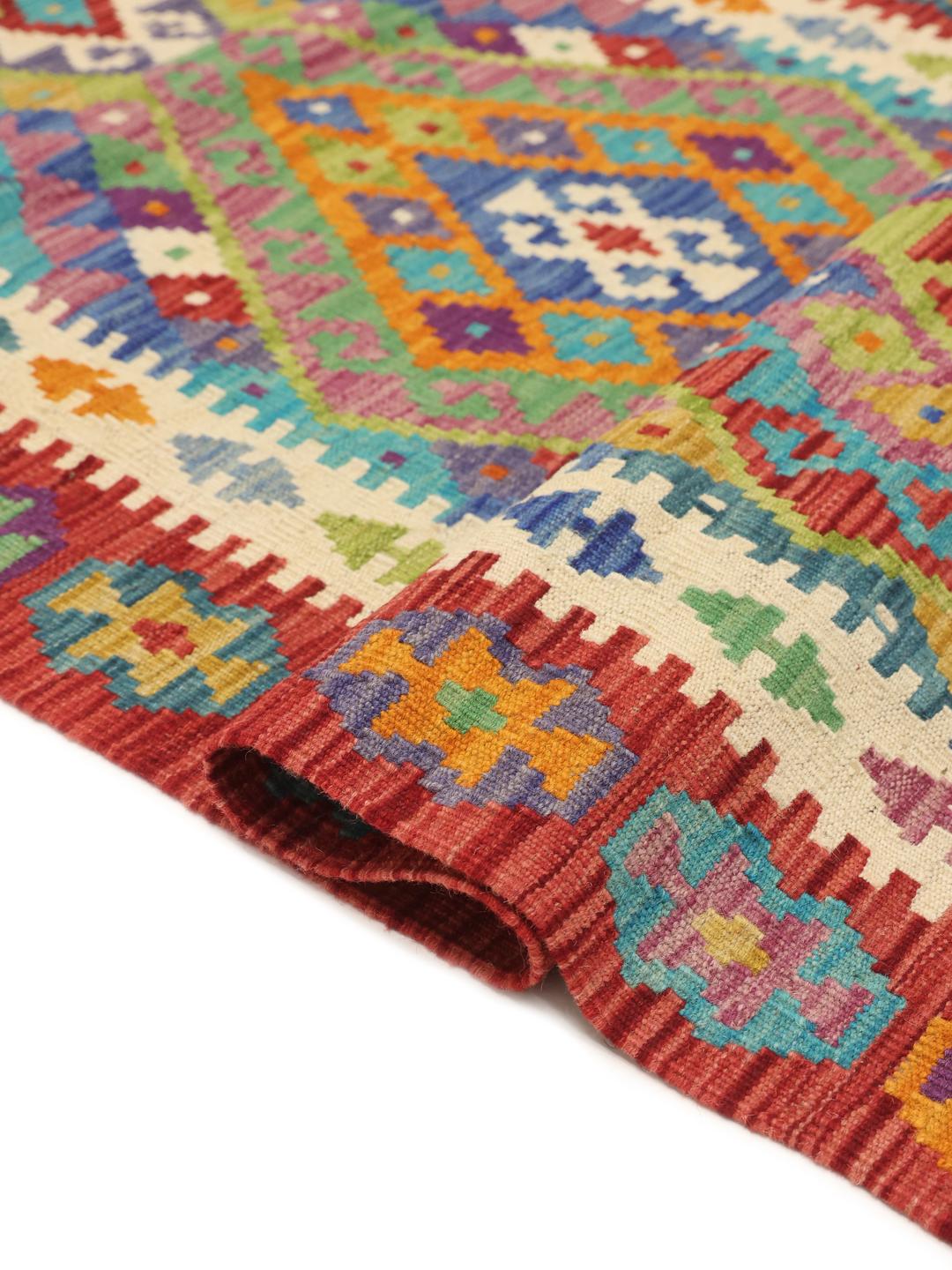
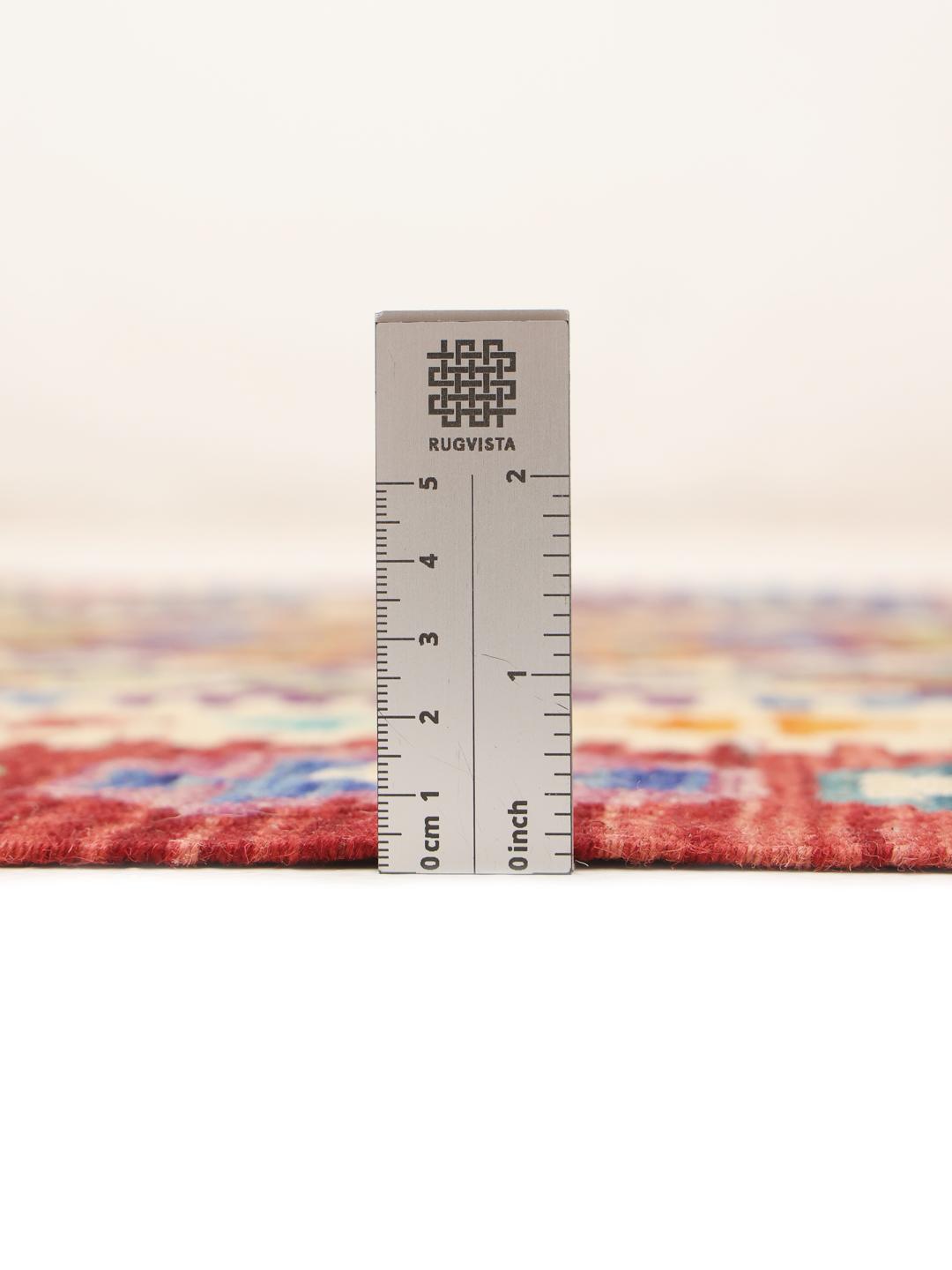
The term 'Kelim' refers to the flat-weaving technique that distinguishes these pieces from knotted rugs. By interweaving the warp and weft strands, weavers create a thinner, lighter, and reversible rug with a clean, graphic aesthetic. This approach requires a masterful understanding of tension and pattern, as the design must be calculated entirely before the weaving begins.
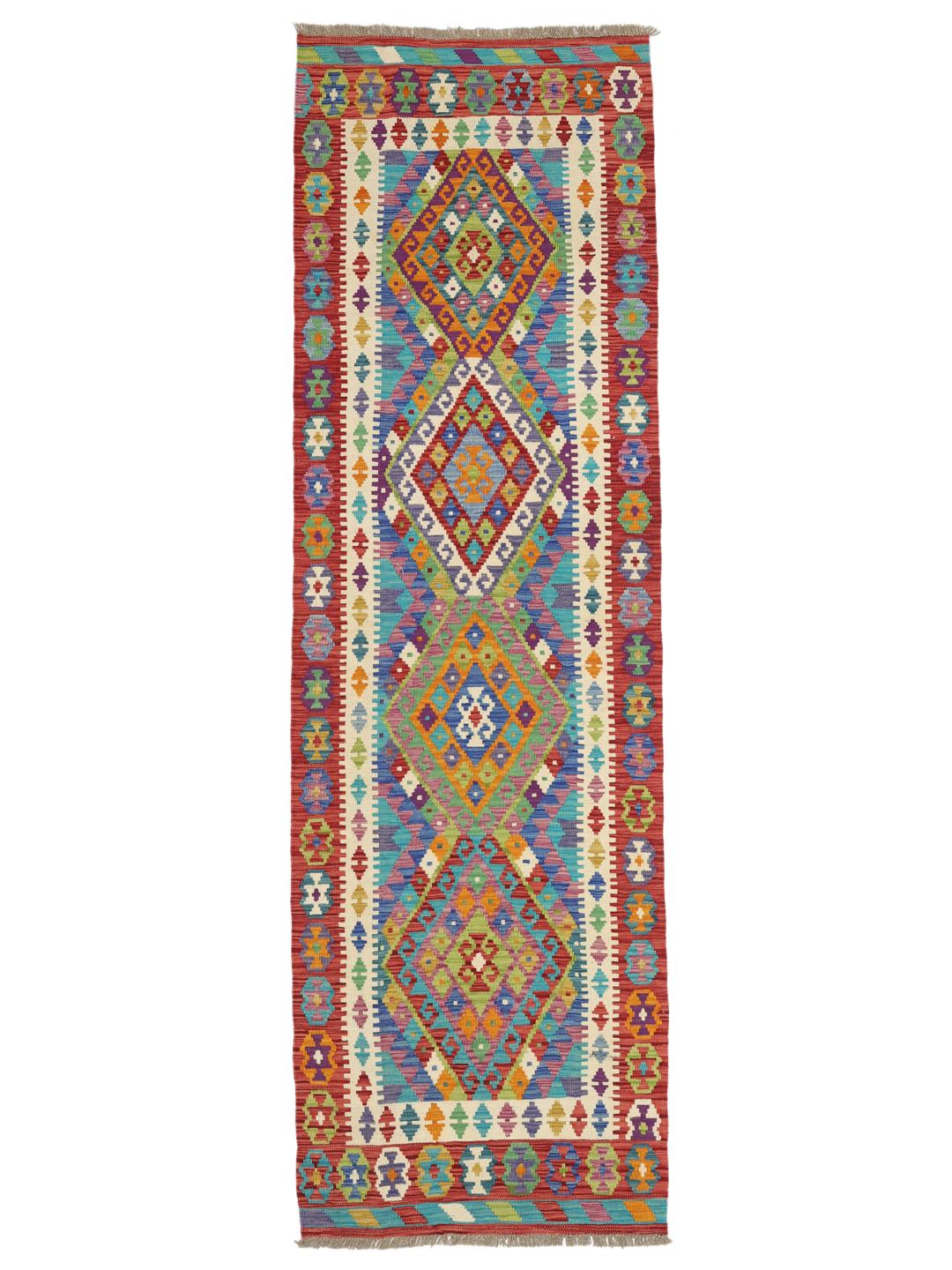
Visually, these runners are defined by their bold geometric shapes, particularly the diamond motifs that often march down the centre of the piece. The vibrant colour palette is traditionally derived from natural dyes, giving the Wool a rich, organic depth that feels both earthy and lively. The borders are typically framed with smaller, repeating motifs that anchor the field, showcasing a balance between symmetry and creative flair.
Collecting a Kelim from this region is about honouring a living heritage. Owning one means you are preserving a craft that resists the speed of modern manufacturing, favouring instead the slow, deliberate work of individual artisans. These rugs carry a cultural weight that brings warmth and authenticity to any contemporary interior, making them prized possessions for those who value tradition and skill.