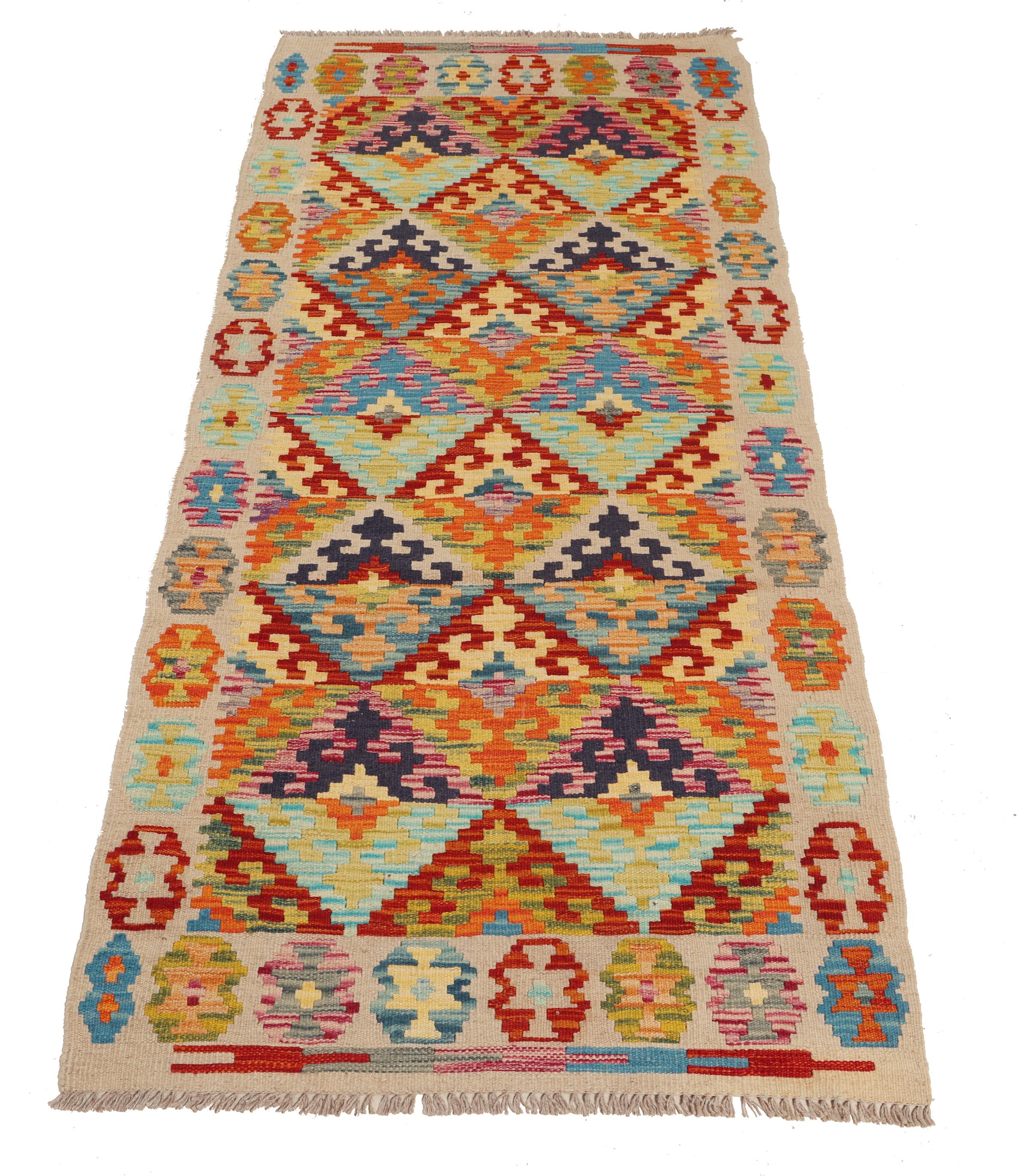
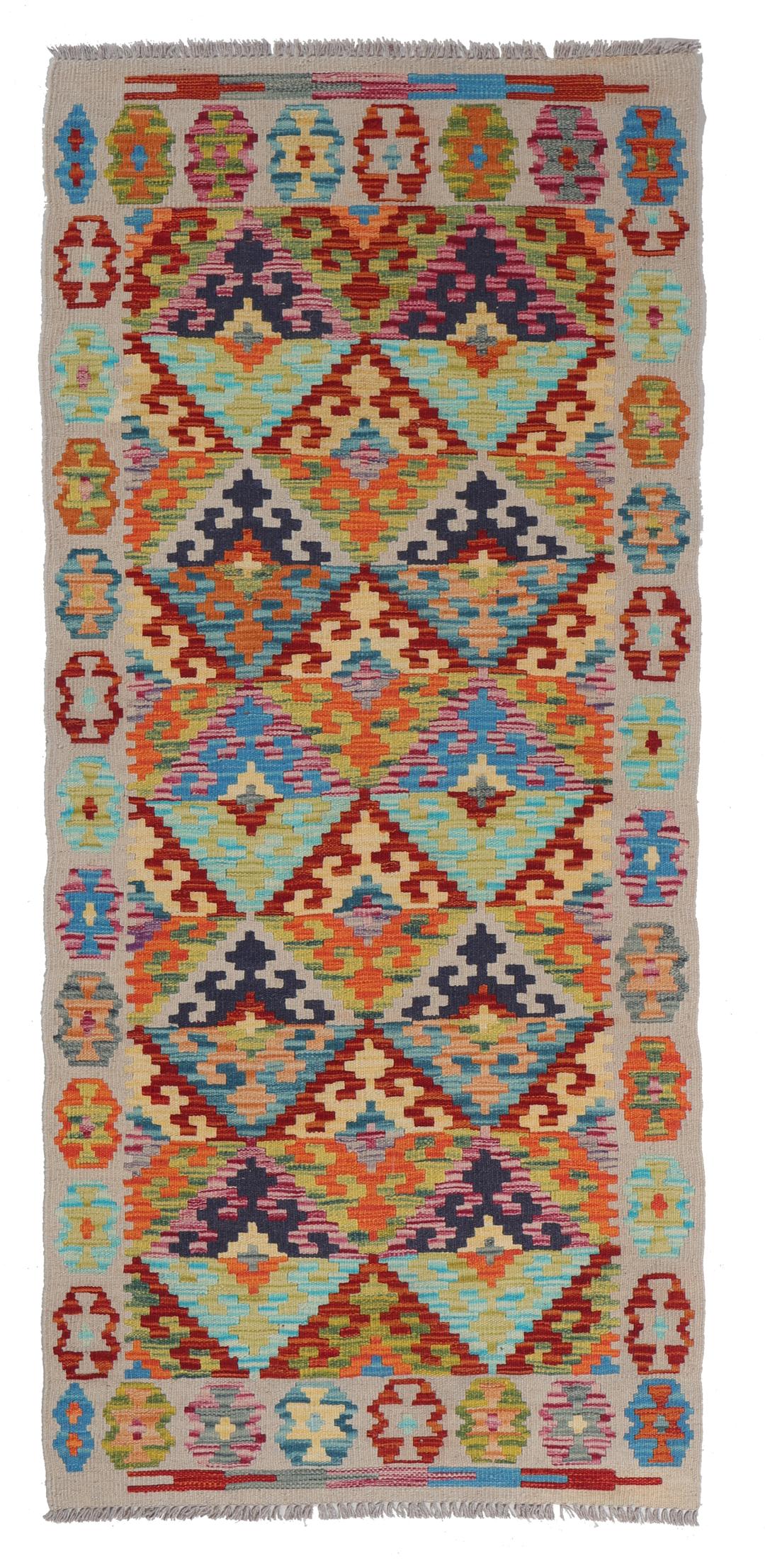
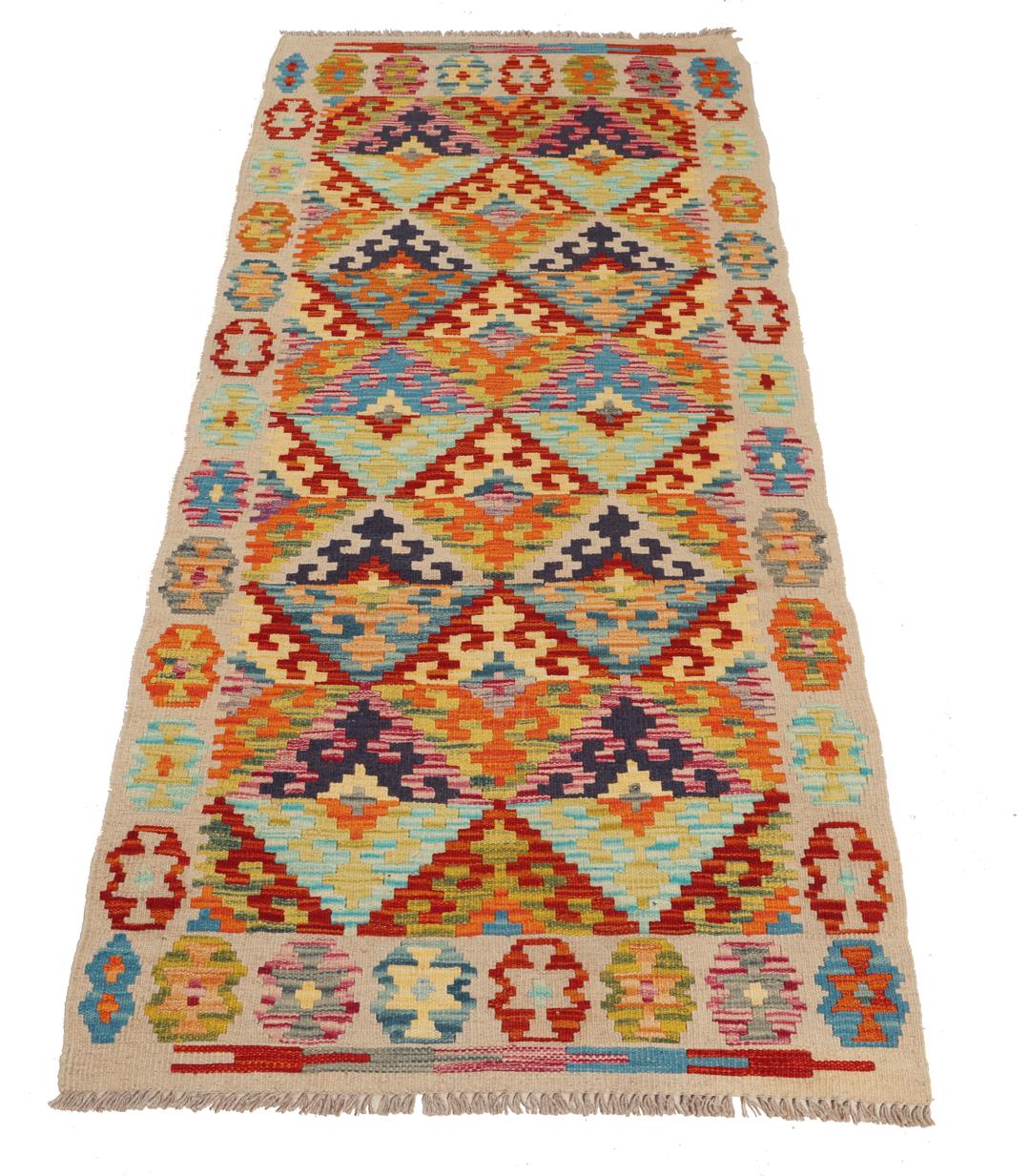
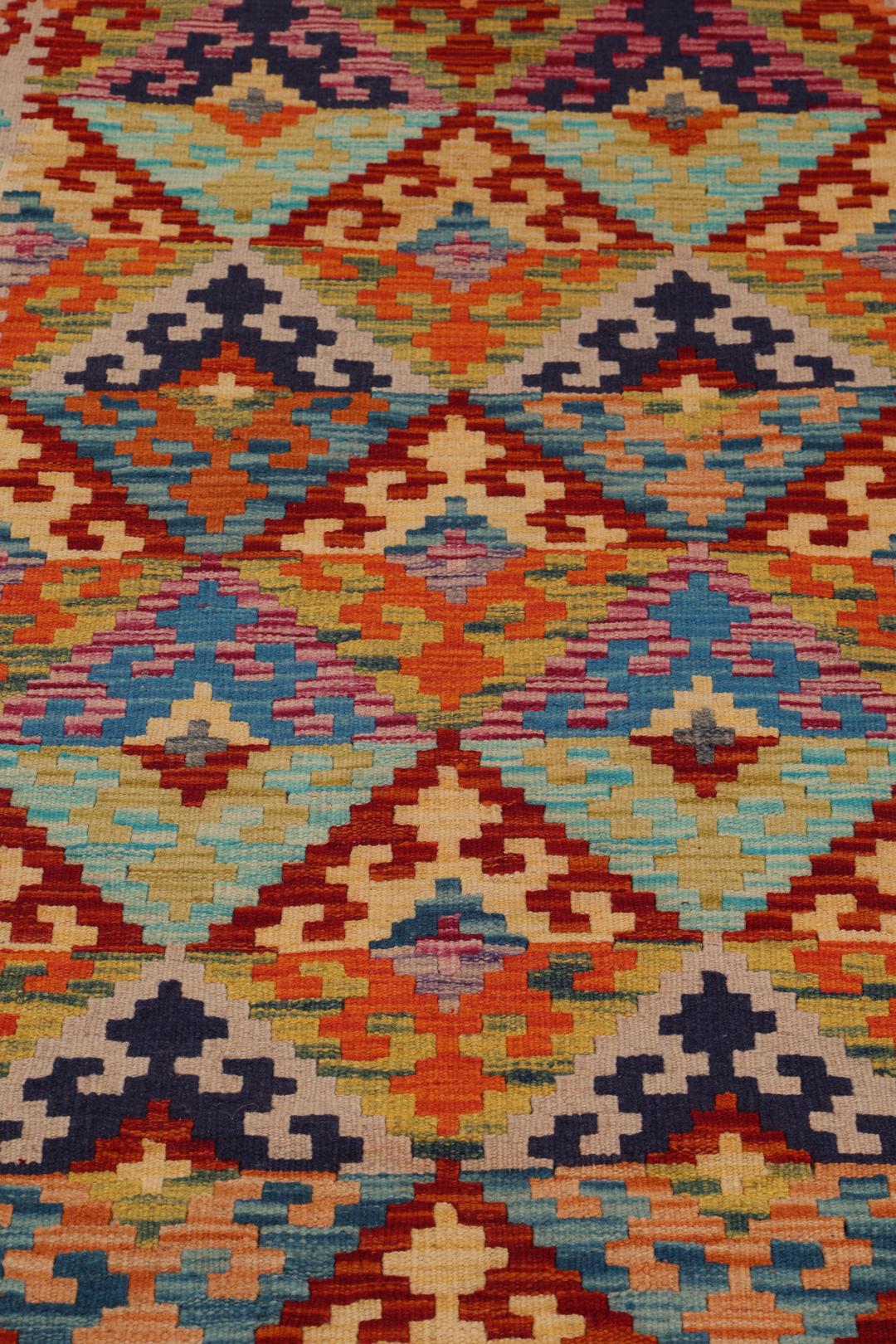
The Kelim Afghan Old Style rug is deeply rooted in the nomadic and village weaving traditions of the Middle East, particularly the rugged landscapes of Afghanistan. These rugs are born from a culture that has perfected the art of flat-weaving over centuries, using local resources to create functional items that were historically essential for daily life. The migration of these styles reflects the movement of tribal groups across the region, blending diverse cultural influences into a cohesive visual language.
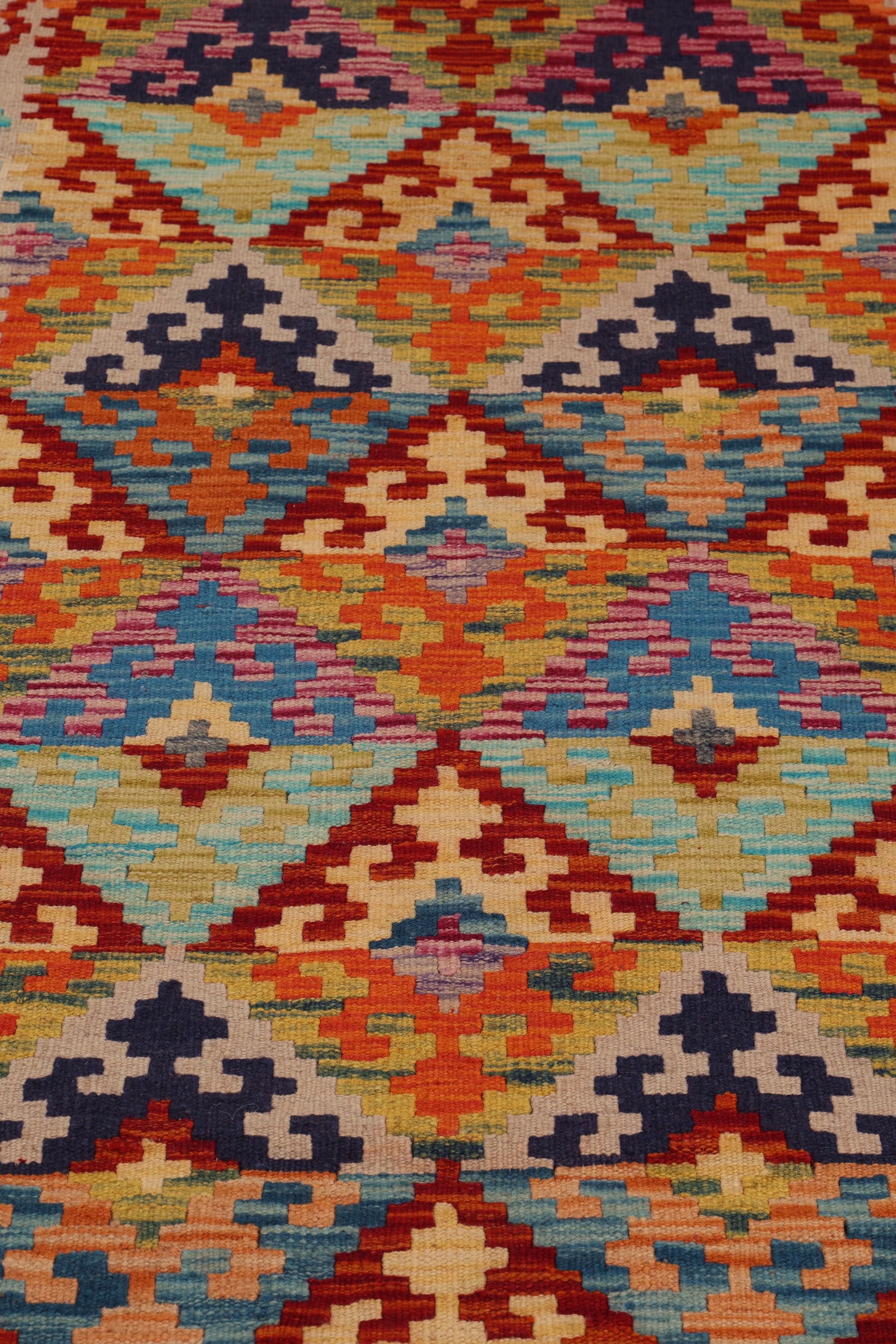
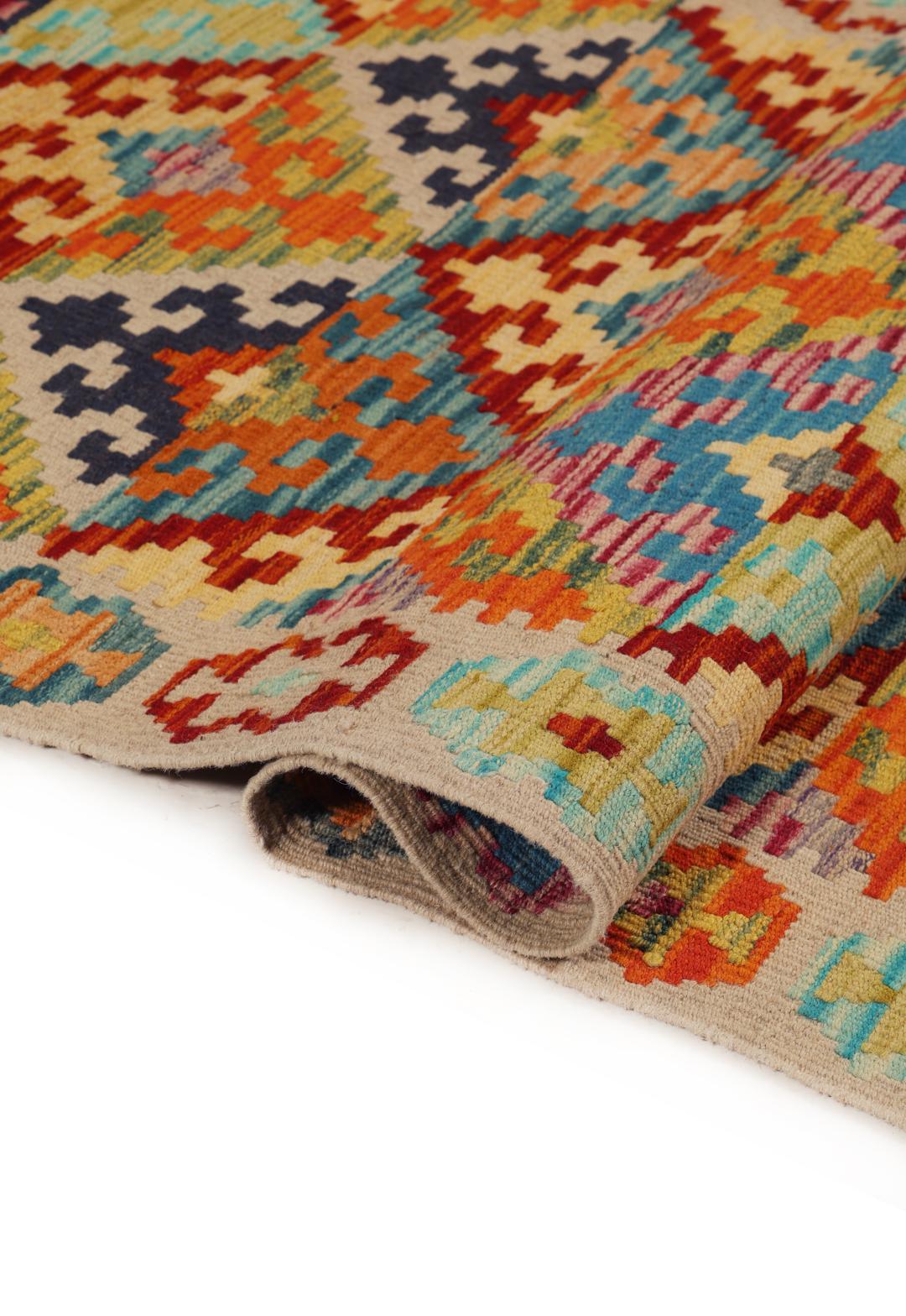
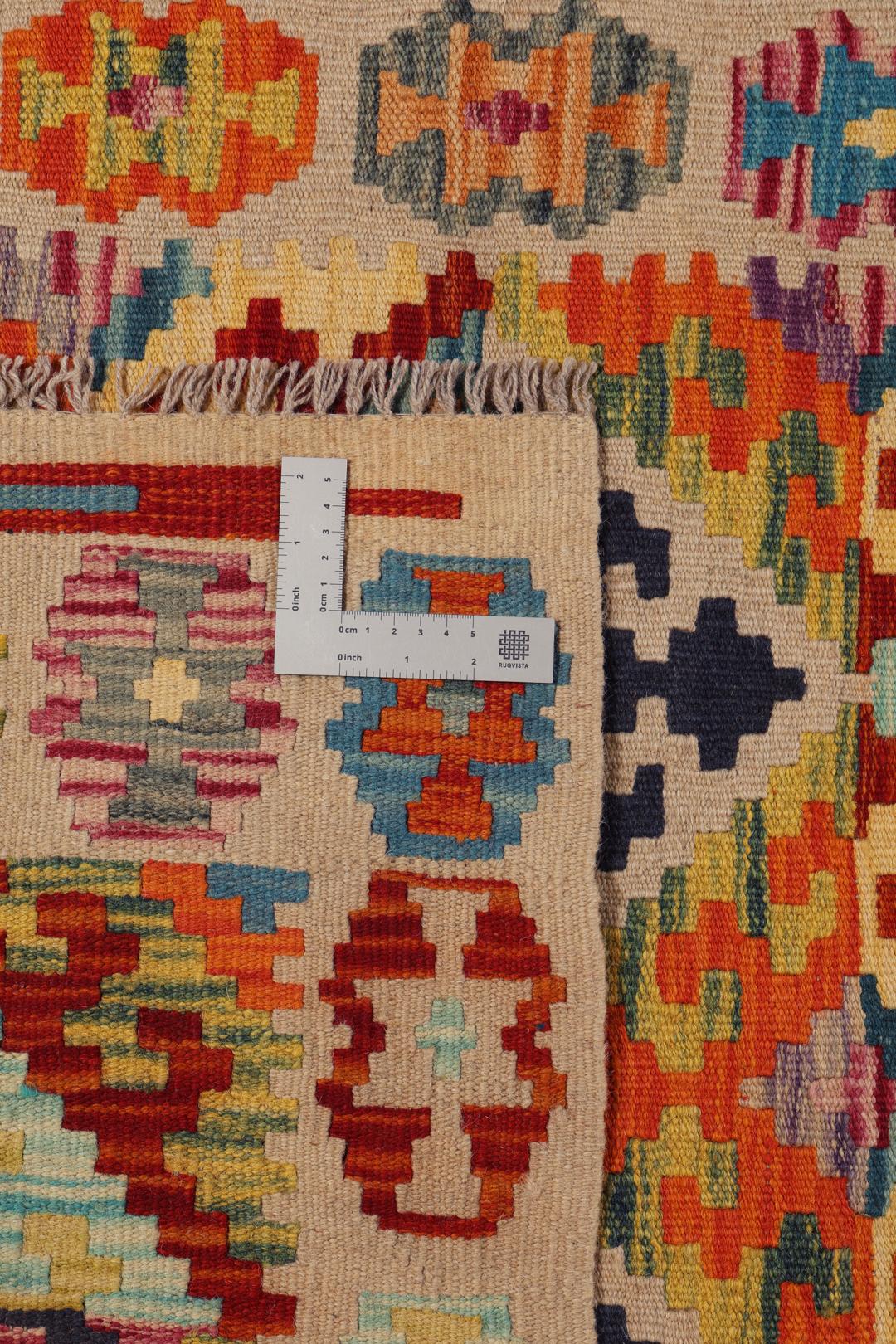
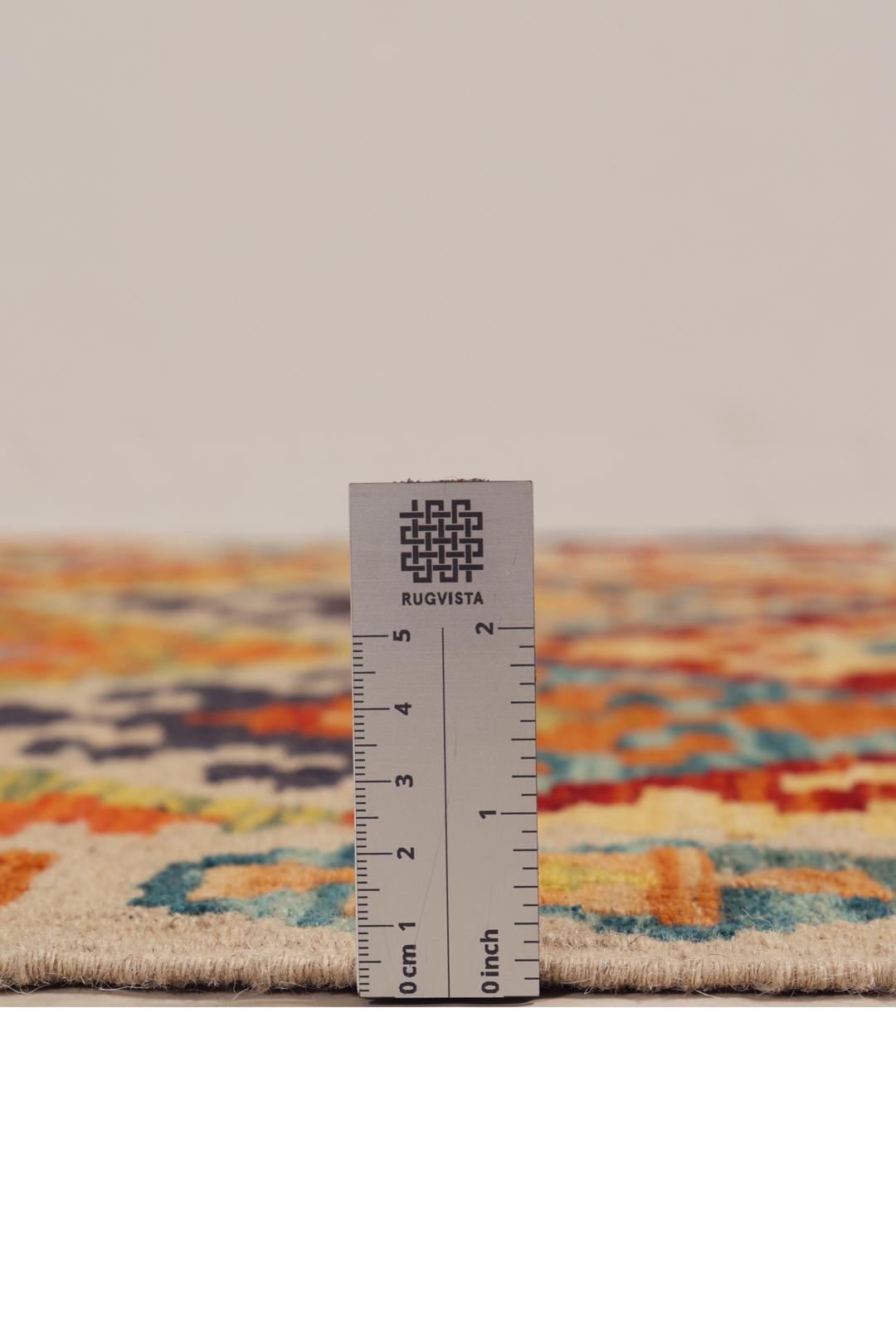
A Kelim is defined by its flat-woven construction, which lacks a knotted pile. This technique results in a lighter, more versatile fabric that is exceptionally durable. The absence of a pile allows the geometric patterns to be woven directly into the foundation, requiring a high degree of precision from the weaver. This method matters because it creates a reversible, low-profile rug that is both easy to maintain and inherently strong, capable of withstanding generations of use.
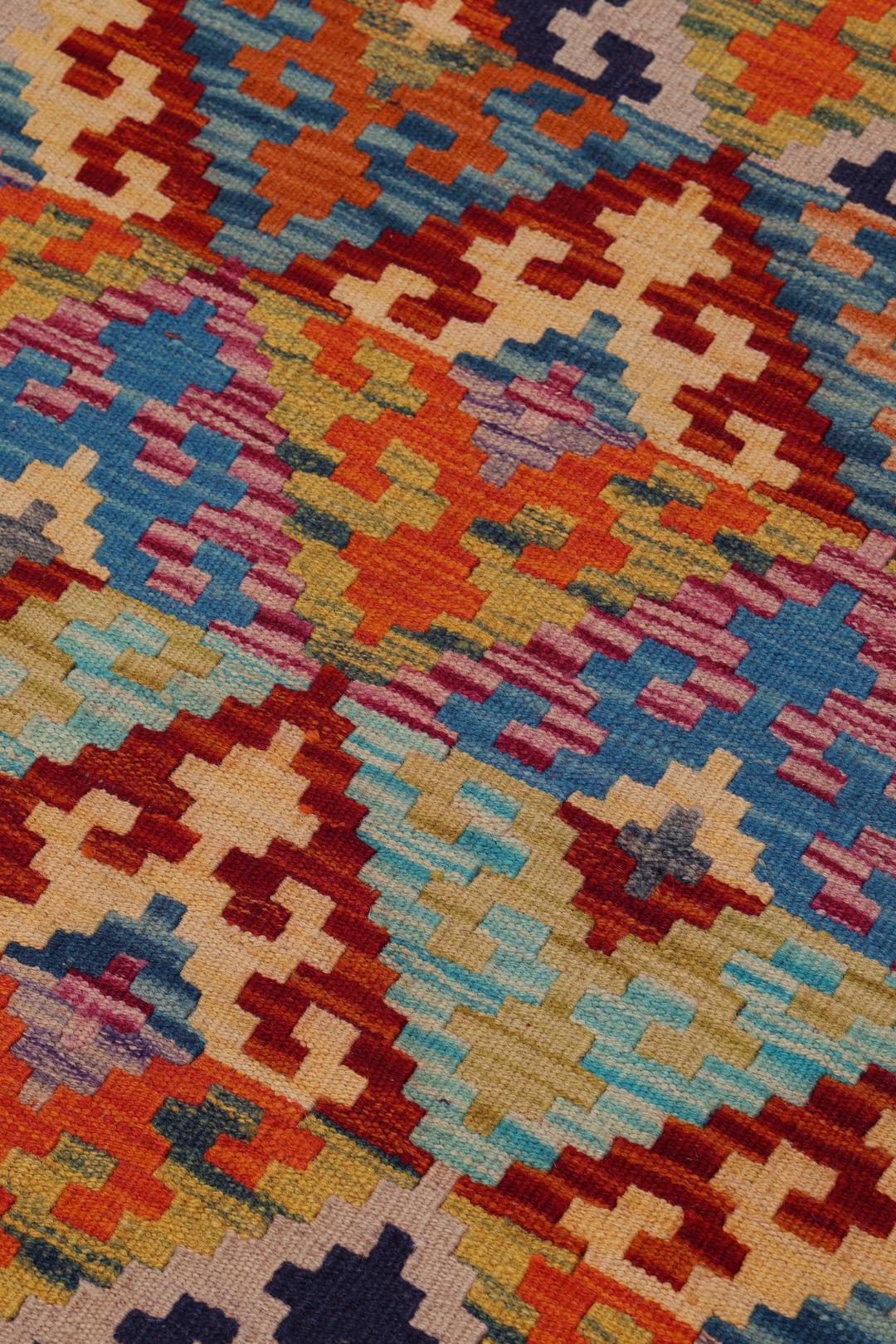
The visual language of these rugs is dominated by strong geometric forms, bold medallions, and intricate borders, often rendered in deep, earthy tones contrasted by bright, saturated colours. These motifs are not merely decorative but often hold symbolic significance, representing protection, fertility, or tribal identity. This particular piece showcases a masterful use of colour, where the interplay of light and dark threads creates a sense of movement and depth that is highly characteristic of the region’s finest weavers.
Collecting a Kelim Afghan Old Style rug is an investment in cultural heritage and artisanal skill. These pieces are highly valued because they represent a living history, with each pattern and colour choice telling a story of the person who created it. Owning one means bringing a piece of this rich, enduring craft tradition into your home, ensuring that these ancient techniques continue to be appreciated and preserved for the future.