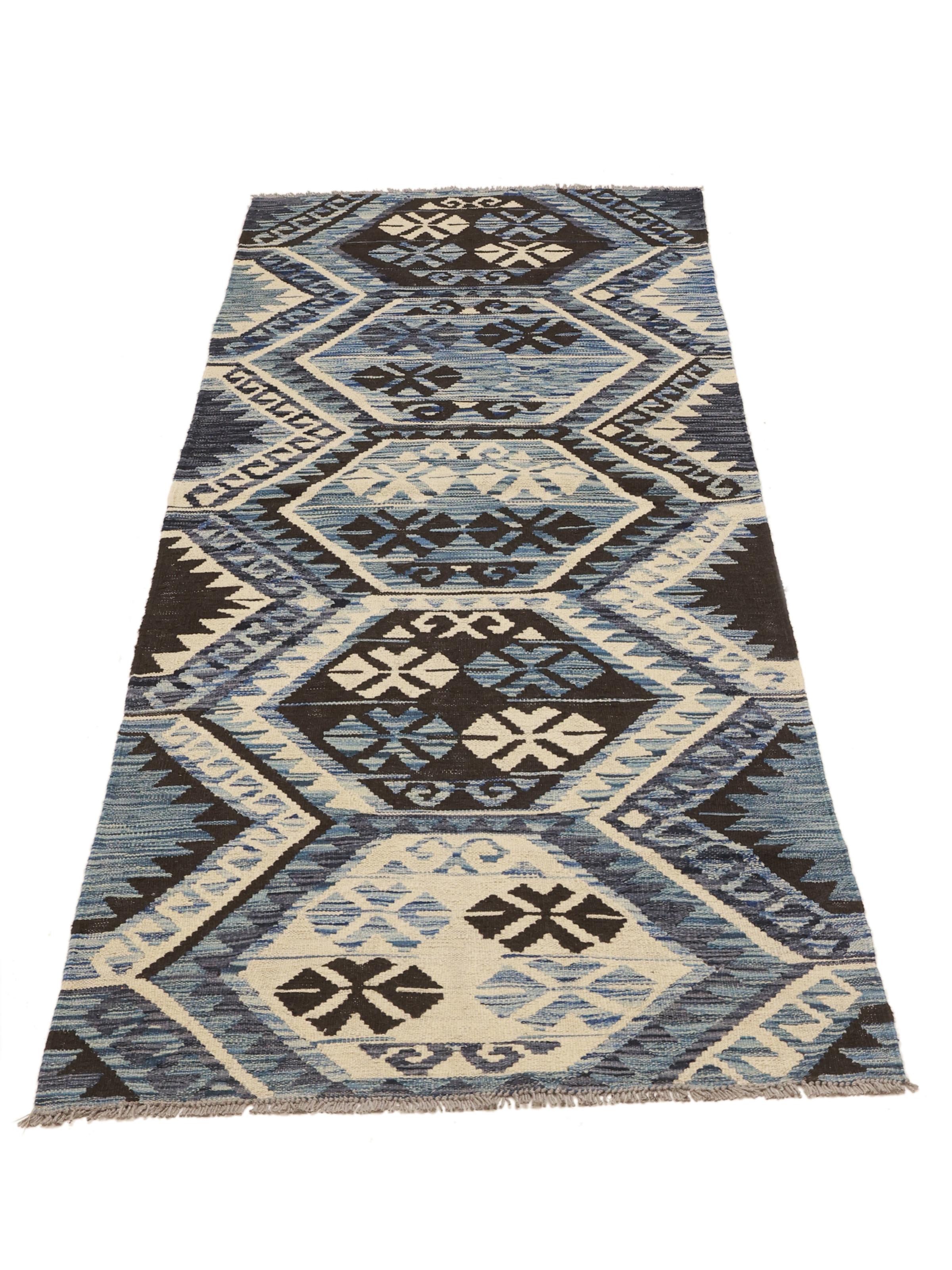
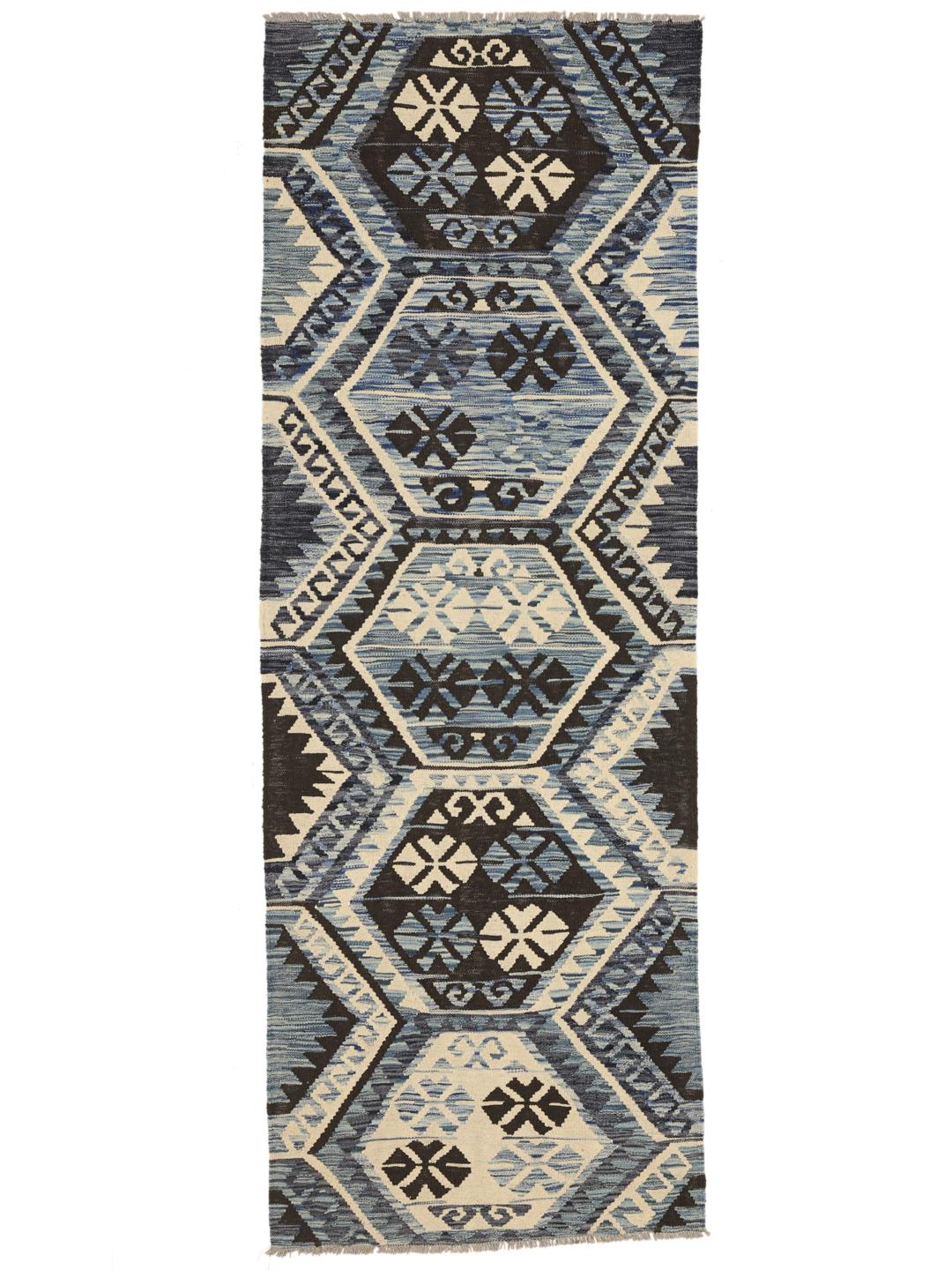
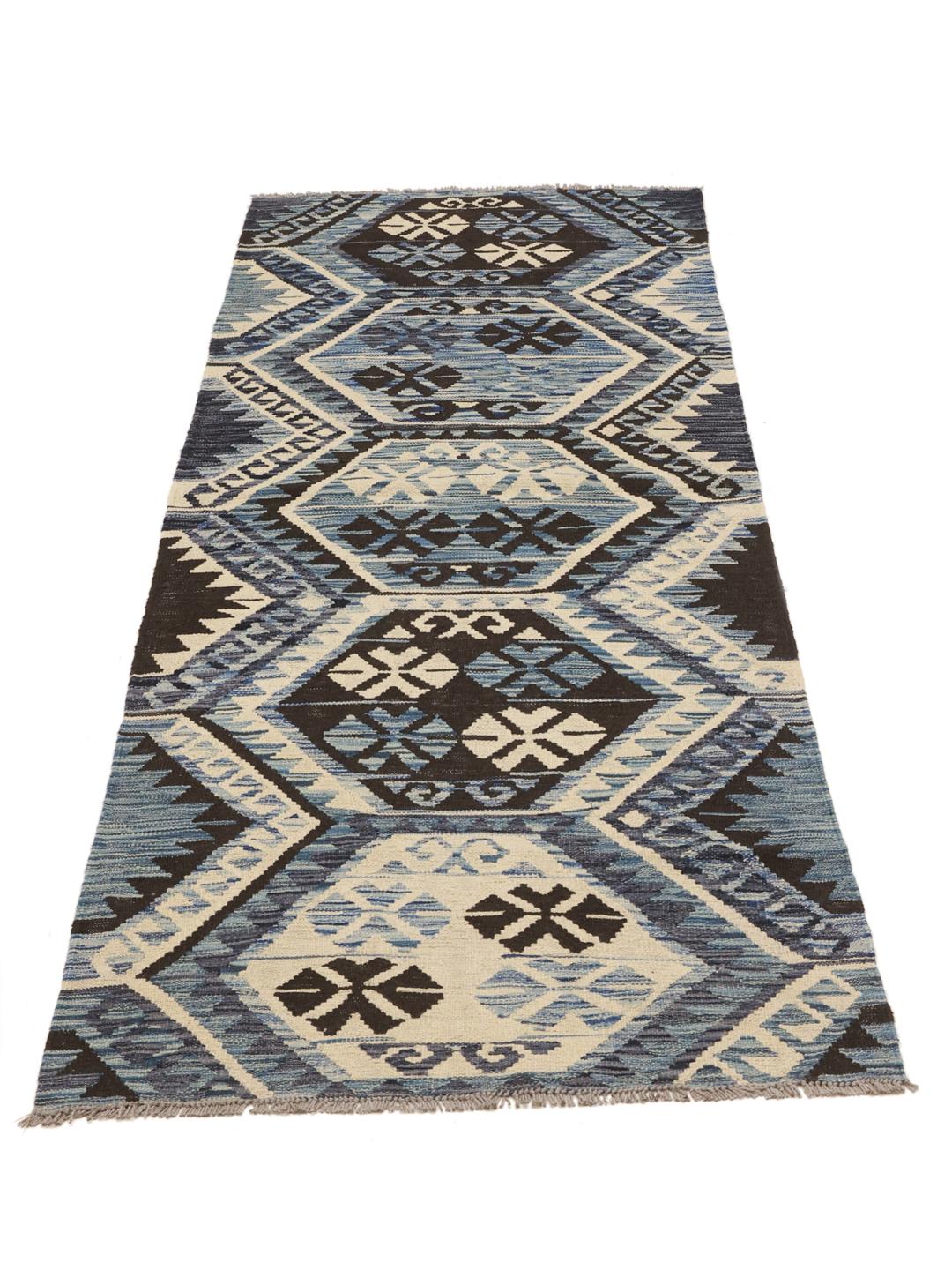
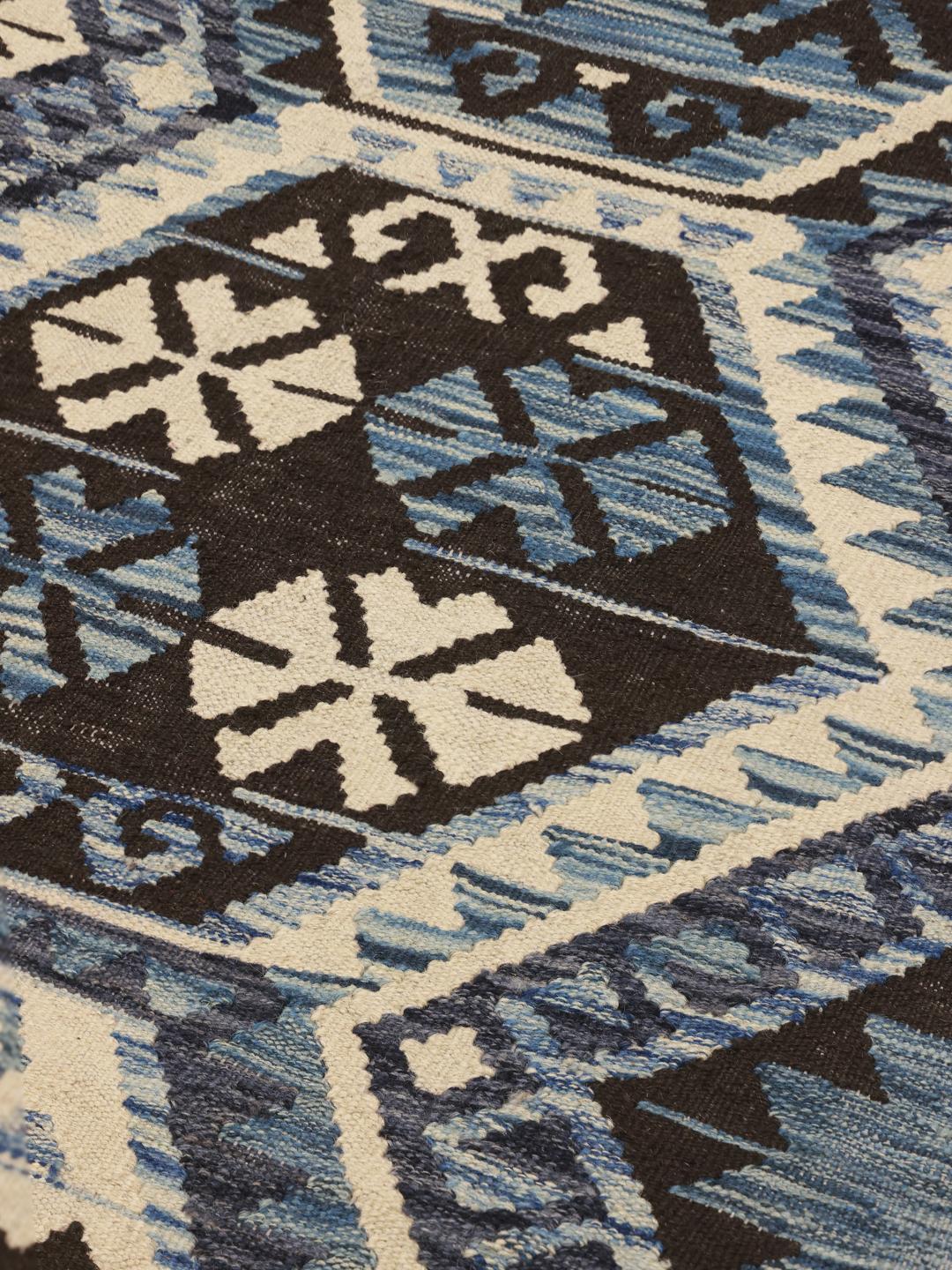
The Kelim Afghan Old Style rug finds its roots in the nomadic and semi-nomadic traditions of Afghanistan, a region with a profound history of textile artistry. For generations, weavers in this area have utilised local materials to create flat-woven rugs, known as kilims, which were originally designed for both utility and beauty. These rugs were essential to nomadic life, serving as floor coverings, wall hangings, and storage bags, and were valued for their portability and strength.
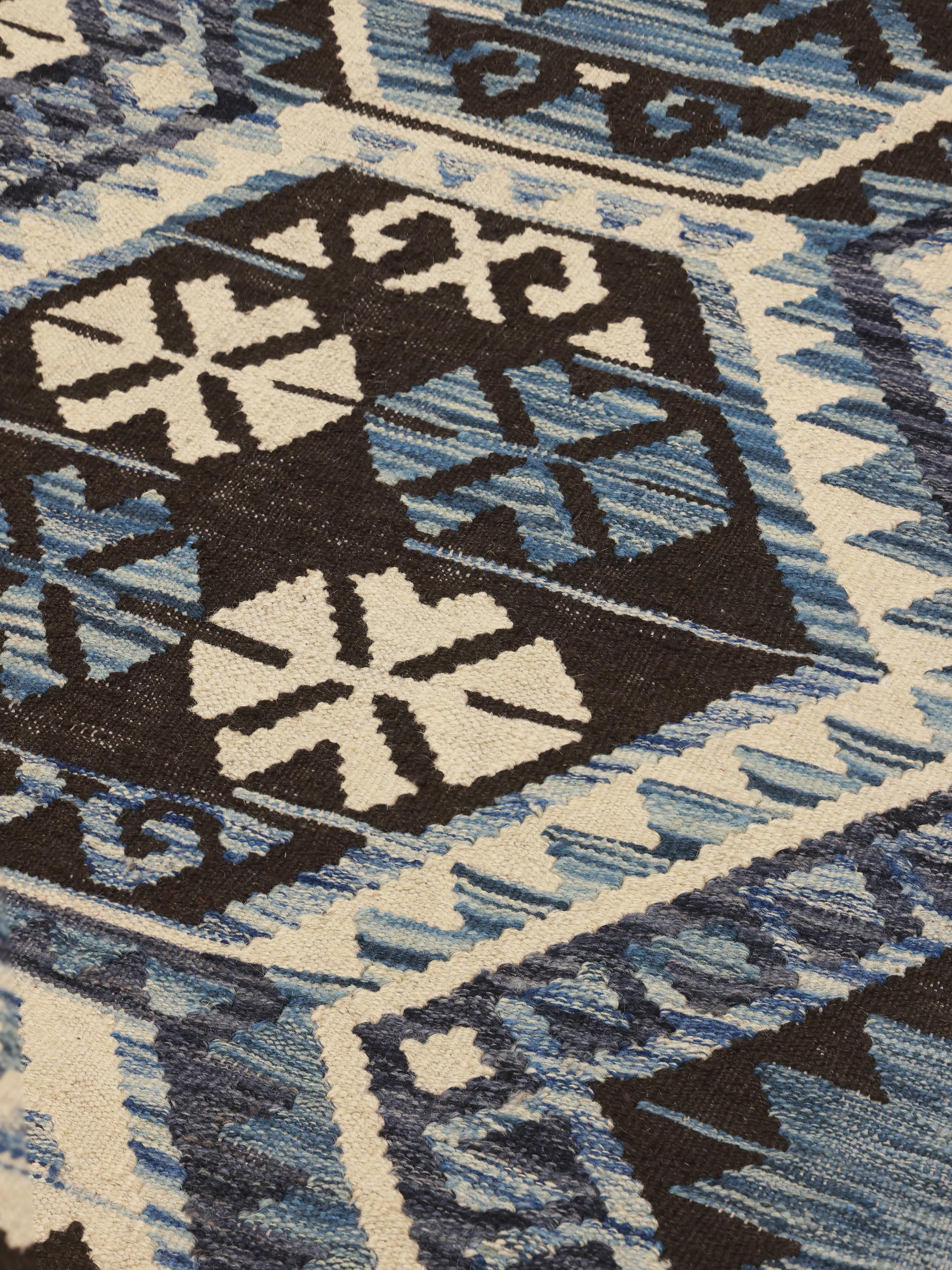
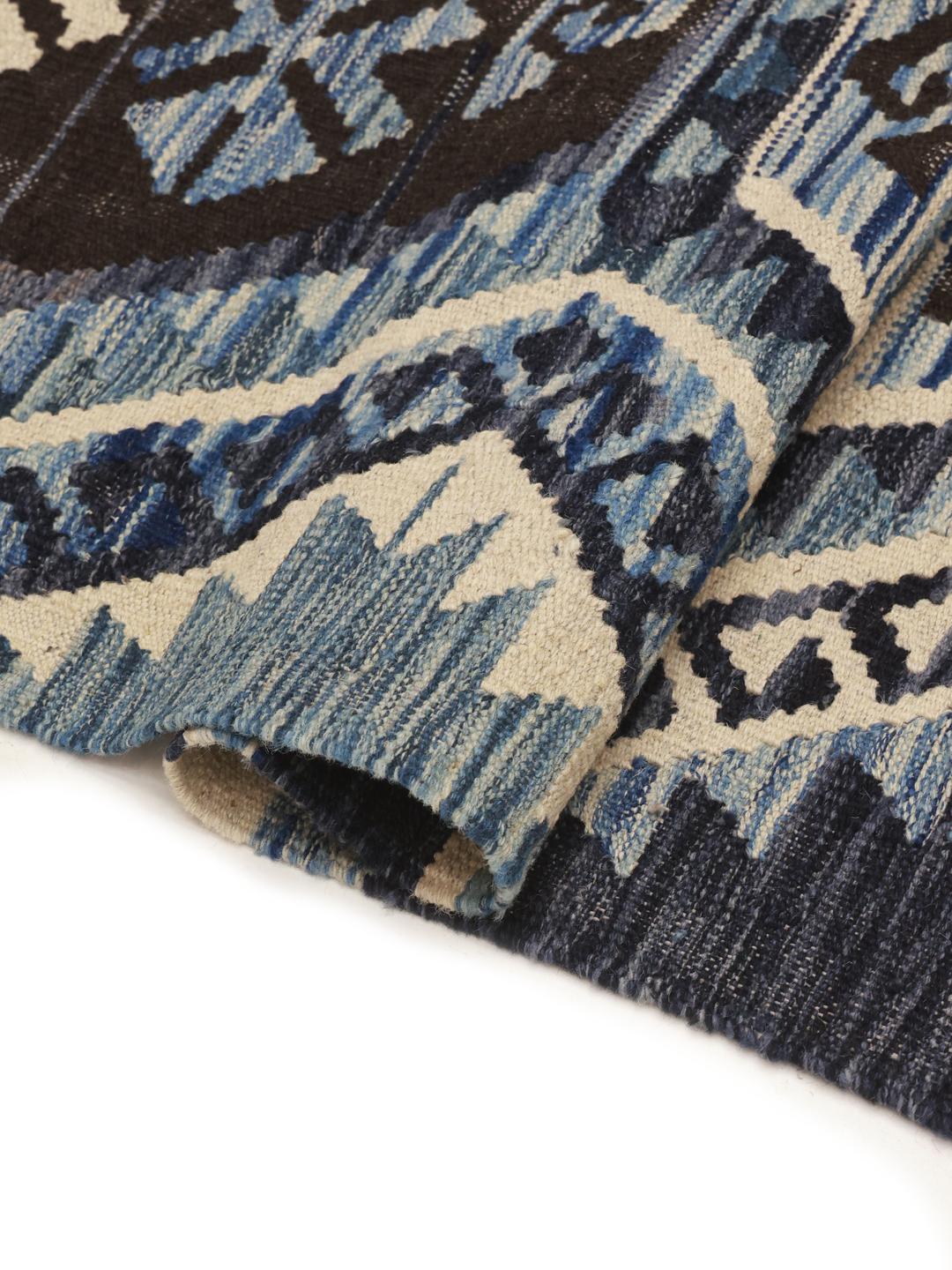
The term 'Kelim' refers to the flat-weaving technique where the warp and weft are interlaced so tightly that they create a smooth, pileless surface. This method is highly respected for its requirement of technical precision, as the pattern must be perfectly aligned during the weaving process. The result is a lighter, more versatile rug that offers a distinct, clean aesthetic while retaining the durability expected of high-quality wool construction.
Signature design elements of these rugs often include bold geometric shapes, such as diamonds, triangles, and stylised medallions, which reflect the cultural heritage of the tribes who created them. These motifs are not merely decorative but are deeply symbolic, often telling stories or serving as protective talismans. The use of deep, natural hues often derived from regional plants and minerals gives these rugs a timeless, authentic appearance that fits seamlessly into a variety of modern home settings.
Owning an Afghan Kelim is an opportunity to preserve a piece of human history. These rugs are highly sought after by collectors not just for their visual appeal, but for the skill and cultural narrative they represent. By bringing such a piece into your home, you are honouring a legacy of craftsmanship that has survived through centuries, ensuring that this tradition of artistic expression continues to thrive in contemporary spaces.