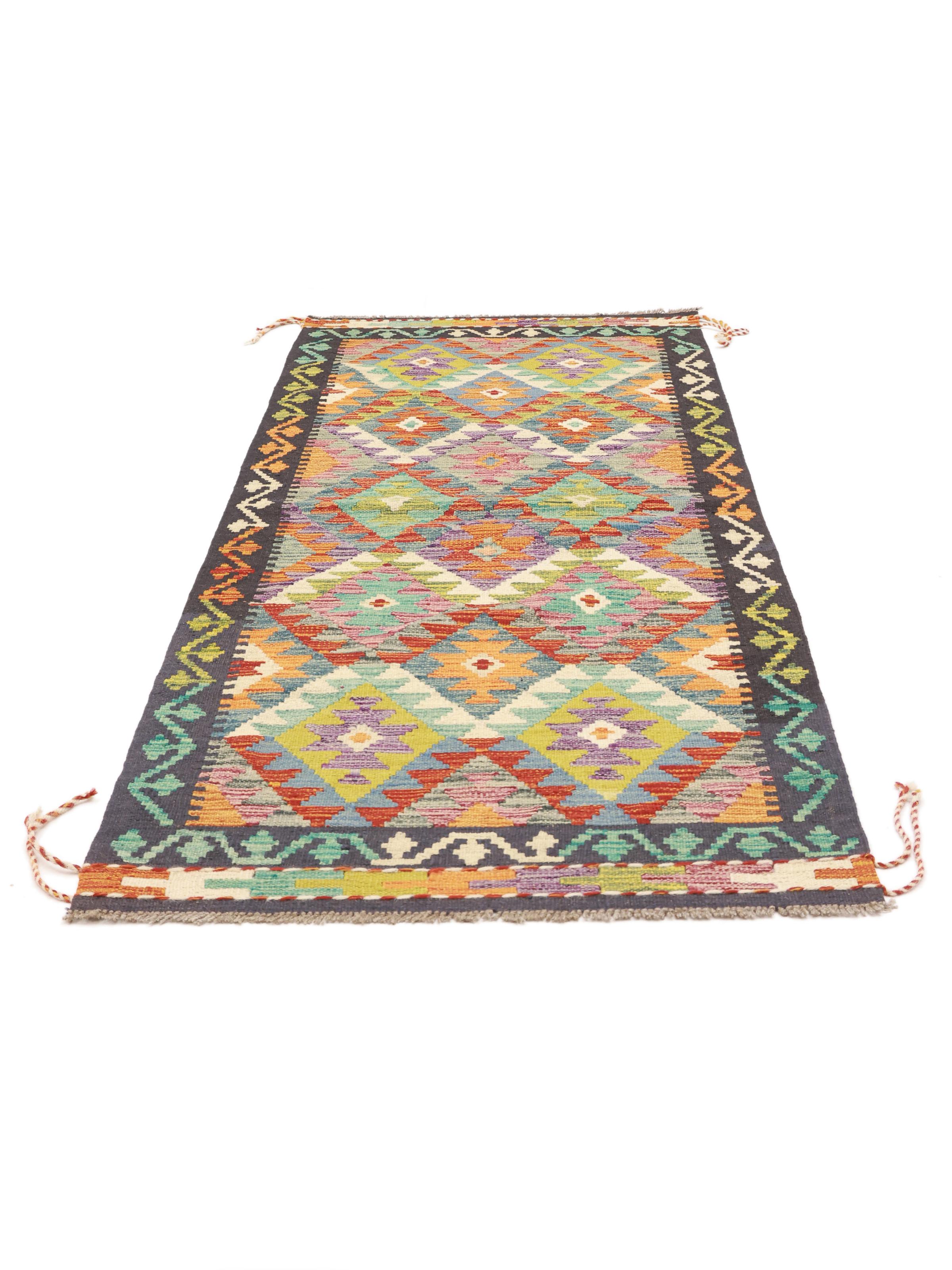
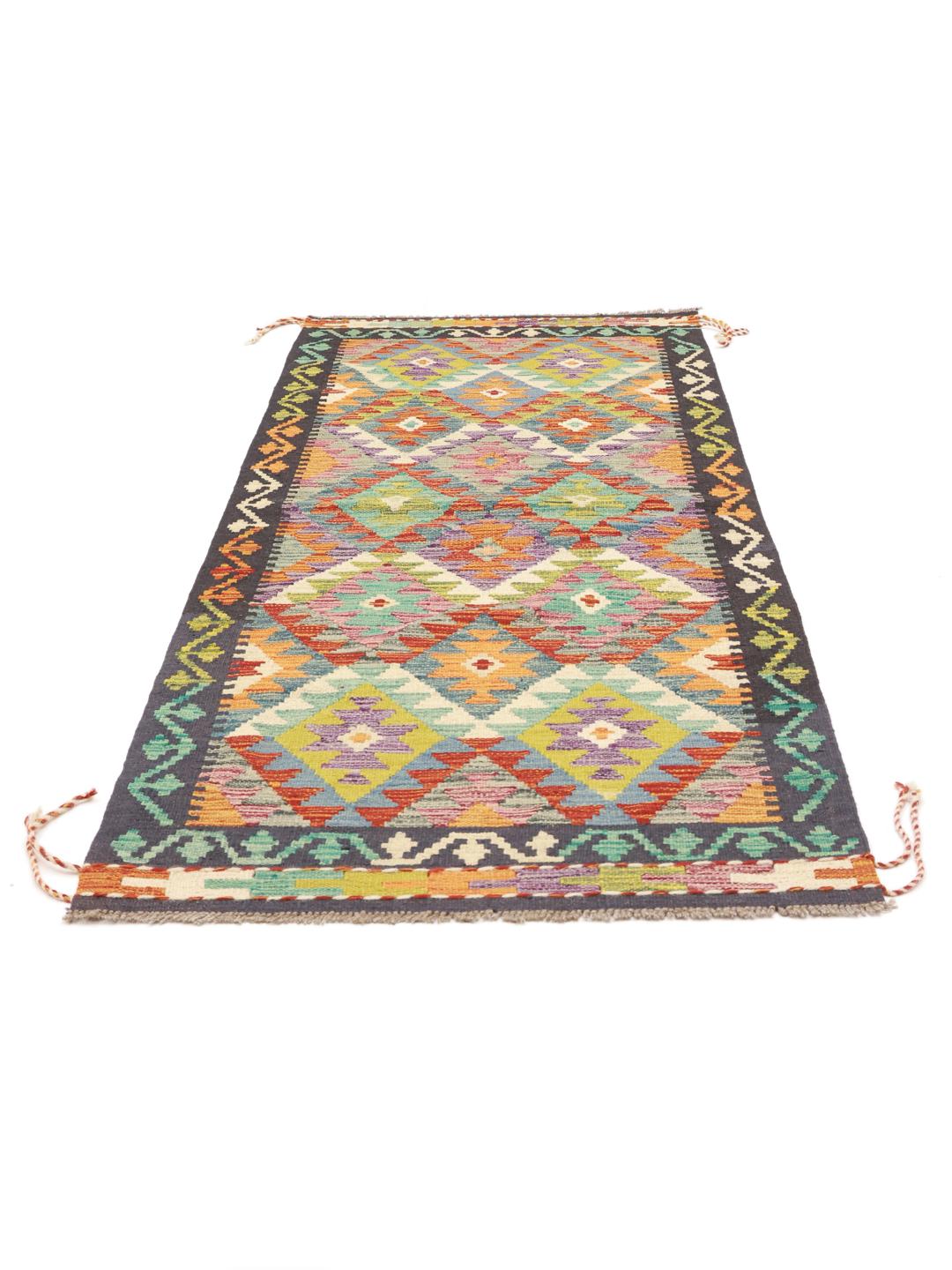
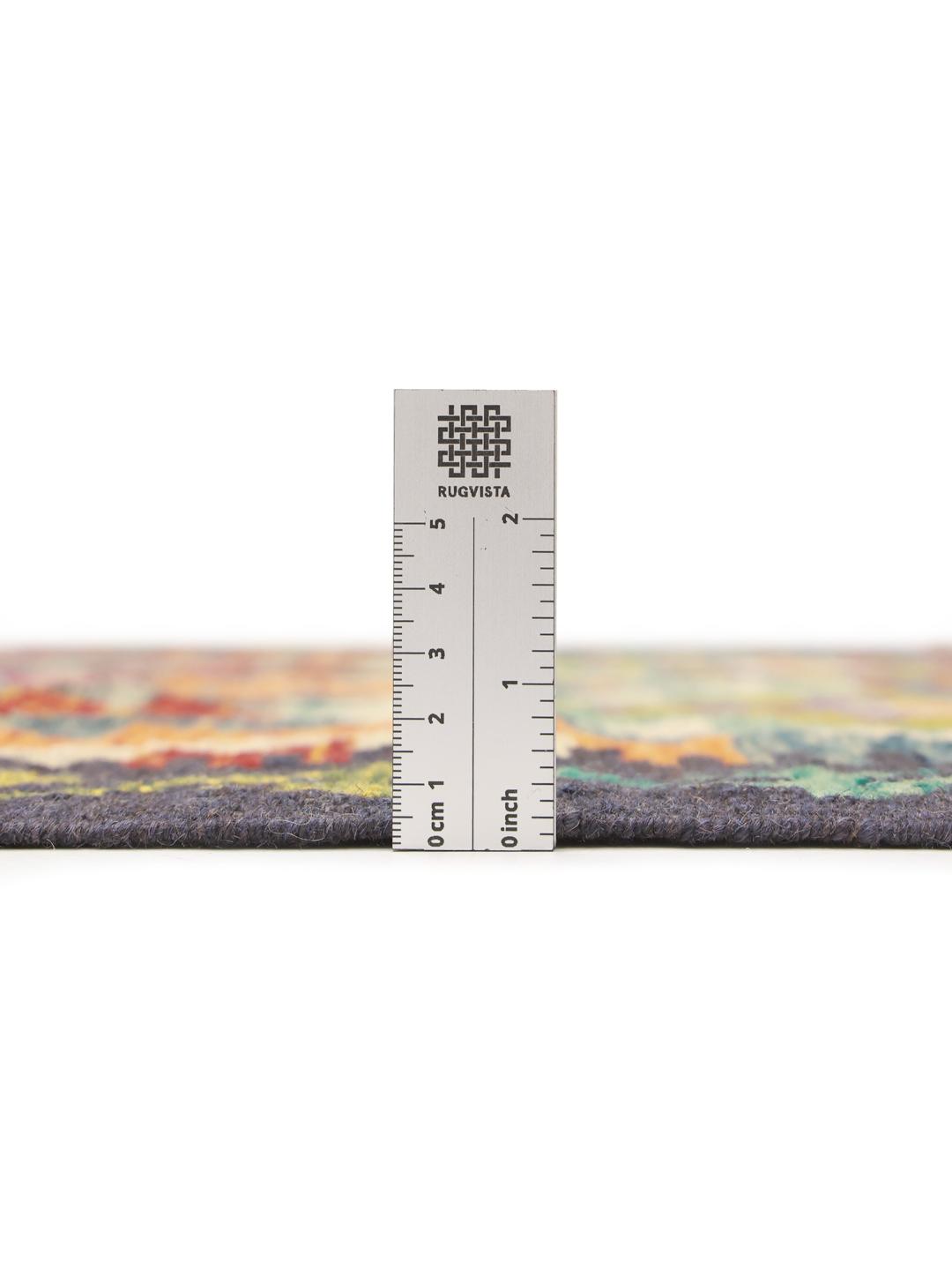
The Afghan Kelim tradition is deeply rooted in the nomadic history of the Middle East, where weavers developed flat-weaving techniques to create durable, portable textiles for life on the move. These rugs, known as Kelims, are defined by their lack of pile, a tradition that evolved from the practical need for lightweight floor coverings that could serve as both flooring and decorative wall hangings in traditional settings.
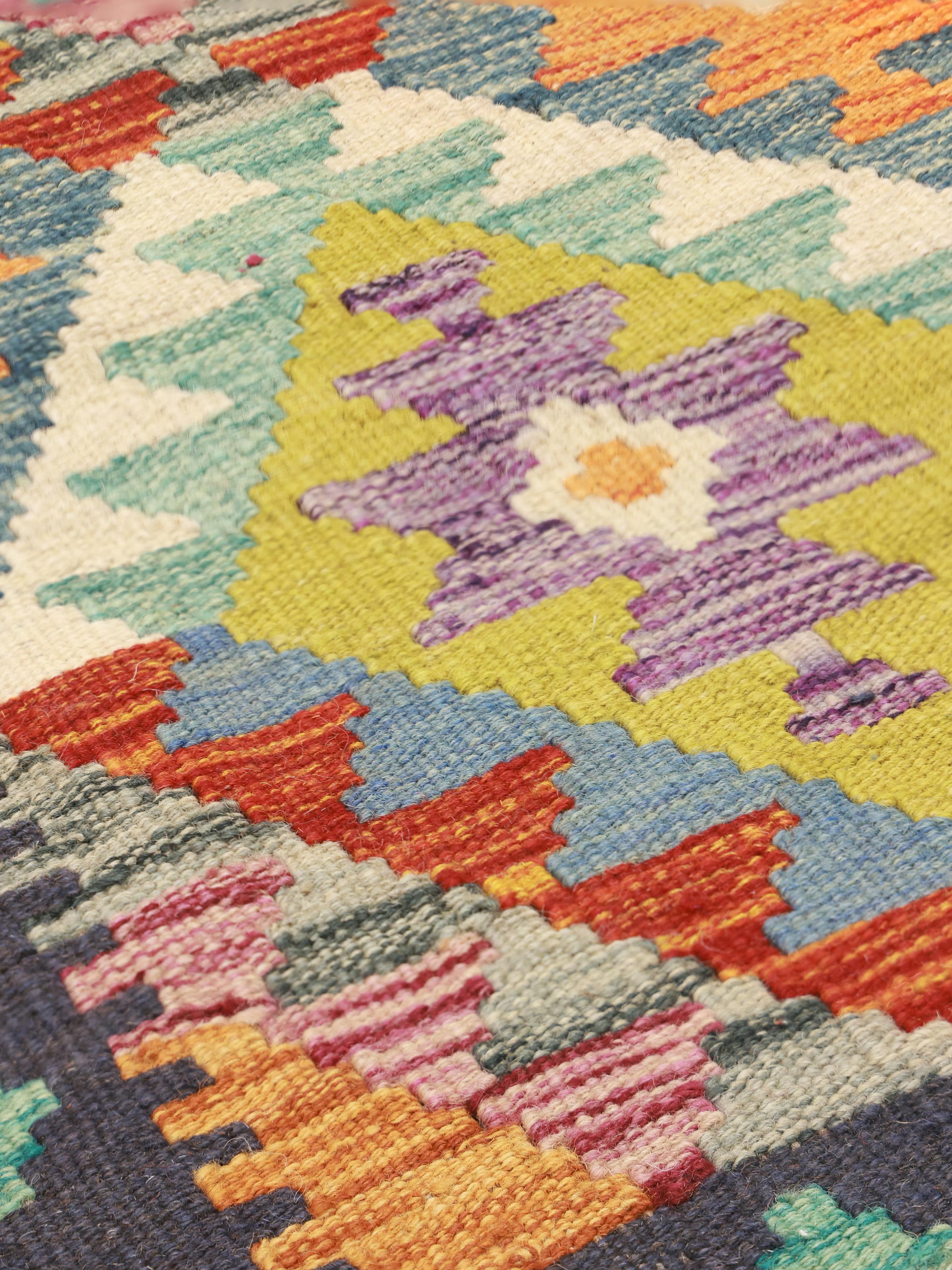
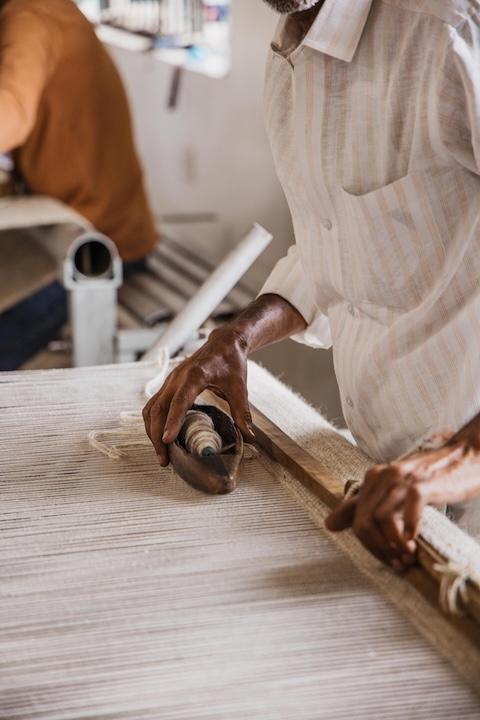
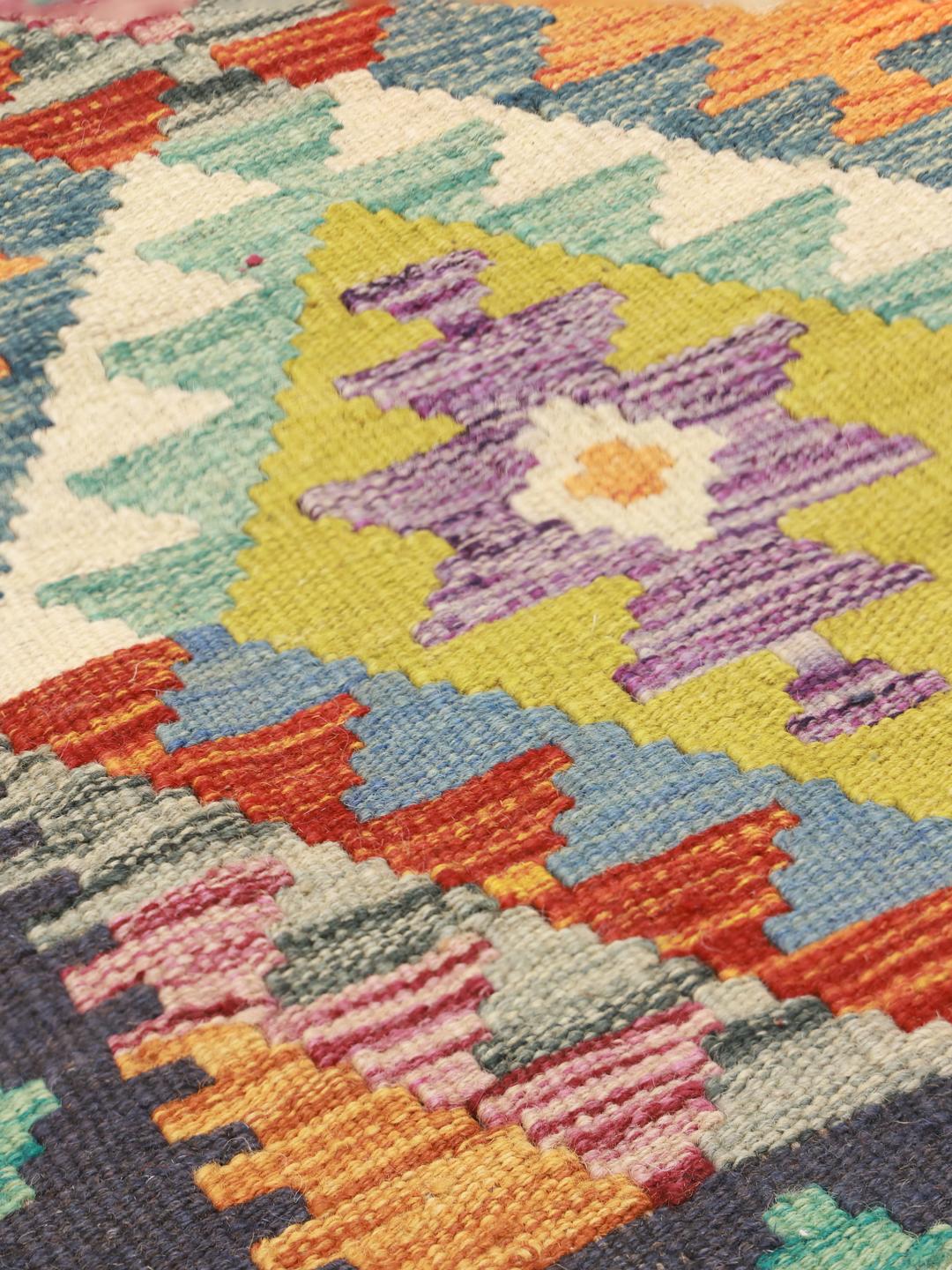
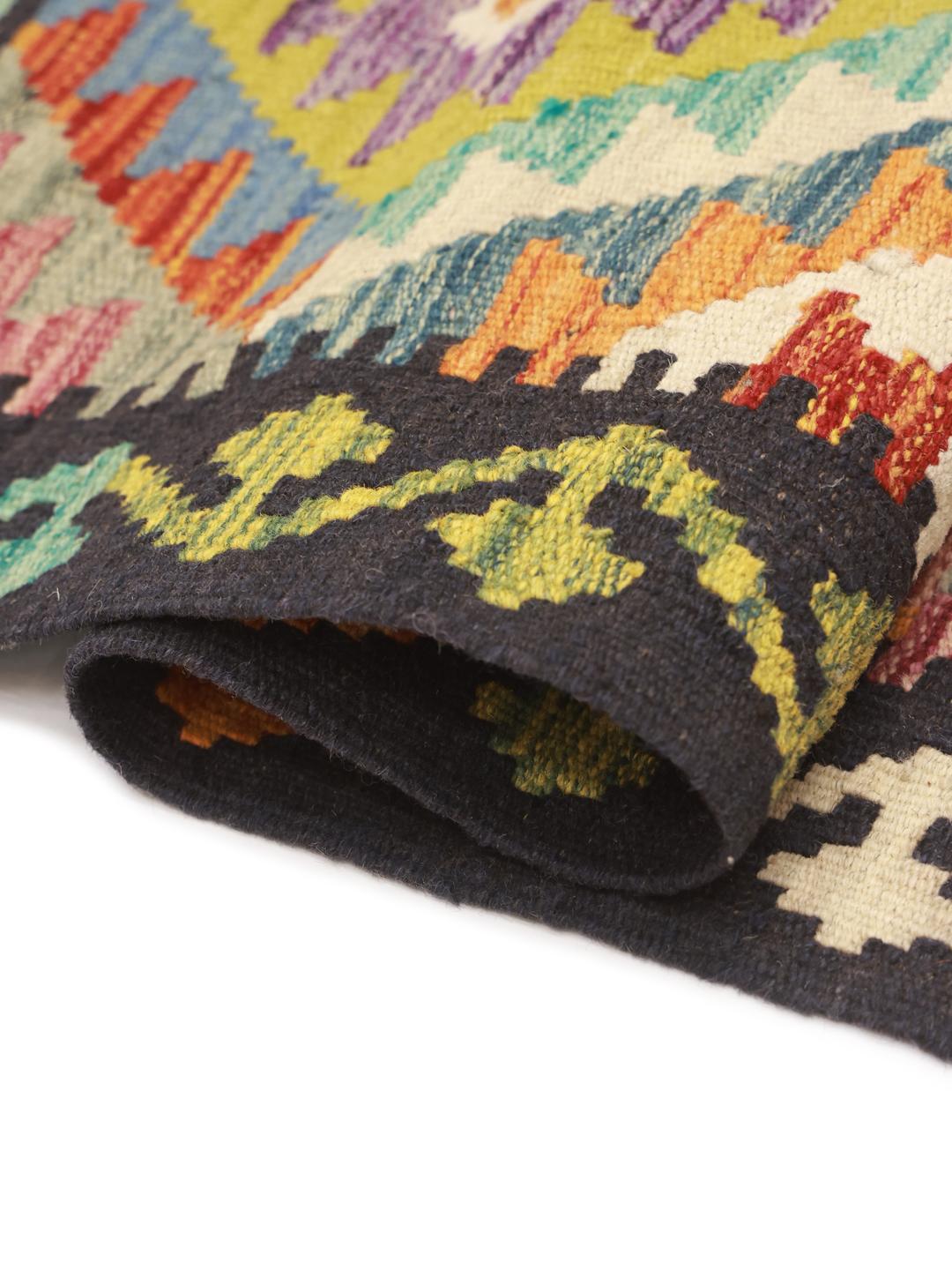
Understanding the flat-weave construction is key to appreciating these rugs. By interweaving the coloured weft threads directly with the warp, the weaver creates a smooth, reversible surface that is incredibly strong. This technique allows for the sharp, crisp lines seen in the geometric motifs, as the design is essentially built into the very structure of the rug rather than knotted onto a separate foundation.
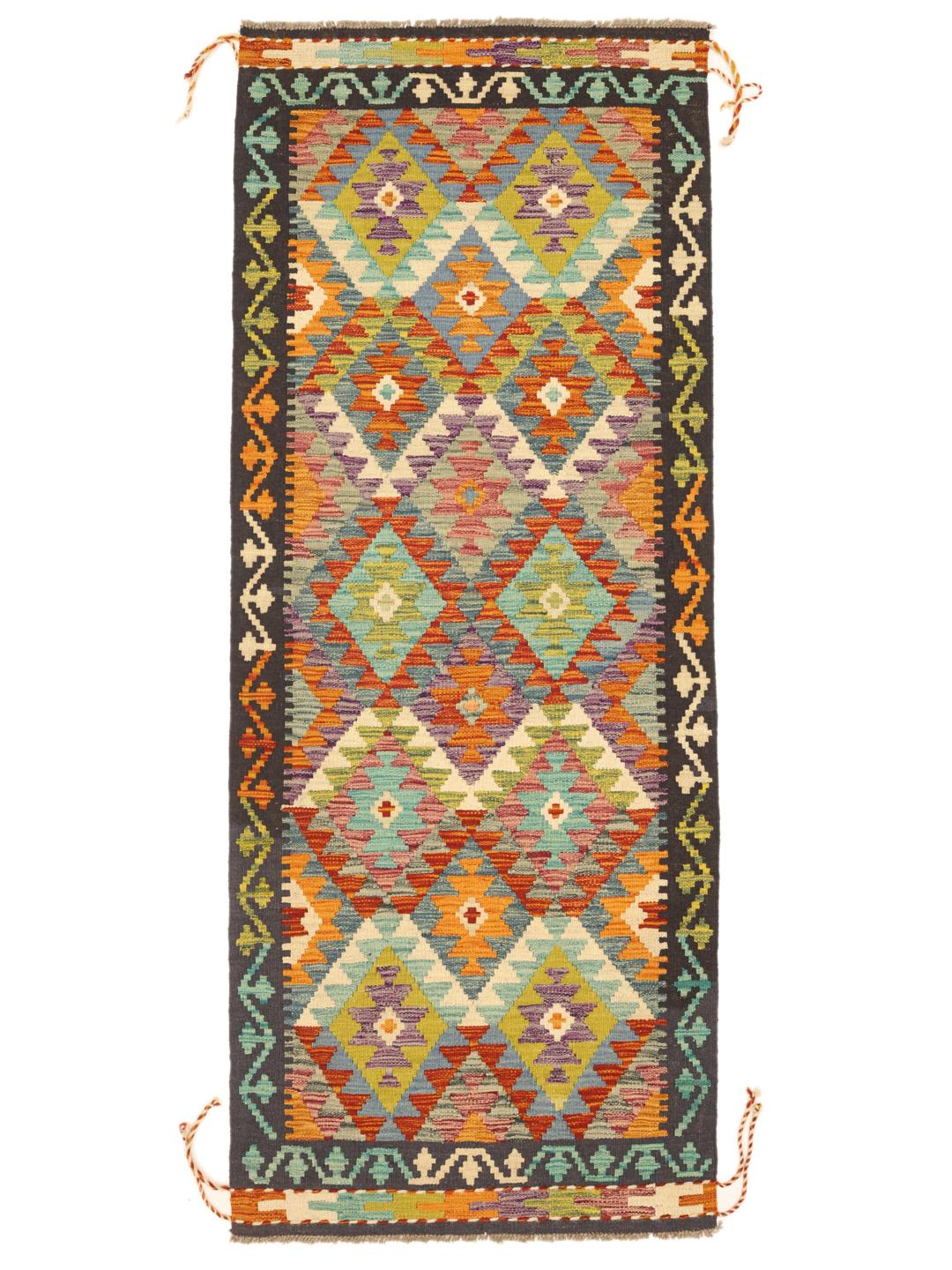
Signature design elements in Afghan Kelims often revolve around bold, angular geometric shapes, such as diamonds and triangles, which are frequently arranged in repeating, rhythmic patterns. The borders are typically framed by intricate, symbolic motifs that reflect the cultural heritage of the weaving tribes. The use of vibrant, contrasting colours is a deliberate choice, intended to stand out against the earthy, muted tones of traditional dwellings.
These rugs are highly prized by collectors for their authenticity and the sheer skill required to master the flat-weave technique. Owning an Afghan Kelim is an opportunity to preserve a living craft tradition, as each piece serves as a physical record of the weaver’s cultural identity and artistic expression. It is a piece with genuine cultural weight, designed to endure through generations of use.