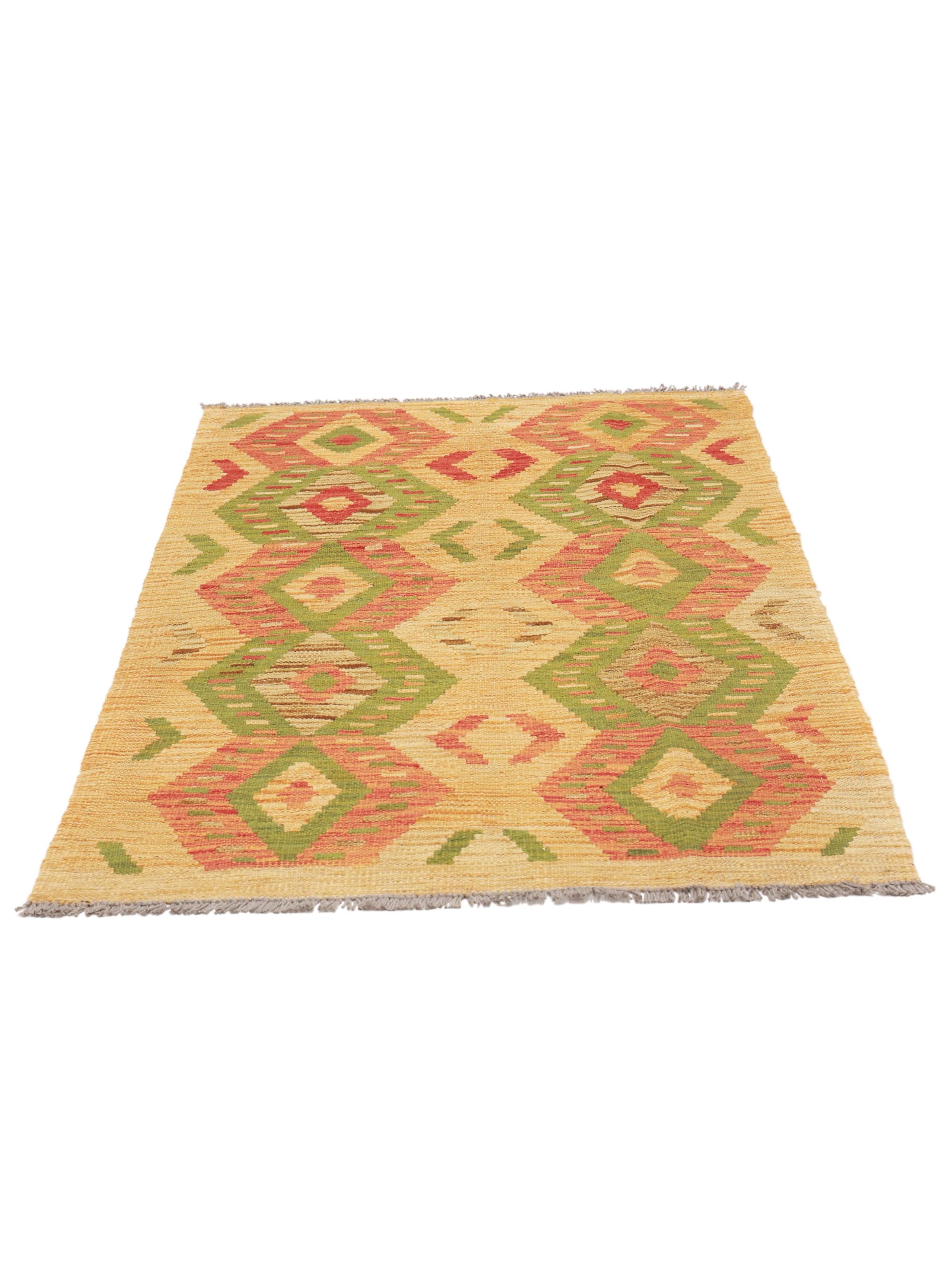
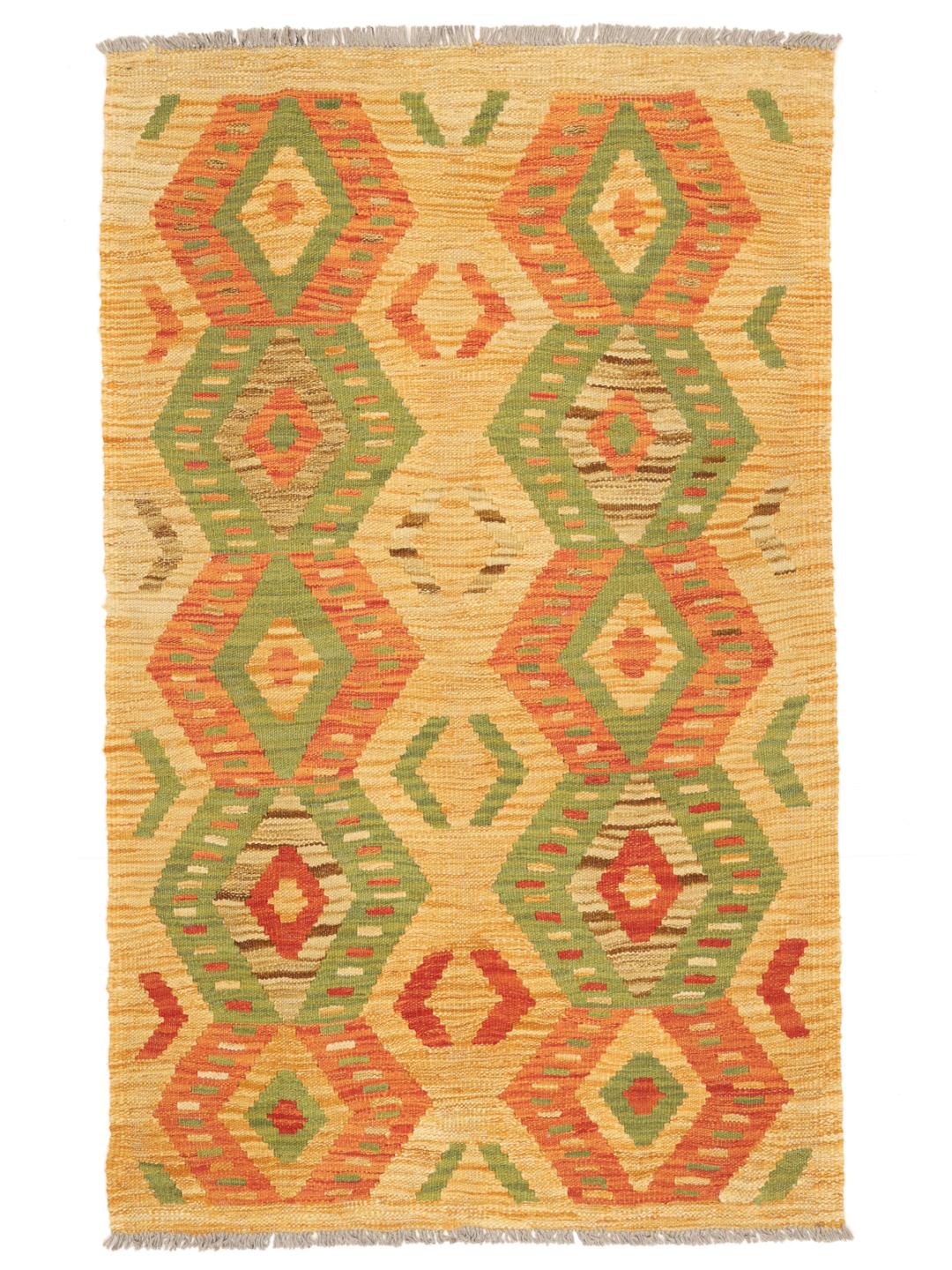
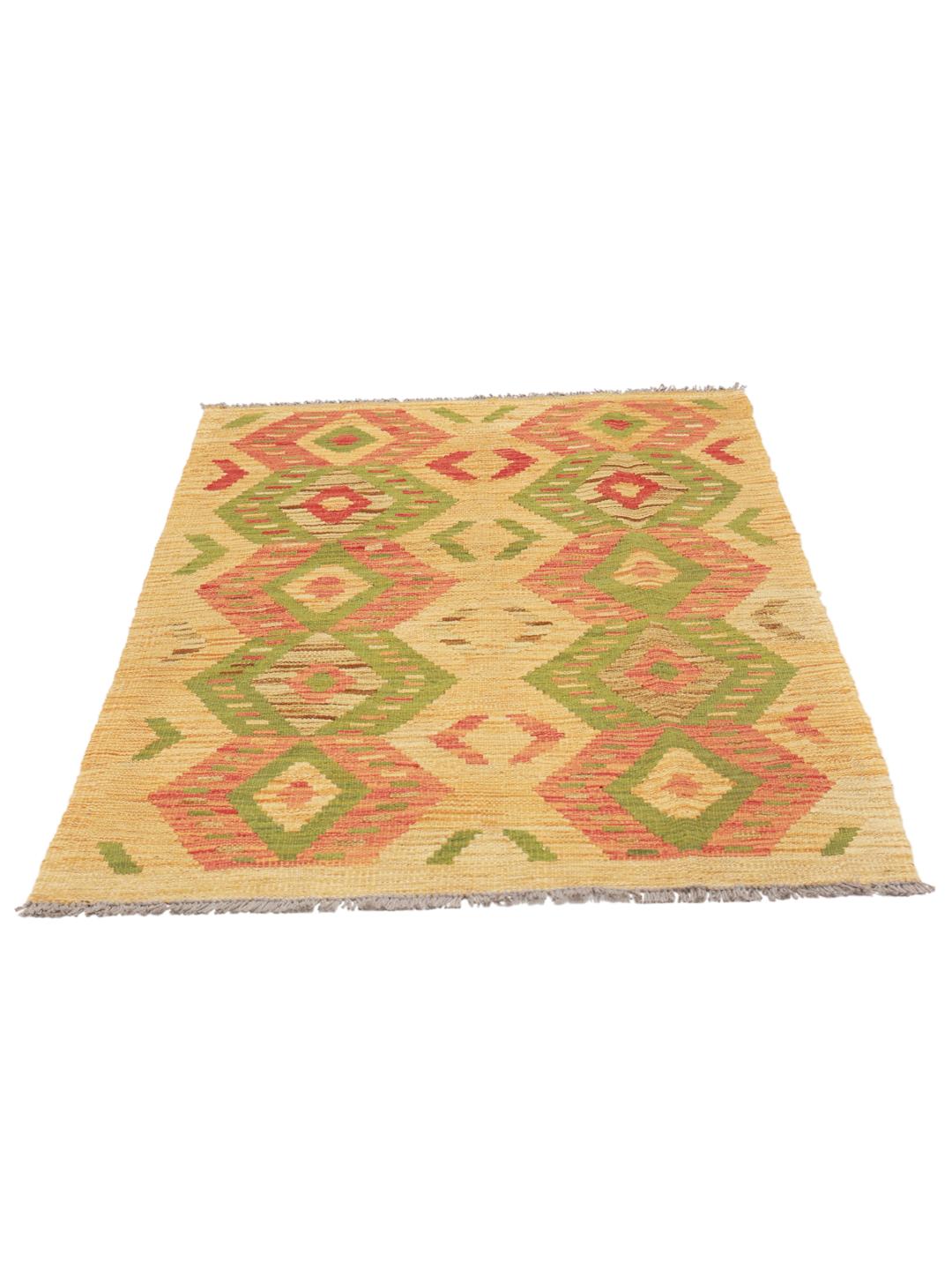
The Kelim tradition is deeply rooted in the nomadic cultures of the Middle East and Central Asia. These flat-woven rugs have been produced for centuries, serving as functional yet beautiful items that could easily be rolled up and transported during seasonal migrations. The Afghan style, in particular, is renowned for its bold use of colour and sturdy construction, reflecting the landscape and traditional aesthetics of the region.
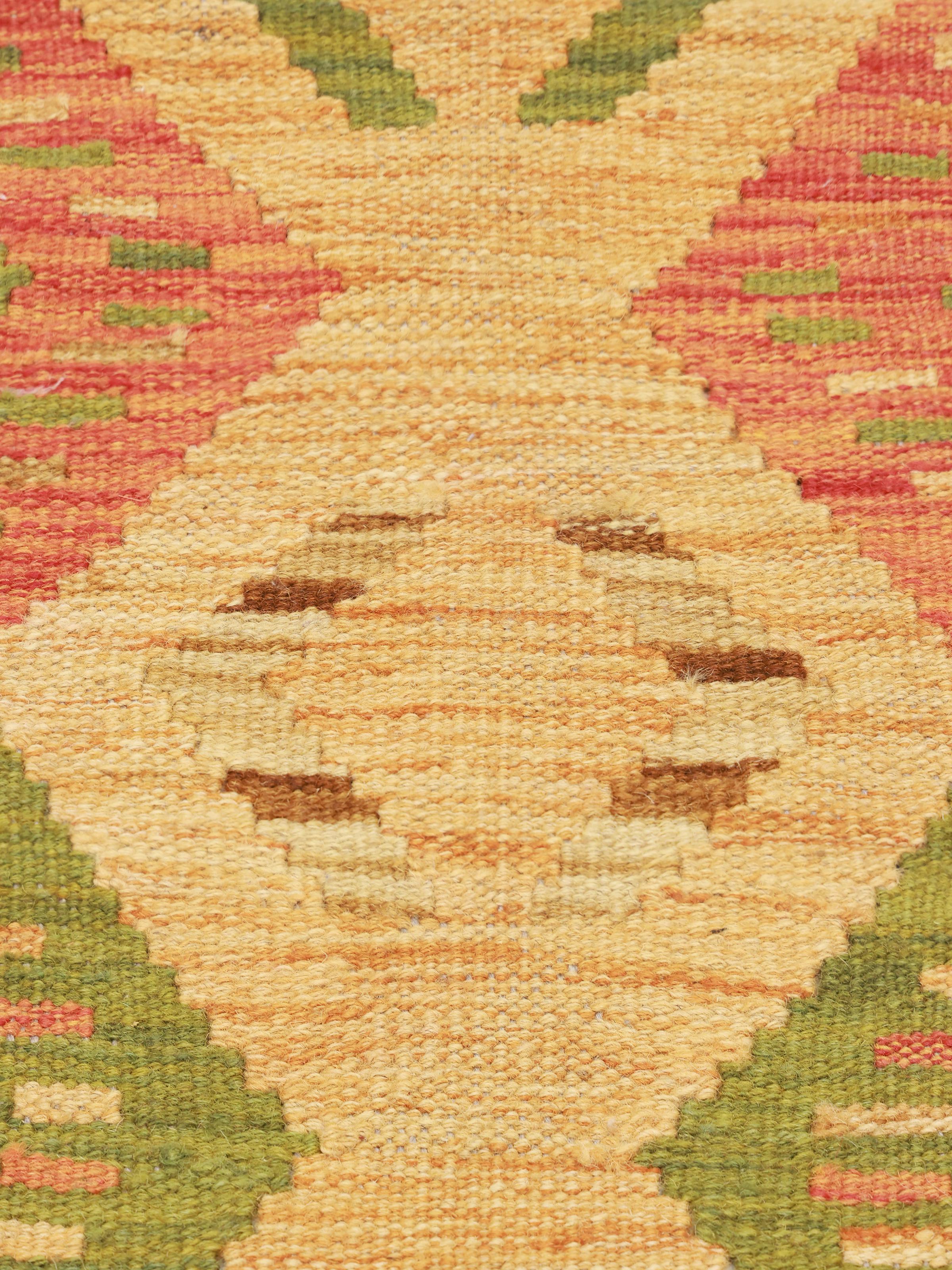
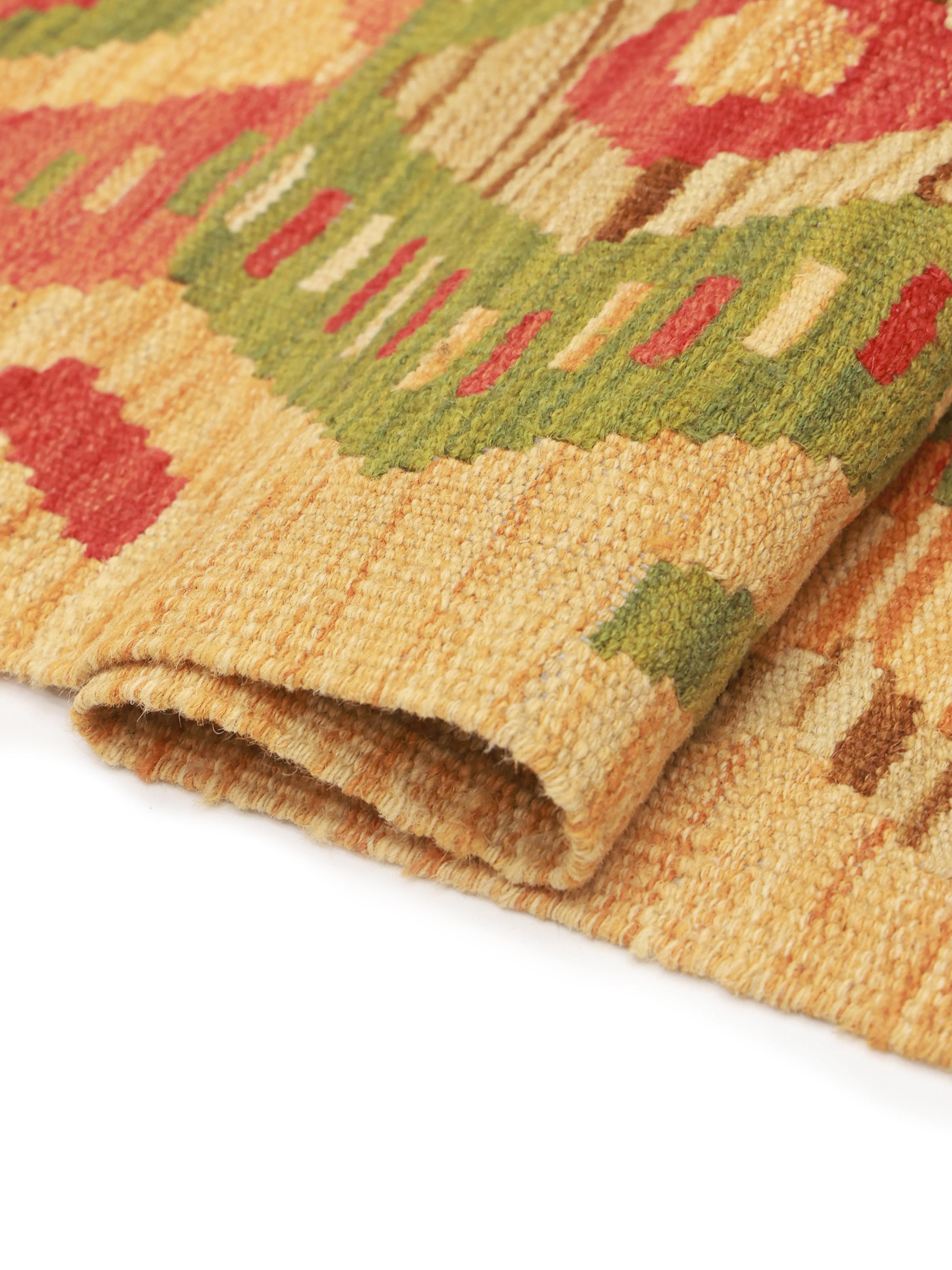
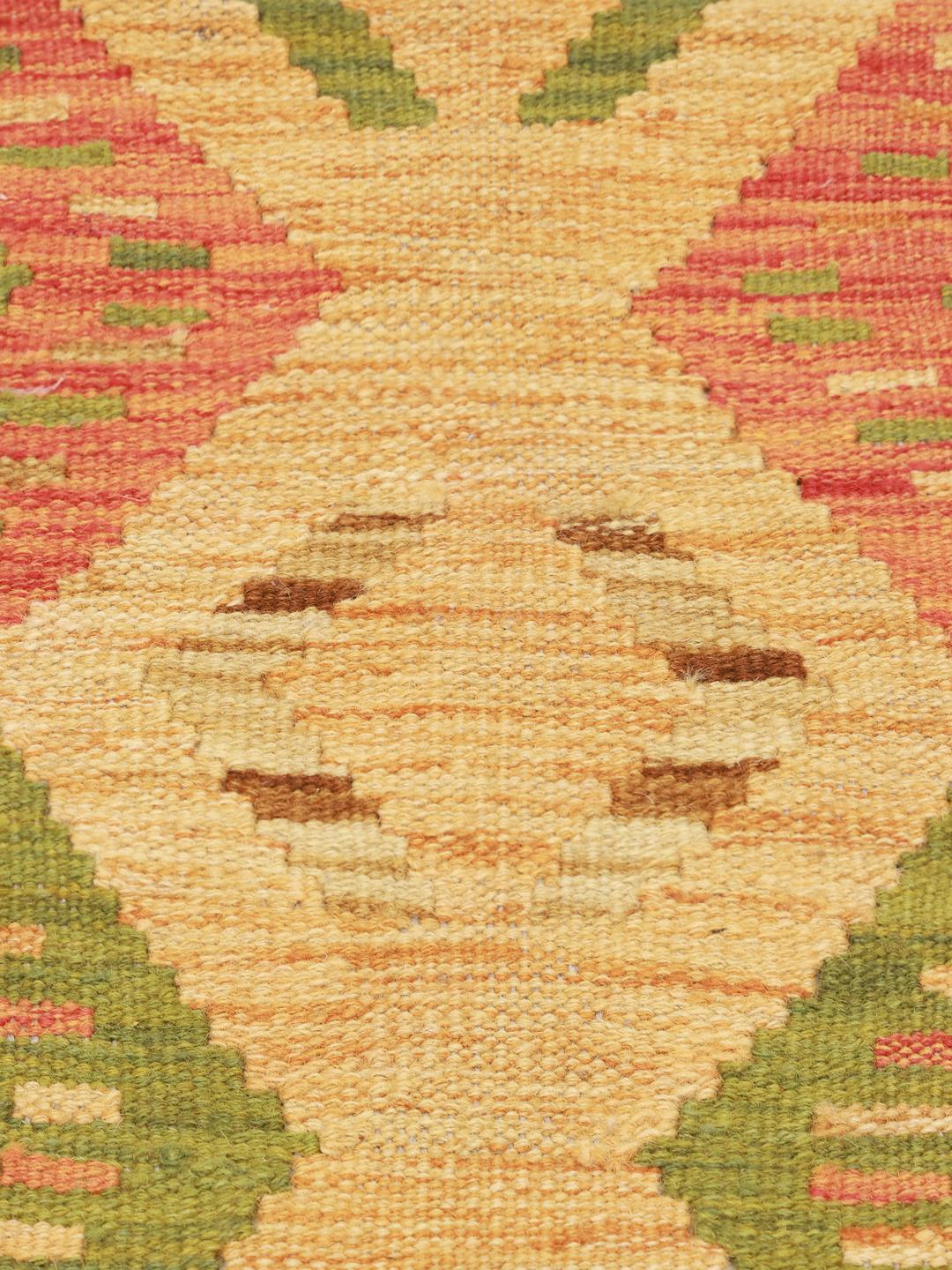
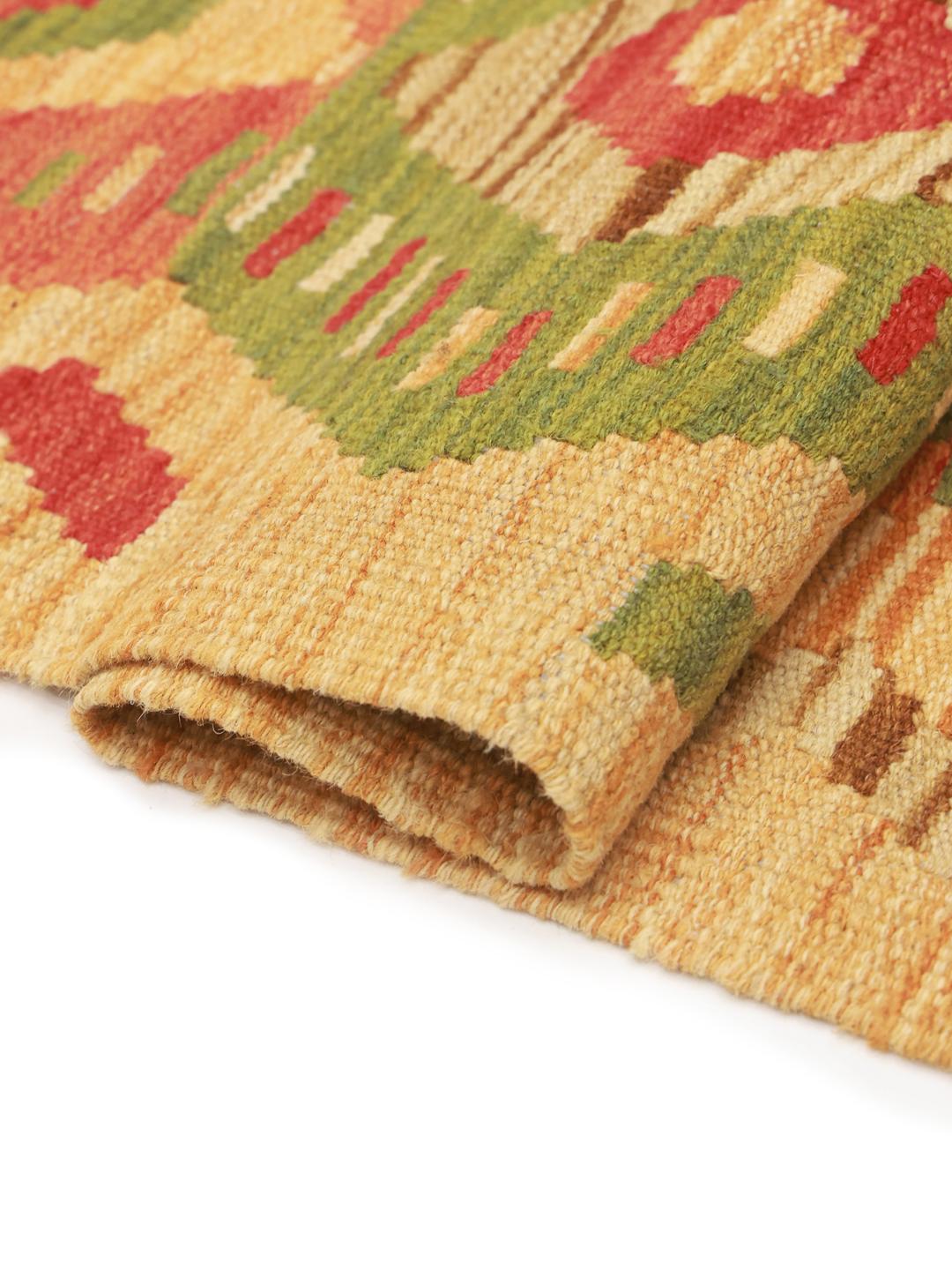
The term 'Kelim' refers specifically to the tapestry-weave technique, where the vertical warp threads are completely covered by the horizontal weft threads. This creates a rug without a pile, resulting in a lightweight and reversible design. The mastery required to maintain even tension throughout the weaving process is what defines the quality and longevity of these pieces.
Visually, these rugs are defined by their geometric language, often featuring diamonds, triangles, and stylised floral or tribal motifs. The patterns are usually passed down through generations, with each village or tribe having its own distinct visual vocabulary. The use of natural dyes historically gave these rugs their signature hues, a tradition that continues to influence the vibrant colour palettes seen in contemporary Afghan Kelims.
Collecting a Kelim is an investment in cultural heritage and human skill. These rugs are valued not only for their aesthetic appeal but for the deep sense of history they carry. By choosing an authentic, hand-woven piece, you are supporting a craft tradition that has remained largely unchanged for hundreds of years, ensuring that these beautiful skills are preserved for future generations.