The tradition of weaving Kelim rugs in Afghanistan is deeply rooted in the nomadic history of the region. Historically, these flat-woven textiles were essential to the lifestyle of tribal groups, serving as practical floor coverings, blankets, and storage bags. The knowledge of these weaving techniques has been passed down through generations, with each region developing its own distinct visual language.
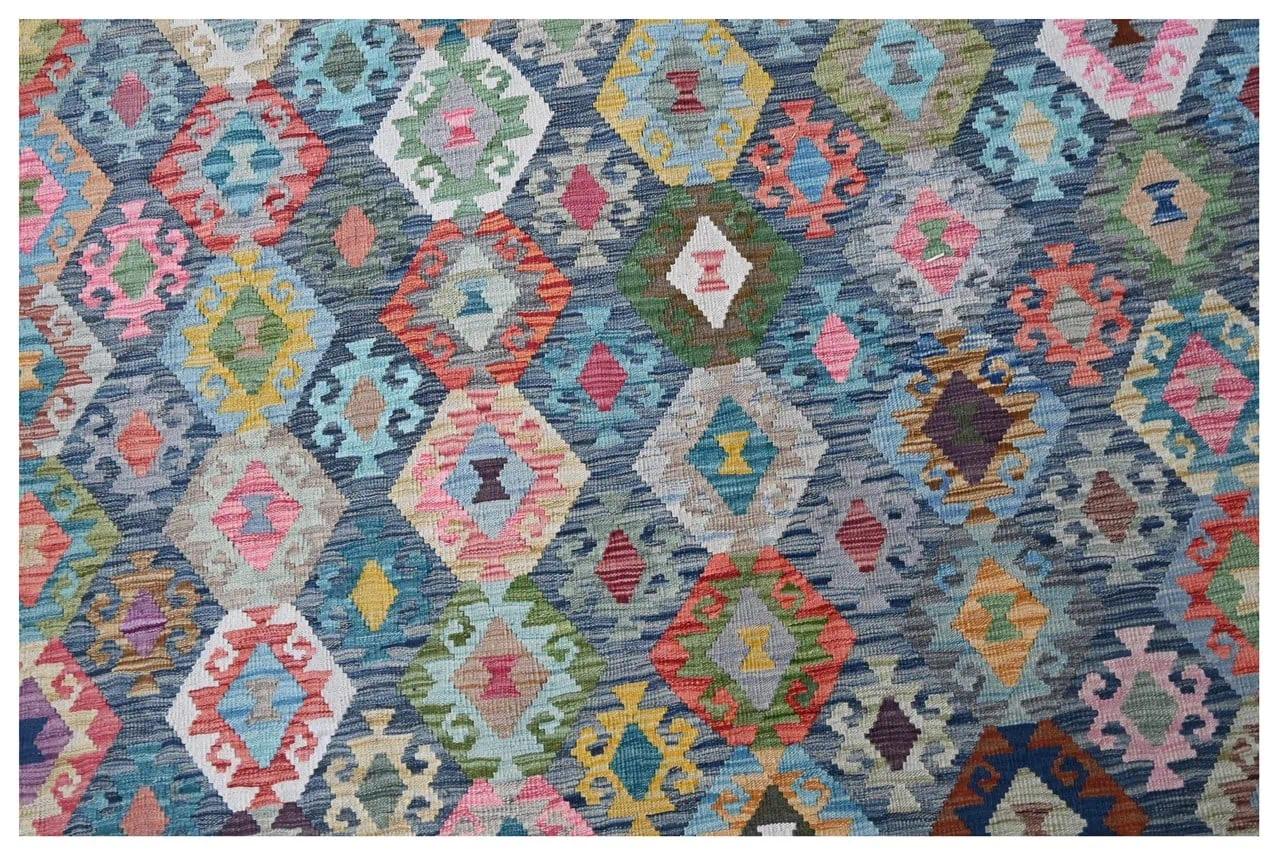
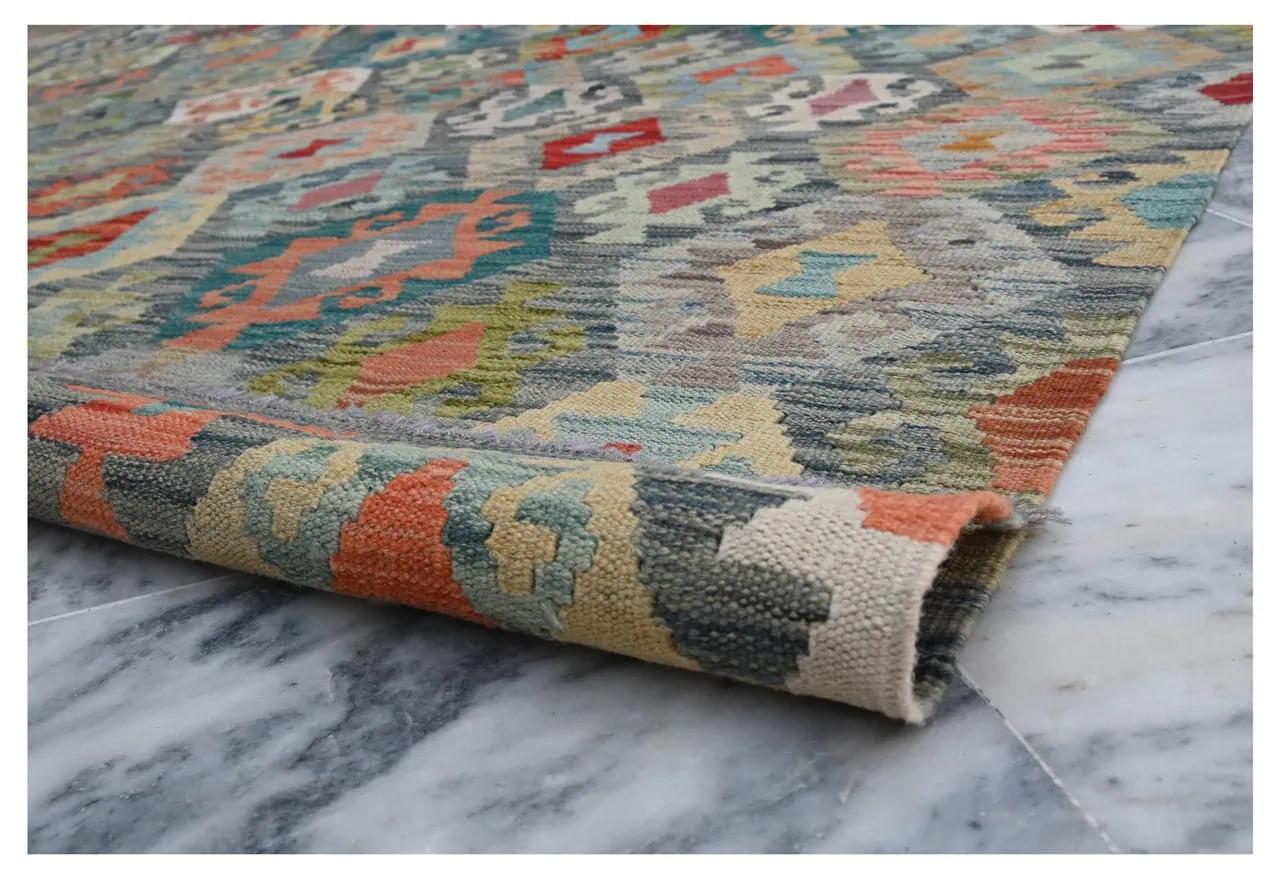
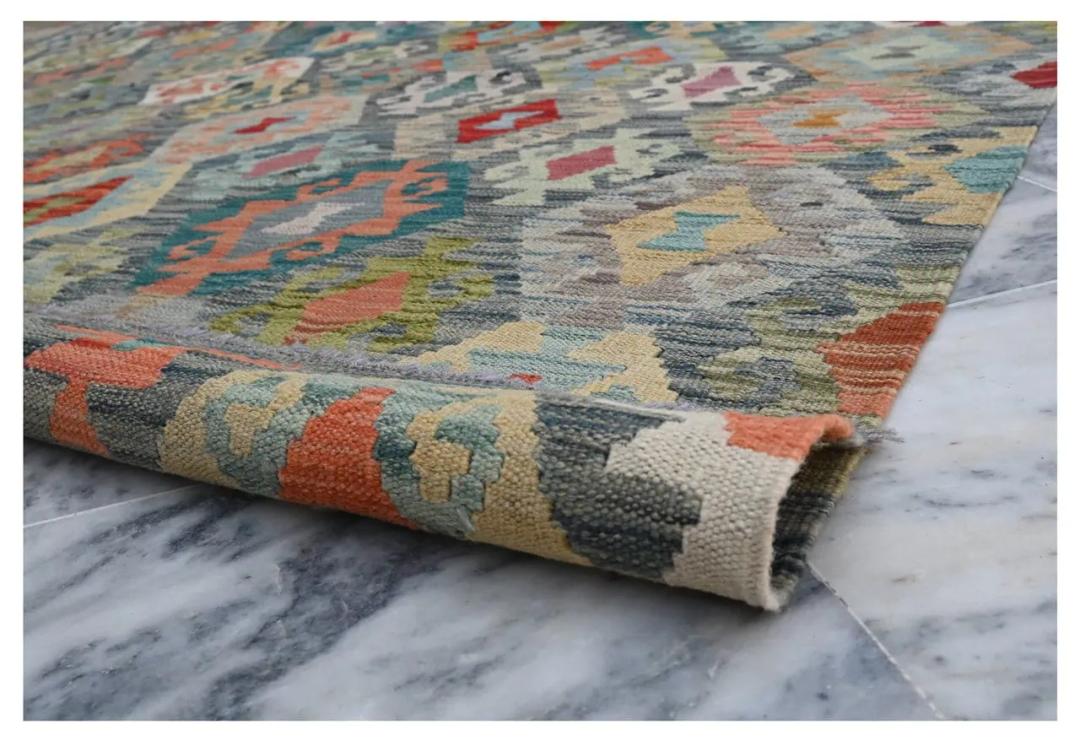
The term 'Kelim' refers specifically to the flat-weaving technique used, where the weft threads are passed through the warp to create a smooth, pileless surface. This method is highly valued for its versatility and the clarity it brings to geometric designs. By avoiding a knotted pile, the weaver can achieve sharp, clean lines in patterns, allowing the intricate symmetry of the motifs to take centre stage.
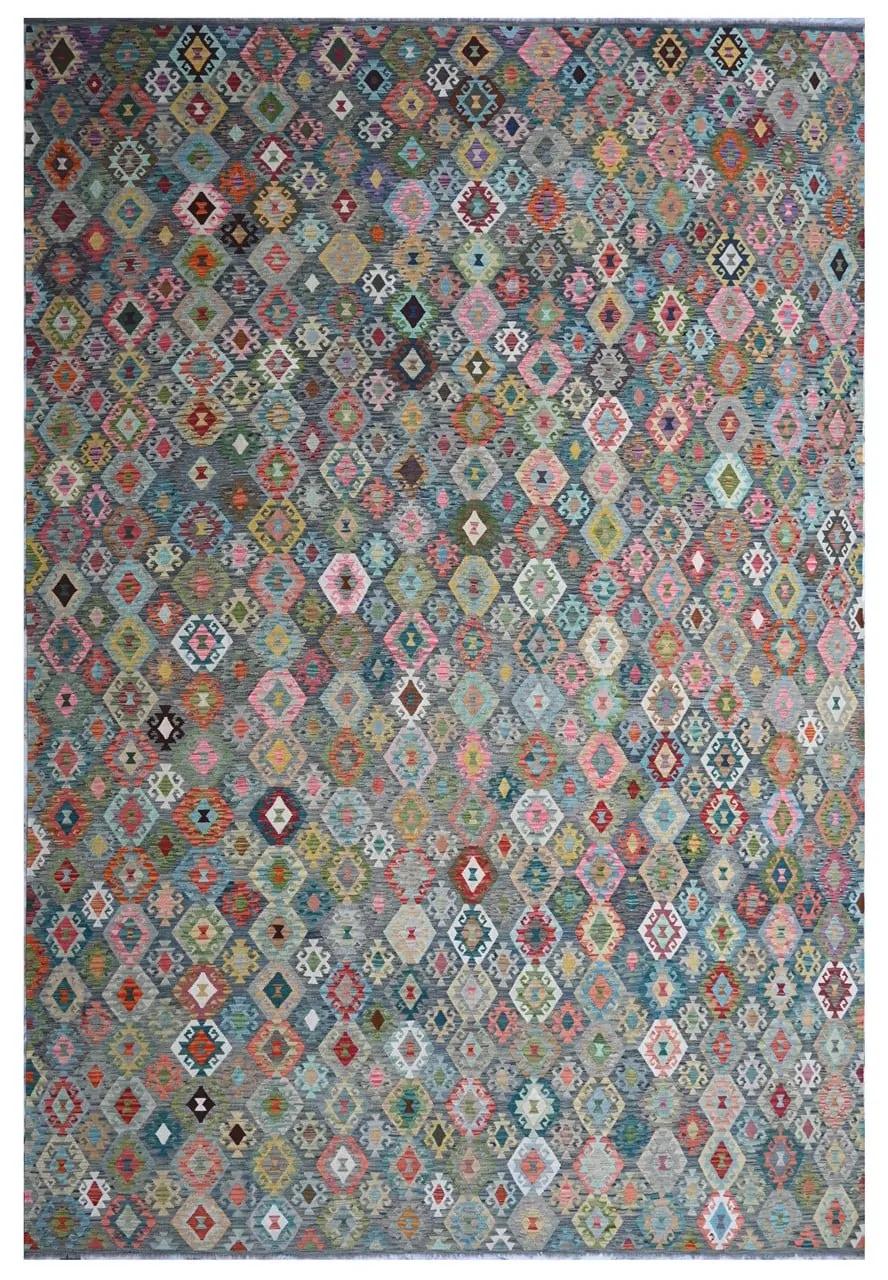
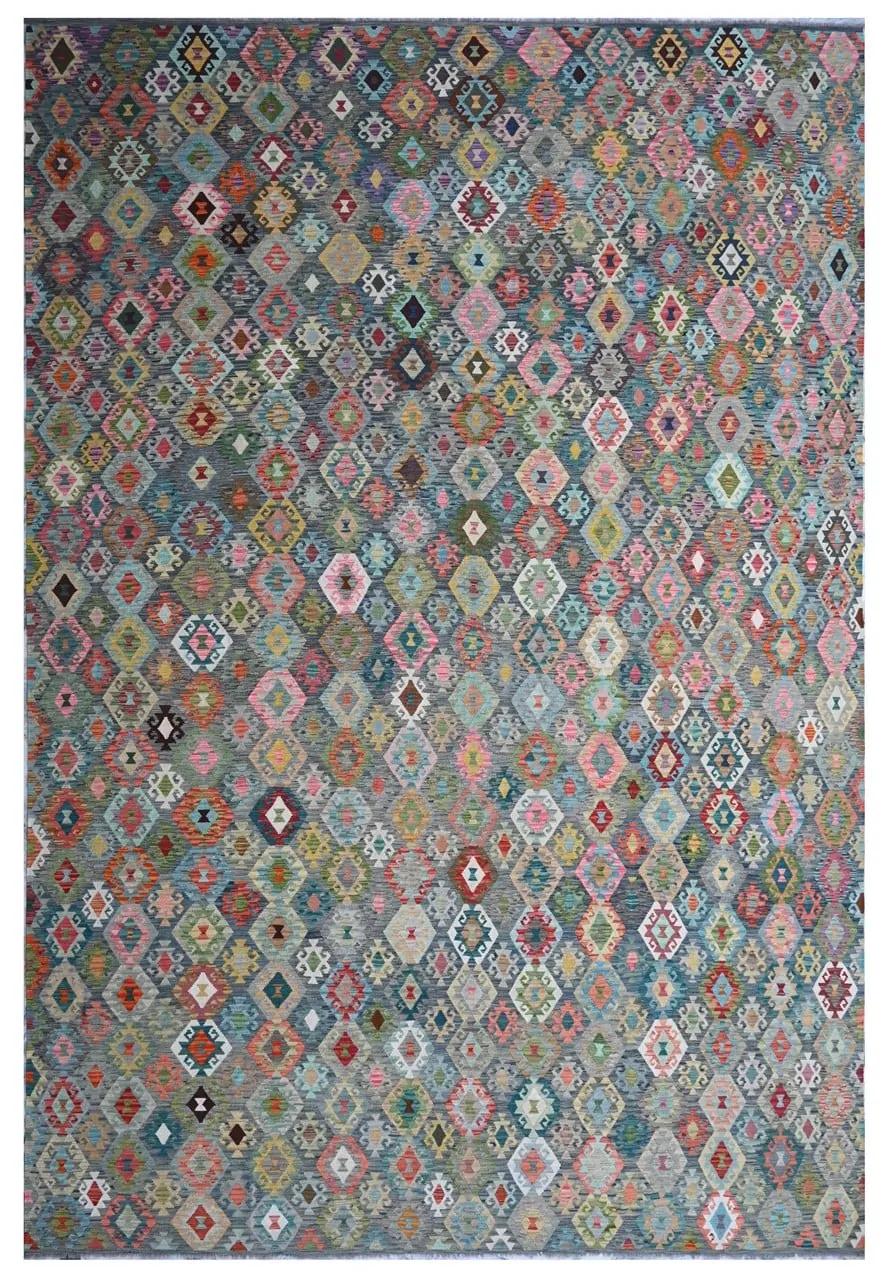
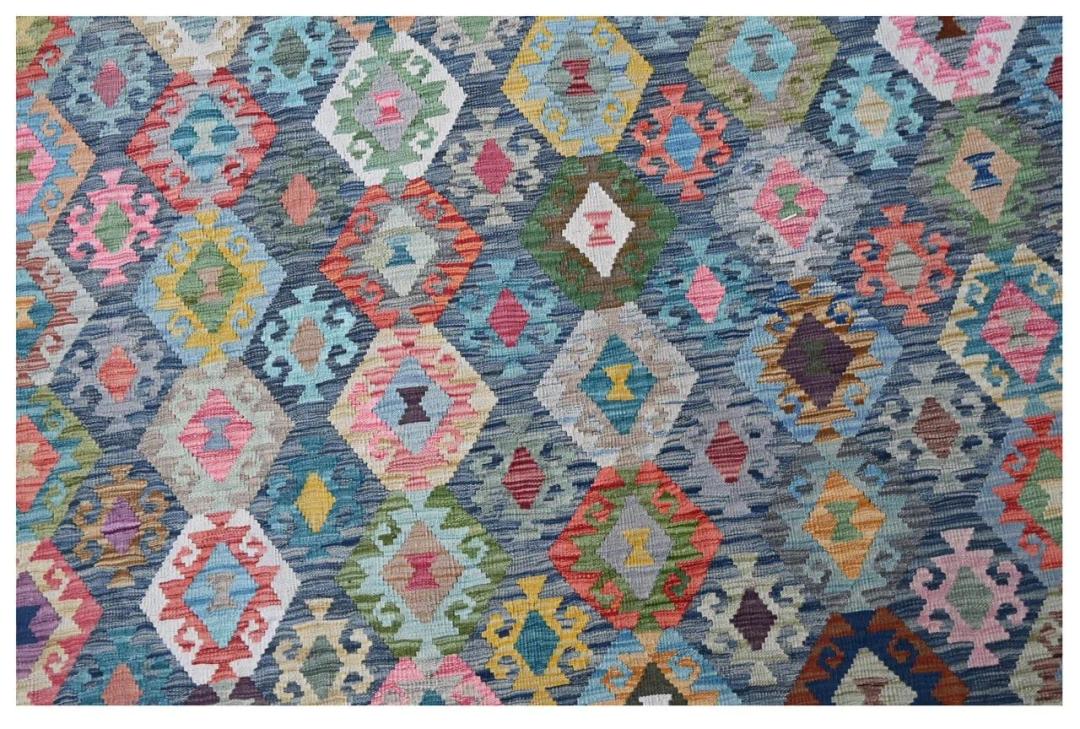
Signature design elements in Afghan Kelims often include diamonds, triangles, and other sharp-angled shapes, frequently arranged in repeating, rhythmic patterns. These designs are not merely decorative but often hold symbolic meaning, representing elements of nature, tribal identity, or protective motifs. The use of a vibrant colour palette is a hallmark of this tradition, reflecting the dyes historically available and the bold aesthetic preferences of the weaving communities.
Today, these rugs are highly sought after by collectors and interior designers alike for their cultural weight and authentic character. Owning an Afghan Kelim is an investment in a living tradition that bridges the gap between ancient nomadic utility and modern home aesthetics. Each piece represents a unique snapshot of a weaver's skill, making it a soulful addition to any collection that values heritage and human-made beauty.