Kelim rugs have been a staple of life across Central Asia and the Middle East for centuries, serving as both utilitarian floor coverings and artistic expressions of tribal identity. The Afghan tradition, in particular, is celebrated for its robust construction and earthy, organic colour palettes derived from natural dyes. These rugs were traditionally created by nomadic and semi-nomadic groups to provide warmth and insulation in harsh mountain climates.
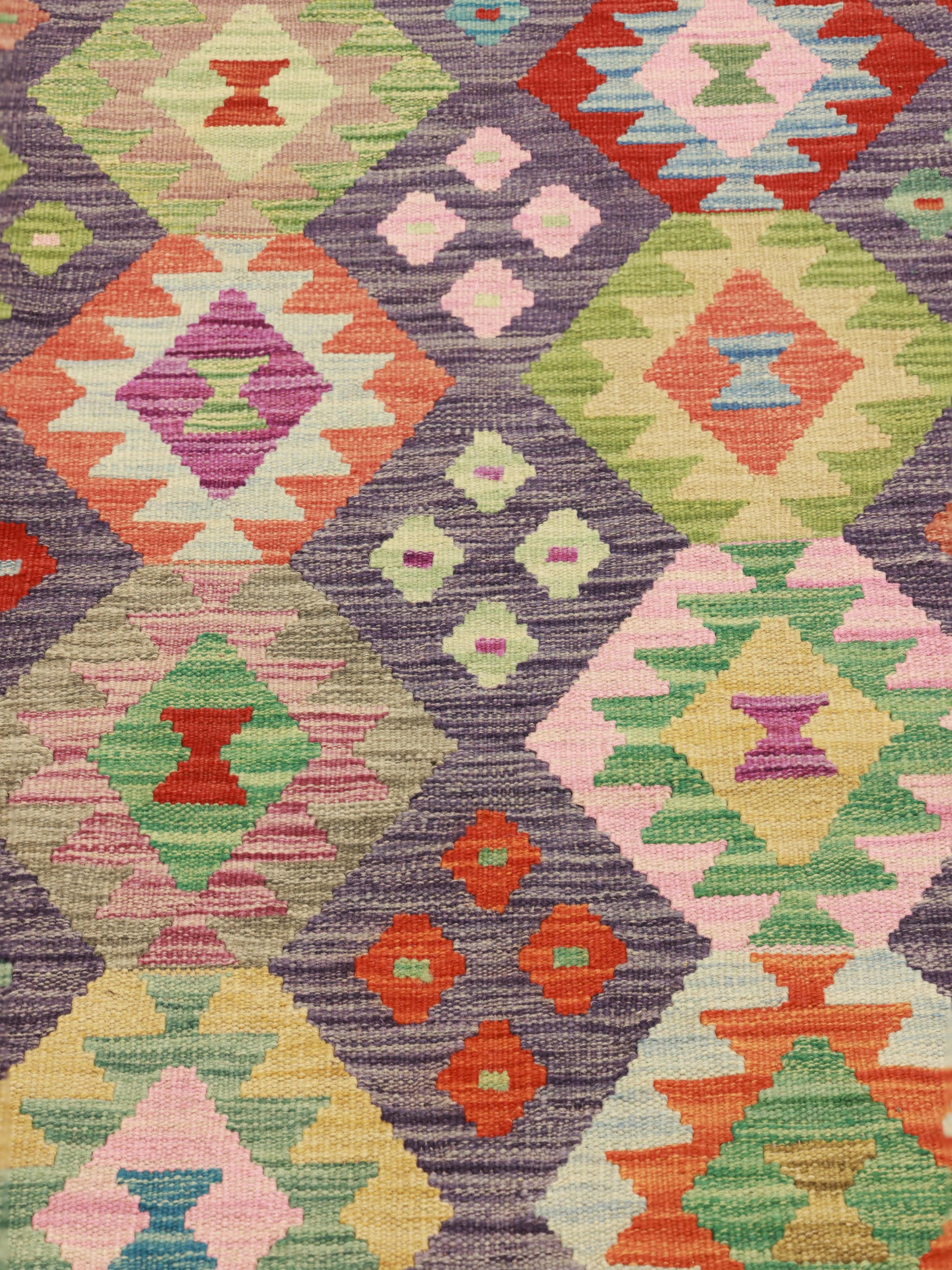
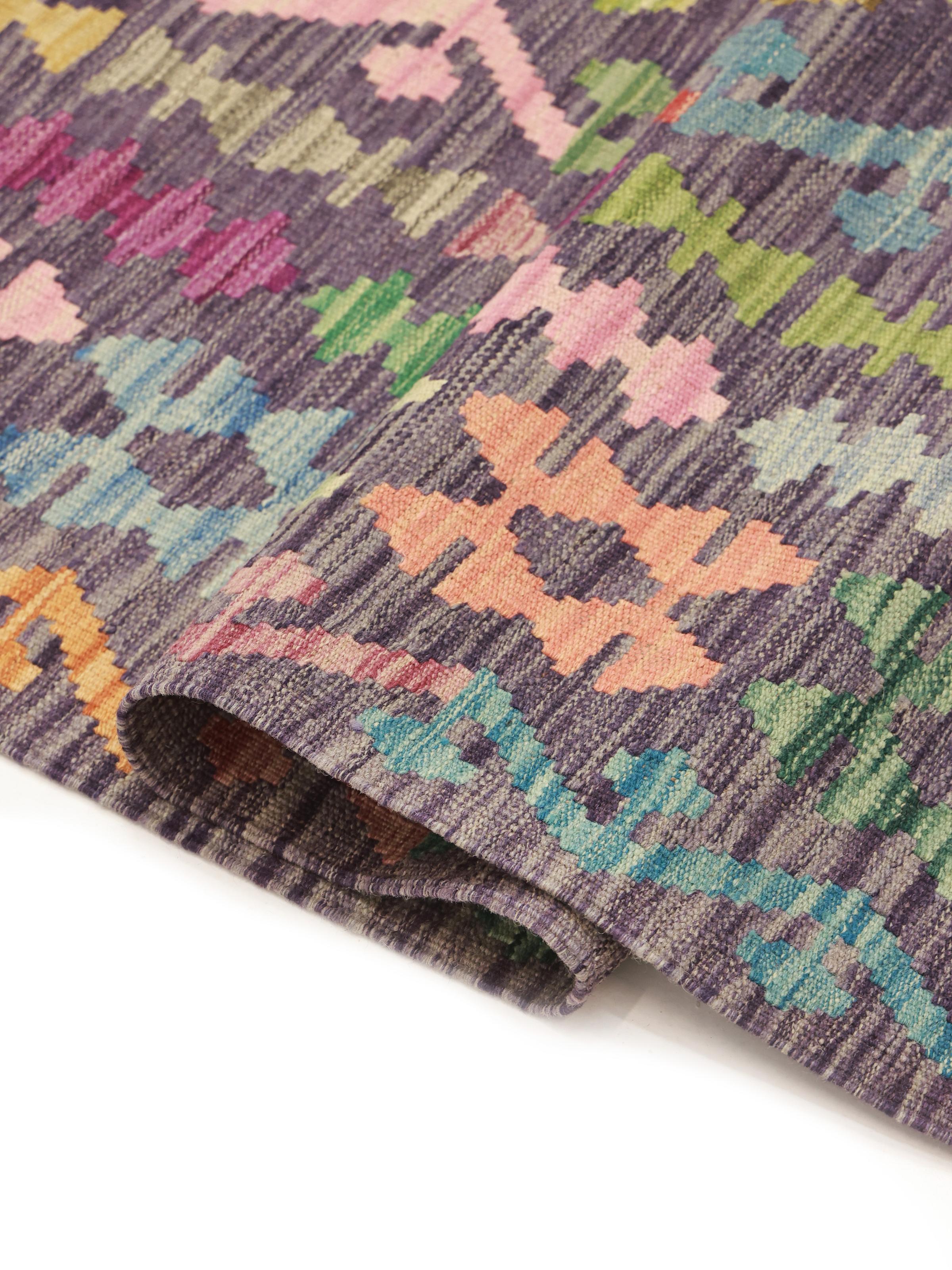
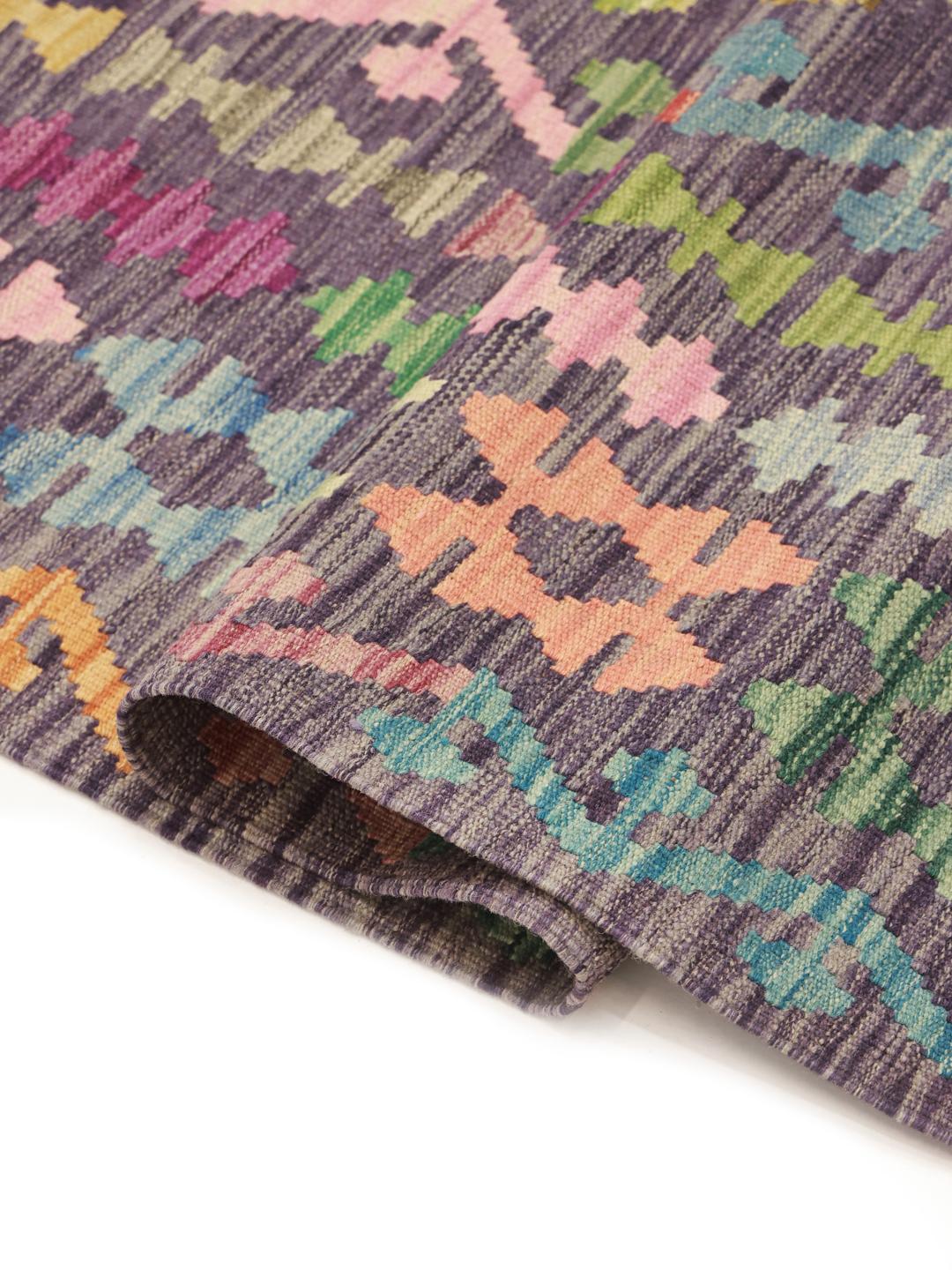
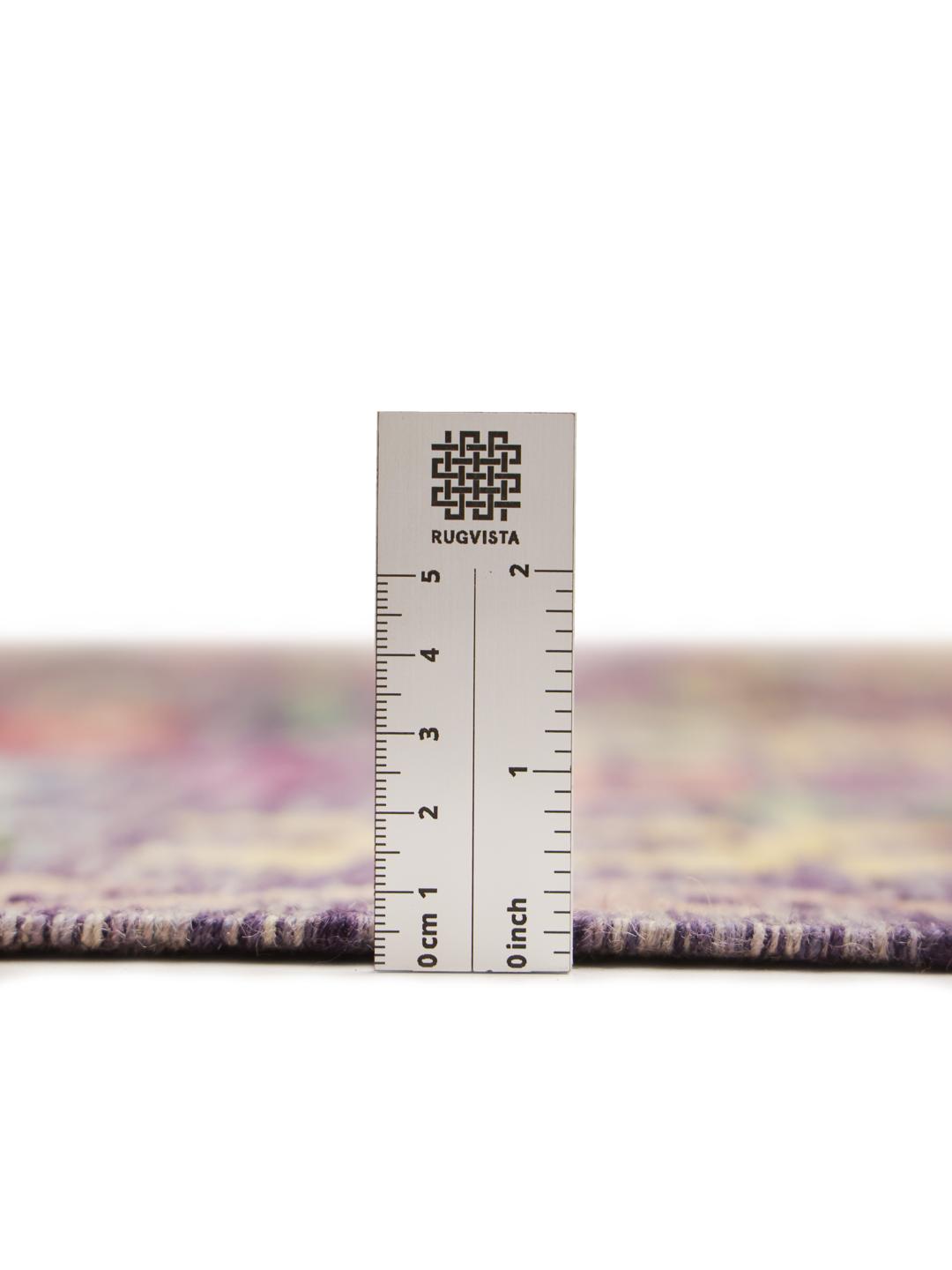
The term Kelim refers to a specific flat-weaving technique where the warp and weft are interlaced to create a smooth, pileless surface. Unlike knotted rugs that require a dense vertical pile, the Kelim is built by the tension of its horizontal threads. This technique results in a thinner, lighter, and highly durable textile that is remarkably versatile and easy to maintain throughout the seasons.
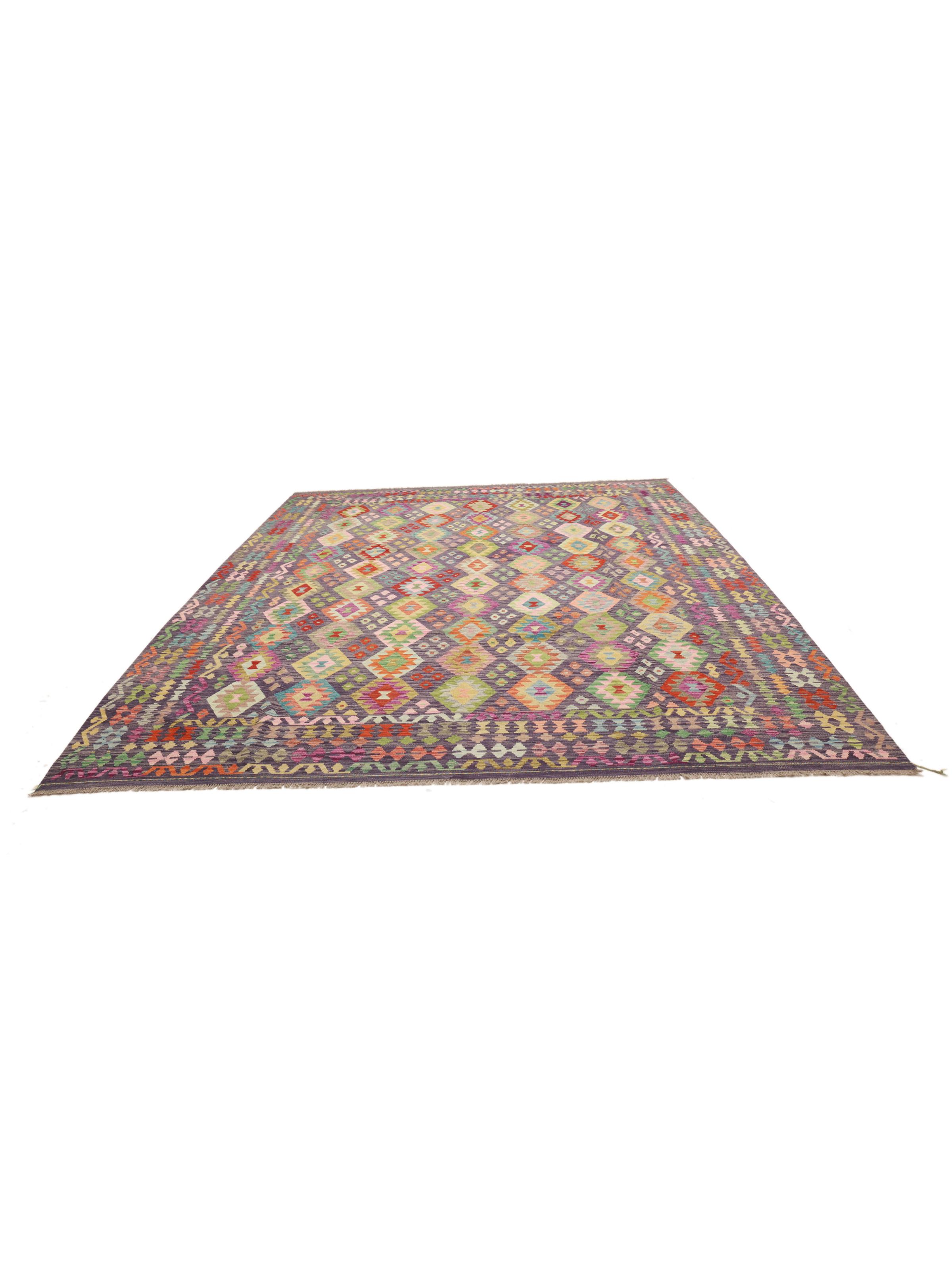
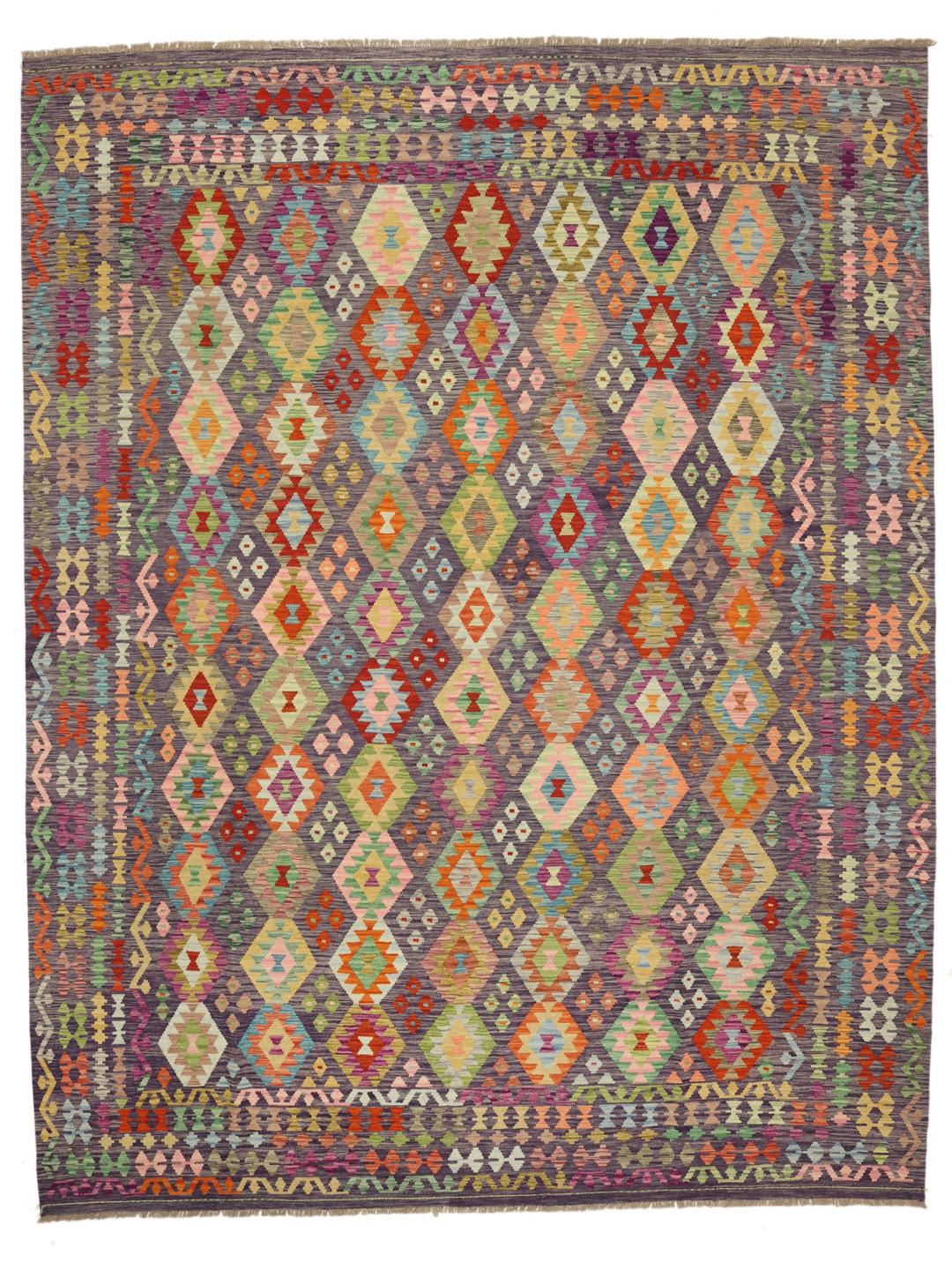
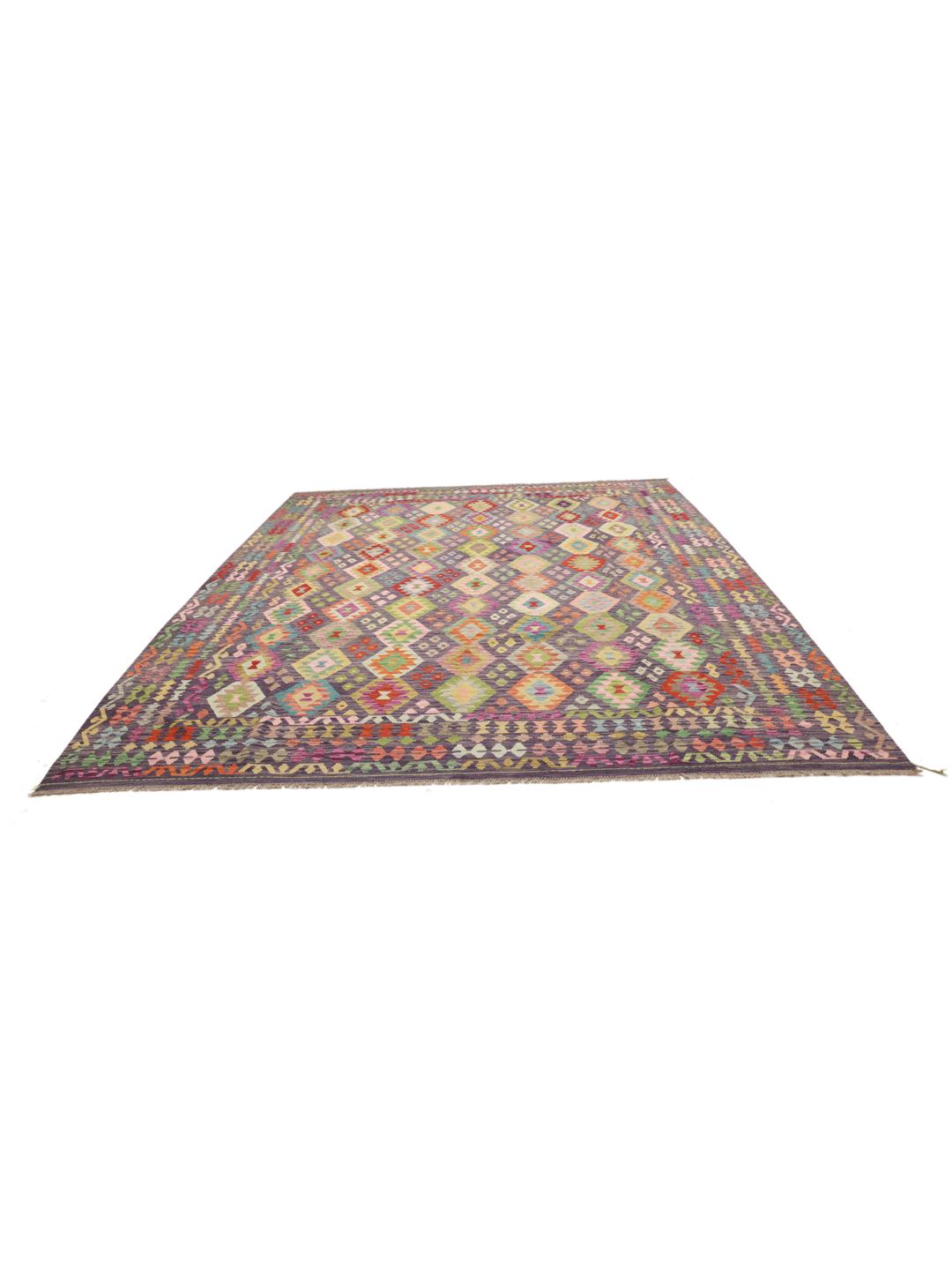
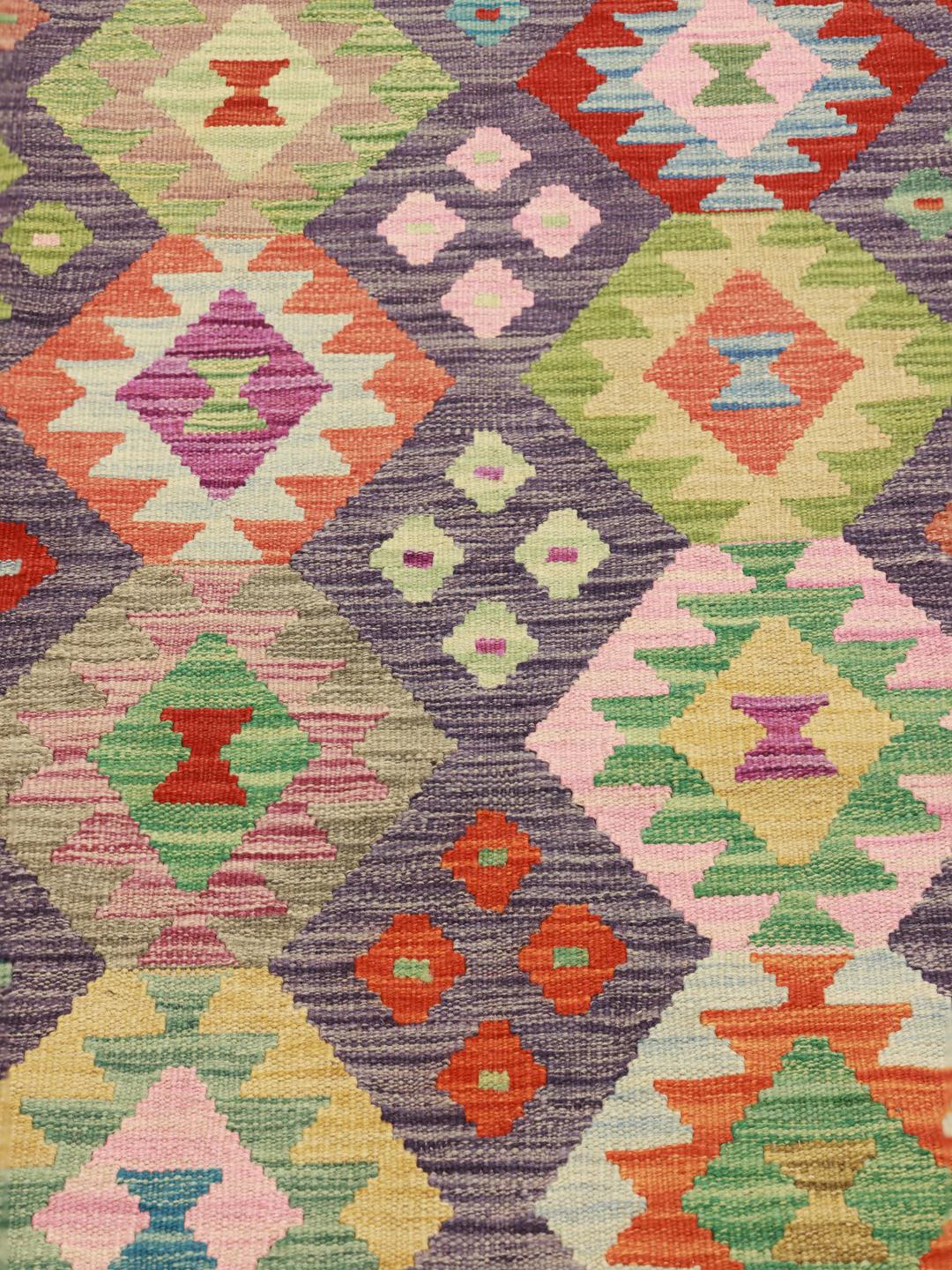
Visually, these rugs are defined by their geometric language. Diamond motifs, as seen in this piece, are traditional symbols often used to ward off the evil eye or represent prosperity and protection. The inclusion of complex borders and smaller motifs within the diamonds is a hallmark of the Afghan weaving style, where symmetry and rhythm are highly valued. These patterns are not just decorative, but are deeply rooted in the folklore and cultural narratives of the weavers.
Today, these rugs are highly sought after by collectors who value the authenticity of hand-woven textiles. Owning a Kelim is a way to preserve a connection to a craft that has survived for generations, resisting the homogenisation of modern manufacturing. Each rug is a testament to the skill of the weaver, representing a legacy of patience, aesthetic heritage, and the enduring beauty of traditional Middle Eastern design.