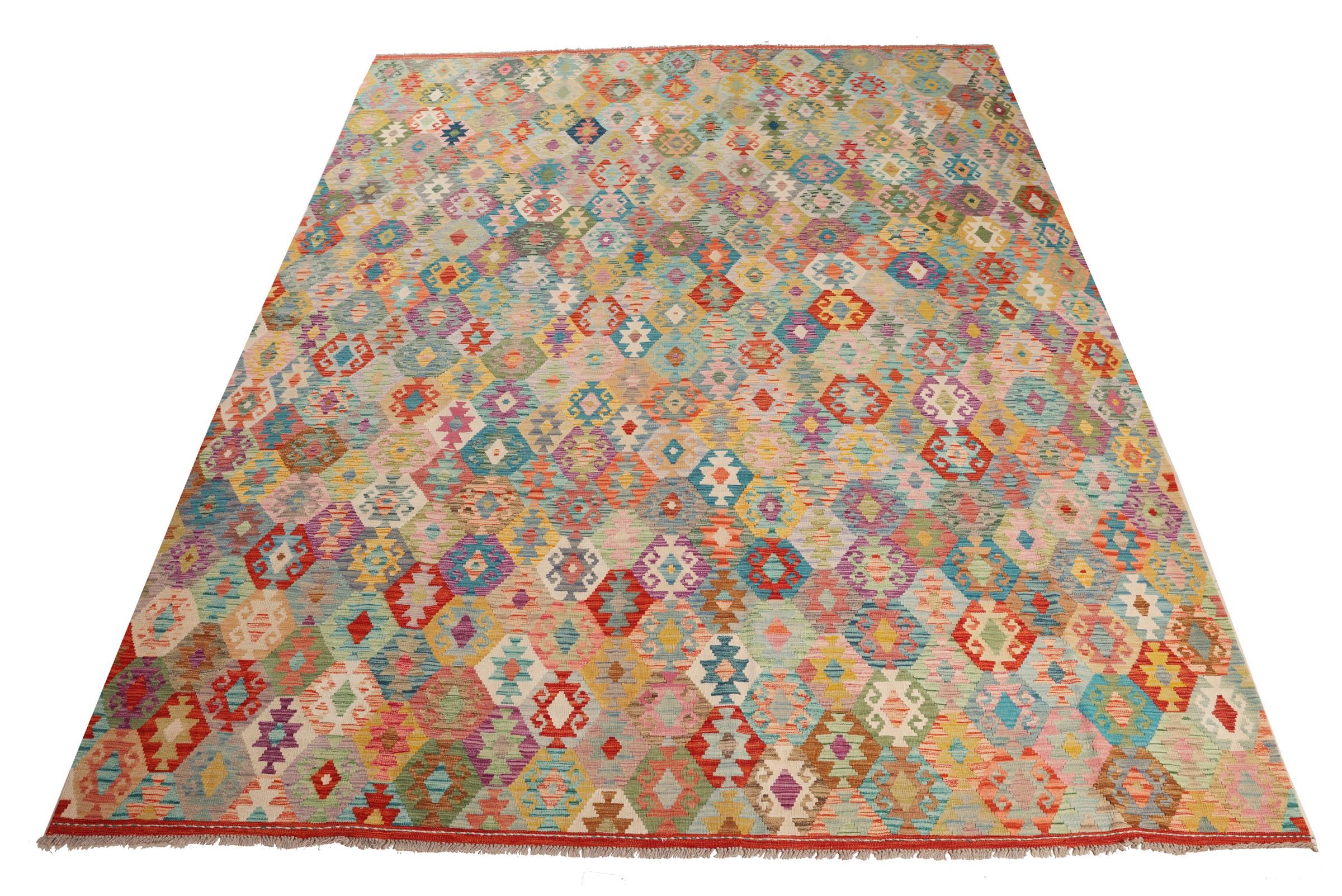
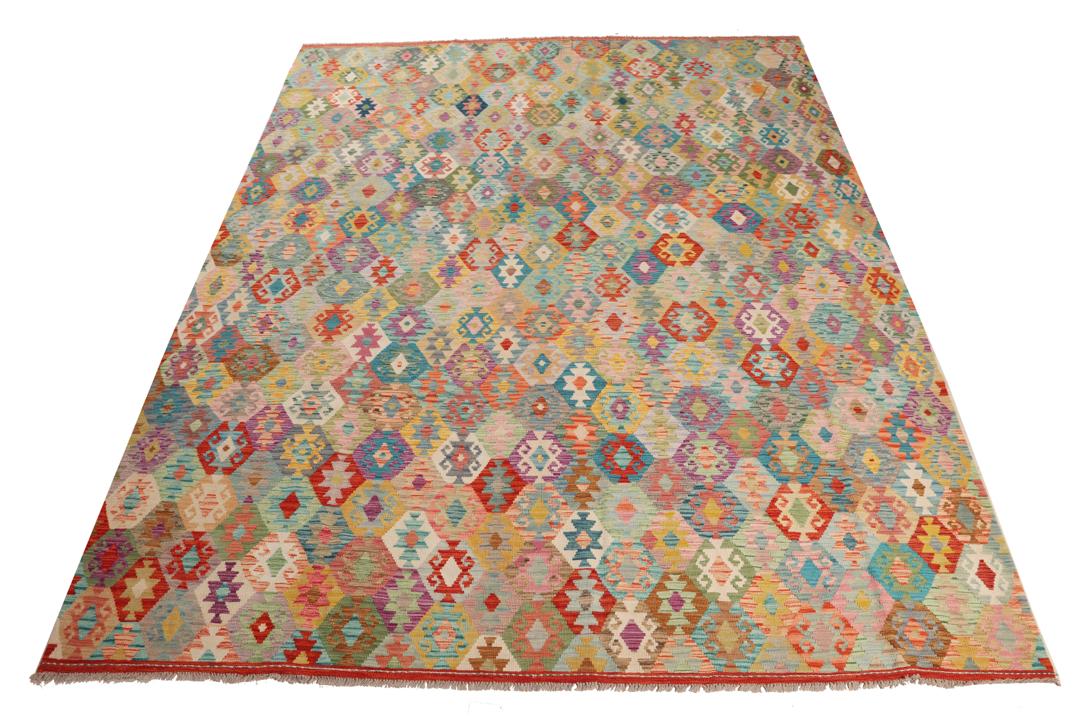
The Kelim tradition in Afghanistan is deeply rooted in the nomadic history of the region, where weavers historically created these flat-woven textiles for practical use in tents and homes. These rugs were essential for insulation and decoration, designed to be portable and durable enough to withstand the rigours of a life in transit across the rugged landscapes of the Middle East.
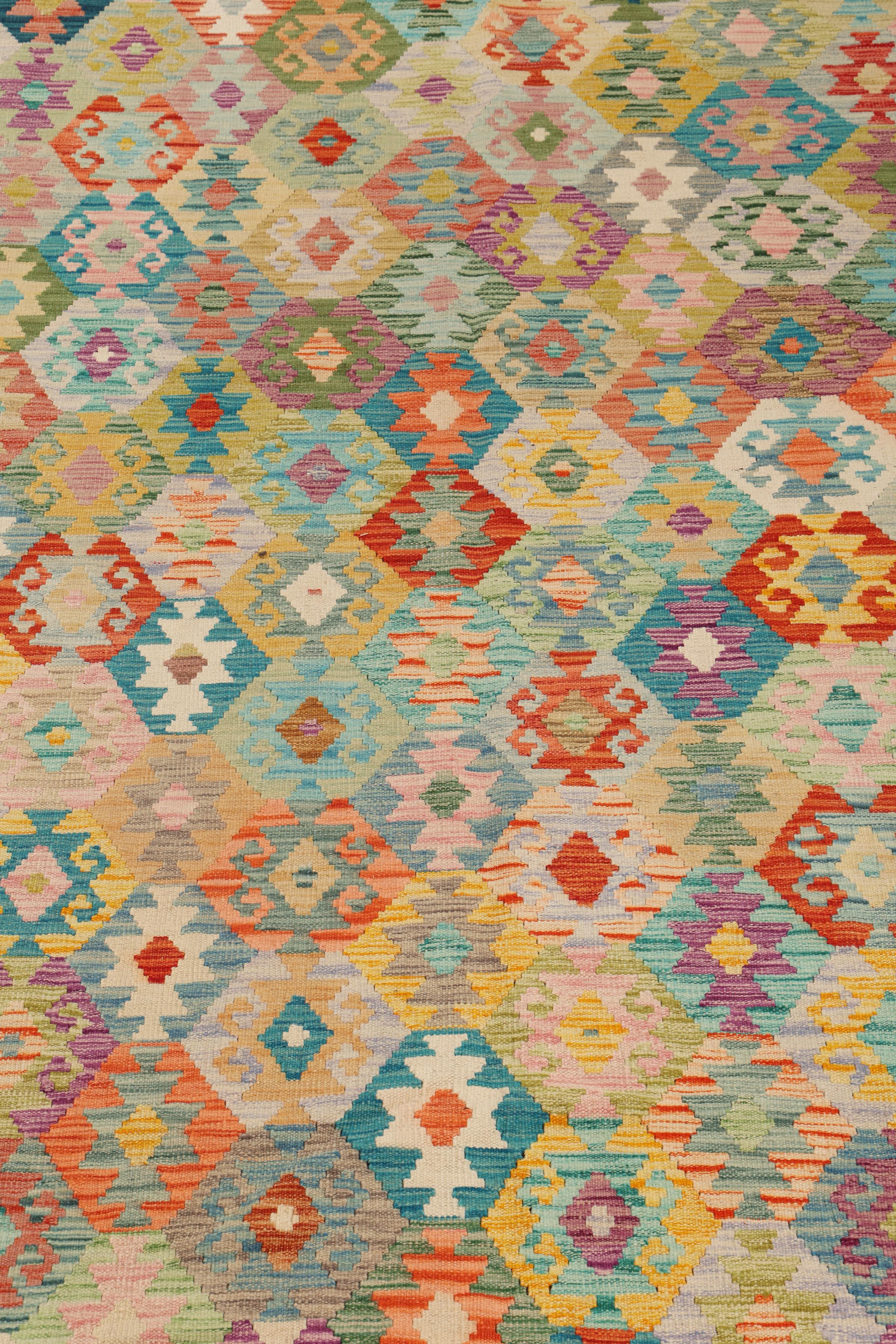
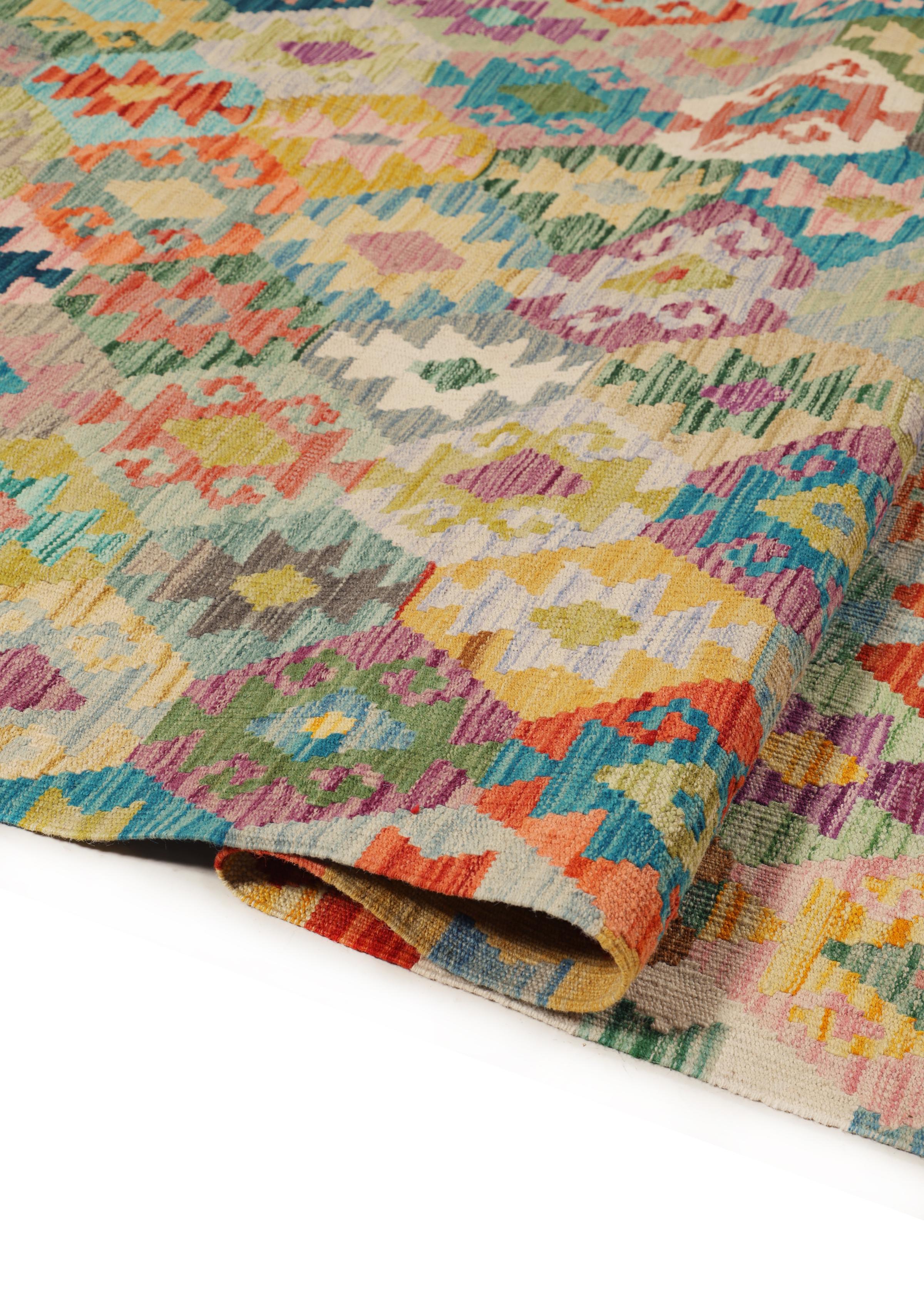
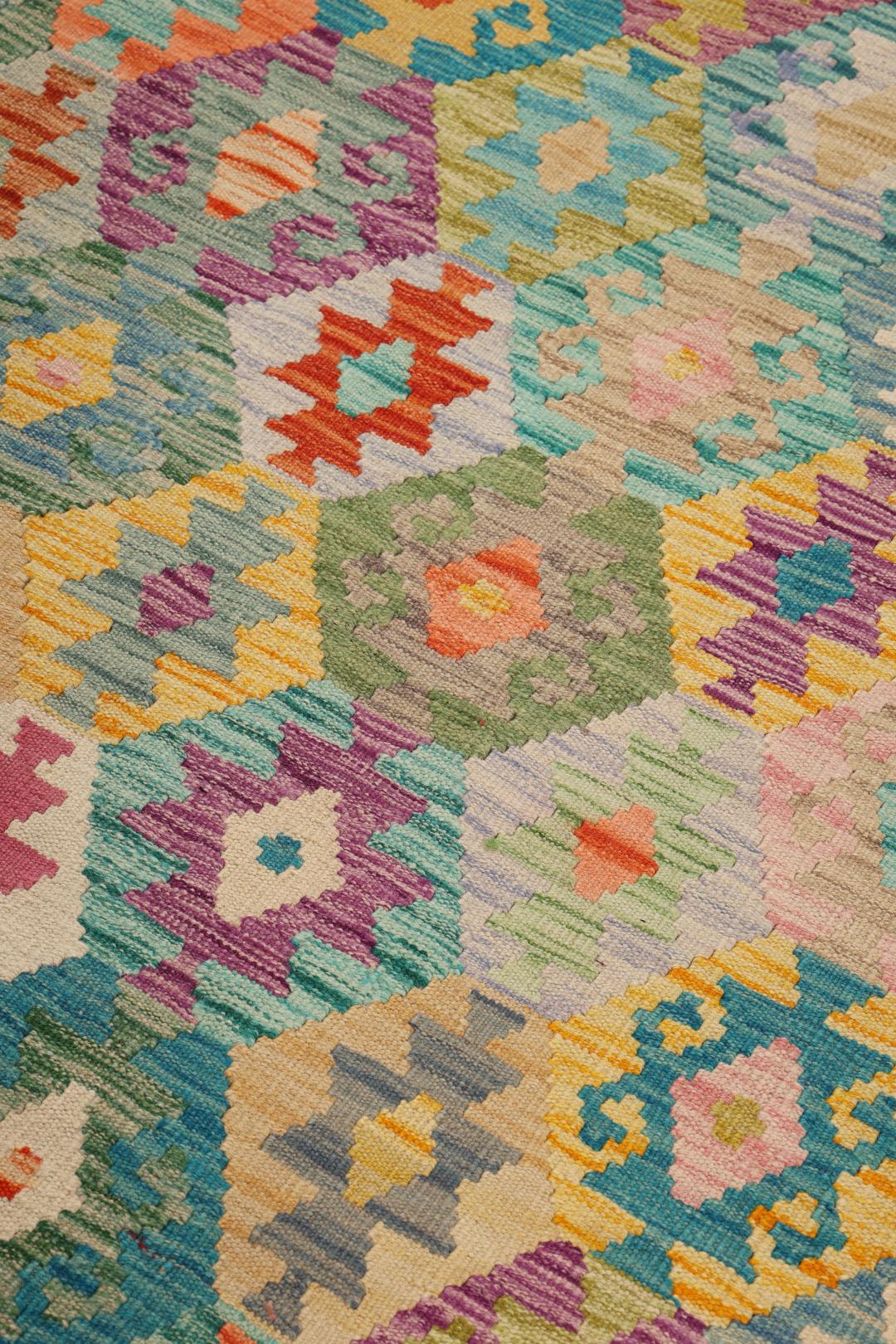
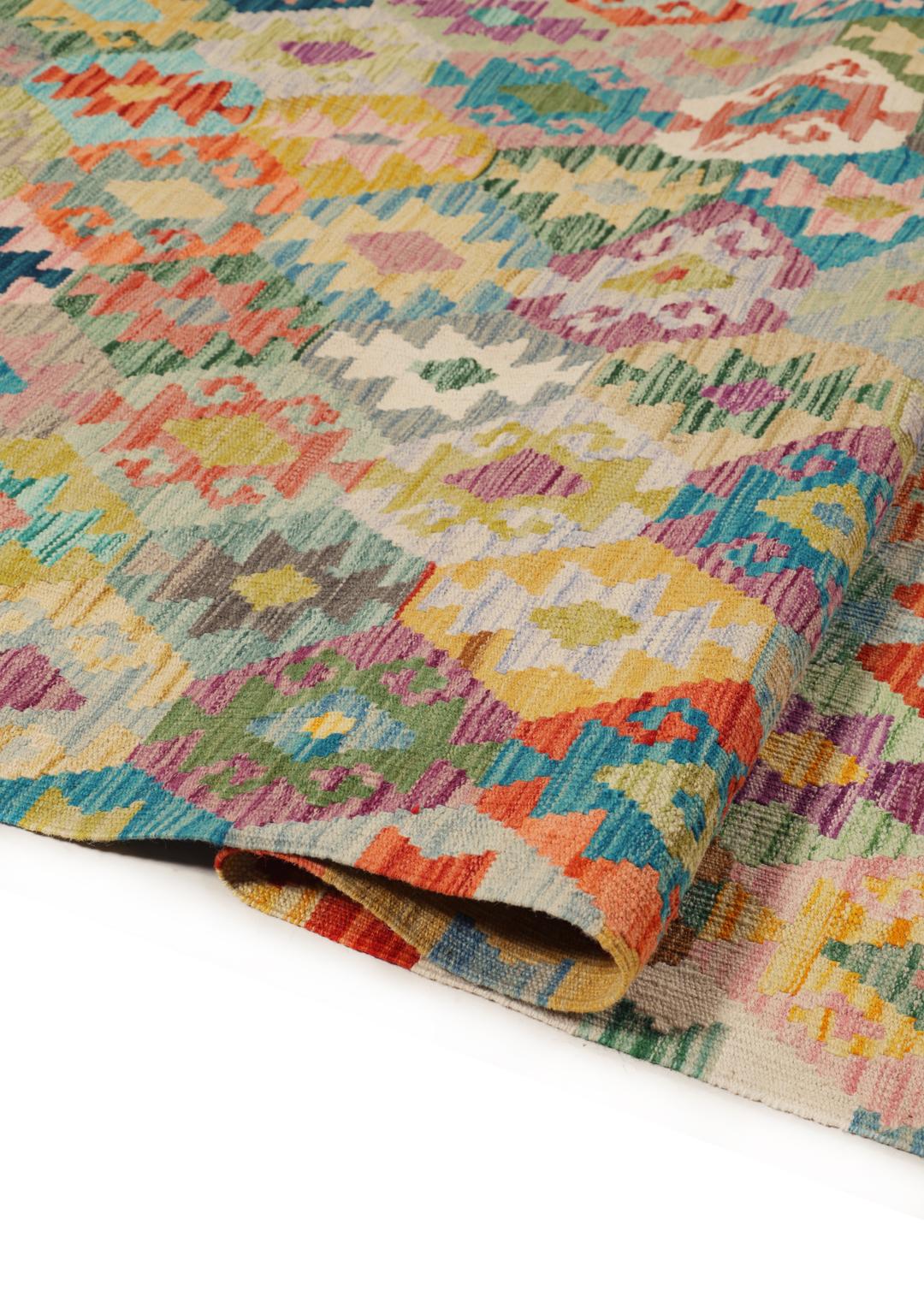
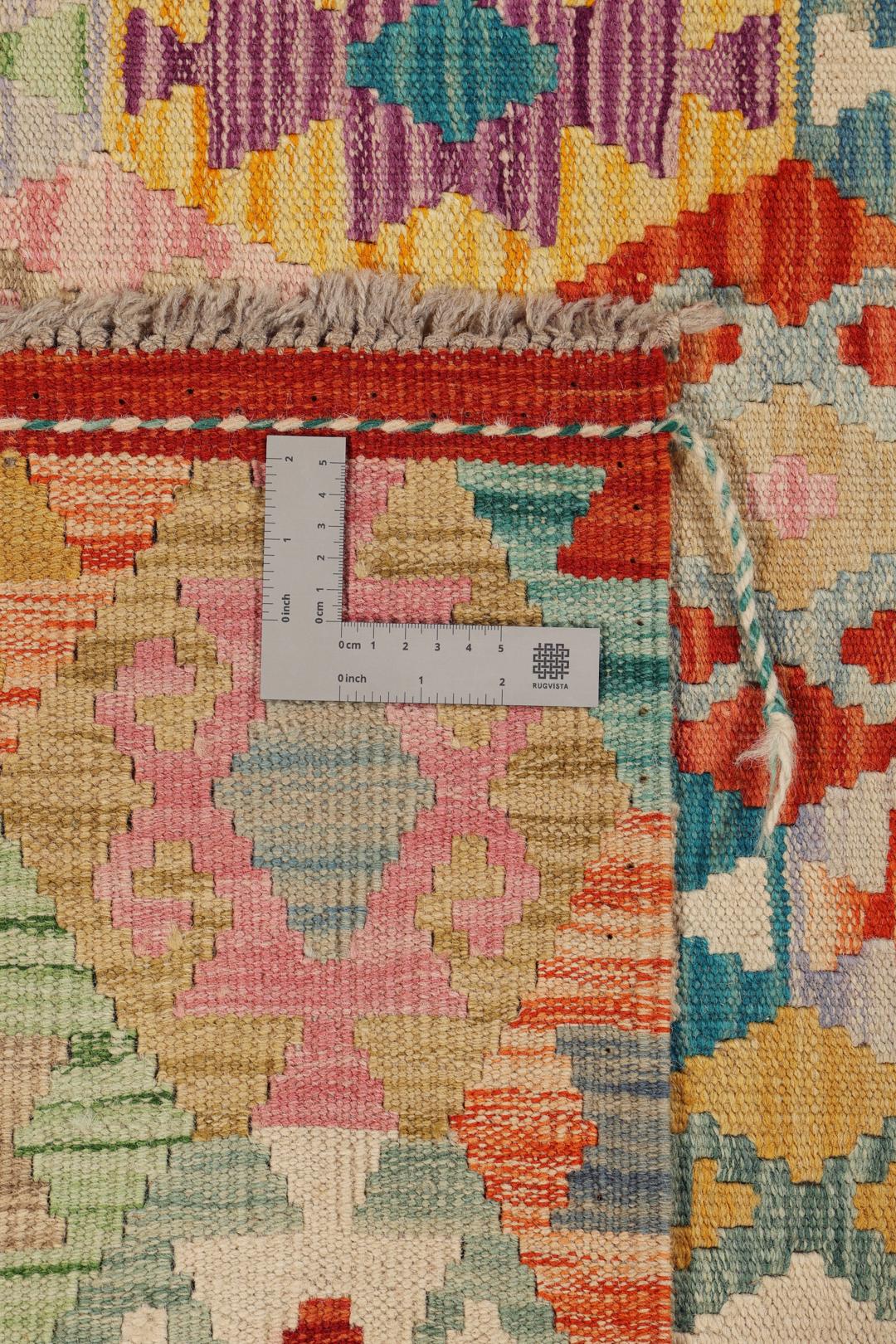
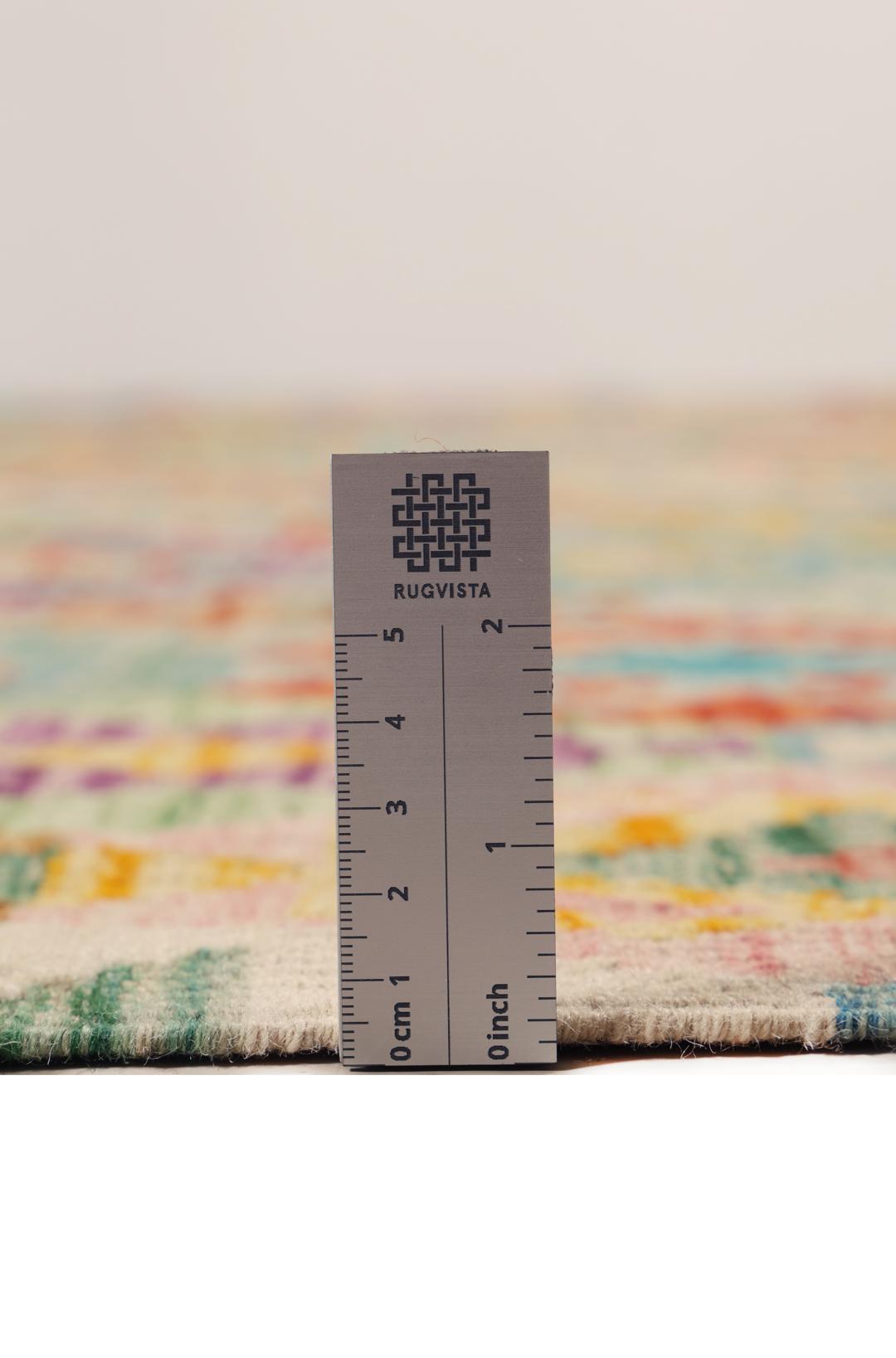
A Kelim is defined by its flat-weave construction, which involves interlacing the horizontal and vertical threads without the use of a knotted pile. This technique produces a thin, reversible rug that is lightweight yet incredibly strong. The quality of a Kelim is often judged by the tightness of this weave, which determines the clarity of the patterns and the longevity of the piece.
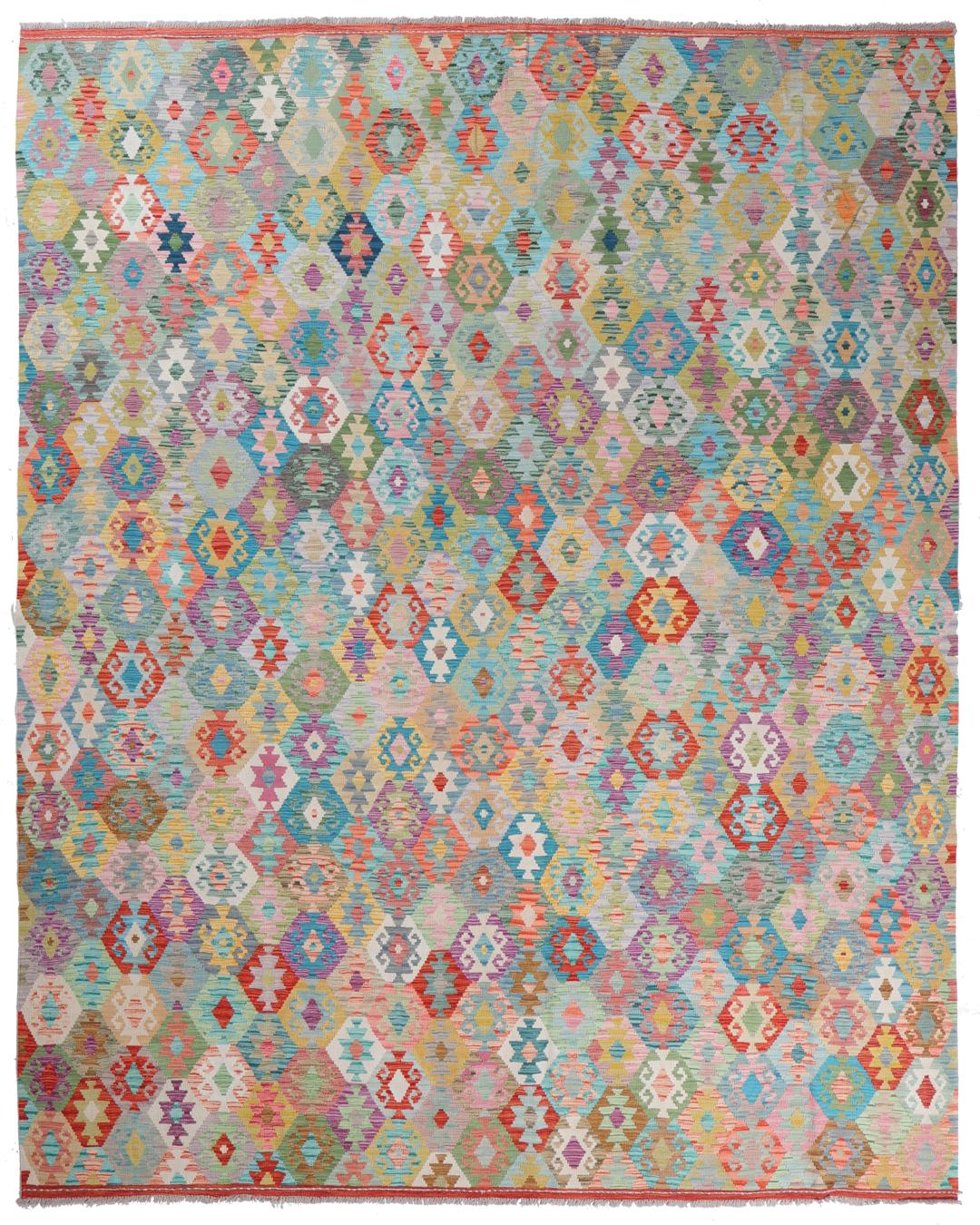
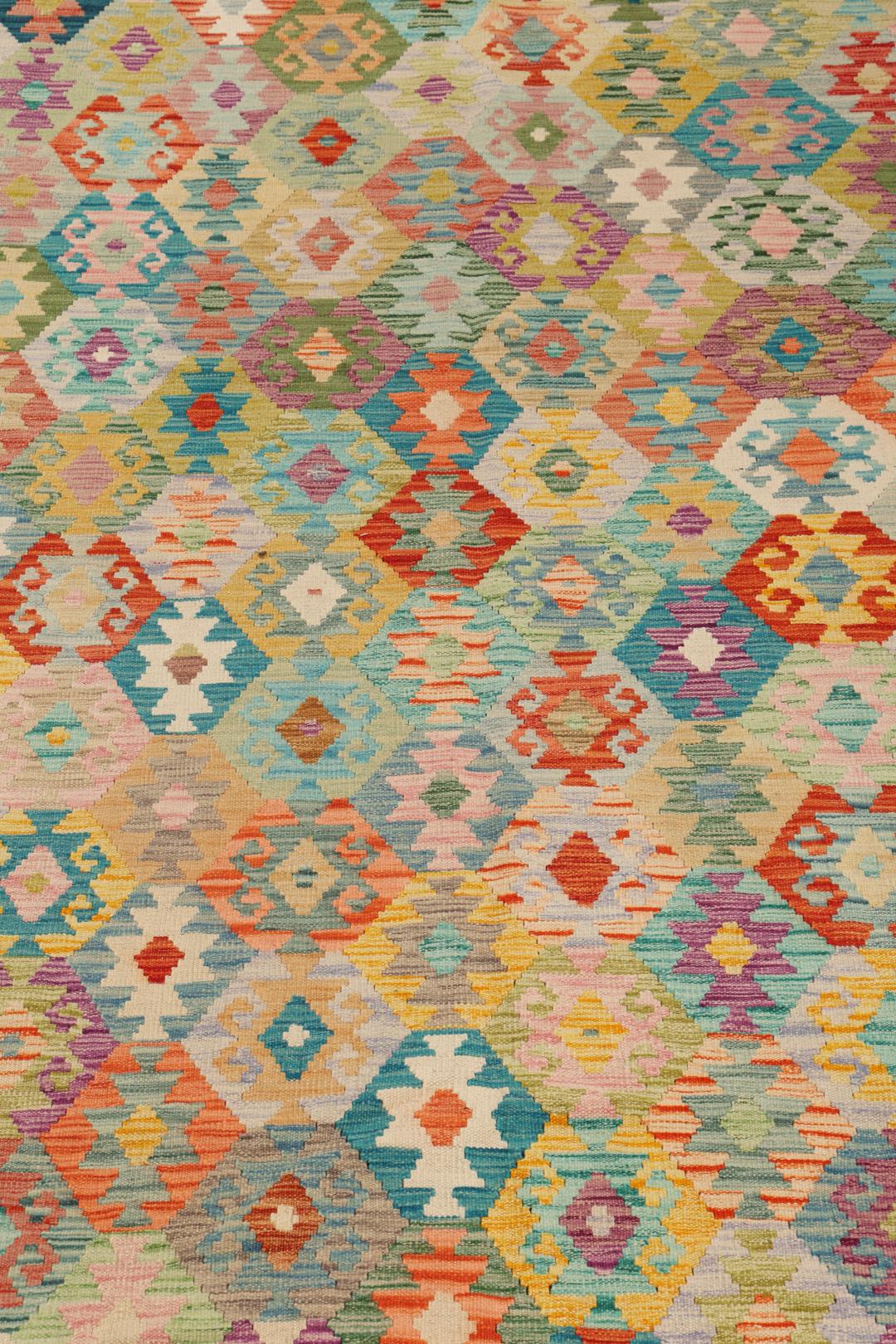
Visually, these rugs are celebrated for their bold, geometric language. Traditional motifs often include diamonds, triangles, and stylized floral elements, frequently arranged in repeating patterns that create a rhythmic visual effect. The use of vibrant, natural-inspired dyes gives these rugs their iconic look, with each region often favouring specific palettes and design signatures that tell the story of the weaver's community.
Today, these rugs are highly valued by collectors and interior designers for their raw, authentic beauty. Owning an Afghan Kelim is an investment in cultural heritage, representing a survival of ancient craft in an increasingly automated world. Each piece serves as a bridge to the past, offering a timeless aesthetic that brings depth and narrative to any contemporary home.