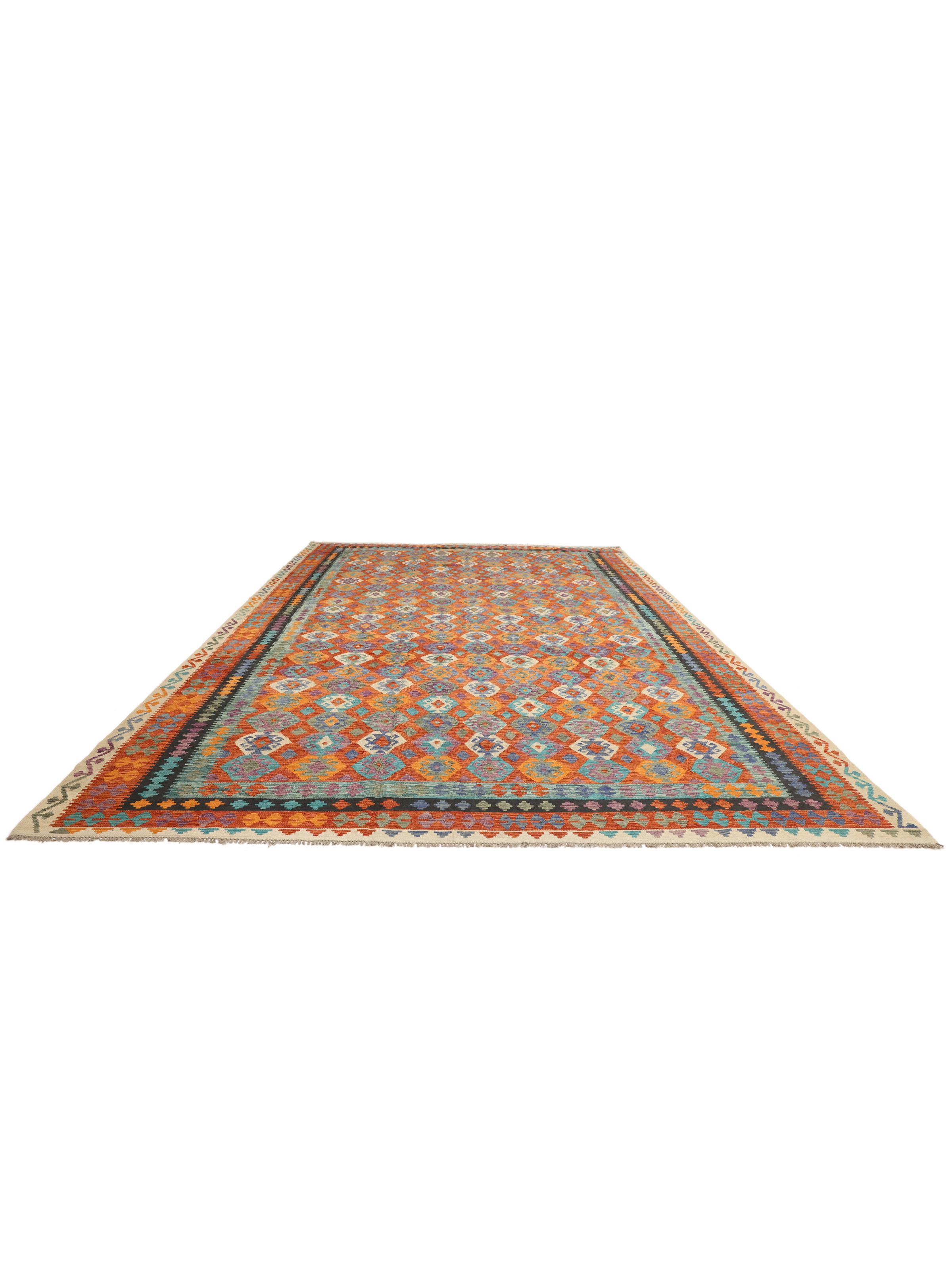
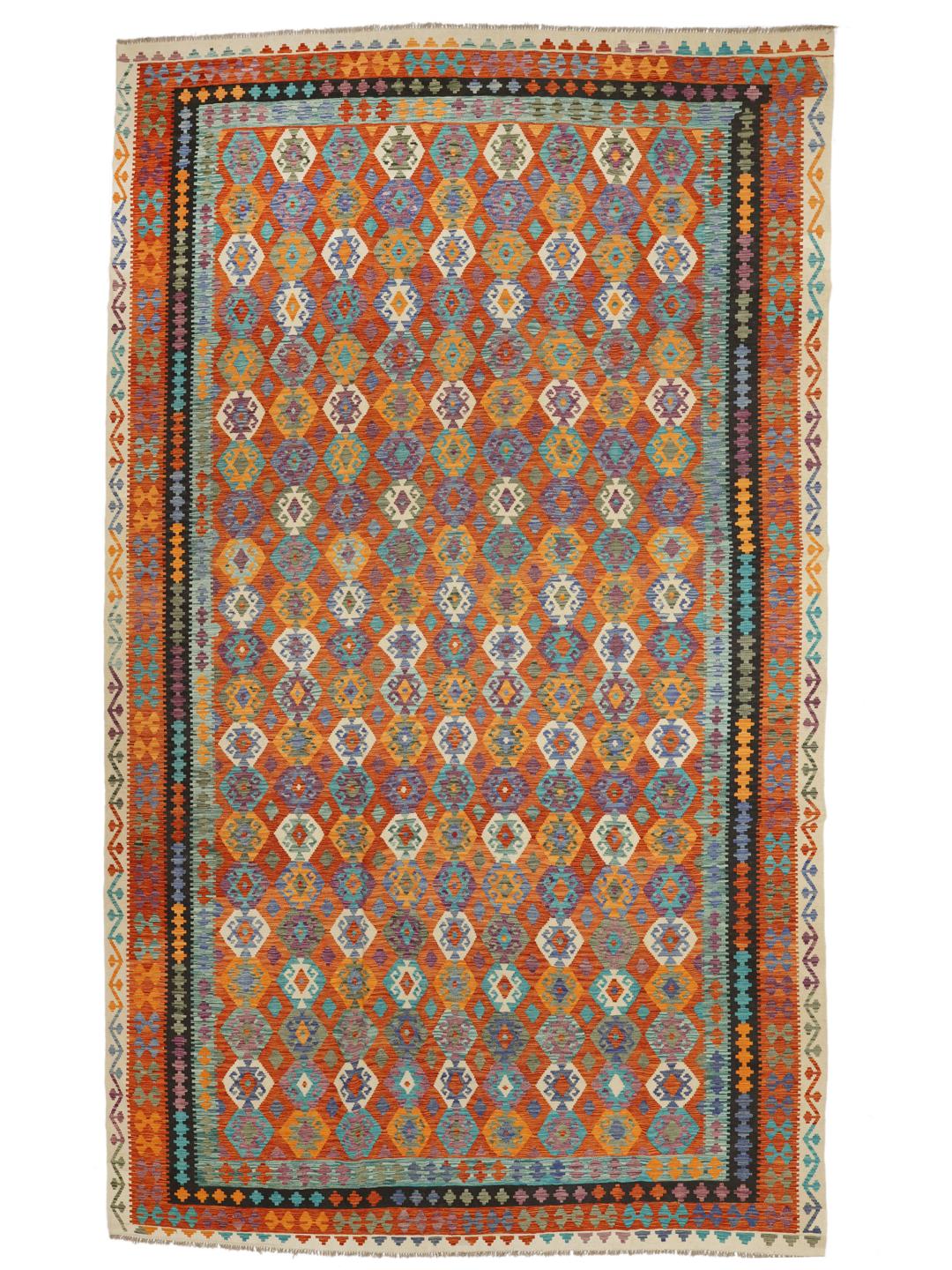
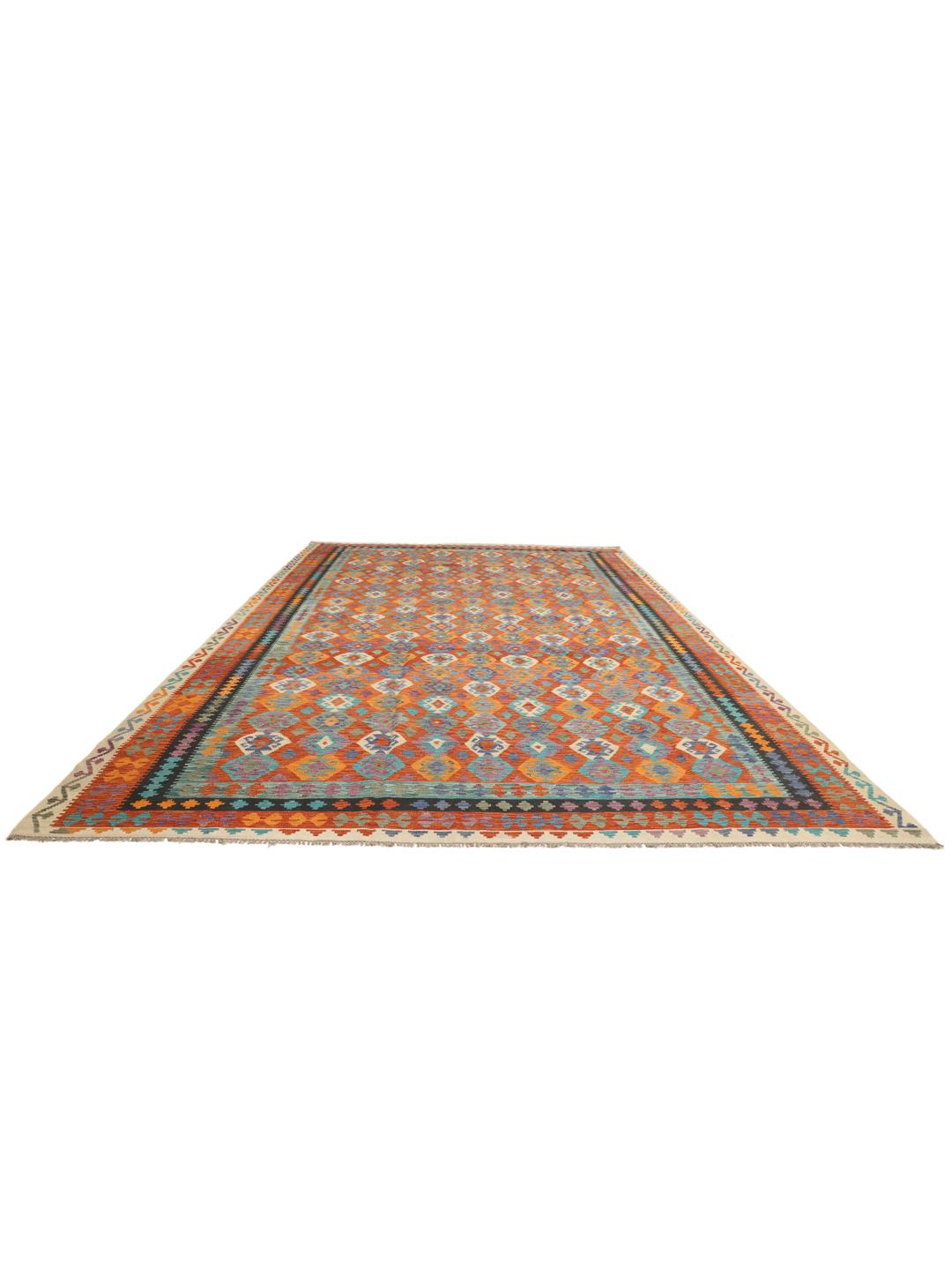
The Afghan kelim tradition is deeply rooted in the history of the Central Asian steppes, where nomadic tribes developed weaving techniques to create practical, portable, and beautiful textiles. These rugs have evolved over centuries, blending influences from various cultures along the Silk Road to create a distinct visual language that is both functional and deeply artistic.
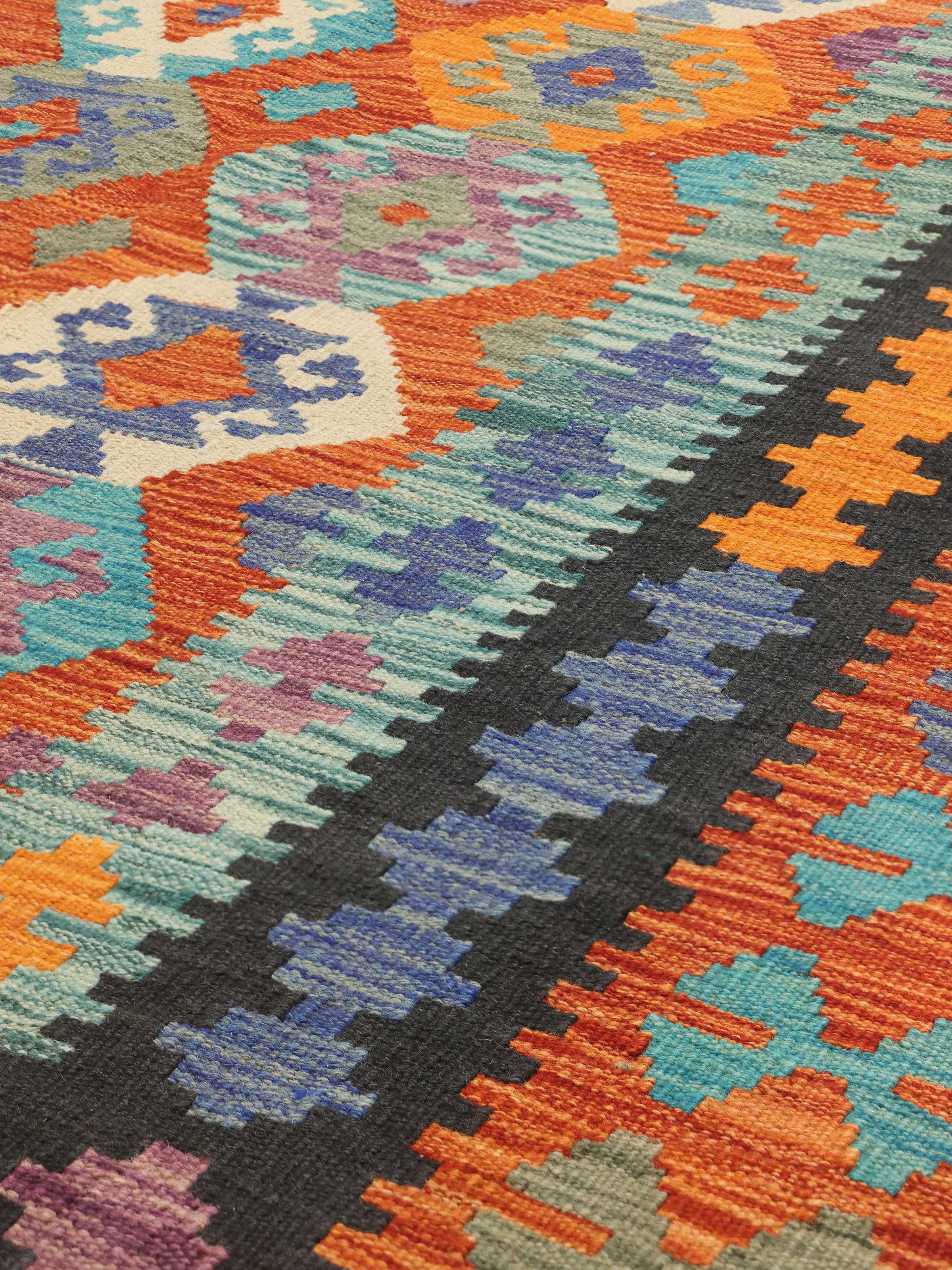
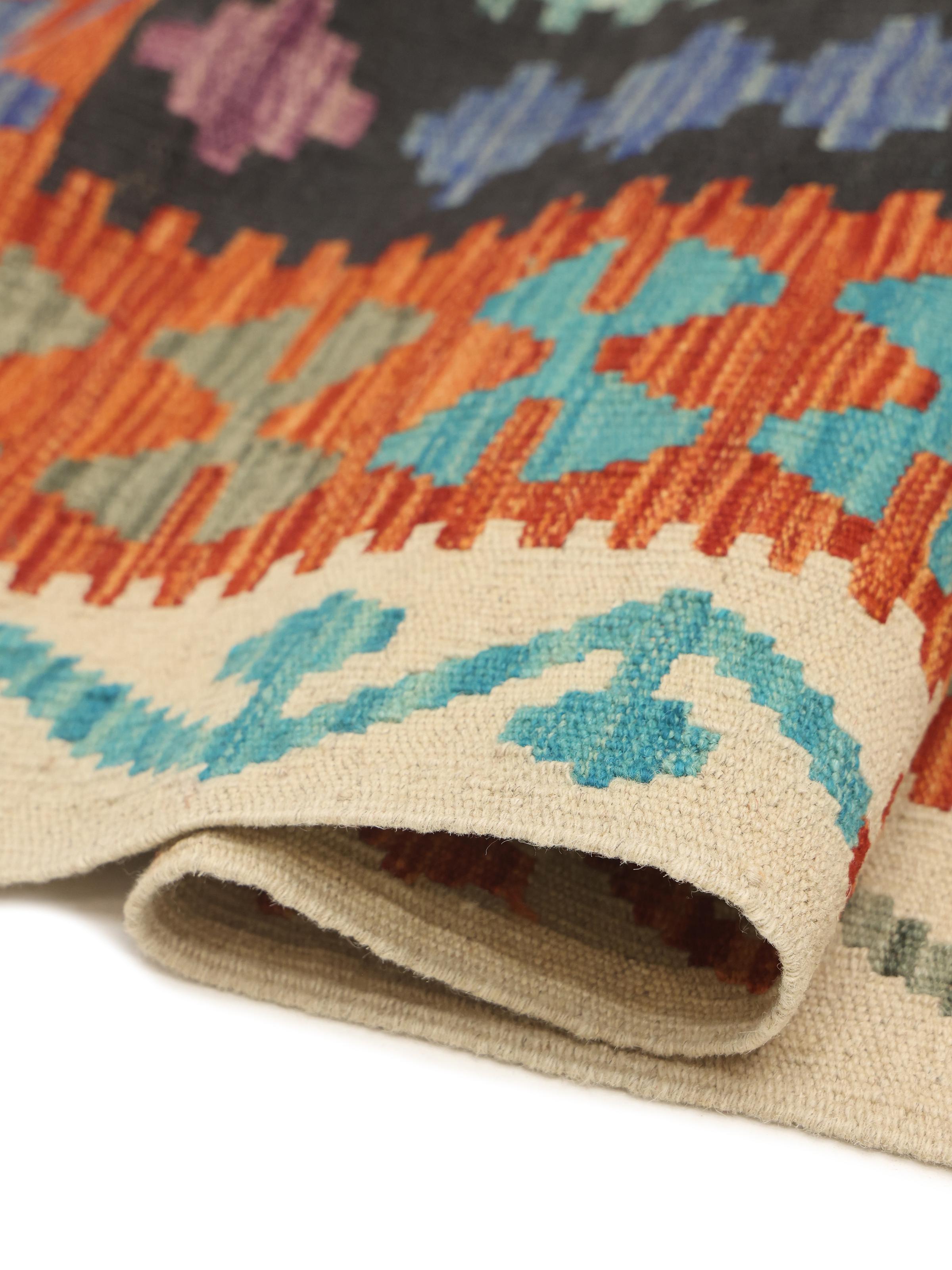
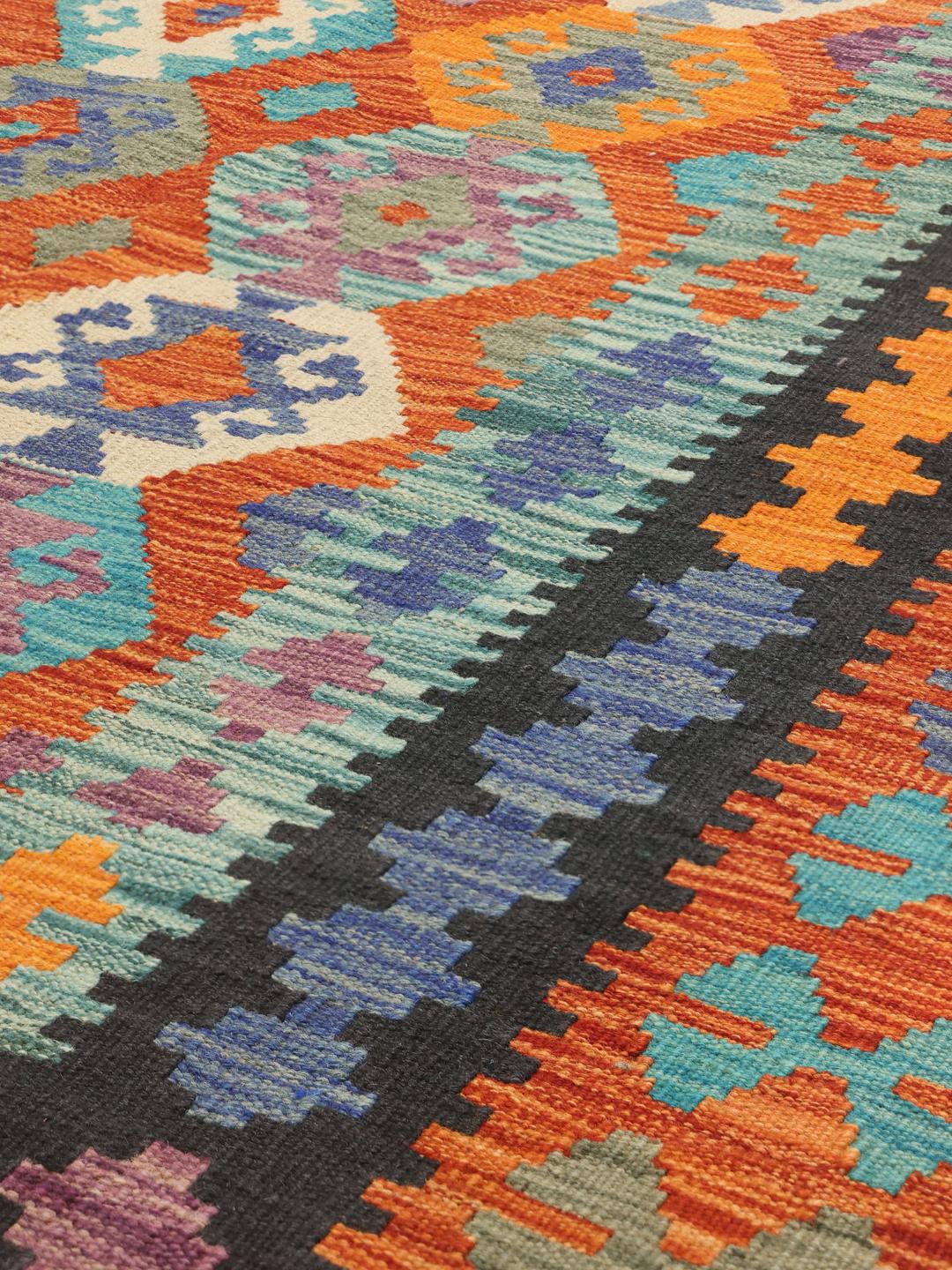
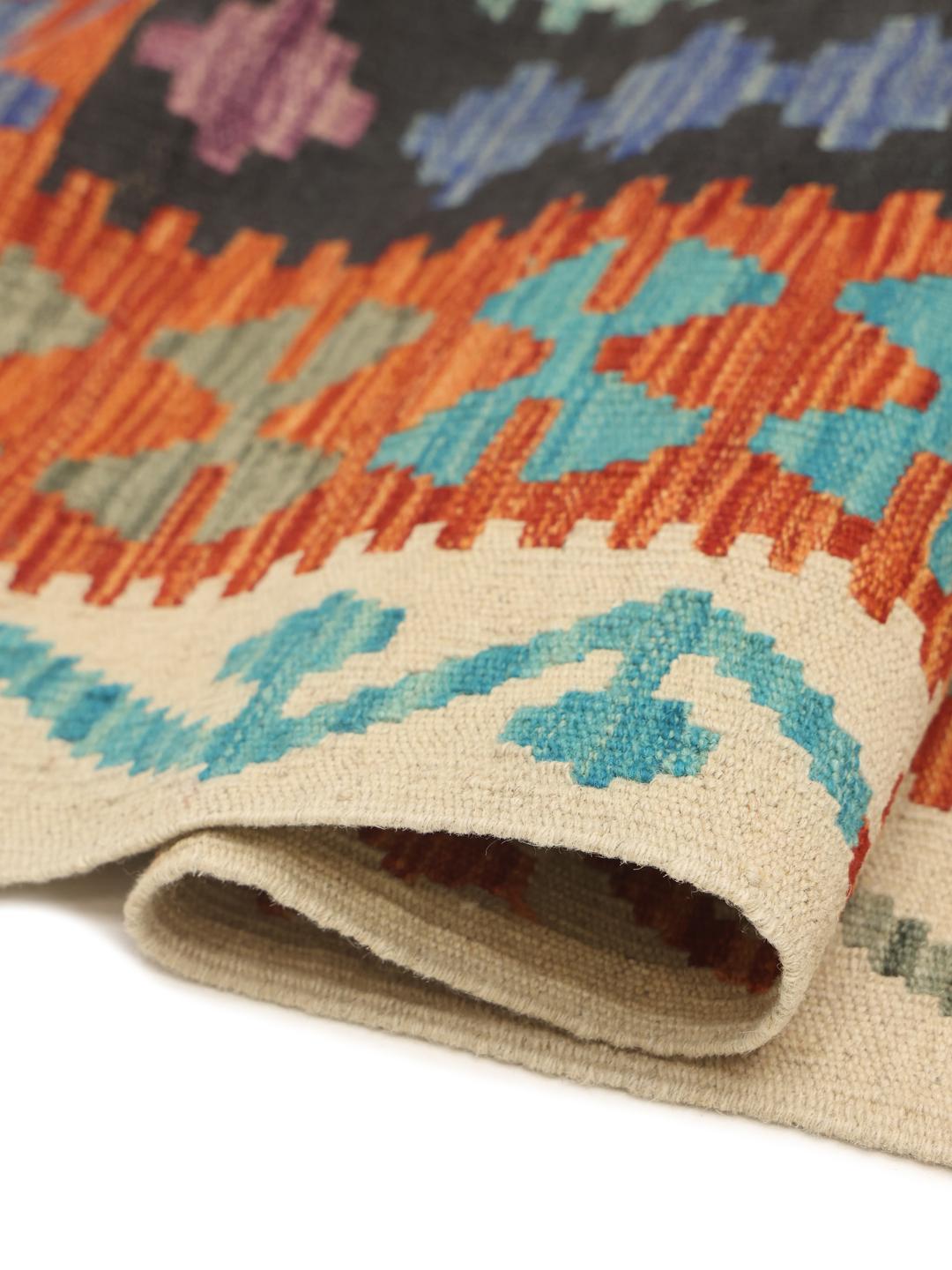
The term 'kelim' refers to a flat-weave technique where no pile is created, resulting in a lightweight yet incredibly durable rug. This method requires the weaver to interlock the coloured weft threads tightly around the warp threads, a process that creates a reversible rug with a clean, graphic aesthetic. The quality of a kelim is often determined by the tightness of this weave, which ensures the rug remains resilient and resists wear over time.
Signature design elements in these rugs often include bold, geometric motifs such as diamonds, triangles, and stylized floral forms. These patterns are not merely decorative but are often imbued with symbolic meaning, representing tribal heritage or aspirations for the home. The use of vibrant, contrasting colours is a hallmark of the Afghan style, often achieved through natural dyes that age gracefully, developing a soft, muted patina over many years.
These rugs are highly valued by collectors and design enthusiasts alike for their cultural weight and the undeniable human touch present in every thread. Owning a piece of this tradition is a way to connect with a centuries-old craft that continues to thrive. It represents a commitment to preserving artistry and skill, offering your home a sense of continuity and a connection to the rich, storied history of the Middle Eastern textile tradition.