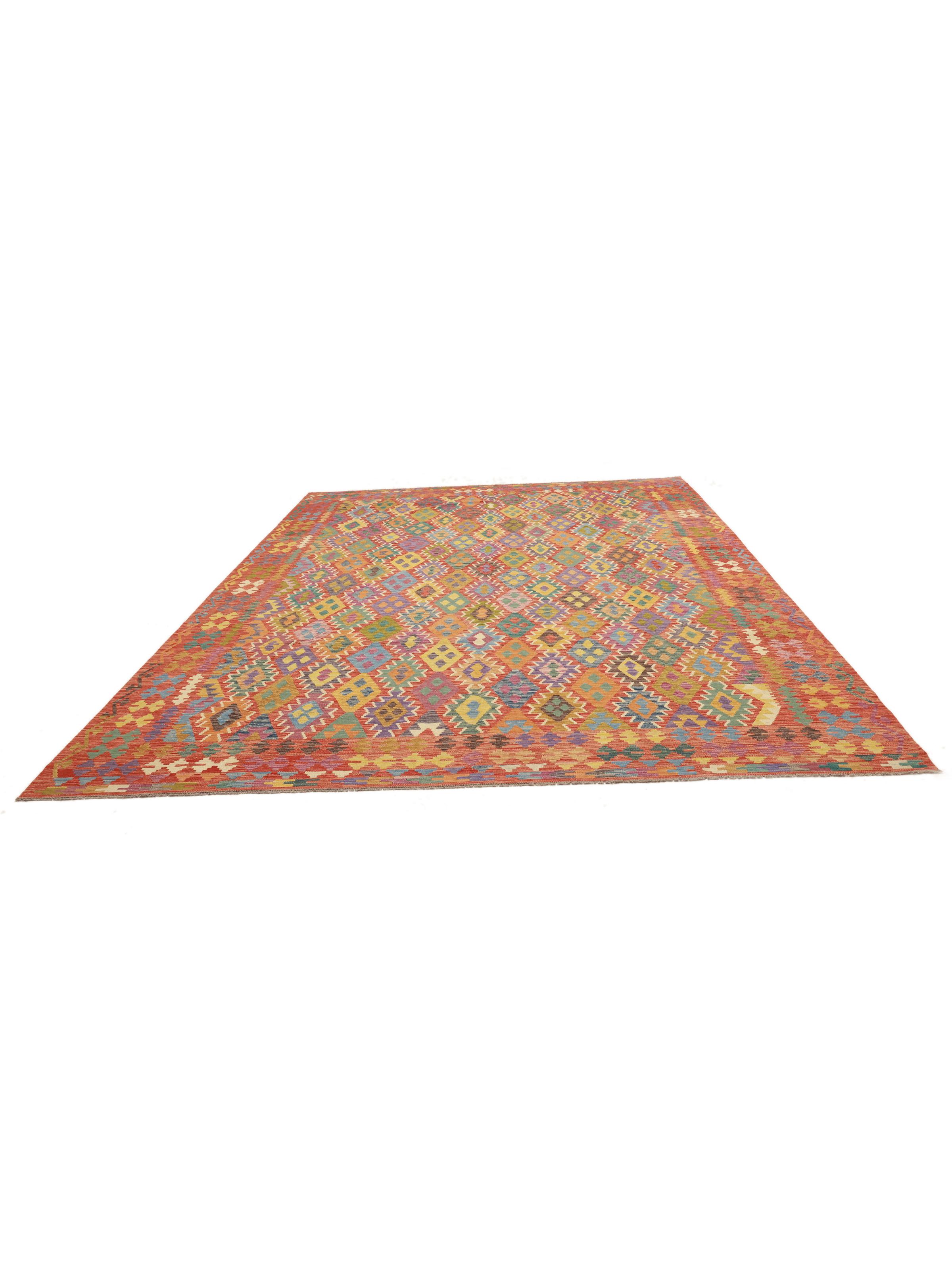
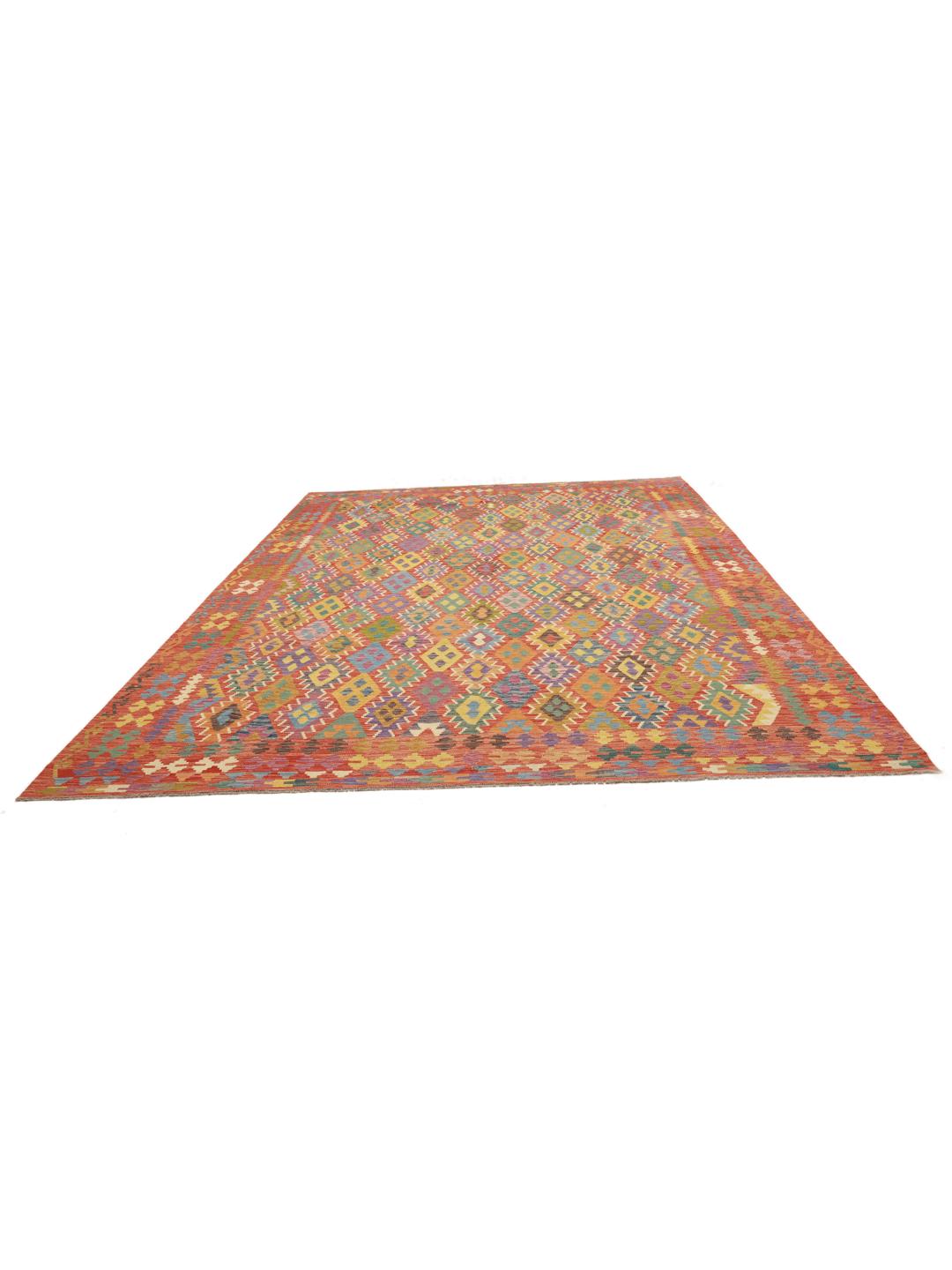
Kelim rugs have been a staple of Middle Eastern textile tradition for centuries, serving as functional floor coverings, wall hangings, and storage bags for nomadic tribes. These flat-woven masterpieces are deeply embedded in the cultural fabric of Afghanistan, where the art of weaving has been passed down through generations as a primary method of artistic expression.
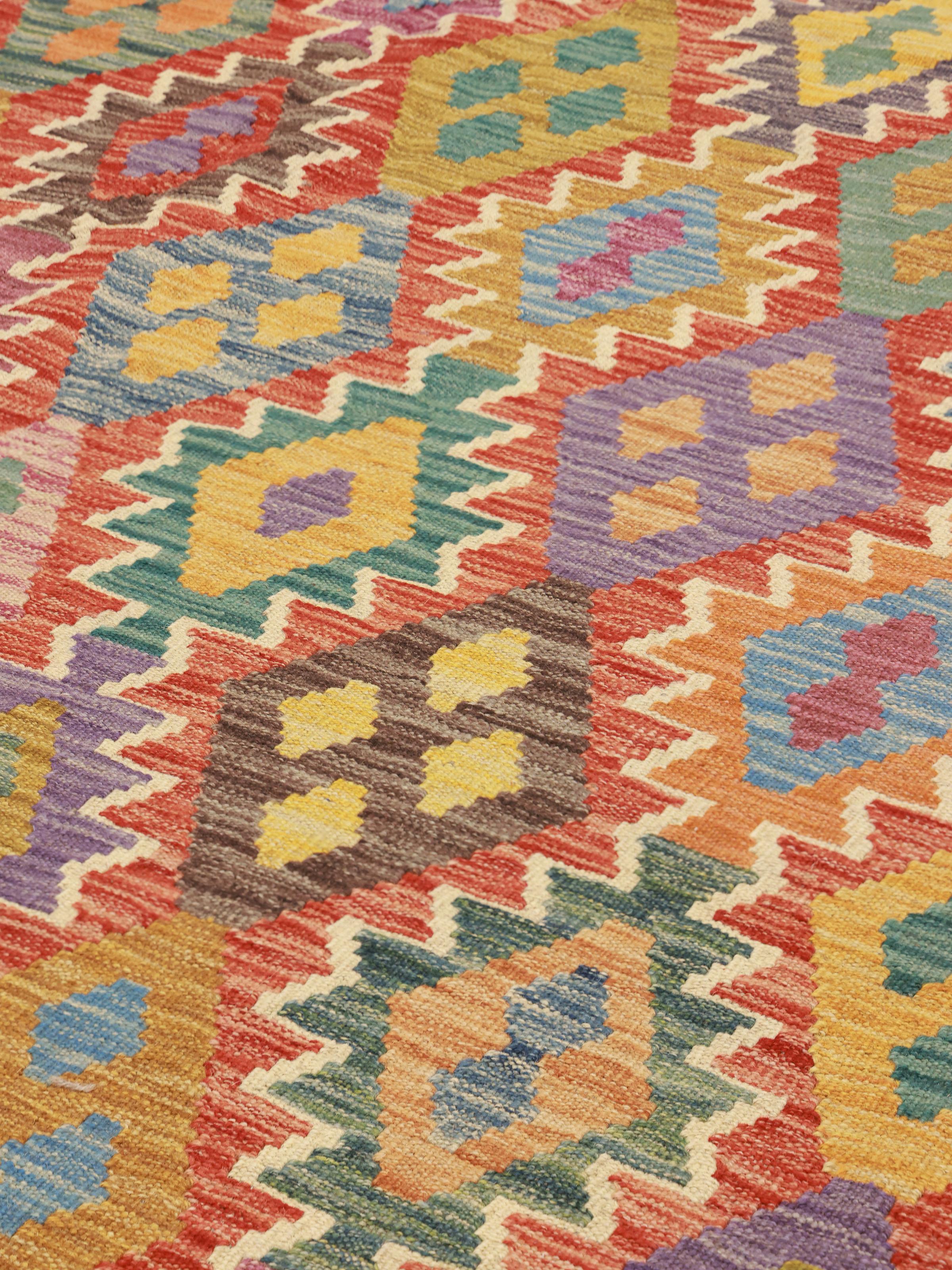
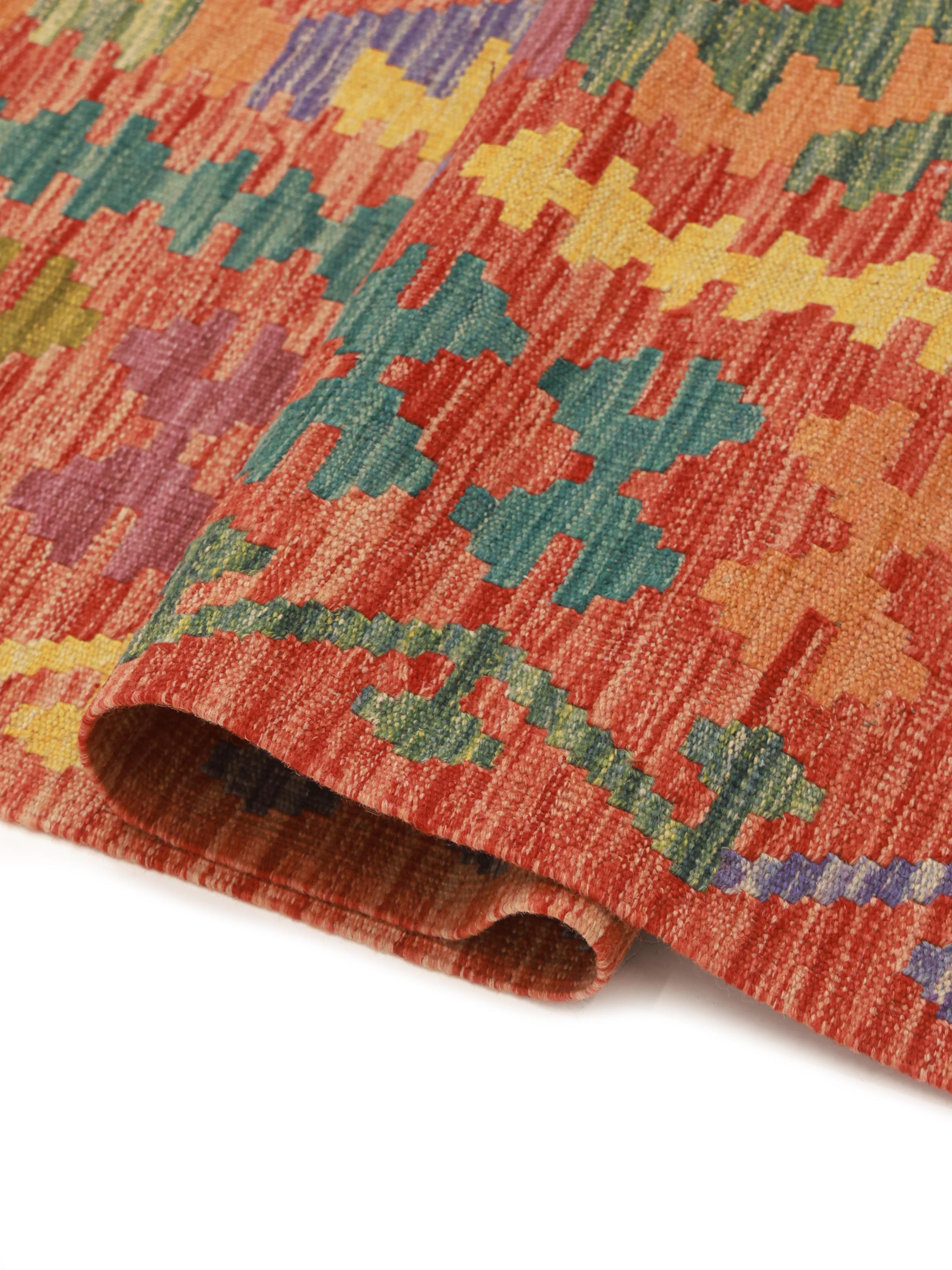
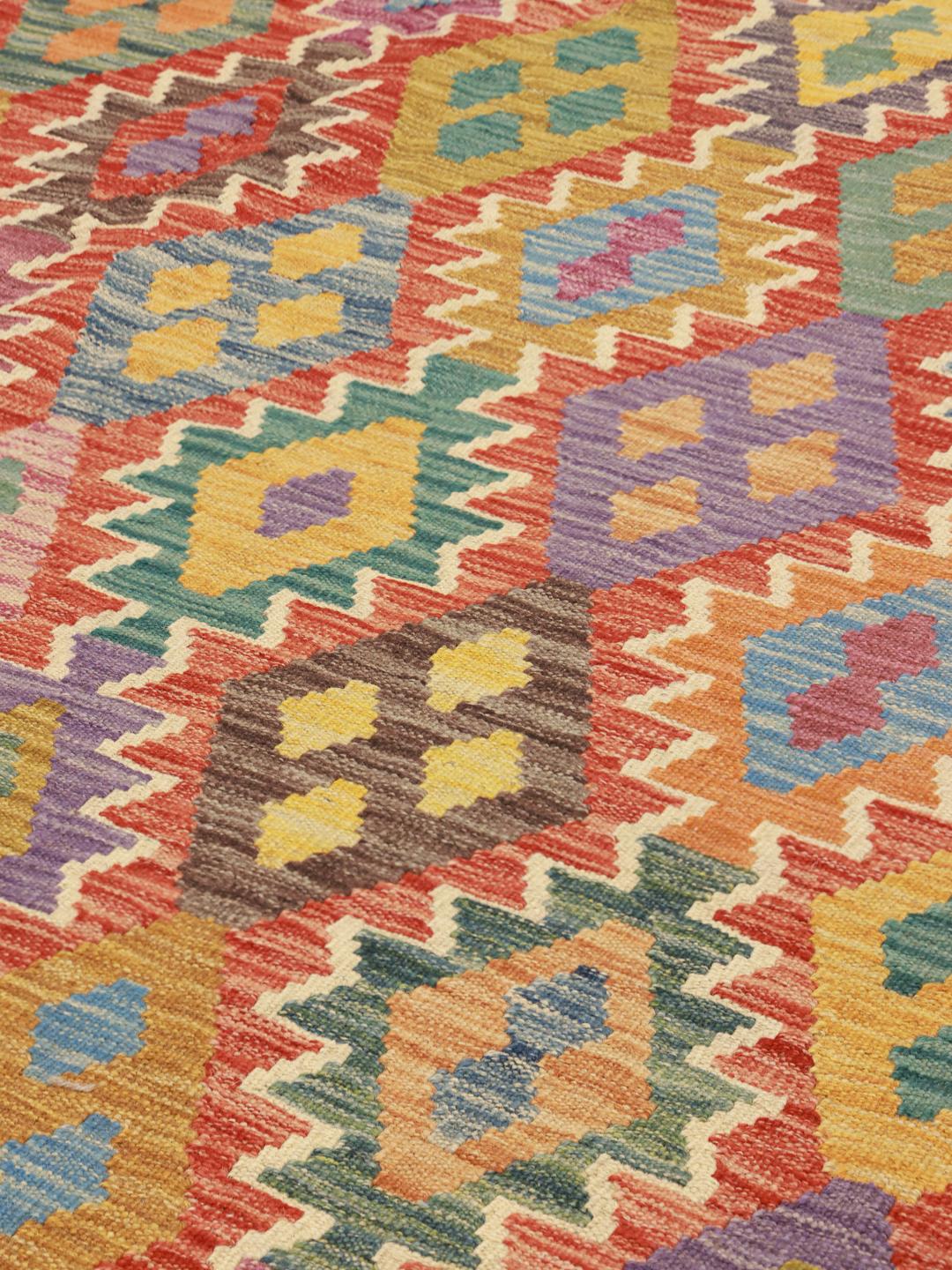
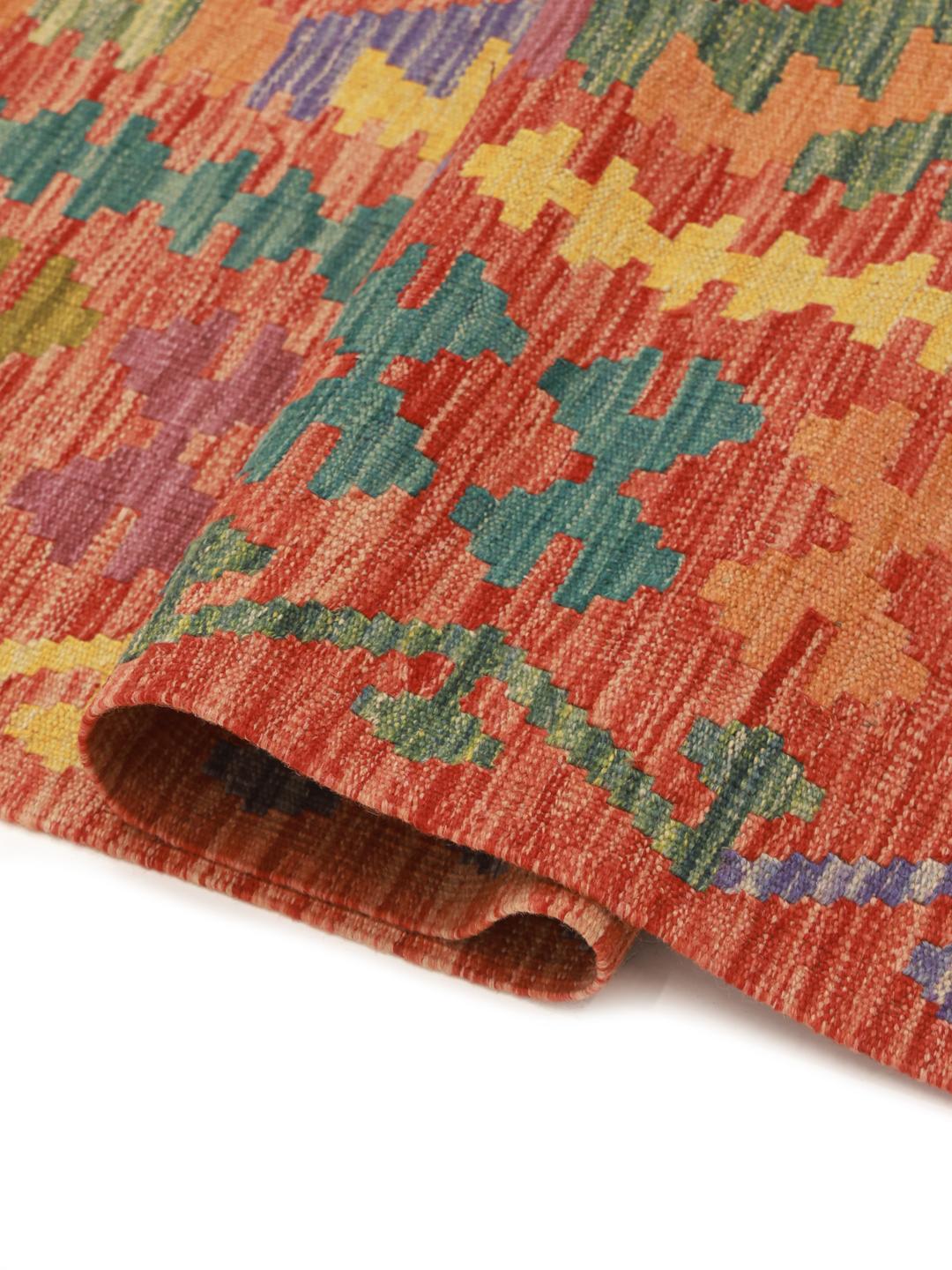
The term 'Kelim' refers specifically to the tapestry-weave technique used to construct these rugs. Unlike knotted rugs, these are created by interweaving the warp and weft threads to form a flat, sturdy surface. This technique allows for the creation of intricate, sharp-edged geometric patterns that are characteristic of the region's tribal heritage, ensuring the design is identical on both sides of the rug.
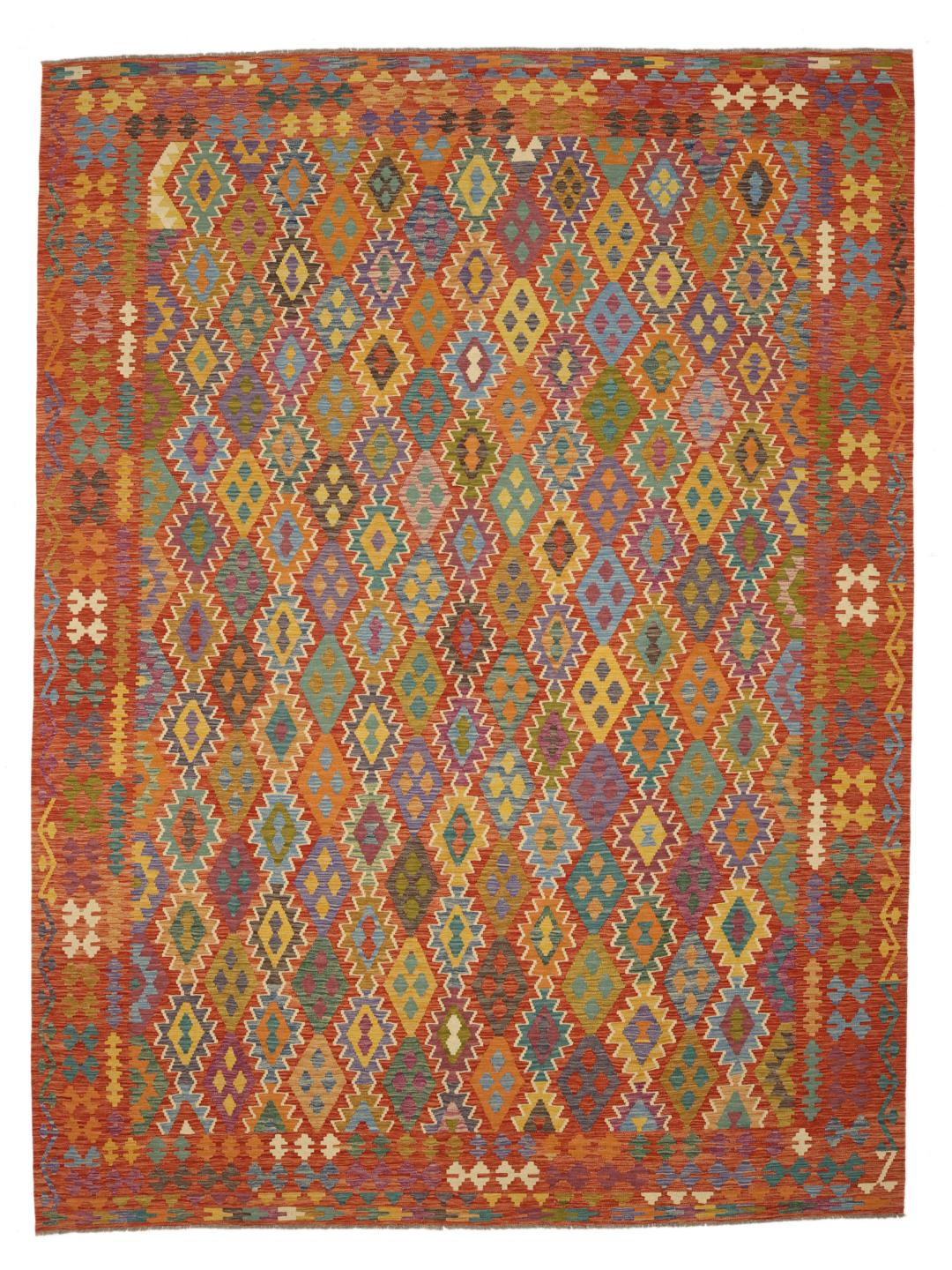
The visual language of this tradition is dominated by geometric motifs, with the diamond being a particularly common and significant symbol. These shapes are often arranged in repeating patterns that represent cultural stories, tribal identity, and protection. The use of bold, earthy colours is a hallmark of the style, traditionally sourced from natural dyes that have mellowed beautifully over time.
Owning an Afghan Kelim is an opportunity to preserve a piece of human history. These rugs are highly valued by collectors for their authenticity, the skill of the weavers, and the cultural narrative woven into every thread. By choosing this piece, you are supporting a tradition that values craftsmanship and slow, thoughtful creation over modern, mass-produced alternatives.