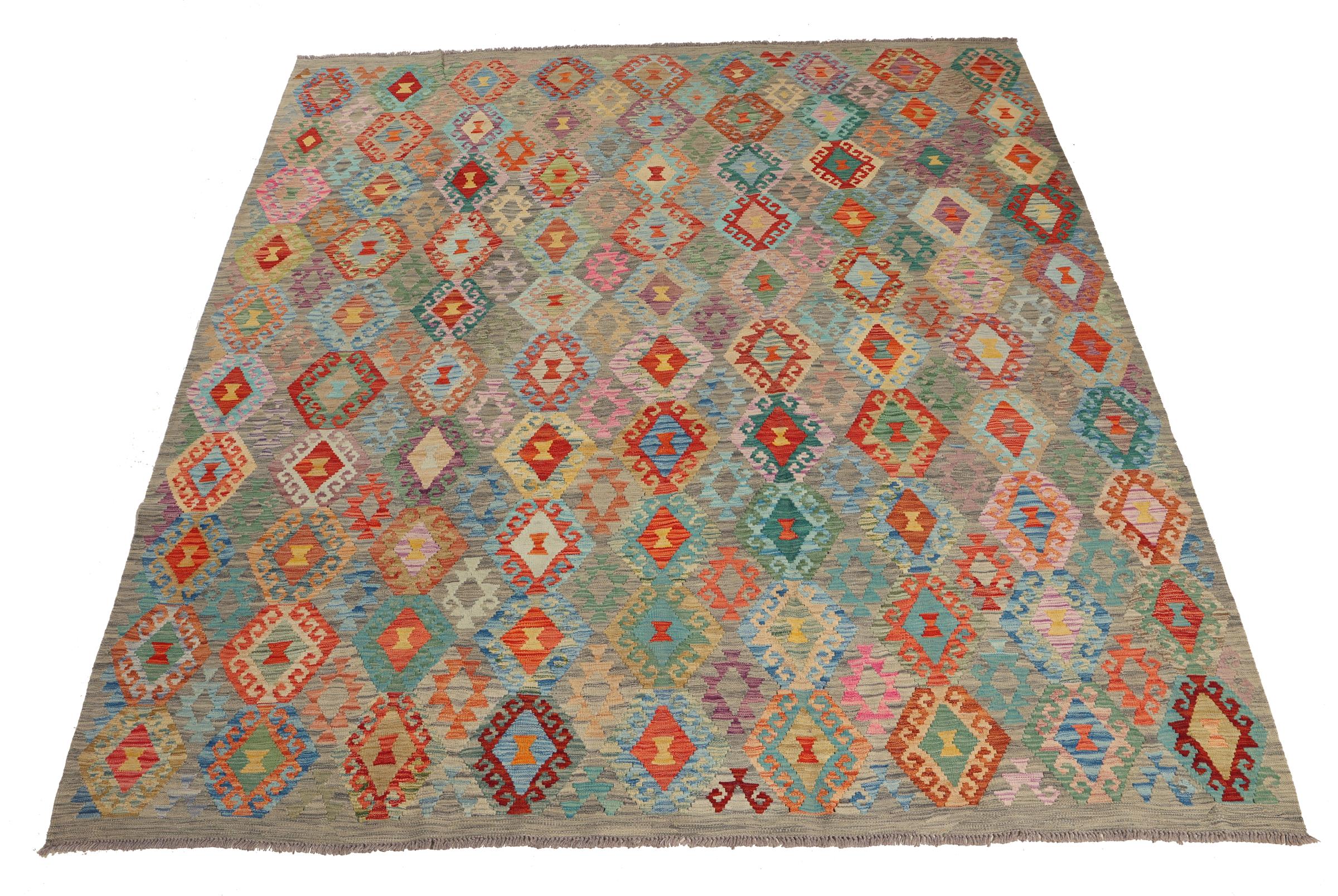
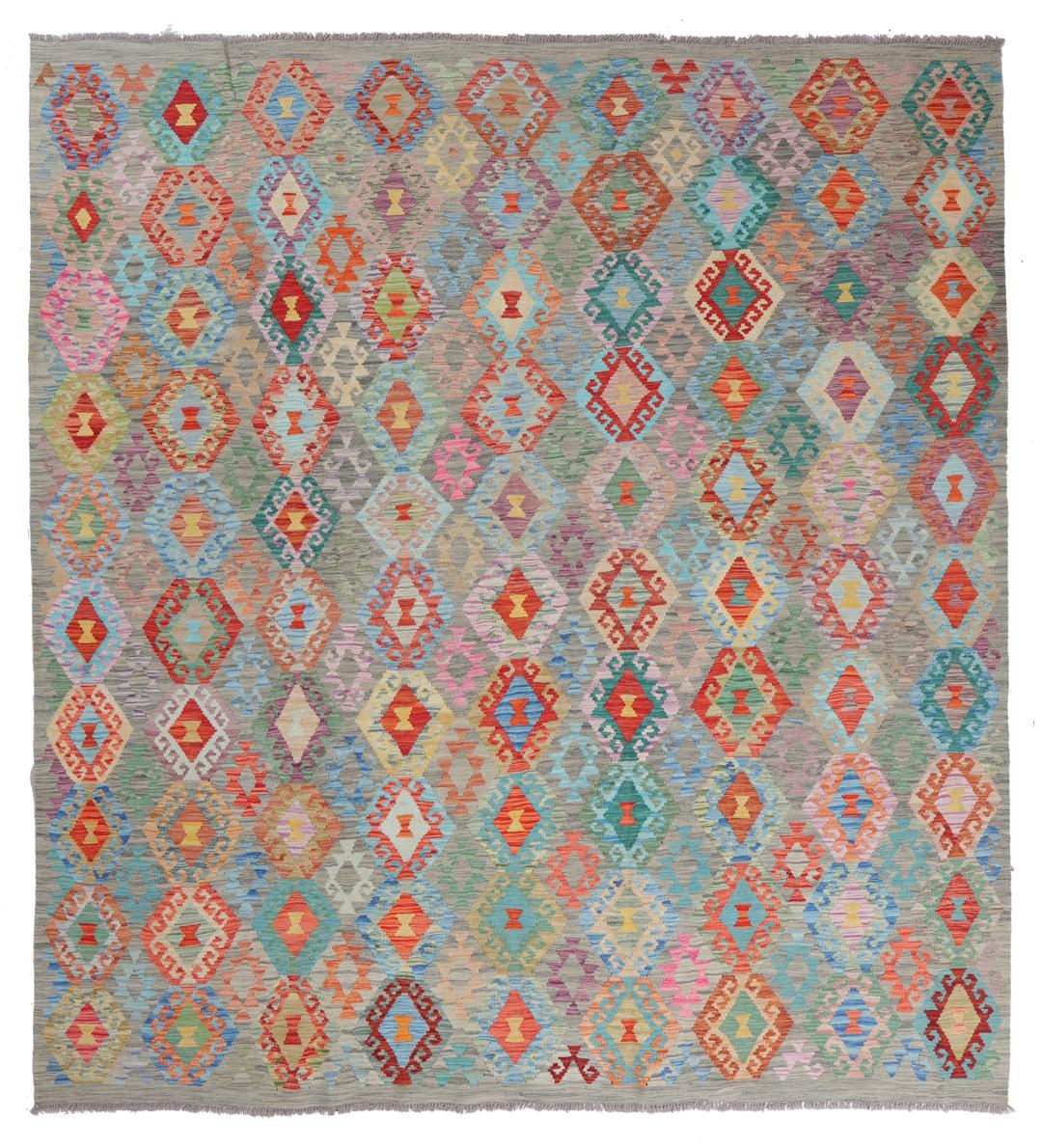
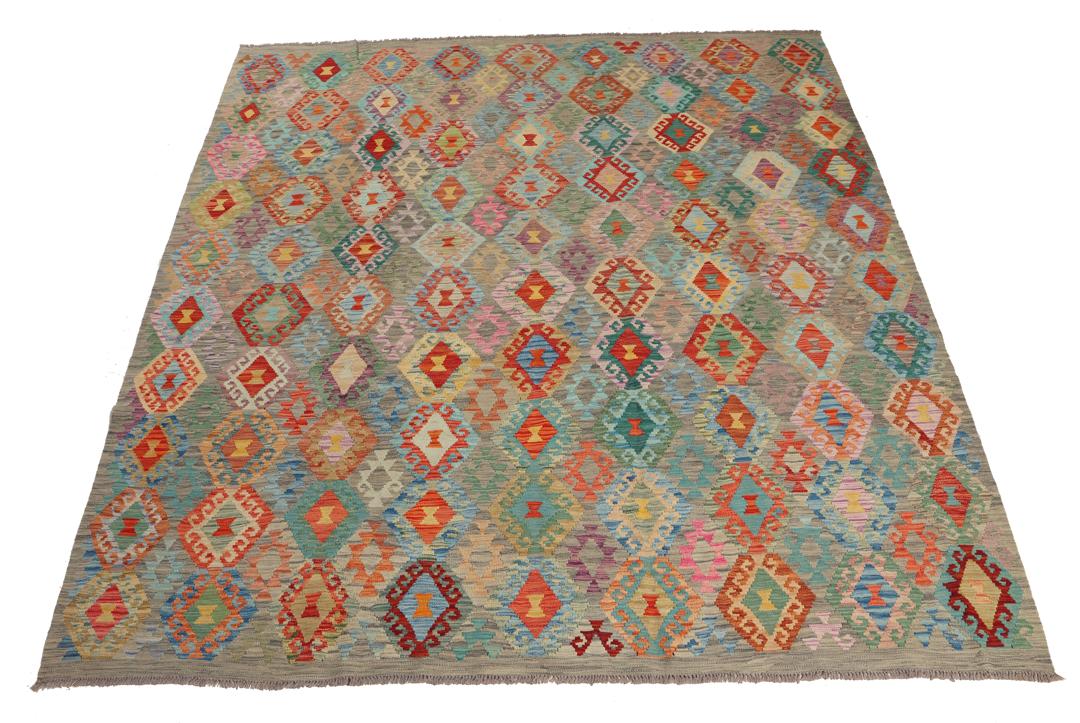
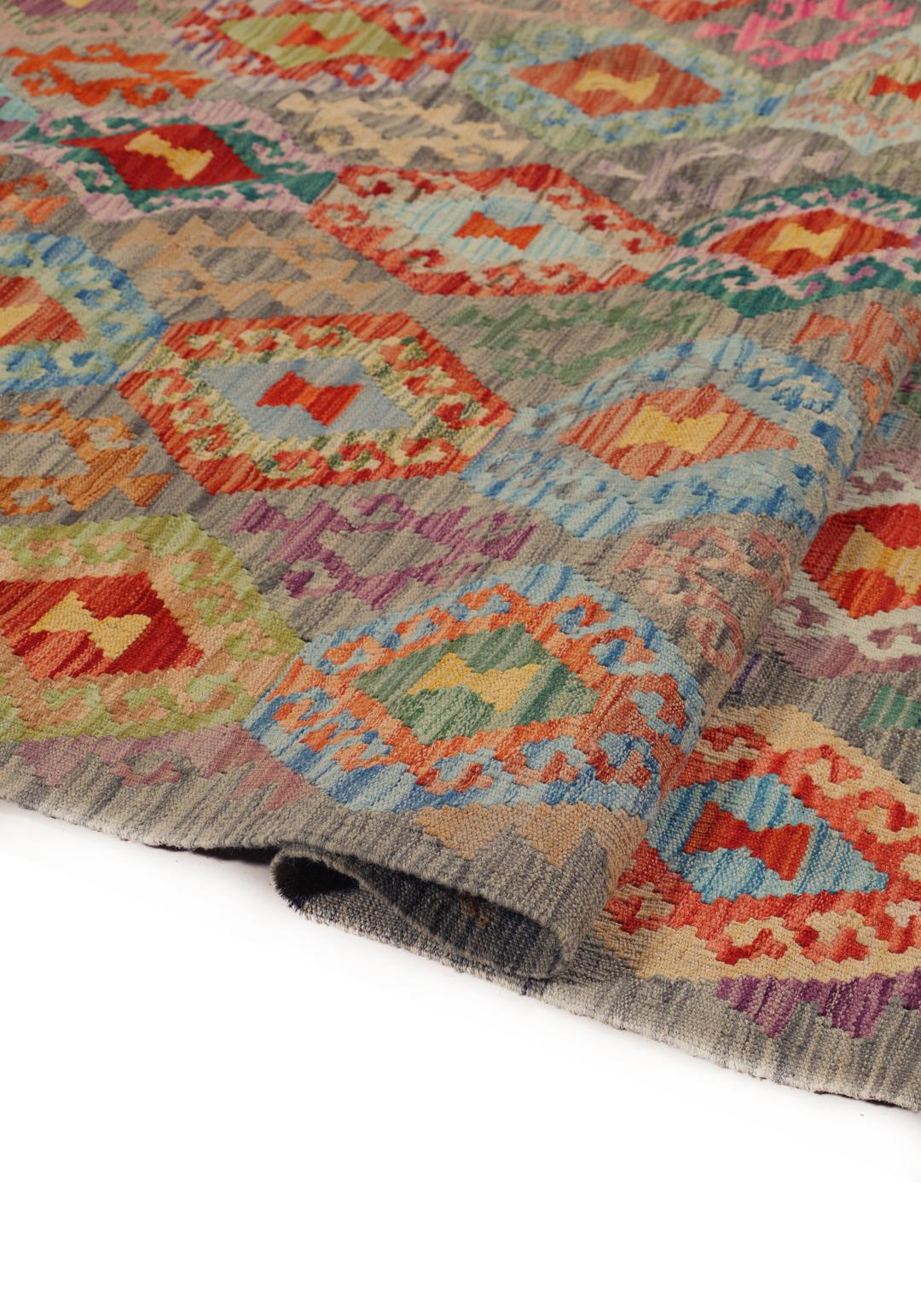
Kelim rugs have been woven for centuries across the Middle East, Central Asia, and the Caucasus, serving as both functional floor coverings and essential components of nomadic and village life. The term itself refers to a flat-weaving technique that distinguishes these rugs from pile-woven varieties, resulting in a lighter and more versatile textile that has been historically prized for its portability and decorative utility.
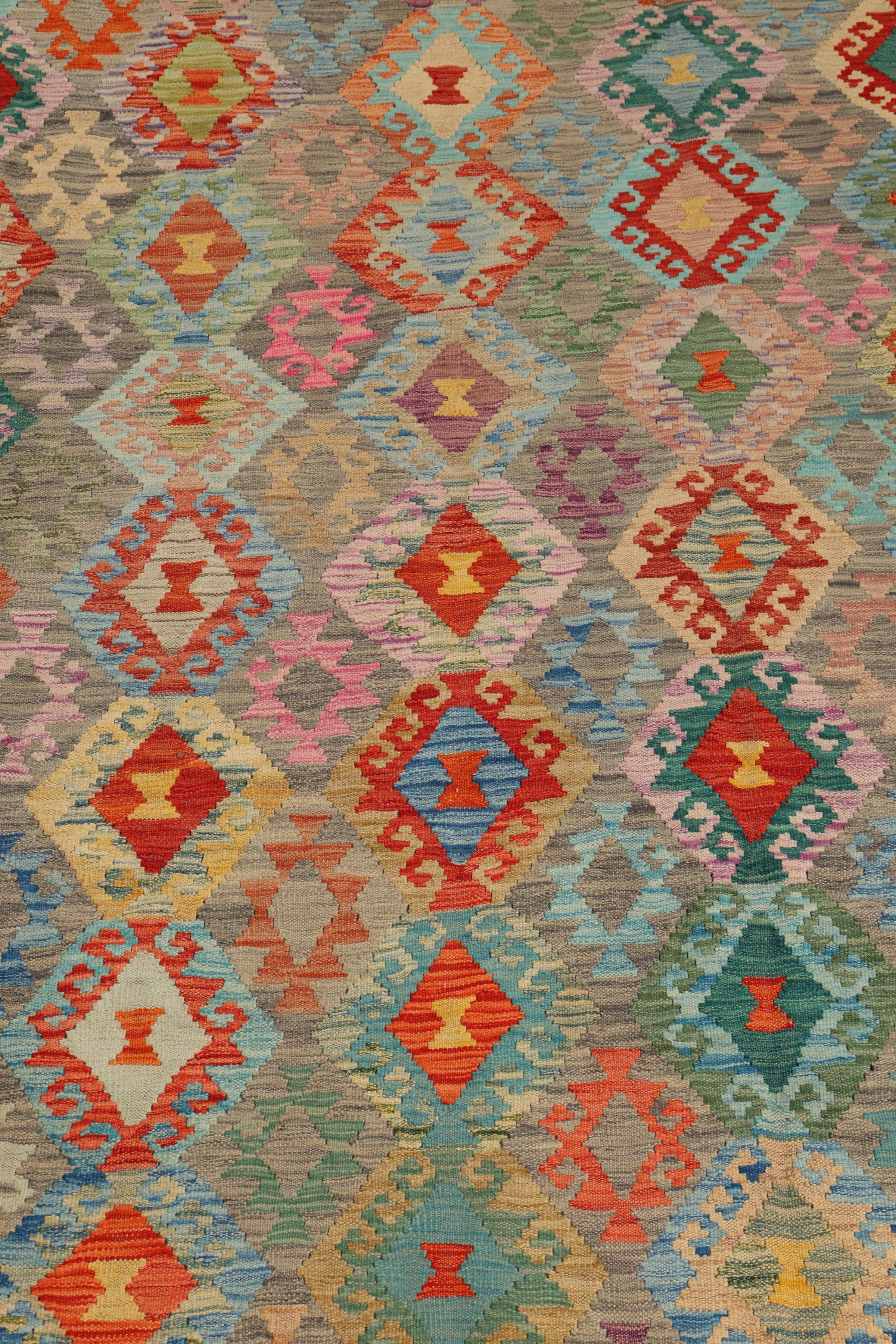
The Afghan tradition of weaving is particularly noted for its use of high-quality, local wool, which is often spun and dyed using time-honoured methods. The 'Old Style' designation refers to the preservation of these traditional patterns and techniques, which emphasise geometric precision and a colour palette rooted in natural, earthy tones accented by vibrant, saturated hues.
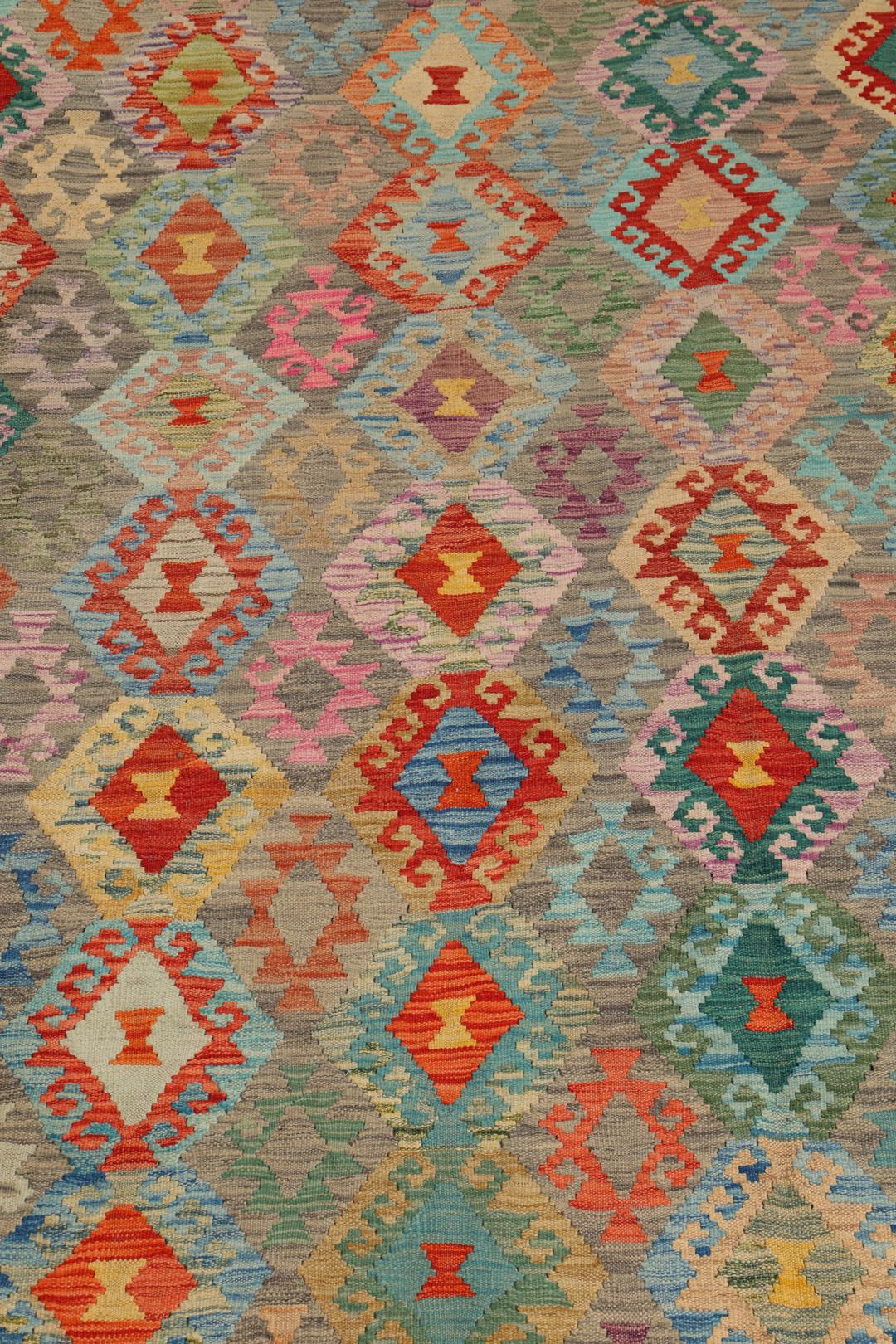
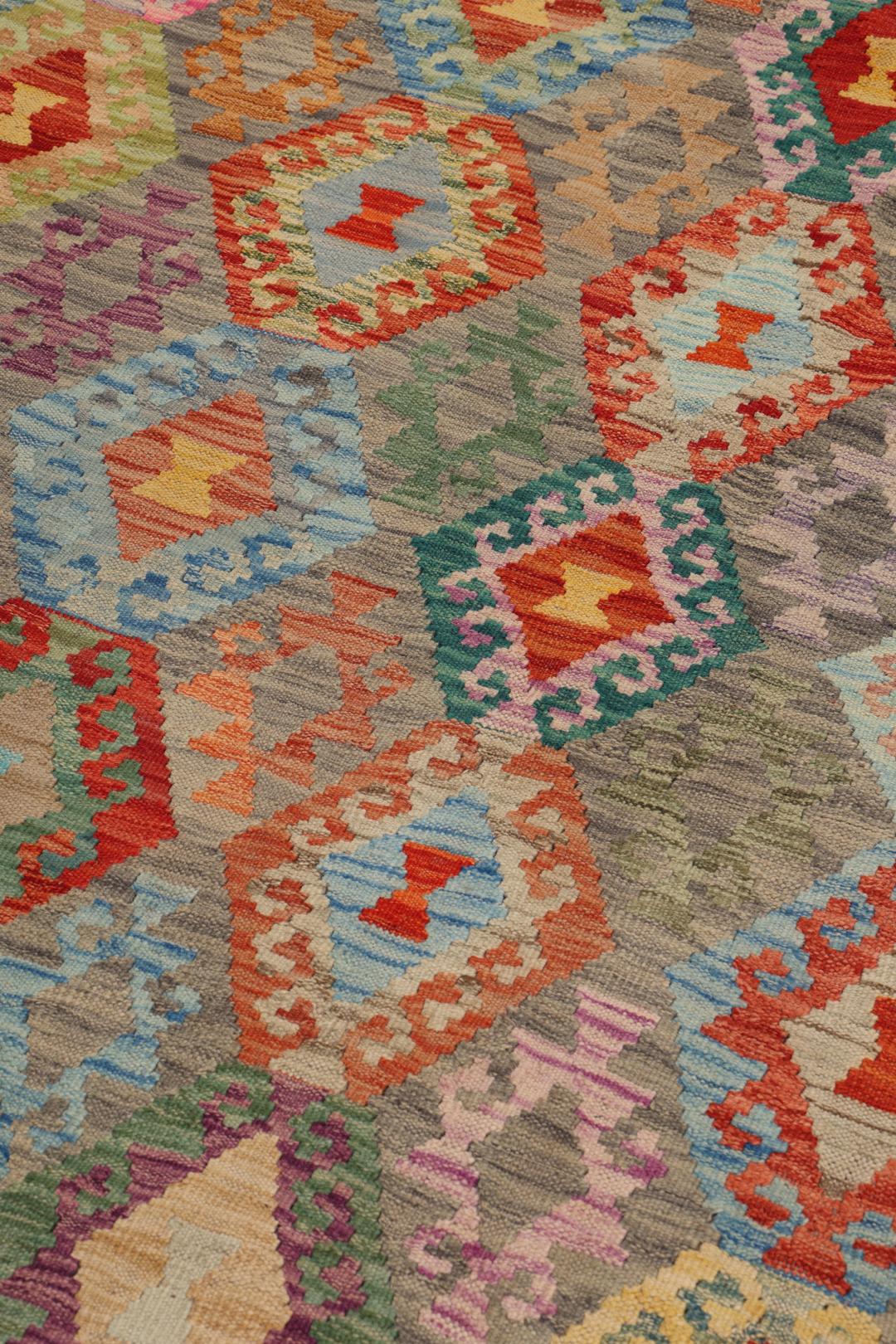
The signature design elements of these rugs are their intricate geometric motifs, most commonly diamonds or triangles, which are repeated across the field. These patterns are not merely decorative but often hold cultural significance, acting as a visual language that has been passed down through generations of weavers to document their environment, beliefs, and artistic heritage.
Collecting a hand-woven Kelim is an investment in a living tradition. These rugs are highly valued for their authenticity and the human story behind every thread. By choosing a piece like this, you are preserving a craft that celebrates the individuality of the weaver and the legacy of a region where rug-making remains a cornerstone of social and cultural identity.