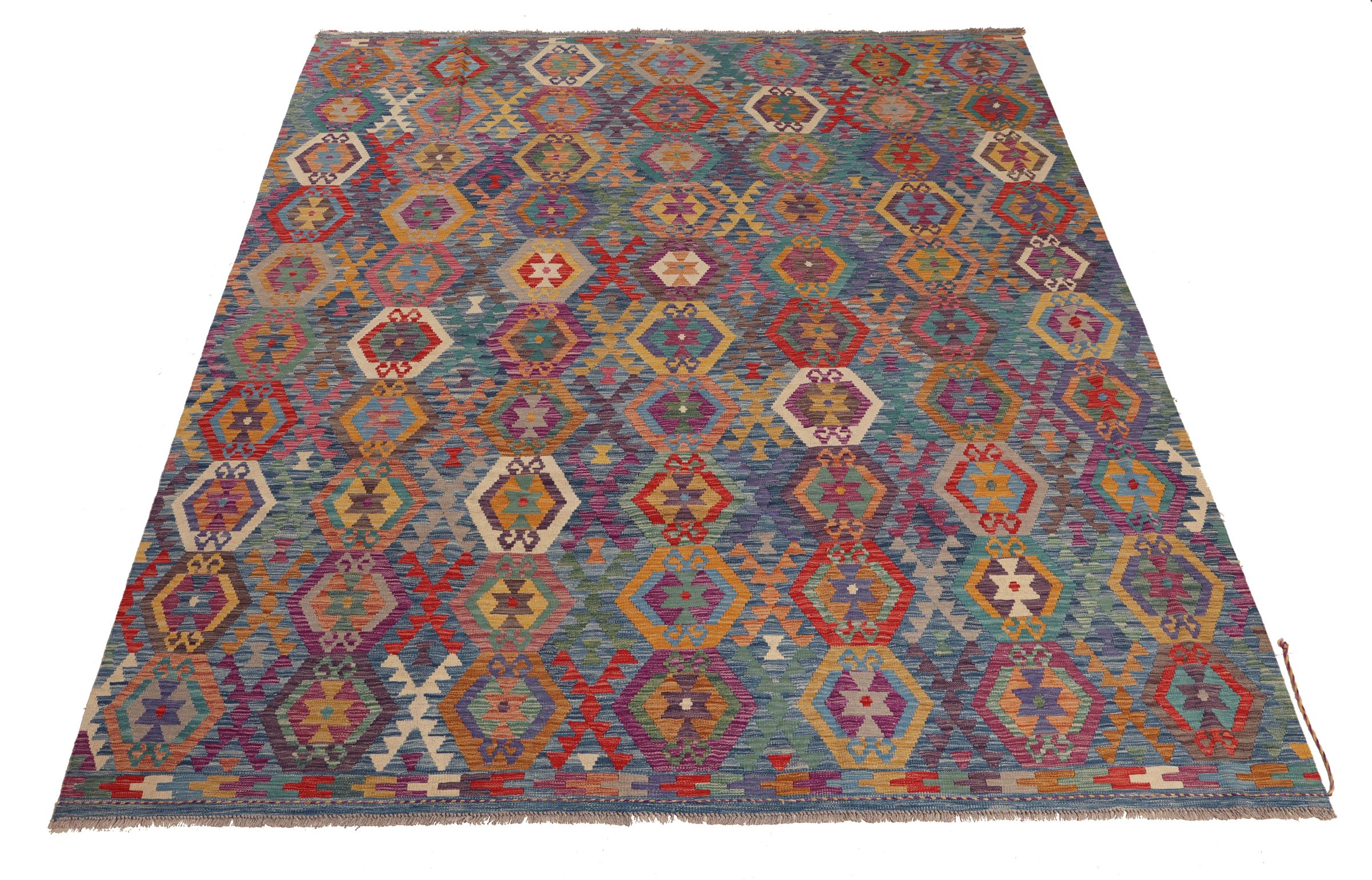
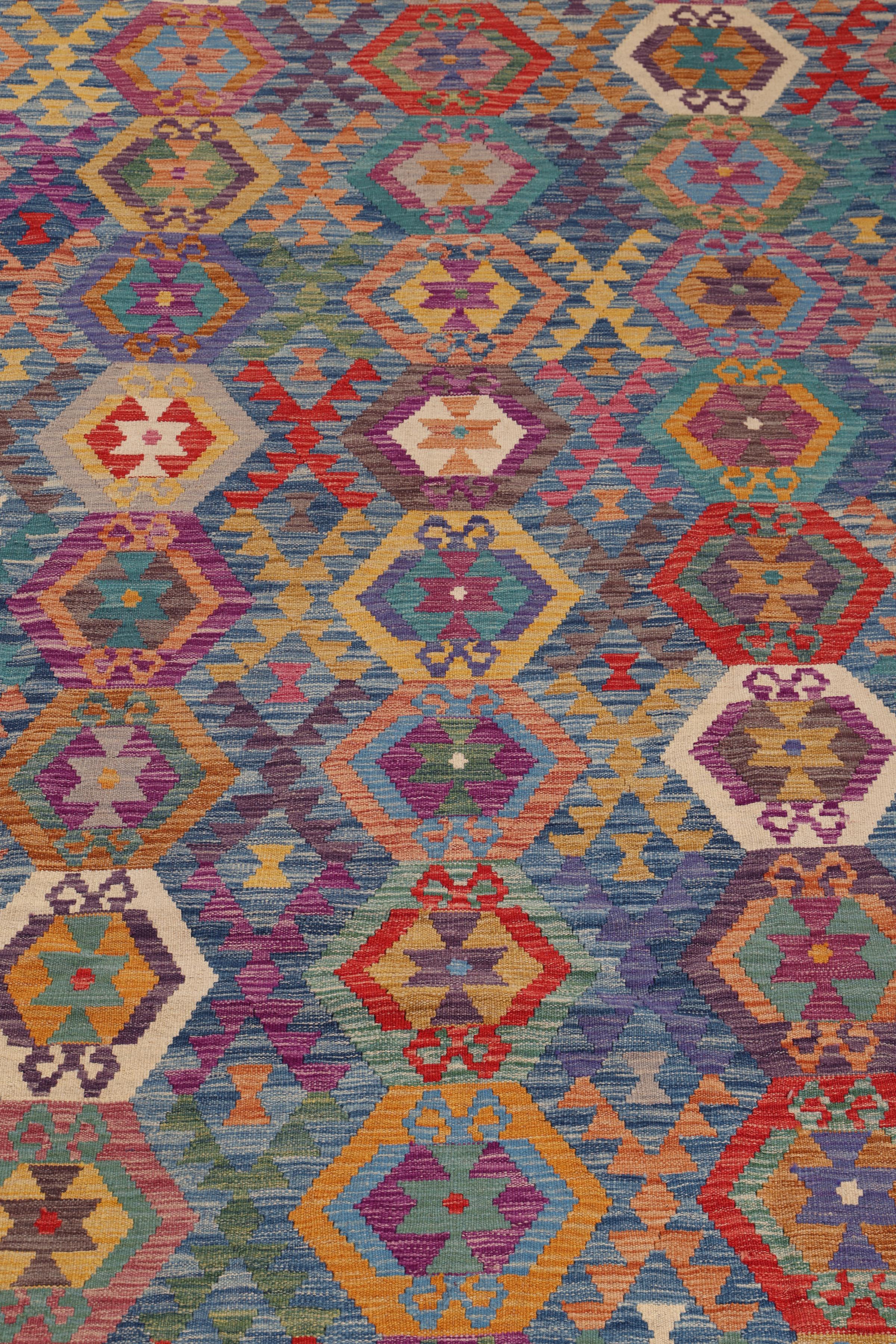
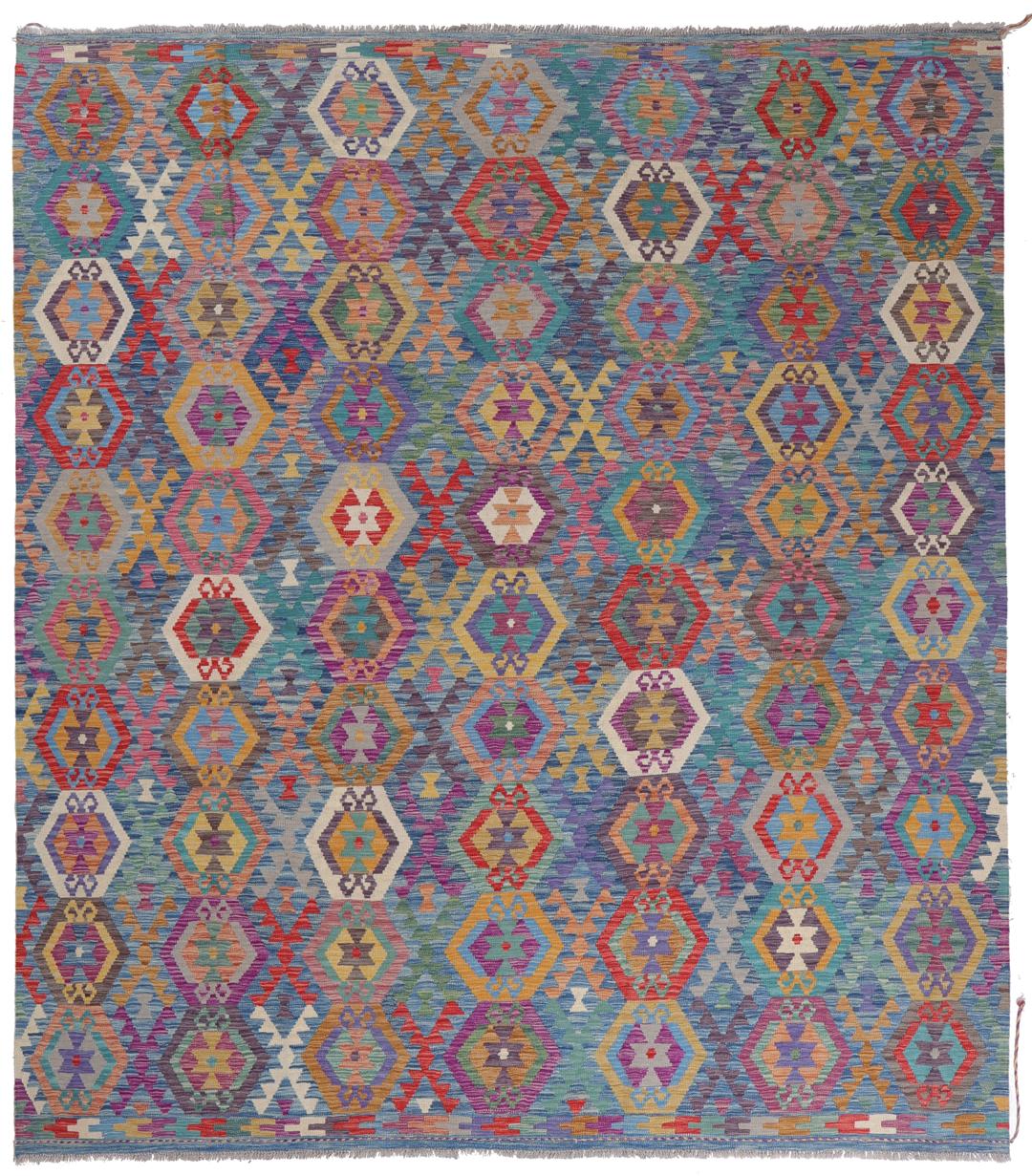
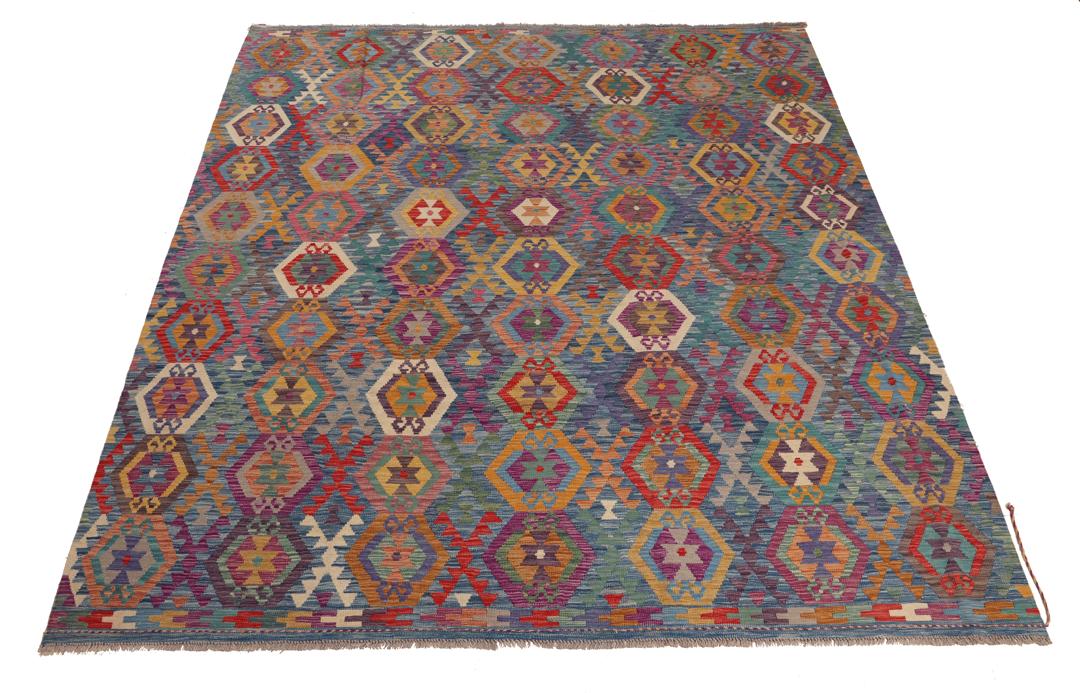
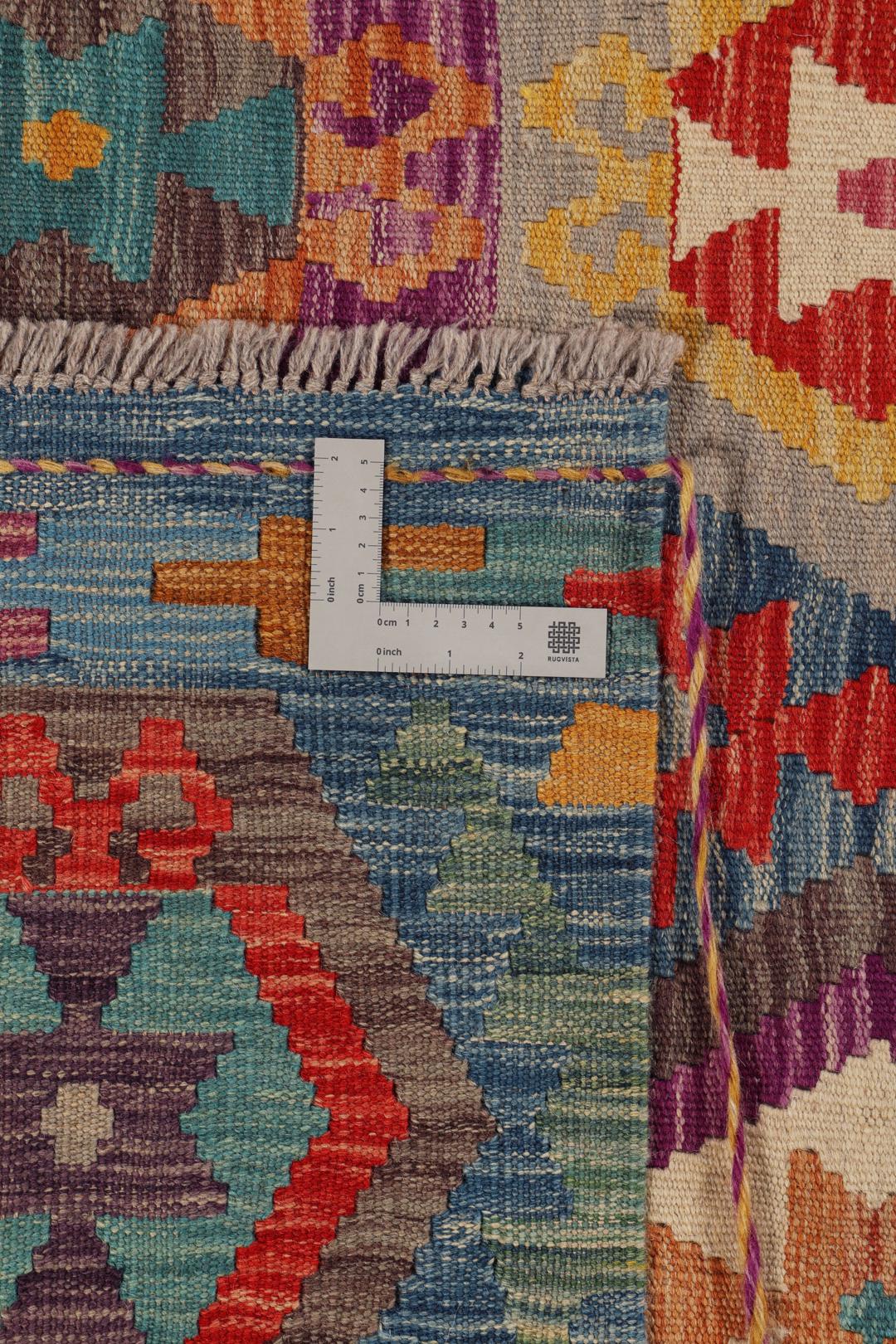
The Kelim tradition in Afghanistan is deeply rooted in the nomadic and semi-nomadic cultures of the region. These flat-woven rugs have been produced for centuries, serving essential functions in the daily lives of the weavers, from floor coverings to storage bags and tent decorations. The craft has evolved over generations, blending ancient techniques with local artistic expressions that reflect the environment and history of the Afghan highlands.
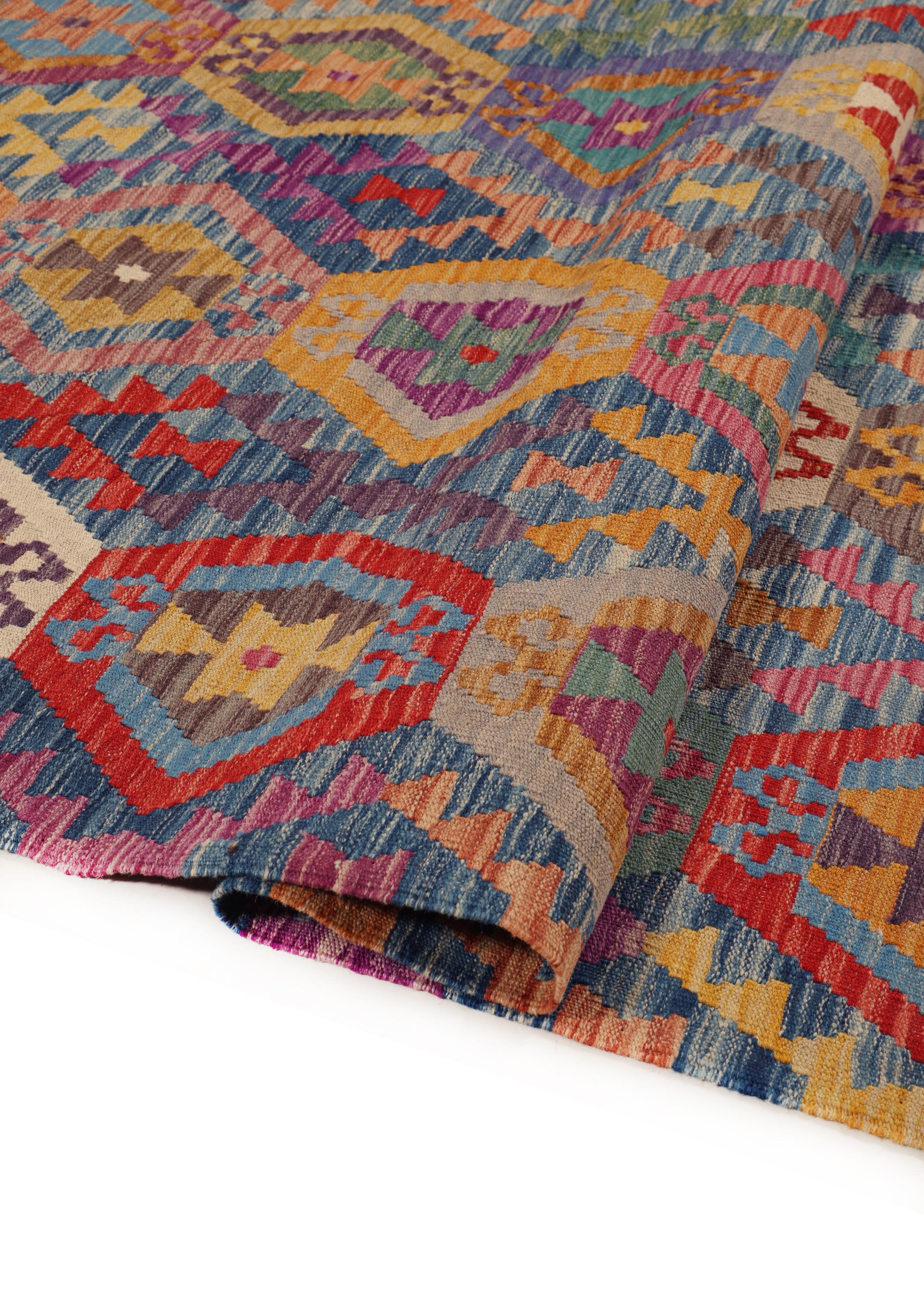
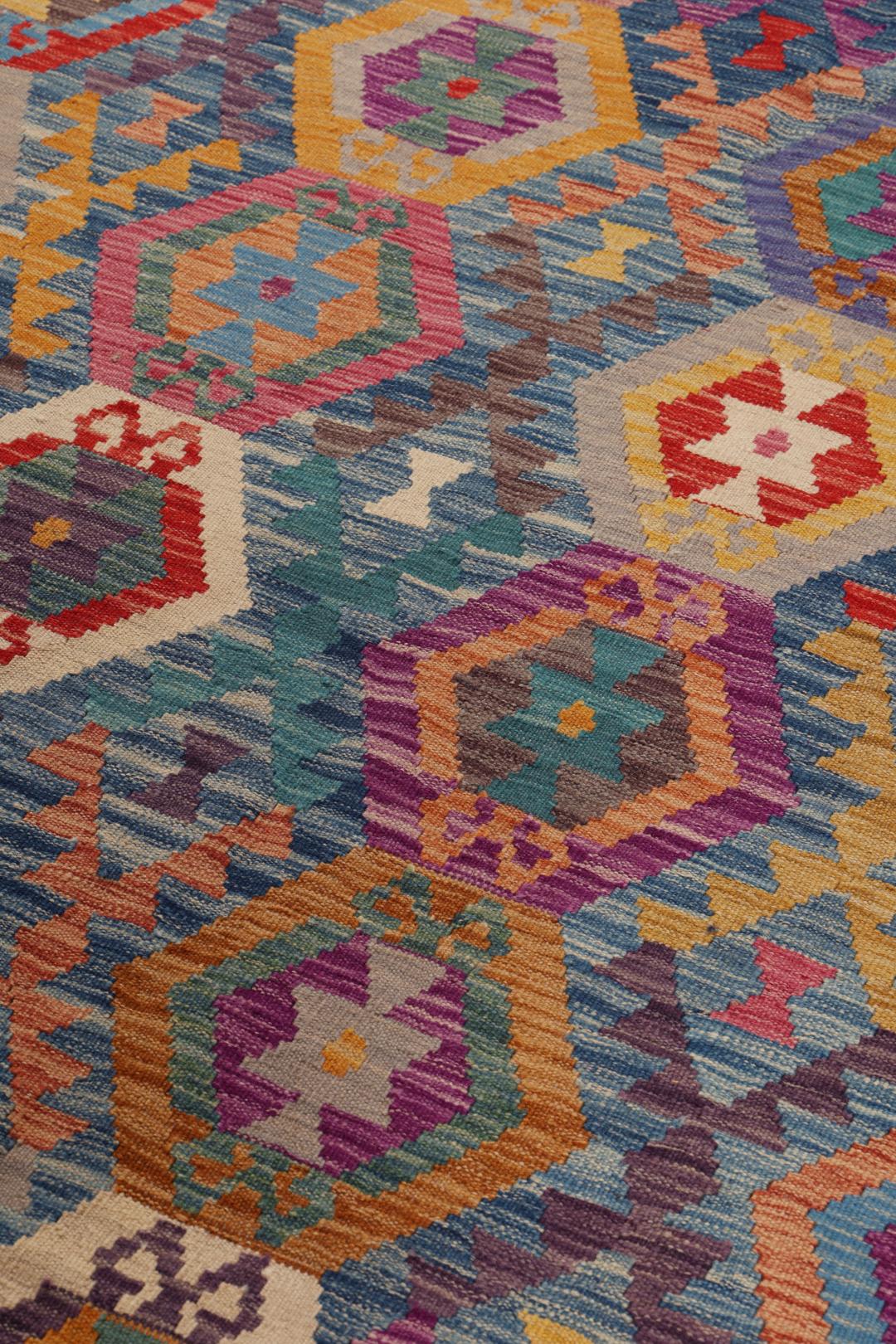
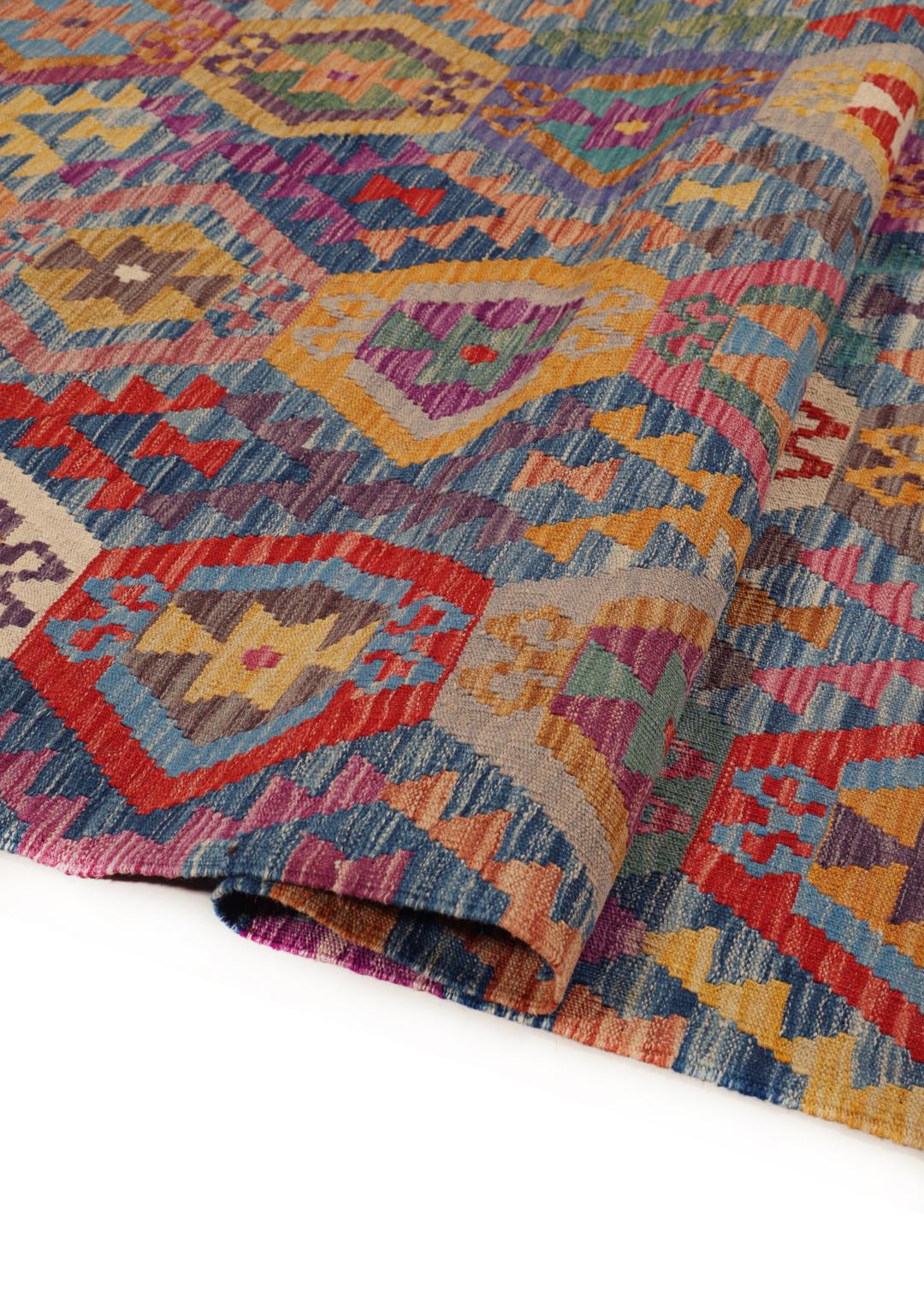
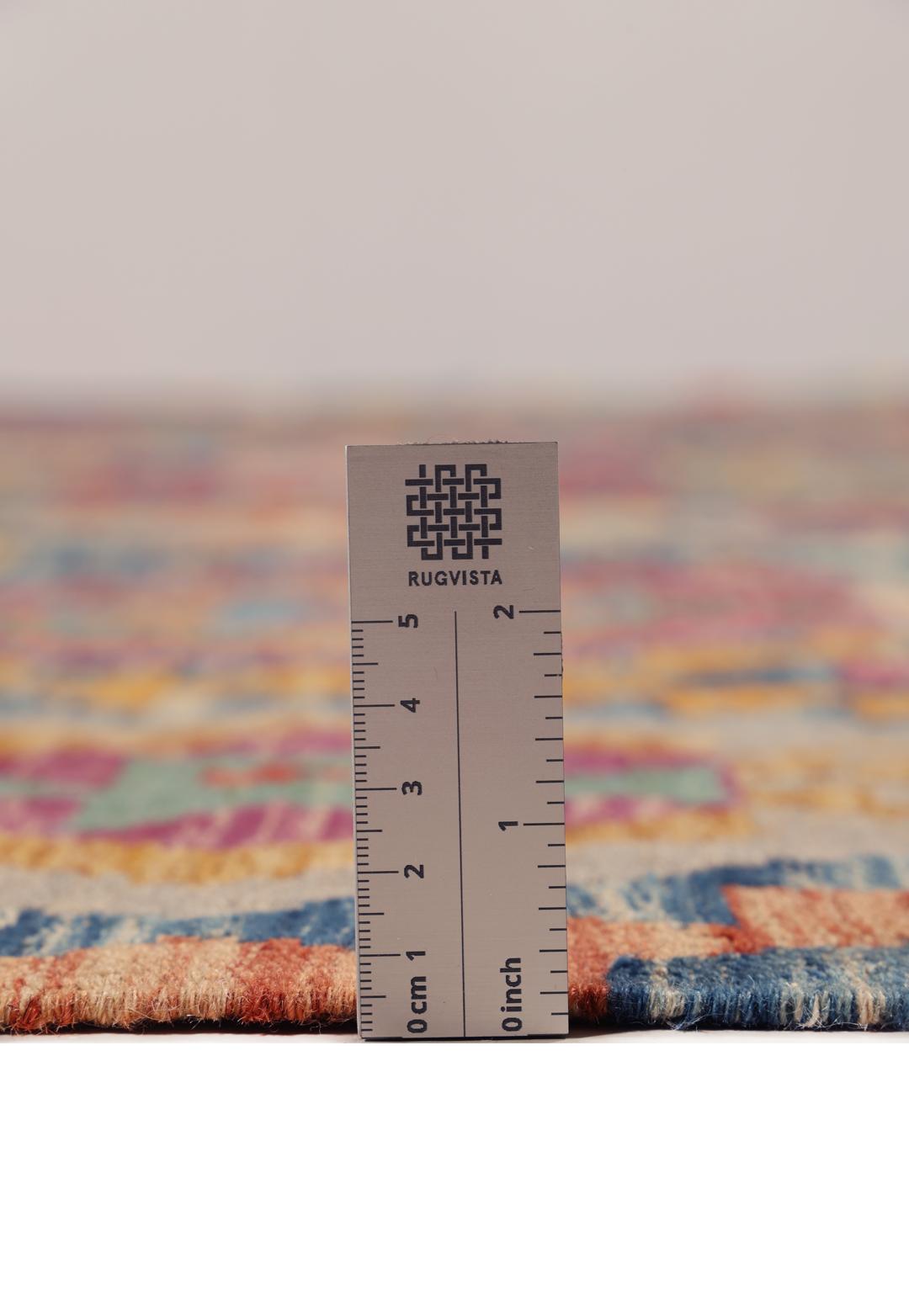
The term 'Kelim' refers to the specific flat-weave technique where the warp and weft are interlaced to create a smooth surface without a pile. This method results in a reversible rug, which is a hallmark of the tradition. Because there is no pile to wear down, these rugs are exceptionally durable and provide a clean, uncluttered look that highlights the precision of the weave and the clarity of the design.
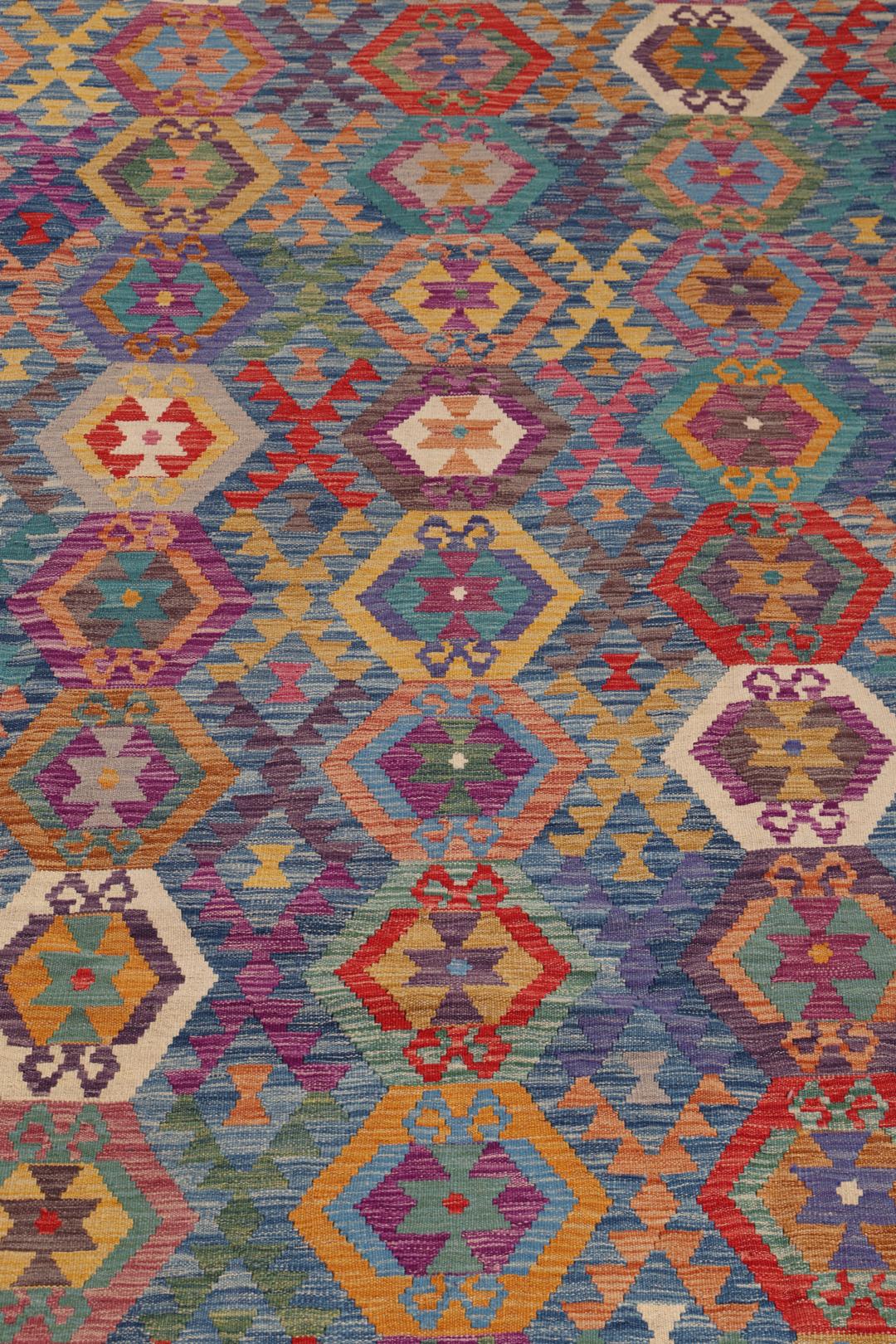
Signature design elements in Afghan Kelims often include bold geometric motifs, such as diamonds, triangles, and stylized medallions. These patterns are frequently arranged in repeating configurations that create a sense of rhythm and balance. The use of vibrant, often natural-inspired colours is a key feature of the Afghan style, showcasing the weaver's ability to create complex visual narratives through simple, interlocking shapes.
Collecting a hand-woven Afghan Kelim is an investment in cultural heritage and skill. These rugs are highly valued for their authenticity and the human story woven into every thread. By acquiring this piece, you are not only adding a beautiful element to your home but also preserving a traditional craft that has remained largely unchanged for generations, representing a unique bridge between the past and the present.