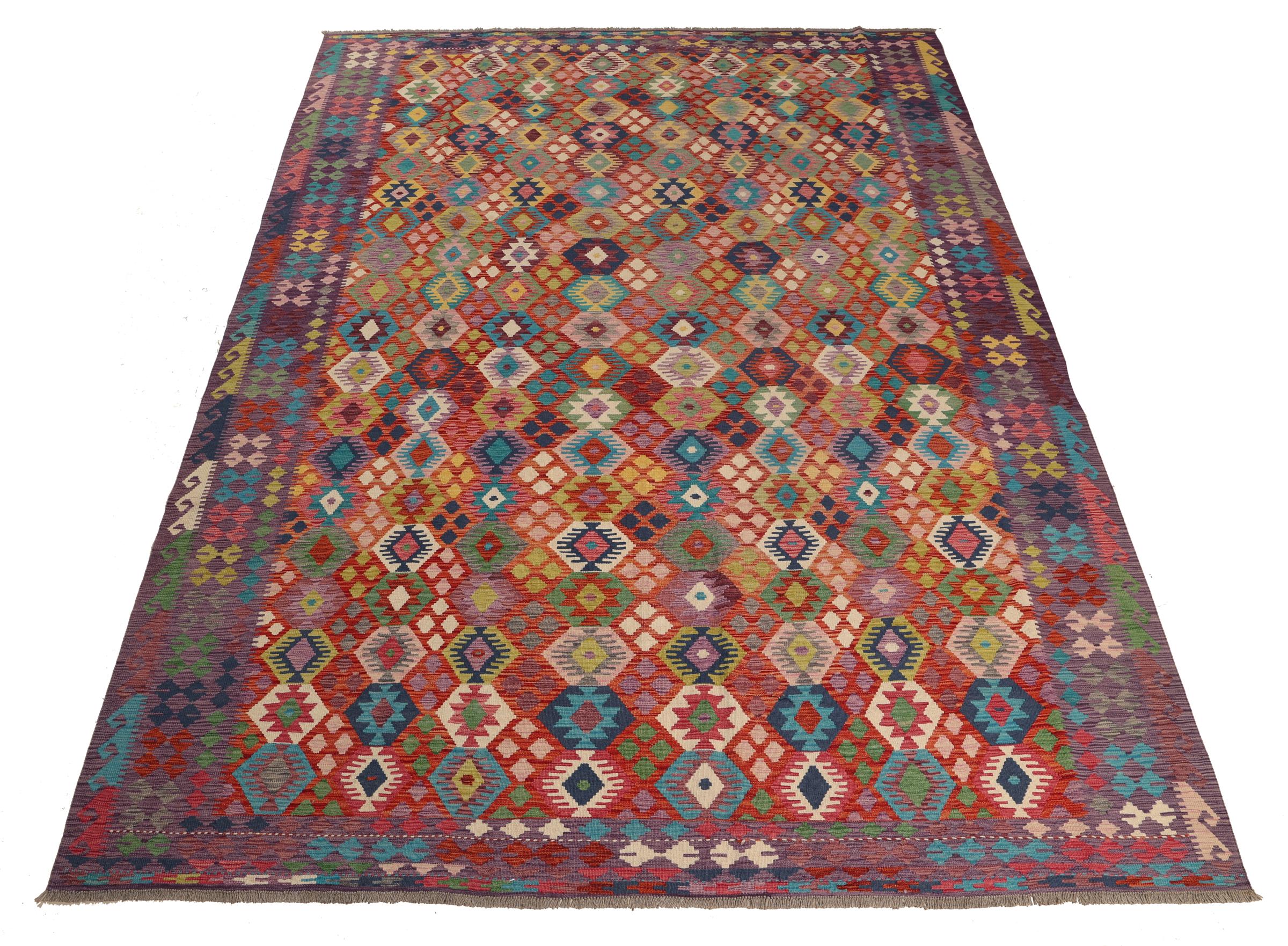
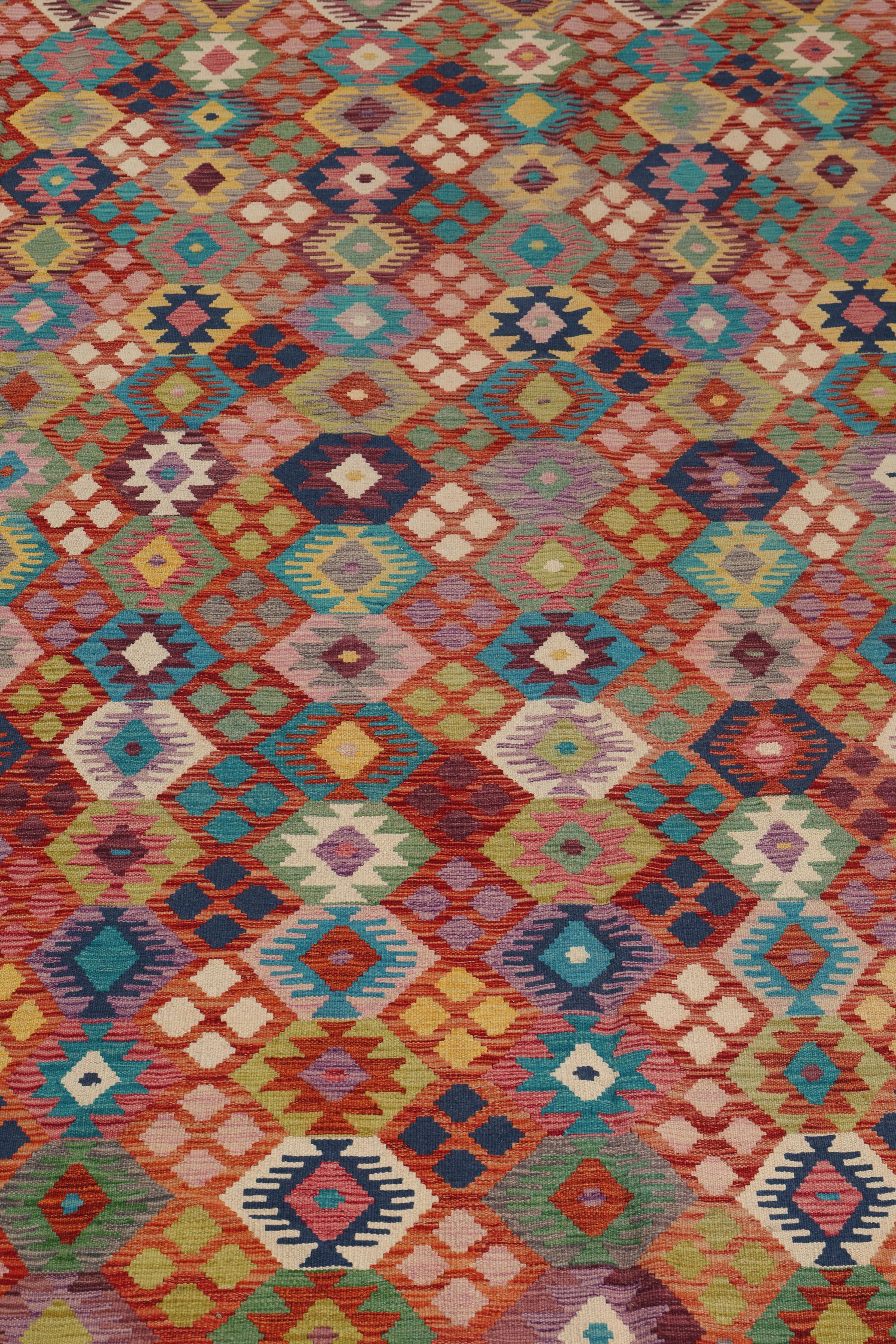
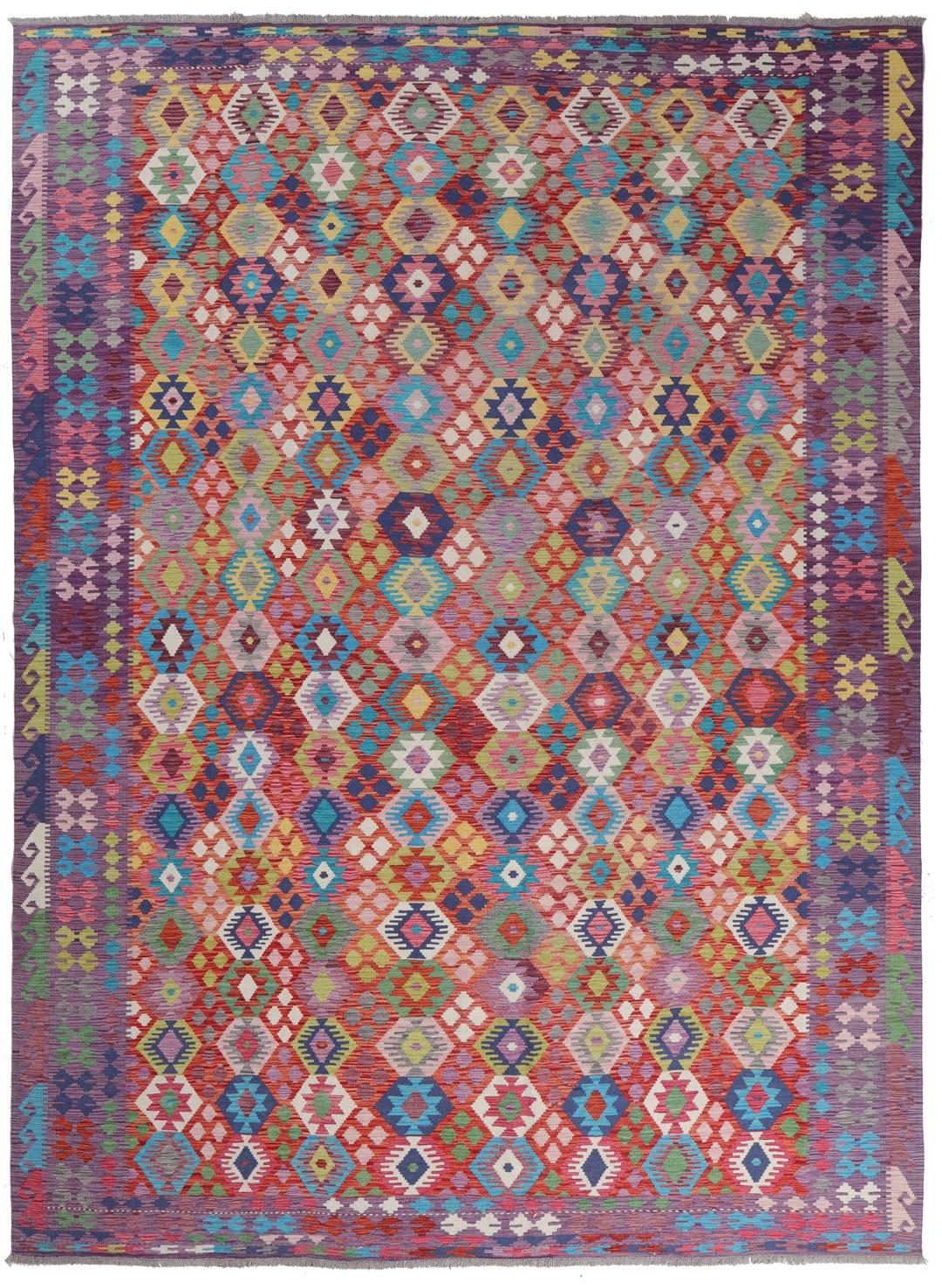
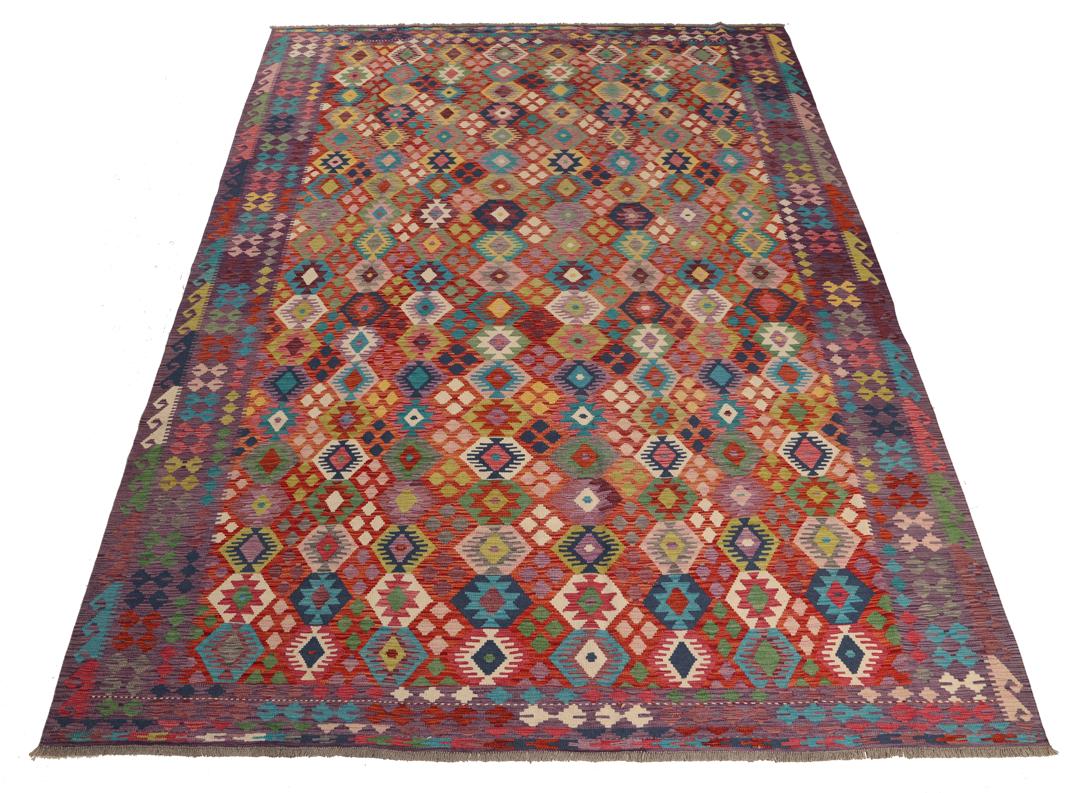
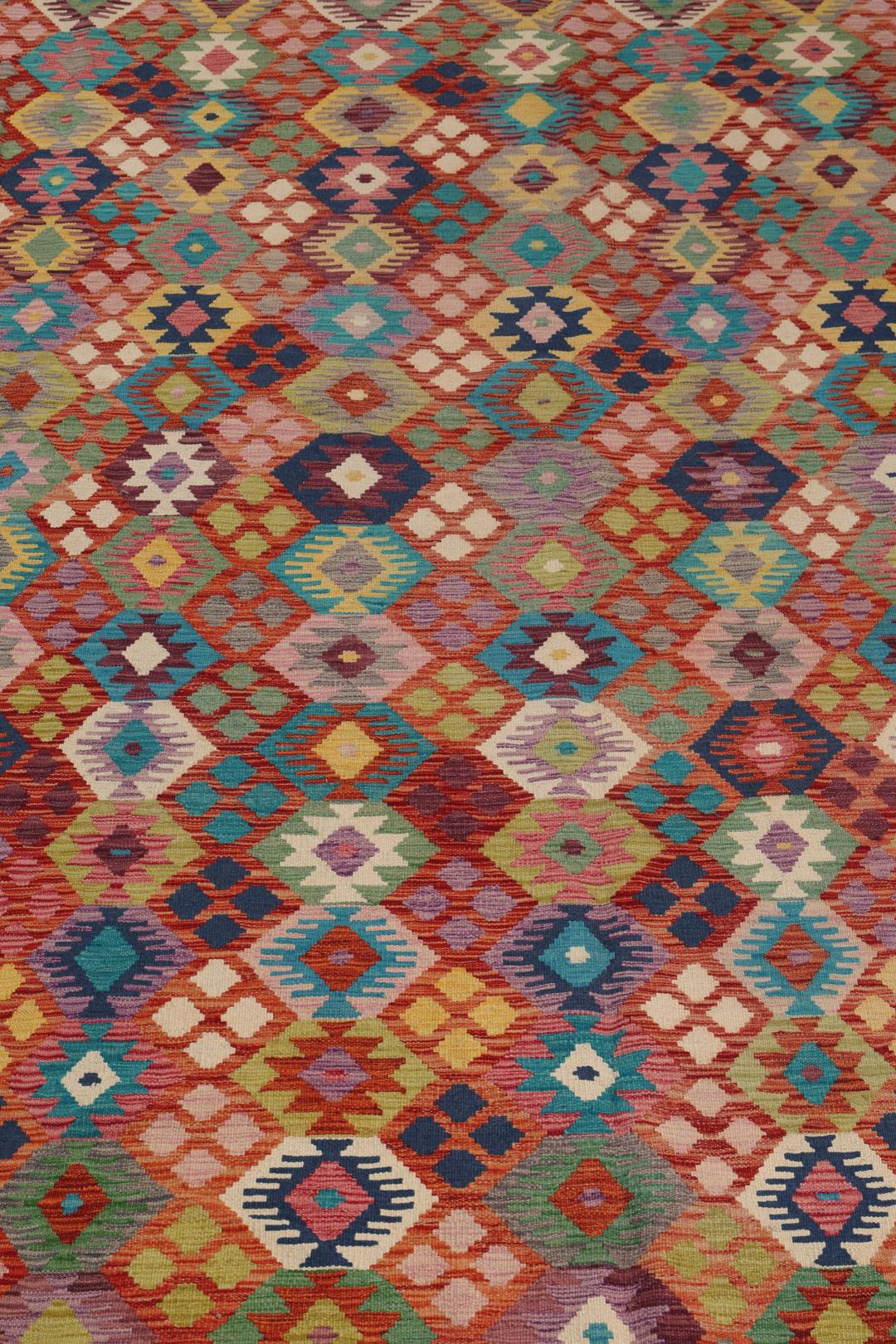
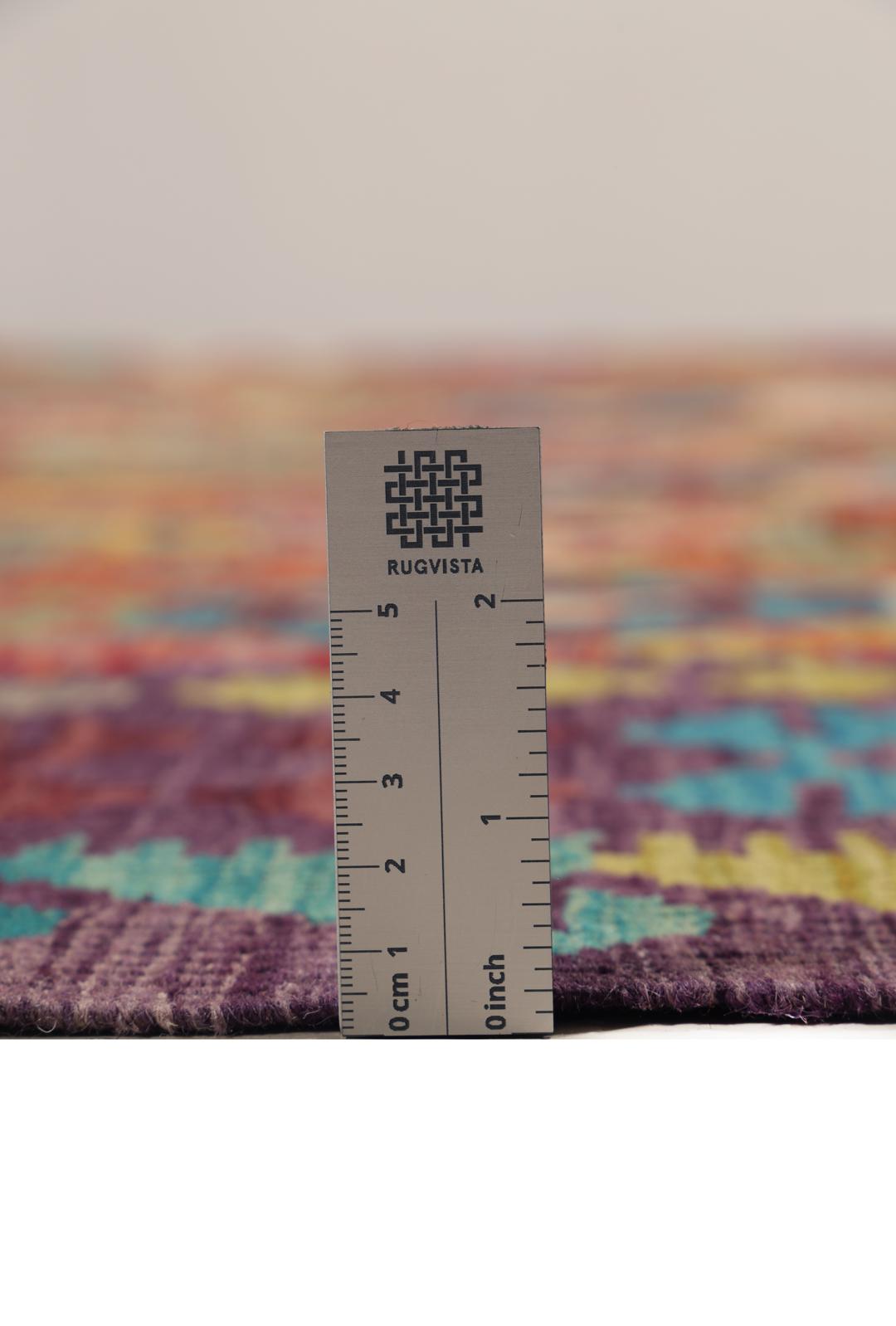
The Kelim Afghan Old Style originates from the rich weaving traditions of Afghanistan, a region where the art of the flat-weave has been passed down through generations. These rugs are historically significant, reflecting the nomadic and semi-nomadic lifestyles of the tribes who created them as versatile, portable floor coverings and wall hangings. The evolution of these designs has absorbed influences from across the Silk Road, leading to the complex, repeating motifs that define the regional aesthetic today.
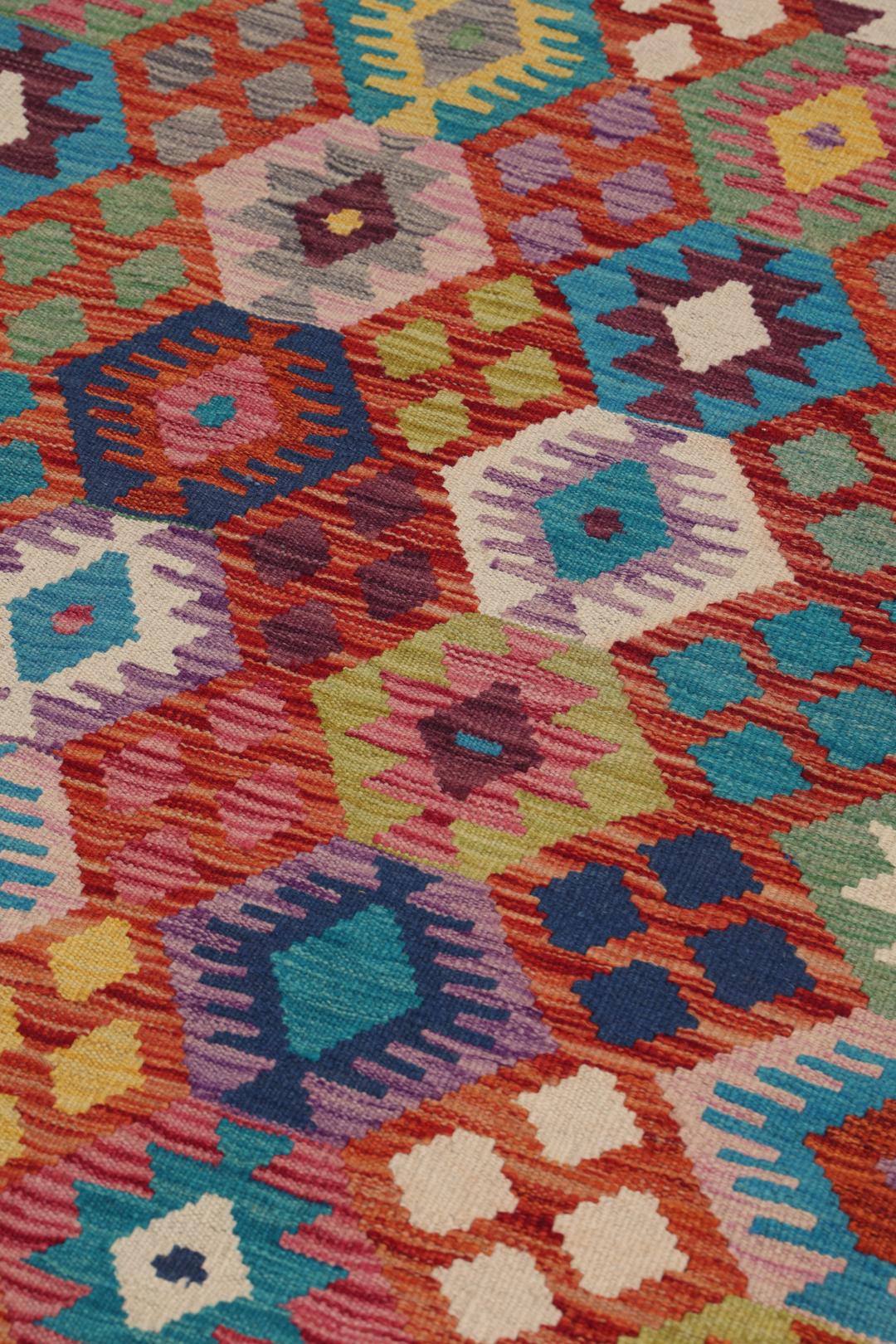
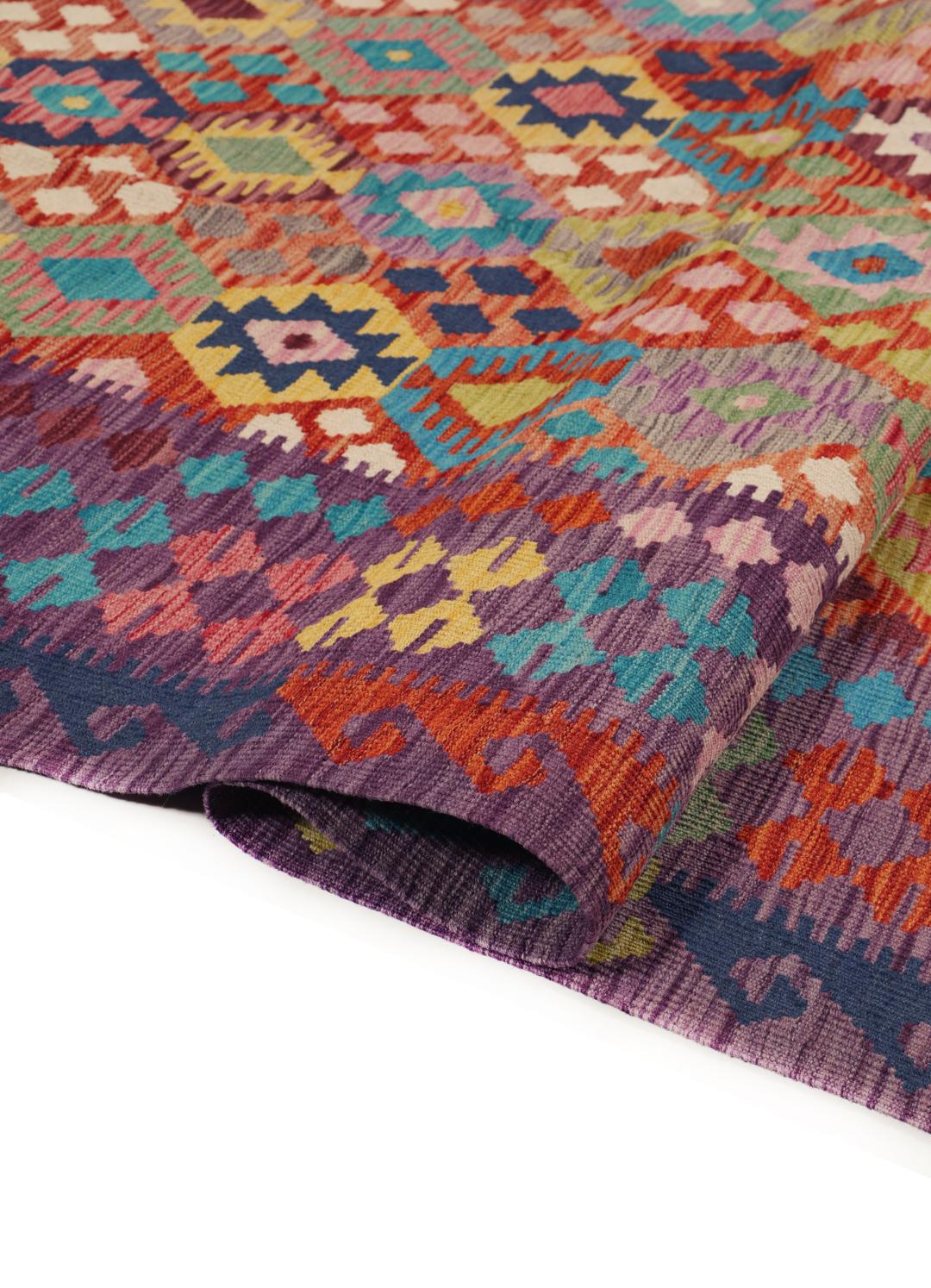
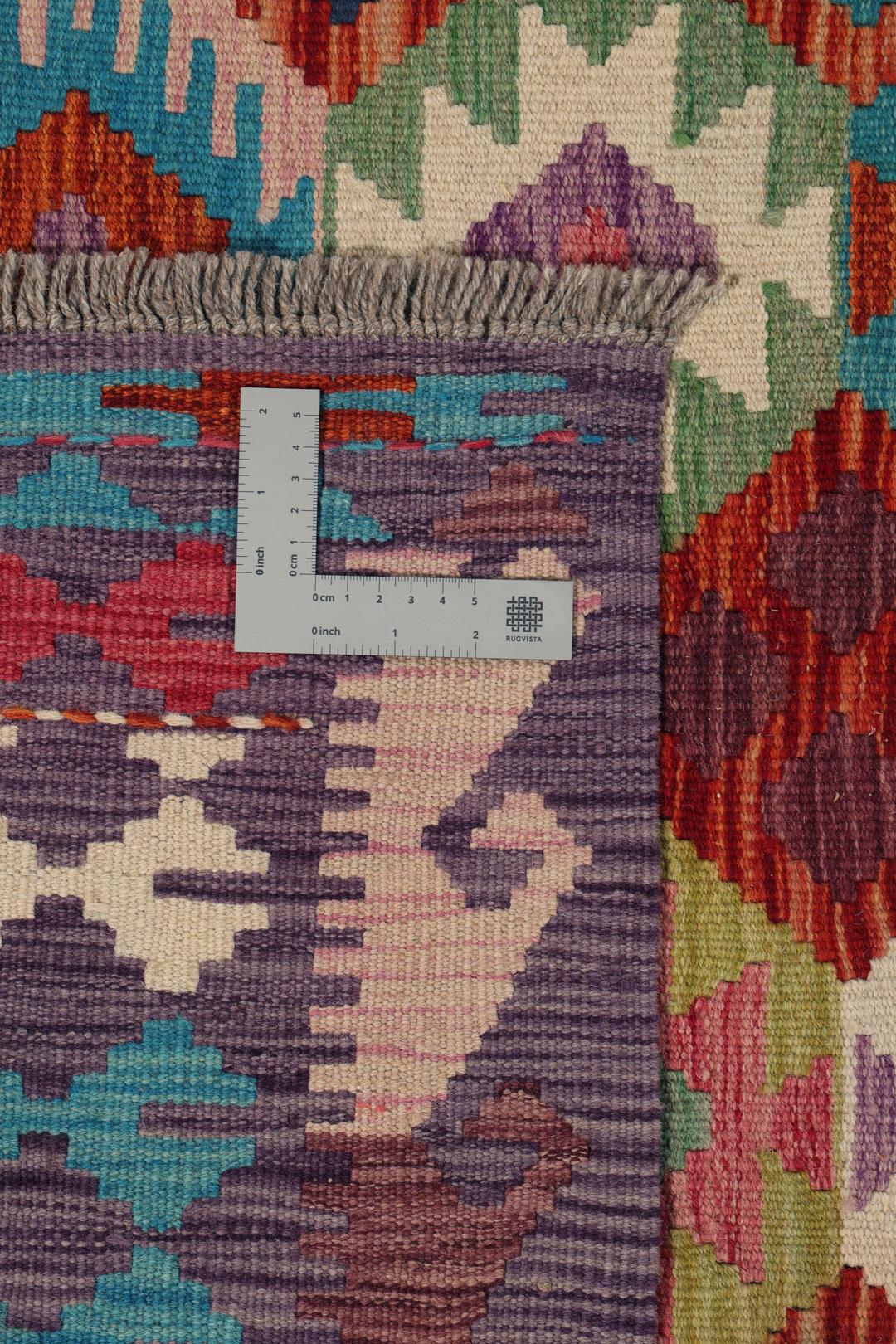
The term Kelim refers to a tapestry-weave, a technique where the weft threads are woven through the warp threads to create a flat, reversible fabric without a pile. This method is highly prized for its clarity of design and structural strength. Because there is no pile to wear down, these rugs are exceptionally durable, a quality that has made them favourites for centuries. The use of wool as the primary material is intentional, as it is a resilient, natural fibre that holds vibrant dyes exceptionally well.
Signature design elements of this tradition include a focus on geometric symmetry and repeating, stylised motifs. You will often find diamonds, latch-hooks, and other angular shapes arranged in rows or grids, creating a mesmerising, balanced composition. The colour palettes are typically derived from natural dyes, resulting in rich, deep tones that feel warm and inviting. In this particular rug, the bold, multi-coloured scheme is a testament to the weaver's artistic freedom and mastery over traditional patterns.
Collecting these rugs is an investment in cultural heritage and artisanal skill. Each piece serves as a physical record of the weaver's environment, beliefs, and creative impulses at the time of its creation. By choosing a Kelim Afghan Old Style, you are not merely purchasing a rug, but preserving a piece of textile history. They are valued by enthusiasts for their authenticity and the way they bring a sense of grounded, cultural depth to contemporary interiors.