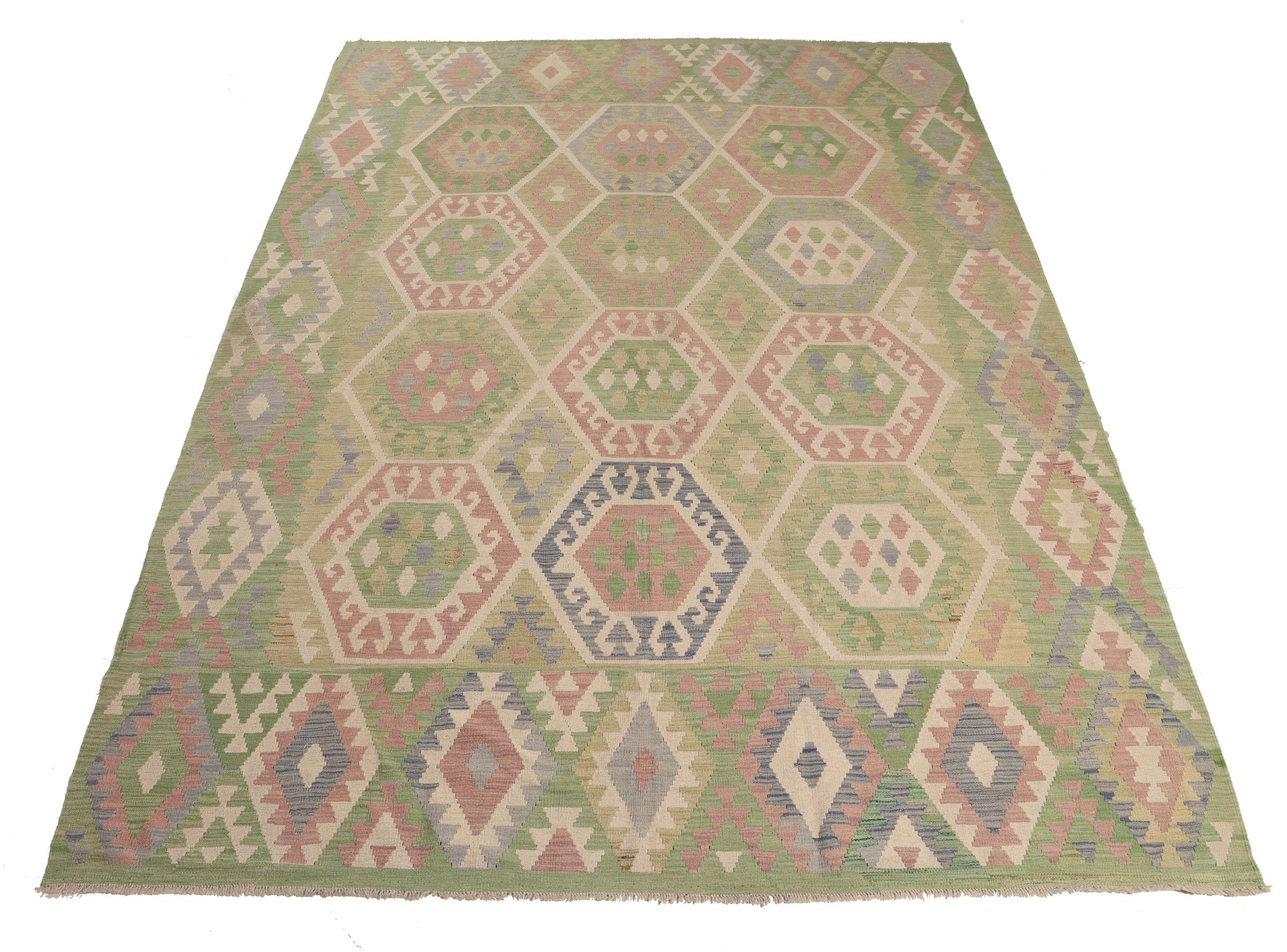
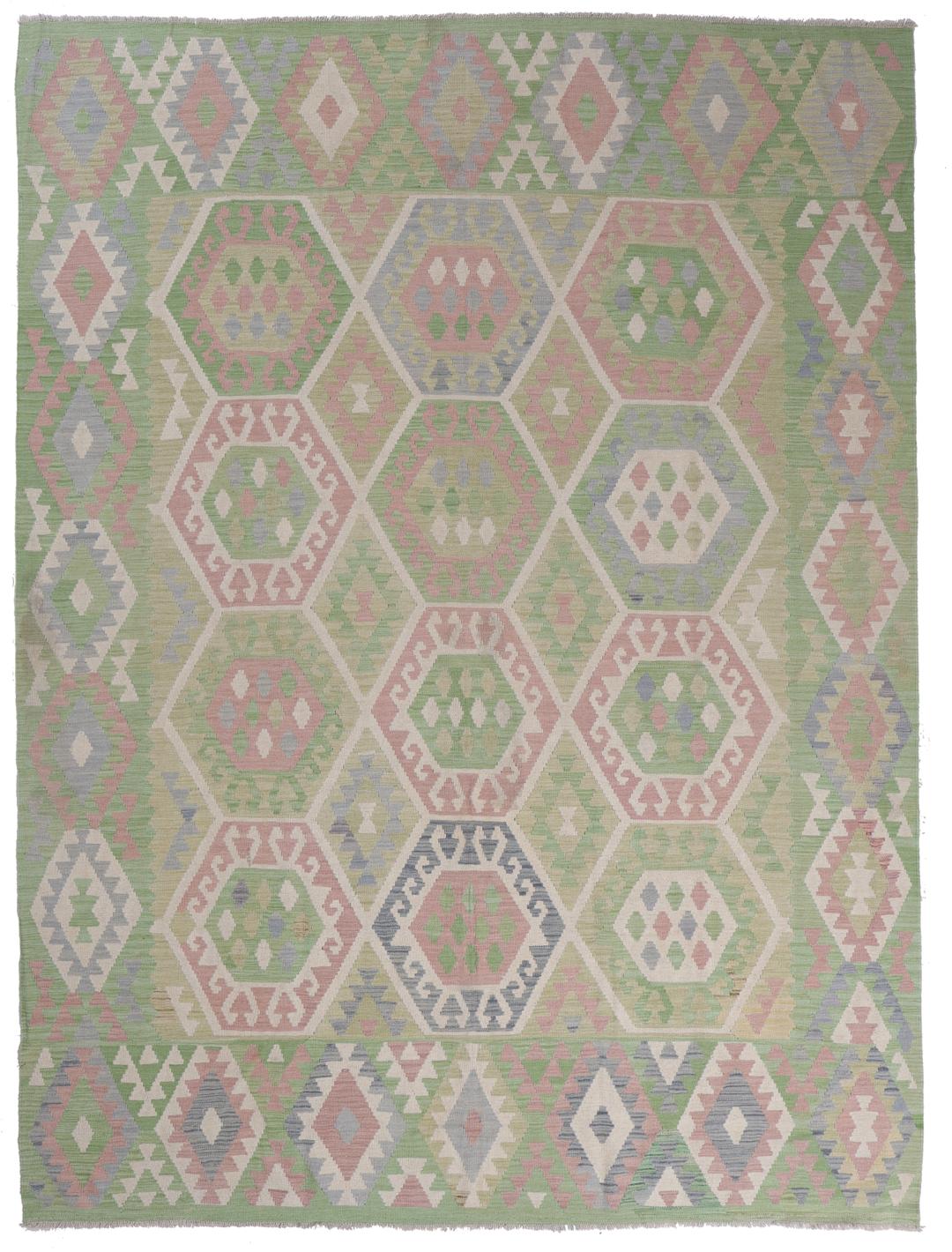
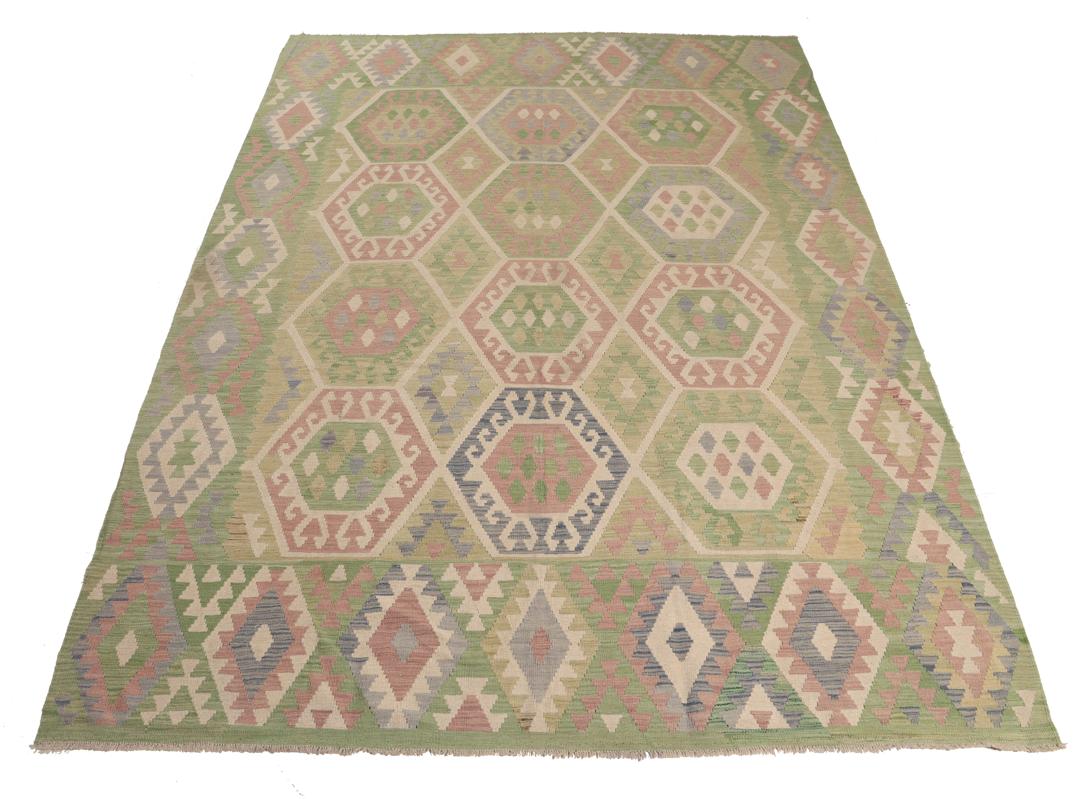
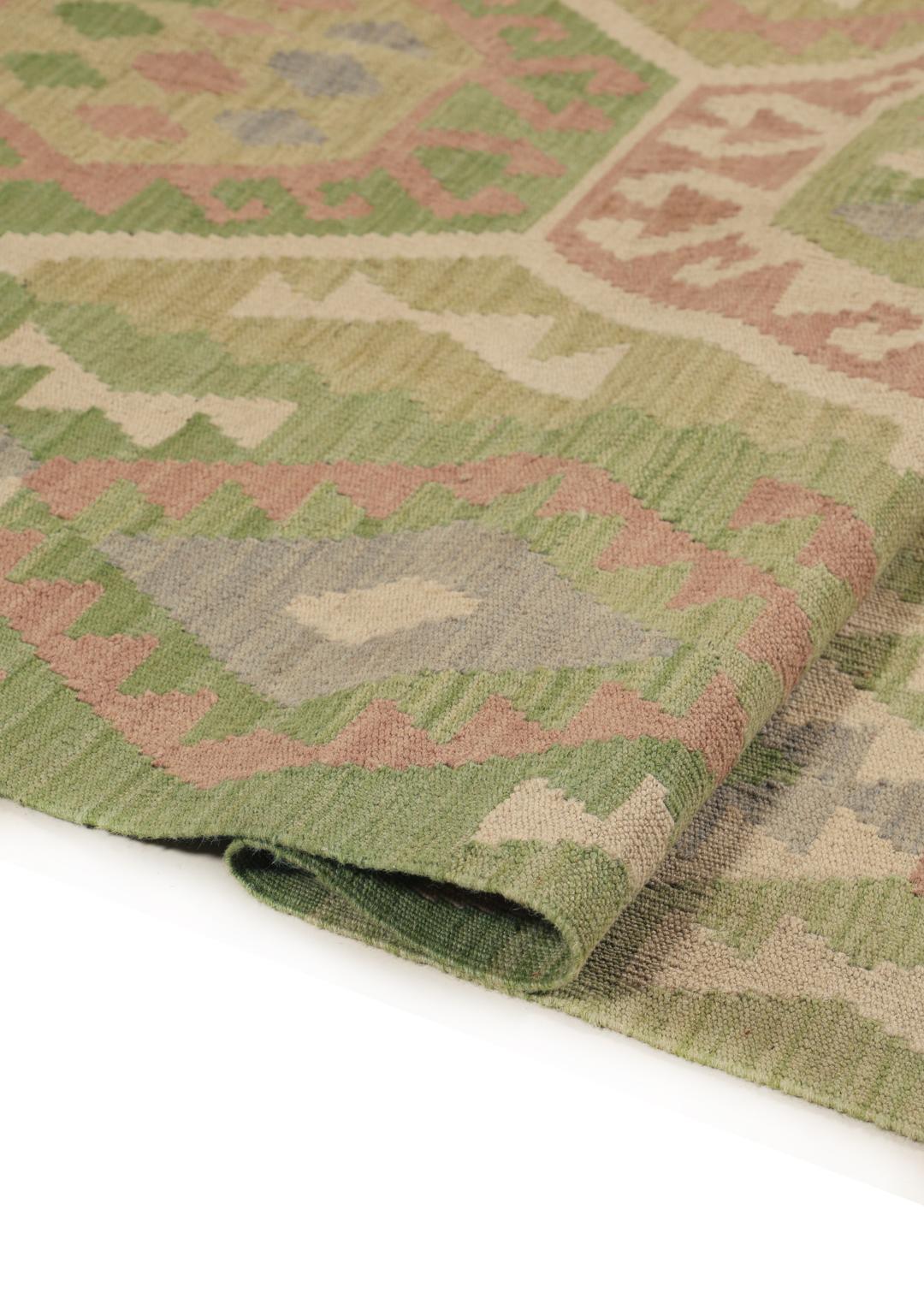
The Afghan kilim tradition is deeply rooted in the nomadic and semi-nomadic cultures of the Middle East. For generations, these flat-woven rugs have been produced by skilled artisans using techniques passed down through families. The term kilim refers specifically to the tapestry-weave method, which excludes a pile, resulting in a functional and reversible rug that has historically served as both floor covering and essential transportable decor for tent-dwelling communities.
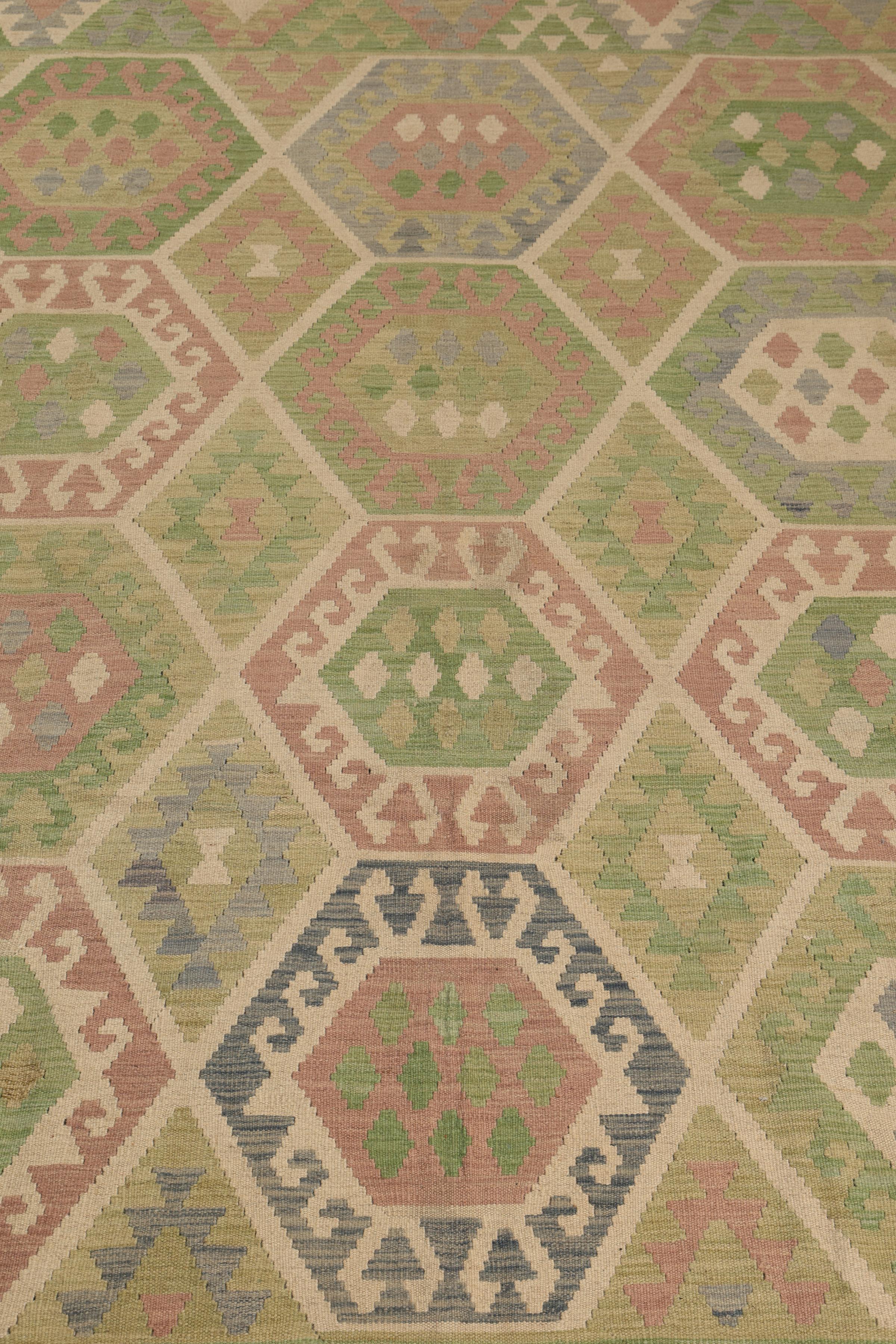
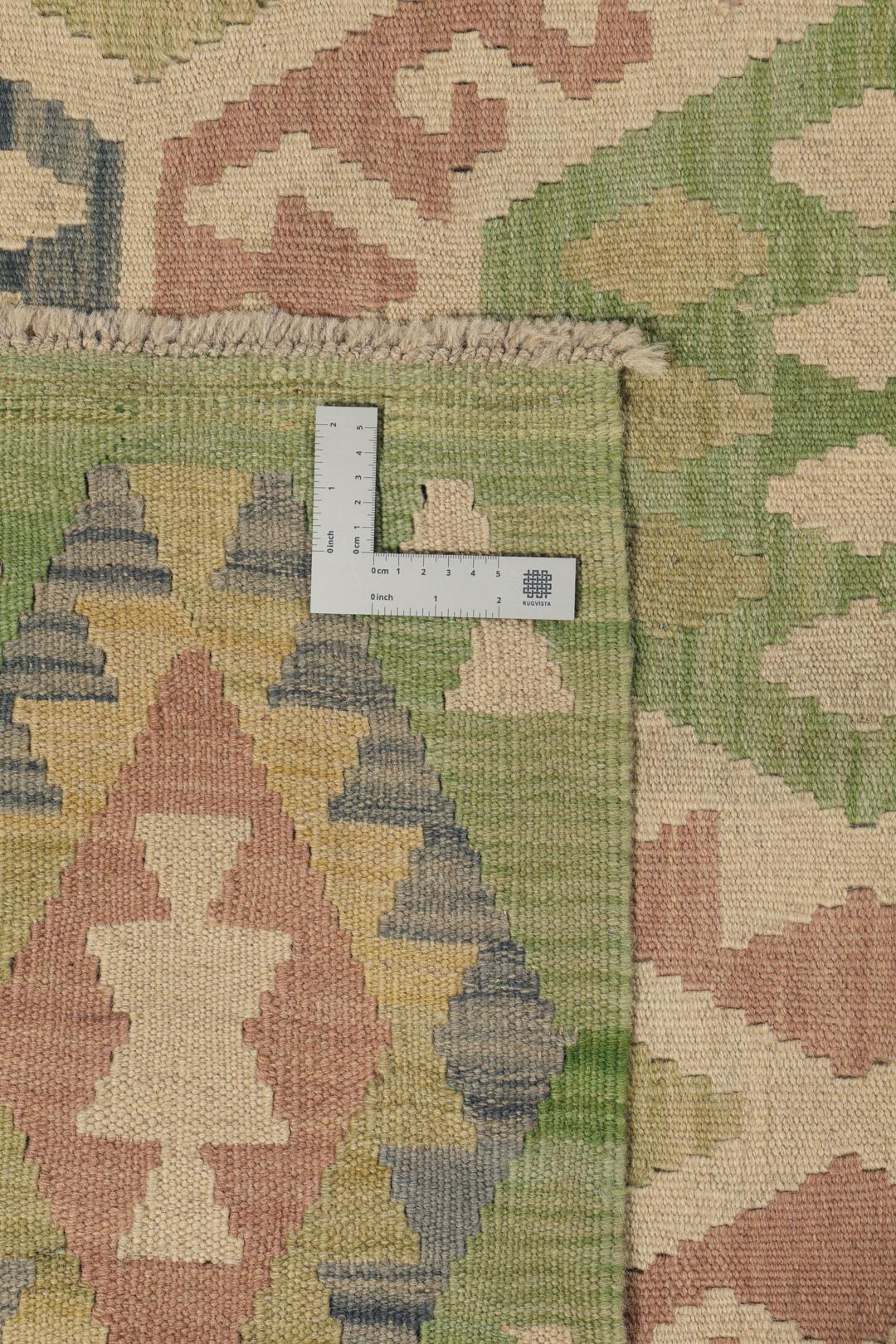
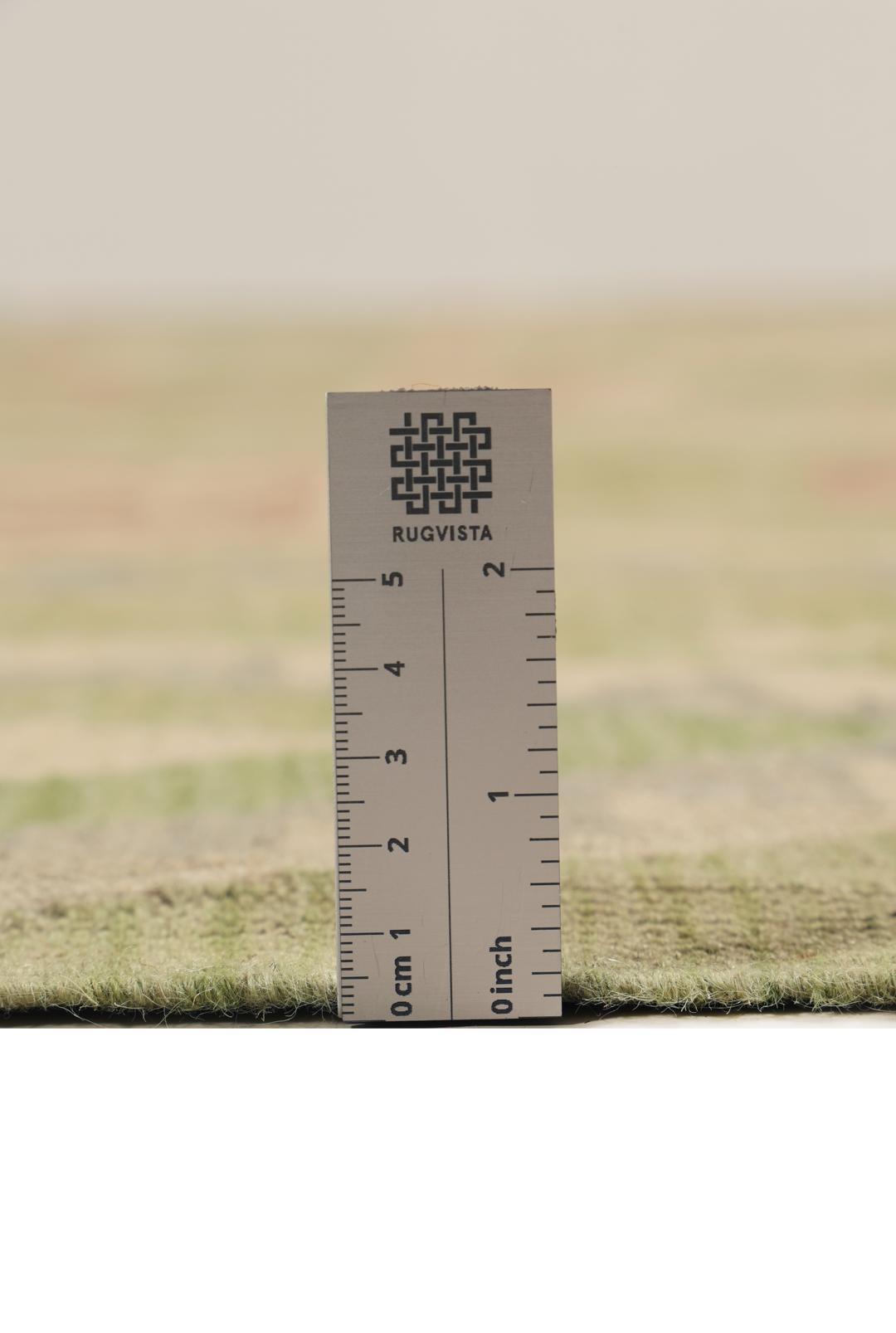
Quality in a kilim is defined by the tightness of the weave and the precision of the pattern work. Unlike knotted rugs, the design in a kilim is created by interweaving the coloured weft threads through the warp, a process that requires absolute accuracy to prevent gaps or alignment errors. This technical demand ensures that the finished piece is not only aesthetically striking but also remarkably strong and resistant to wear, making it a practical choice for active households.
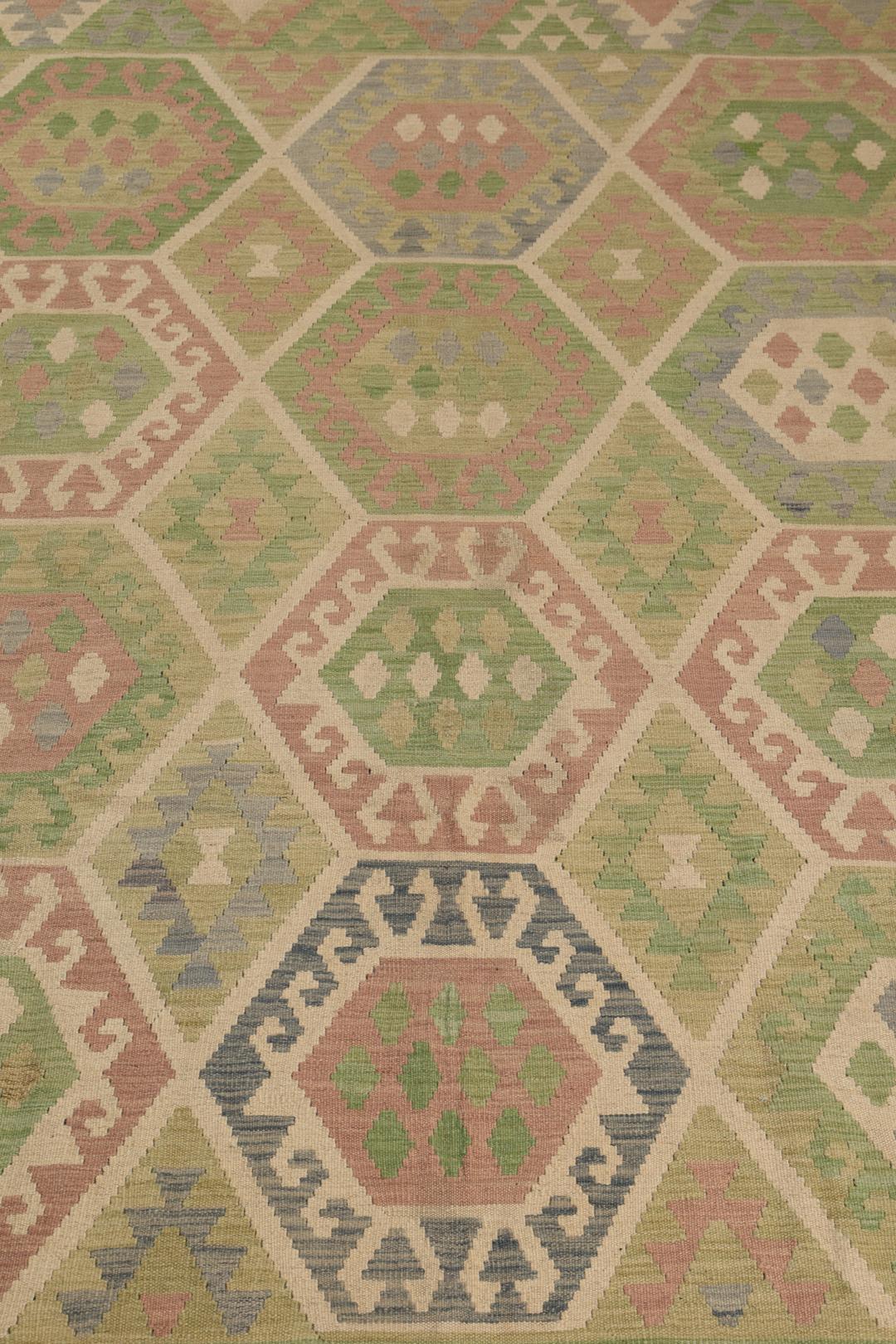
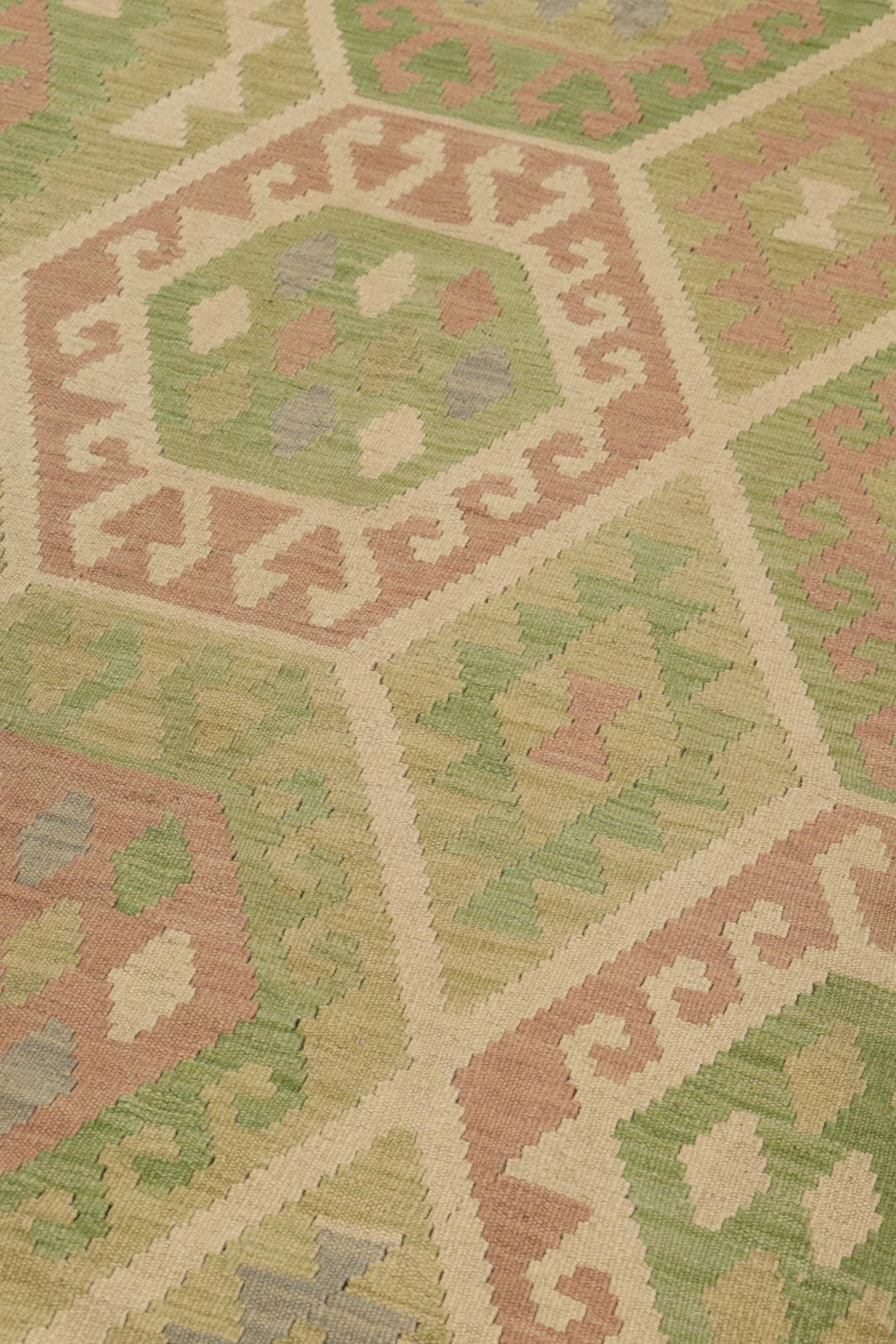
The visual language of these rugs is dominated by geometric motifs, often featuring diamonds, hexagons, and stylized tribal symbols. These patterns are not merely decorative but often hold cultural significance, representing protection, fertility, or the natural landscape of the region. The use of a muted, earthy palette in this particular piece highlights the natural dyes and wool qualities that have been prized in Afghan rug-making for centuries, offering a softer alternative to the more vibrant, high-contrast traditional rugs.
Collectors value these pieces for their authenticity and the human story woven into every thread. Owning an Afghan kilim is a way to preserve a connection to ancient craft traditions while enjoying a piece of functional art. Because each rug is created individually, they are celebrated for their slight variations, which serve as proof of their hand-made origin and contribute to their lasting appeal as heirlooms.