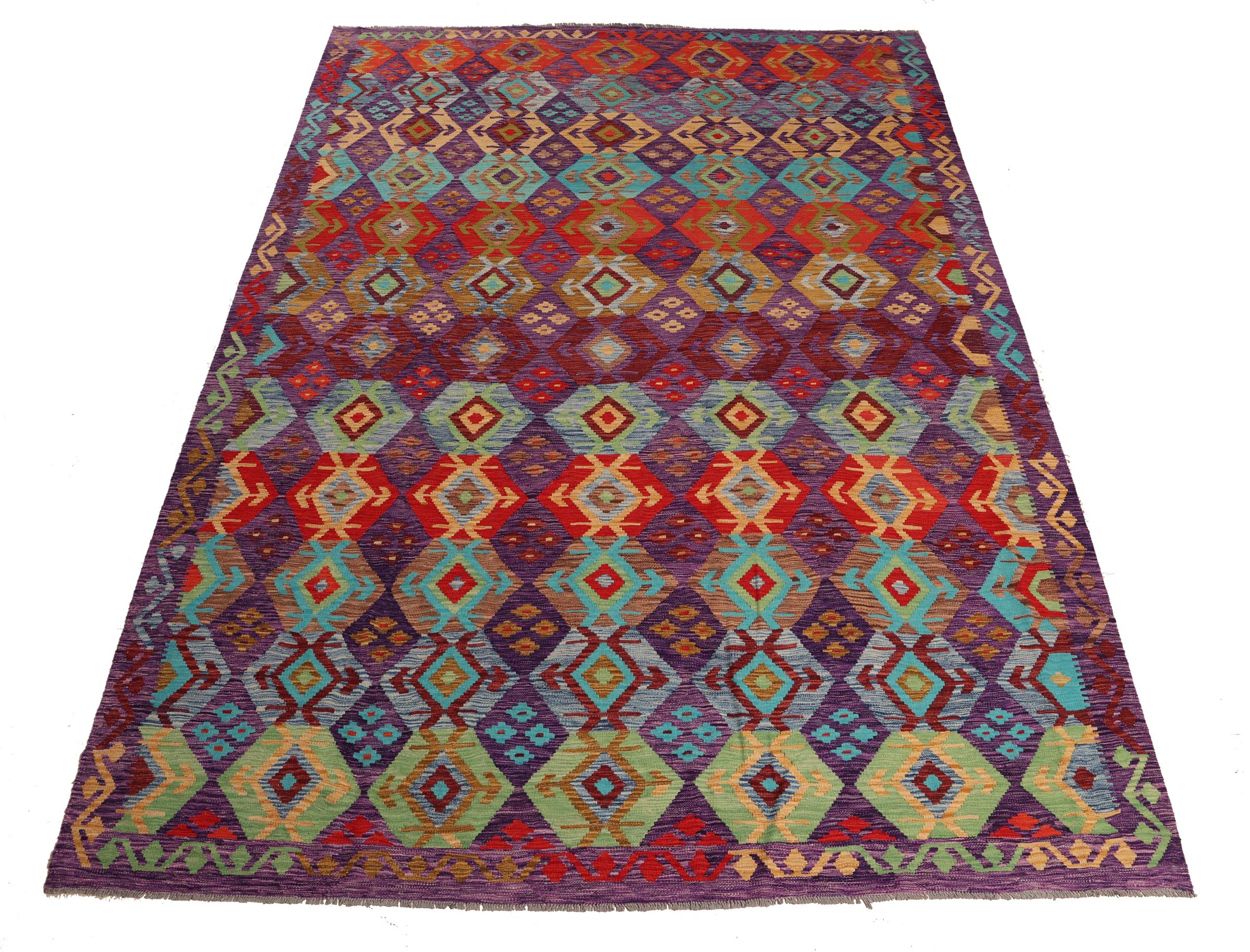
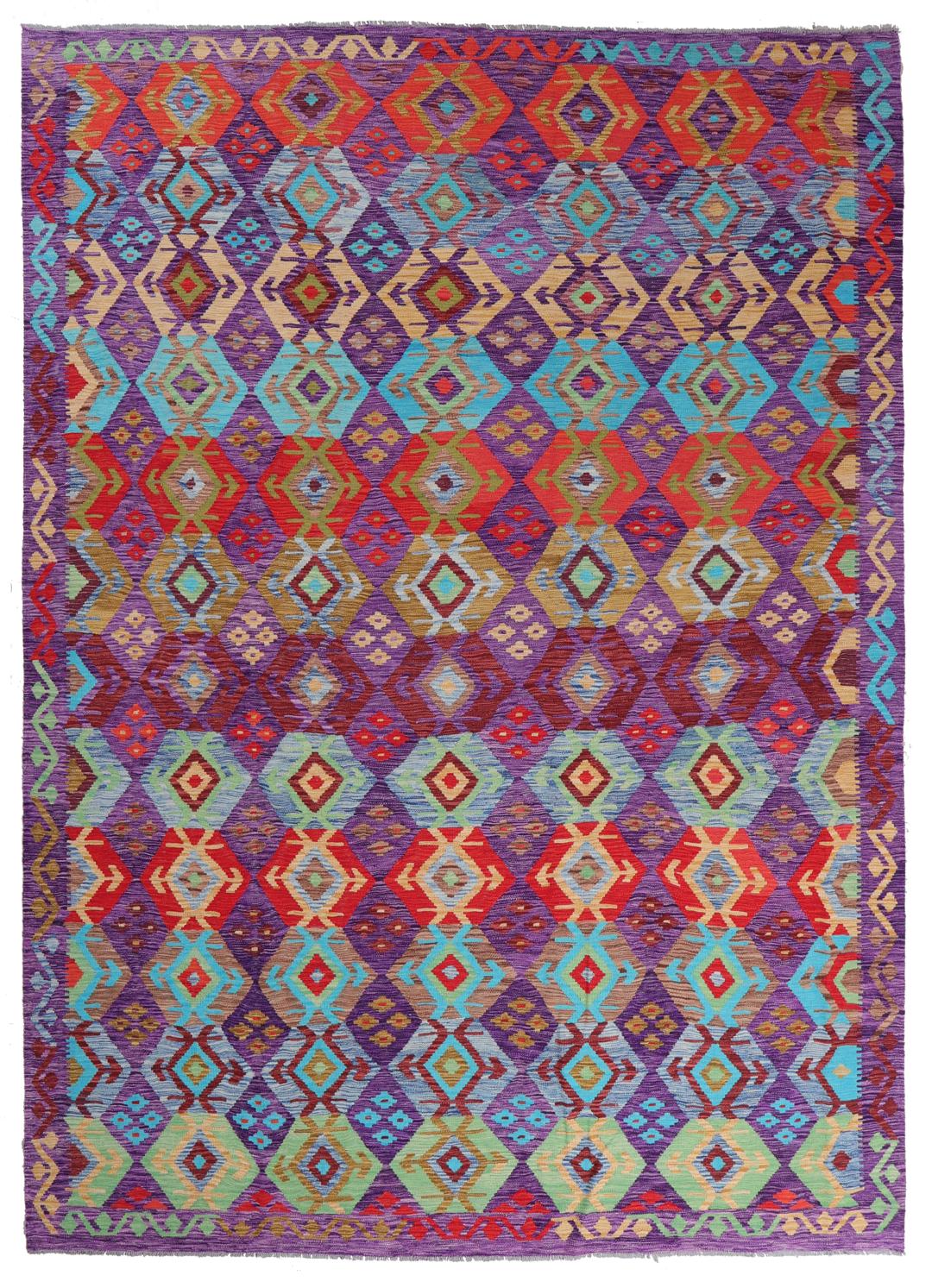
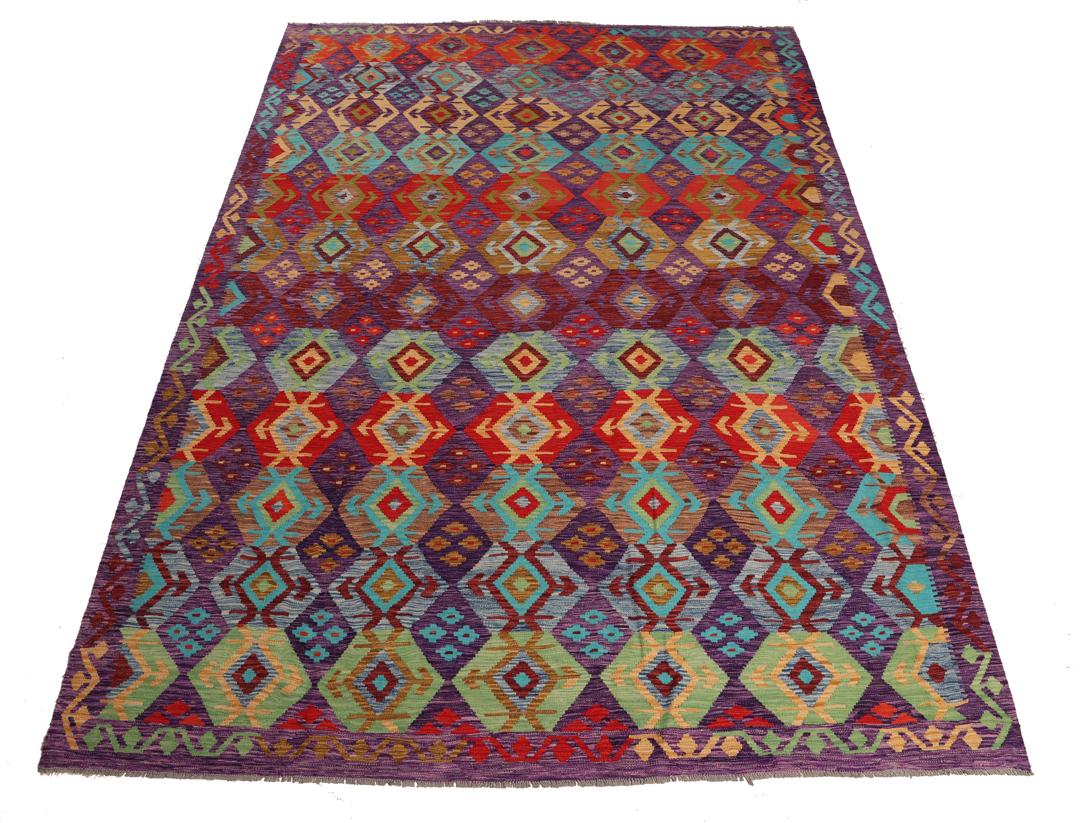
The Kelim tradition in Afghanistan is deeply rooted in the nomadic and semi-nomadic lifestyles of the region's diverse tribal groups. For centuries, these flat-woven rugs have been essential to daily life, serving not only as floor coverings but also as decorative wall hangings, saddlebags, and tent dividers. The migration of these weaving techniques across the Middle East has created a rich tapestry of regional styles, with the Afghan Kelim being particularly prized for its bold use of colour and geometric precision.
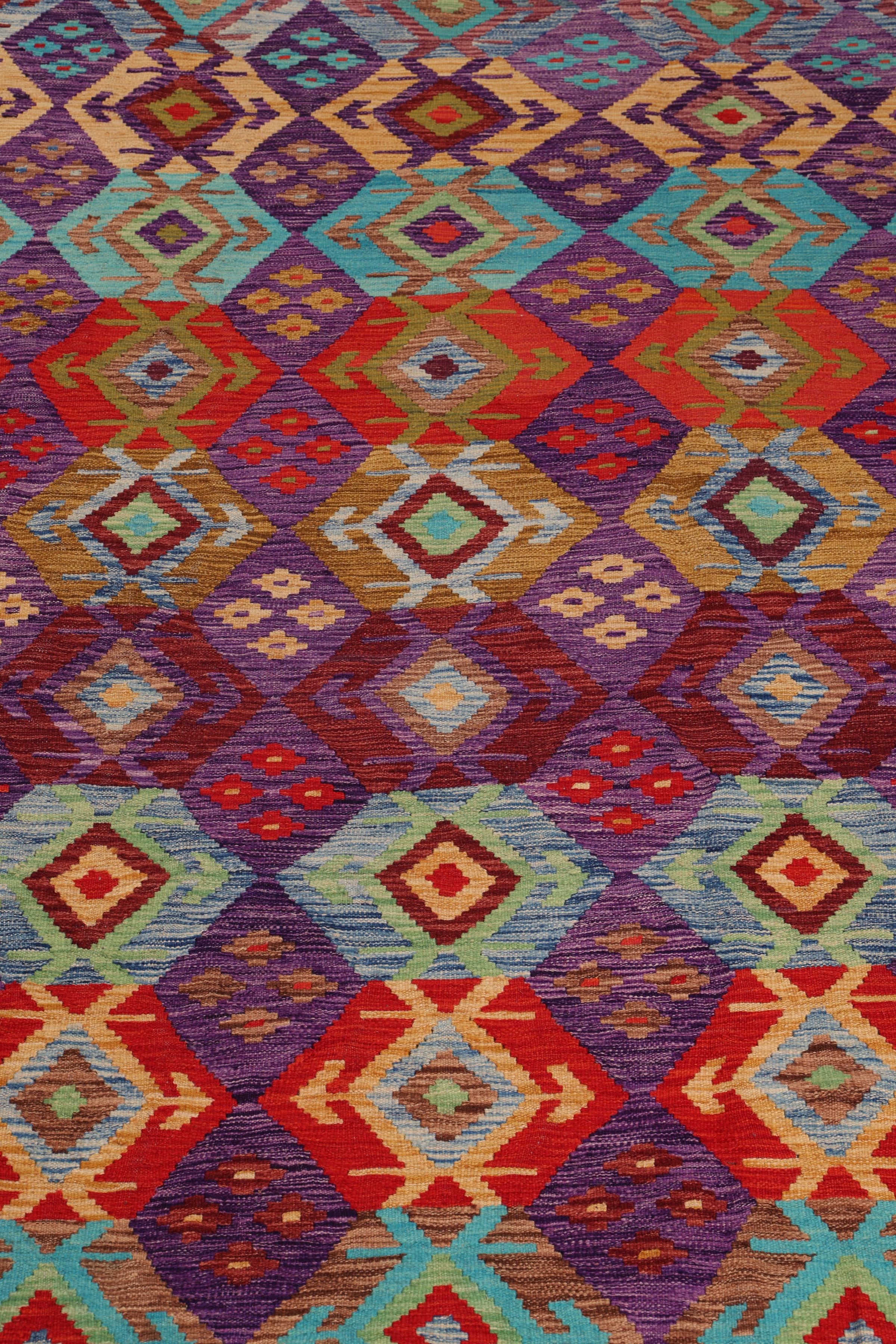
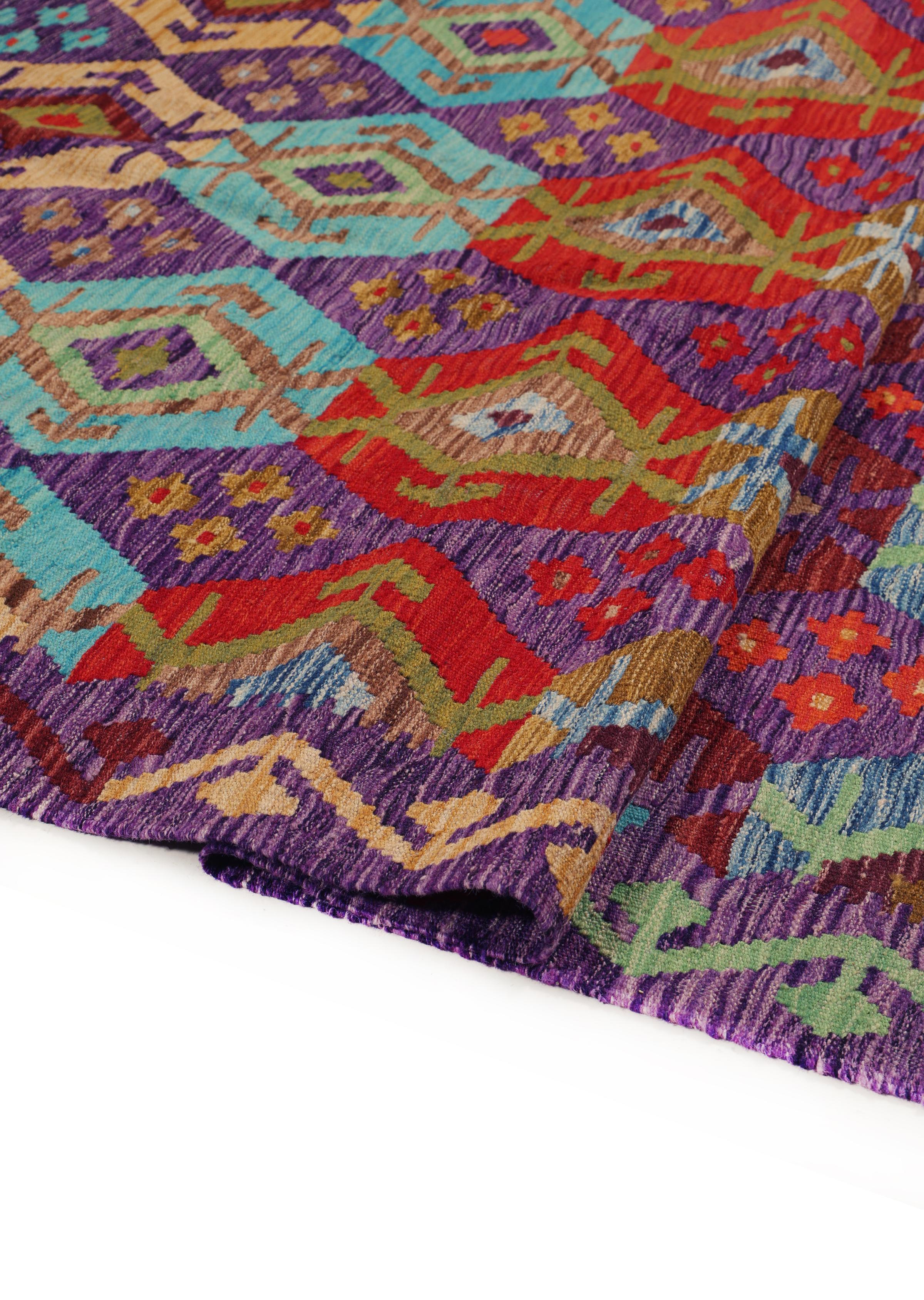
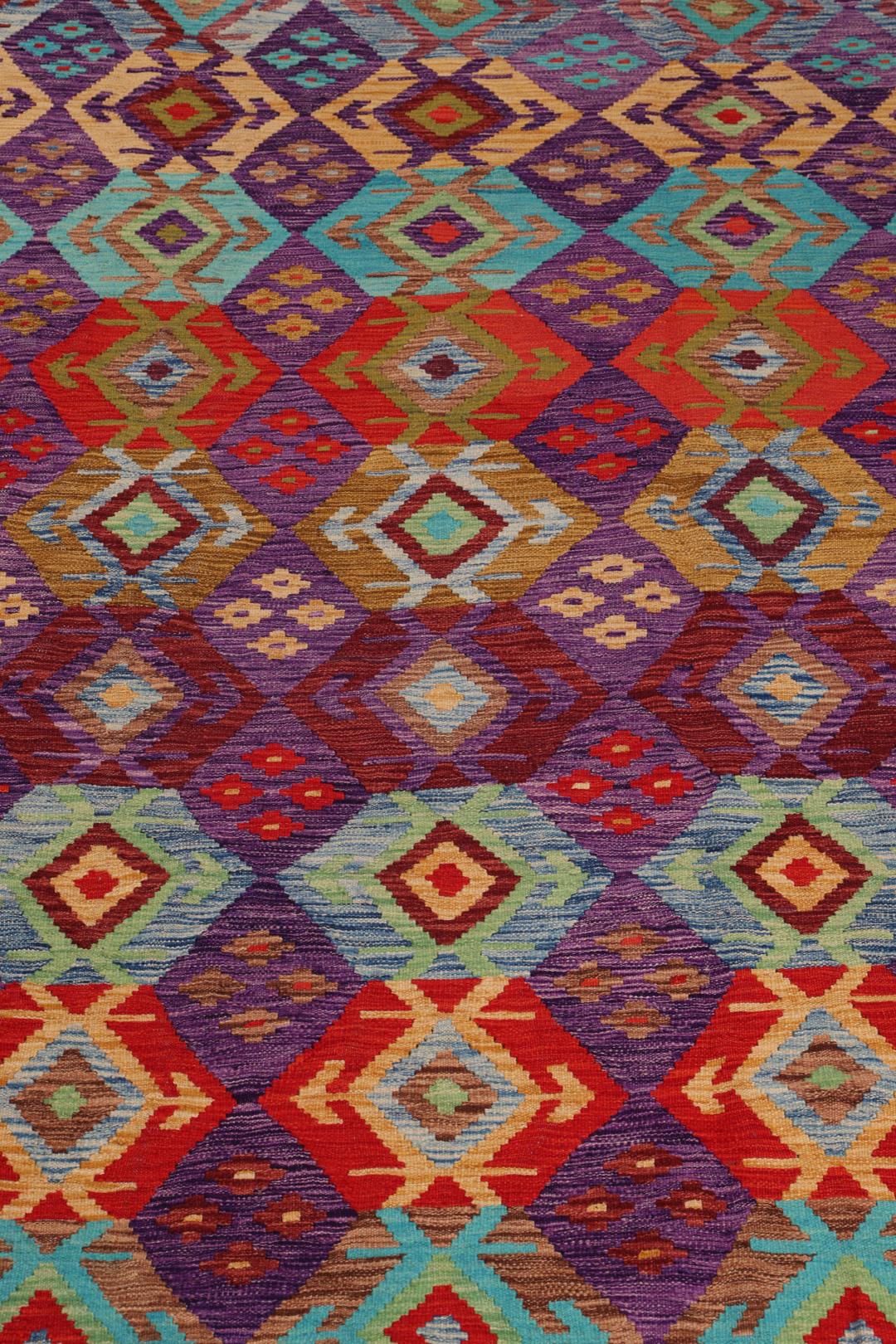
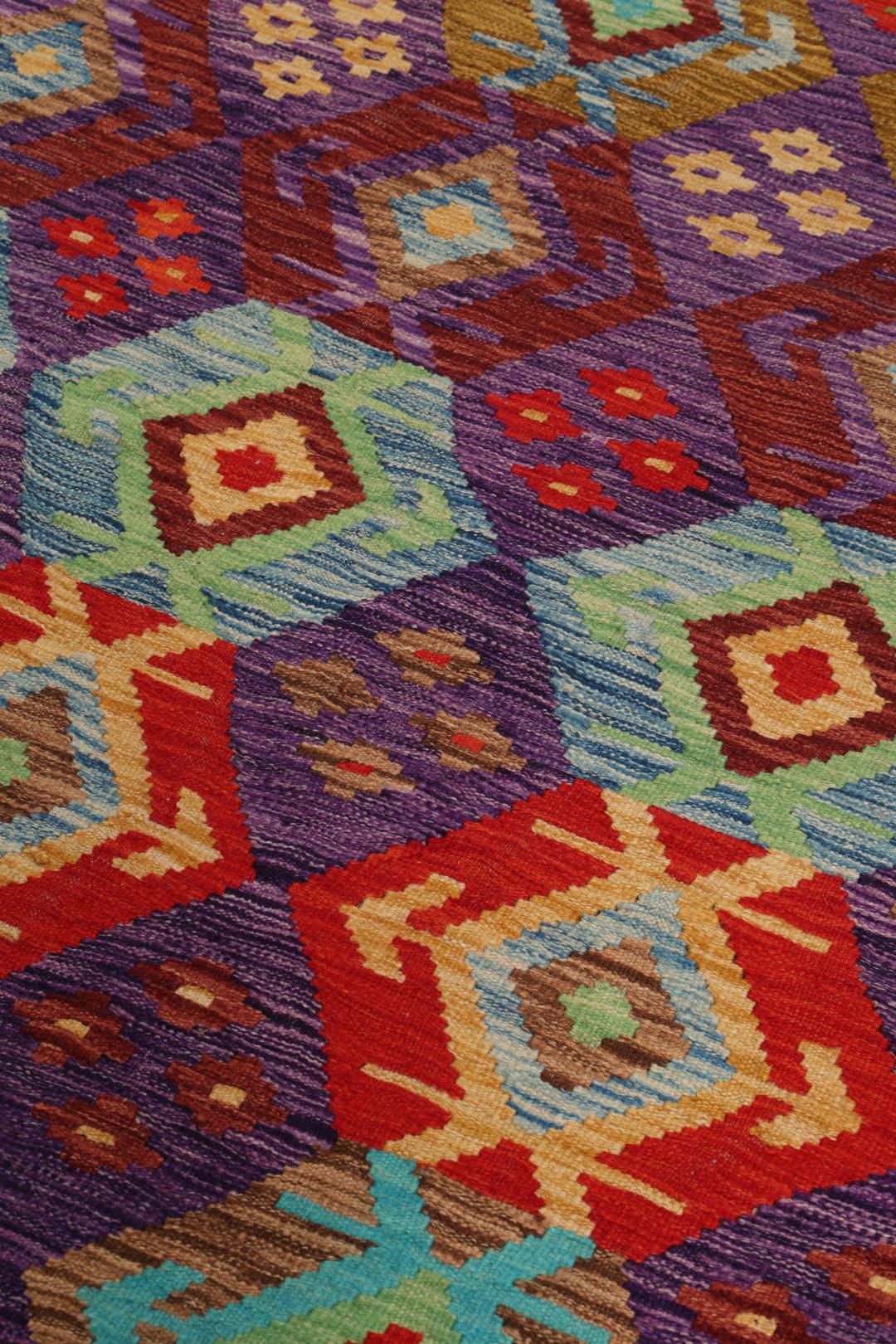
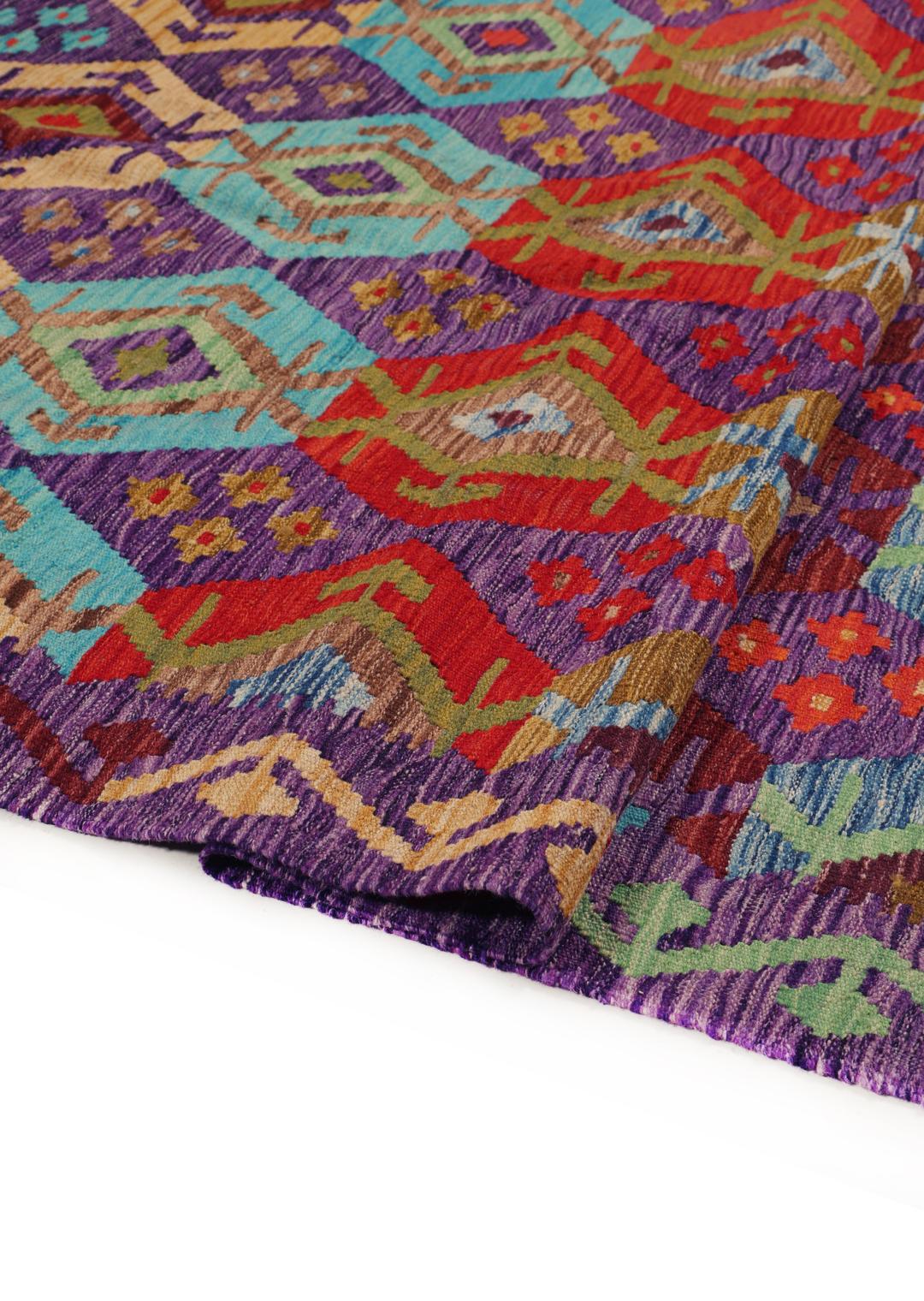
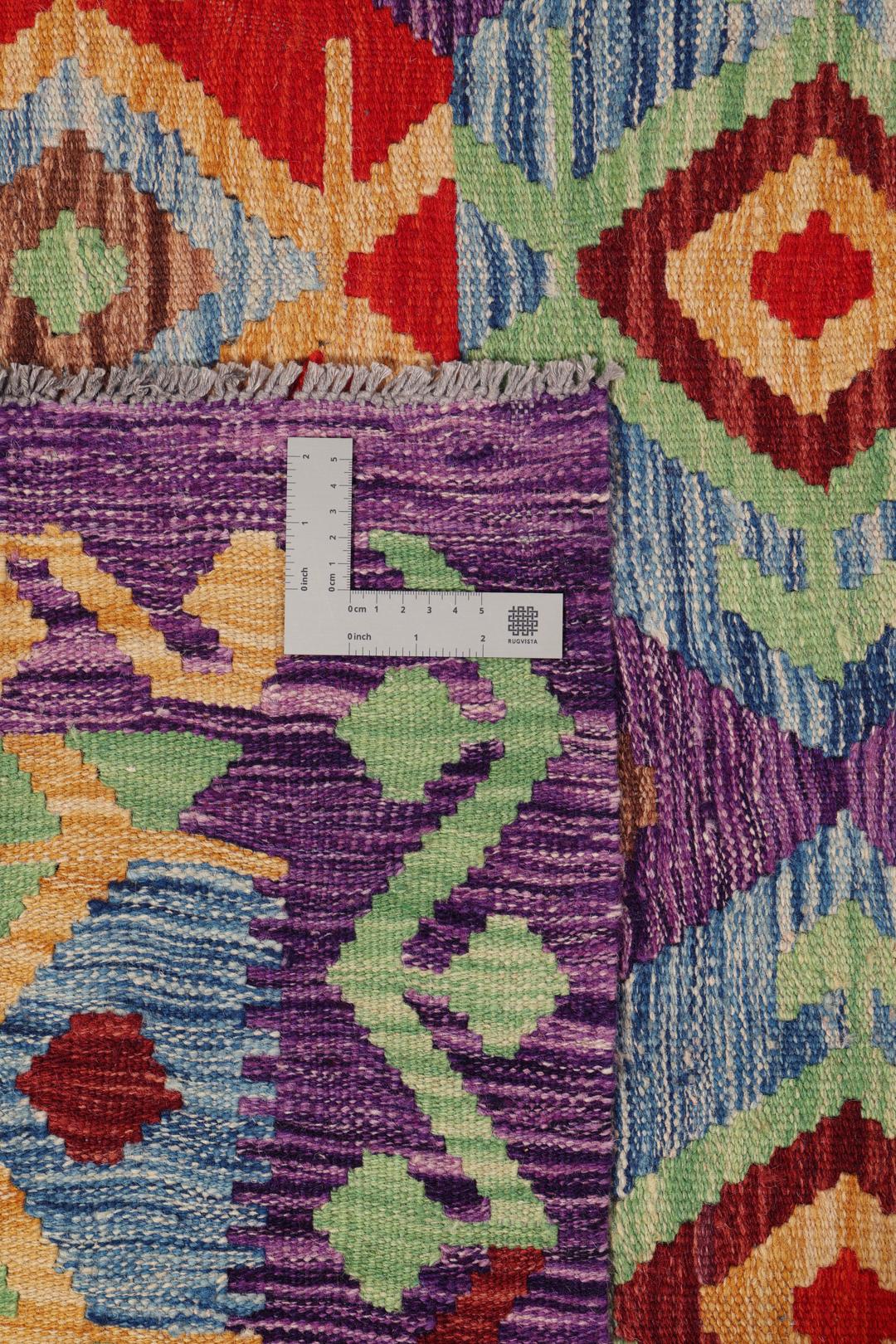
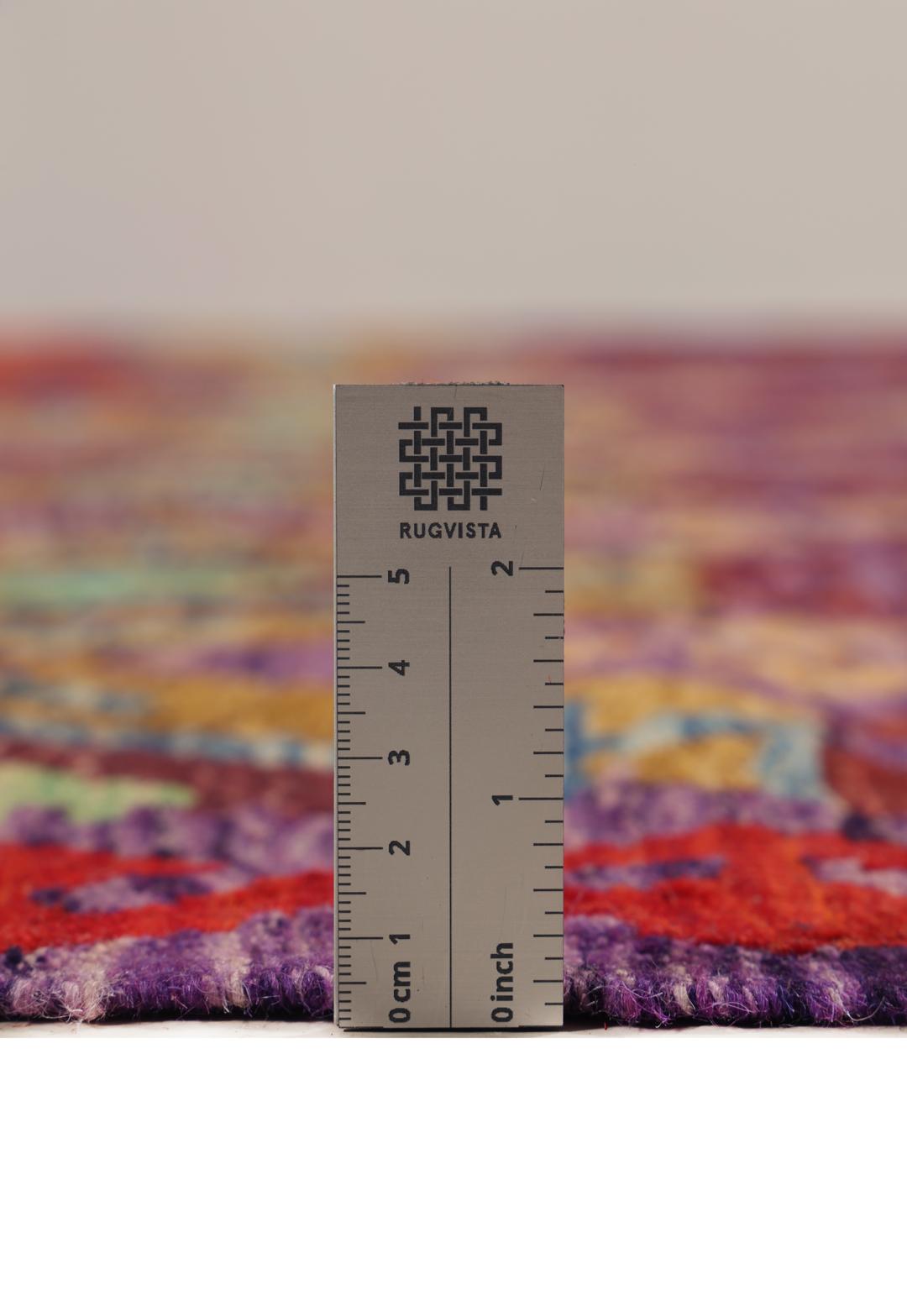
A Kelim is defined by its flat-weave construction, which lacks the pile found in traditional knotted rugs. This technique involves interweaving the warp and weft threads to create a durable, thin fabric that is often reversible. This method allows for sharp, clear lines and intricate geometric shapes, as the weaver is not restricted by the need to create a vertical pile. The resulting textile is lightweight yet remarkably strong, making it a staple of functional art.
The visual language of the Kelim Afghan Old Style is characterised by its repeating diamond and medallion motifs, often arranged in rhythmic rows. These patterns are more than decorative; they are a visual vocabulary handed down through generations, often representing local folklore, protection, or the natural landscape. The use of vibrant, earthy tones reflects the traditional dyes derived from local plants and minerals, giving each rug a deep, saturated appearance that evolves beautifully over time.
Collectors value these rugs for their authenticity and the human story woven into every thread. Owning a Kelim is a way to preserve a craft tradition that prioritises skill, memory, and community. Because these pieces are made by hand rather than in a factory, they carry the unique spirit of the weaver, making each one a meaningful connection to a long-standing heritage of textile artistry.