Kelim rugs have long been a cornerstone of nomadic life across the Middle East and Central Asia. These flat-woven textiles were historically designed to be portable, durable, and multipurpose, serving as floor coverings, wall hangings, and even saddlebags for travelling tribes. The Afghan tradition is particularly celebrated for its raw, authentic character and the use of high-quality, locally sourced wool.
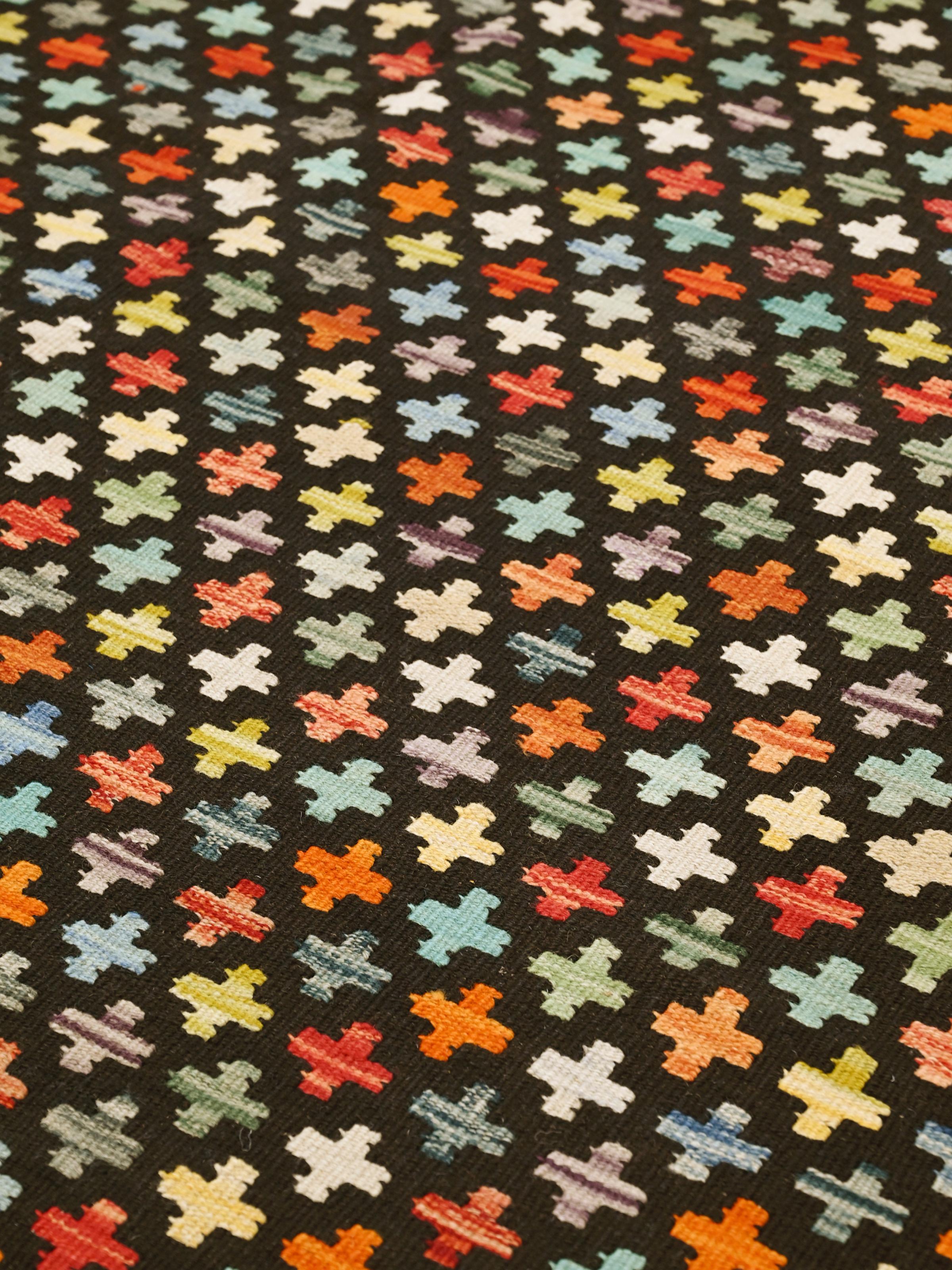
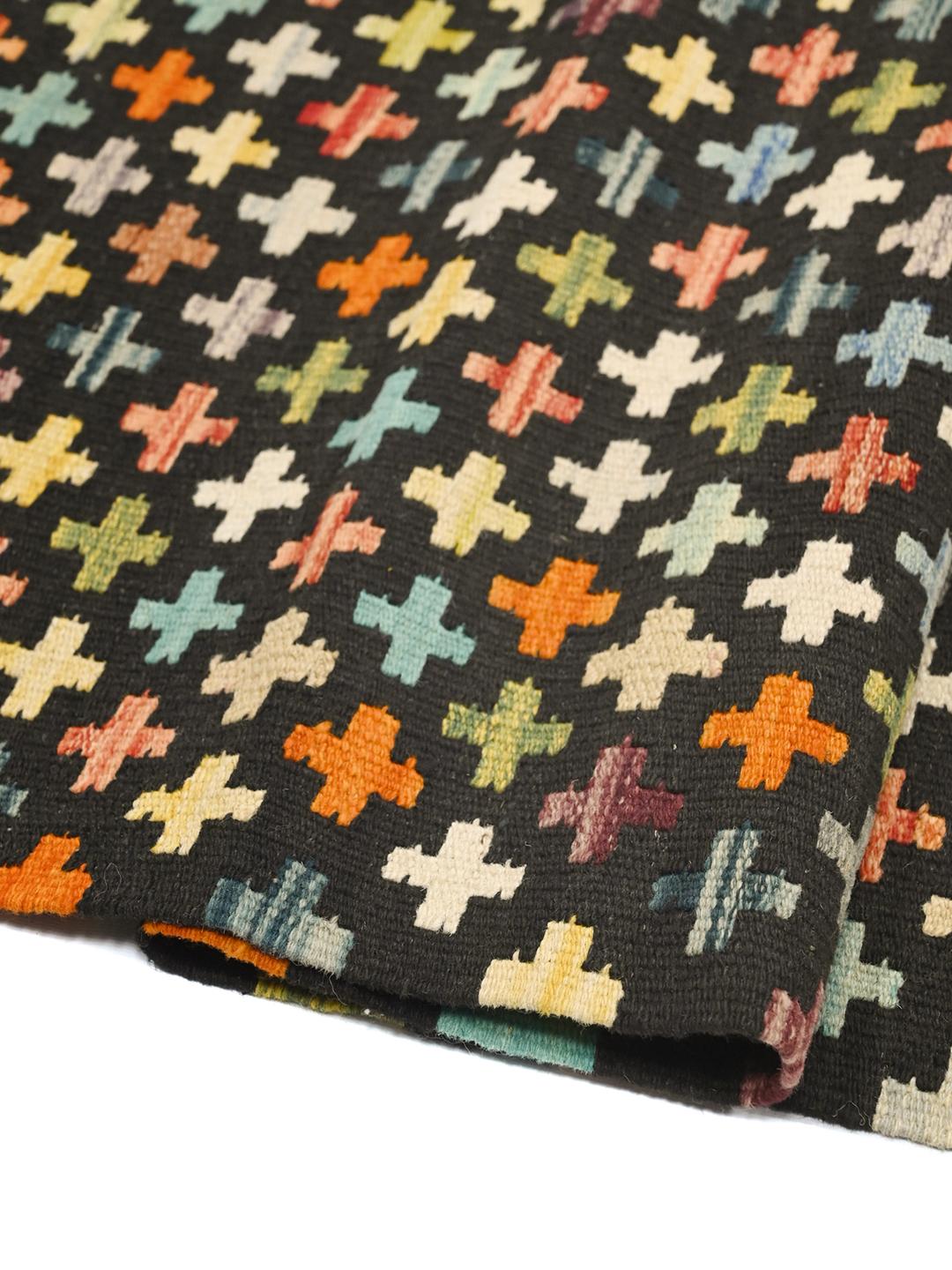
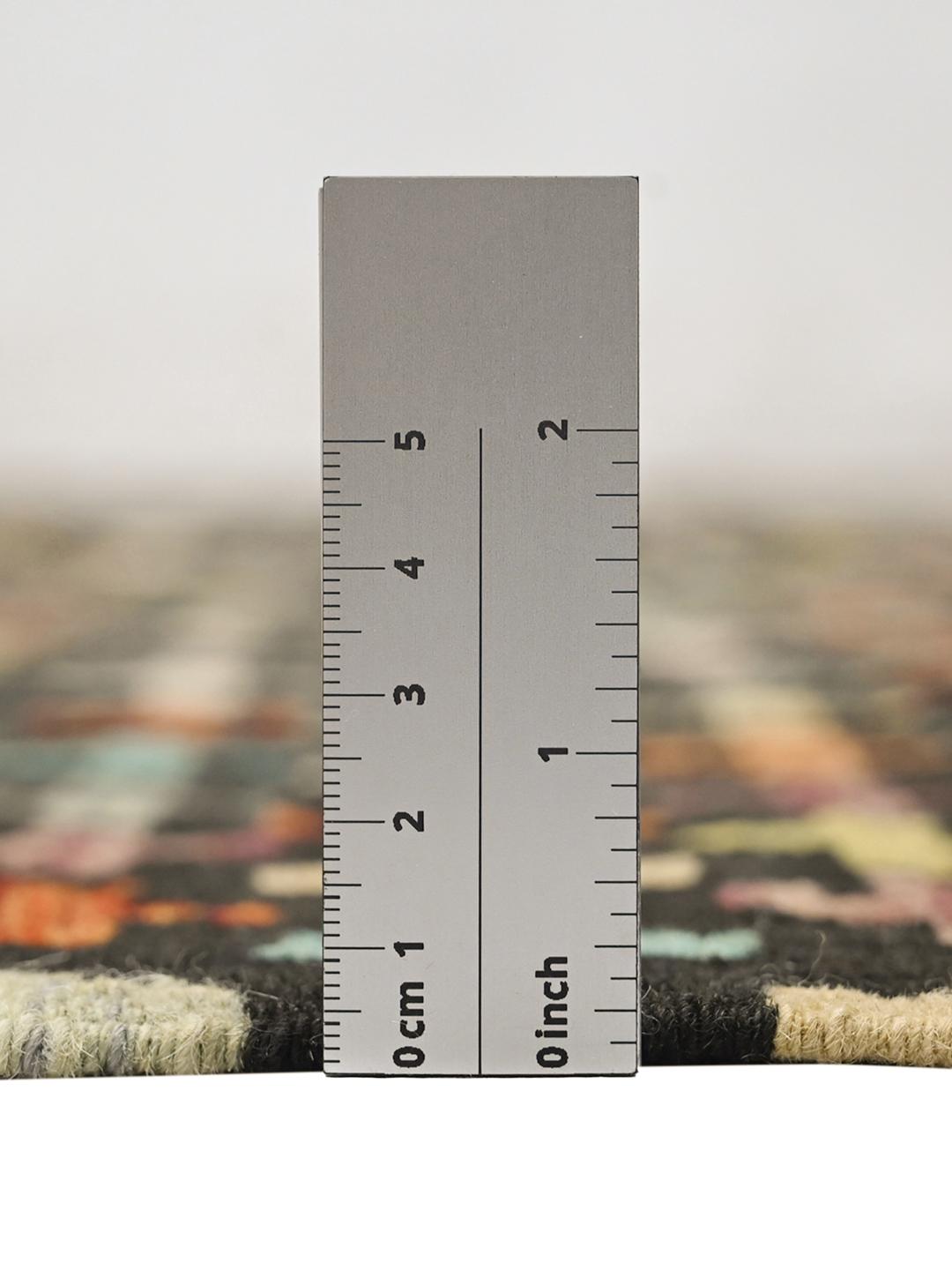
The term Kelim refers to the specific style of weaving where no pile is created, resulting in a thin, reversible textile. This technique allows for incredibly sharp, geometric patterns, as the design is essentially built into the structure of the rug itself. The lack of pile makes these pieces exceptionally lightweight and versatile, perfect for those who appreciate a clean, graphic look.
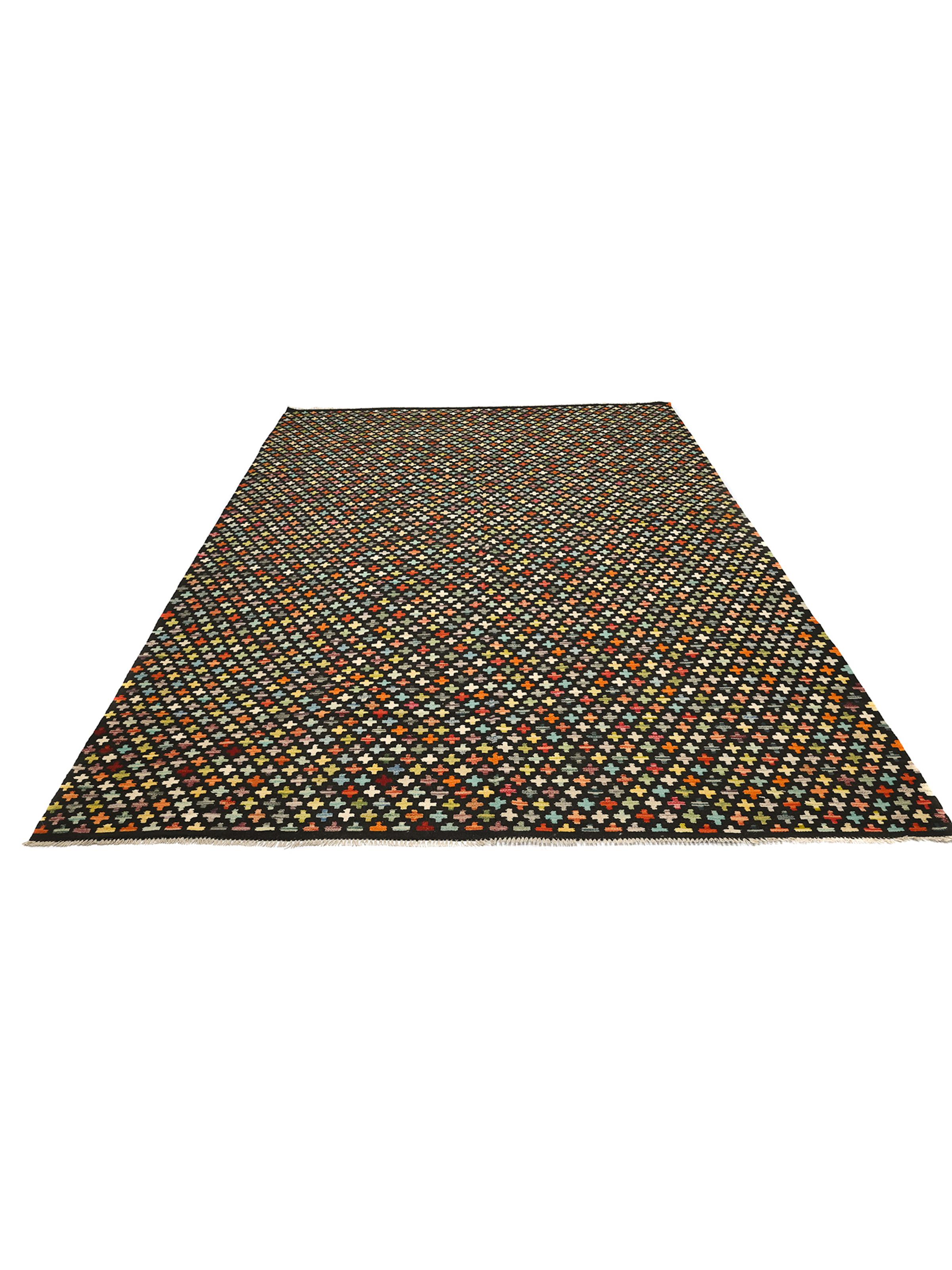
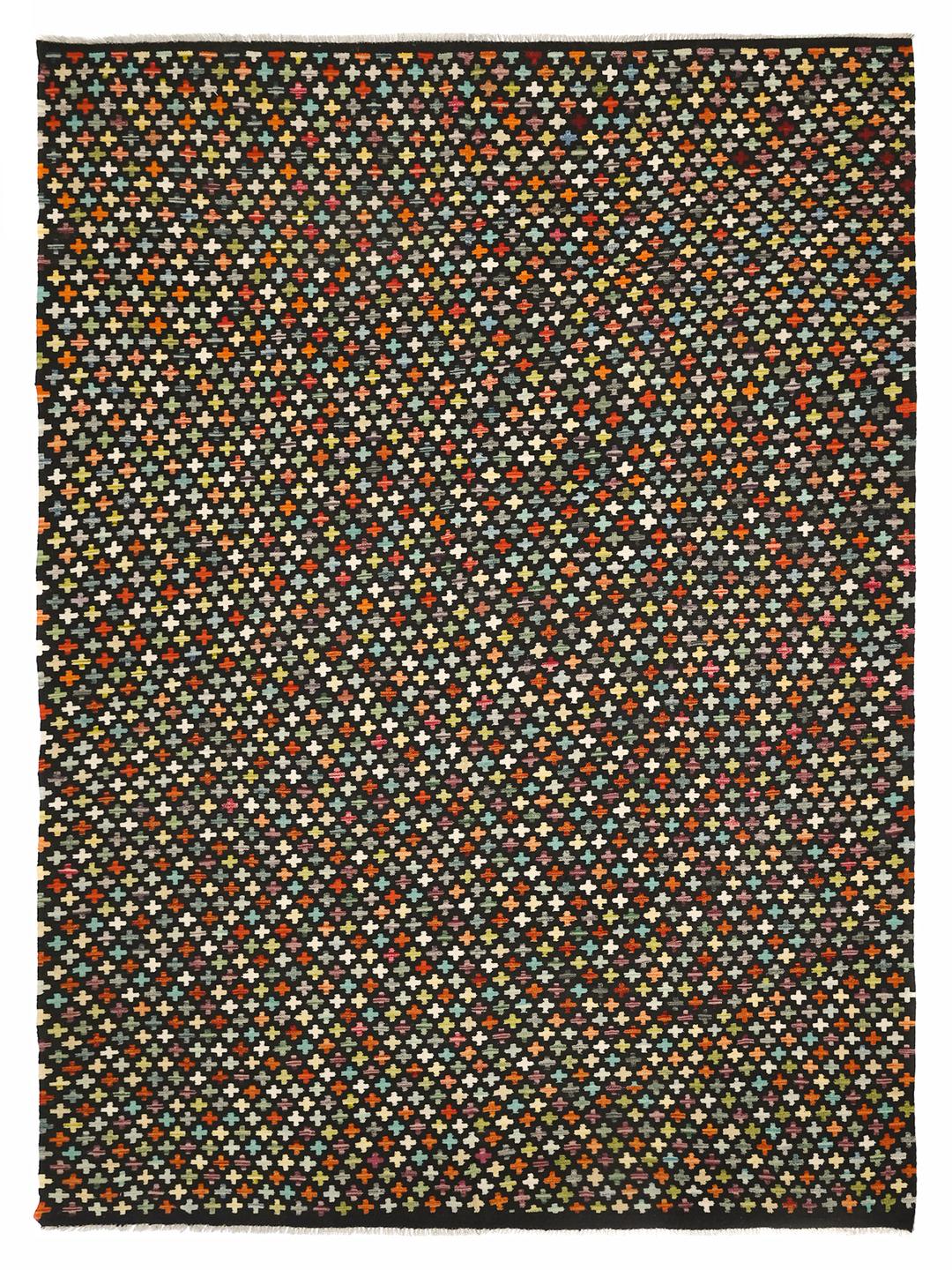
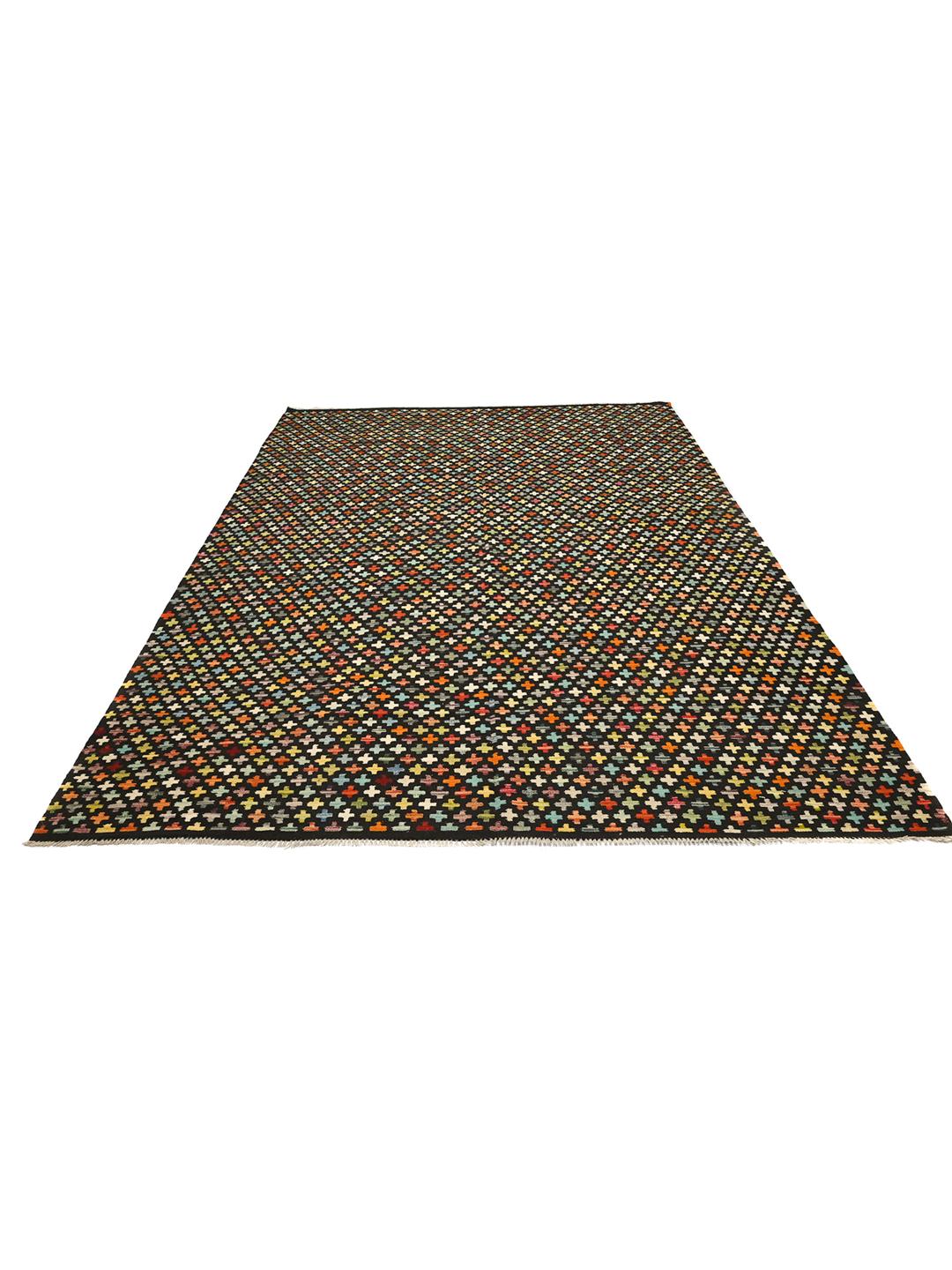
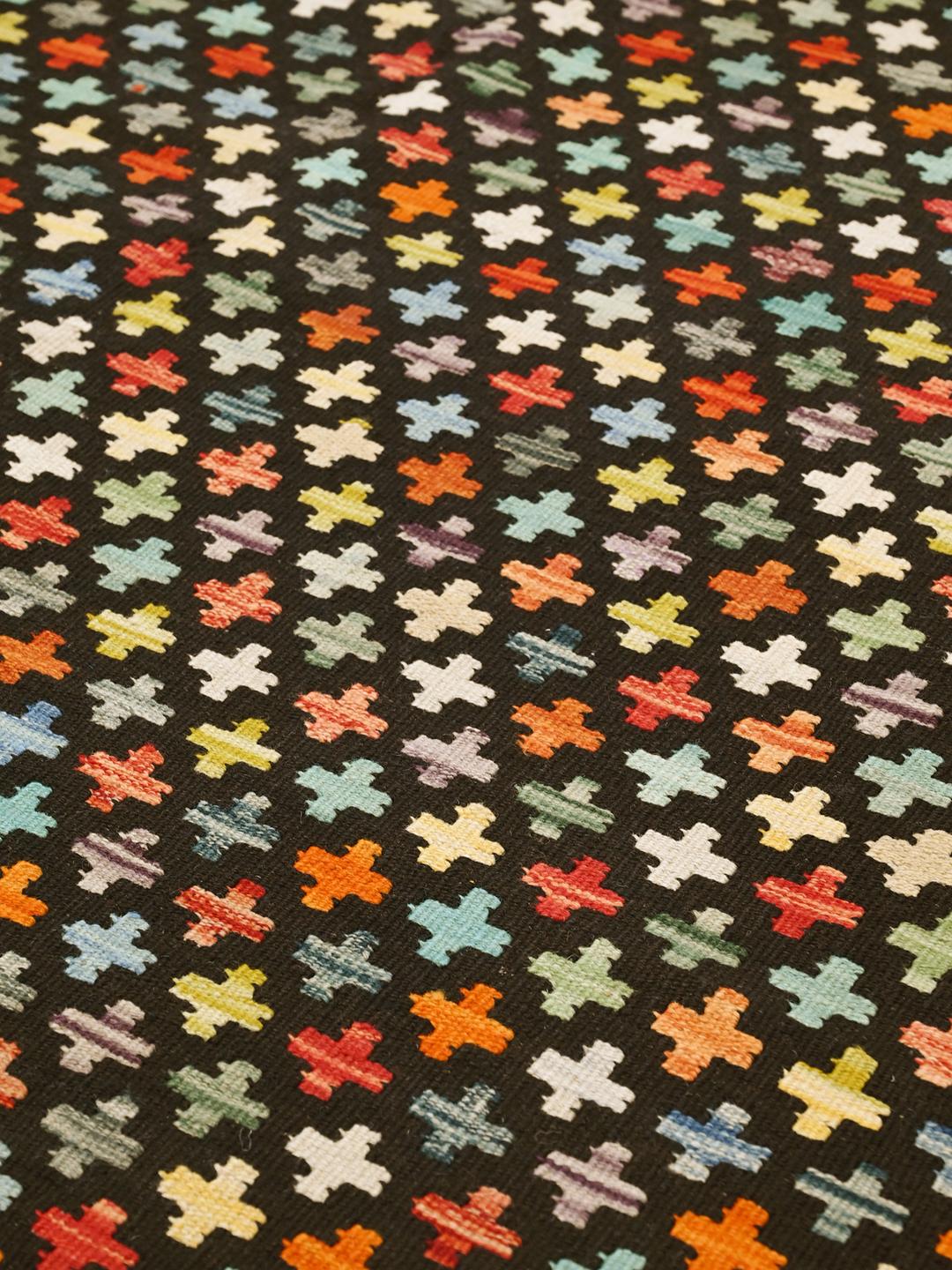
This specific design showcases a classic approach to Afghan weaving, where dark, earthy tones are often contrasted with bright, saturated pops of colour. The cross-shaped motifs seen here are common in tribal weaving traditions, often representing protection or regional cultural symbols. Such patterns are rarely repeated exactly, as weavers often improvise based on memory and local style, making every rug a distinct expression of the creator's vision.
Collecting these pieces is a way to preserve a heritage of craftsmanship that has remained largely unchanged for centuries. Each rug is a record of its time and place, valued by collectors not just for its aesthetic impact, but for the human story woven into every thread. By adding this to your home, you are continuing a legacy of textile art that values individual skill and cultural continuity above all else.