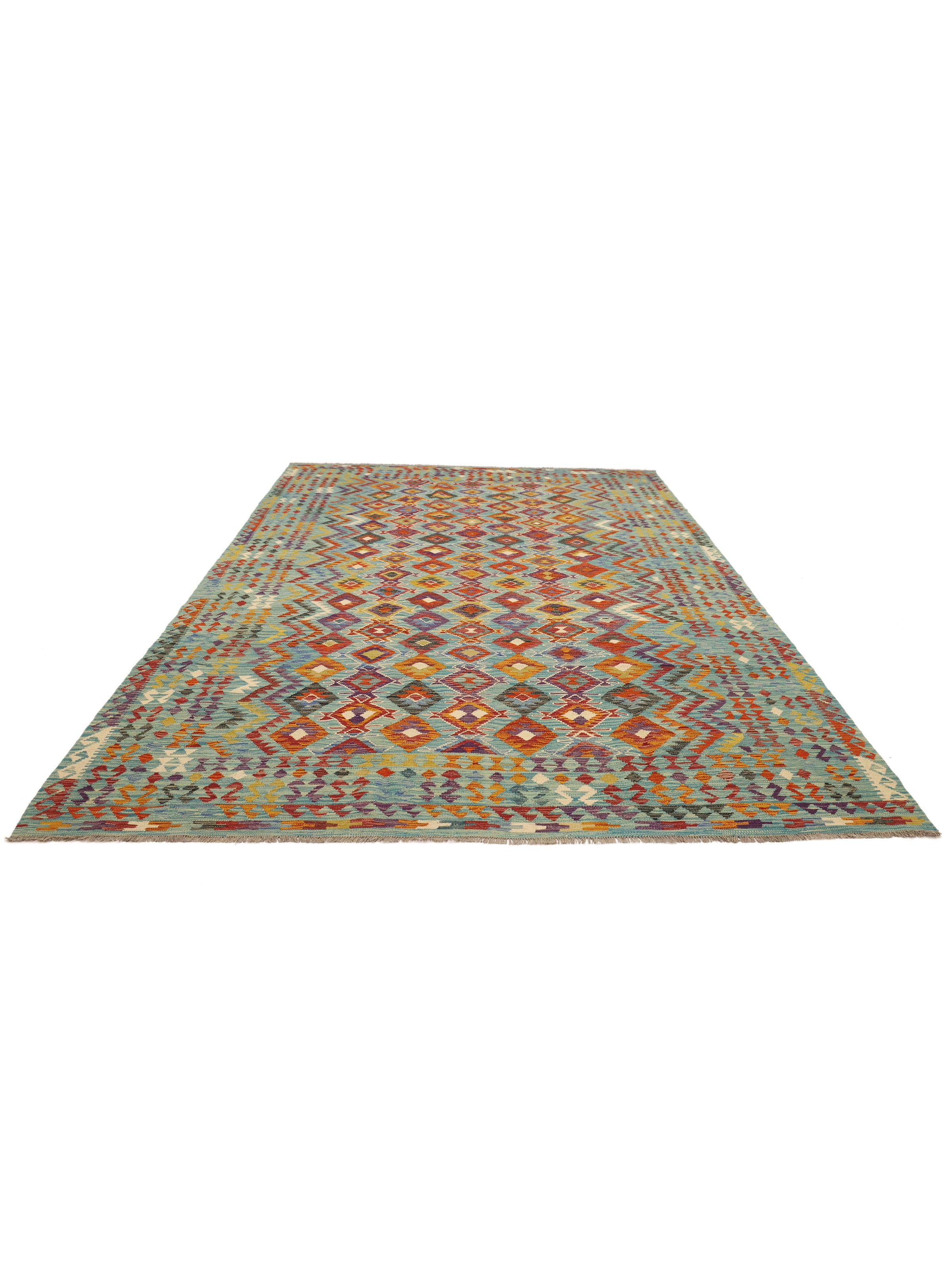
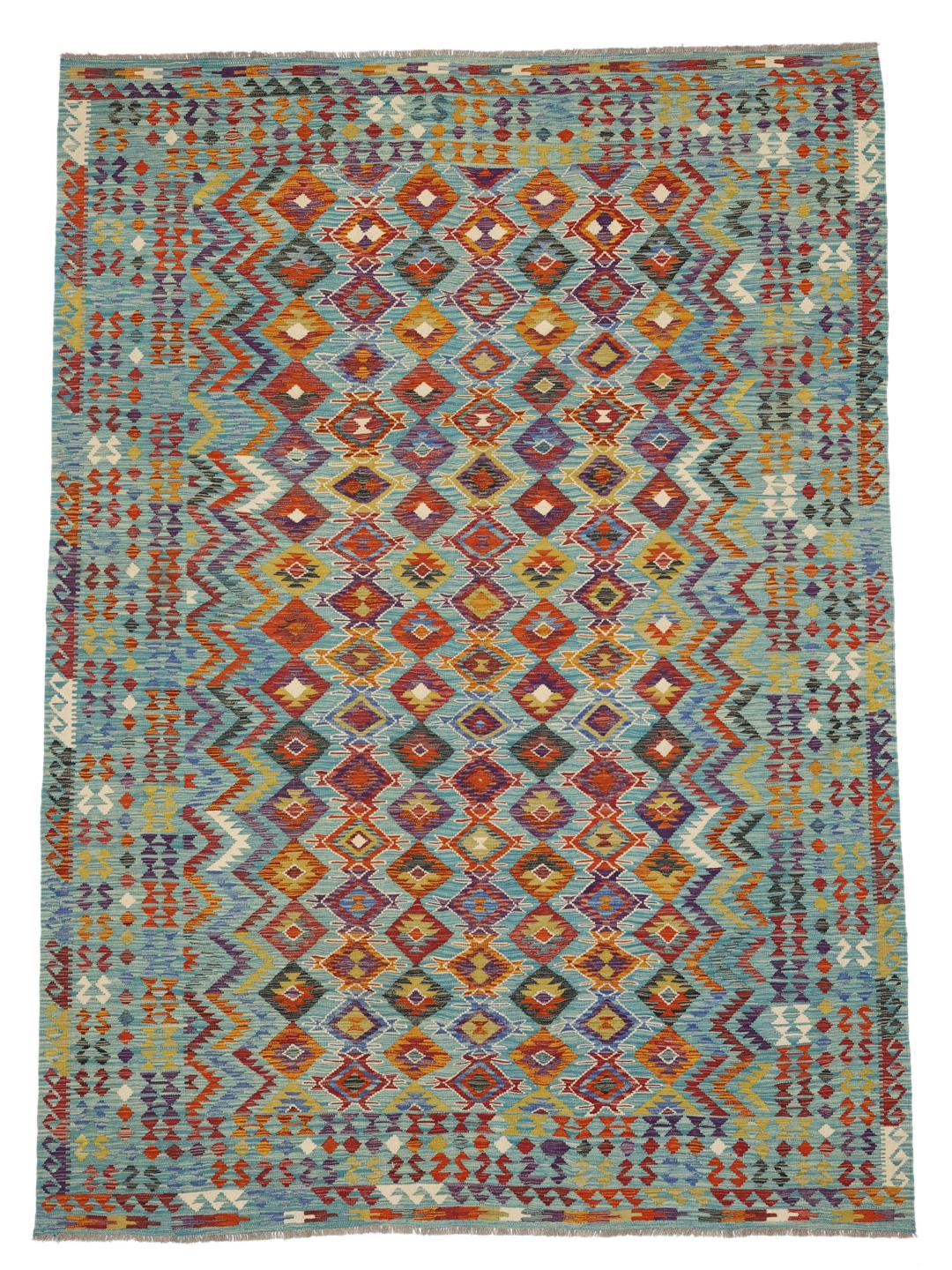
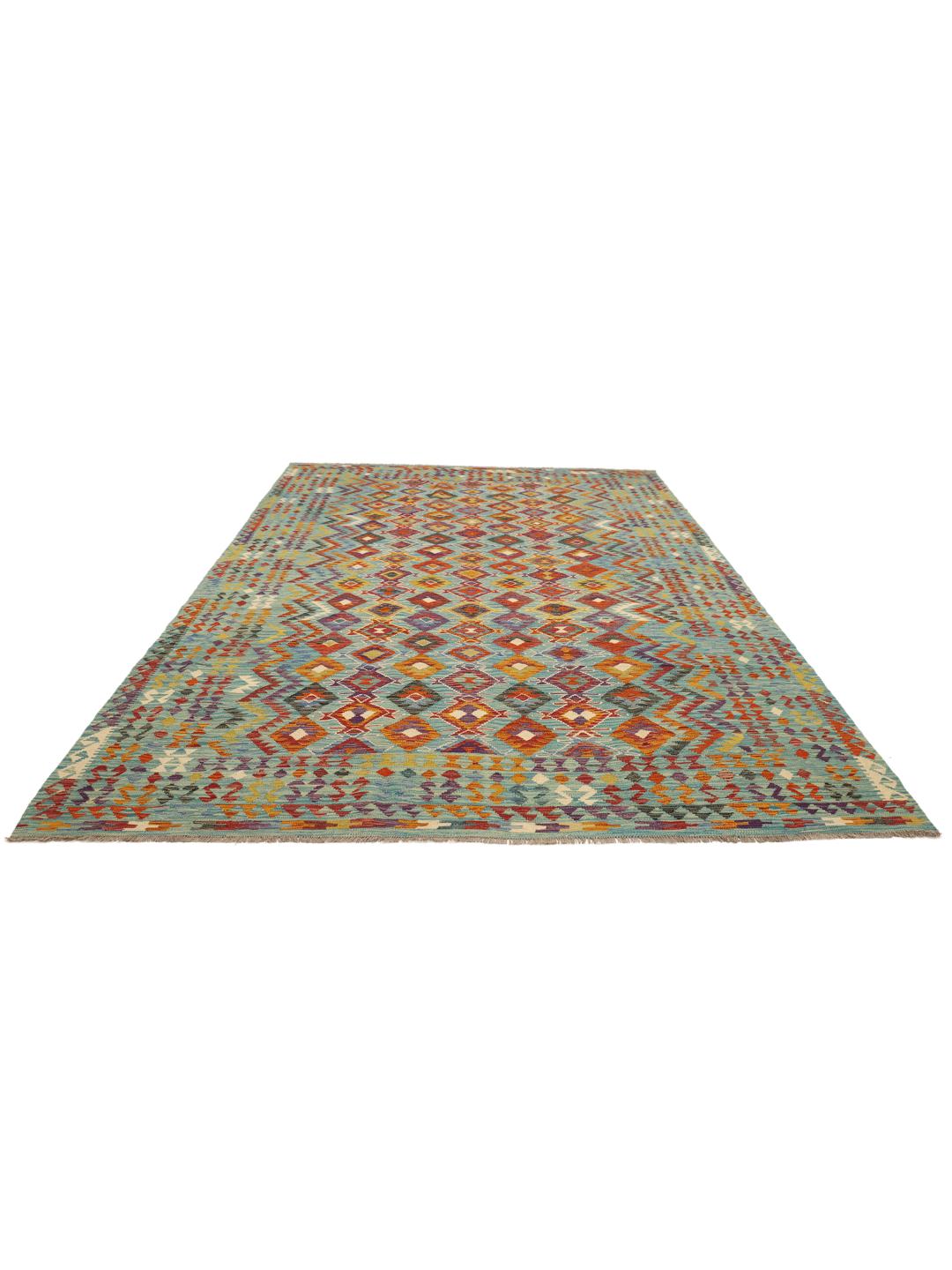
The Kelim tradition, often spelled Kilim, is a storied practice deeply rooted in the nomadic and semi-nomadic cultures of the Middle East and Central Asia. These flat-woven rugs have served functional and decorative roles for centuries, acting as floor coverings, wall hangings, and even storage bags for travelling tribes. Afghanistan has long been a vital centre for this craft, where weavers draw upon local motifs to create textiles that reflect the history and geography of their homeland.
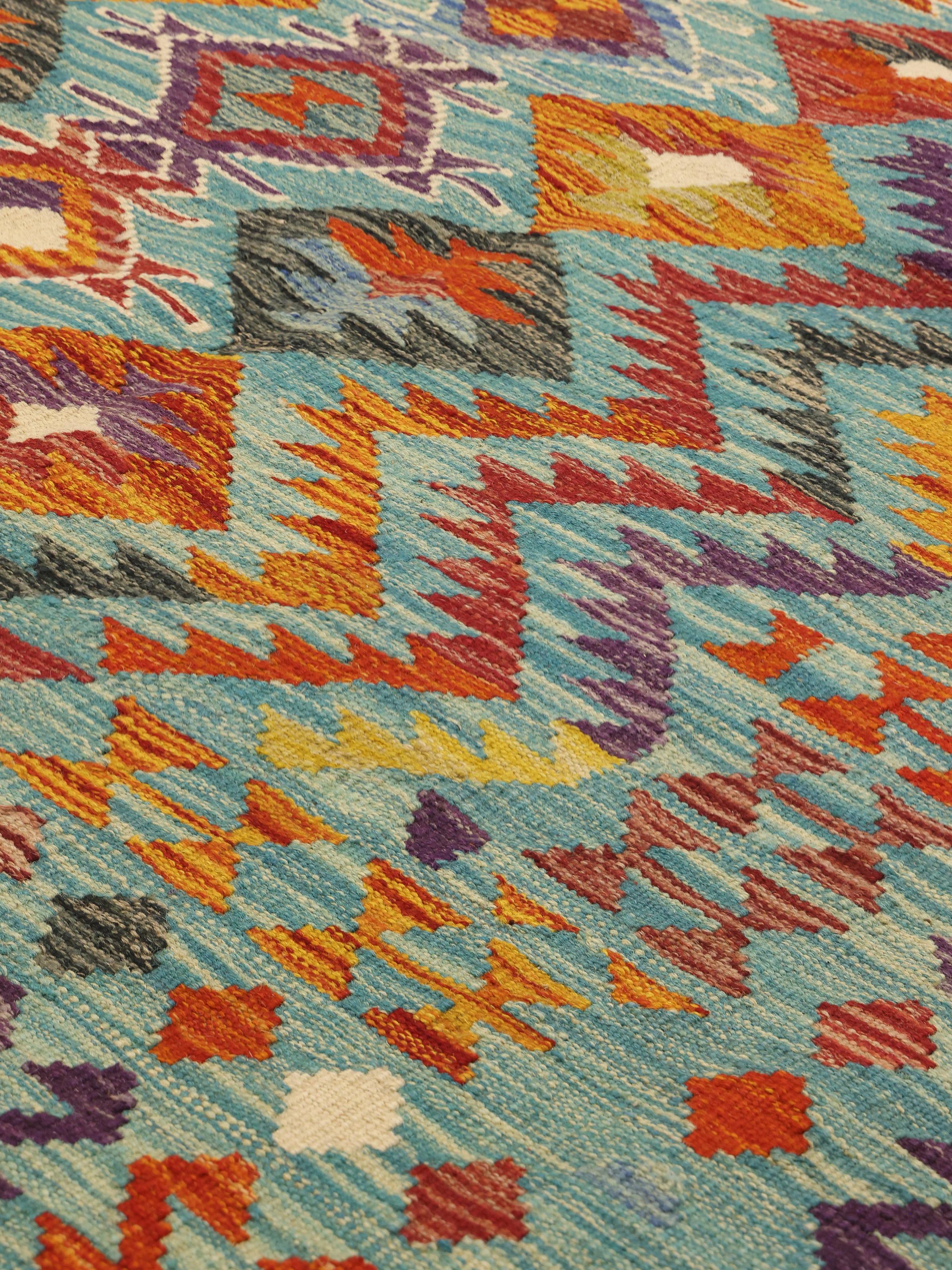
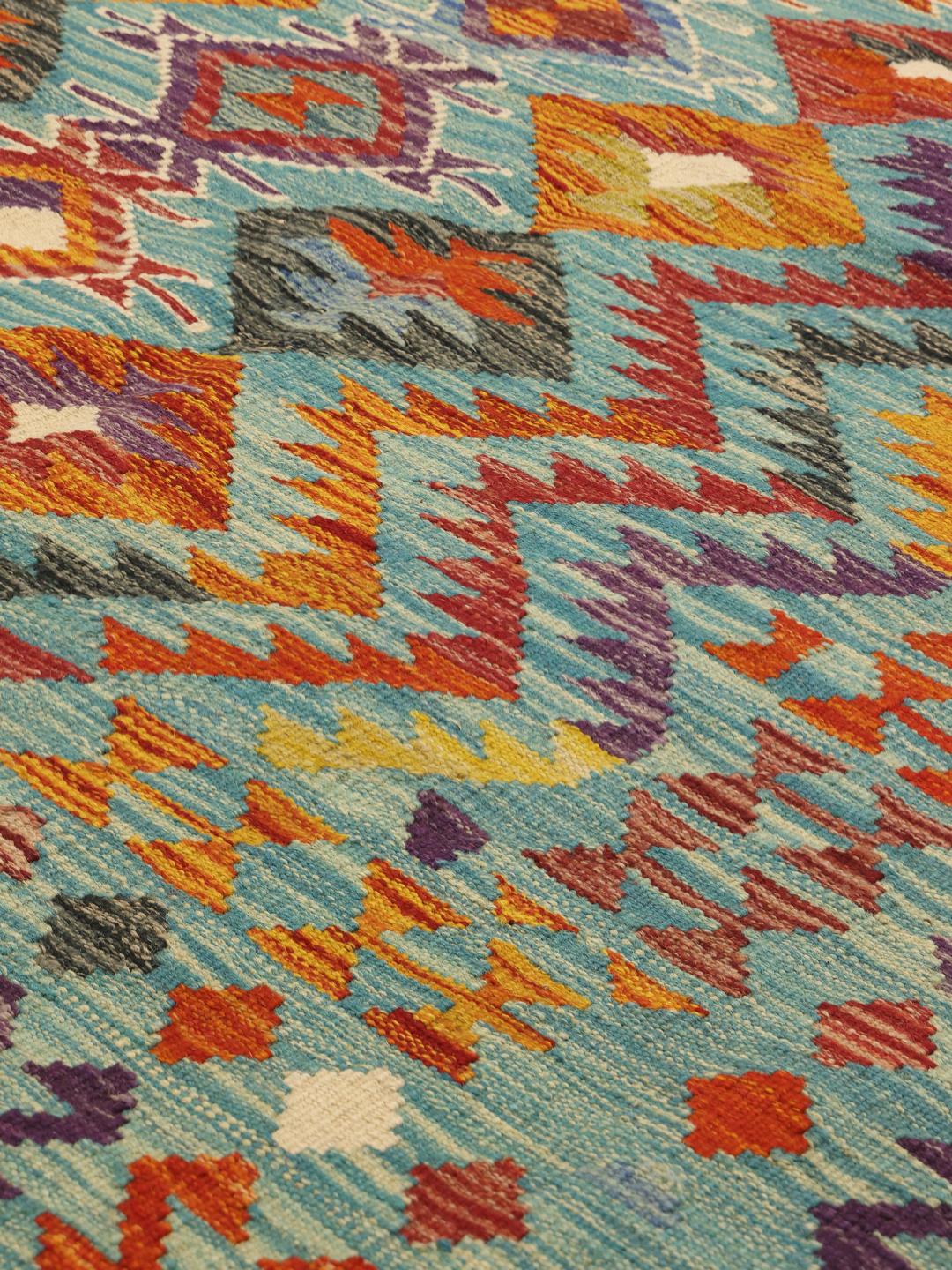
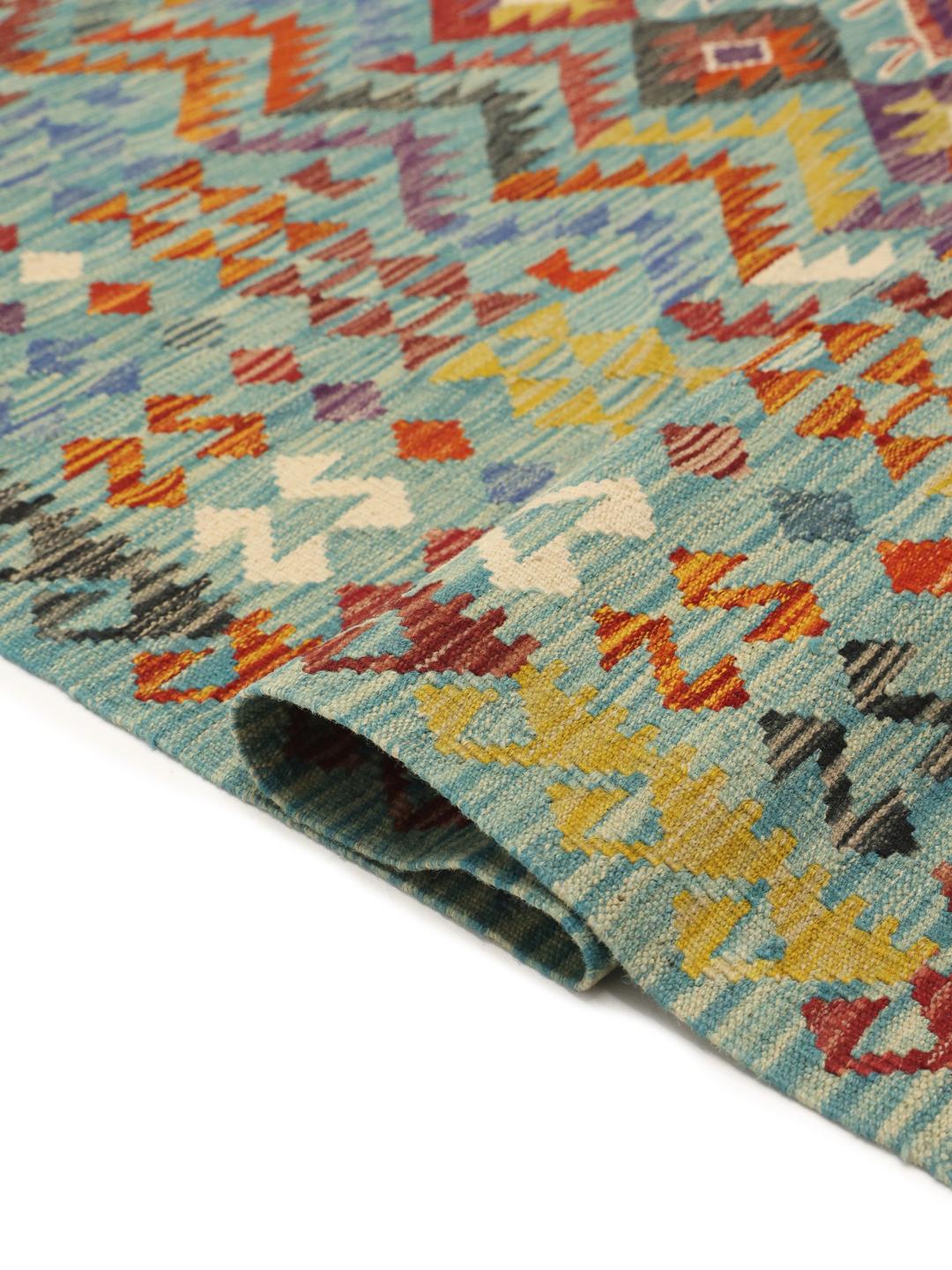
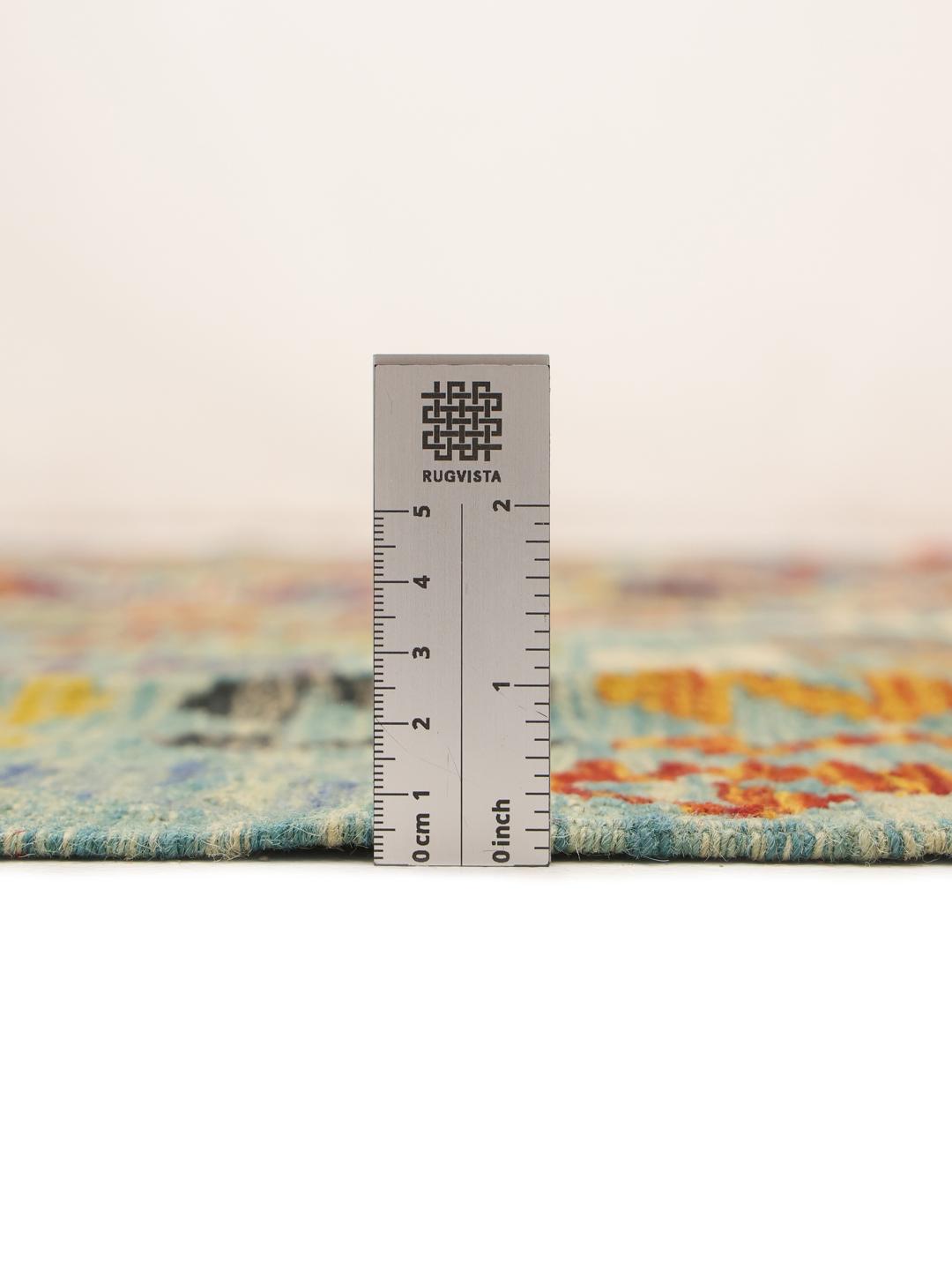
A defining feature of the Kelim is its flat-weave construction, where the horizontal weft threads are pulled tightly over the vertical warp threads to create the pattern. This technique results in a rug without a pile, making it incredibly lightweight and durable. The precision required in this process is high, as the weaver must calculate every colour change and geometric shift to ensure the design remains symmetrical and crisp across the entire surface.
Visually, these rugs are defined by their bold geometric language. Diamond shapes, zig-zags, and latch-hook motifs are common, often arranged in repeating patterns that create a sense of rhythm and movement. The colour palette in Afghan examples is particularly celebrated for its use of rich, natural dyes that age beautifully over time, giving the rug a depth and character that synthetic alternatives lack. Each motif often carries symbolic meaning, reflecting the weaver's environment and cultural heritage.
Collecting an Afghan Kelim is an investment in a living art form. These pieces are highly valued not only for their aesthetic beauty but for the immense skill required to produce them without the aid of modern technology. Owning one is a way to preserve a piece of cultural history while enjoying a functional item that brings warmth, colour, and a sense of human connection to your home for many years to come.