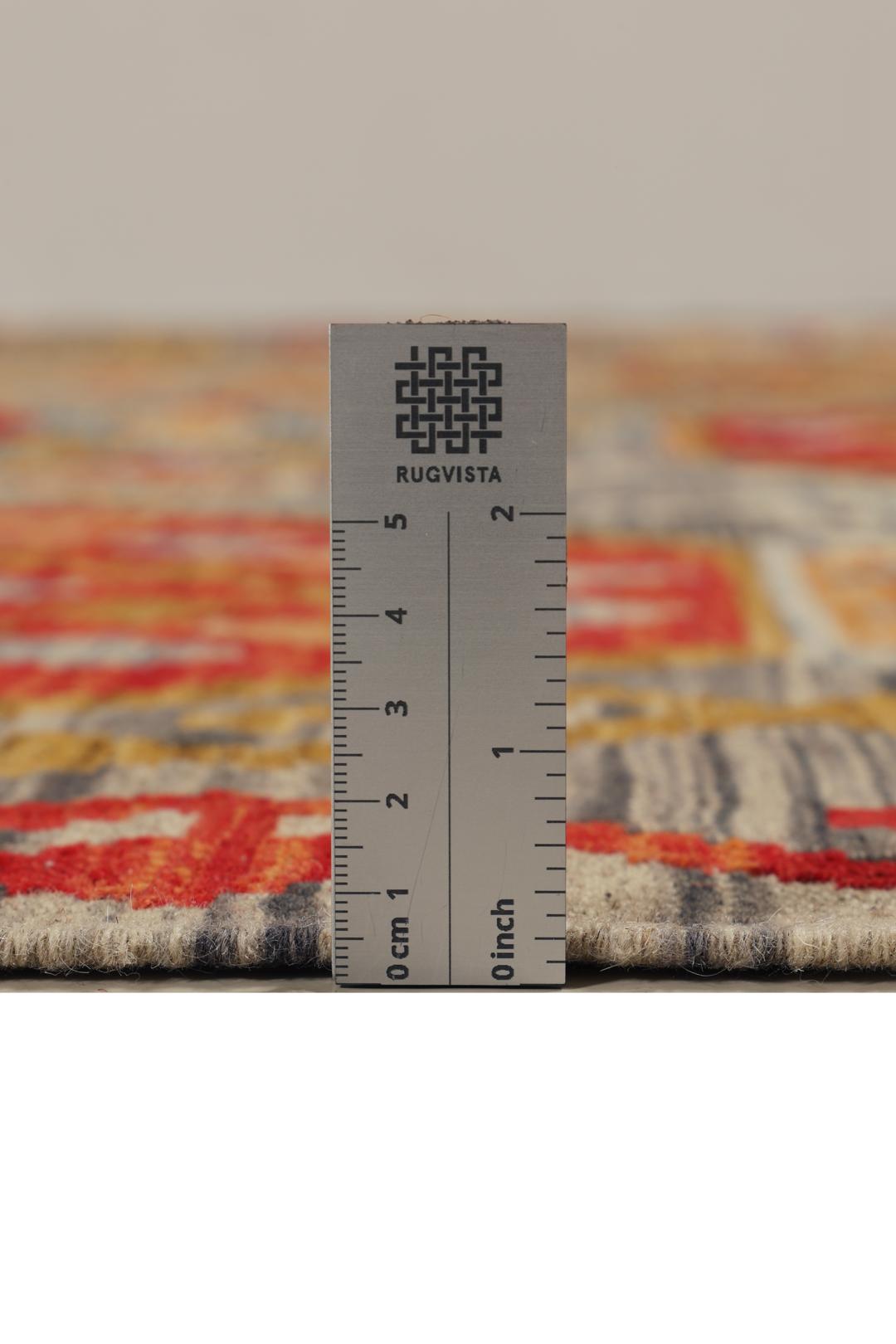
The Kelim tradition in Afghanistan is deeply rooted in the nomadic and semi-nomadic cultures of Central Asia. These rugs were historically crafted by tribal weavers to serve as versatile, portable floor coverings, room dividers, and storage bags. The transition from purely utilitarian objects to highly sought-after decorative pieces reflects the global appreciation for the raw, authentic beauty of these textiles, which have served families for generations.
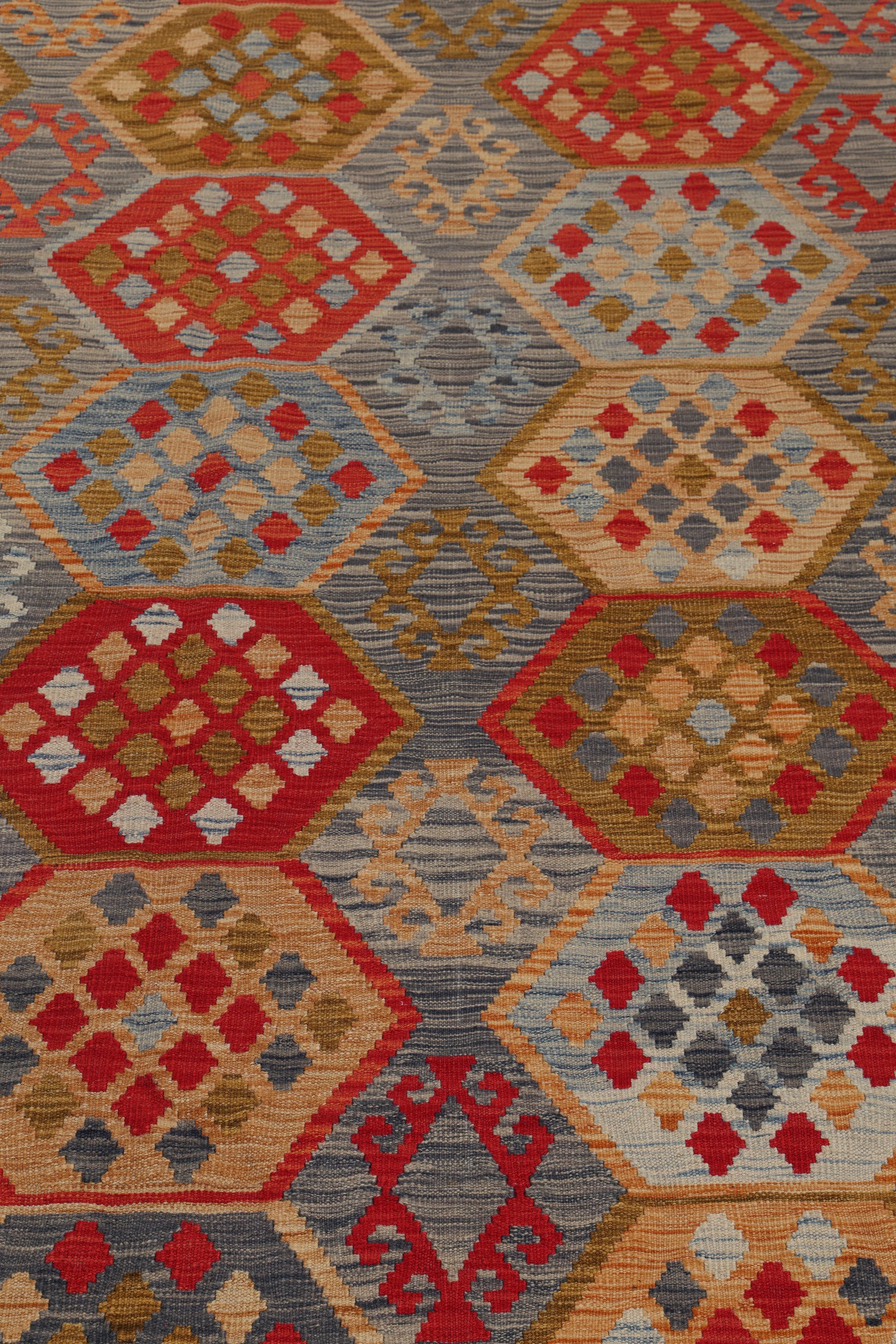
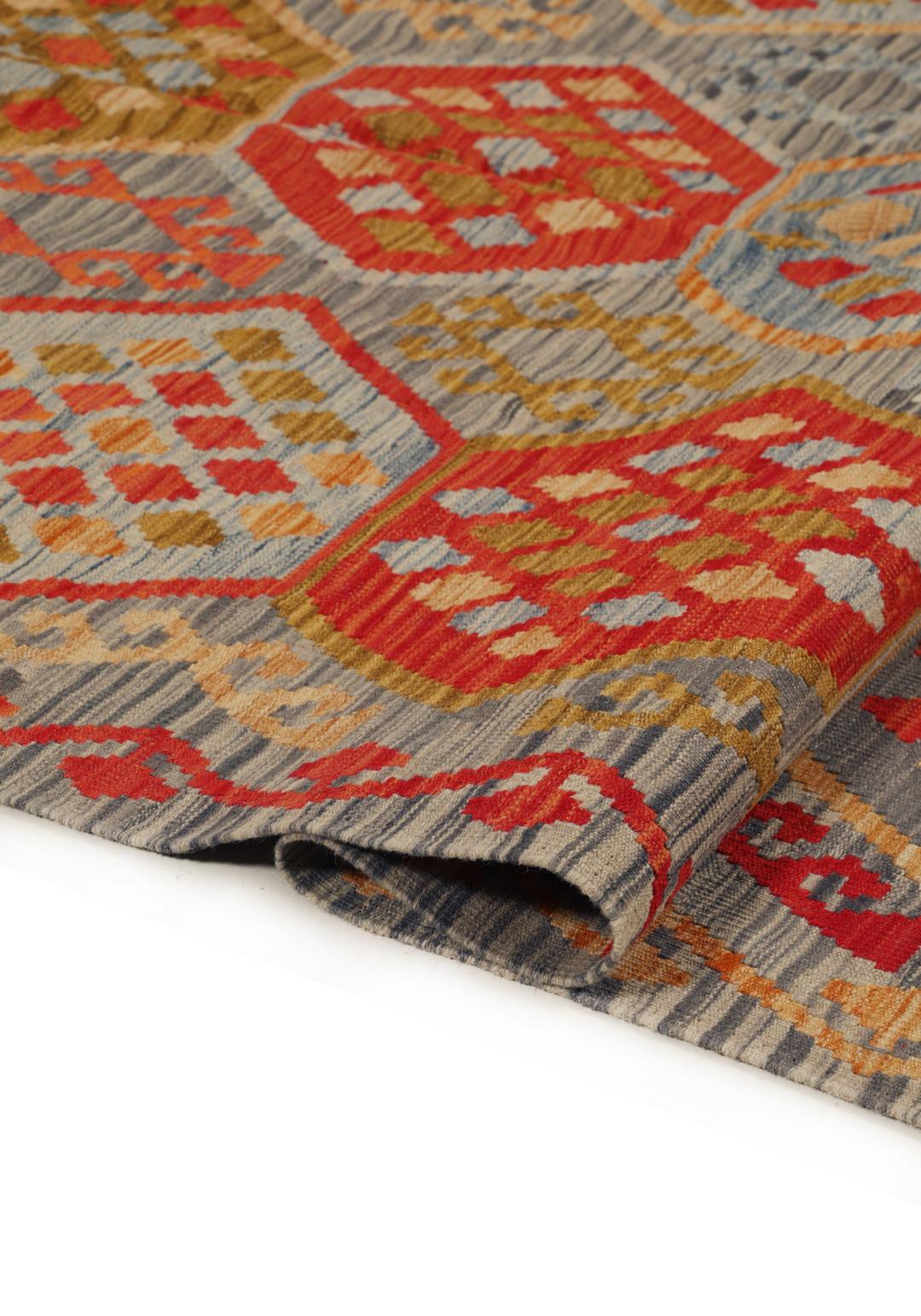
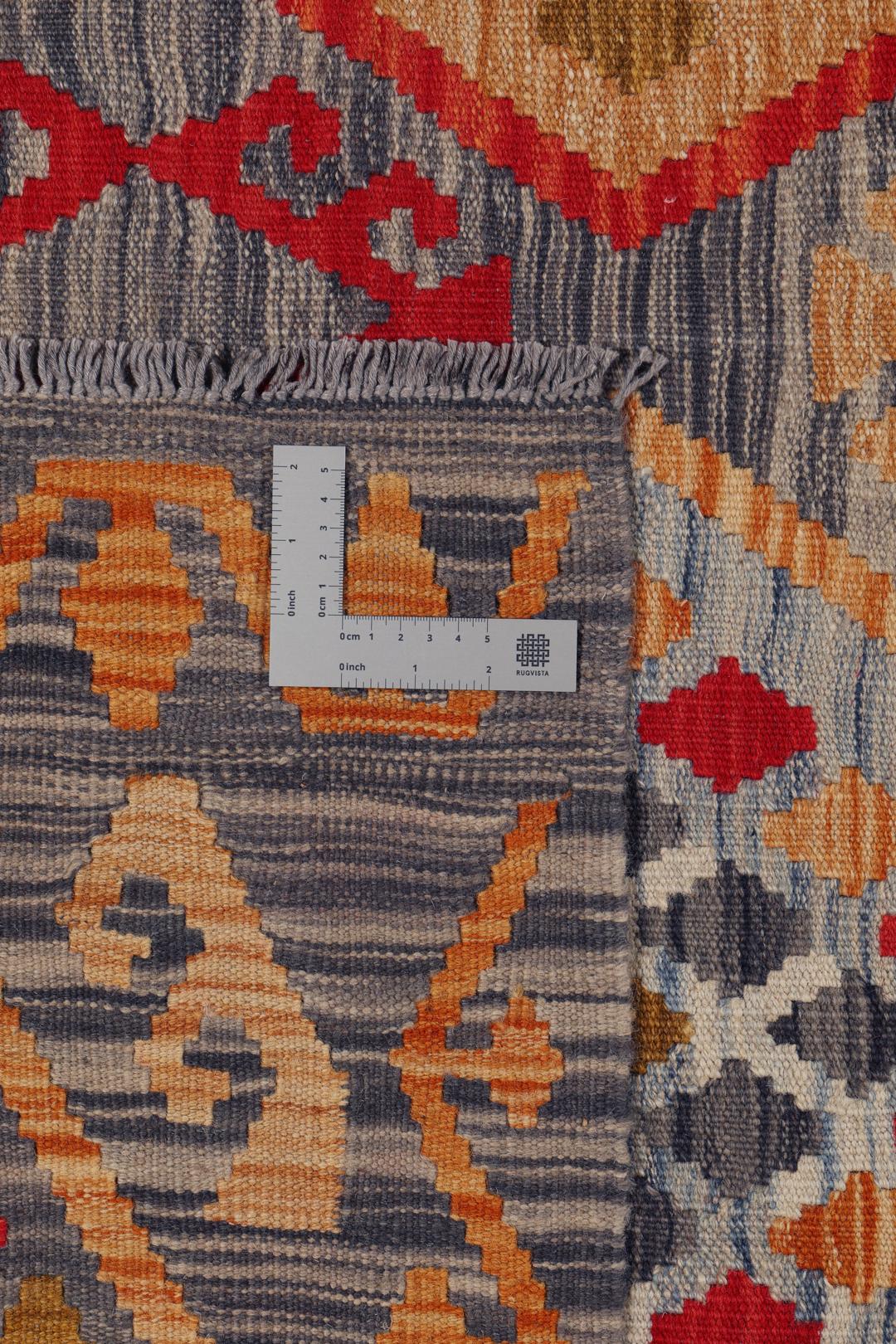
The term Kelim refers to the flat-weaving technique where there is no pile. Instead, the design is created by interweaving the coloured weft threads through the warp threads. This technique is highly valued for its ability to produce crisp, geometric patterns and a lightweight, durable fabric. Because the rug is essentially the same on both sides, it can be flipped, which significantly extends its lifespan and makes it a practical choice for active households.
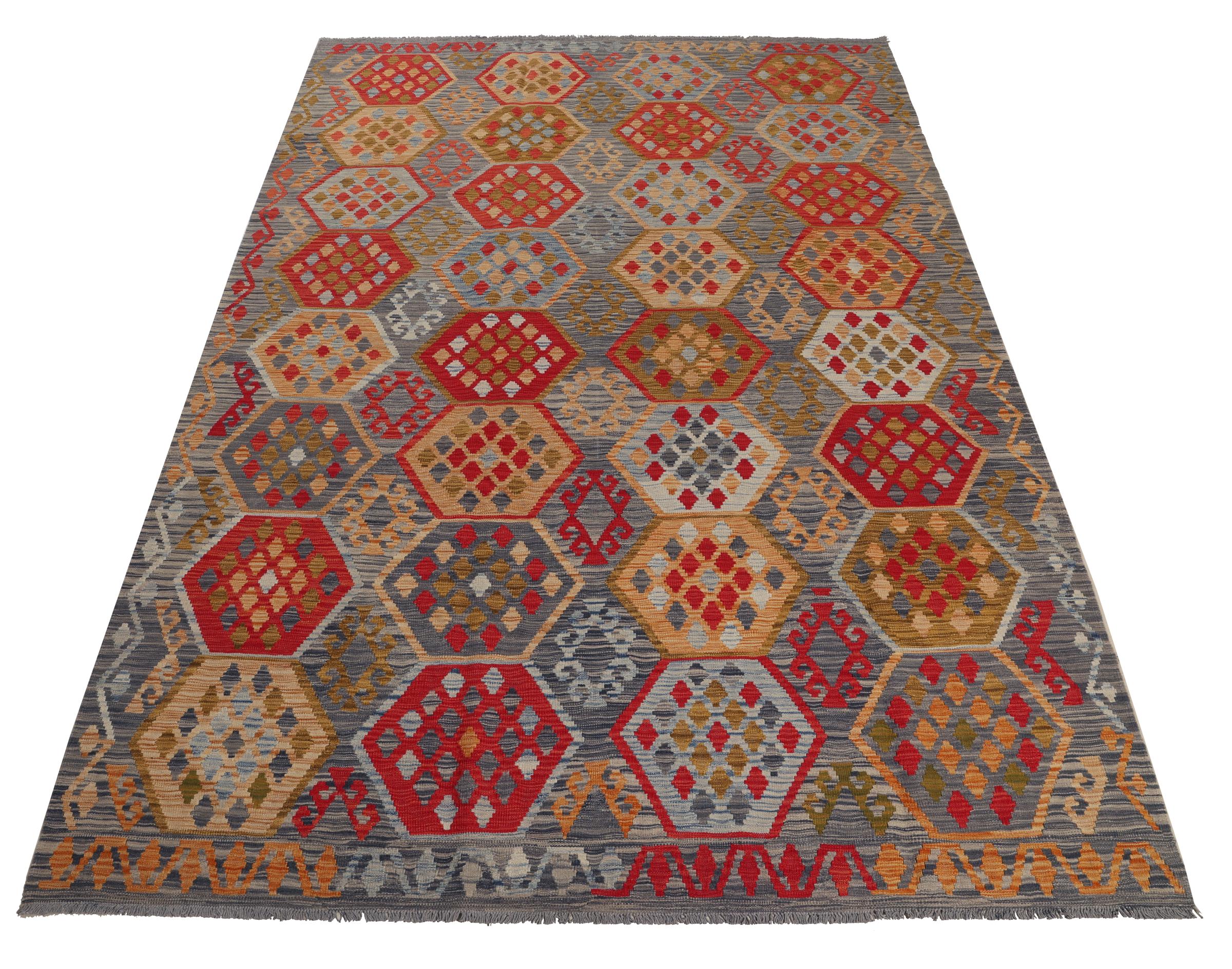
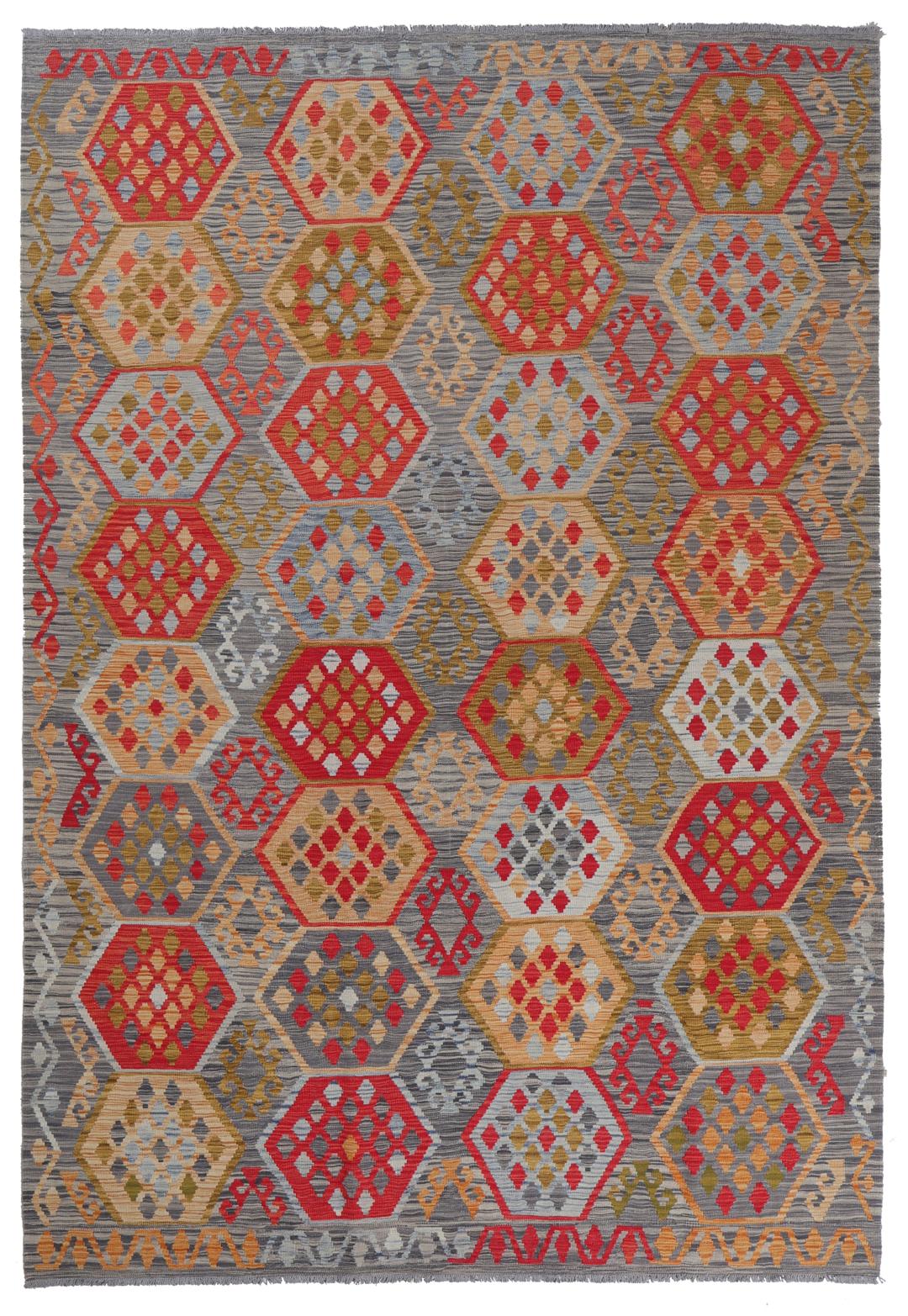
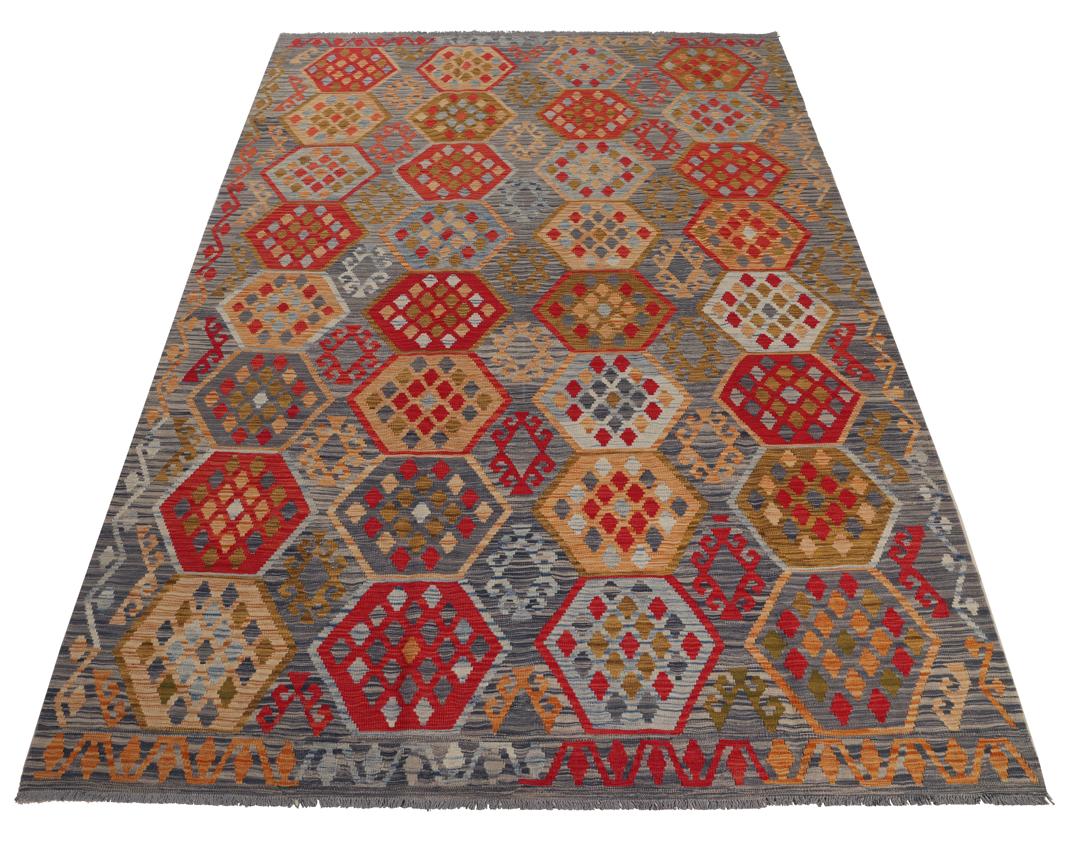
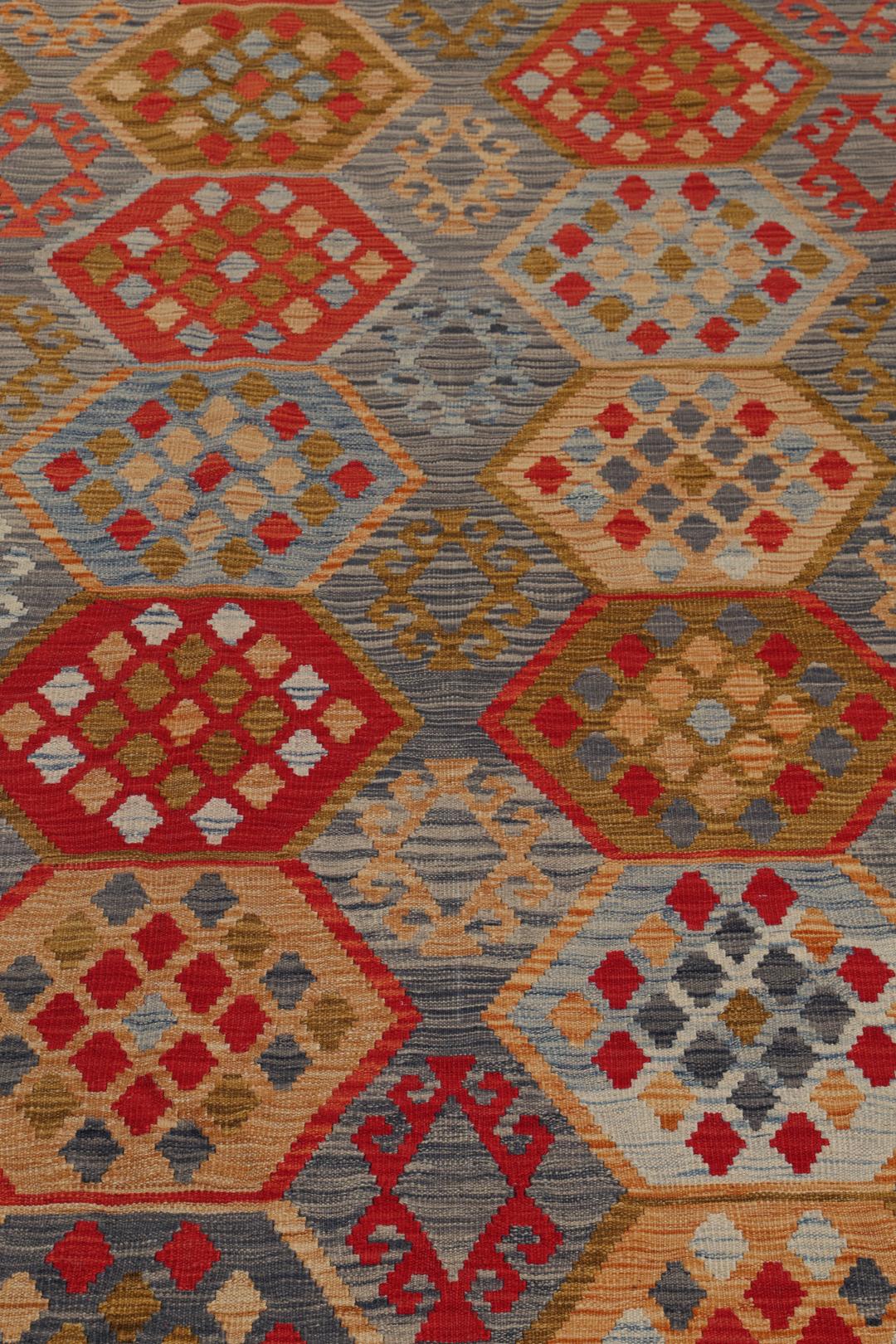
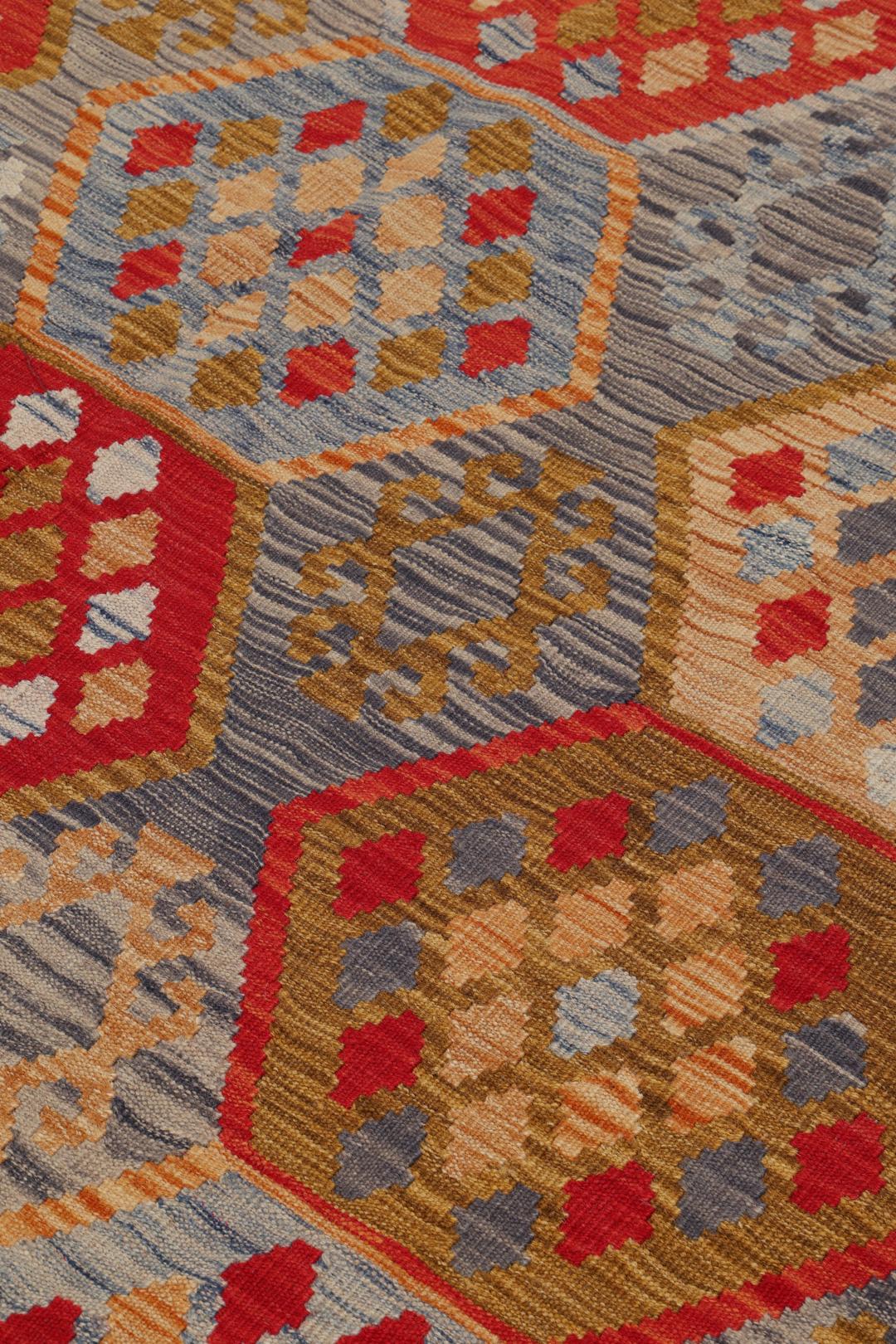
Signature design elements of Afghan Kelims include an emphasis on bold geometric shapes, such as the hexagonal medallions seen here, which are often arranged in repeating patterns. These motifs are not merely decorative but often carry cultural symbols of protection and prosperity. The use of natural, earthy tones contrasted with vibrant reds and blues is a hallmark of this region, reflecting the local landscape and the availability of traditional dyes.
Collecting these rugs is an investment in human heritage. Each piece acts as a historical document, capturing the specific aesthetic choices and skills of the community from which it emerged. To own such a rug is to participate in a long-standing tradition of craft, ensuring that these techniques and the cultural stories they tell continue to be valued in modern homes.