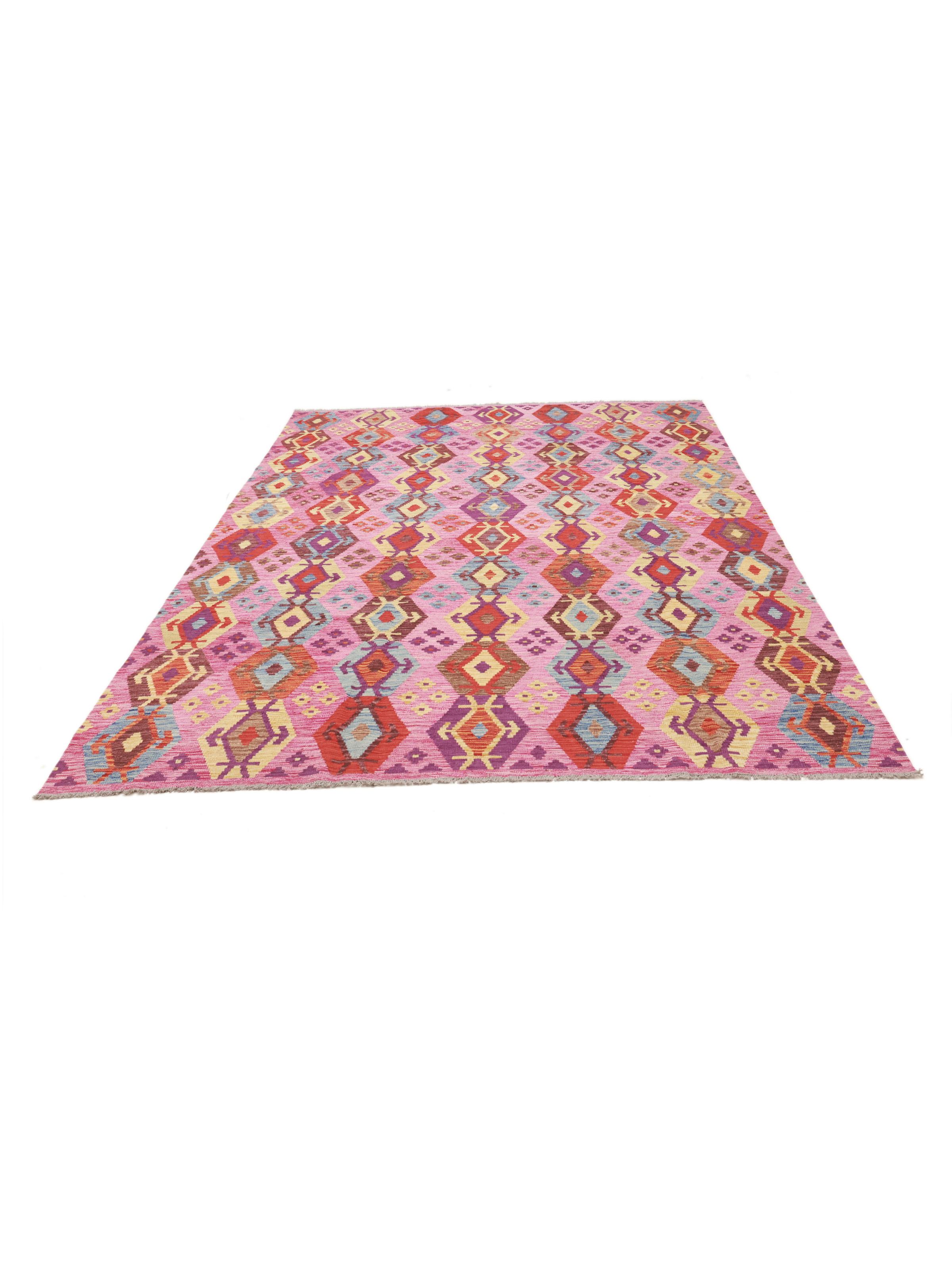
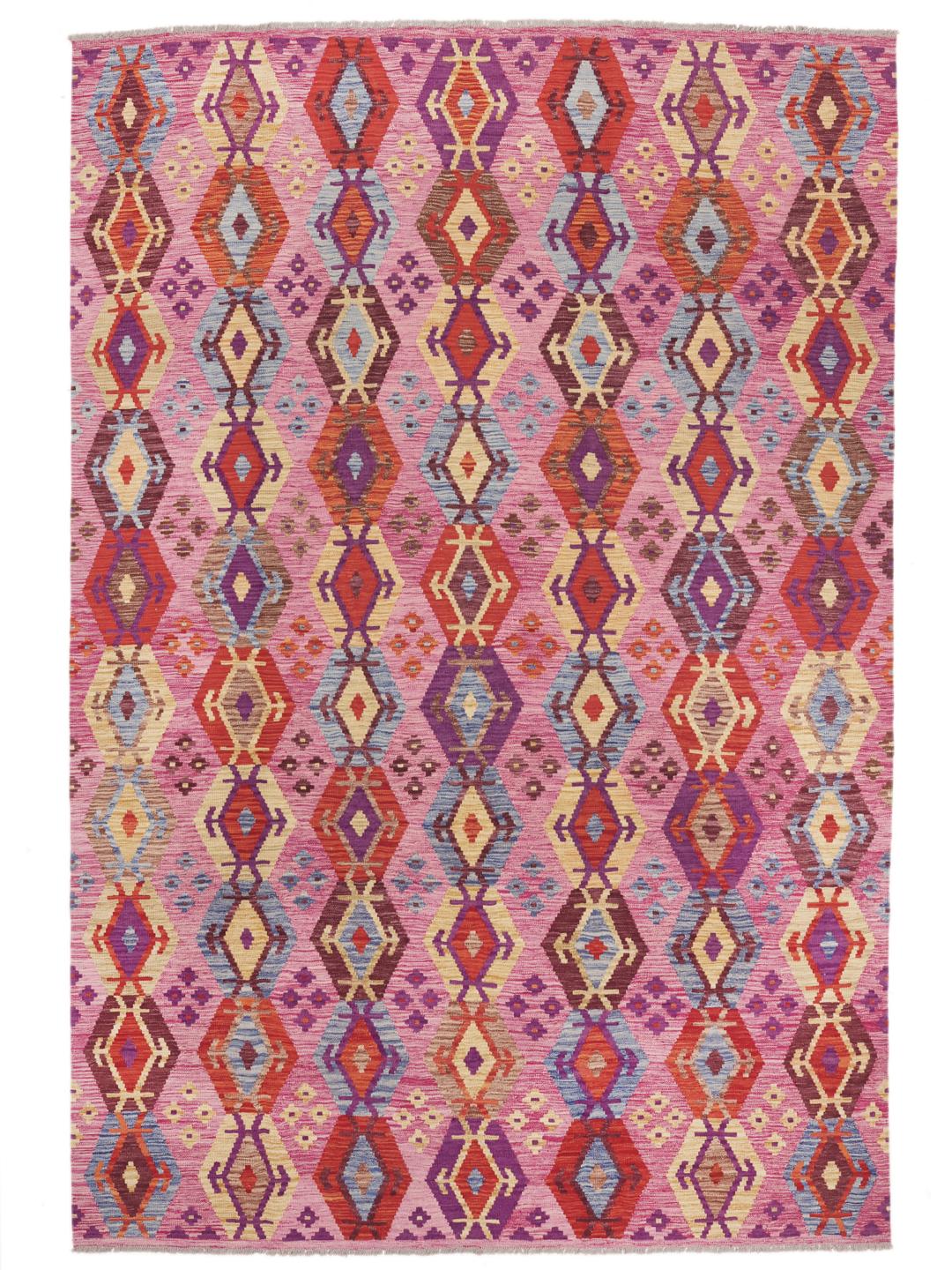
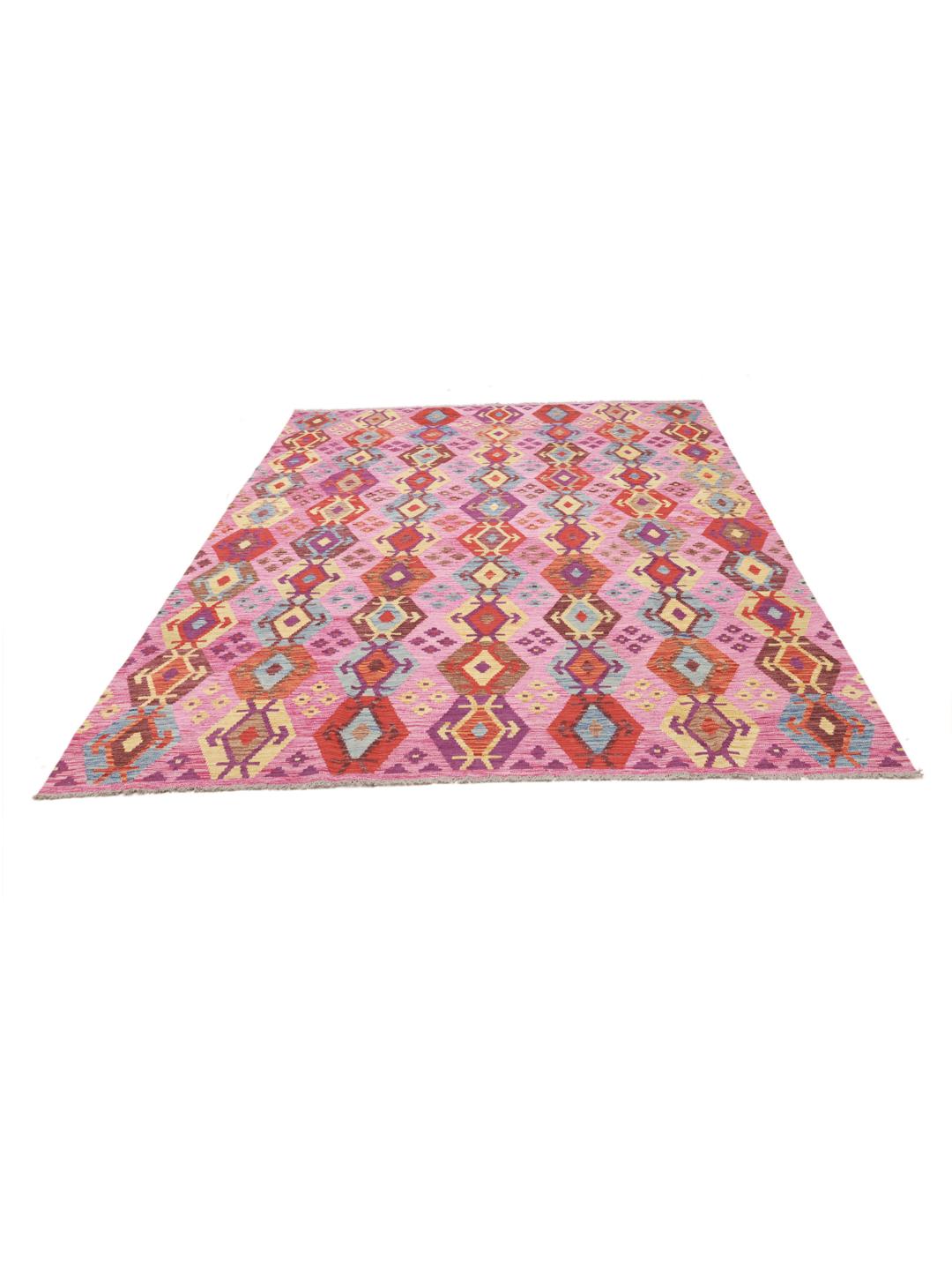
The Afghan Kelim is a testament to the enduring nomadic and village traditions of the Middle East. These rugs are deeply rooted in the cultural history of Afghanistan, where the art of flat-weaving has been passed down through generations. Historically, these textiles were functional items used as floor coverings, wall hangings, or even storage bags by tribal communities, reflecting the practical needs and artistic expressions of their creators.
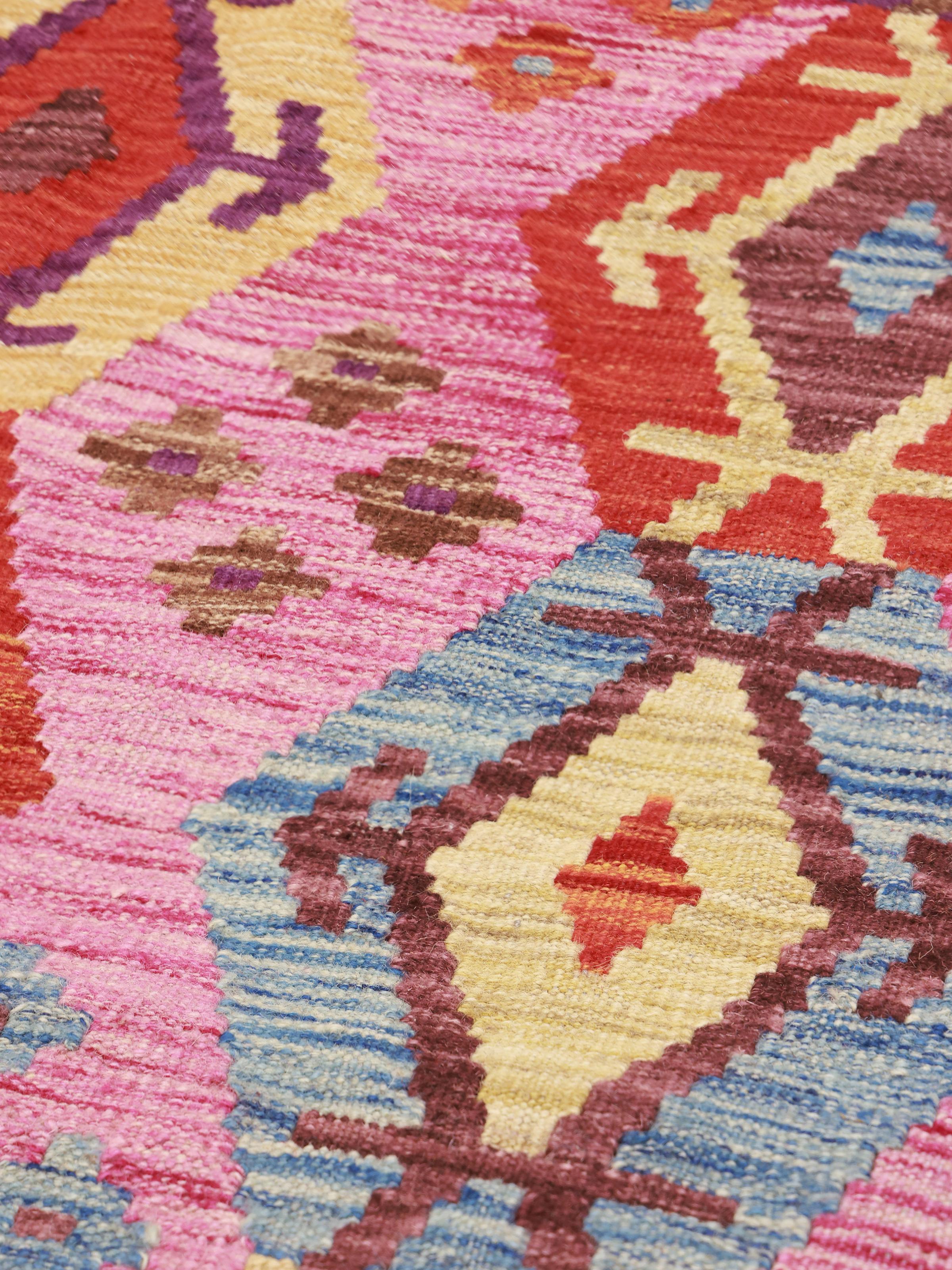
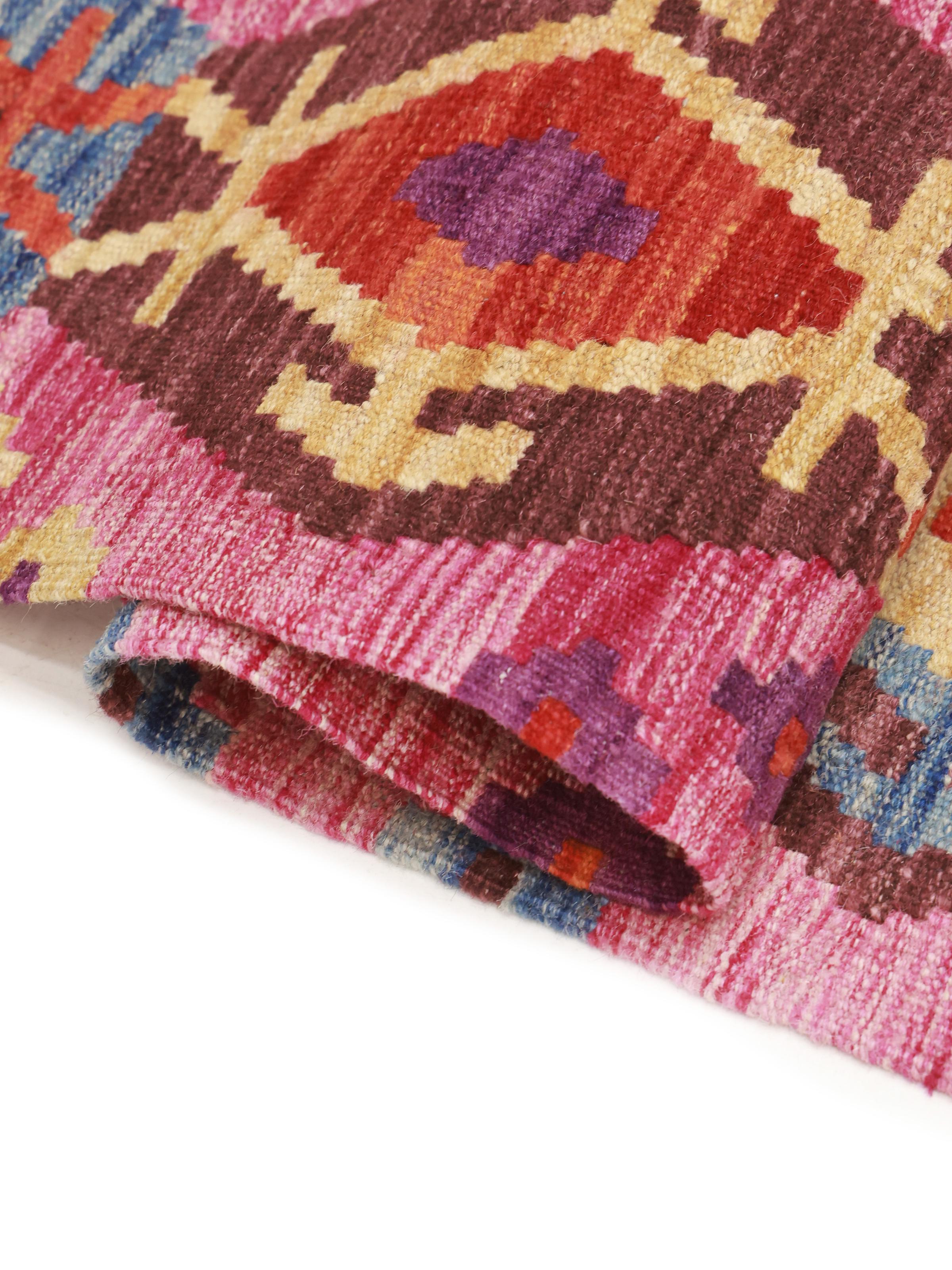
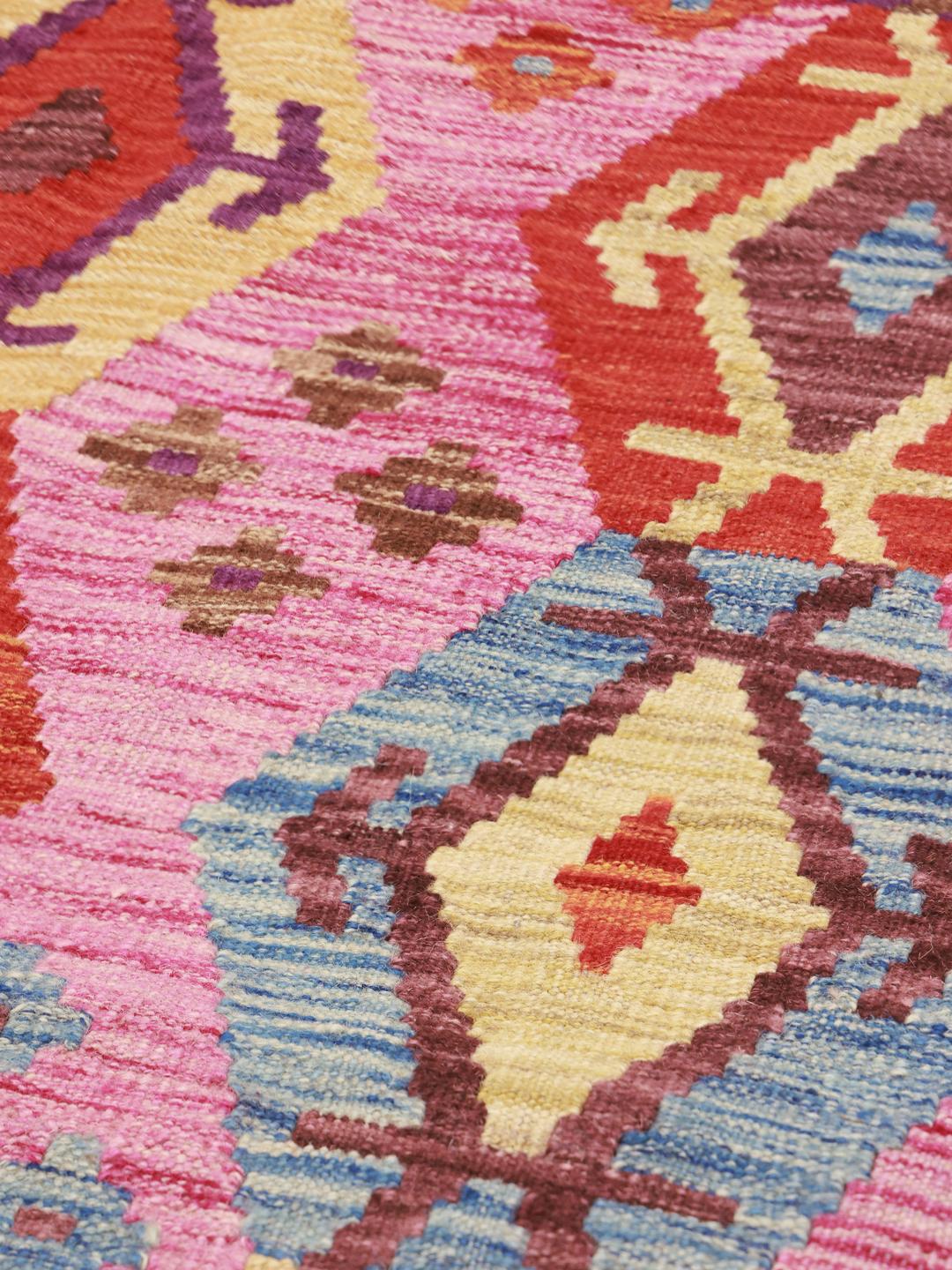
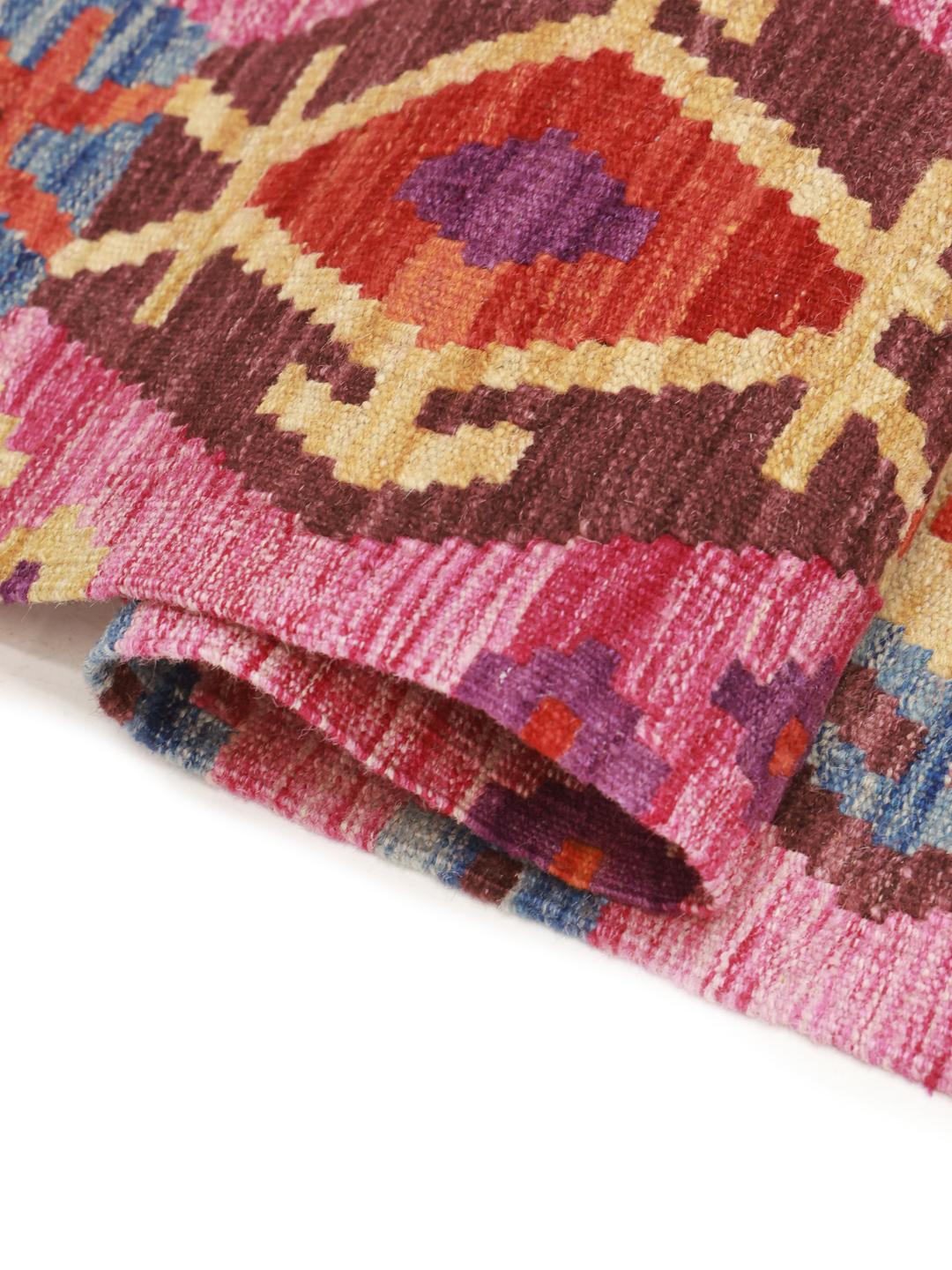
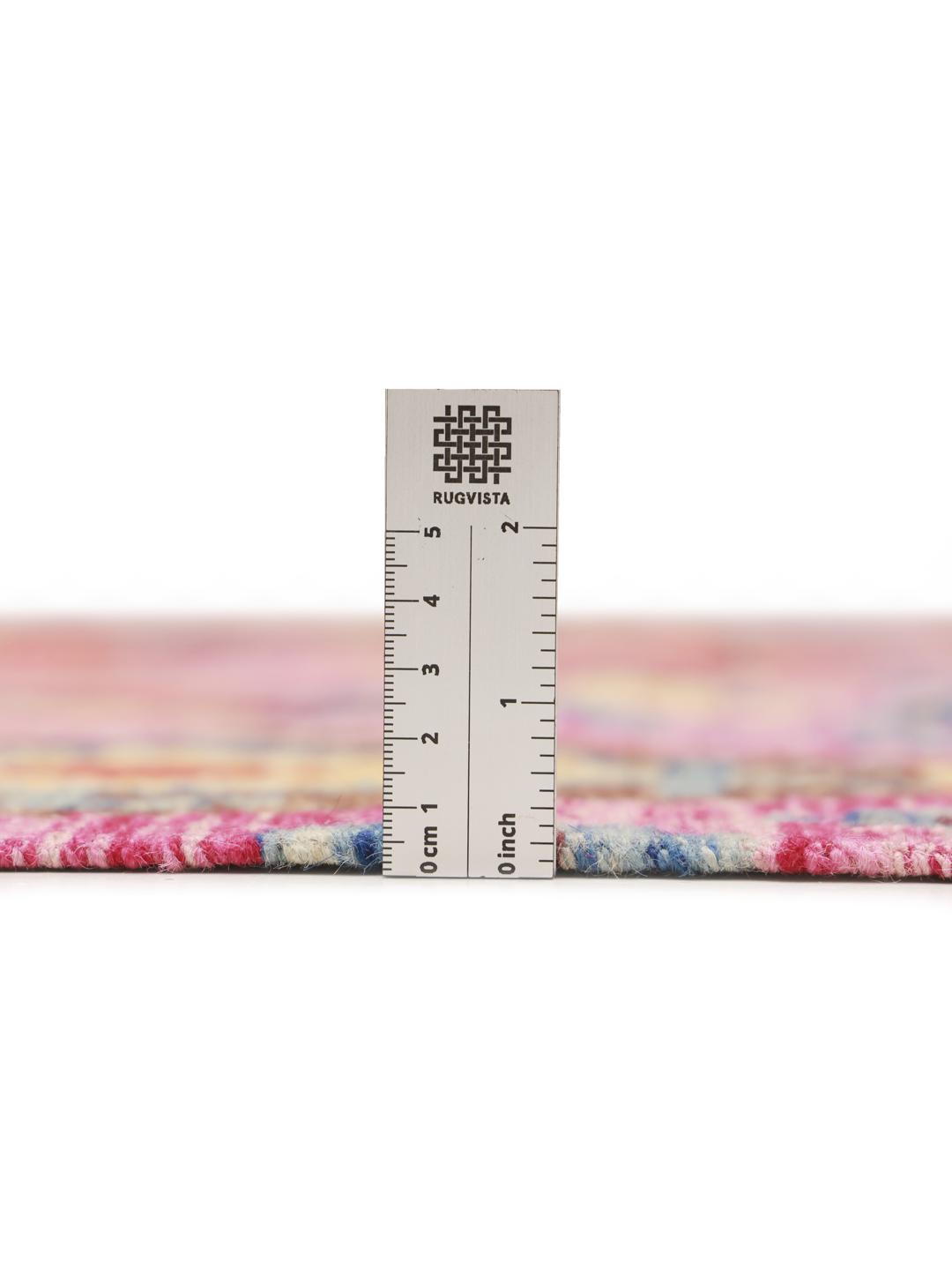
The term 'Kelim' refers specifically to the tapestry-weave technique, which lacks a pile. By interlacing the warp and weft strands tightly, weavers produce a thin, durable, and reversible rug that is lightweight yet incredibly strong. This technique allows for sharp, crisp geometric designs, as the patterns are created by the weave itself rather than by knots, resulting in a cleaner and more graphic appearance.
Signature design elements of these pieces often include bold diamonds, triangles, and intricate borders. The patterns are usually symbolic, carrying meanings that relate to the weaver's environment, beliefs, or tribal identity. The use of vibrant, natural dyes—or high-quality modern equivalents that mimic the depth of traditional colours—is a hallmark of this tradition, turning every rug into a storytelling medium.
Today, these rugs are highly prized by collectors and homeowners alike for their cultural weight and aesthetic versatility. Owning an Afghan Kelim is more than just a decor choice; it is an appreciation of a craft that has survived centuries of change. It represents a connection to the artisans whose hands have shaped these motifs, offering a sense of heritage and timeless artistry that brings a unique narrative into your living space.