The Kelim tradition in the Middle East is deeply rooted in the nomadic history of the region, where these flat-woven rugs served as essential, portable elements of daily life. Historically, these textiles were used as floor coverings, wall hangings, and storage bags, designed to be durable enough for the rigours of travel while reflecting the aesthetic identity of the weaving tribes.
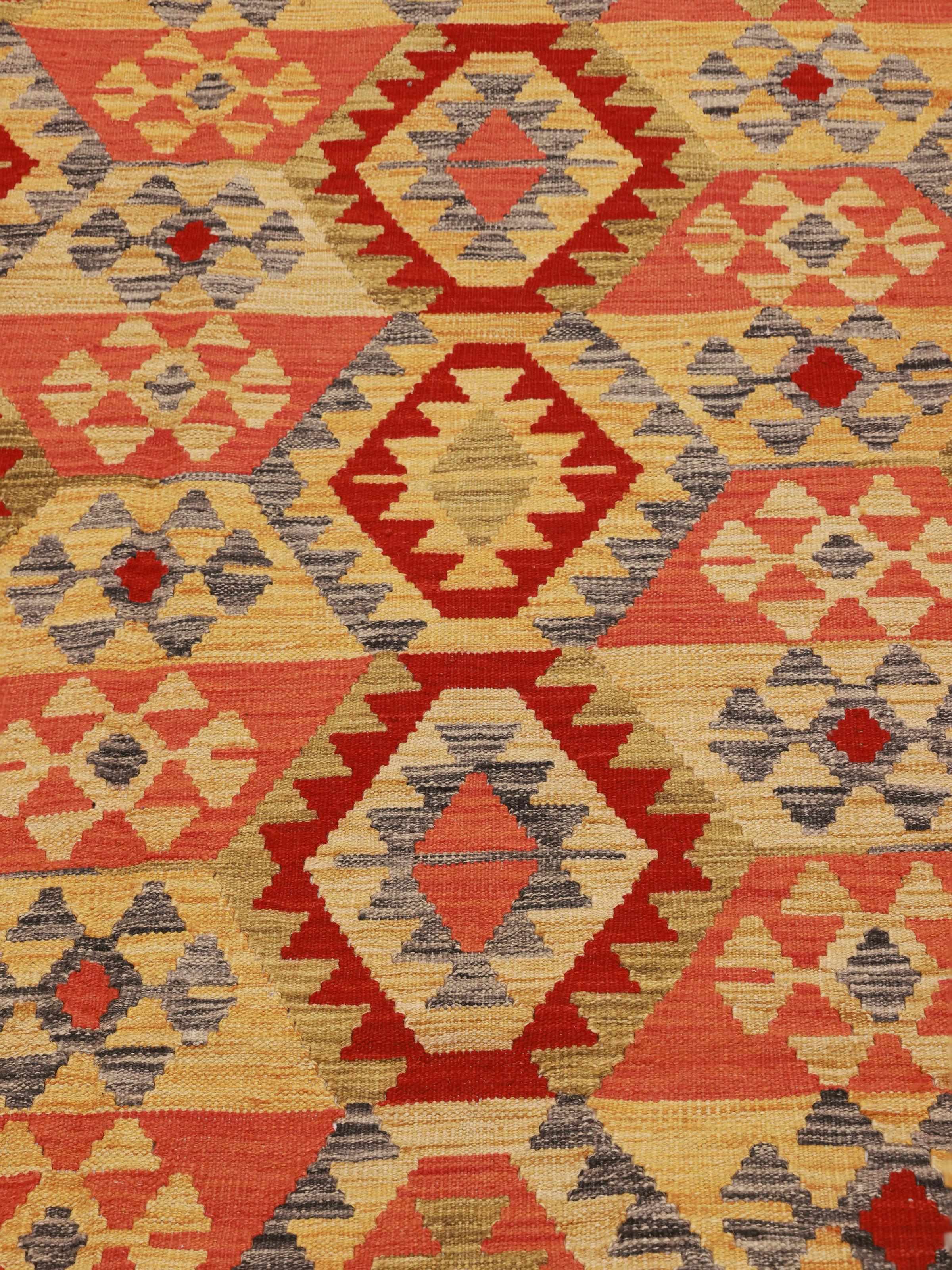
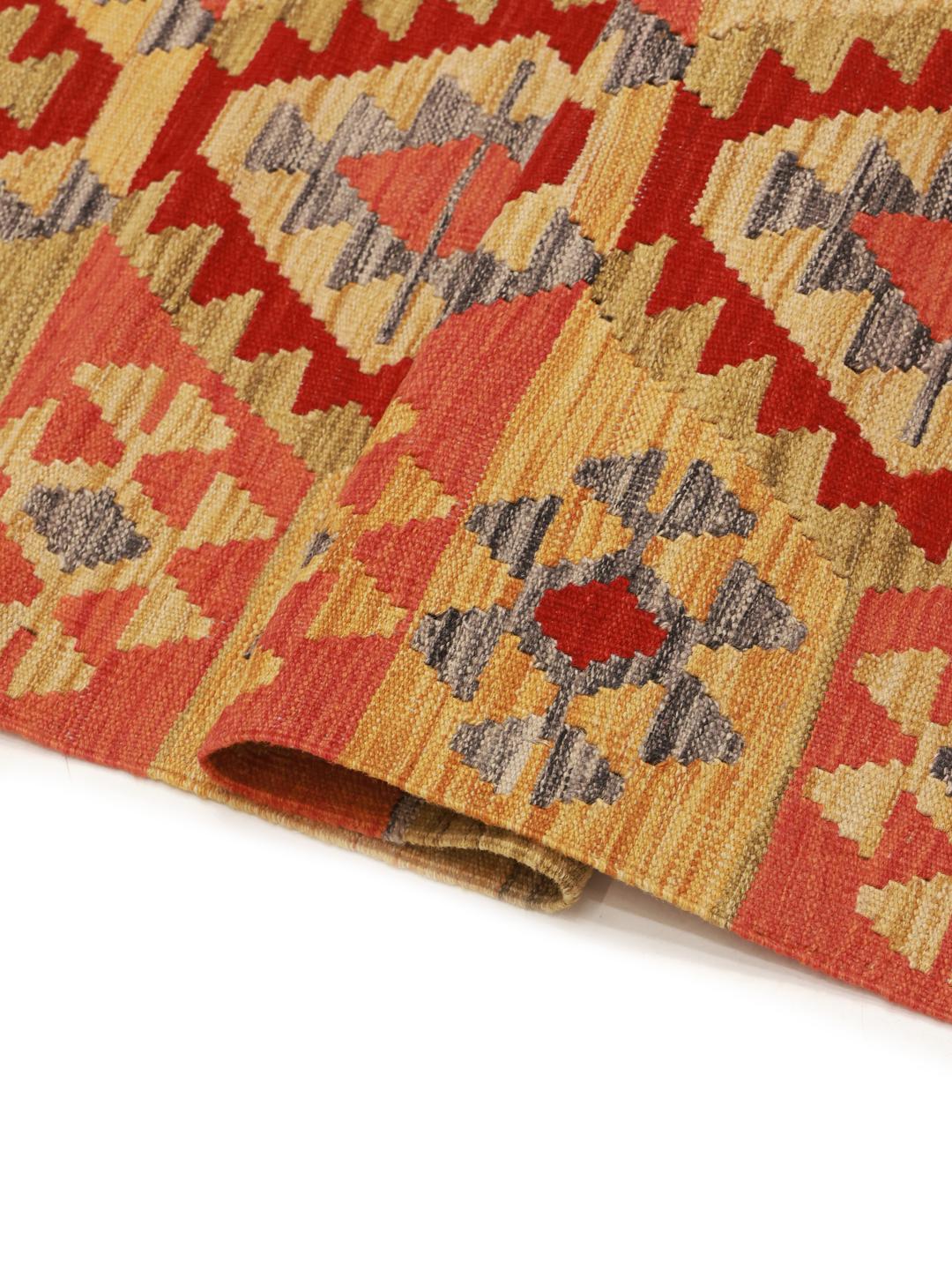
The term 'Kelim' refers to the specific slit-weave technique used to create these rugs. By interweaving the coloured weft threads through the warp, weavers create a pattern that is identical on both sides, which is a hallmark of authentic, high-quality flat-weaves. This technique produces a thin, versatile fabric that is prized for its strength and refined appearance.
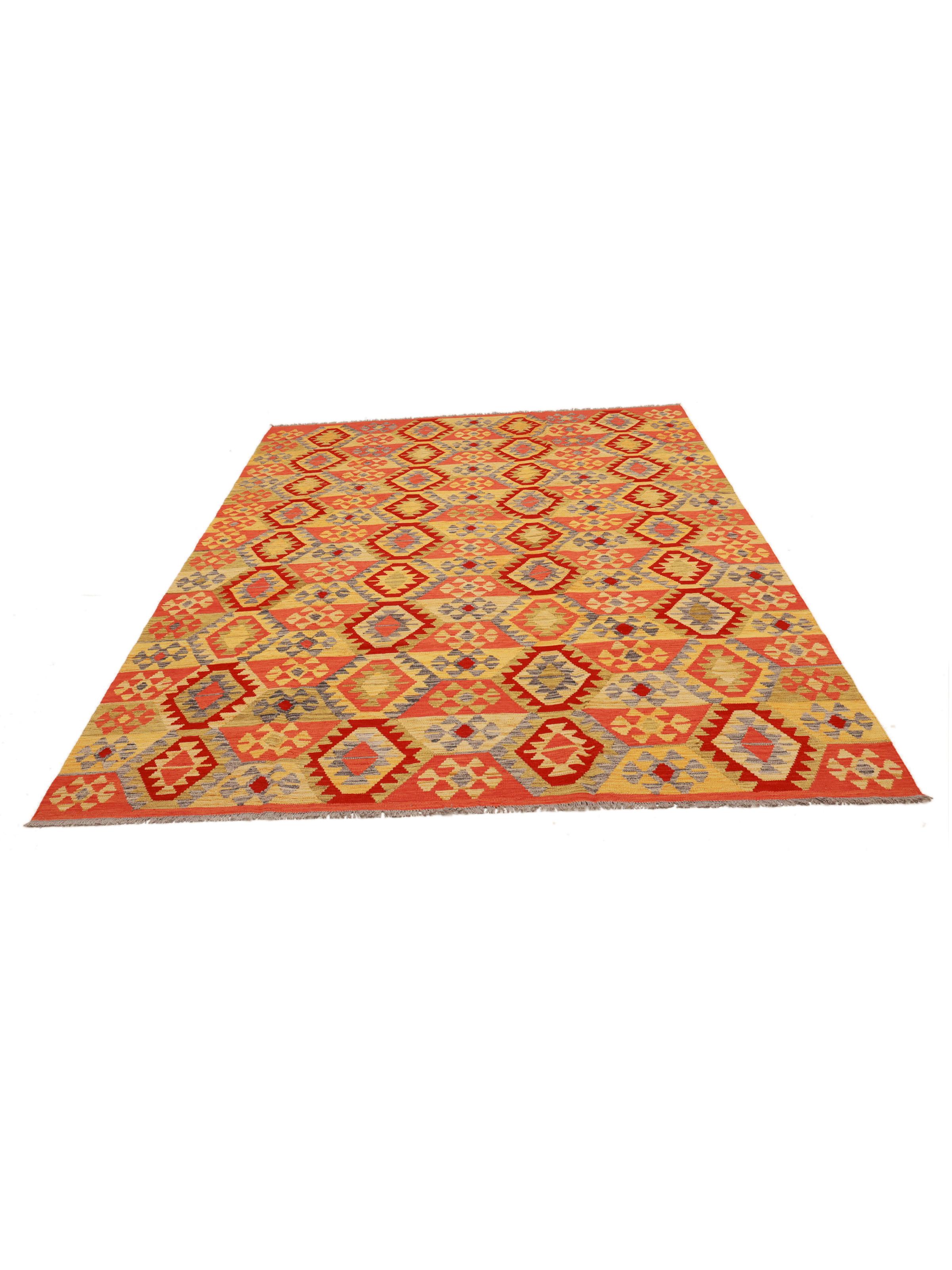
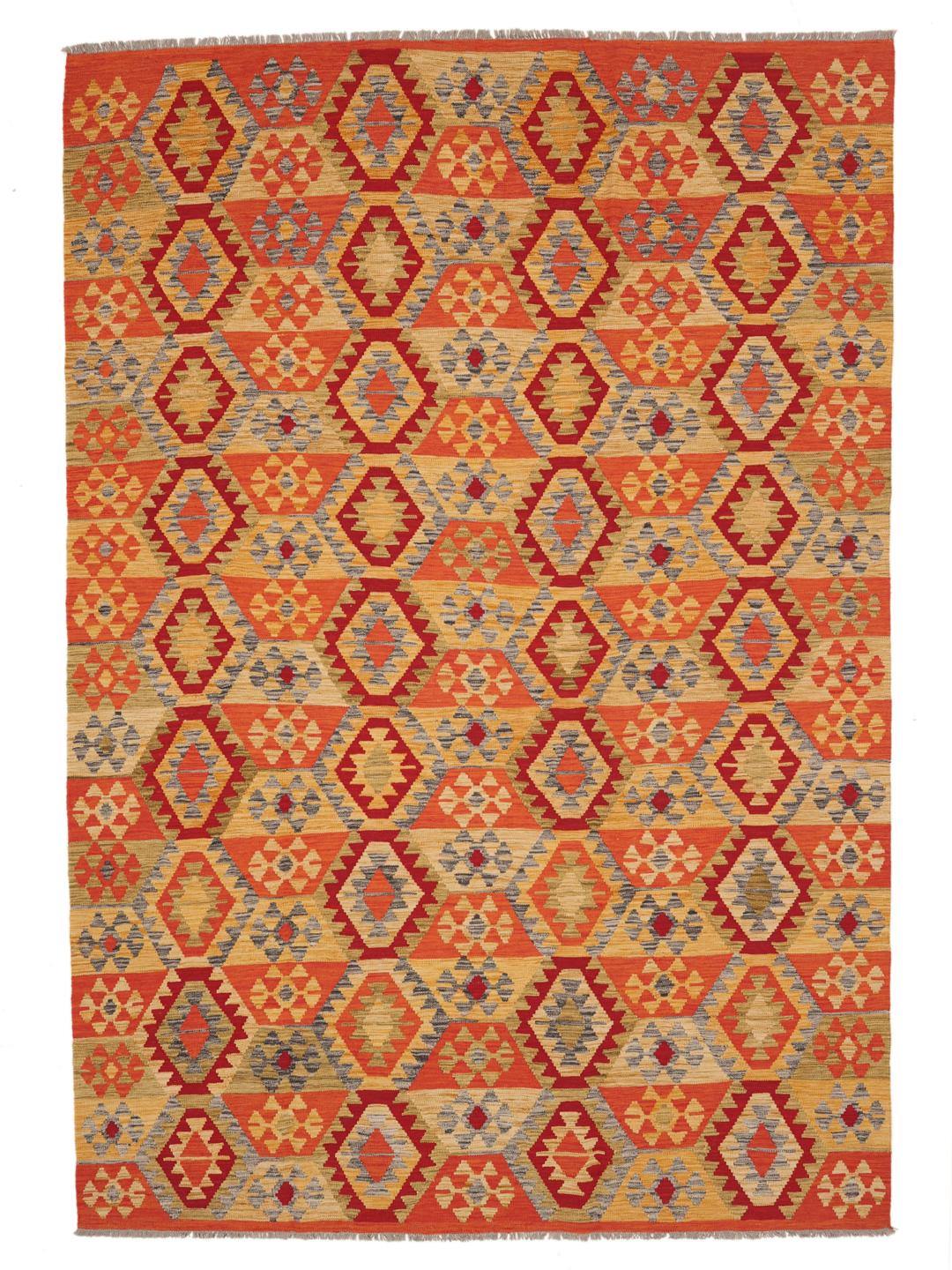
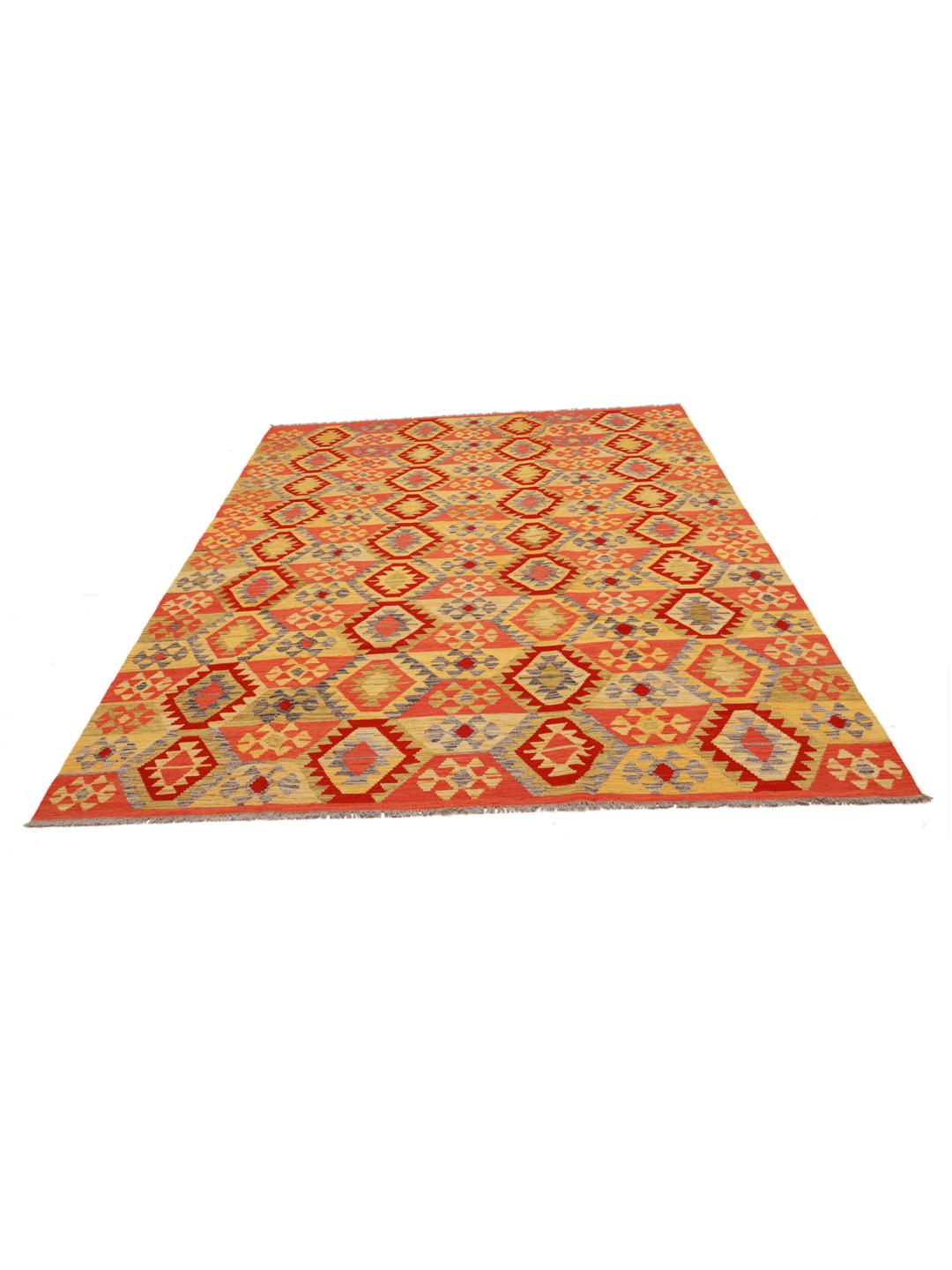
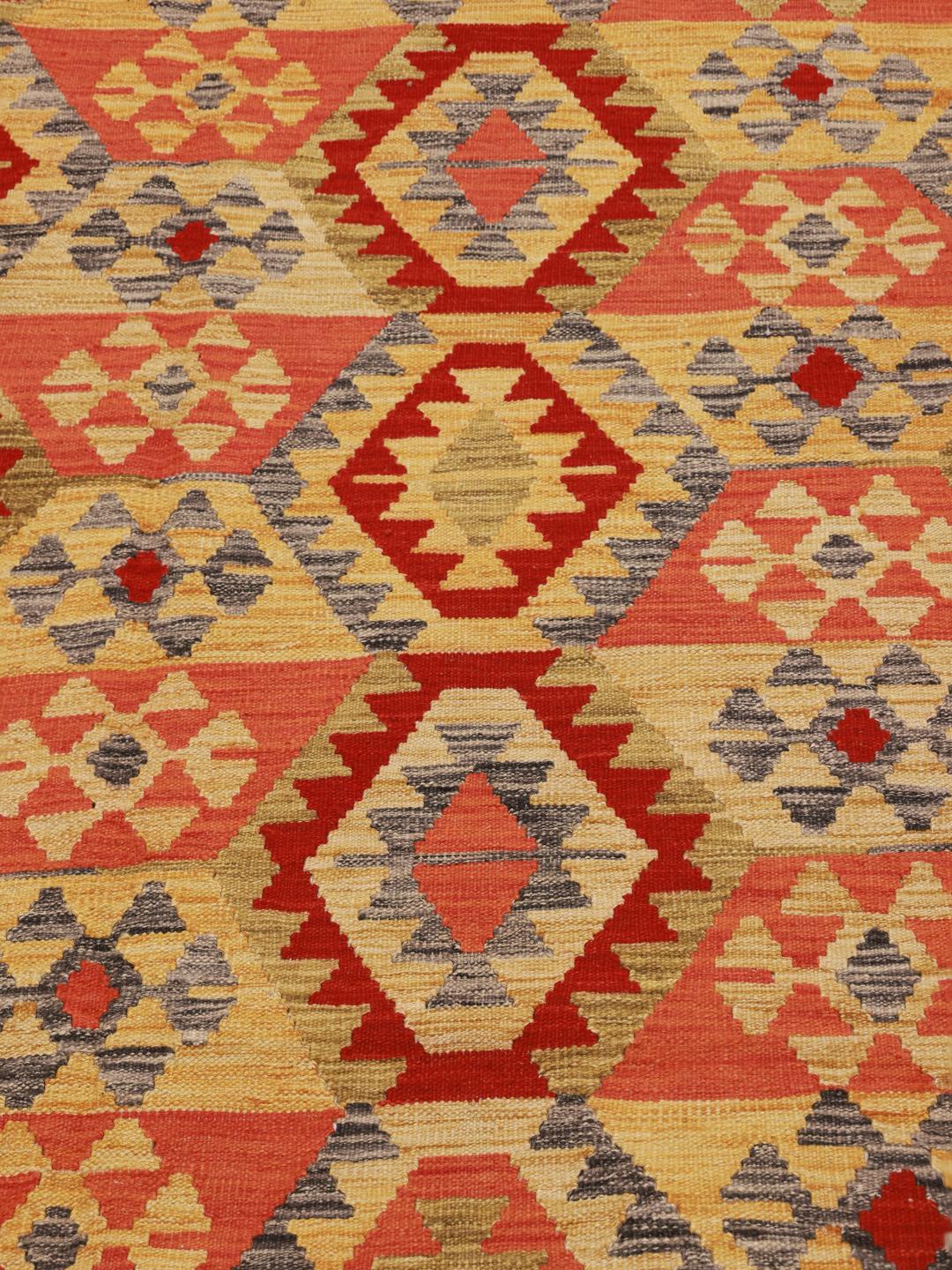
Visually, these rugs are defined by bold geometric motifs and a traditional approach to colour that often utilises natural dyes. The patterns frequently incorporate diamonds, triangles, and stylised floral motifs that carry symbolic meaning for the weavers, often representing protection or the natural environment. This specific piece showcases a harmonious balance of these traditional shapes, organised into a rhythmic, repeating composition.
Collecting a Kelim from this tradition is an investment in cultural heritage. Each piece represents a connection to a long-standing craft that has evolved through generations, capturing the skill and visual language of the region. Owning such a rug is a way to bring a piece of this rich, nomadic history into your modern home, valuing the human effort and artistic legacy it embodies.