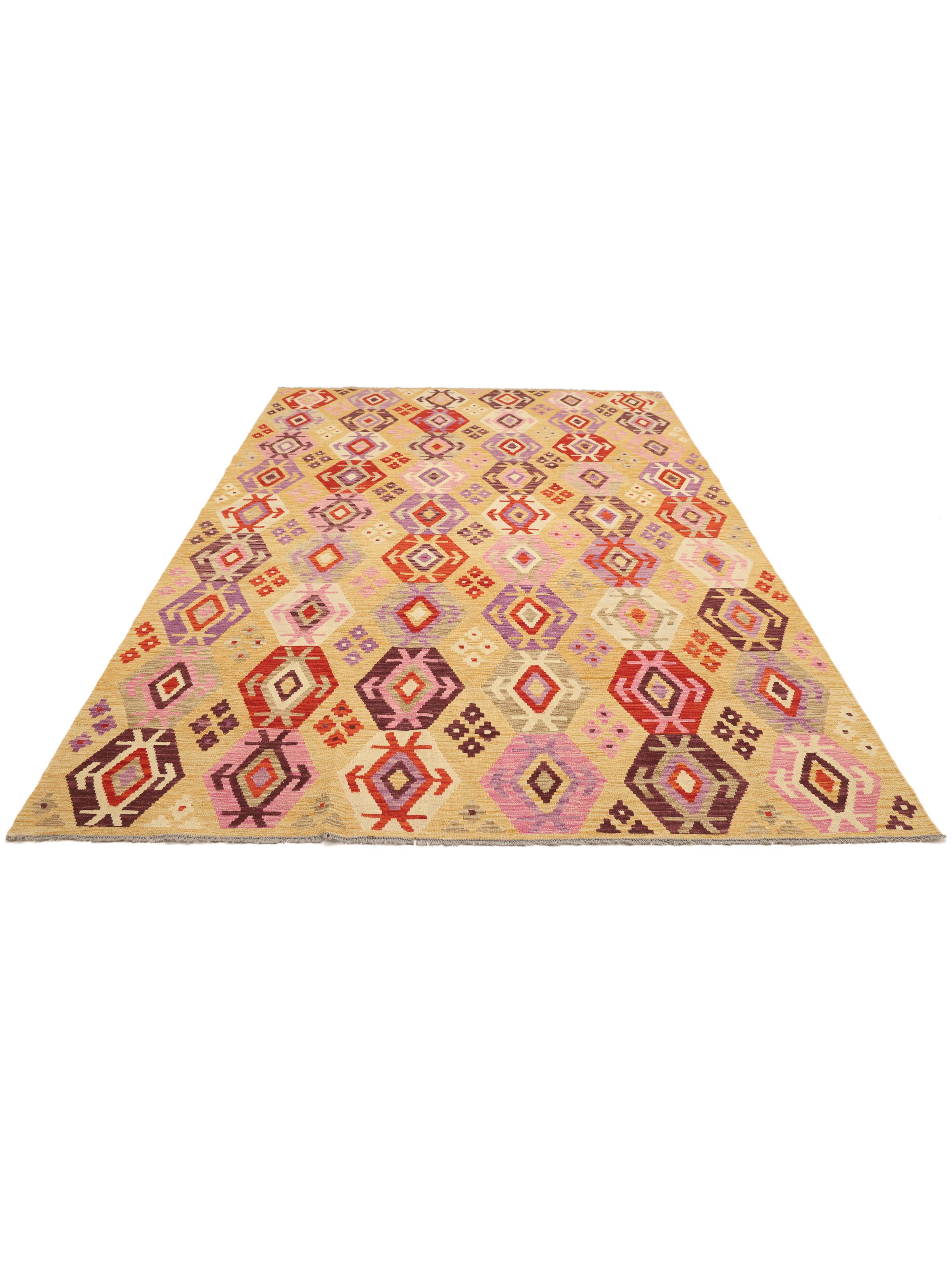
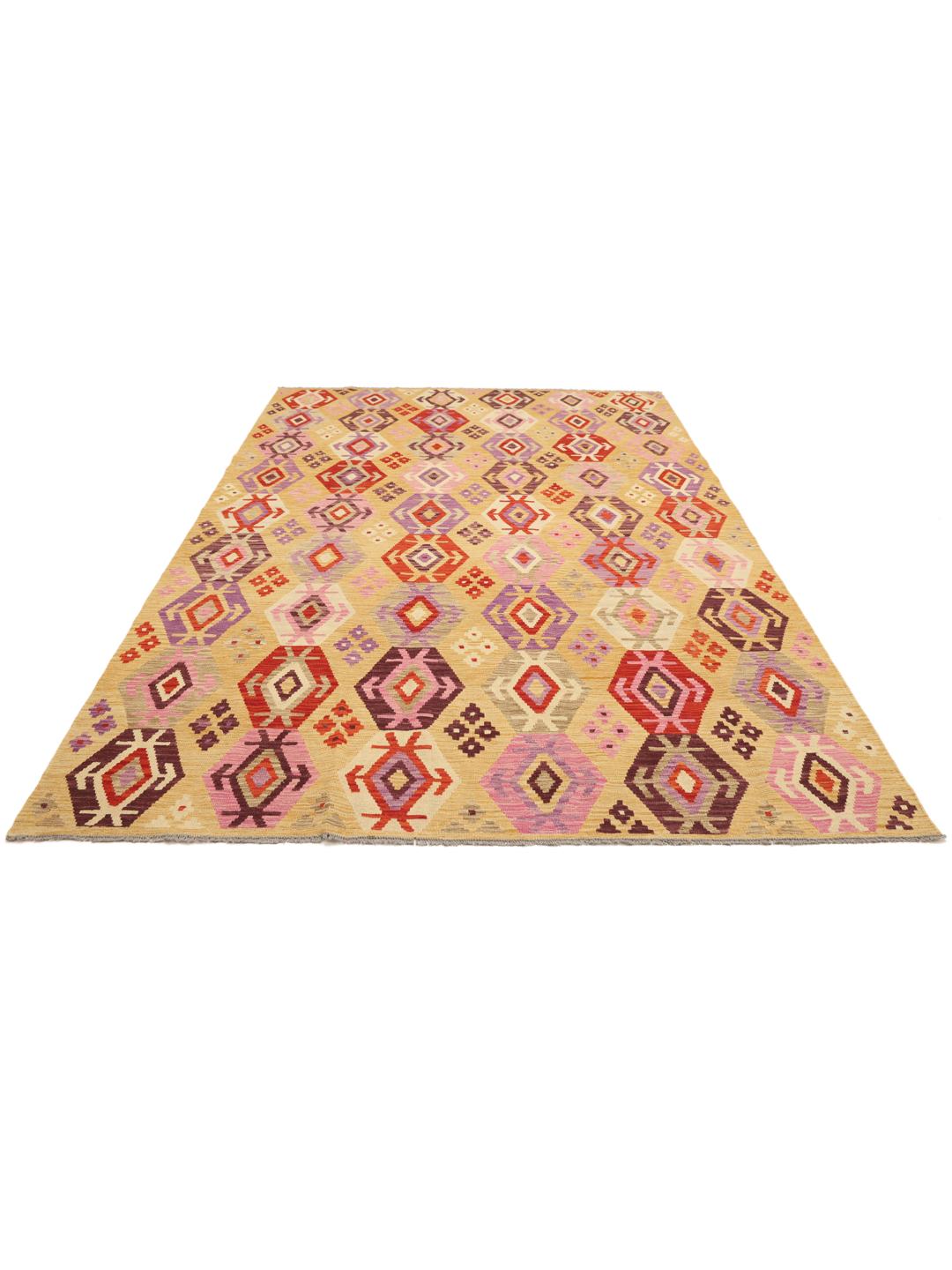
Kelim rugs from Afghanistan are deeply rooted in the nomadic traditions of the Middle East. These flat-woven textiles have historically served as both functional floor coverings and essential decorative elements within tribal tents, prized for their portability and exceptional strength. Over generations, these rugs have evolved from purely utilitarian items into highly sought-after pieces of cultural heritage.
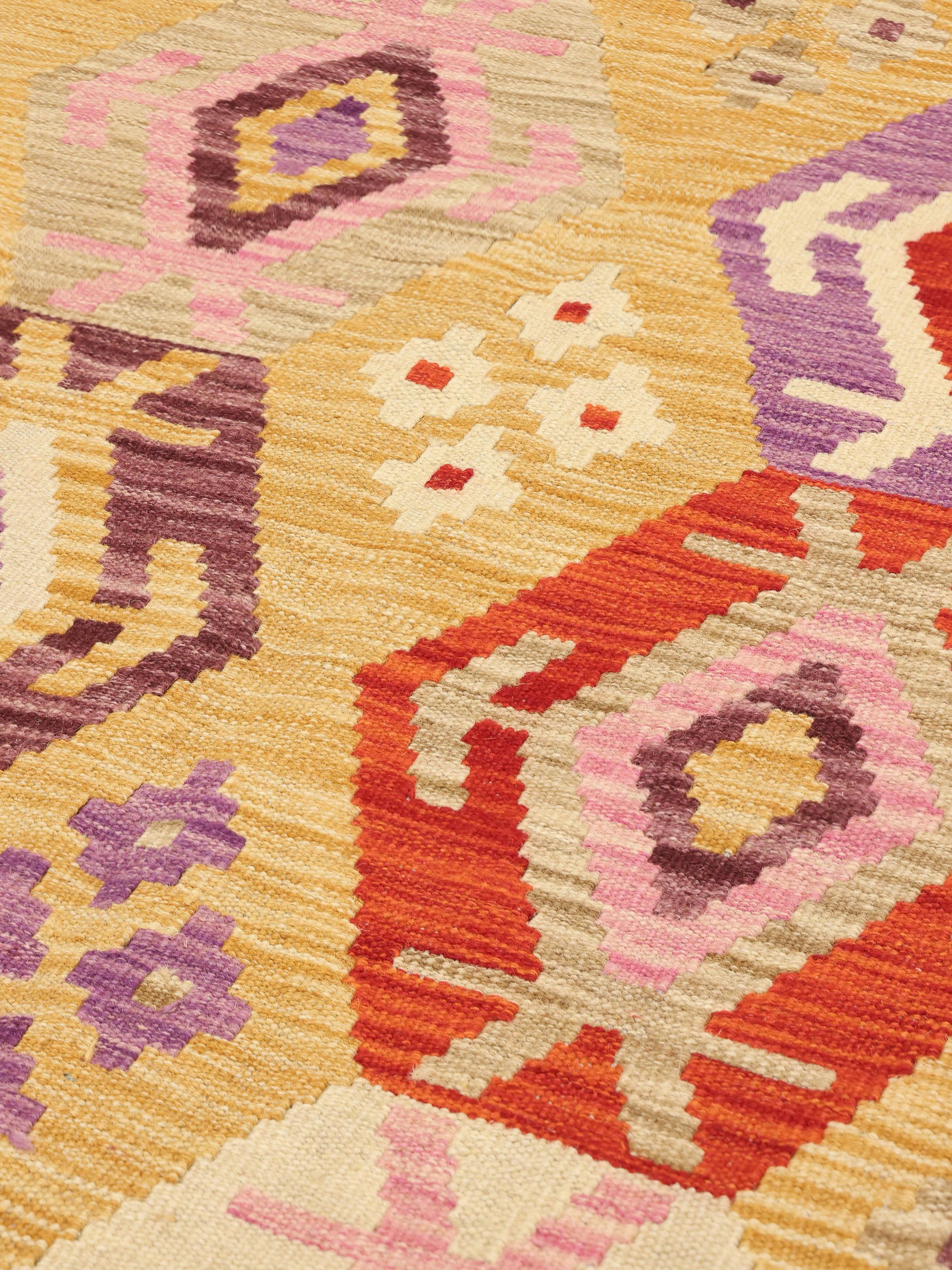
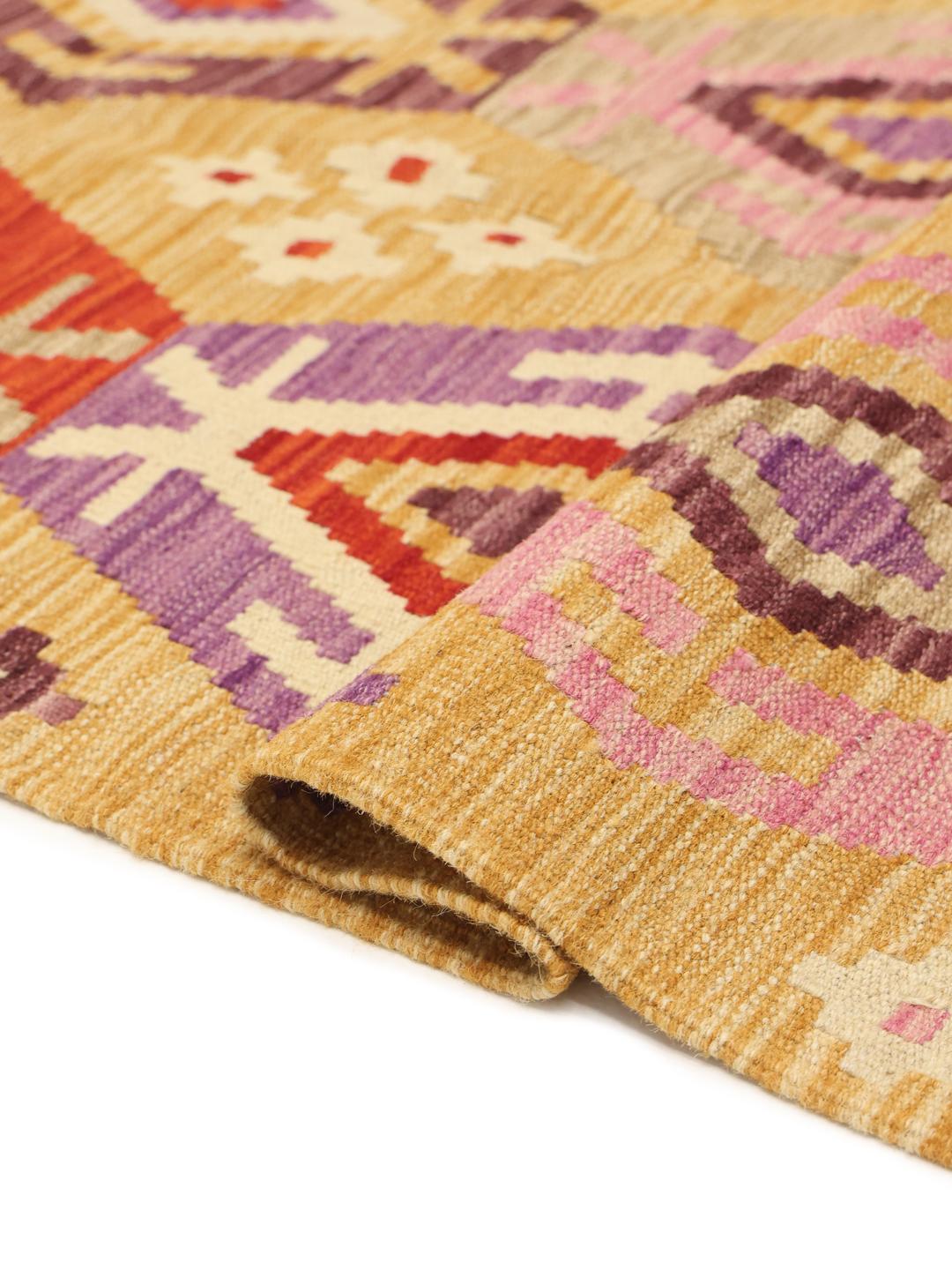
The term Kelim refers to the specific slit-weave technique used to create these rugs, where the weft threads are passed back and forth through the warp to create clean, sharp patterns without the need for a pile. This technical approach results in a reversible, lightweight, and durable rug. The quality of a Kelim is often defined by the tightness of this weave, which determines the longevity and the clarity of the geometric motifs.
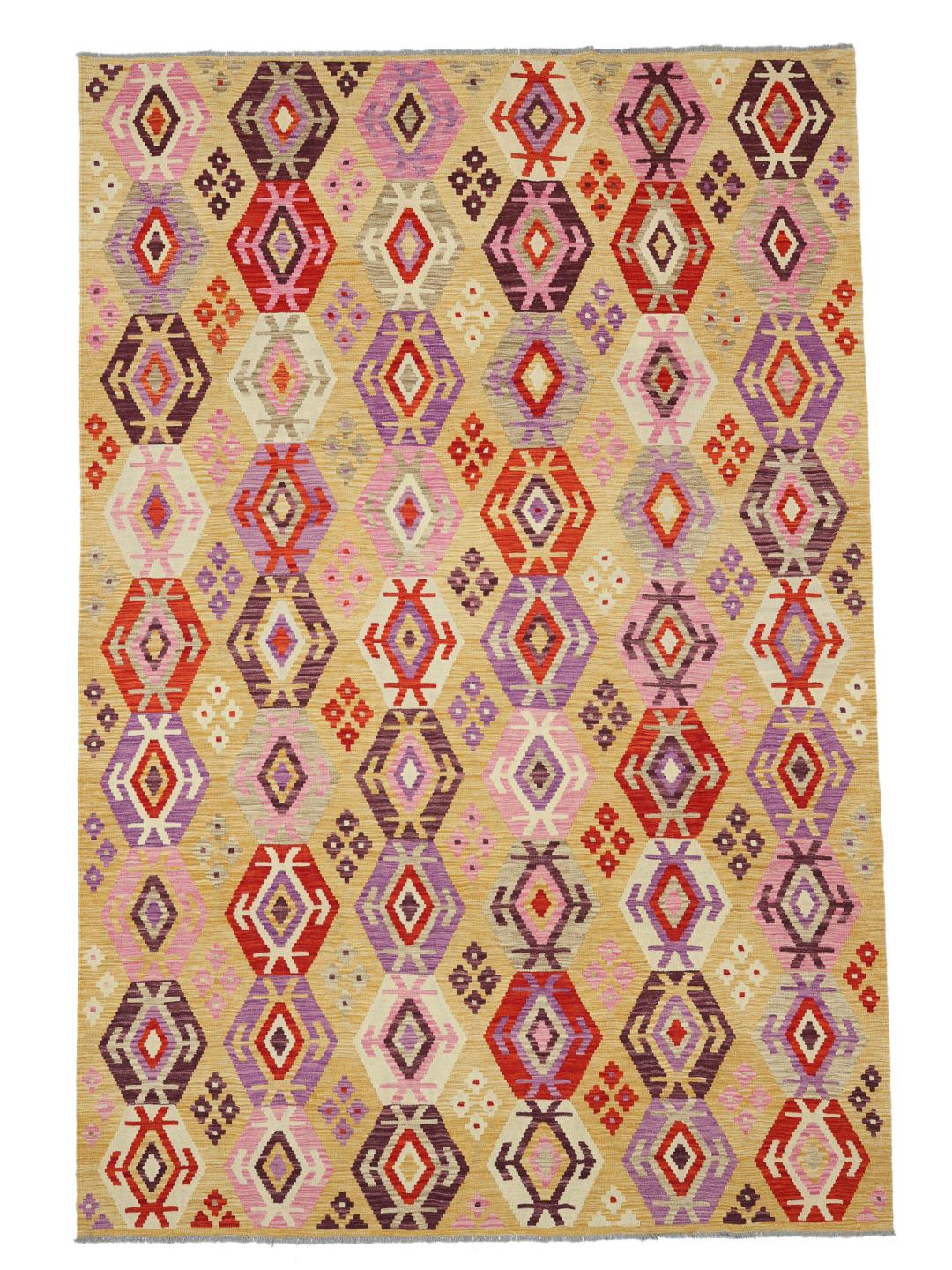
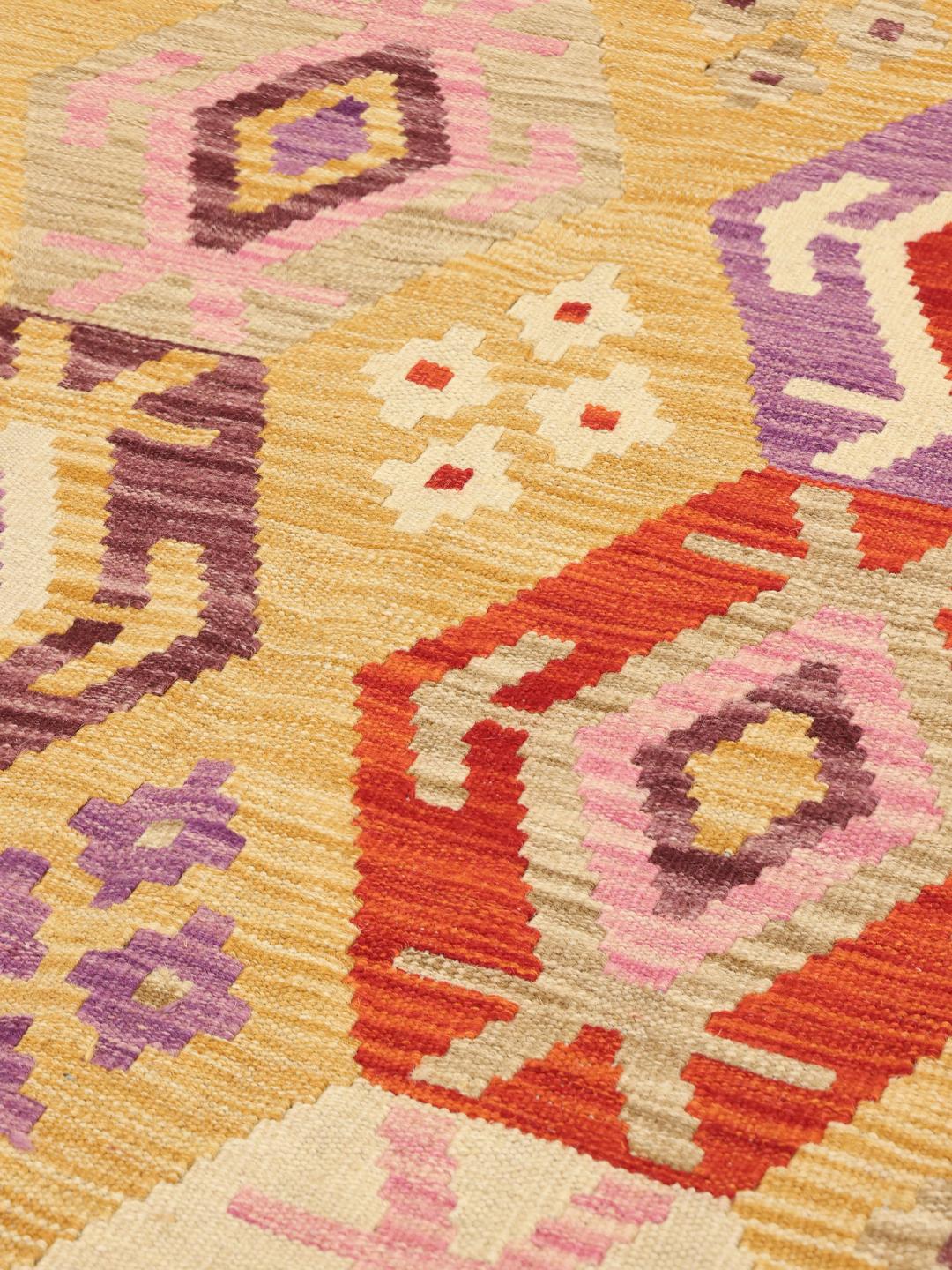
Signature design elements in Afghan Kelims often feature bold, repeating geometric shapes, particularly diamonds and hexagons. These patterns are frequently arranged in complex, rhythmic layouts that reflect the artistic storytelling of the weavers. The use of vibrant, contrasting colours is a hallmark of this tradition, often derived from natural dyes that age beautifully over time, giving each rug a unique depth.
Owning an Afghan Kelim is an opportunity to connect with a rich history of craftsmanship. These rugs are valued by collectors for their authenticity and the skill required to execute such precise patterns by hand. By bringing such a piece into your home, you are preserving a legacy of artistry and adding a layer of cultural depth that modern, mass-produced items simply cannot replicate.