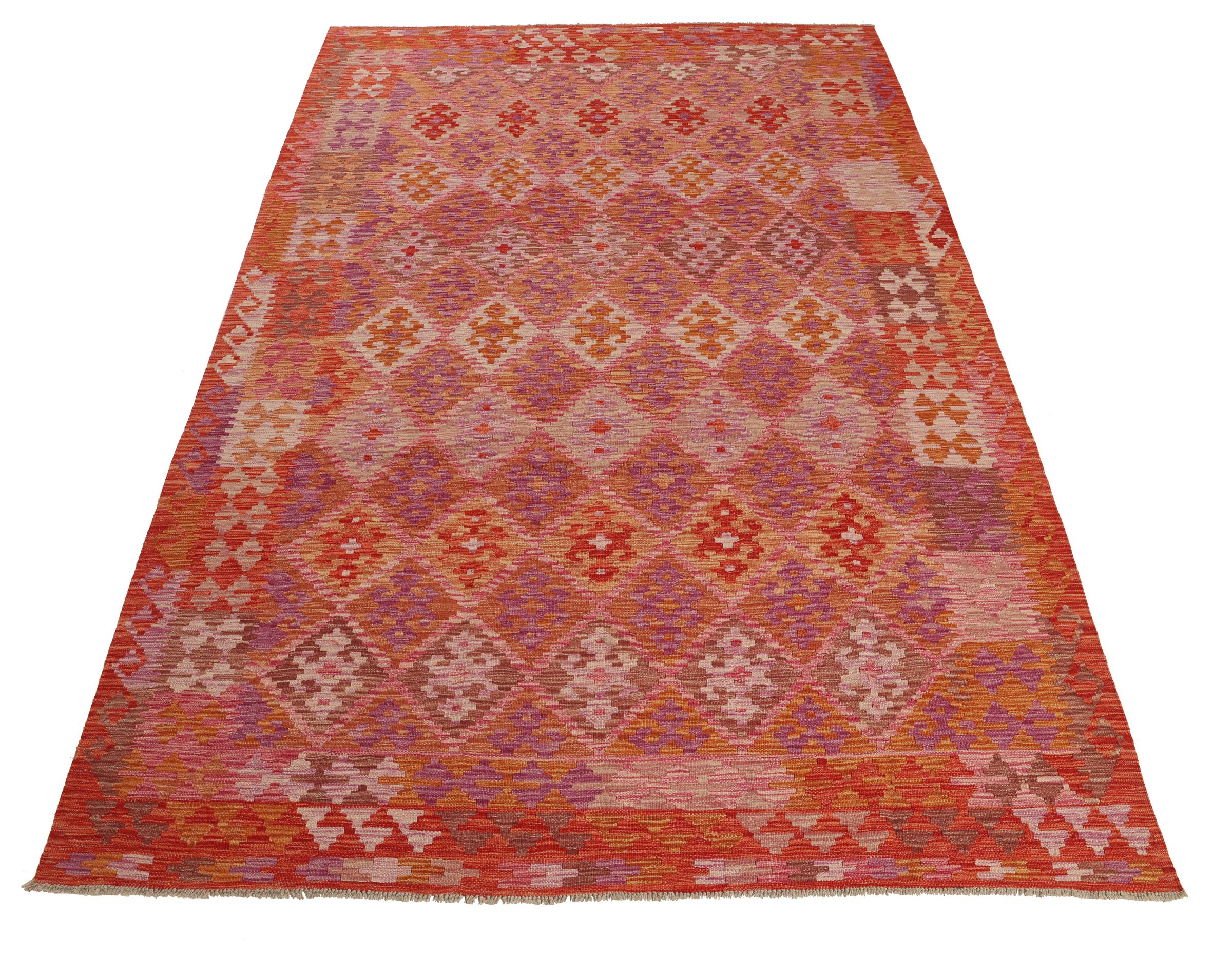
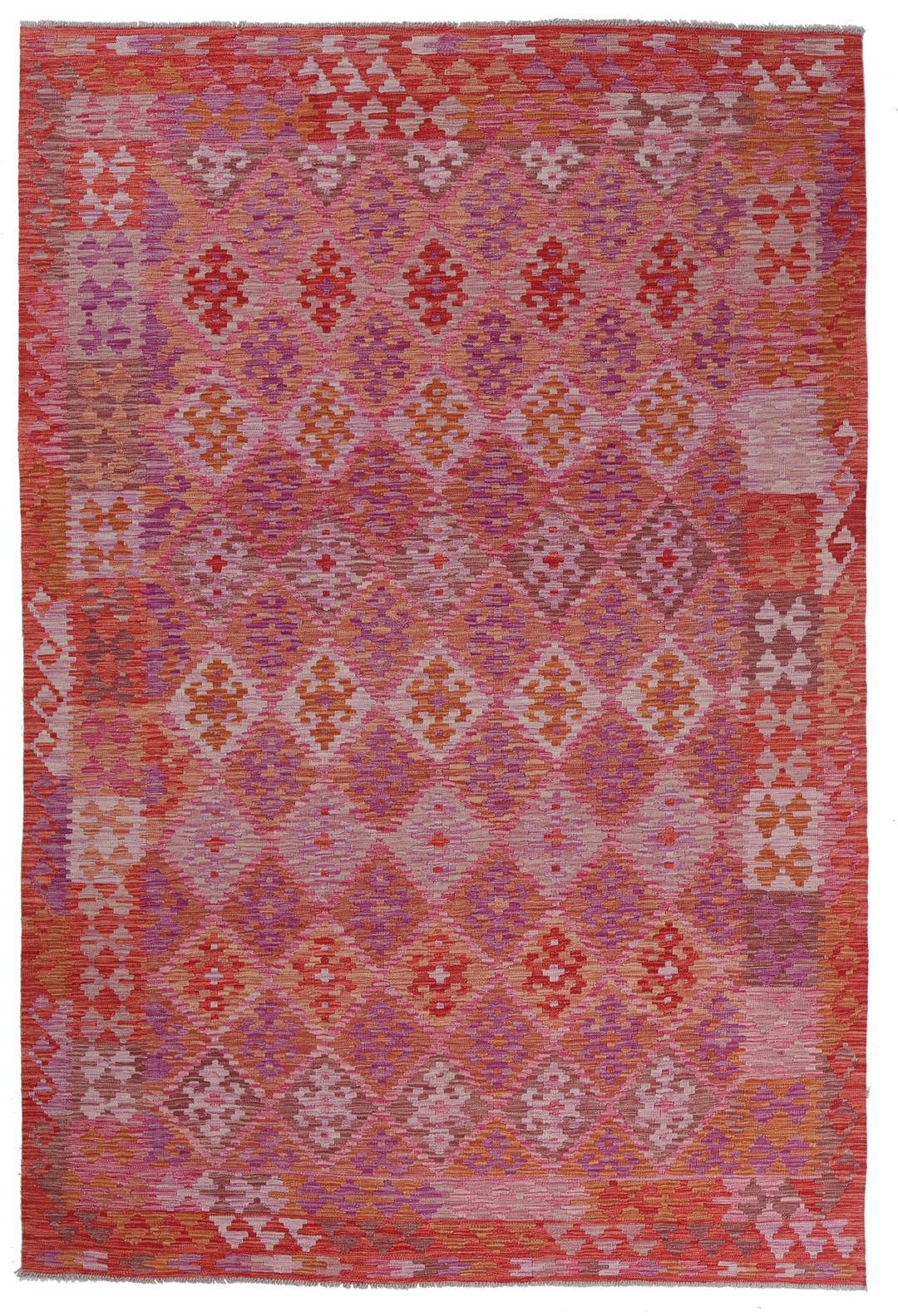
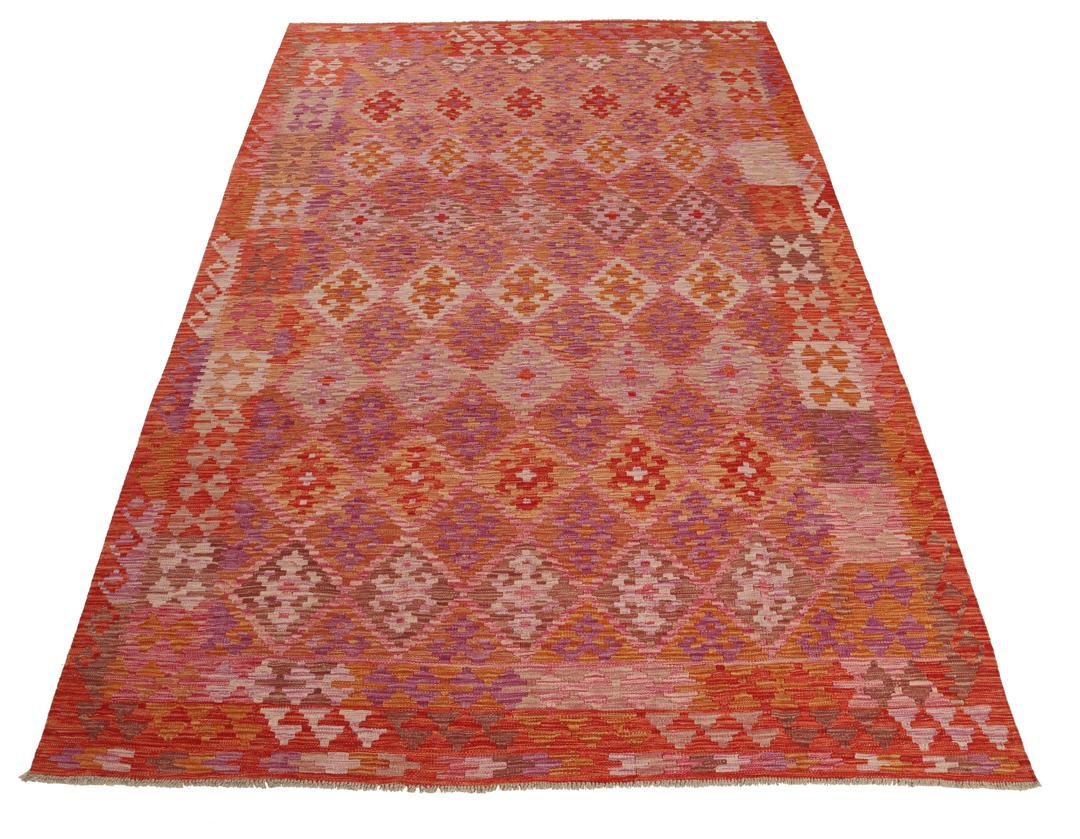
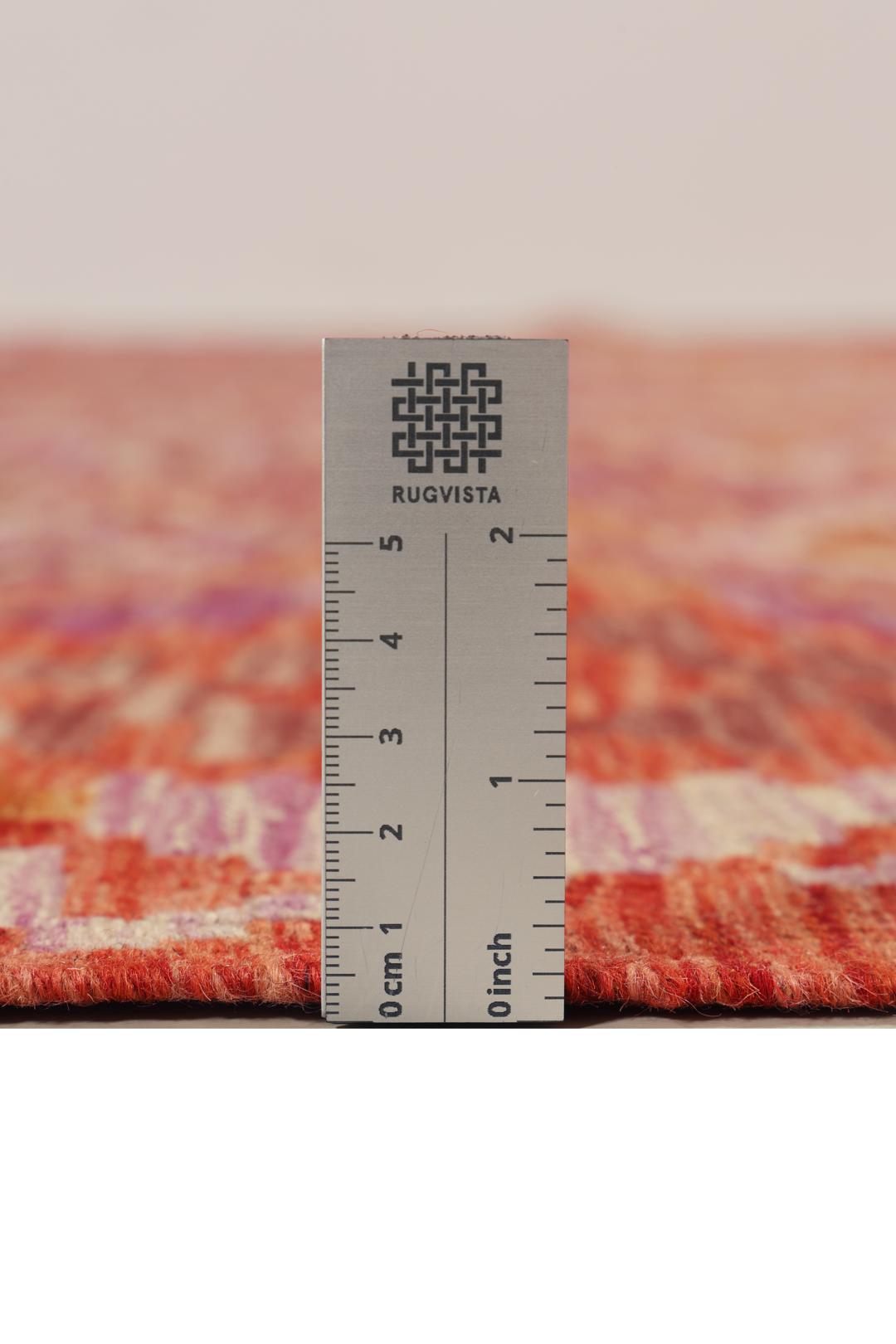
Kelim rugs have long been a cornerstone of the weaving traditions found throughout the Middle East and Central Asia. Originally created by nomadic tribes for practical purposes such as floor coverings, tent hangings, and saddlebags, these rugs are defined by their flat-weave construction. This technique, which involves interlacing the warp and weft threads to create a pattern, results in a lightweight yet incredibly durable textile that has been essential to regional cultures for centuries.
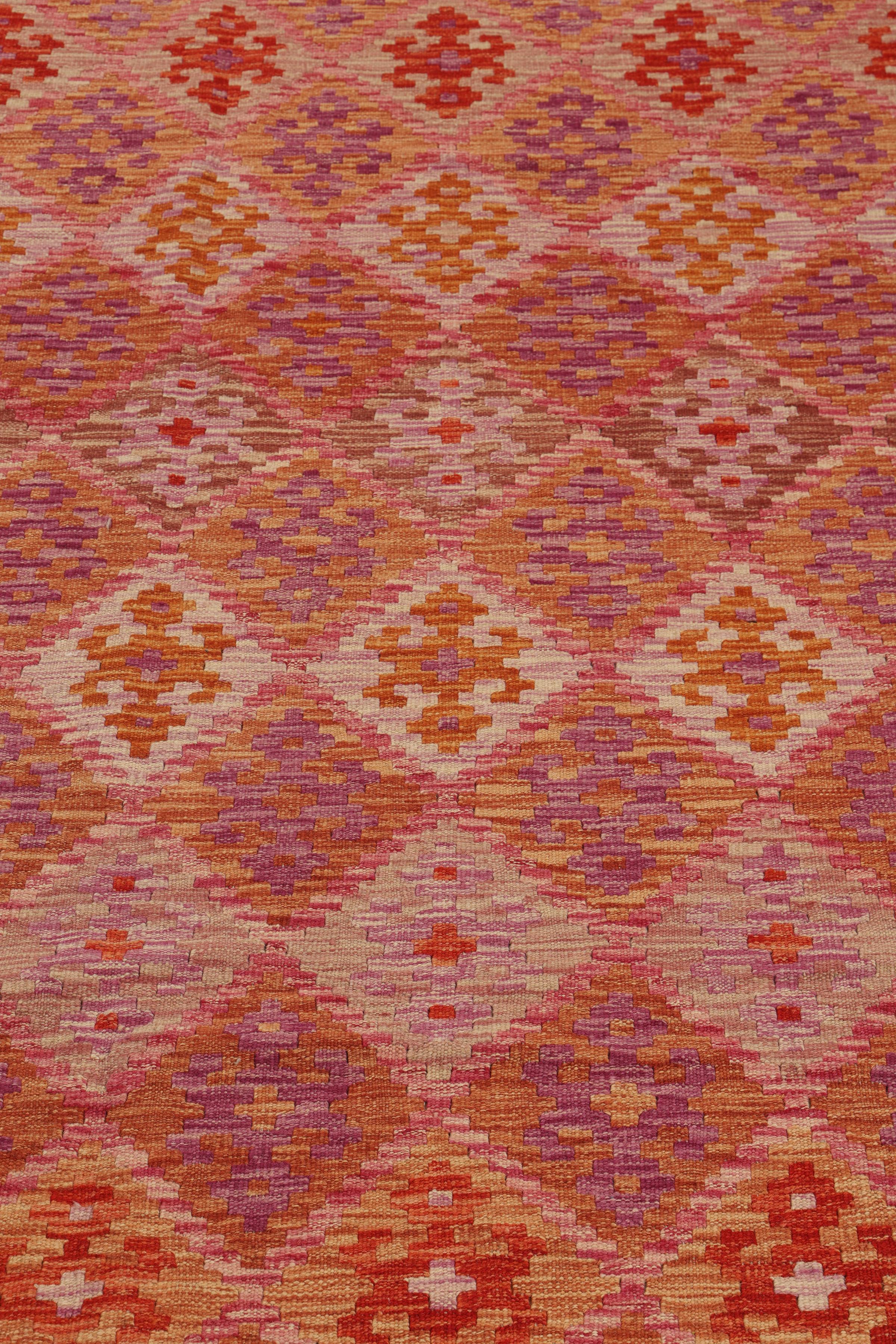
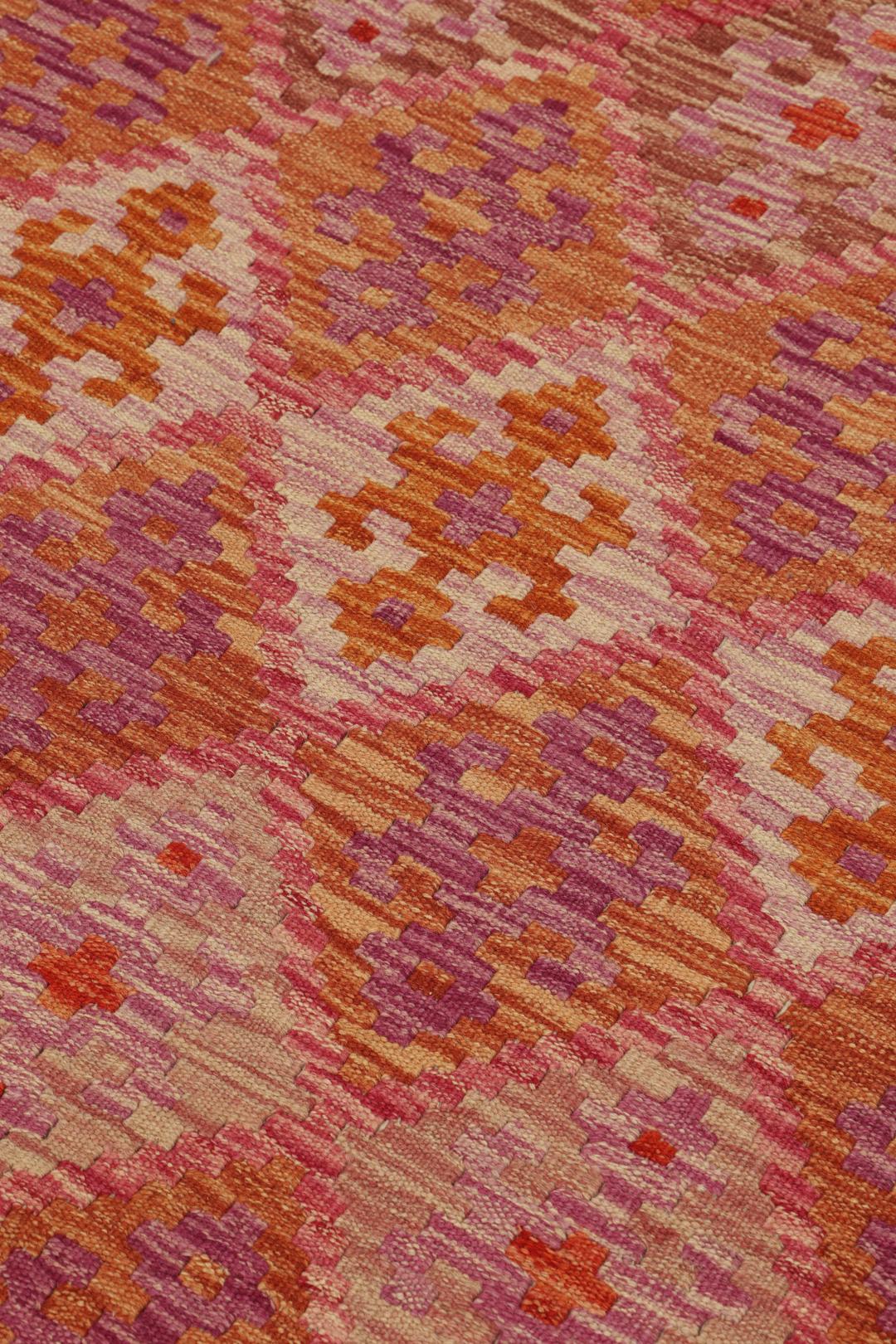
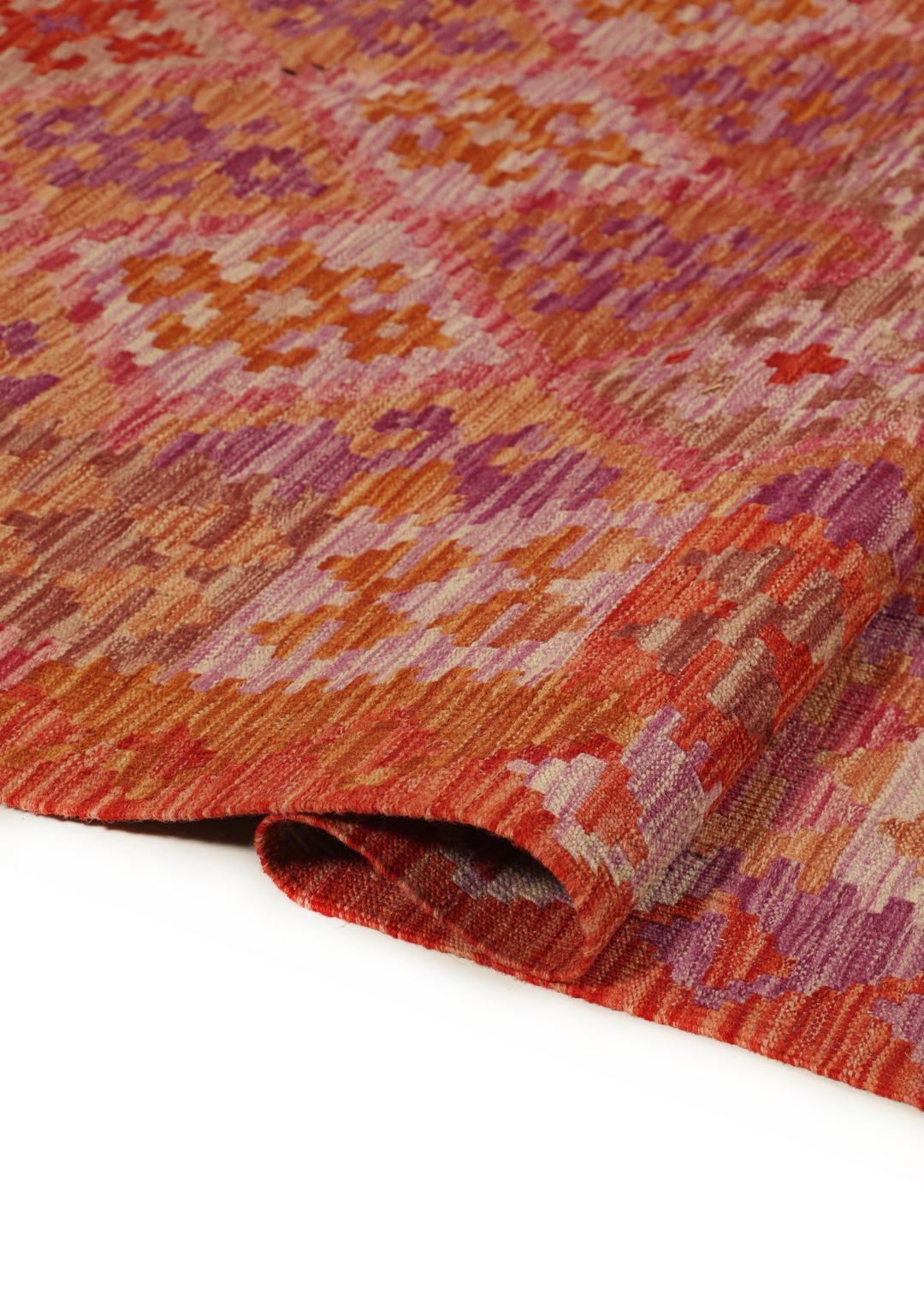
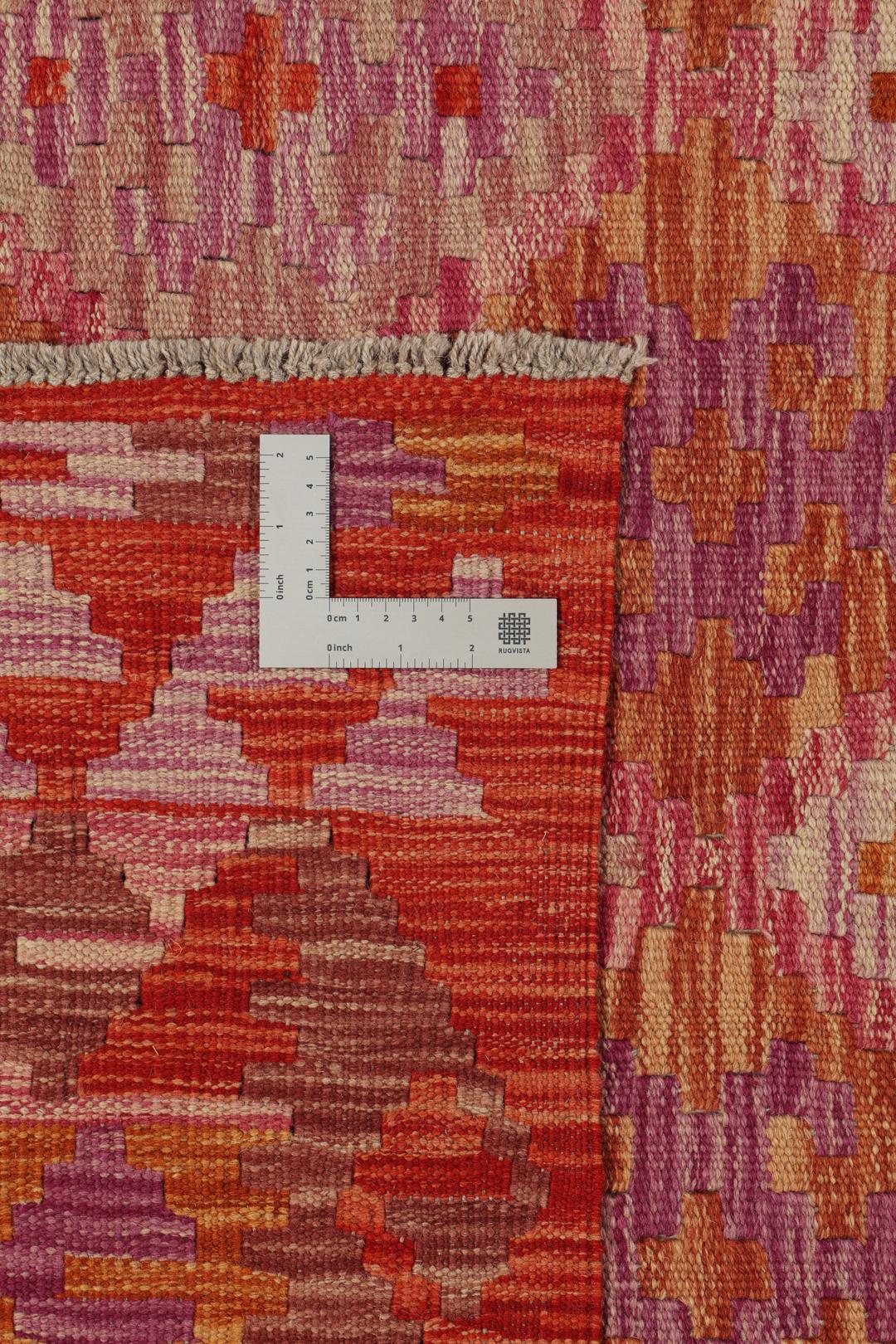
The term Kelim refers specifically to these flat-woven pieces, which lack the raised pile found in traditional hand-knotted rugs. This construction is not merely a stylistic choice but a functional one, allowing the rugs to be easily transported by nomadic communities. The lack of pile emphasises the clarity of the design and the precision of the weaving, as there is no depth to obscure the intricate geometric layouts that characterise this tradition.
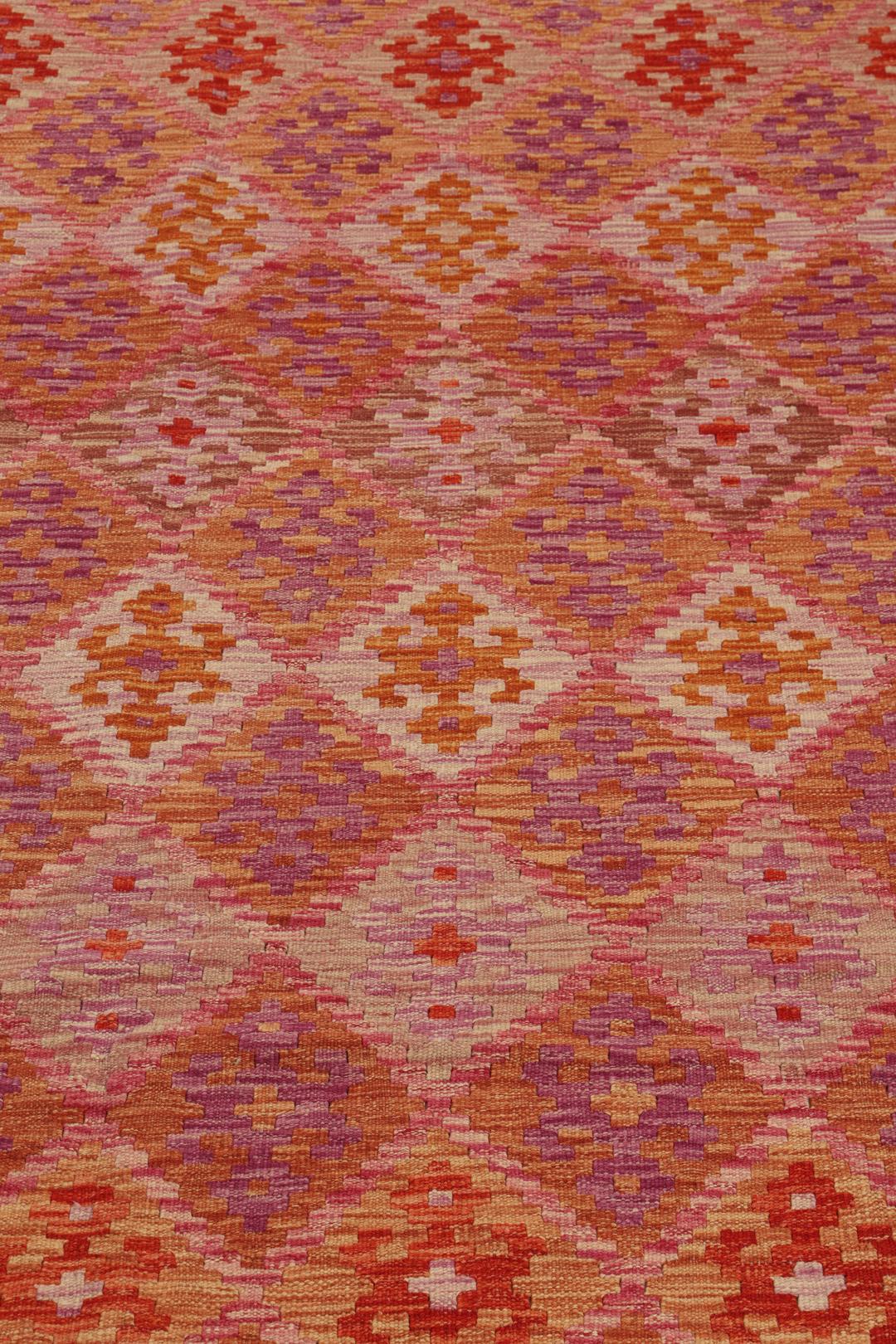
Design-wise, these rugs are celebrated for their bold geometric motifs, which often include diamonds, triangles, and stylised floral elements. These patterns are not just decorative; they often hold symbolic meaning, reflecting the weaver's environment, tribal history, and personal narrative. The use of vibrant, natural dyes is a hallmark of the Afghan style, often resulting in a rich, saturated appearance that evolves beautifully over time.
Today, these rugs are highly valued by collectors and design enthusiasts alike for their authenticity and cultural weight. Owning a Kelim is a way to connect with a storied past, as each piece represents a continuation of a skill set that has remained largely unchanged for generations. By bringing such a piece into your home, you are not just decorating a floor, but honouring a rich heritage of human creativity and resilience.