The Kelim tradition in Afghanistan is deeply rooted in the nomadic history of the region. These rugs were historically woven by tribal groups to serve as practical, portable floor coverings, bags, and blankets. Over centuries, these functional objects evolved into the highly decorative and sought-after textiles we see today, reflecting the migration of patterns and techniques across the rugged landscapes of Central Asia.
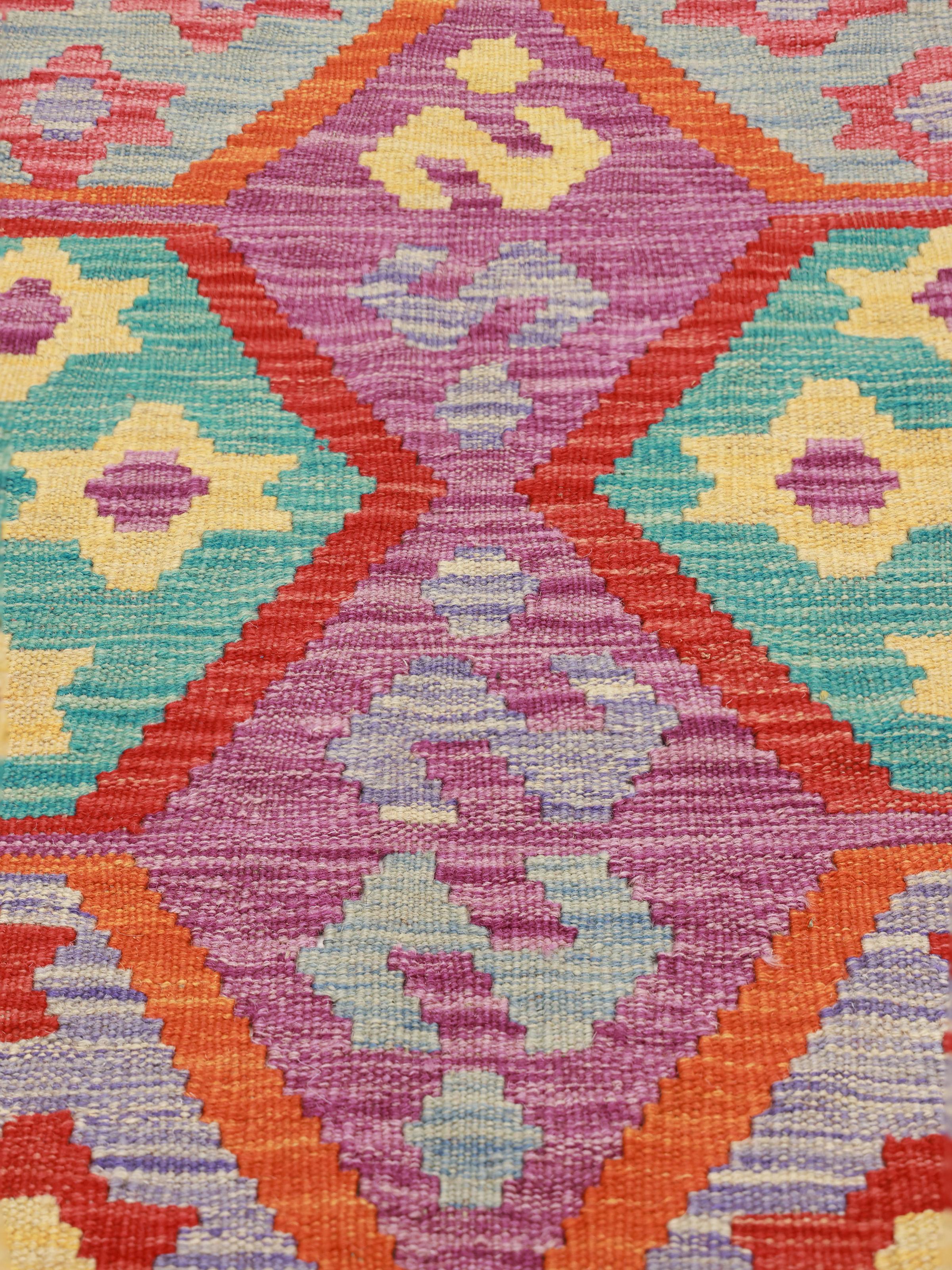
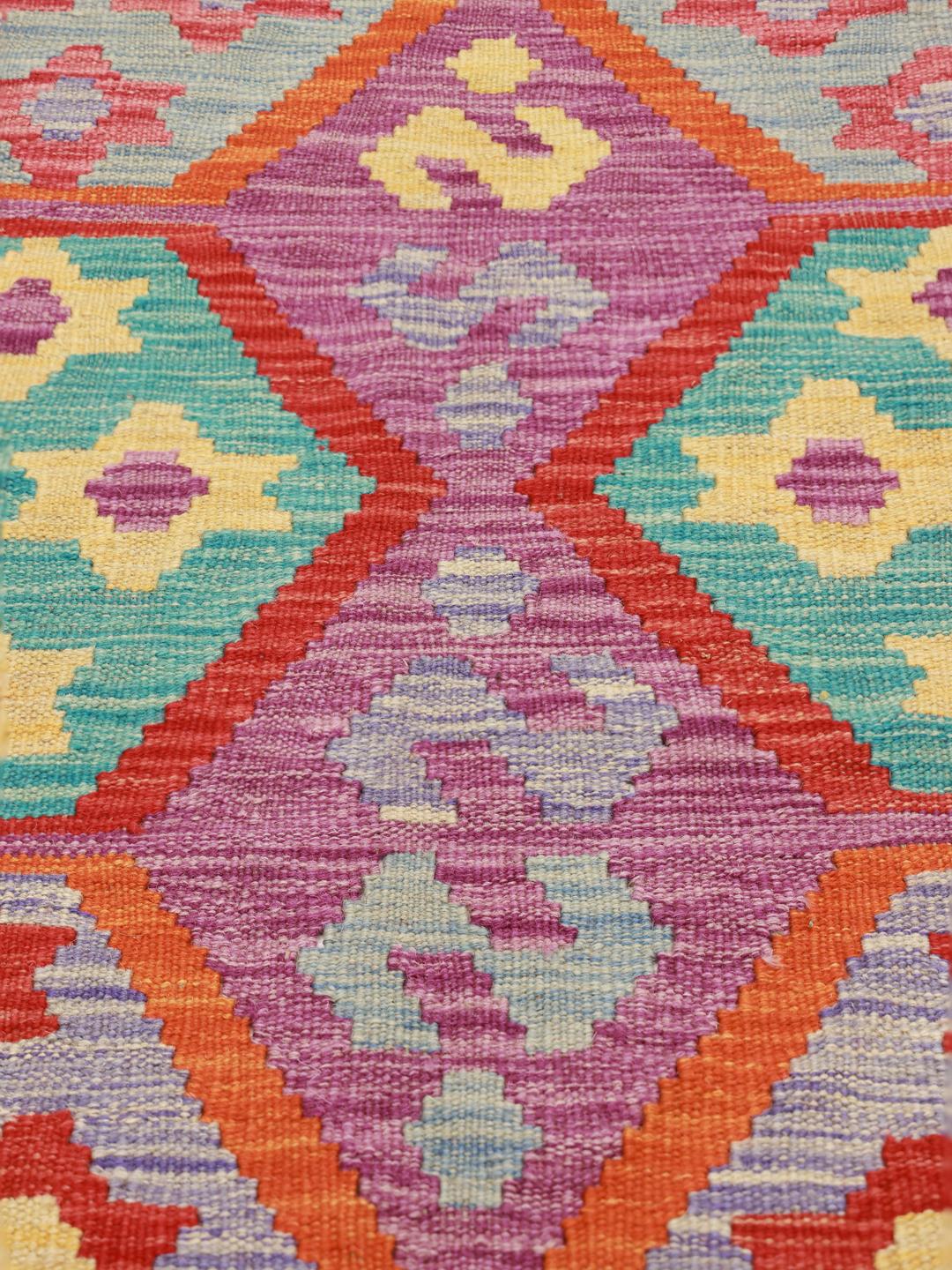
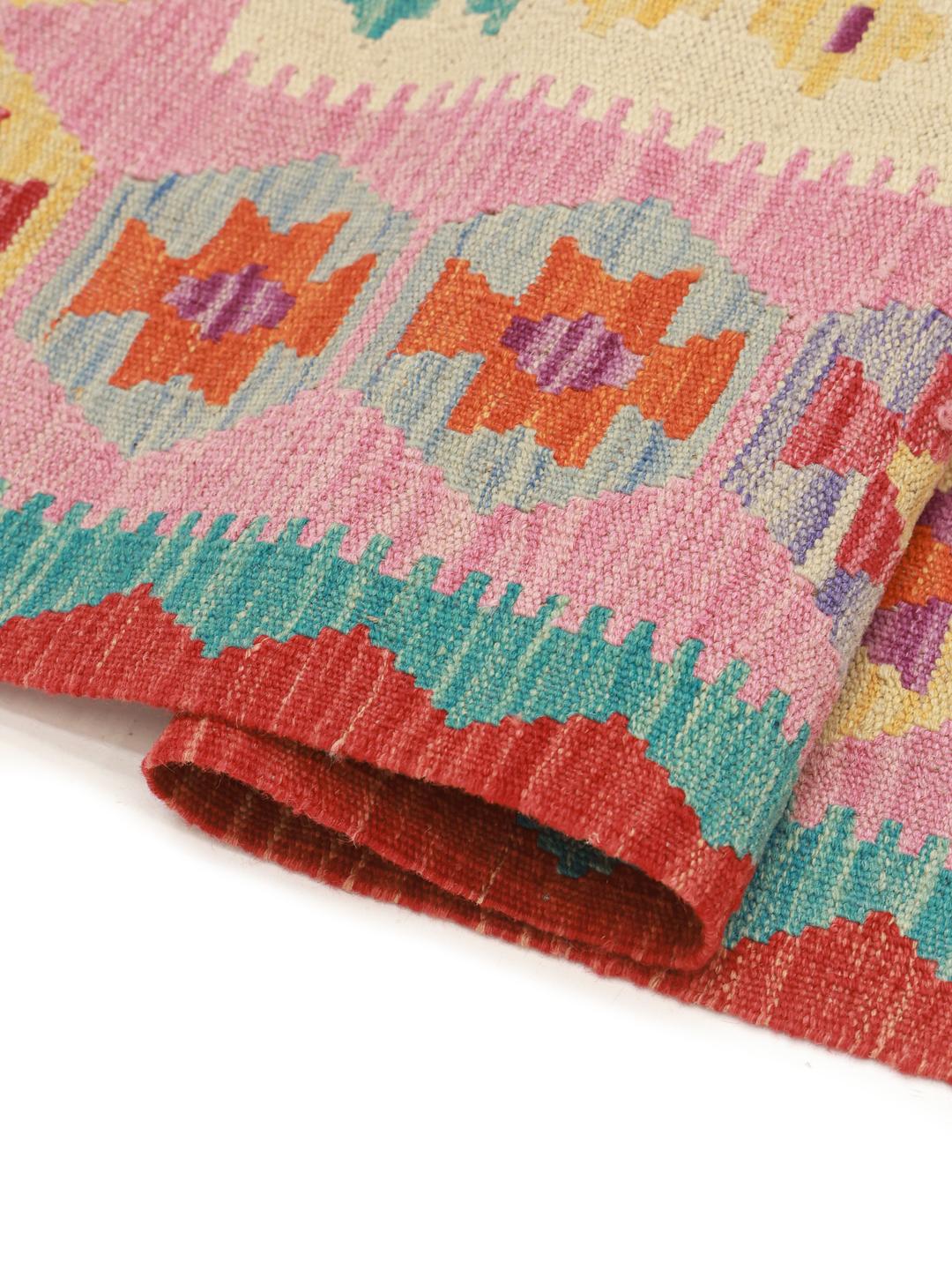
The term Kelim refers to a tapestry-weave construction, which is fundamentally different from pile-knotted rugs. By weaving the weft threads tightly over and under the warp threads, the artisan creates a flat surface where the design is visible on both sides. This technique is celebrated for its clarity of pattern and its ability to showcase complex geometric shapes with striking precision.
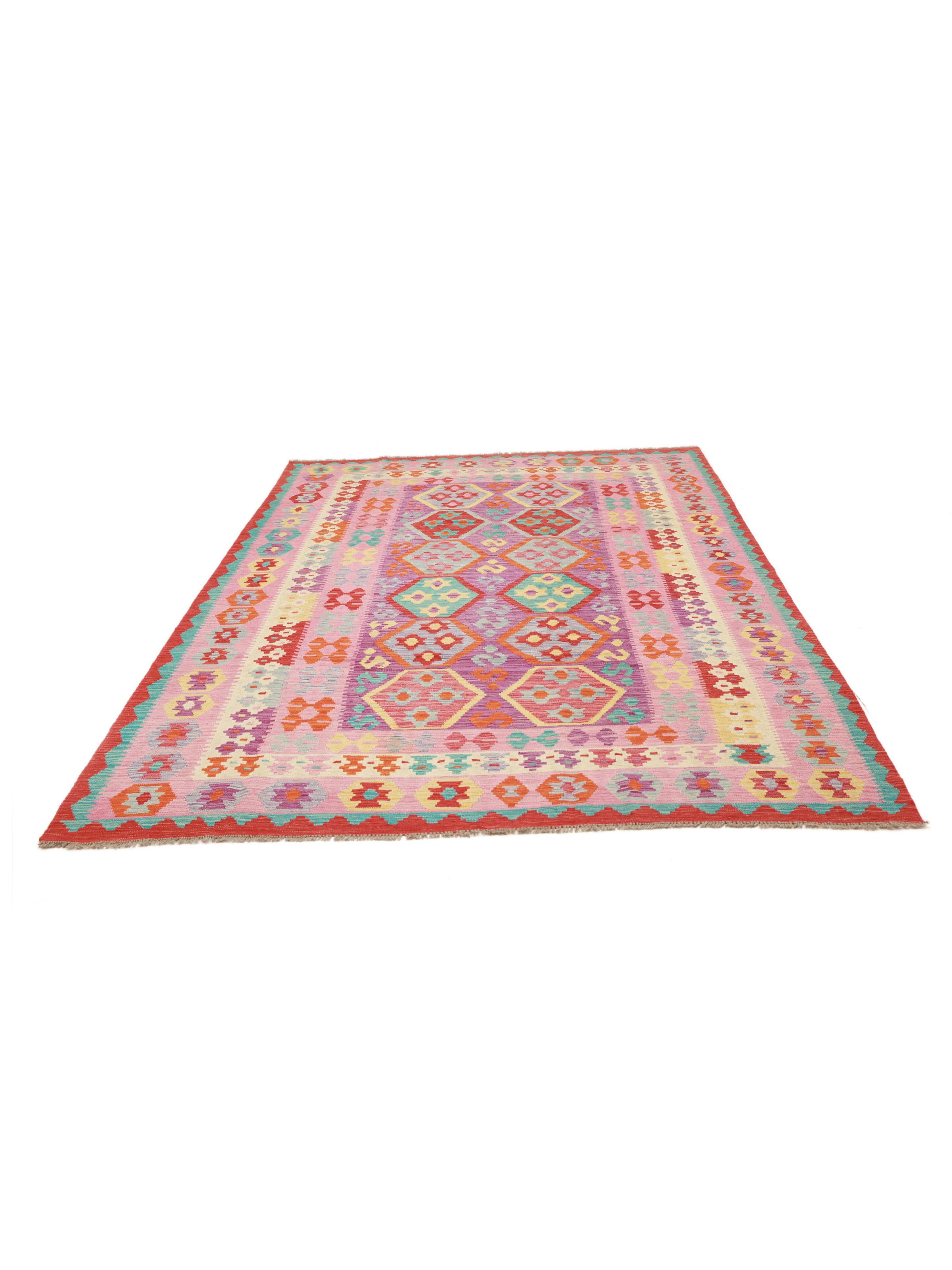
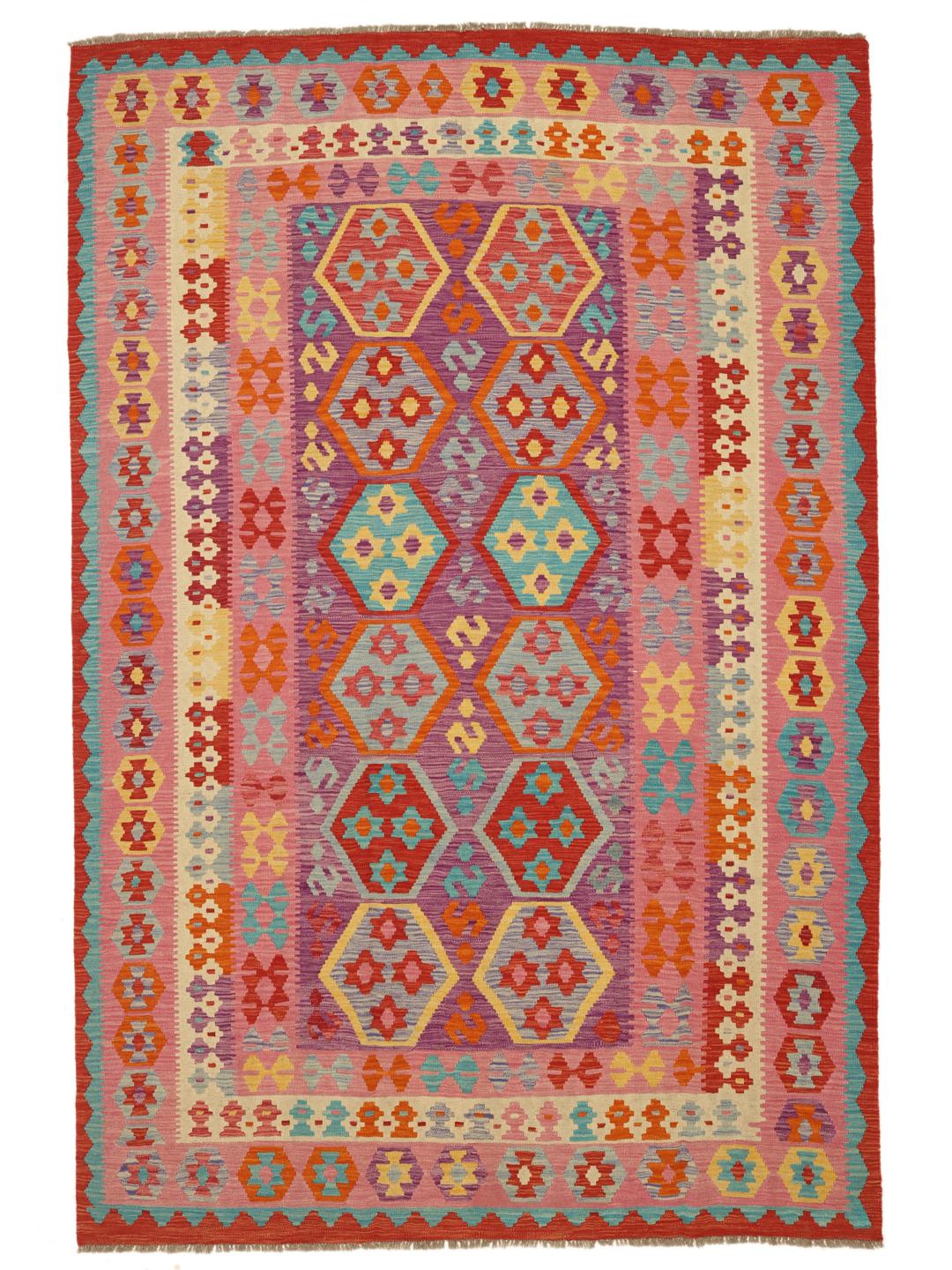
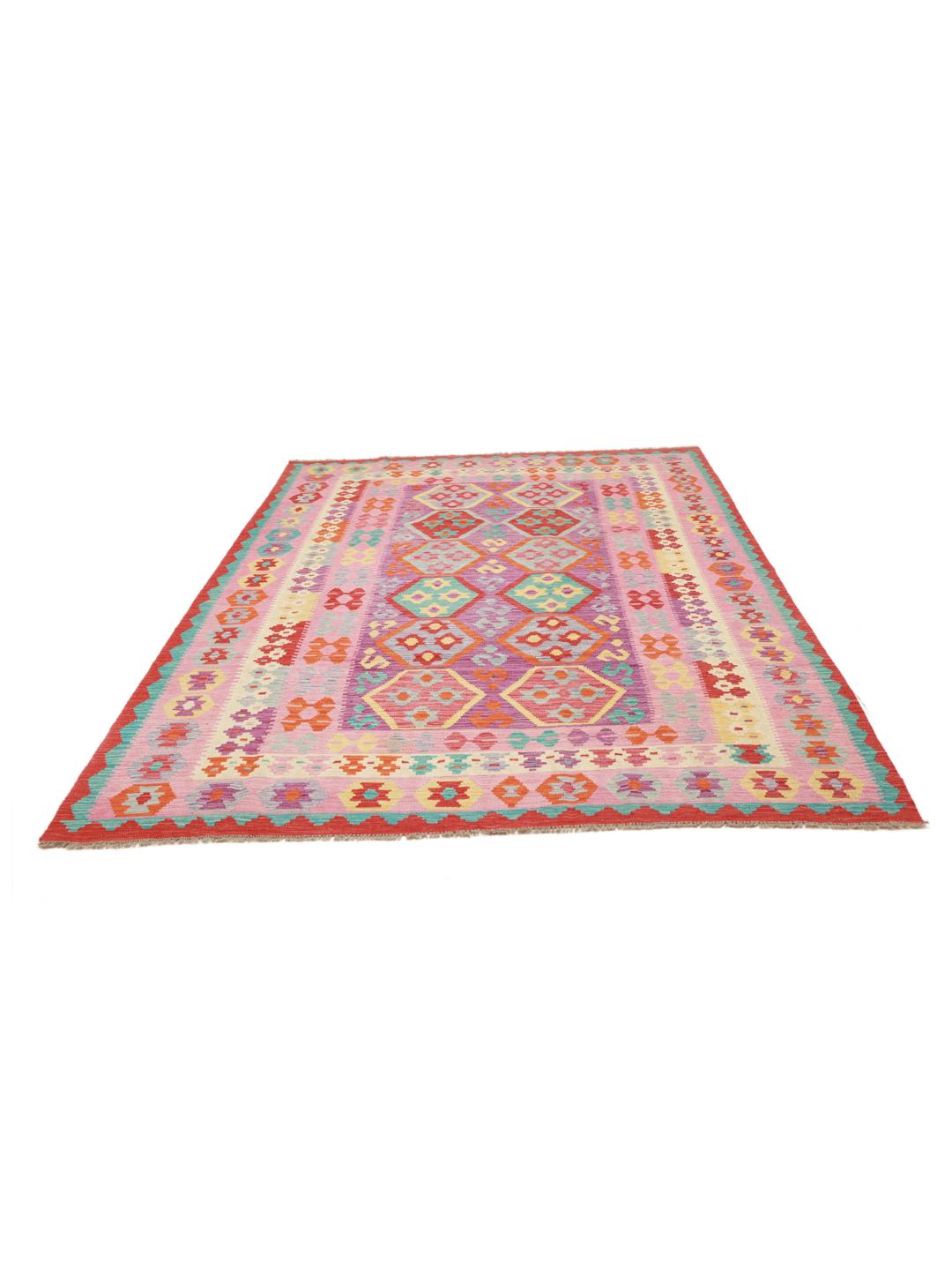
Visually, these rugs are defined by their bold geometric language. Motifs often include diamonds, triangles, and stylized floral elements that hold specific cultural meanings for the weaving communities. The border designs act as a frame for the central field, often mirroring the motifs found within to create a sense of harmony and balance that is synonymous with this traditional style.
Collecting an Afghan Kelim is an investment in cultural heritage. These pieces represent a bridge between ancient nomadic life and the modern home, offering a level of authenticity that mass manufacturing cannot touch. By bringing such a rug into your space, you are preserving a craft tradition and celebrating the skill of the artisans who continue to keep these historic techniques alive today.