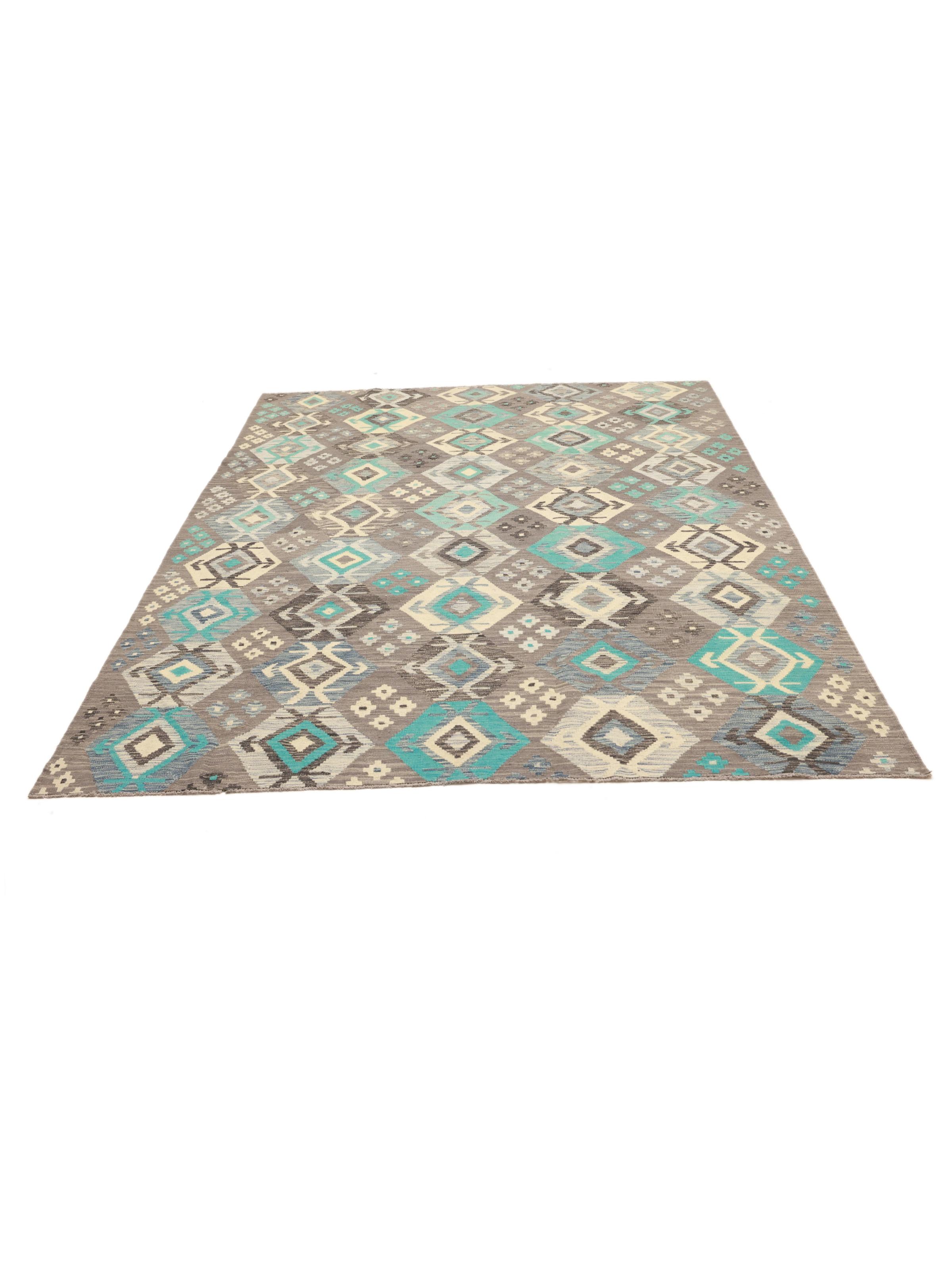
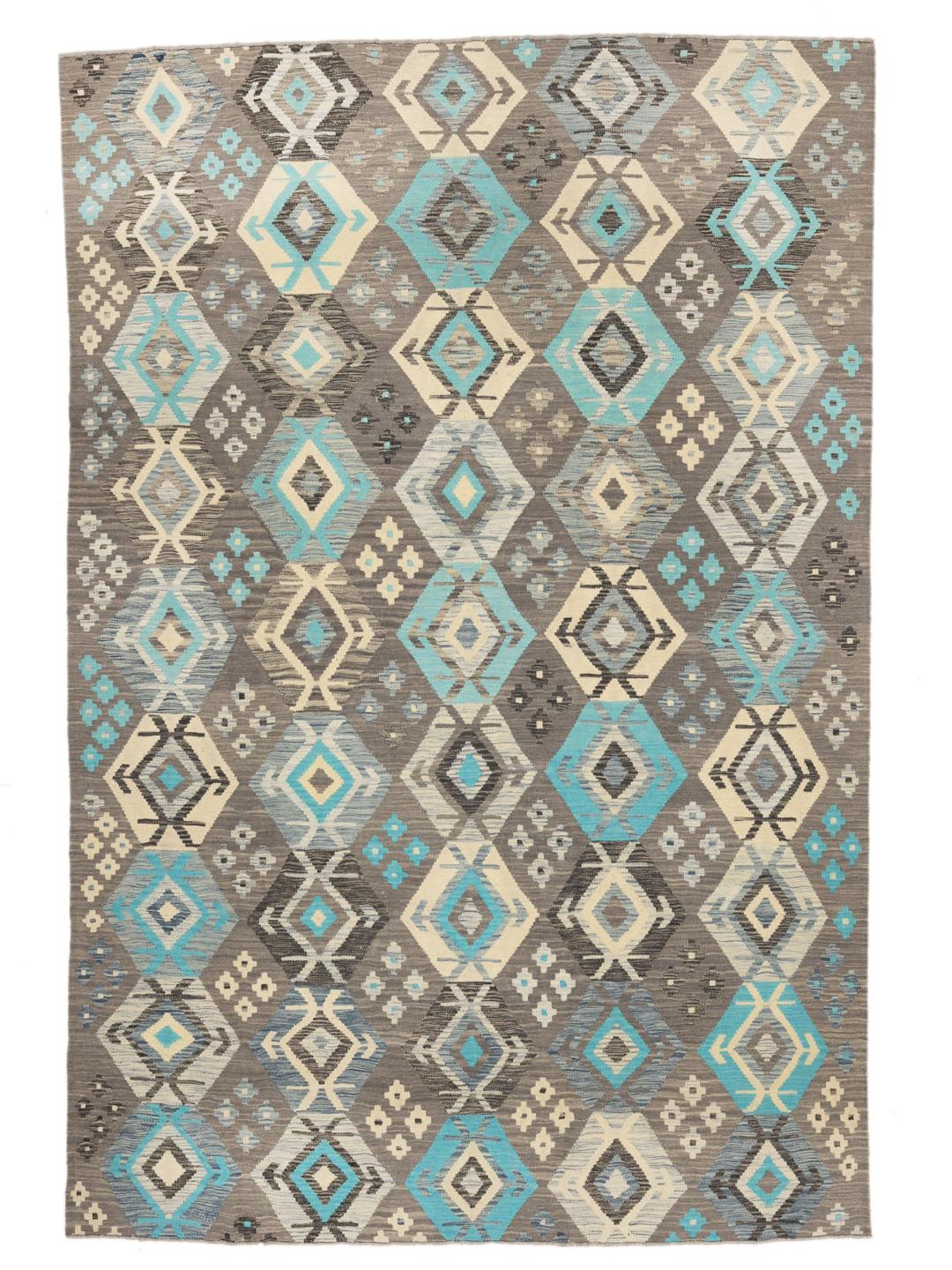
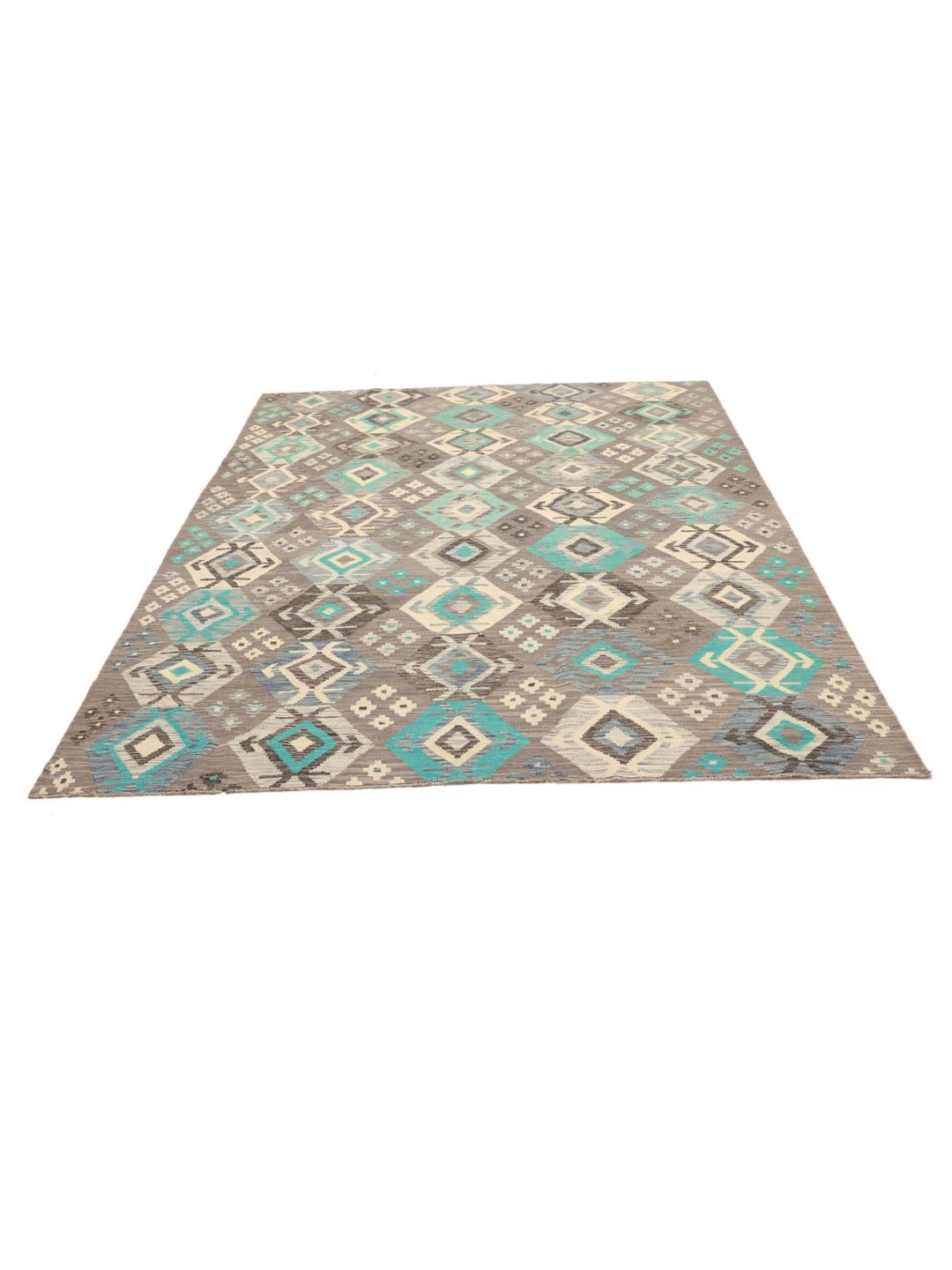
Kelim rugs from Afghanistan are celebrated for their rich tradition of flat-weaving, a craft that has been passed down through generations of nomadic and village communities. These rugs are deeply connected to the cultural landscape of the Middle East, where the art of weaving has long been an essential part of daily life. The traditions behind these pieces often reflect the environment and local history of the weavers, resulting in patterns that are both symbolic and deeply grounded in regional customs.
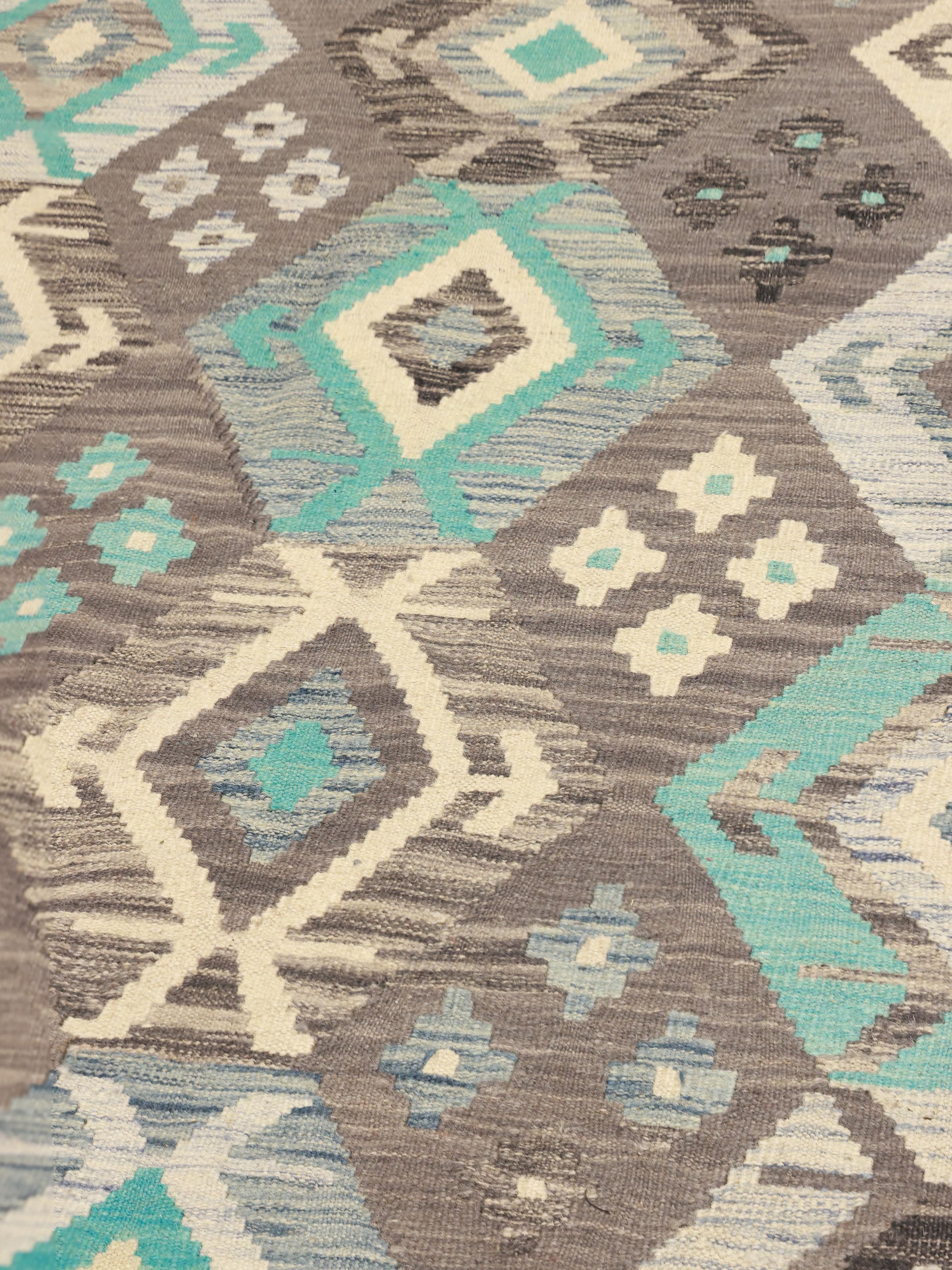
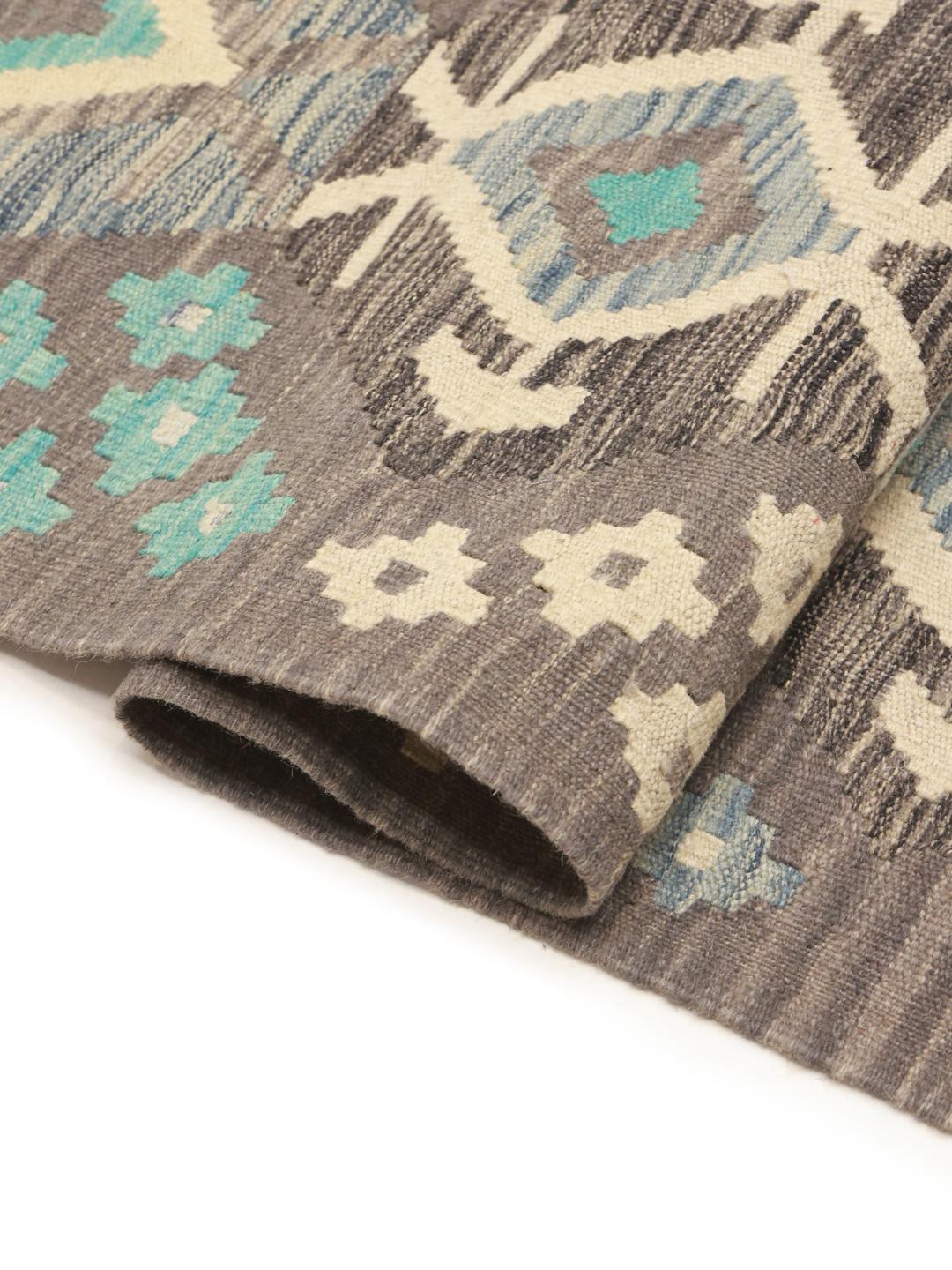
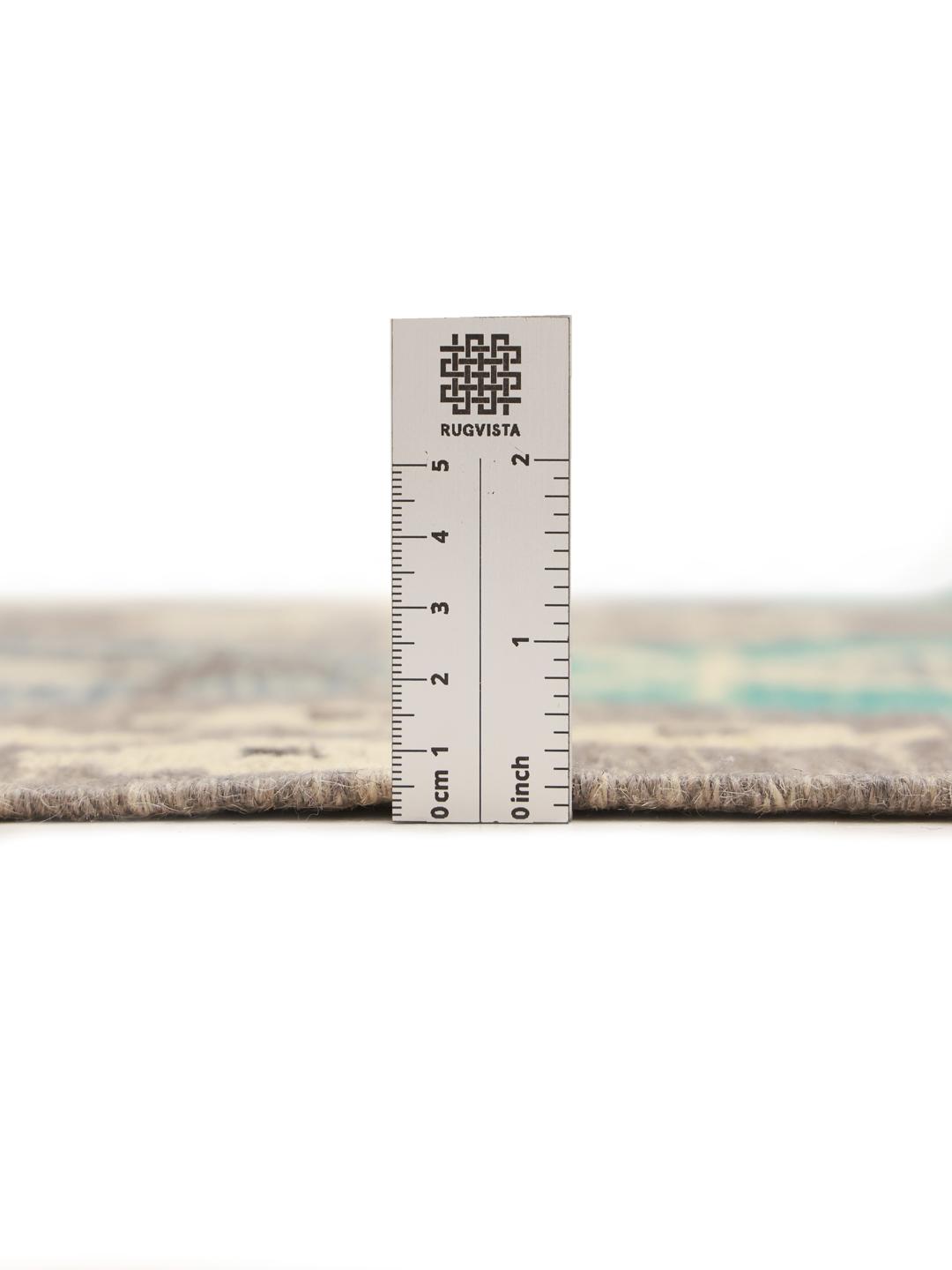
The term 'Kelim' refers to the specific flat-weave technique used to construct these rugs. Unlike knotted rugs, Kelims are created by interlacing the warp and weft threads, which produces a thin, durable, and reversible textile. This construction method allows for sharp, crisp geometric designs, as the weaver is able to create intricate patterns by changing the colour of the weft threads as they go. The resulting fabric is lighter than a pile rug, making it highly portable and versatile.
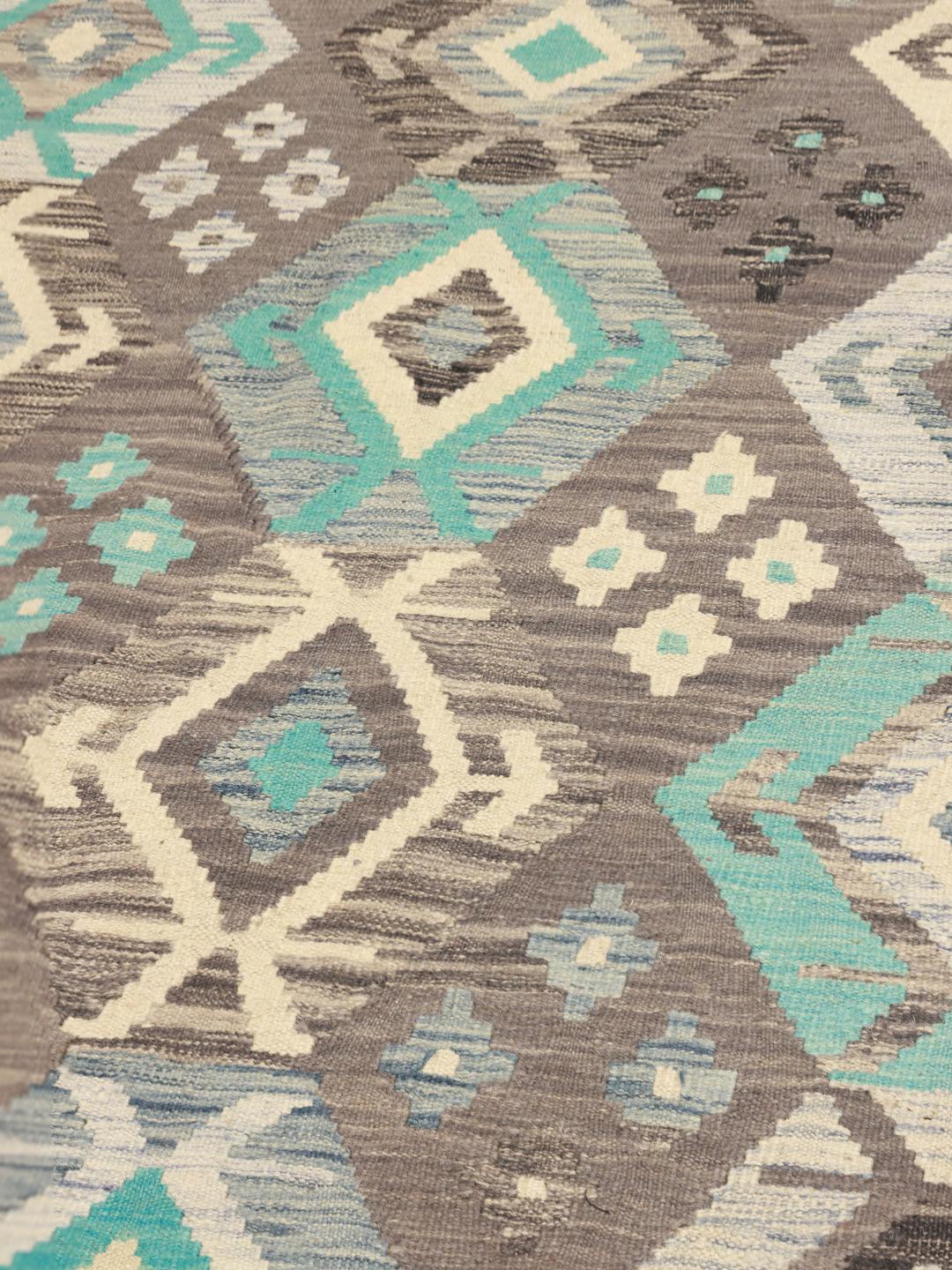
Signature design elements in Afghan Kelims often include bold, geometric shapes like the diamond motifs seen here, which are frequently arranged in repeating grids. These symbols are not merely decorative but are deeply woven into the visual language of the region, often representing protection, prosperity, or tribal identity. The use of natural, earthy tones paired with vibrant accents is a hallmark of the style, designed to stand out against the backdrop of traditional desert landscapes.
Collecting an authentic Kelim is an opportunity to preserve a piece of human history. These rugs are highly valued for their raw, honest aesthetic and the skill required to produce them without the aid of modern machinery. Owning one is a testament to the appreciation of slow, deliberate craft and the enduring appeal of heritage designs that continue to feel relevant in today's homes.