The Kelim tradition in Afghanistan is a testament to the nomadic and semi-nomadic heritage of the region, where weaving was both a necessity and a form of artistic expression. For generations, these flat-woven rugs have been created using techniques passed down through families, serving as essential household items that were durable enough for life on the move and beautiful enough to reflect tribal identity.
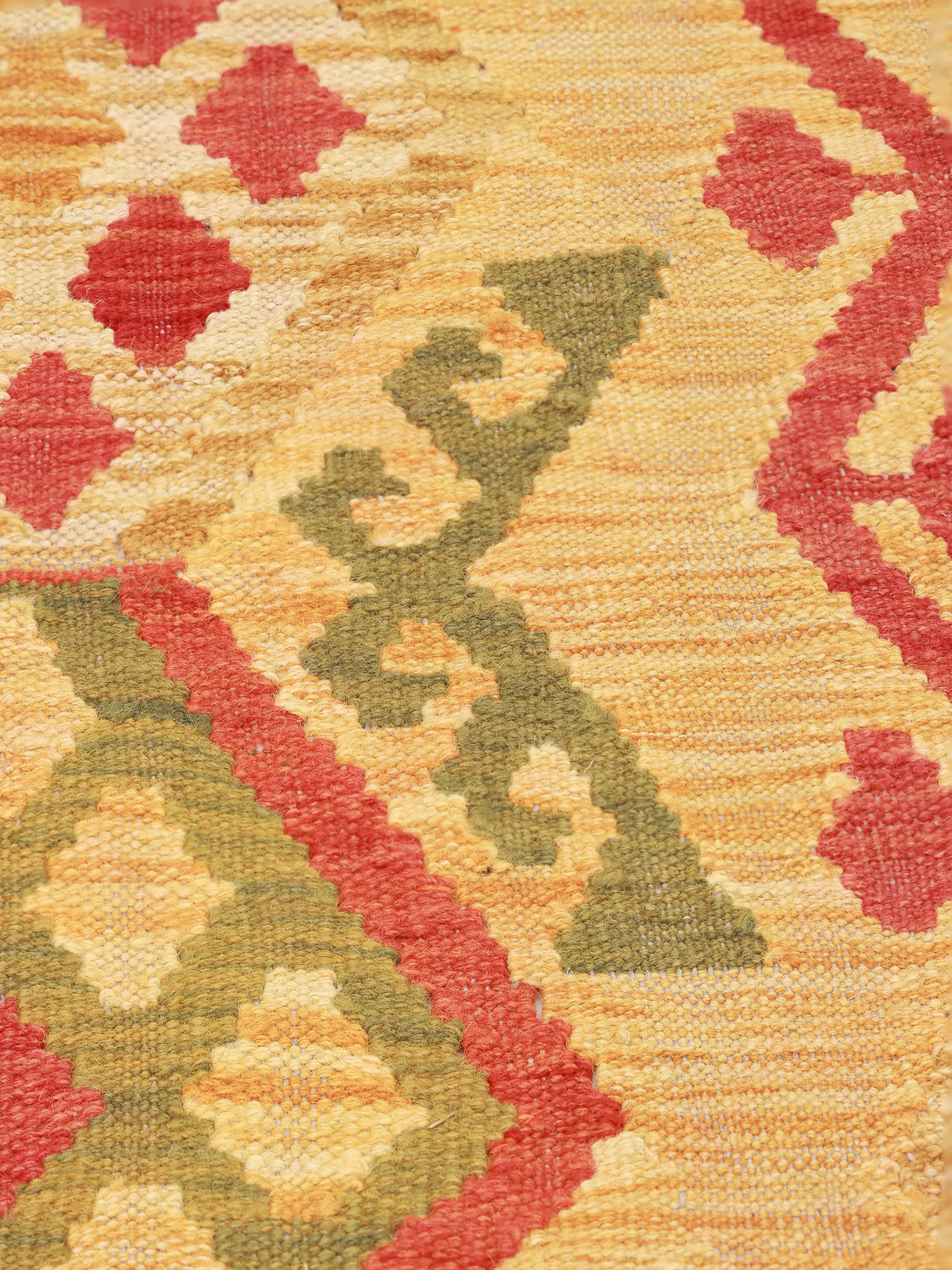
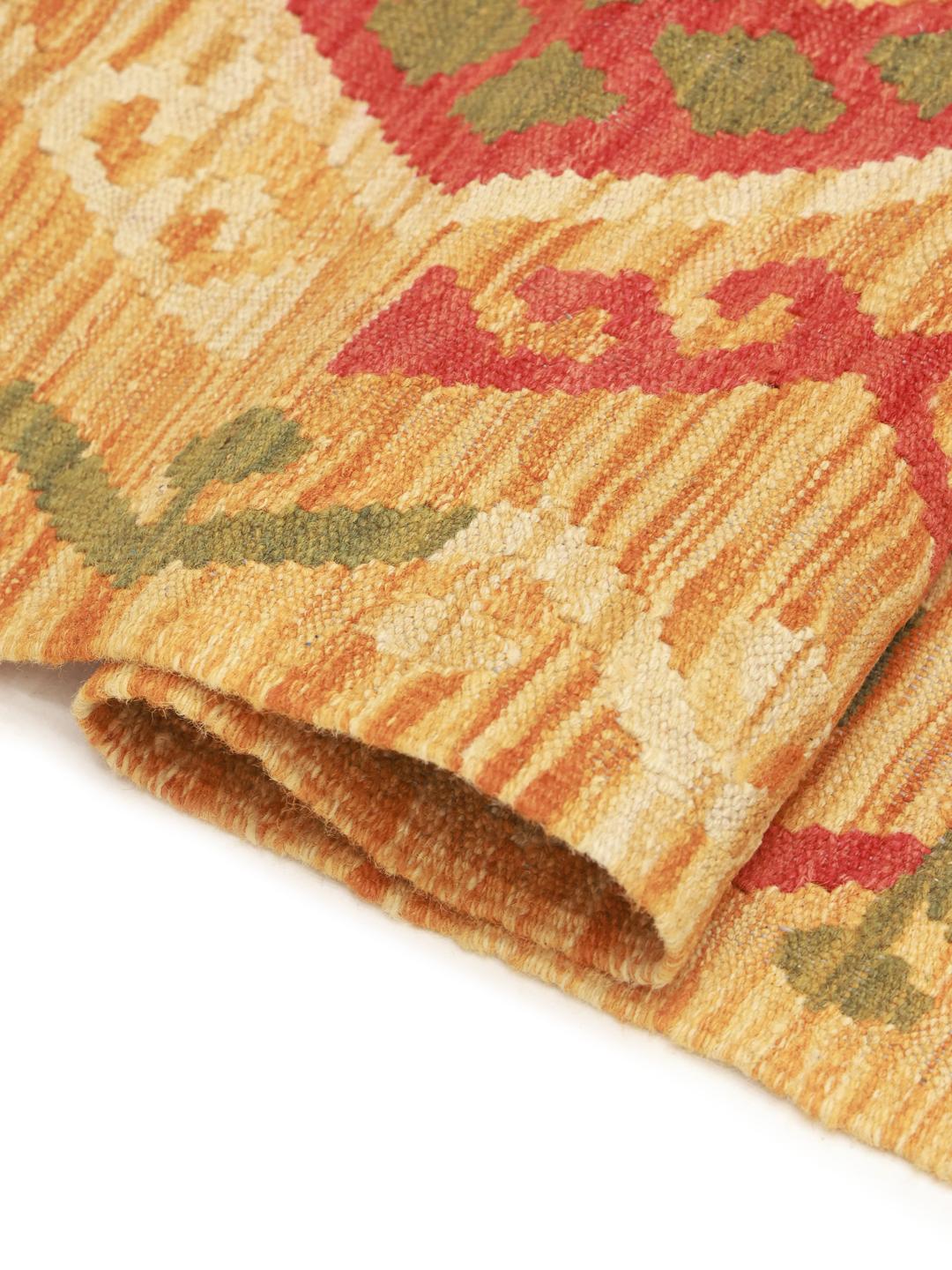
The term 'Kelim' refers to a specific style of tapestry weaving where the weft threads are packed tightly to cover the warp, resulting in a smooth, pileless surface. This technique allows for the creation of intricate, reversible patterns that are often sharper and more graphic than those found in knotted rugs. Understanding this distinction is key to appreciating why Kelims are prized for their clean lines and versatility.
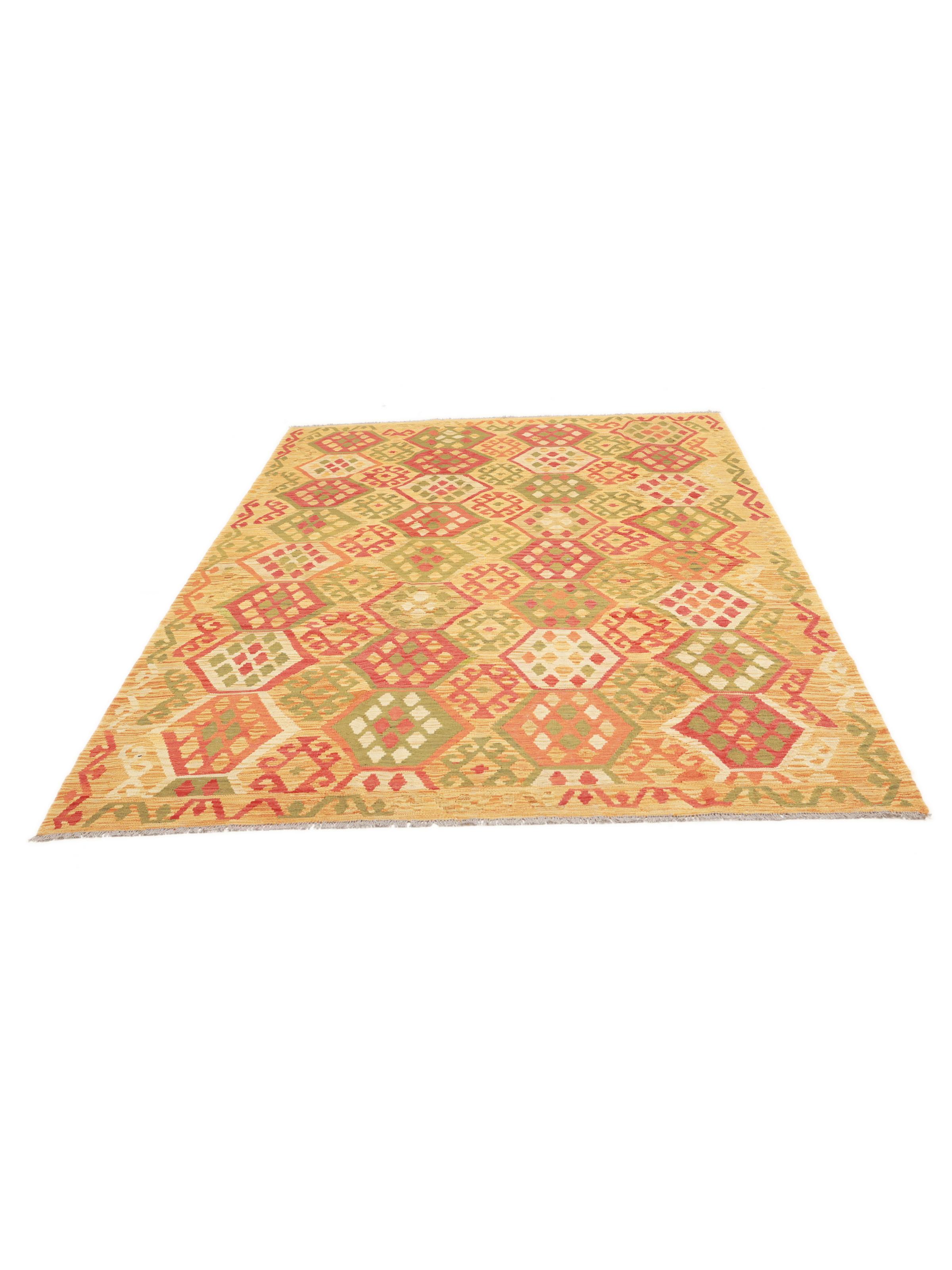
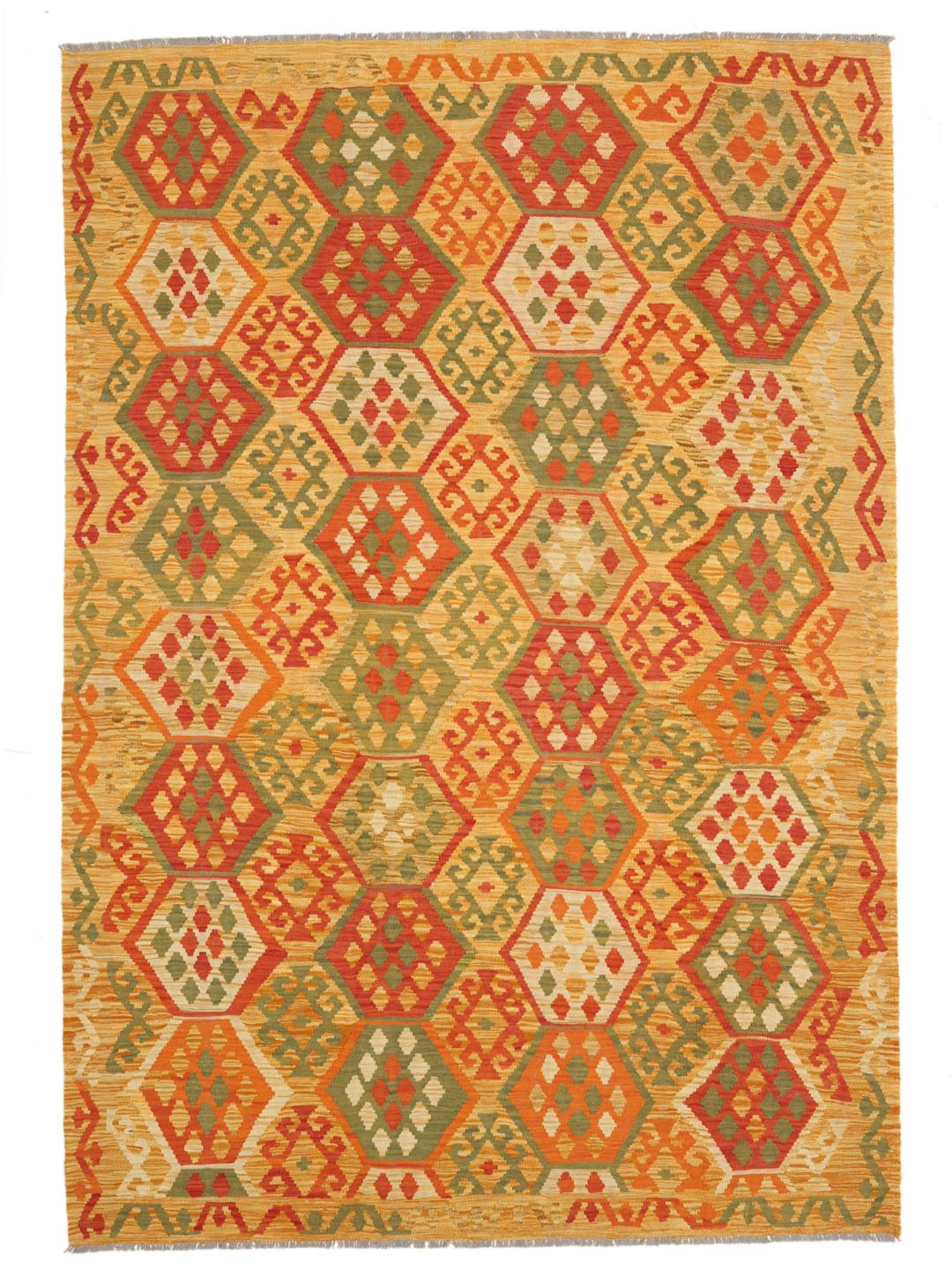
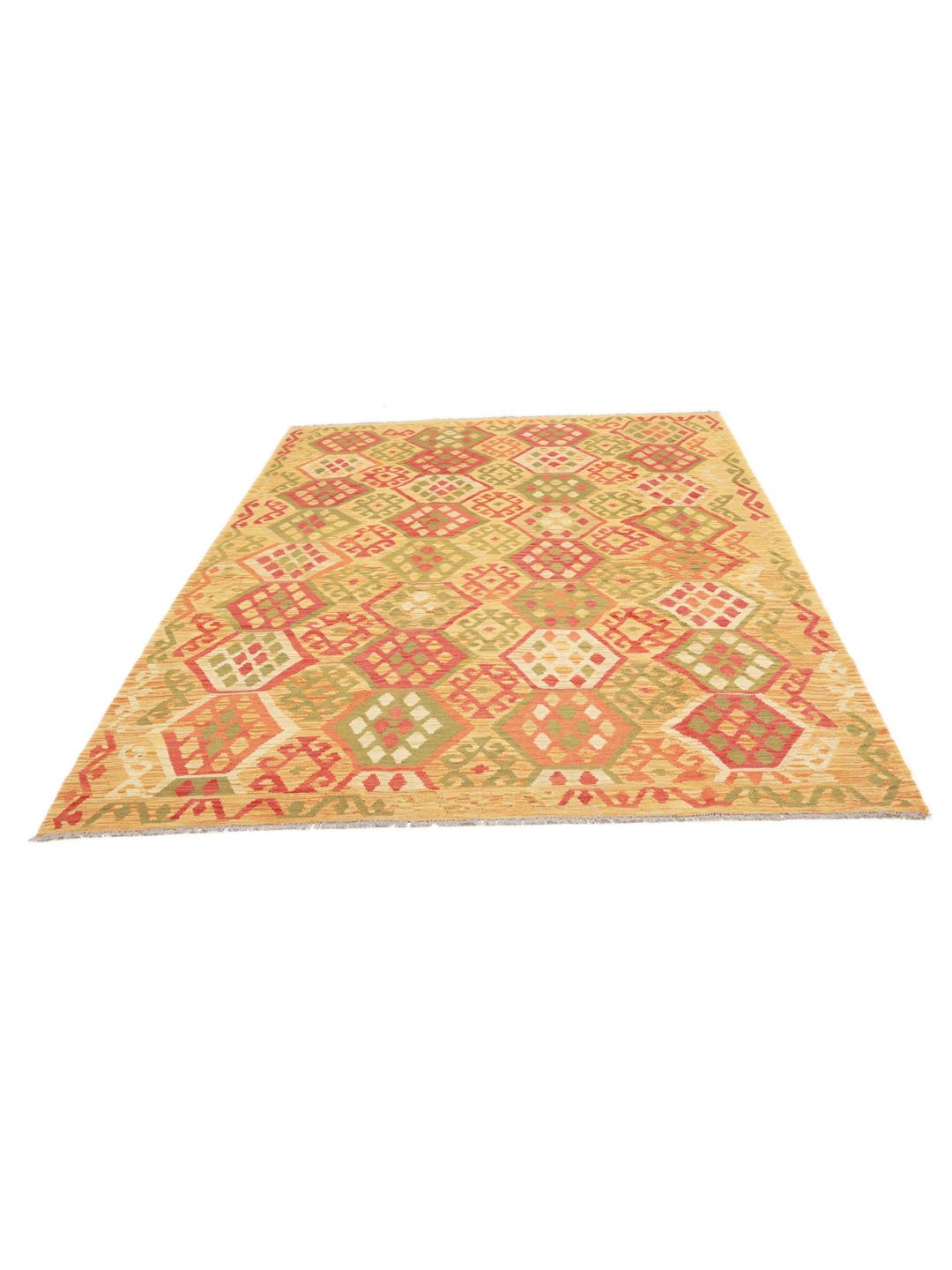
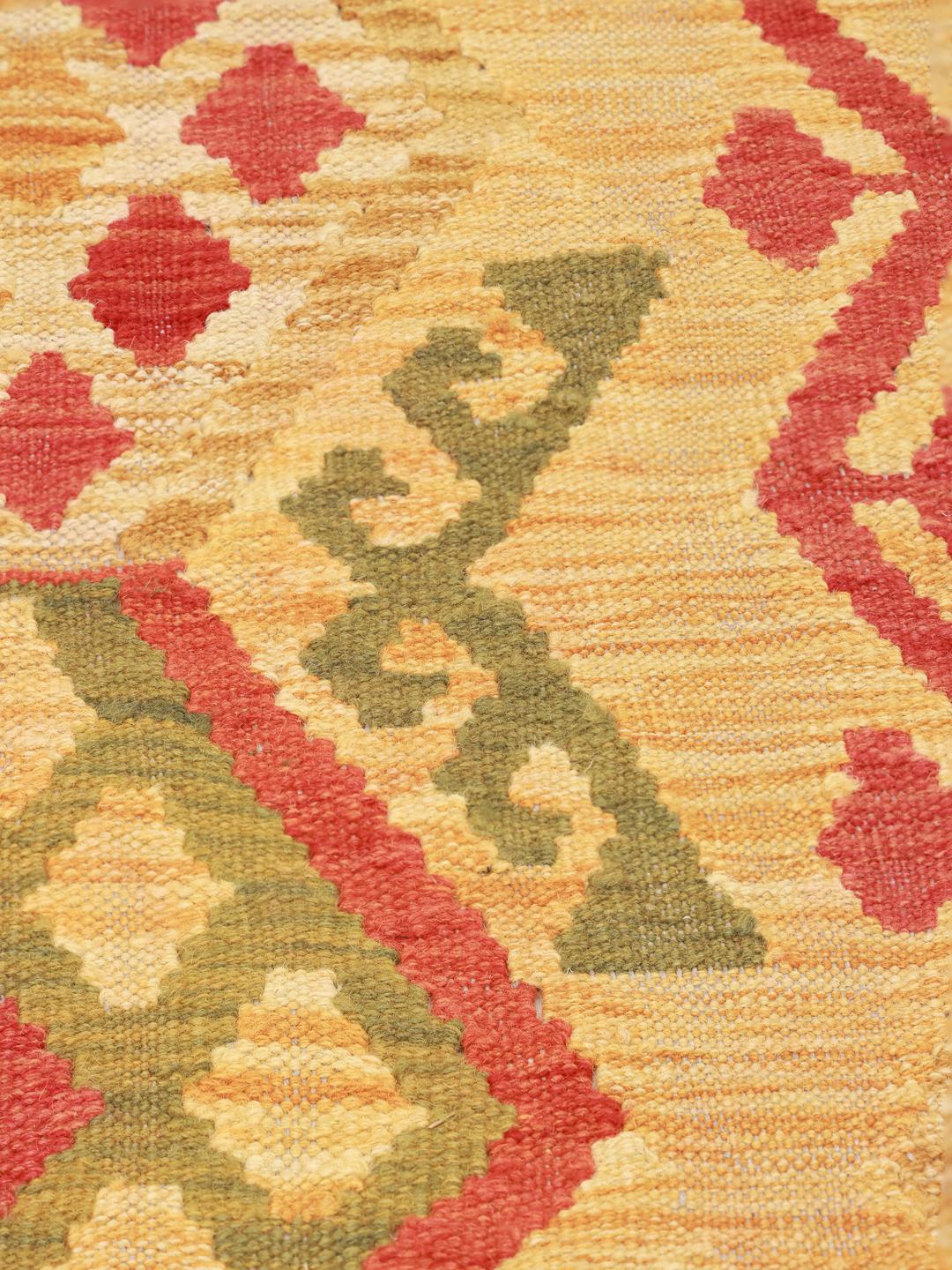
Visually, these rugs are defined by a language of geometric motifs, often featuring diamonds, triangles, and stylized floral elements. The colour palettes are typically derived from natural dyes, historically sourced from regional plants and minerals, which give them their iconic, earthy warmth. This particular piece showcases a masterful use of repeating shapes that are characteristic of the Afghan aesthetic.
Owning an Afghan Kelim is more than just a decor choice; it is an act of preserving a cultural legacy. These rugs are collected for their authenticity, the skill required to produce them, and their ability to bridge the gap between traditional craft and modern interior design. They represent a tangible connection to the history of the Middle East, offering a level of character that mass-produced items simply cannot emulate.