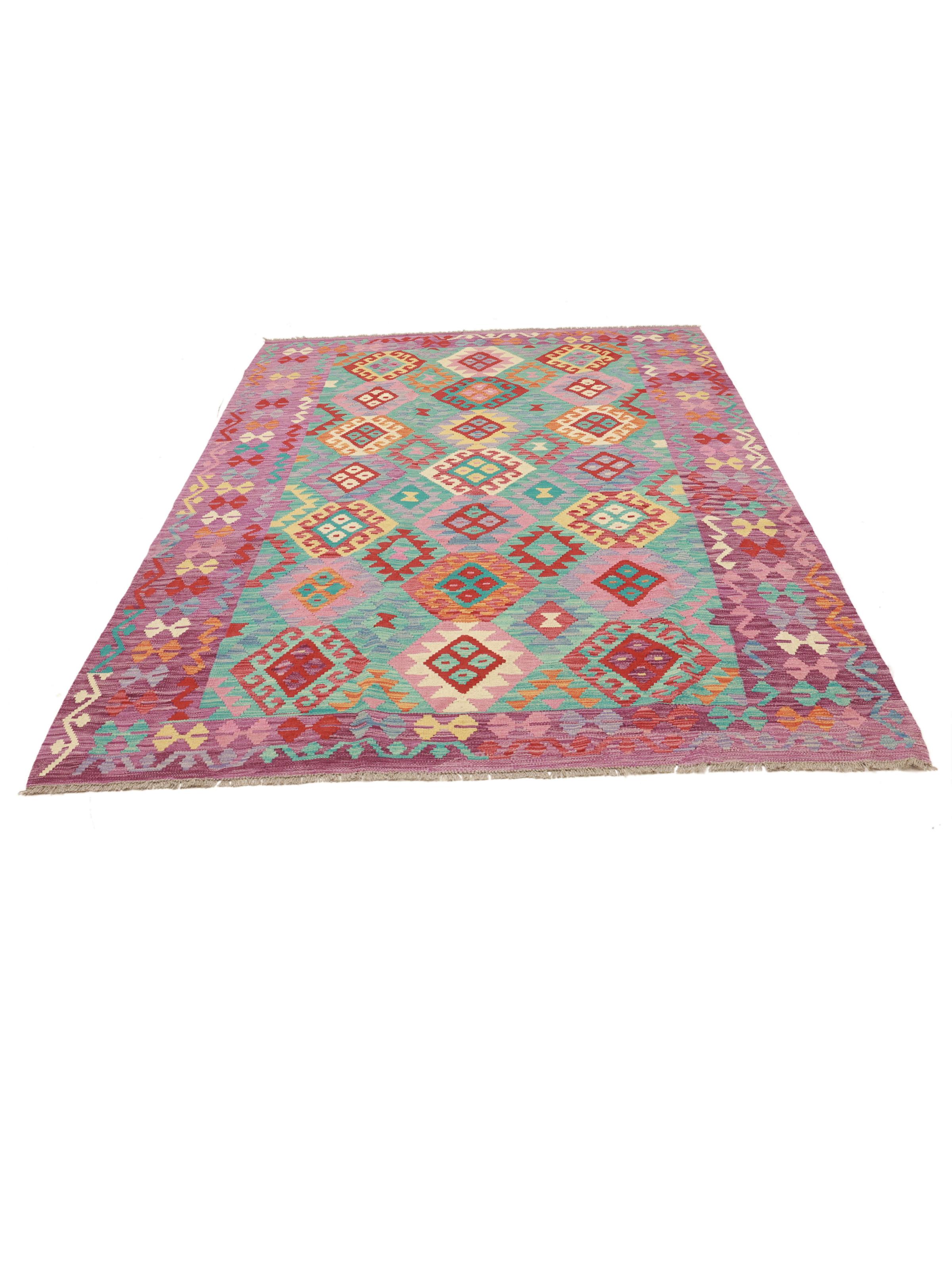
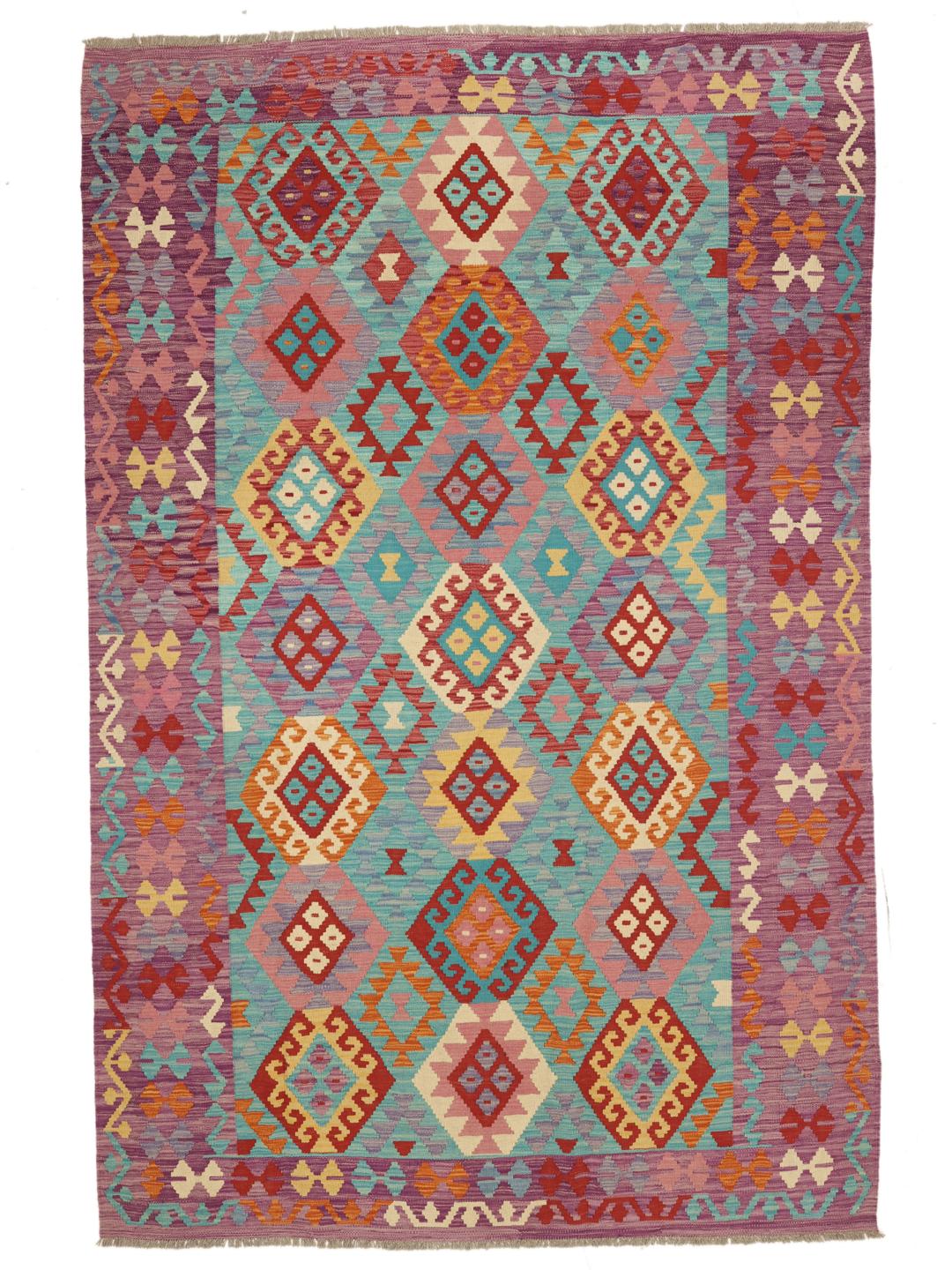
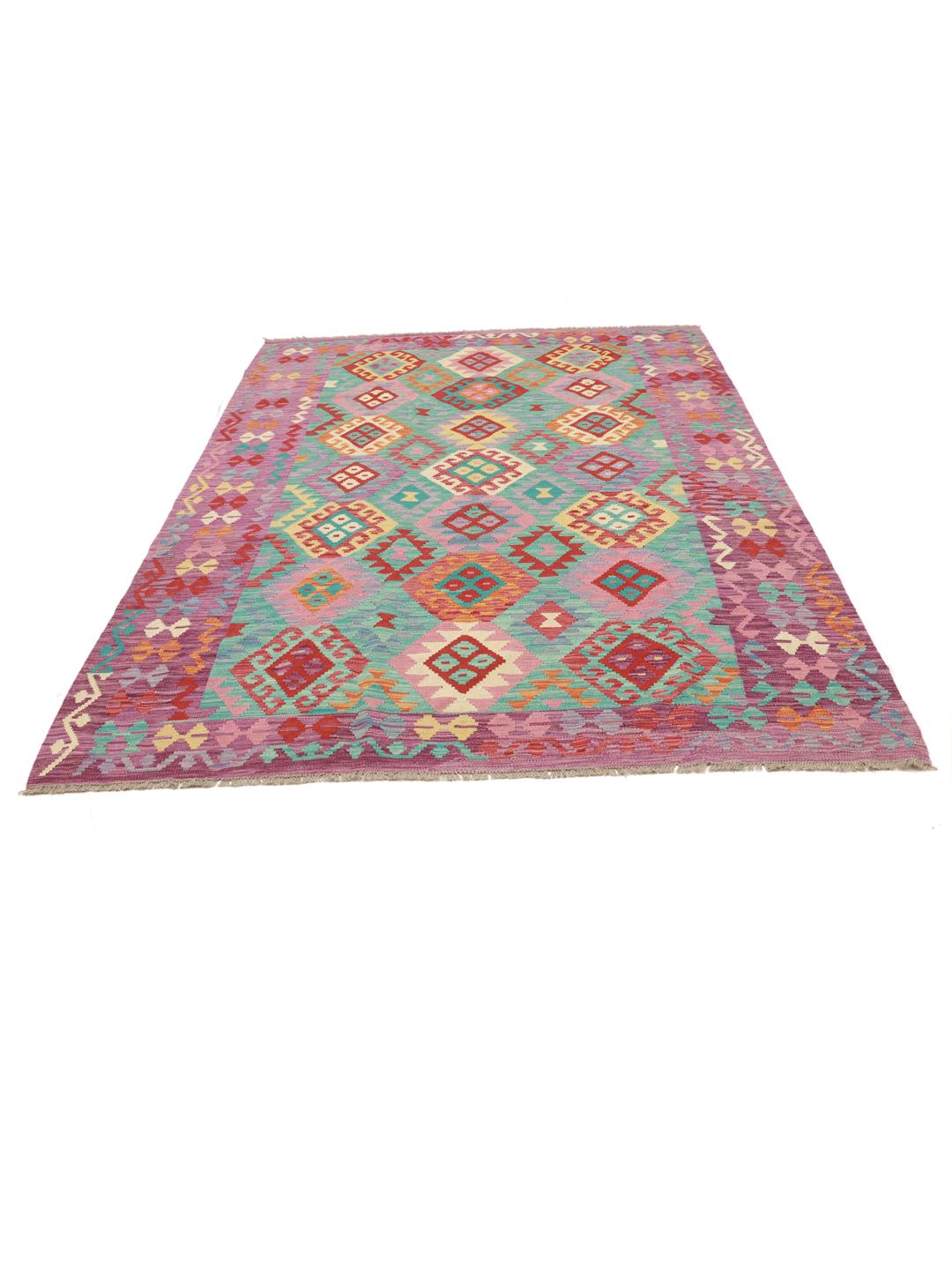
Kelim rugs have long been a cornerstone of nomadic life across the Middle East and Central Asia. Originally designed as functional, portable textiles for tents, these flat-woven rugs were used as floor coverings, blankets, and storage sacks. Their history is deeply intertwined with the migratory patterns of tribal groups, who relied on the availability of local Wool and natural dyes to create these durable, versatile pieces.
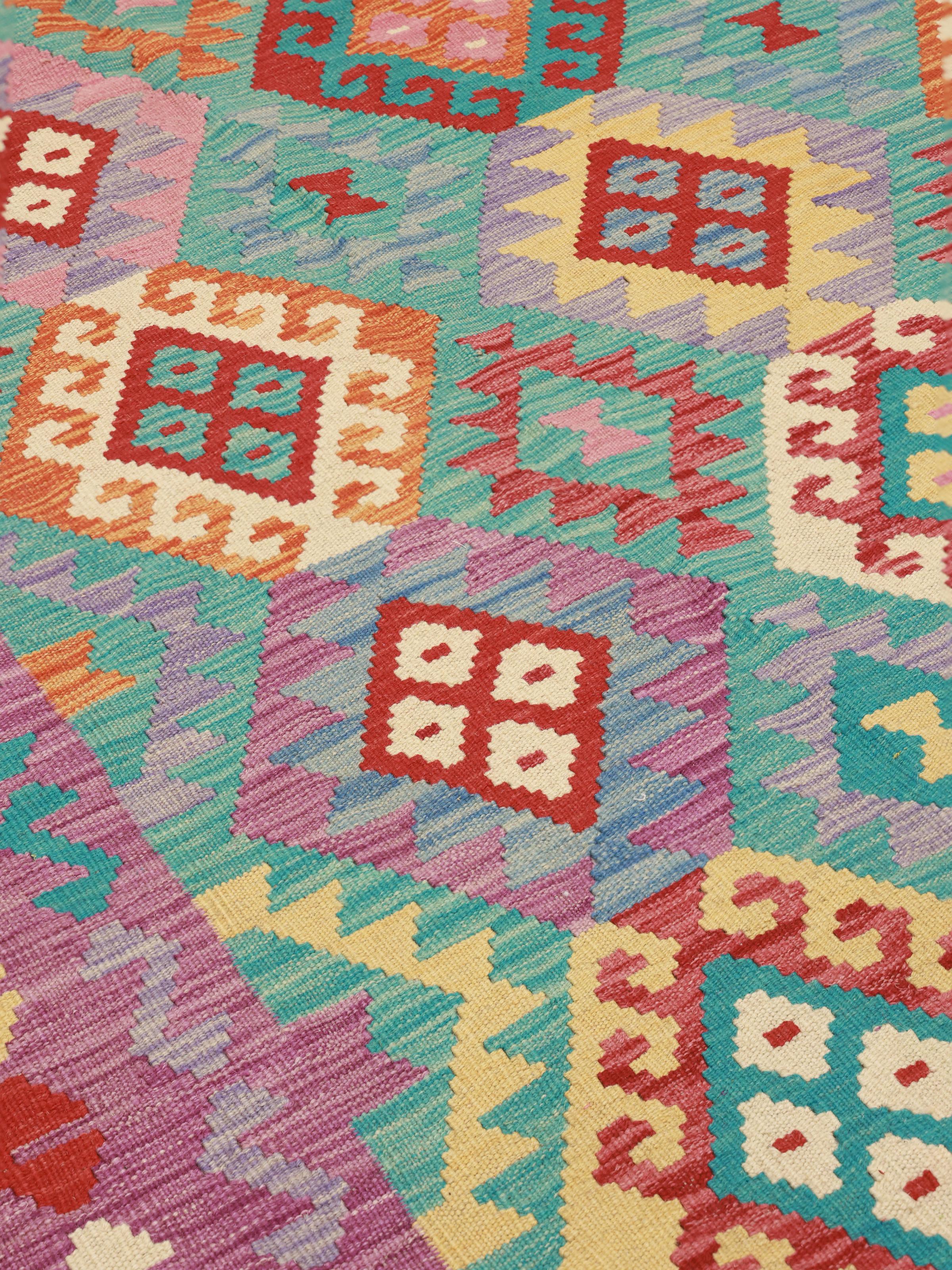
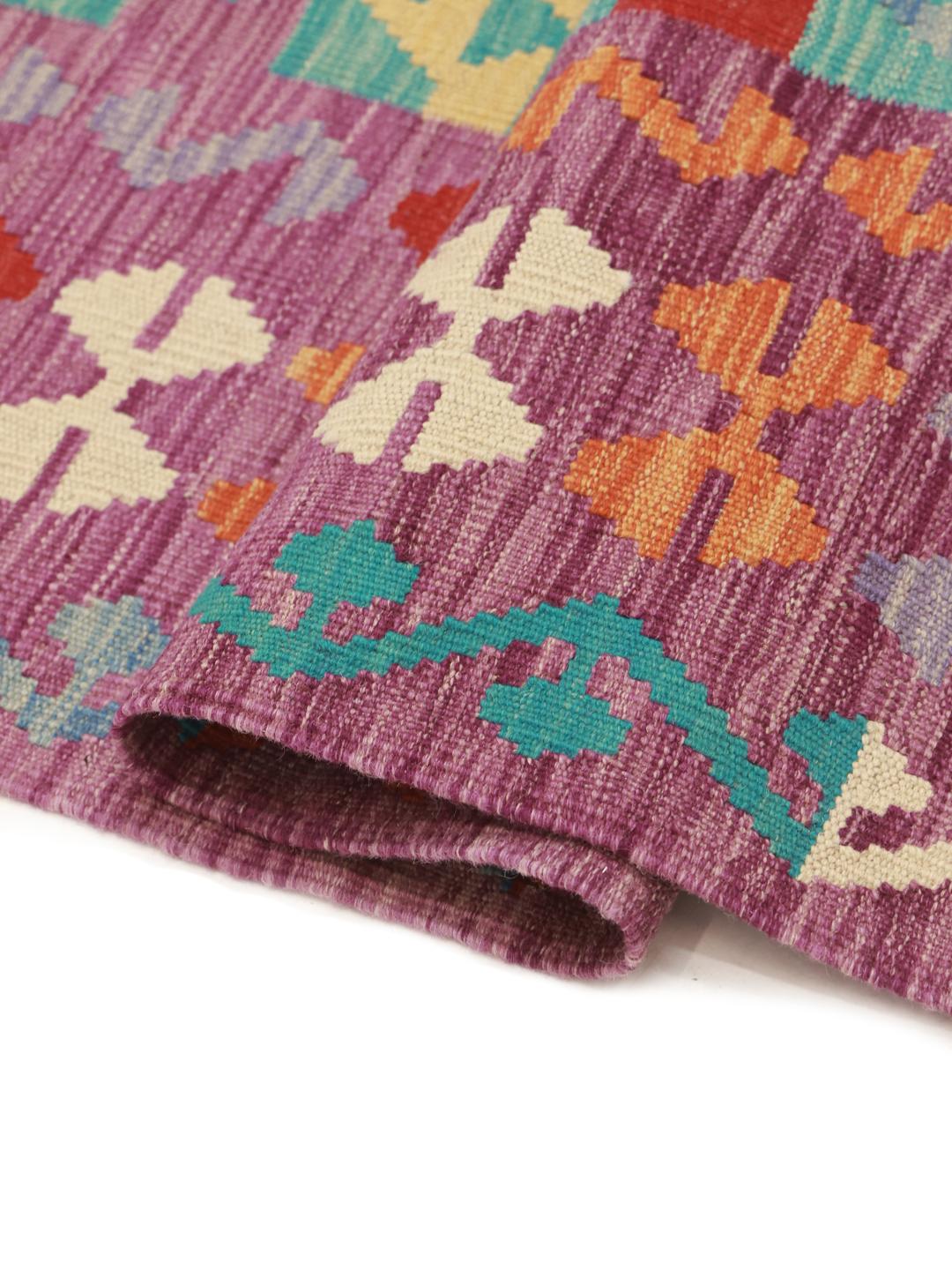
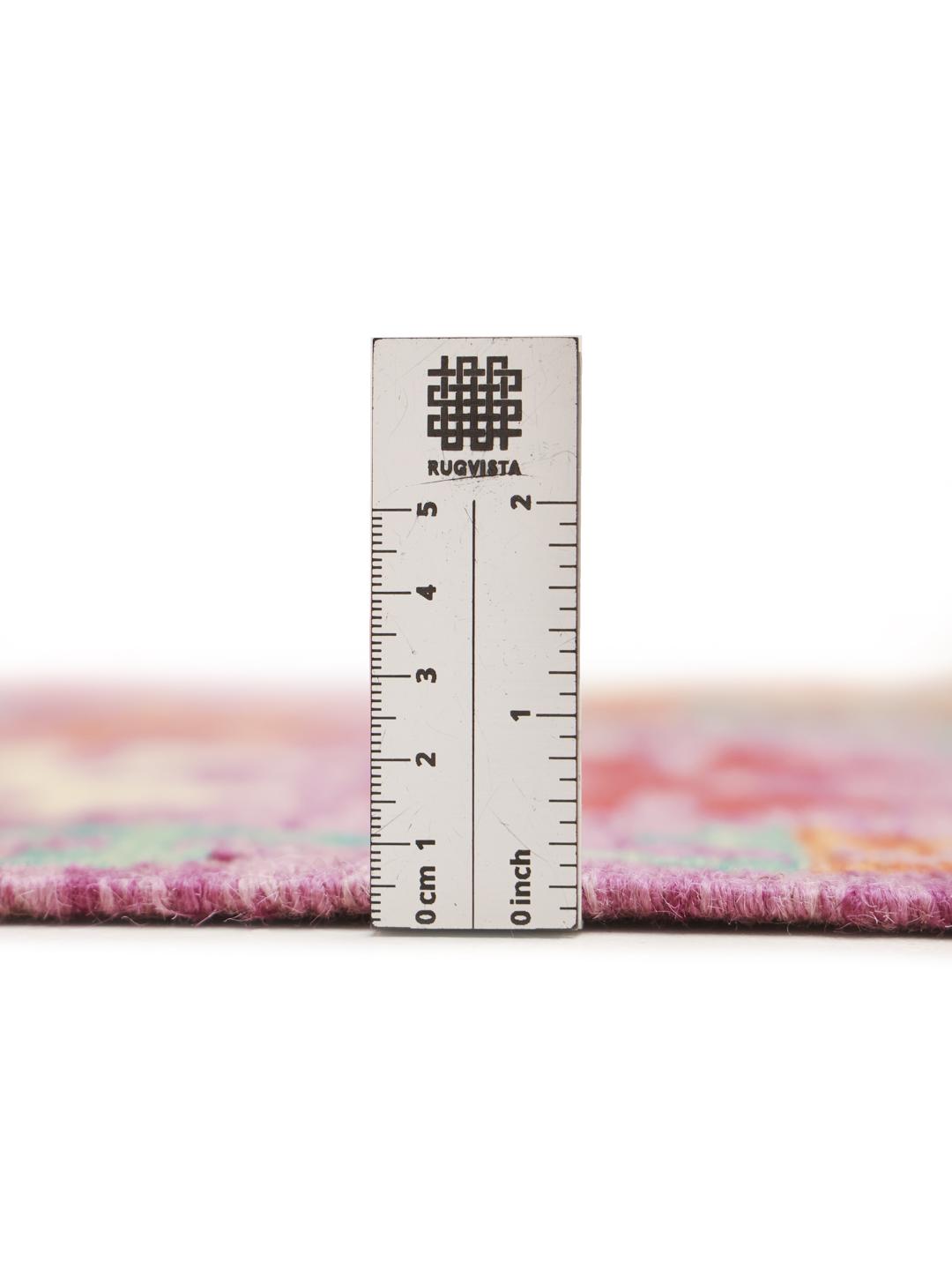
The term 'Kelim' refers to the specific flat-weaving technique where the warp and weft threads are interlaced to create a smooth surface without a pile. This method is highly prized for its clarity of design, as it allows for sharp, crisp geometric patterns that are easily recognisable. Because there is no pile to hide the weave, the quality of the Wool and the tension of the weave are paramount, resulting in a textile that is both incredibly strong and aesthetically striking.
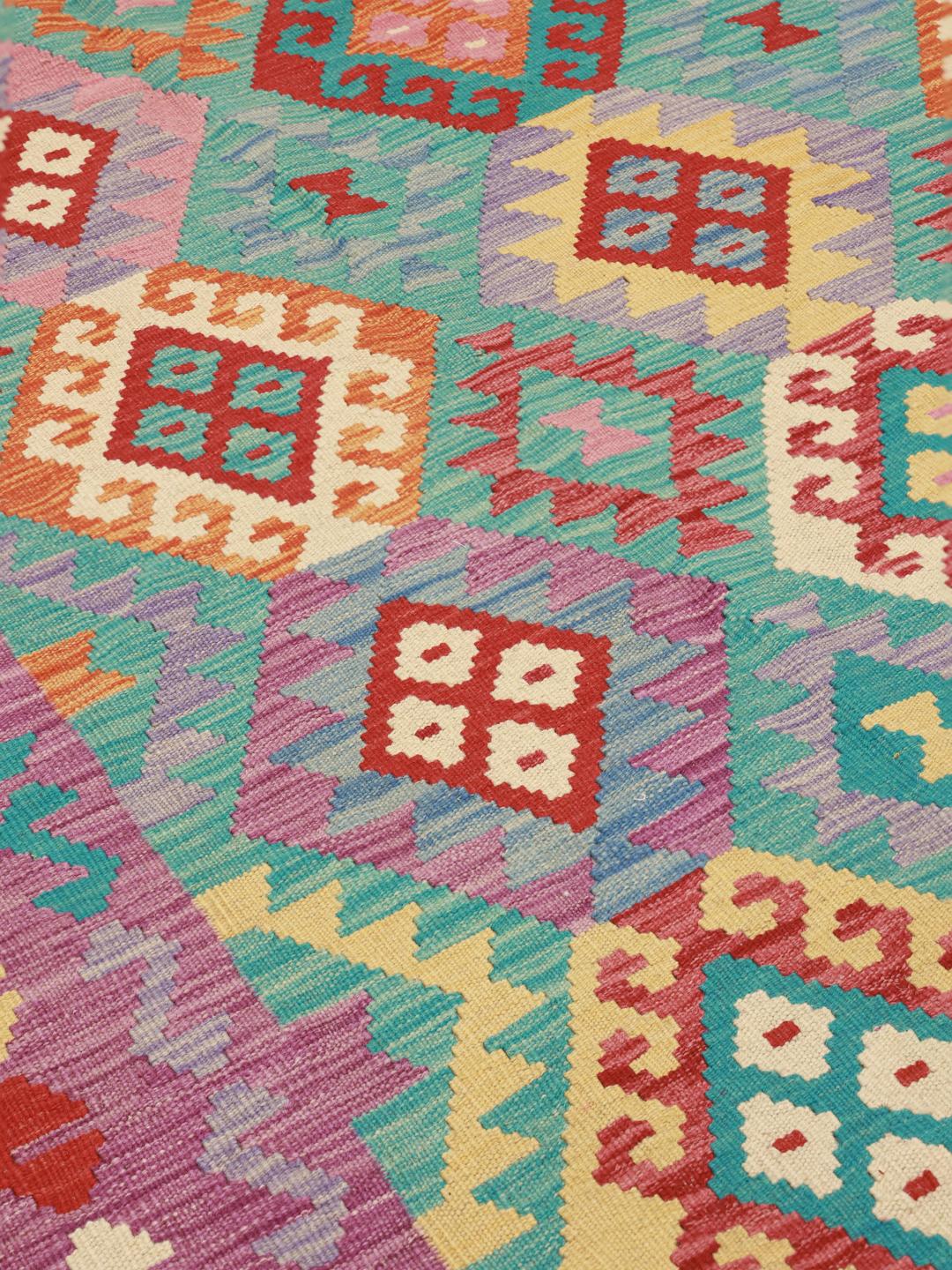
The visual language of the Afghan Kelim is characterised by bold geometric shapes and symbolic motifs. Diamonds, triangles, and intricate borders often repeat across the field, serving as a visual map of the weaver's tribal heritage and personal expression. These patterns are not merely decorative but often carry cultural significance, with each family or group possessing its own signature style of motif arrangement and colour usage that has been passed down through generations.
Collecting these rugs is an investment in cultural heritage and the preservation of ancient craft. As modern life changes, the traditional methods used to create these pieces become increasingly rare. Owning a Kelim means holding a piece of history that represents the skill, environment, and social identity of the communities that produced it. These rugs are valued globally not just for their utility, but for the profound sense of place and artistry they bring into the home.