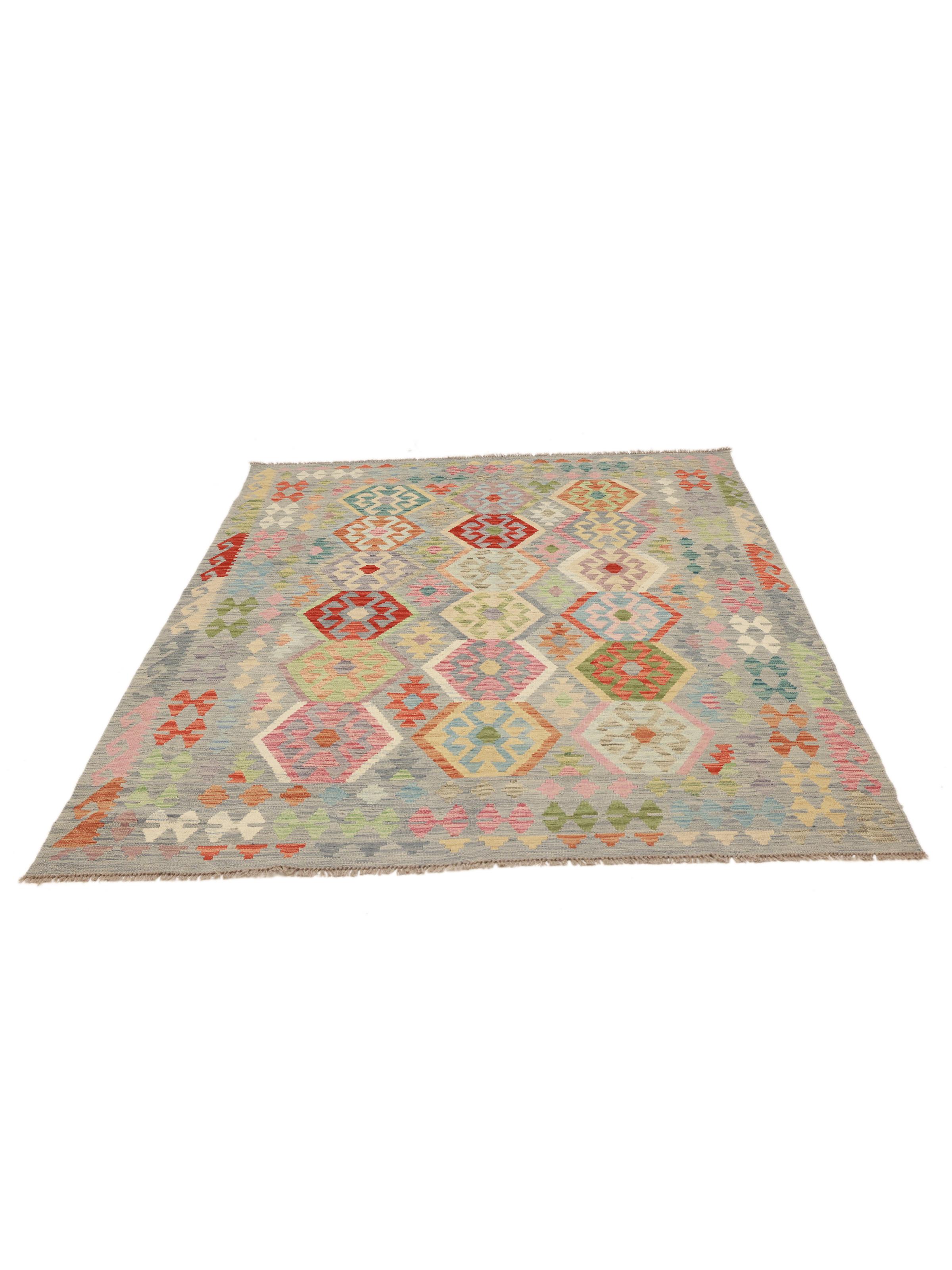
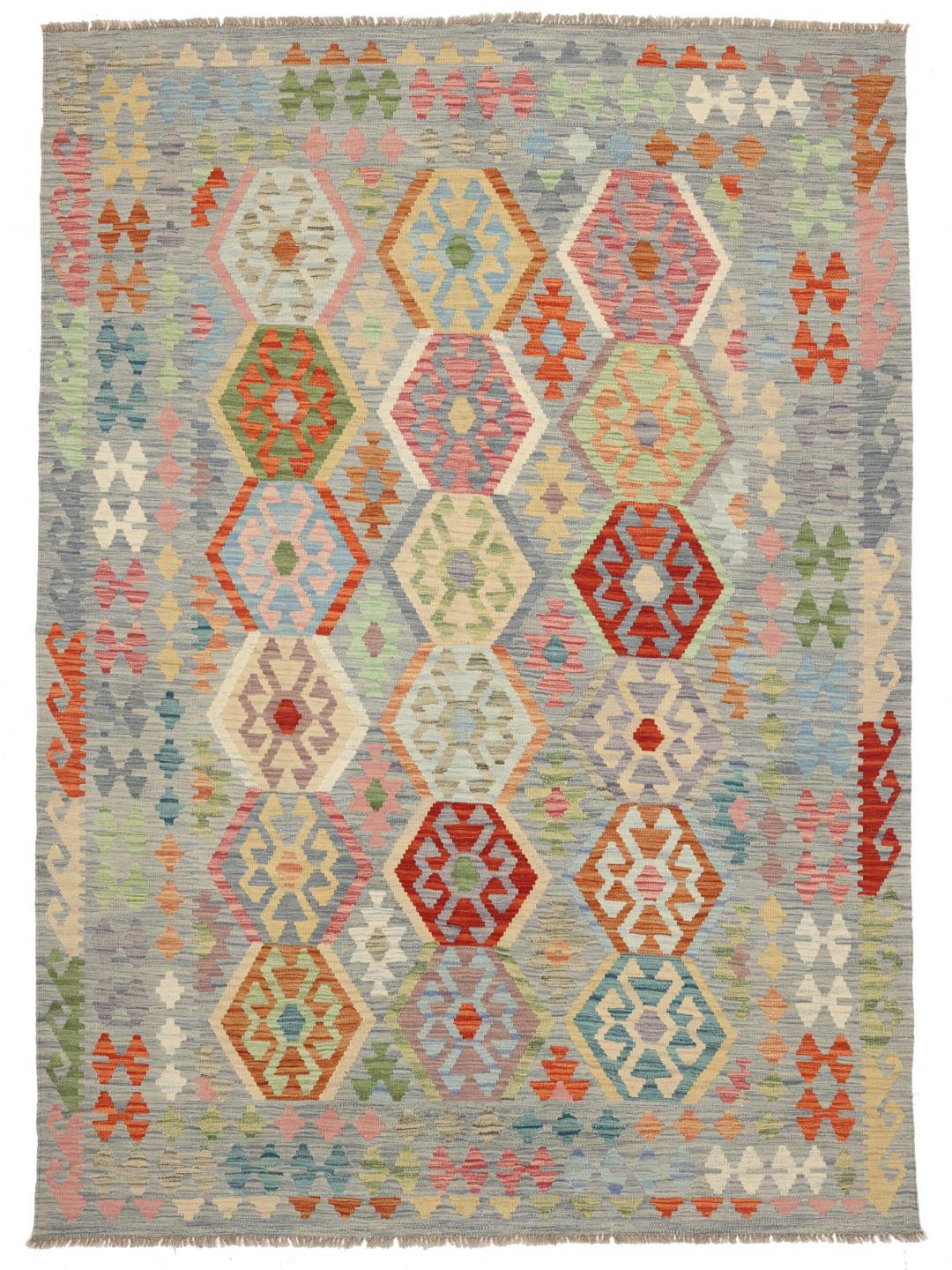
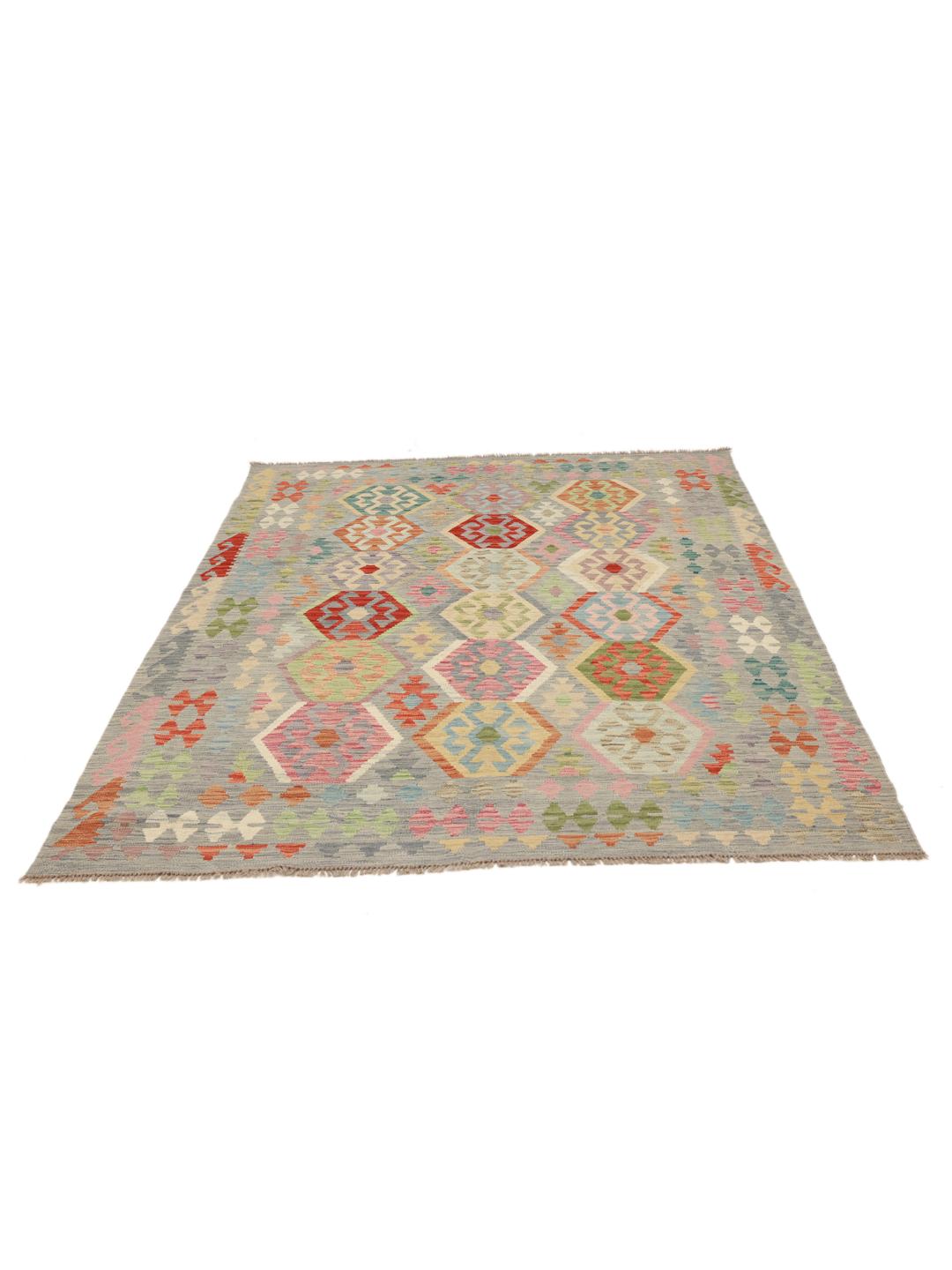
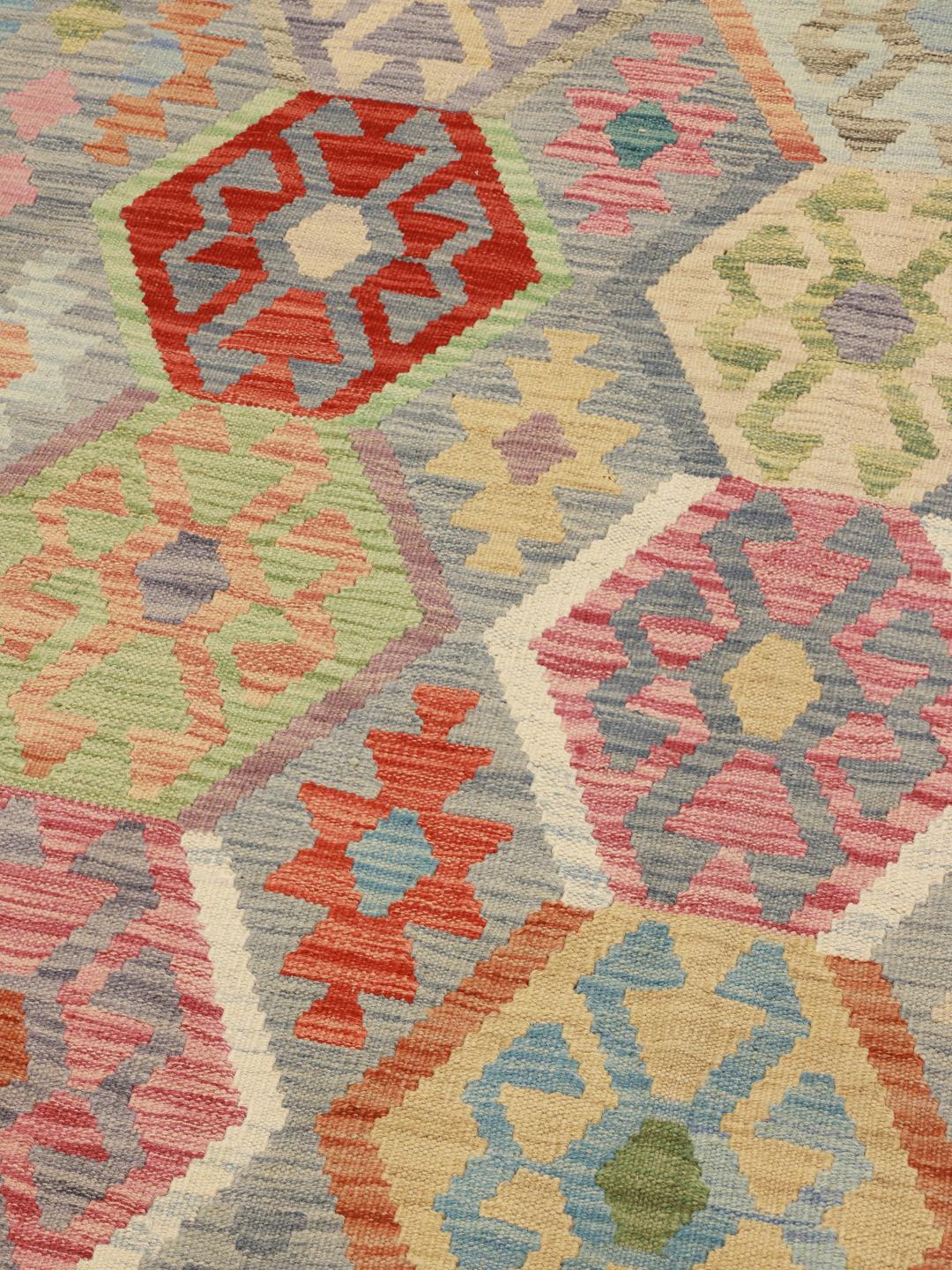
The Kelim tradition in Afghanistan is deeply rooted in the nomadic and semi-nomadic lifestyles of the region, where flat-woven textiles were essential for both utility and beauty. Historically, these rugs were created to serve as floor coverings, wall hangings, and storage bags, designed to be easily transported across the rugged landscapes of Central Asia. This heritage of portability and resilience continues to influence the aesthetic and construction of modern Afghan Kelims.
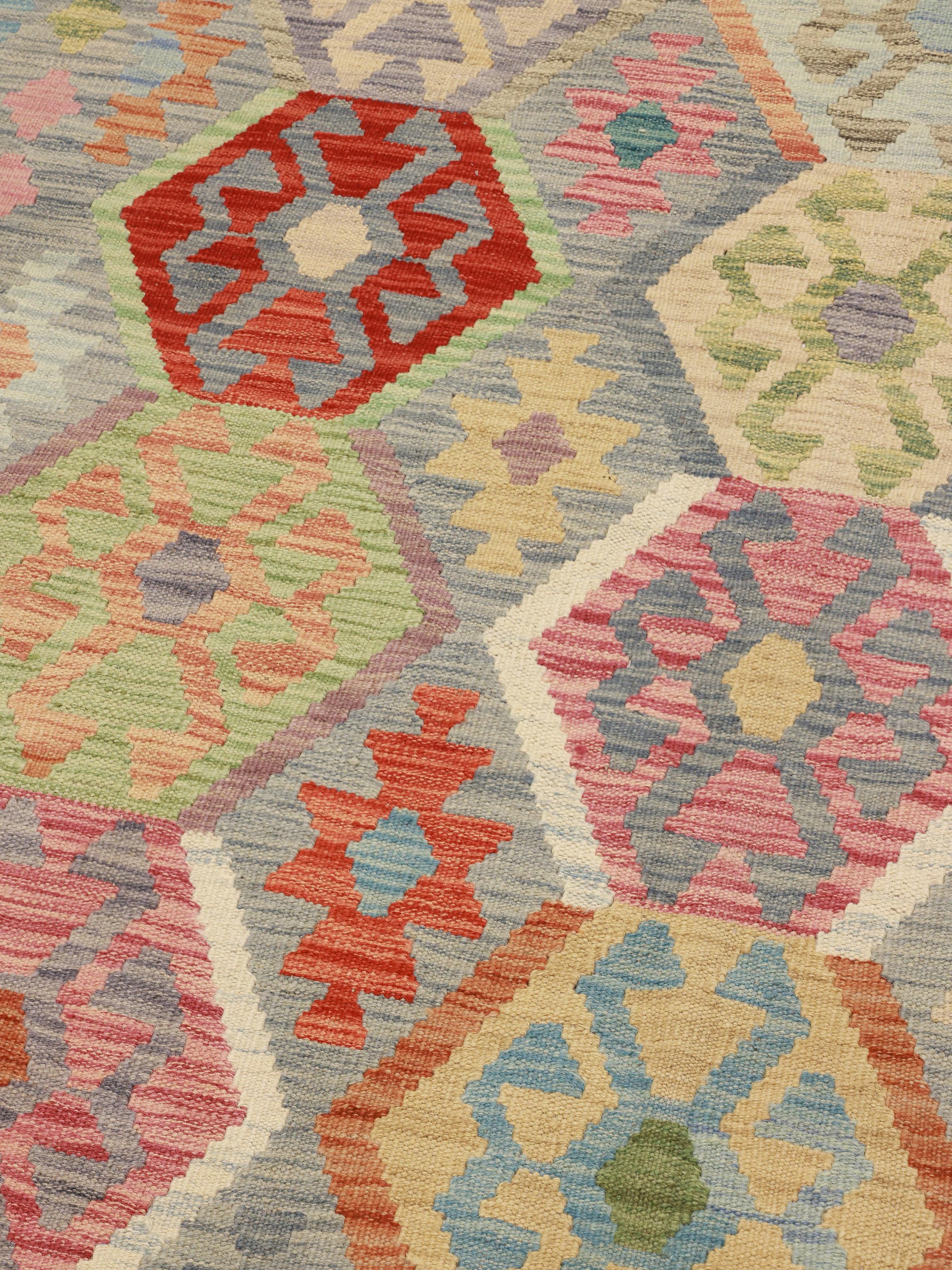
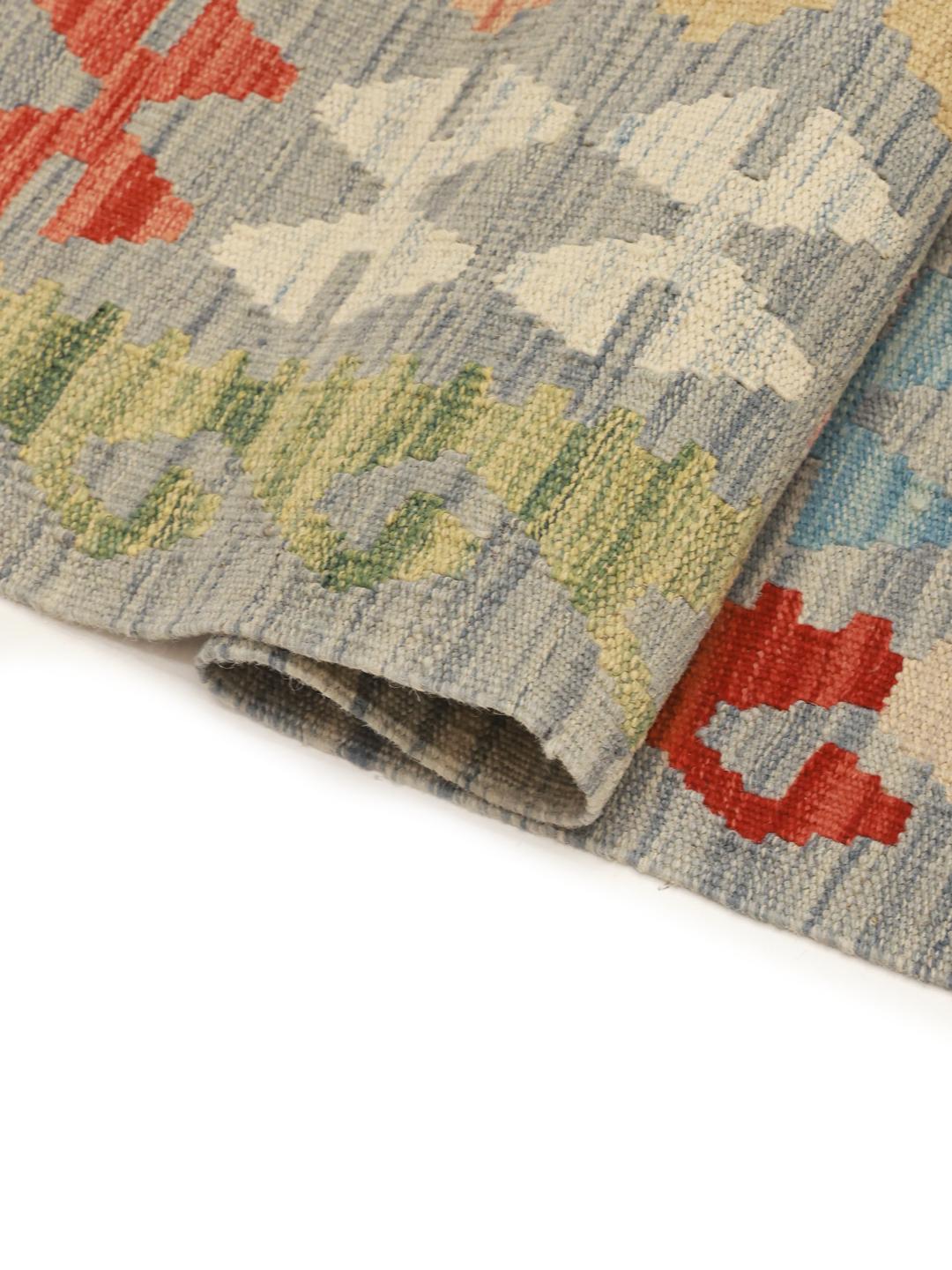
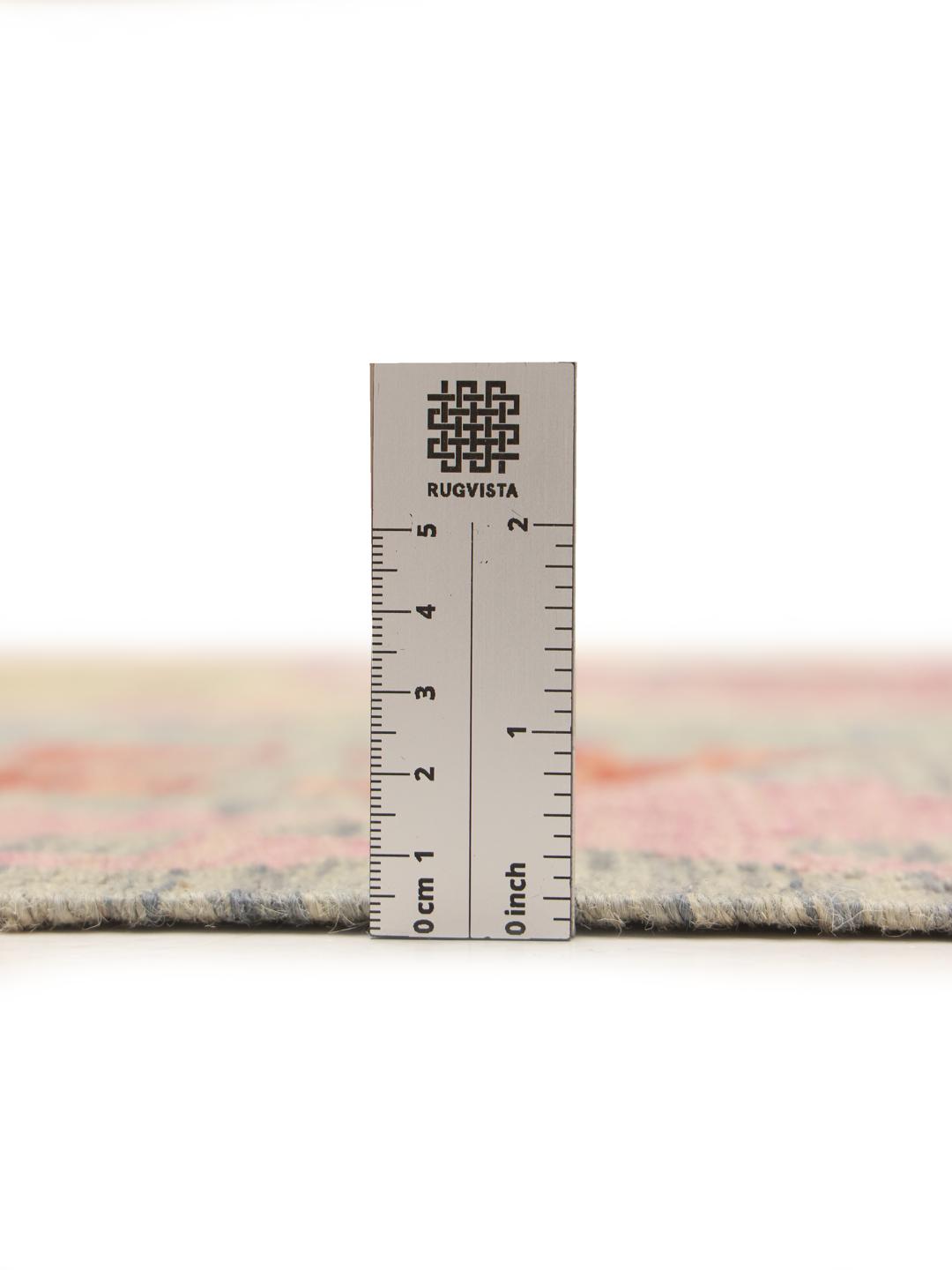
Technically, a Kelim is a flat-woven rug, meaning it lacks a pile in the traditional sense. Instead, the design is created by interweaving the coloured weft threads through the warp threads. This technique results in a rug that is reversible, durable, and remarkably lightweight compared to knotted styles. The absence of pile allows the geometric patterns to appear sharp and clear, highlighting the skill of the weaver in maintaining consistent tension across the entire width of the rug.
The signature design language of Afghan Kelims is heavily focused on geometric abstraction, often featuring diamonds, hexagons, and intricate borders. These motifs are not merely decorative; they often carry symbolic meanings related to tribal identity, protection, and the natural world. The use of bold, contrasting colours is a hallmark of this tradition, designed to bring life and visual energy to the often stark environments of the mountainous regions where they originated.
Owning an authentic Afghan Kelim is an opportunity to connect with a rich cultural history. These rugs are highly valued by collectors for their blend of artistic expression and practical durability. Because each piece is the result of individual human effort, they possess a character and soul that mass-manufactured floor coverings lack. By bringing a Kelim into your home, you are preserving a craft tradition and adding a piece of history to your living space.