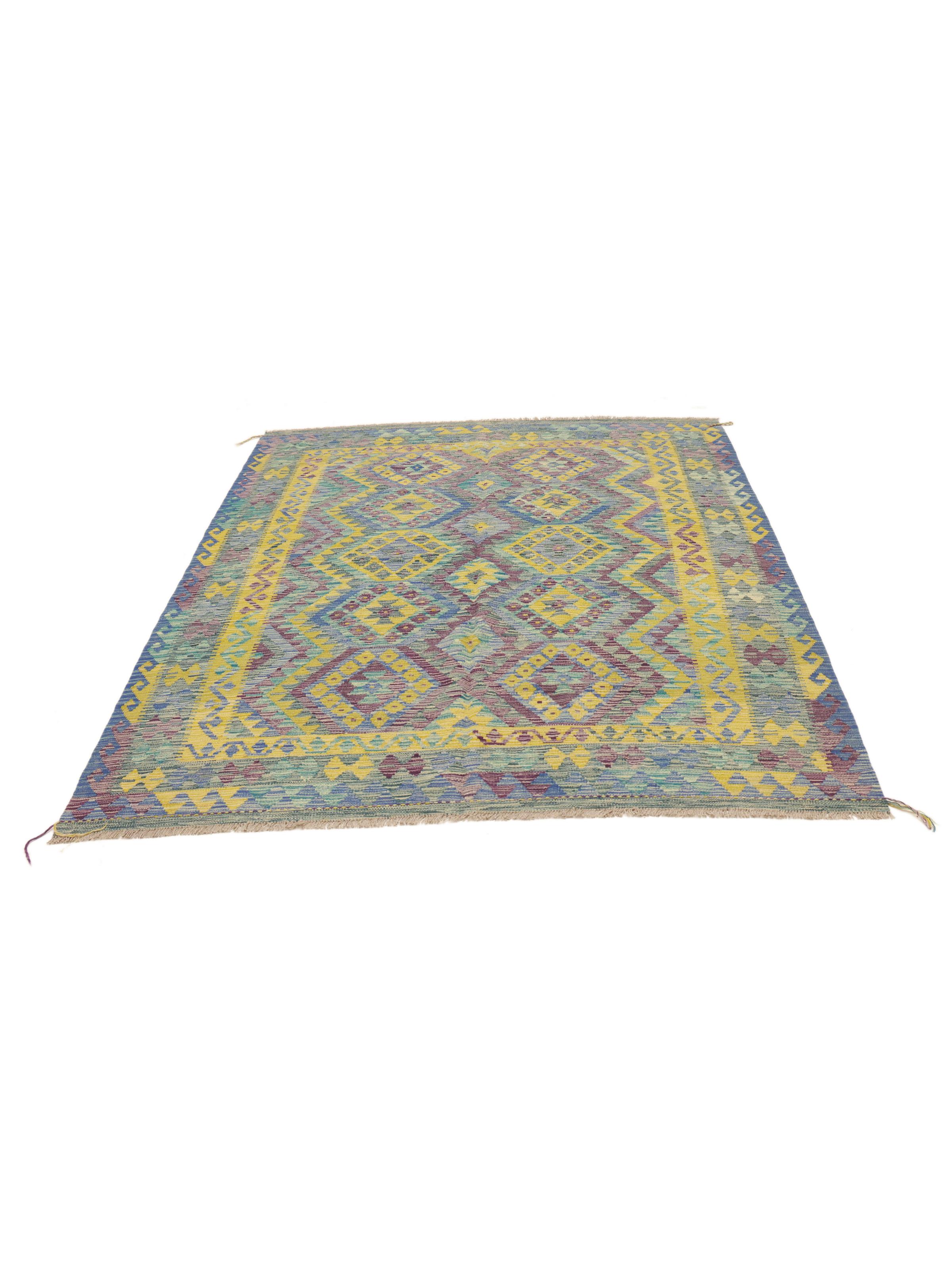
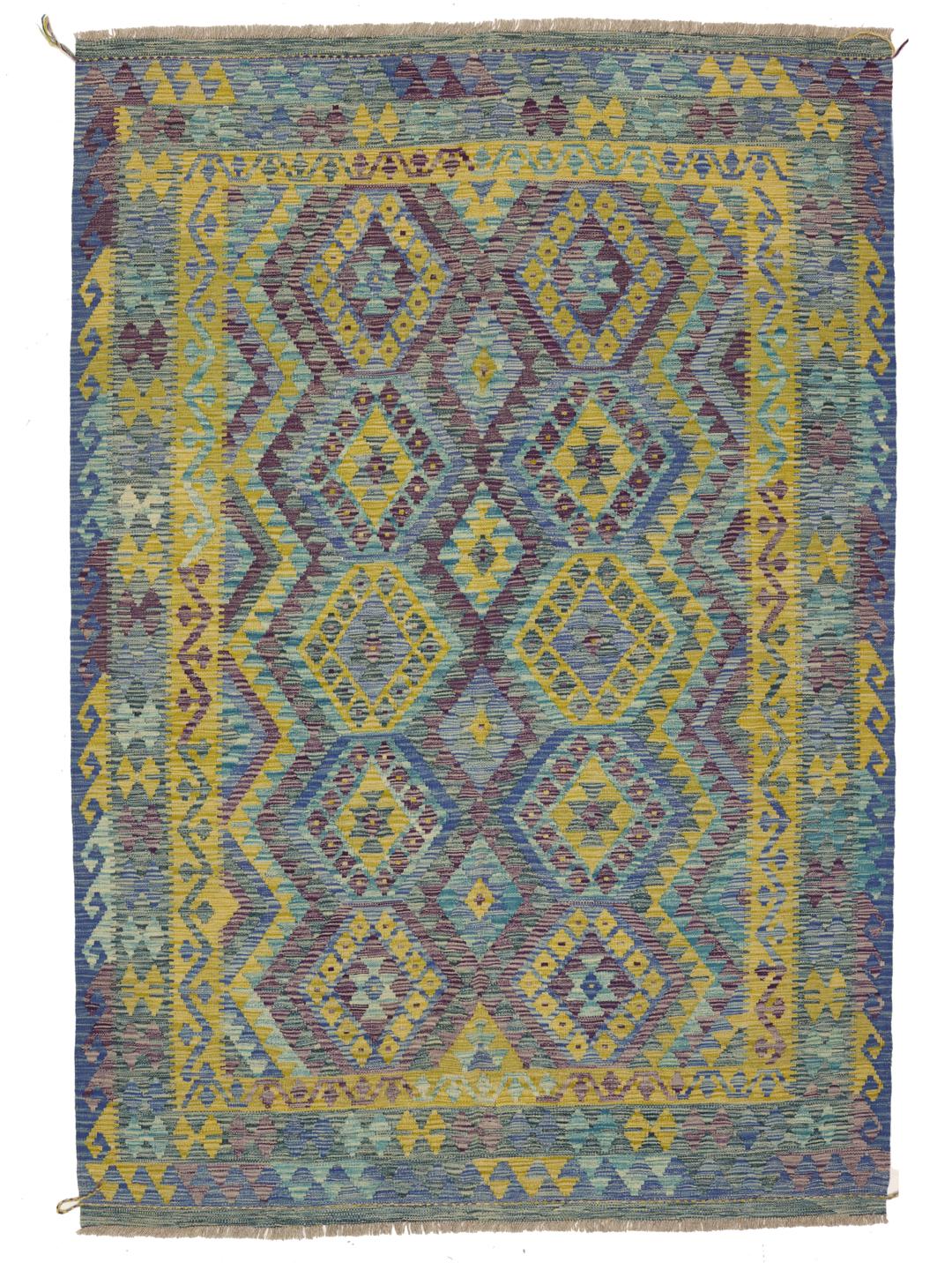
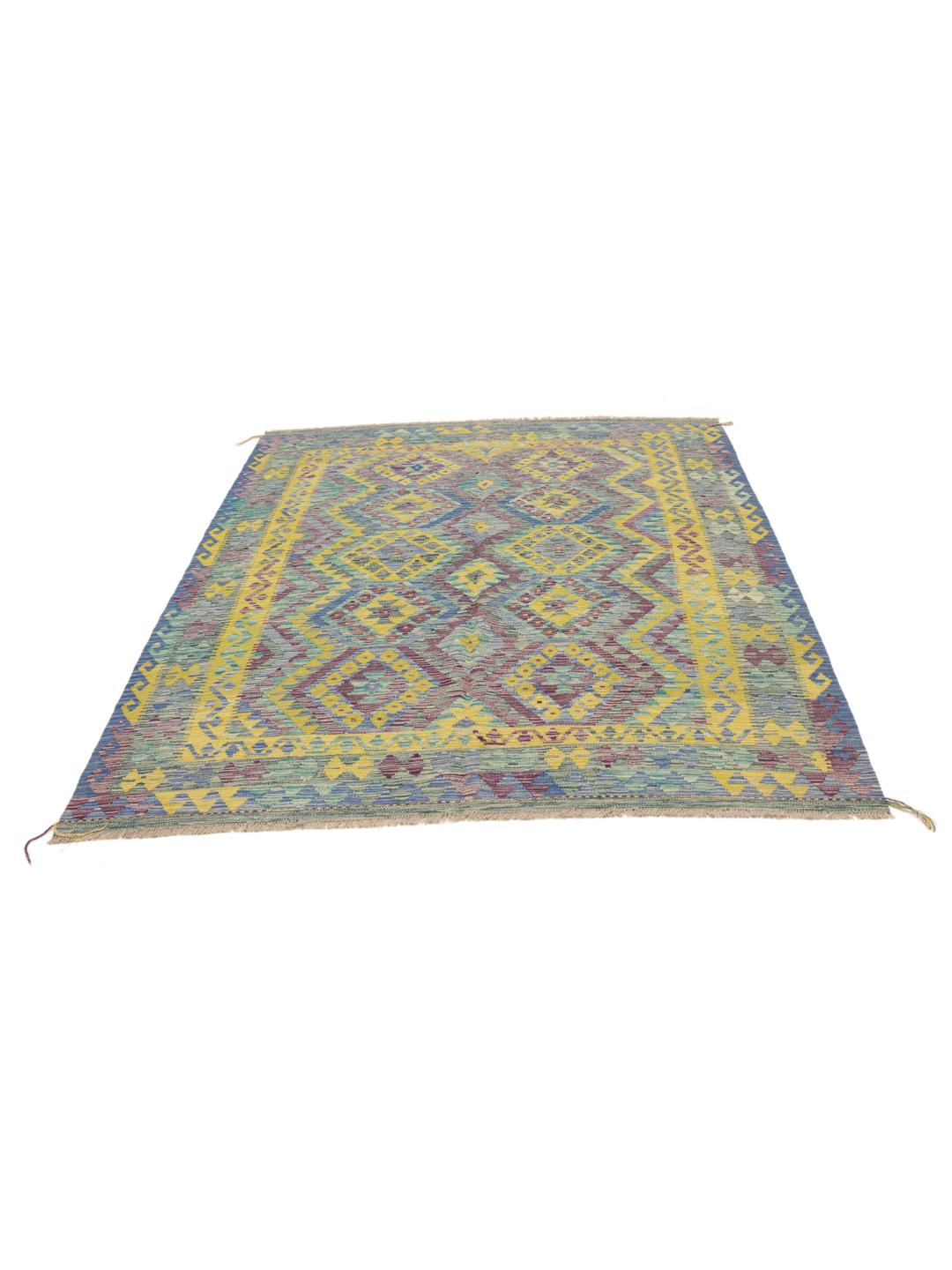
Kelim rugs from Afghanistan are deeply rooted in the nomadic traditions of the region, where weaving has served as a primary form of creative expression for centuries. These flat-woven textiles were originally designed to be portable and functional, serving as floor coverings, blankets, and storage bags for families on the move. The evolution of these rugs into decorative home pieces reflects a transition from necessity to a celebrated art form.
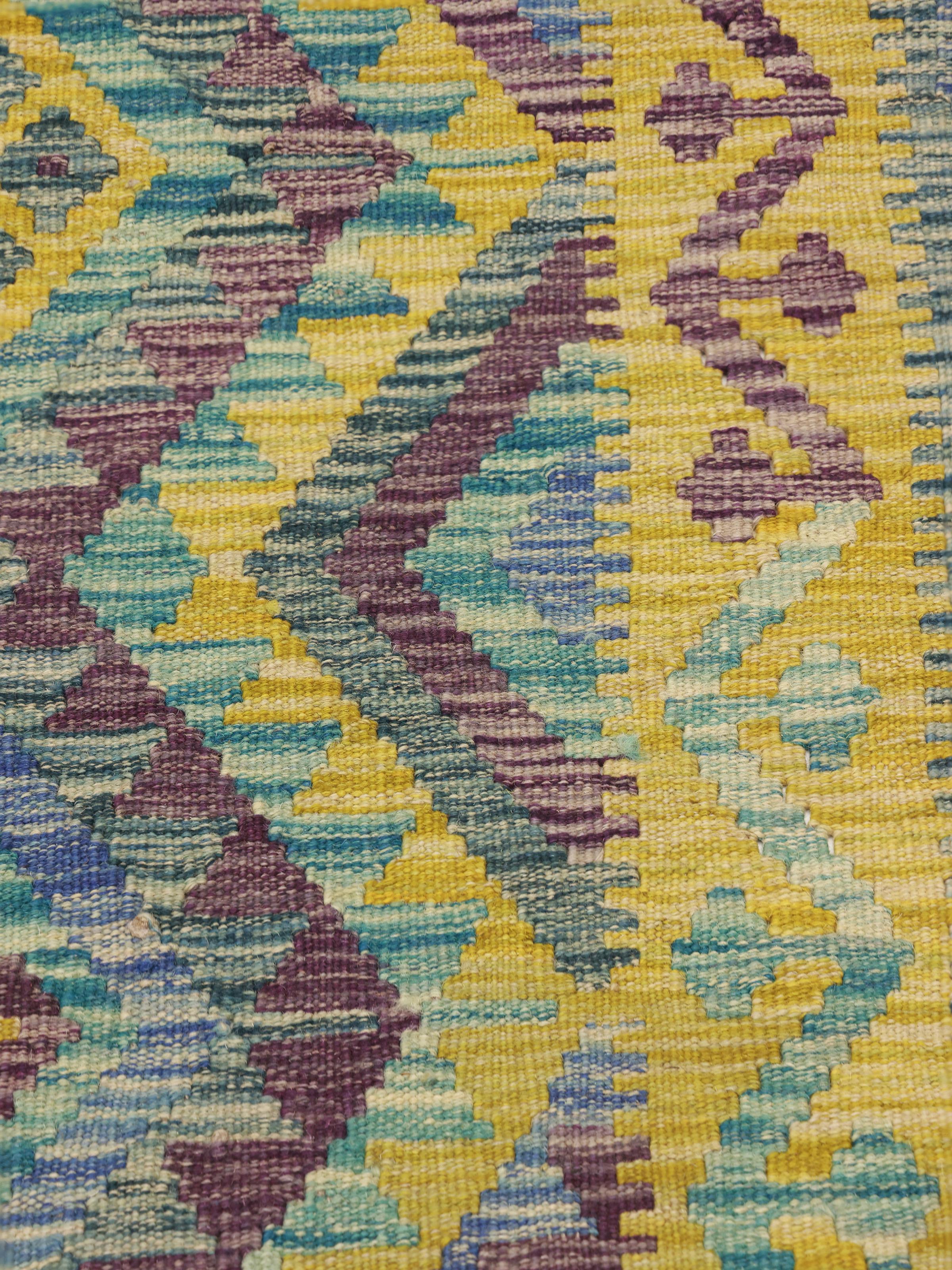
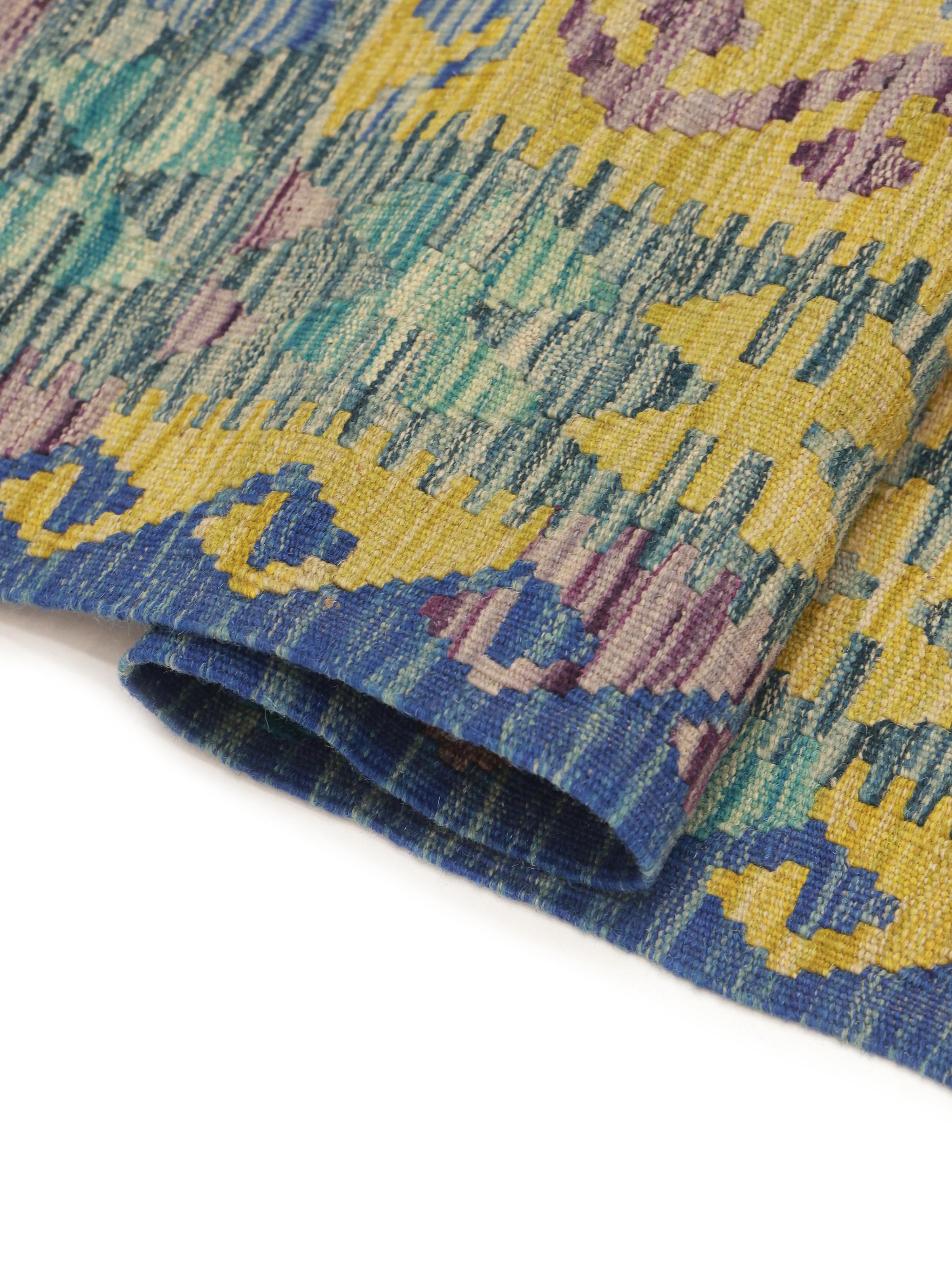
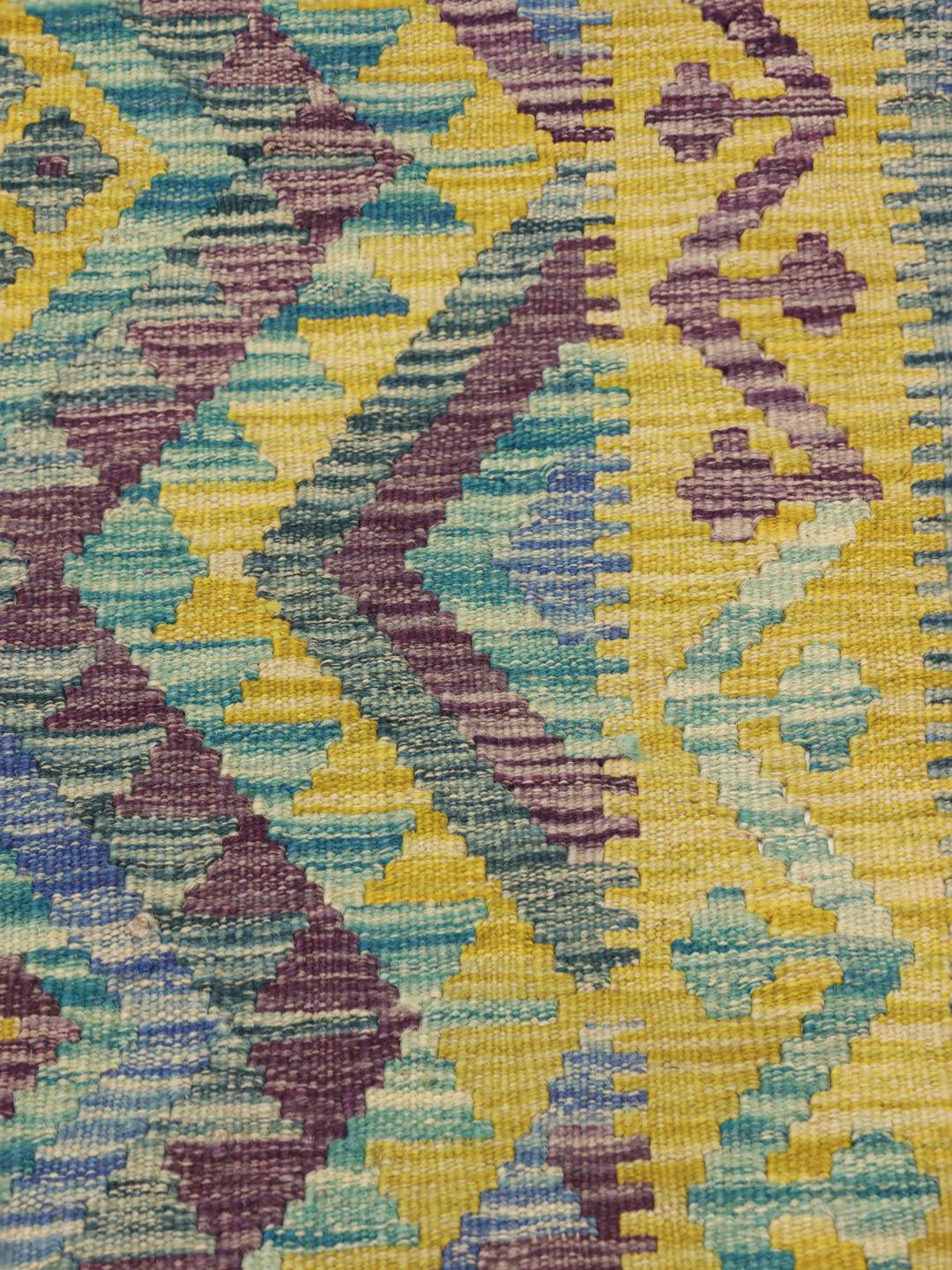
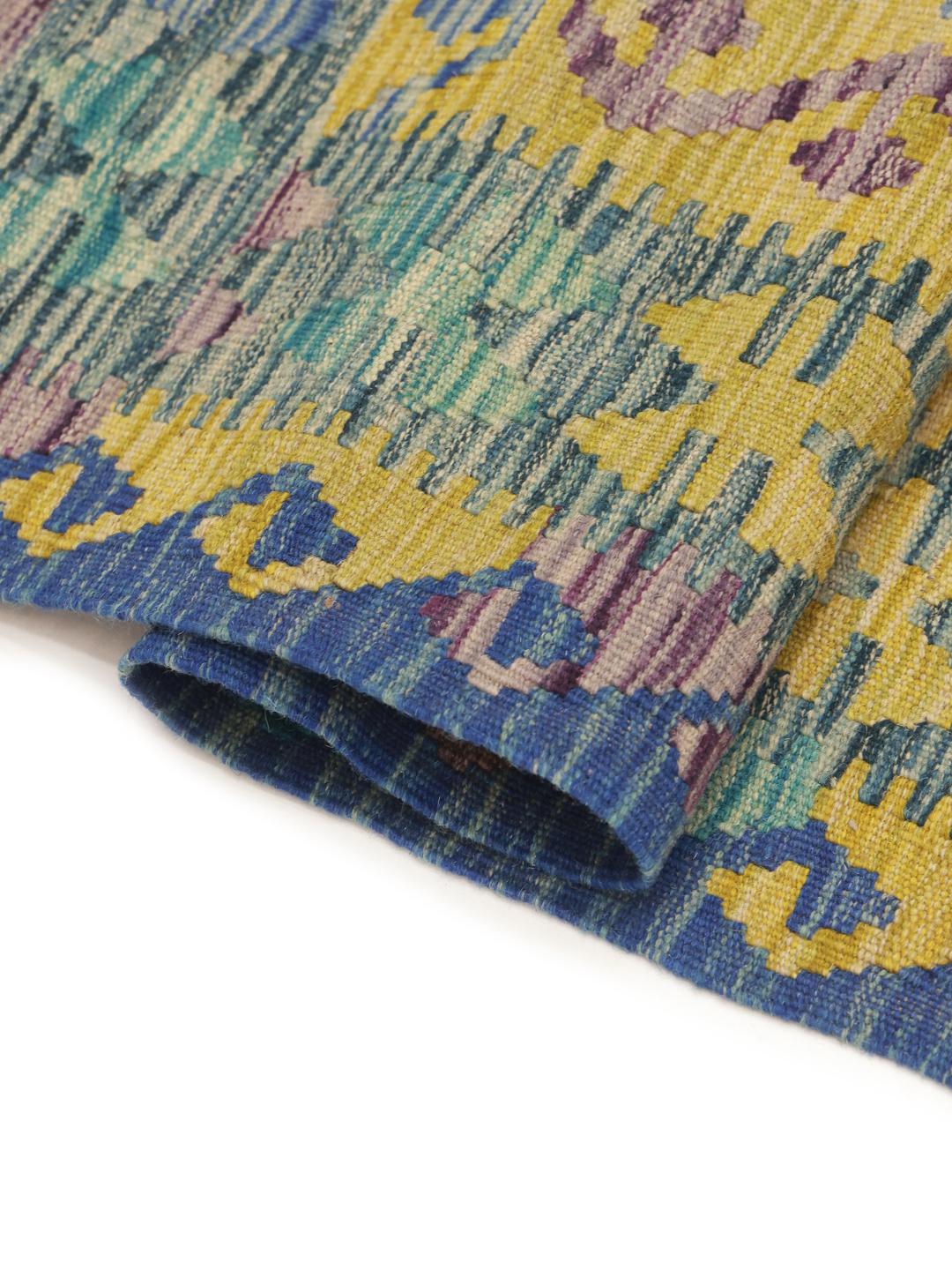
The term 'kelim' refers to the specific flat-weave technique where the weft and warp threads are interlaced to create a smooth, pileless surface. This method is fundamental to the rug's durability and distinctively clean, graphic look. Because there is no pile to hide the weave, the artisan must be incredibly precise, as any variation in tension becomes part of the final visual statement of the rug.
Signature design elements in Afghan kelims often include bold, geometric motifs like diamonds, triangles, and stylized floral patterns. These designs are frequently arranged in repeating, symmetrical layouts that represent tribal identities and regional stories. The colour palette typically relies on natural dyes, which develop a beautiful, softened patina over time, giving each piece a timeless appeal that fits perfectly into contemporary living spaces.
Collectors value these rugs for their cultural weight and the undeniable skill required to produce them. Owning an Afghan kelim is an invitation to connect with a long-standing tradition of craftsmanship that prioritises both beauty and utility. These pieces are not merely floor coverings; they are tangible links to a rich, historical lineage, offering a lasting quality that mass-produced items cannot match.