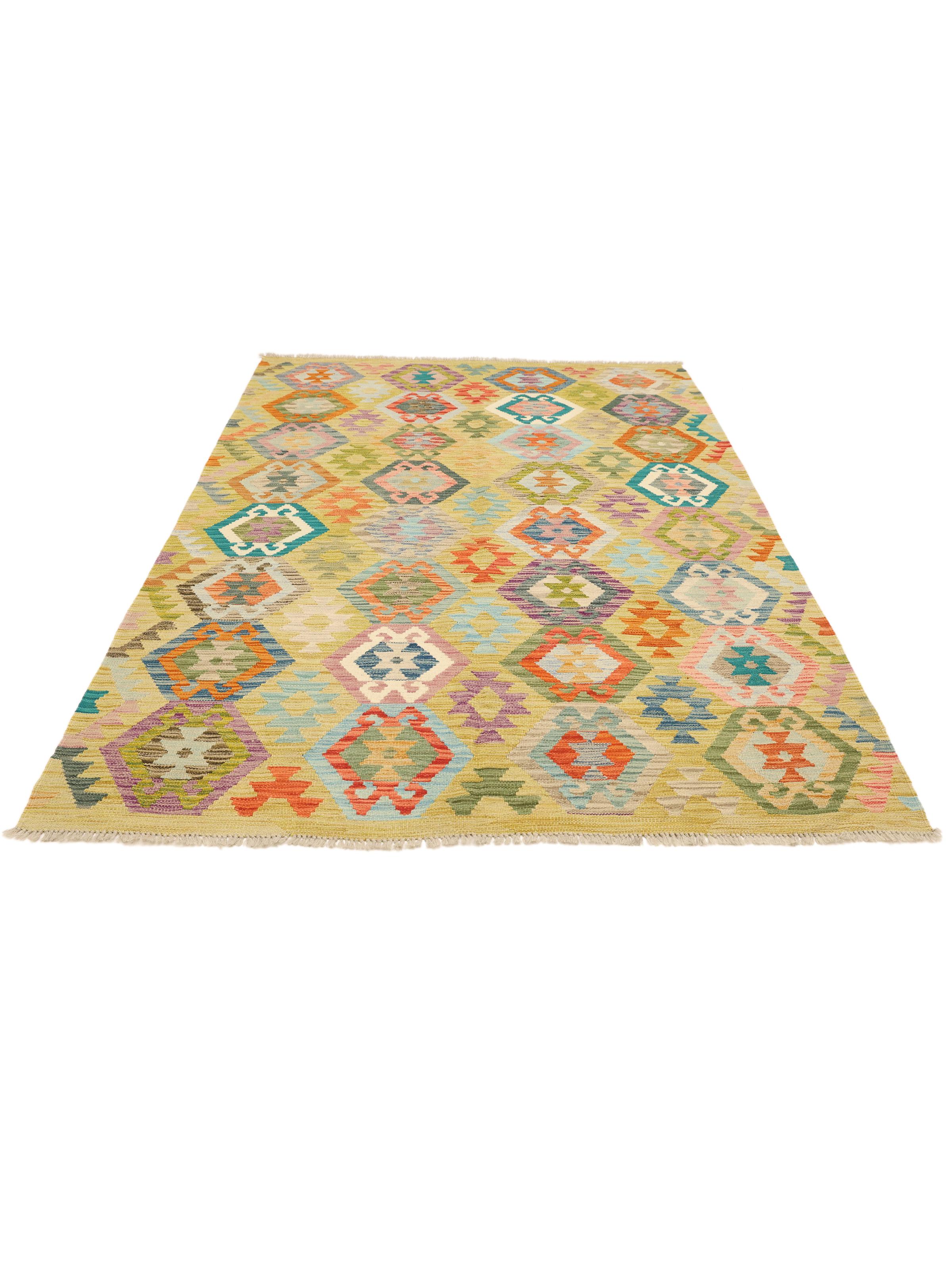
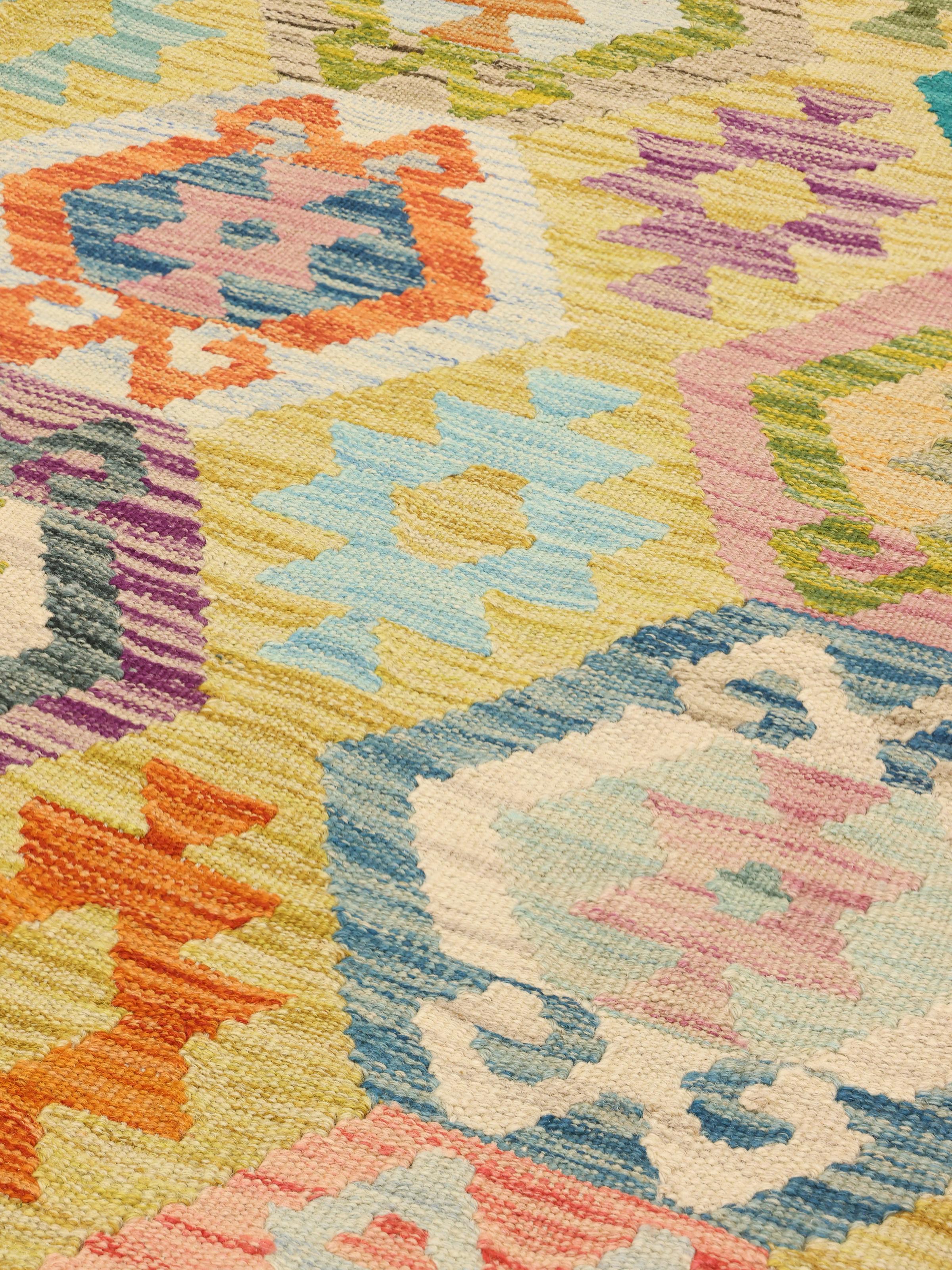
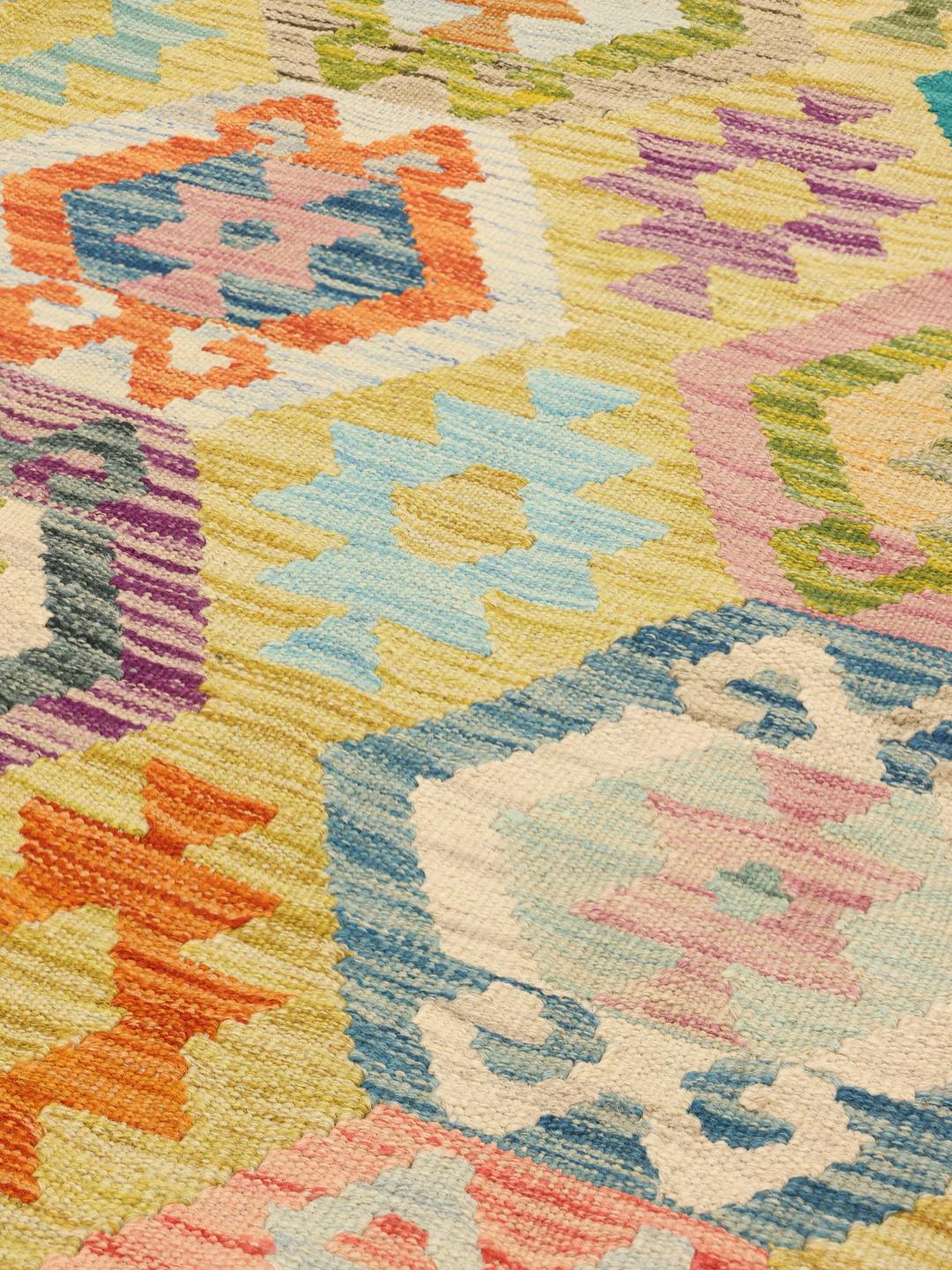
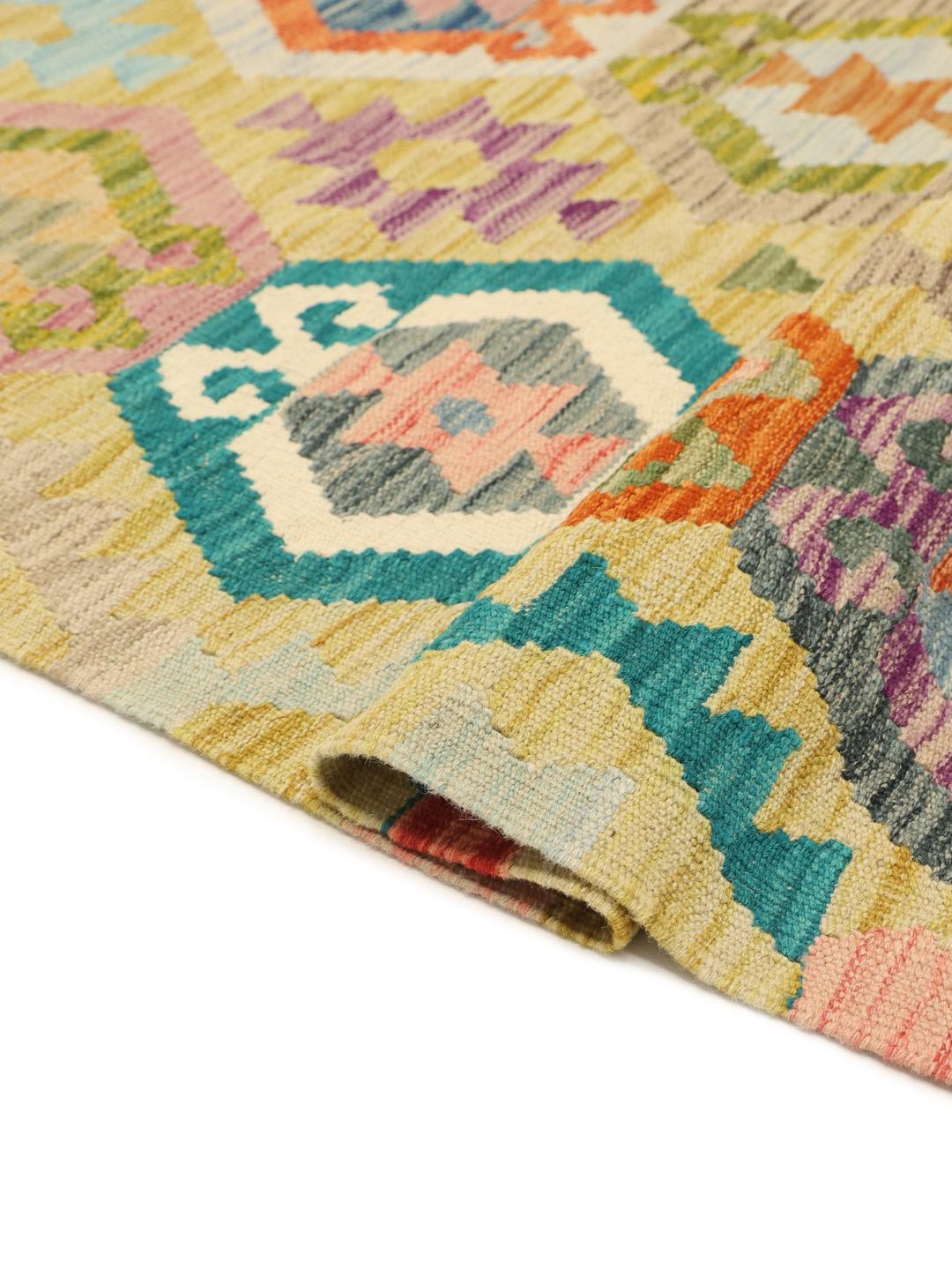
Kelim rugs have long been a cornerstone of nomadic life across the Middle East and Central Asia. Originally created by tribal groups for practical use, these flat-woven textiles served as floor coverings, blankets, and storage sacks. The term 'Kelim' refers specifically to the slit-weave technique, where the weft threads are pulled tightly to create crisp edges between different coloured sections, resulting in a pattern that is identical on both sides.
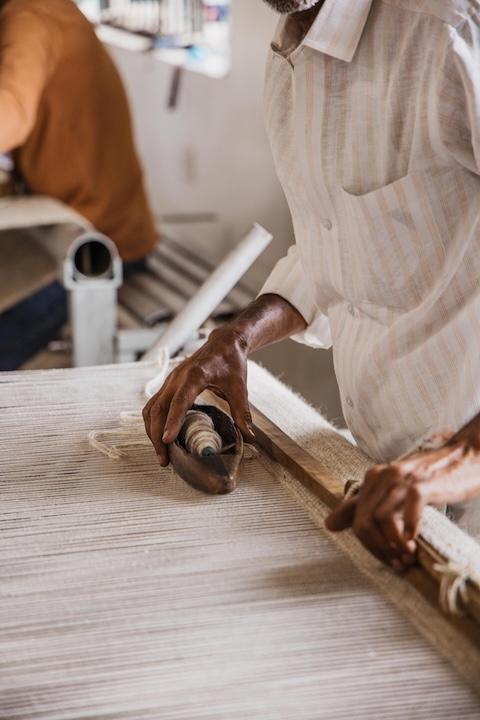
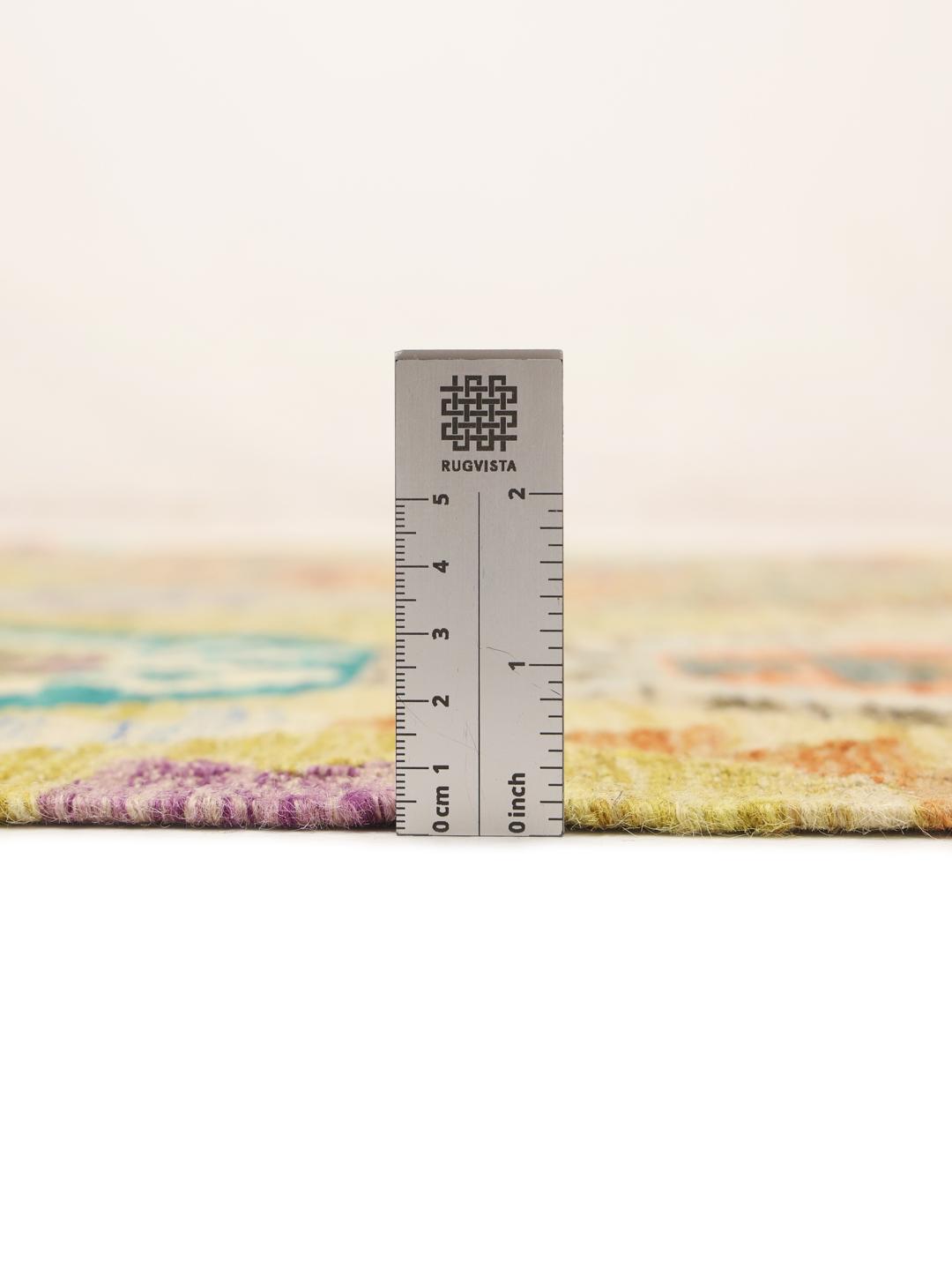
The technical mastery required to weave a Kelim is significant, as the weaver must manage both the structural integrity of the foundation and the complex colour changes simultaneously. This style of construction is highly valued for its durability and its ability to withstand the rigours of daily use. The lack of a pile, while traditional, is a deliberate design choice that allows the intricate geometric motifs to stand out with exceptional clarity.
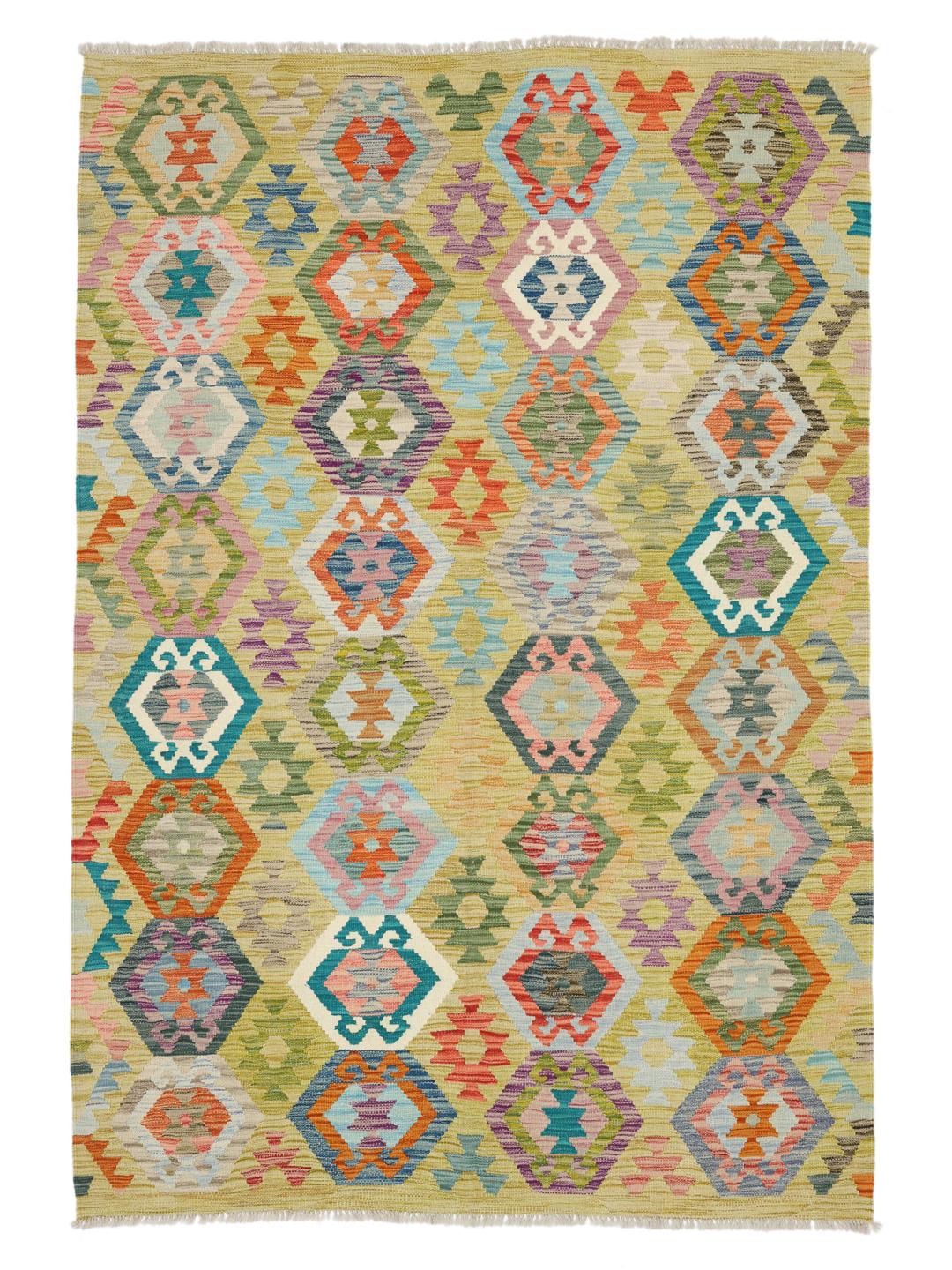
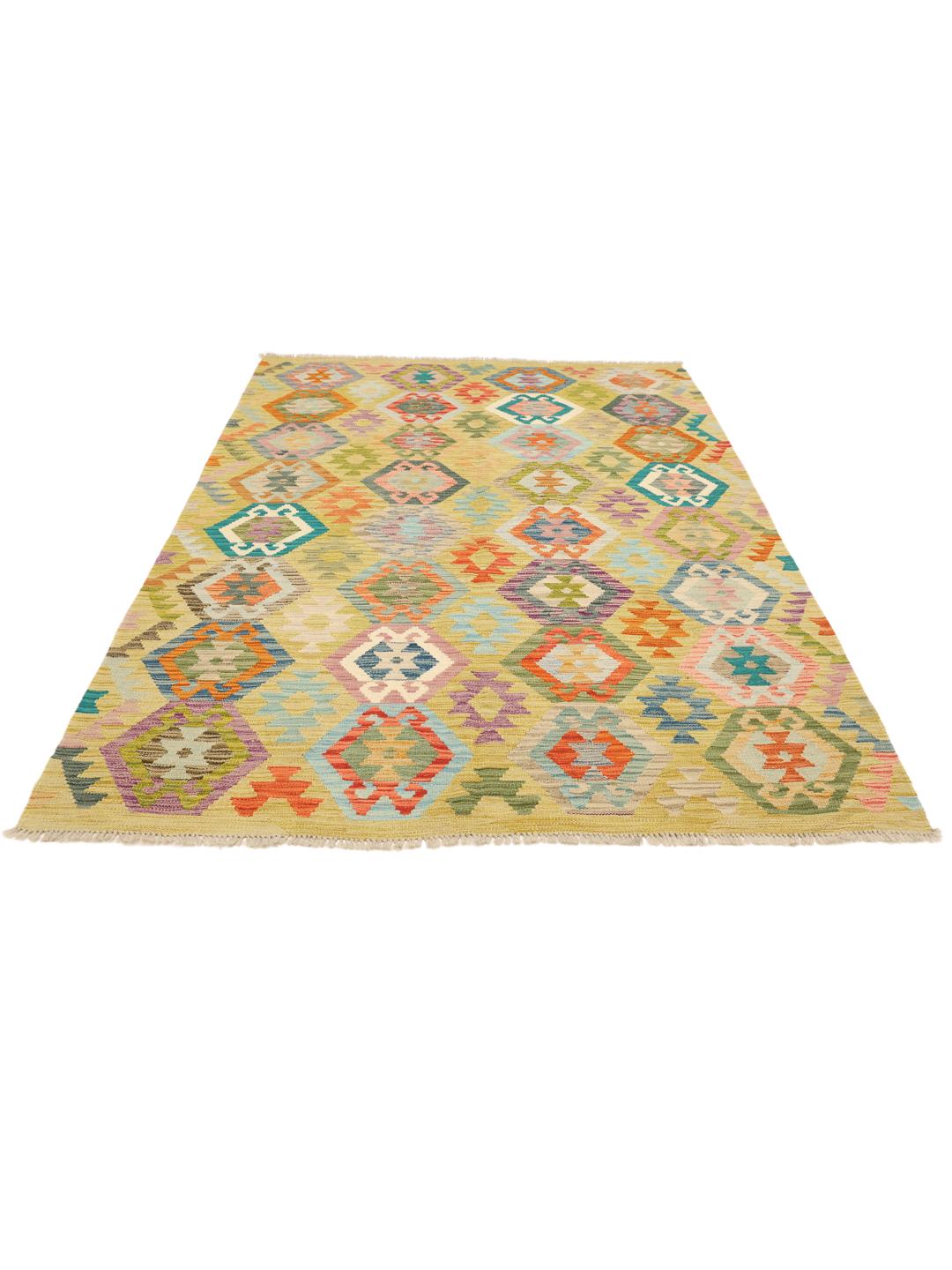
The design of this Afghan Kelim features repeating geometric motifs, a hallmark of the region's artistic traditions. These patterns often hold symbolic meaning, reflecting the weaver's environment, beliefs, and cultural heritage. The vibrant colour palette is typically achieved using traditional dyeing methods, resulting in rich, earthy, and bold tones that provide depth and visual interest to the rug's surface.
Today, these rugs are celebrated by collectors and interior enthusiasts for their authenticity and connection to ancient craft lineages. Owning a Kelim is more than just a decor choice; it is an appreciation of the human history embedded in every thread. As these pieces become increasingly rare, they continue to be sought after for their ability to add warmth, colour, and a sense of history to contemporary living spaces.