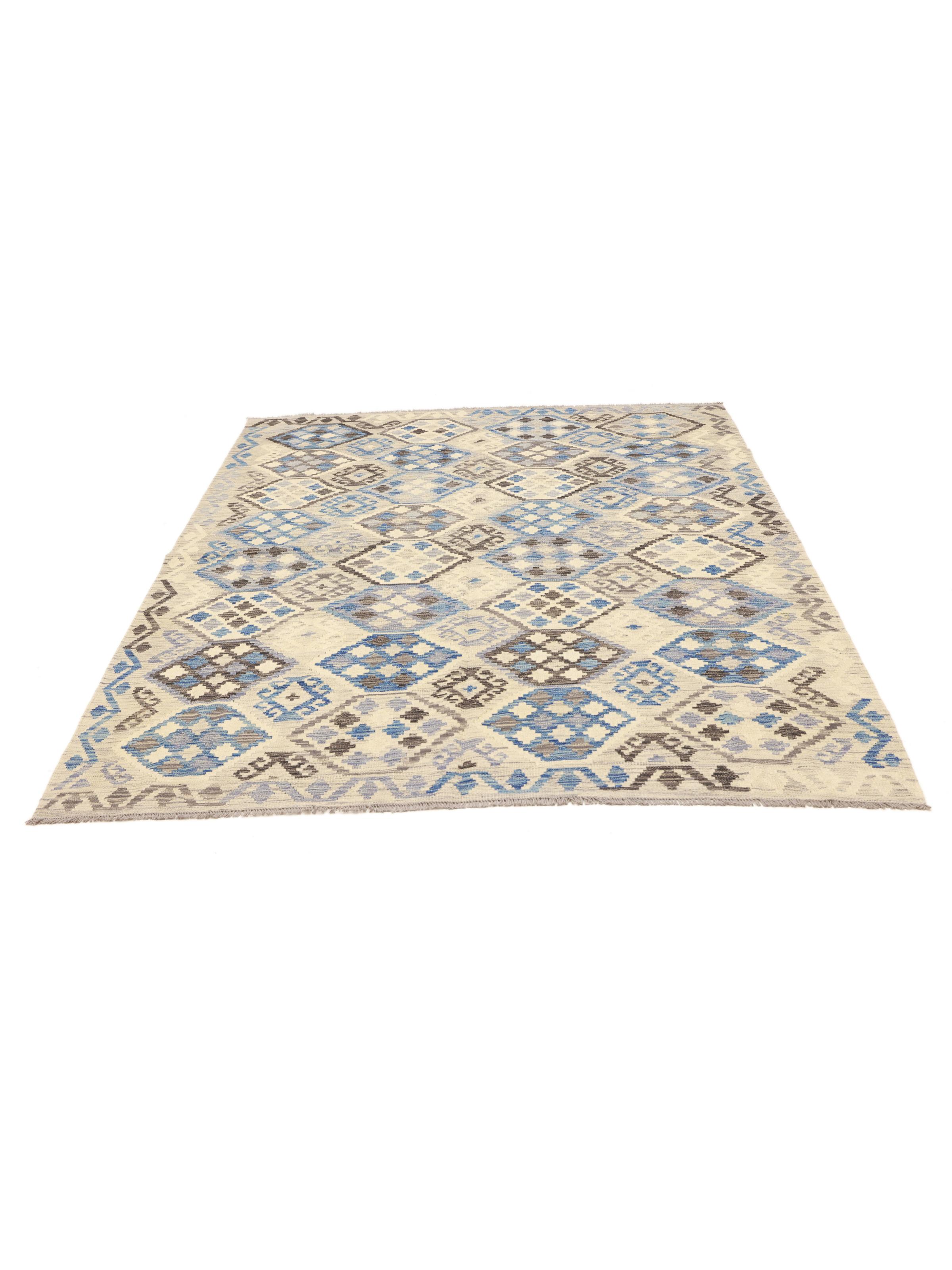
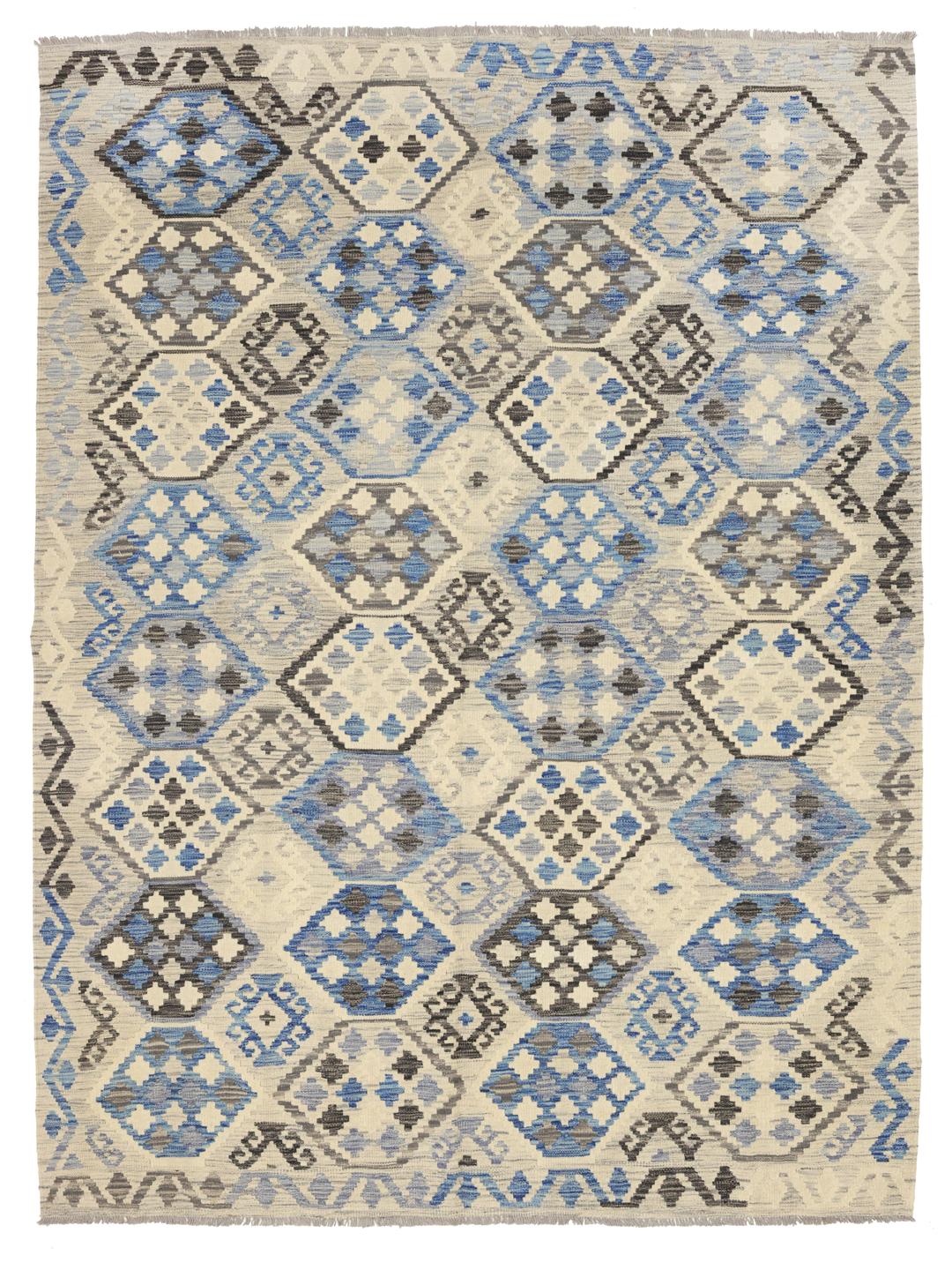
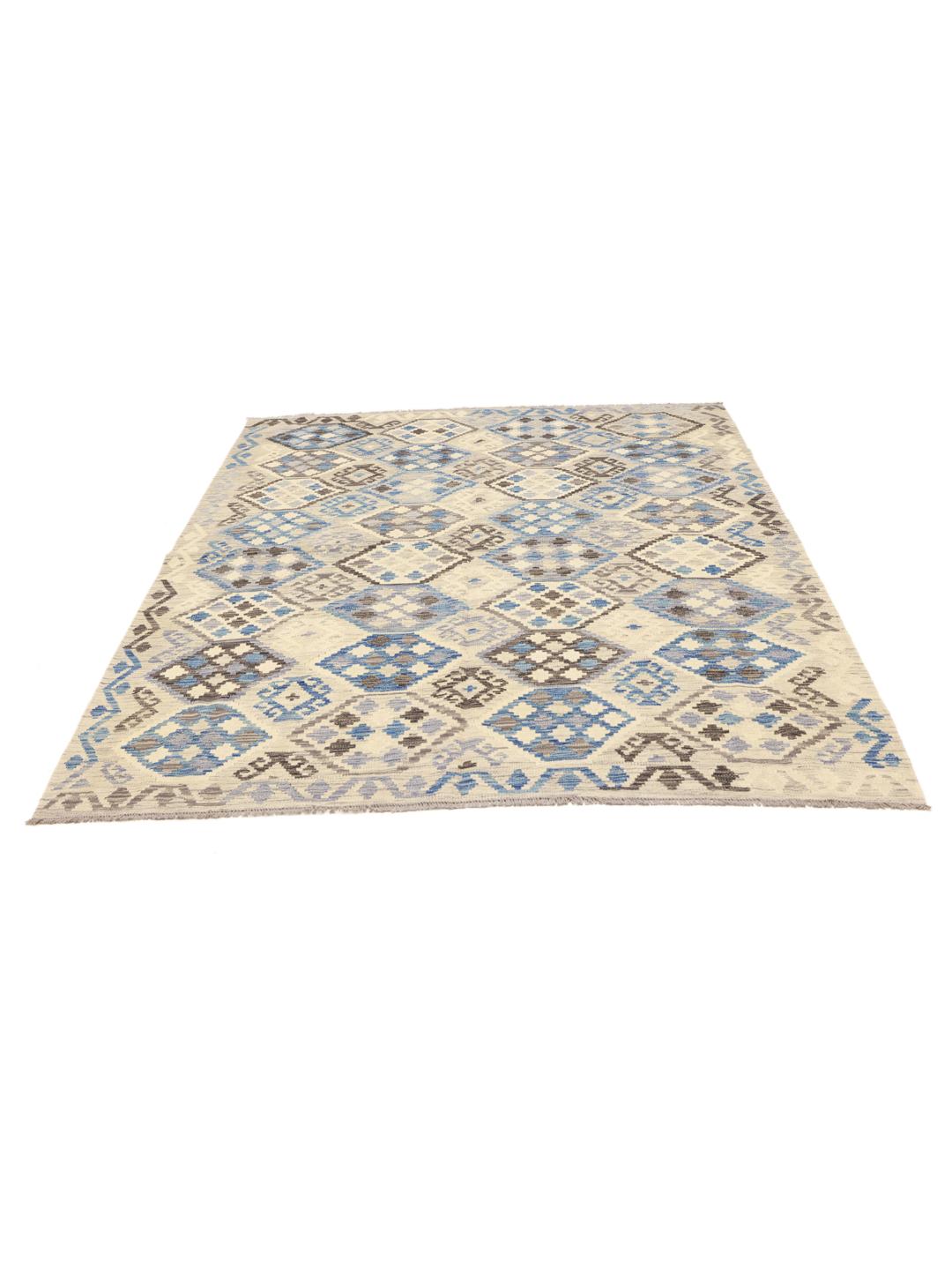
The Kelim tradition in Afghanistan is deeply rooted in the nomadic history of the region. For centuries, these flat-woven rugs have been essential to the lives of tribal families, serving as floor coverings, blankets, and storage bags. The migration of these weaving techniques across the Middle East has resulted in a rich tapestry of styles that blend regional aesthetics with practical utility.
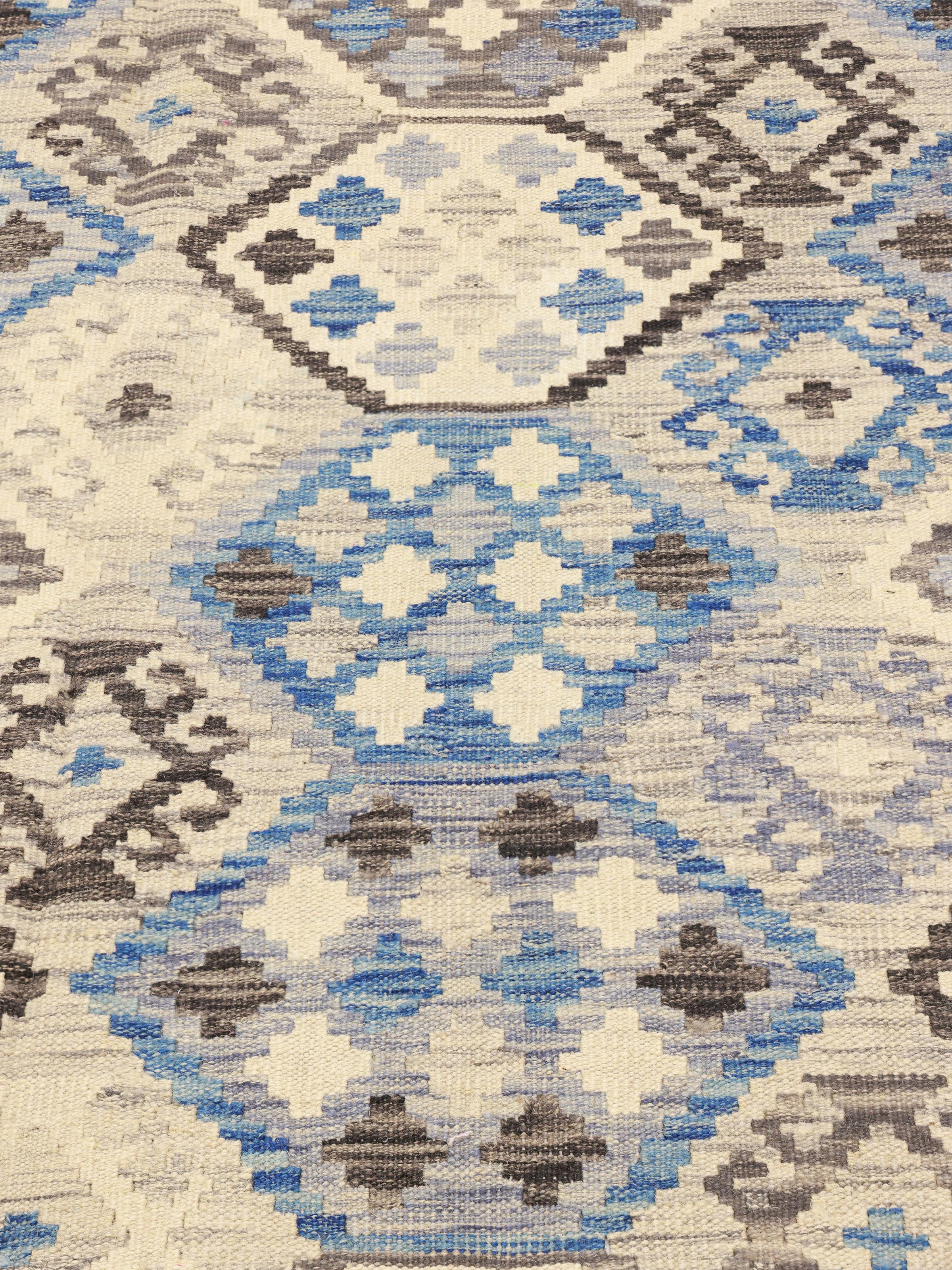
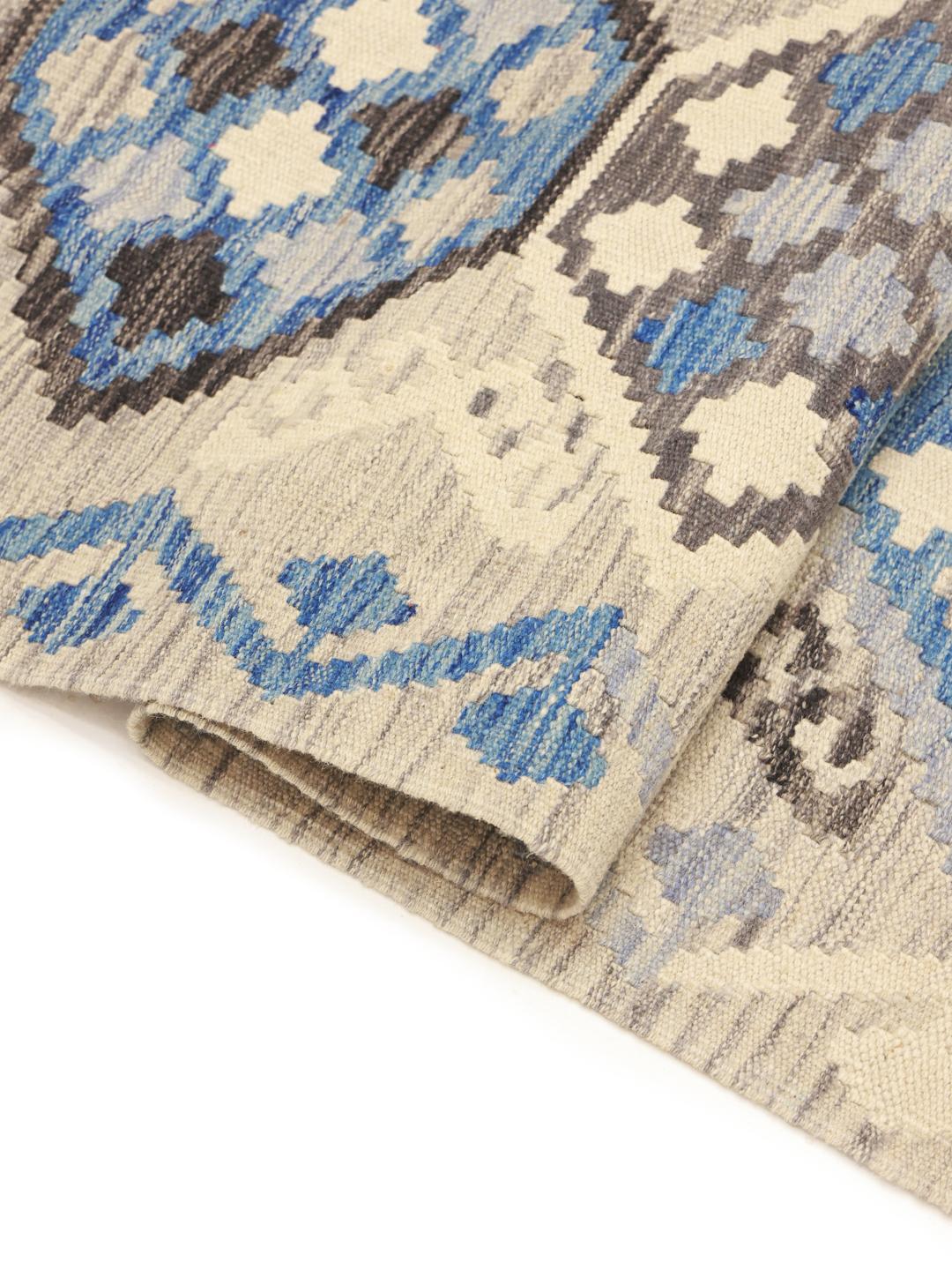
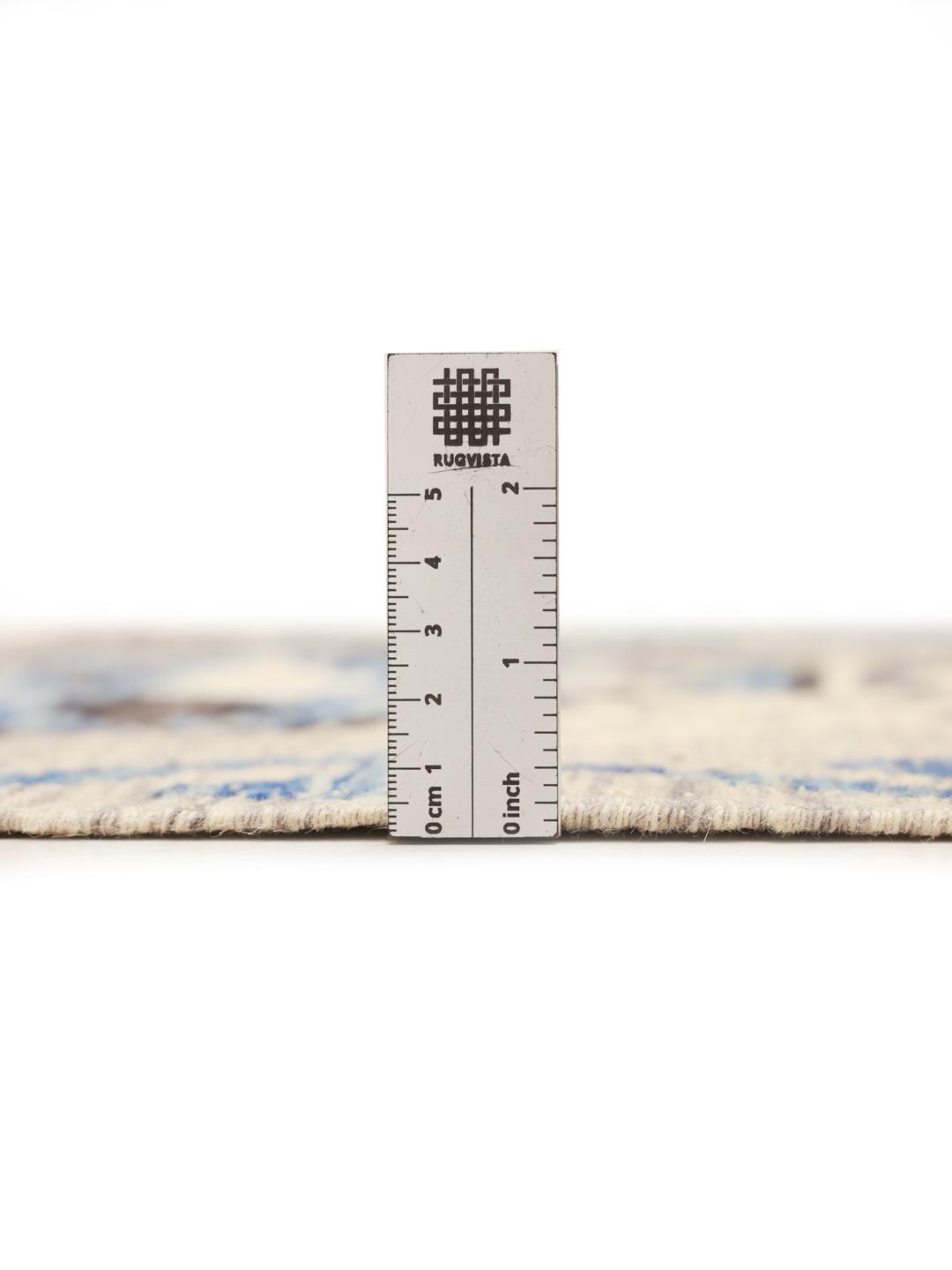
A Kelim is defined by its flat-weave construction, meaning it is crafted without the pile found in traditional knotted rugs. This technique involves interweaving the warp and weft strands tightly, resulting in a thin, reversible textile that is both lightweight and incredibly durable. The quality of the Wool used is central to the longevity of the rug, as it must withstand both daily use and the shifting demands of nomadic life.
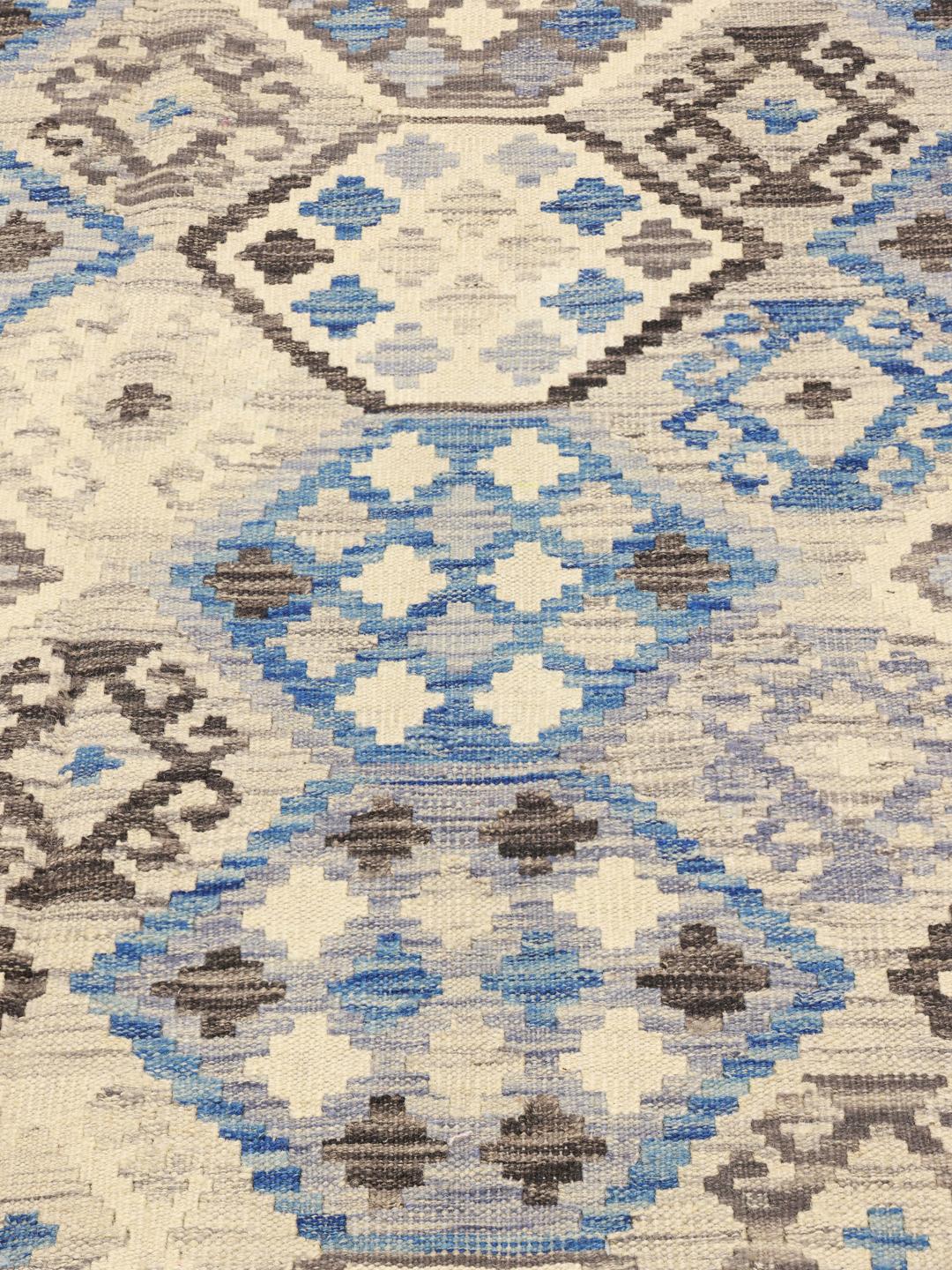
Visually, these rugs are known for their geometric motifs, often featuring diamonds, triangles, and stylized floral elements. The patterns are not merely decorative but often carry symbolic meaning related to the weaver's tribe, environment, or personal history. The use of natural dyes has historically defined the colour palettes, though modern examples often continue this tradition with deep, saturated tones that age beautifully over time.
Owning an Afghan Kelim is an invitation to connect with a storied craft tradition. These rugs are highly valued by collectors for their authenticity and the skill required to produce them without the aid of modern technology. By bringing a Kelim into your home, you are not just acquiring a floor covering, but a piece of cultural heritage that reflects generations of artistic evolution and human dedication.