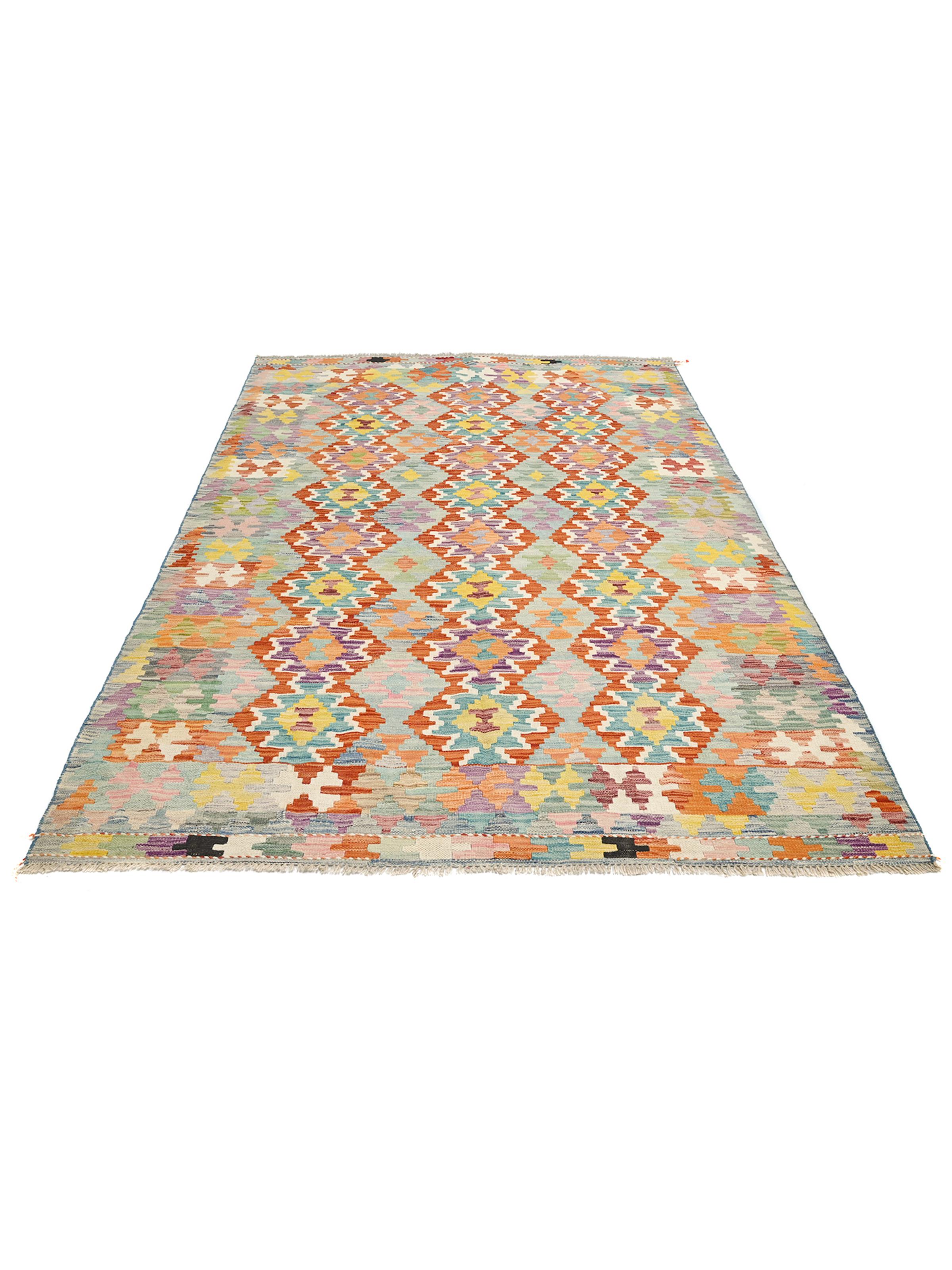
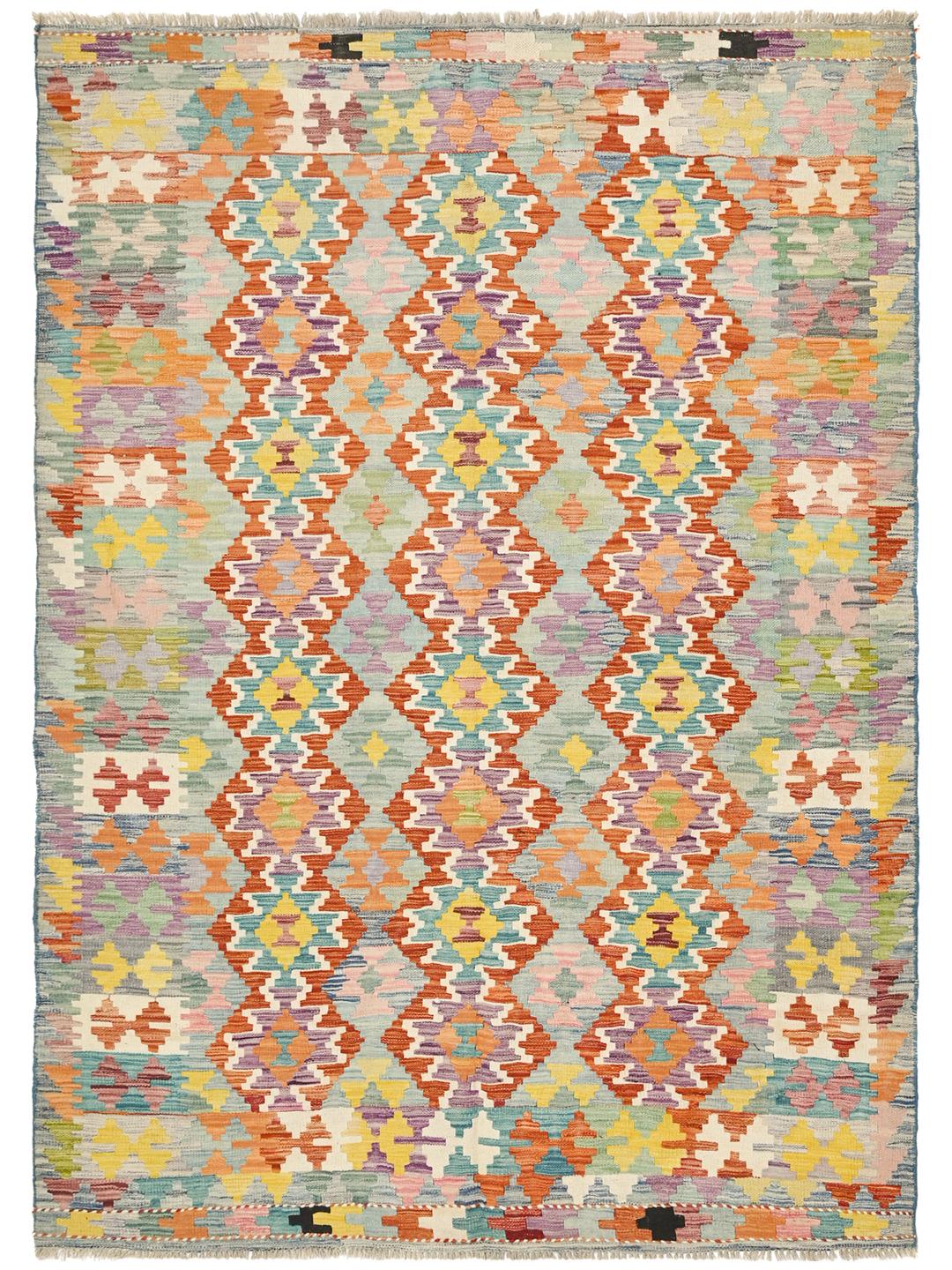
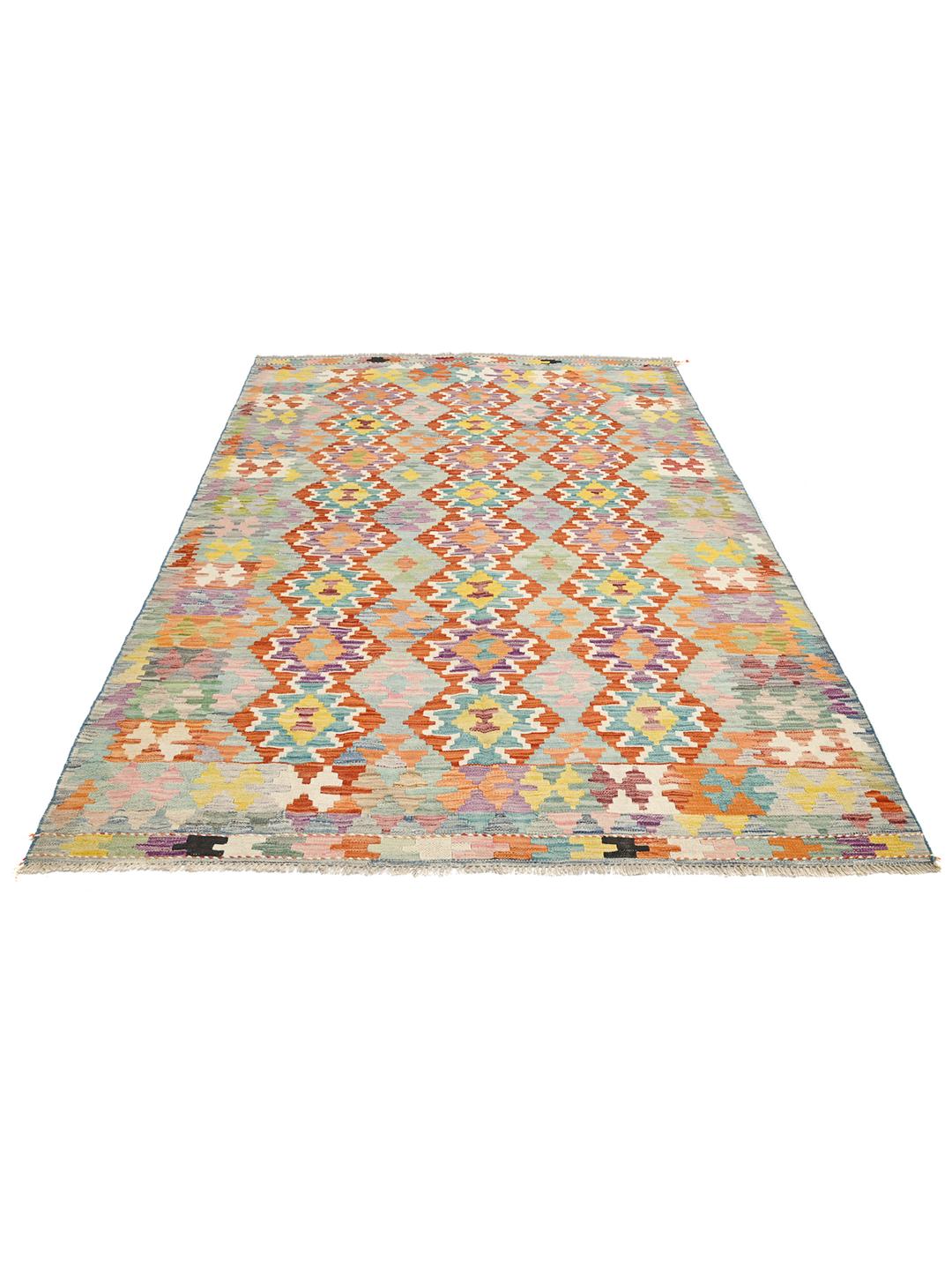
The Kelim tradition is deeply rooted in the nomadic cultures of the Middle East and Central Asia. Historically, these flat-woven rugs were essential to the mobile lifestyle of tribal peoples, serving as floor coverings, wall hangings, and functional storage bags. The transition of these rugs from nomadic utility to global interior staples has preserved the ancient techniques of the weavers, while allowing the patterns to evolve into the vibrant expressions of colour and geometry we see today.
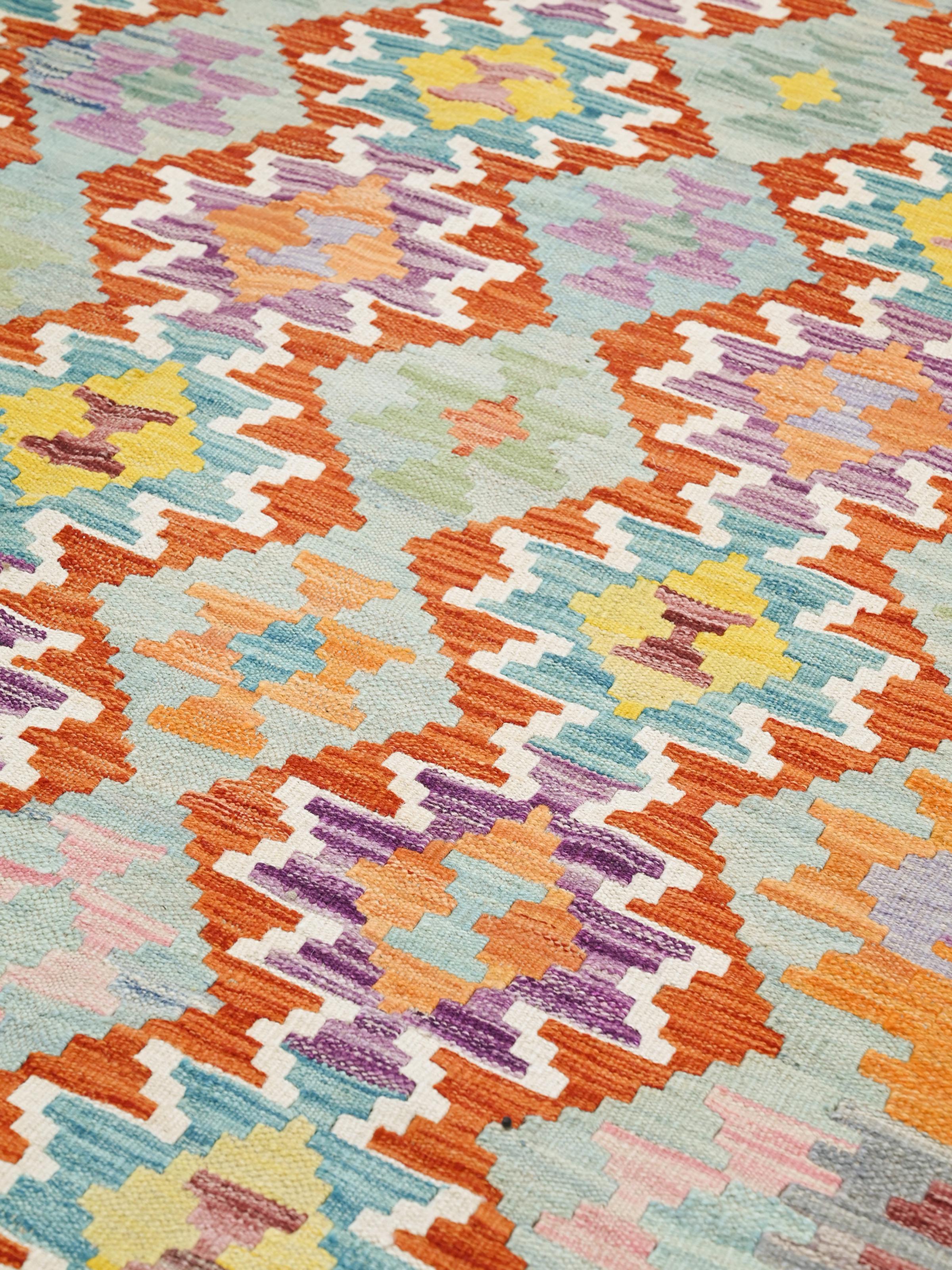
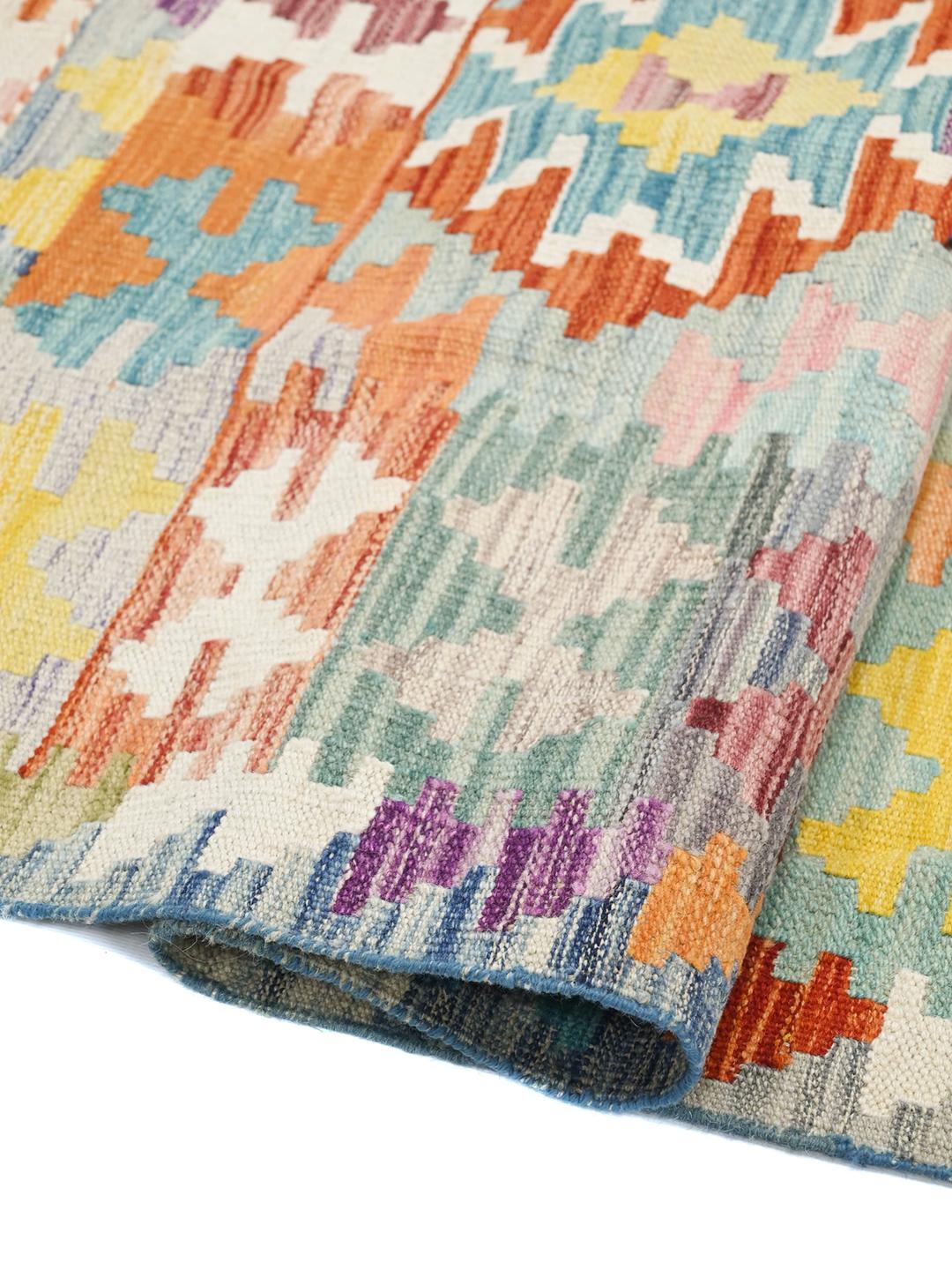
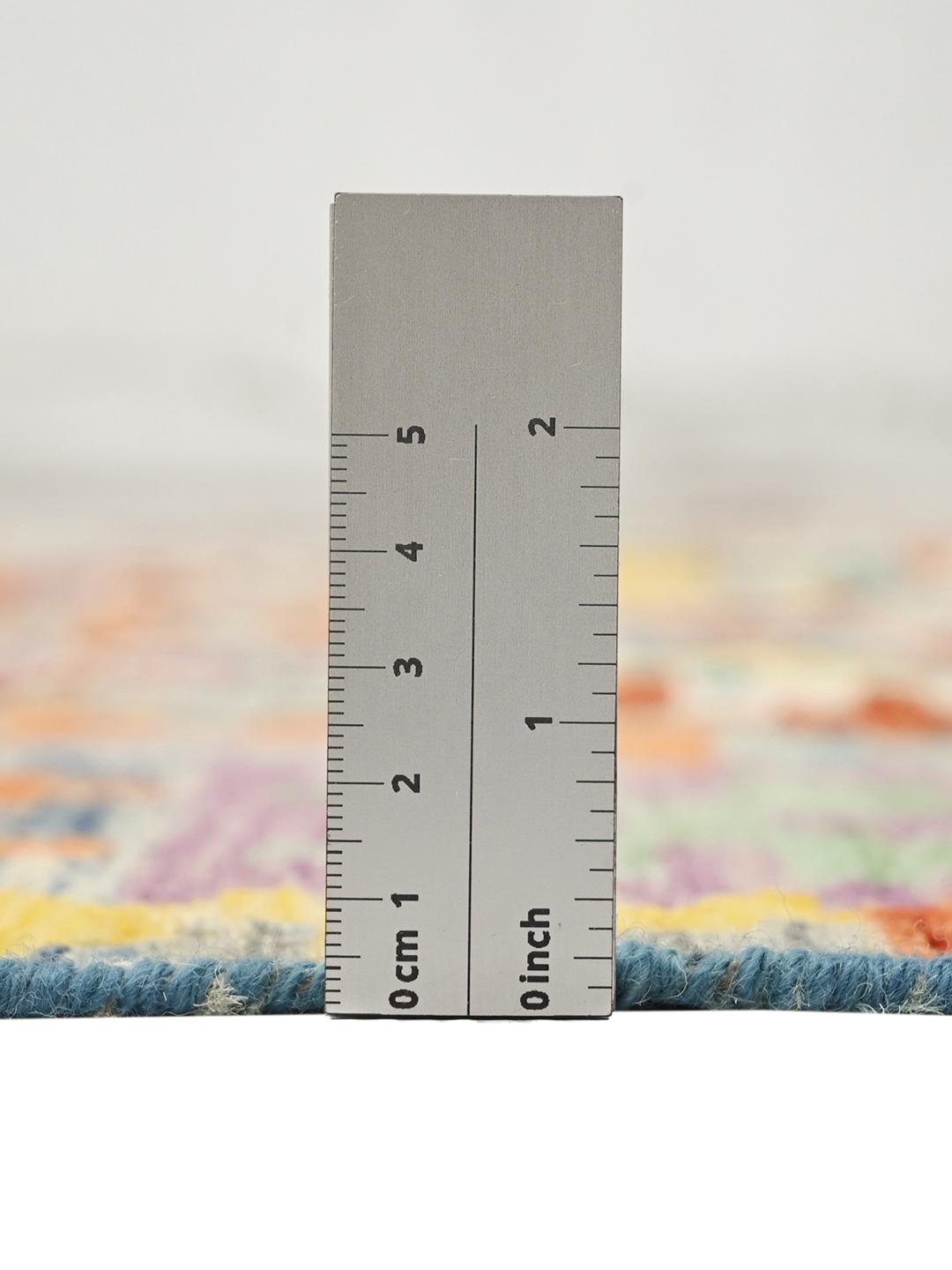
The term 'Kelim' refers specifically to the flat-weaving technique where the weft threads are pulled tightly to cover the warp completely, resulting in a rug with no pile. This creates a thin, reversible textile that is incredibly lightweight yet robust. The quality of a Kelim is determined by the tightness of this weave, which influences the clarity of the patterns and the overall longevity of the piece, allowing it to withstand the rigours of daily life.
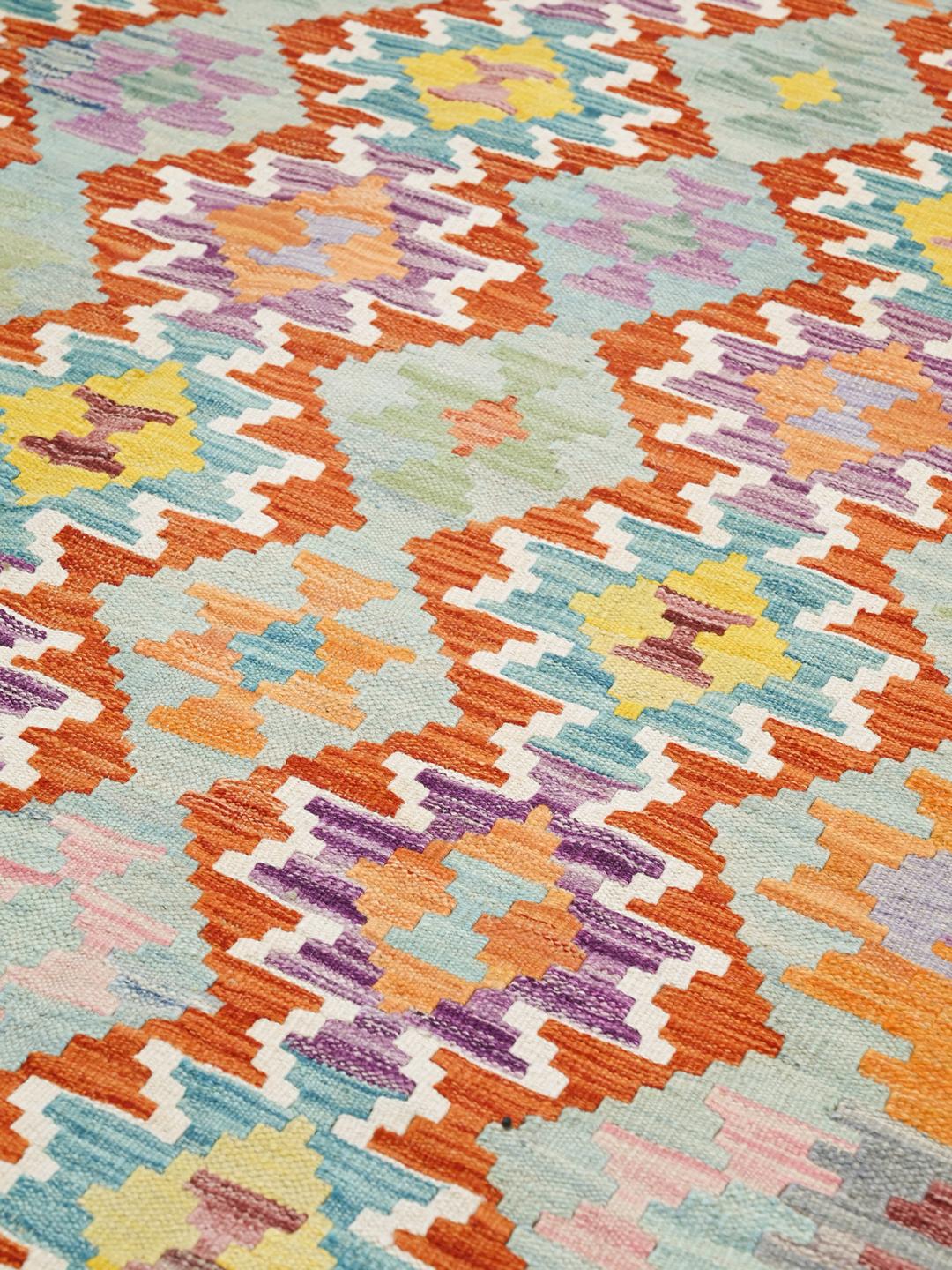
Visually, these rugs are defined by their sharp, angular geometric motifs and a sophisticated approach to colour blocking. Traditional designs often feature repeating diamonds, zig-zags, and medallions, each carrying symbolic meanings related to the weaver's environment and tribal identity. The use of natural dyes and the specific way colours are placed side-by-side create a rhythmic, almost musical quality to the design, making each rug feel balanced and intentional.
Collecting a Kelim is an investment in cultural heritage and human skill. These pieces are highly valued for their ability to bring a sense of warmth and history into modern homes. By choosing an Afghan Kelim, you are celebrating the endurance of a craft that values individual expression and communal tradition, ensuring that these artistic practices continue to thrive in an increasingly automated world.