The Kelim tradition in Afghanistan is deeply rooted in the nomadic history of the region. These flatwoven textiles were historically created by tribal groups for practical use as floor coverings, wall hangings, and storage bags, serving as essential components of portable, functional living. The migration of these weaving techniques across the Middle East has resulted in a rich tapestry of styles that blend cultural narratives with local materials.
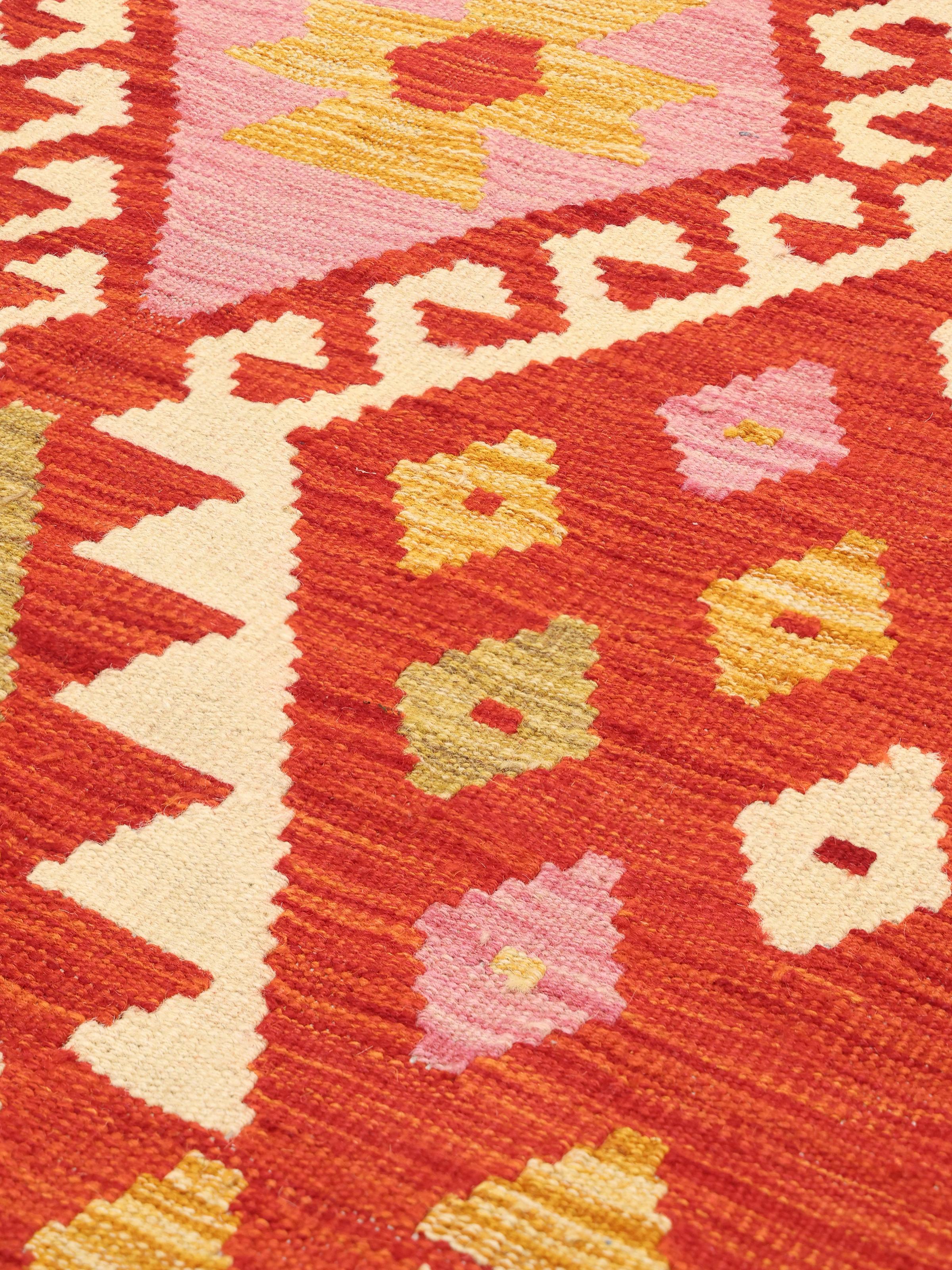
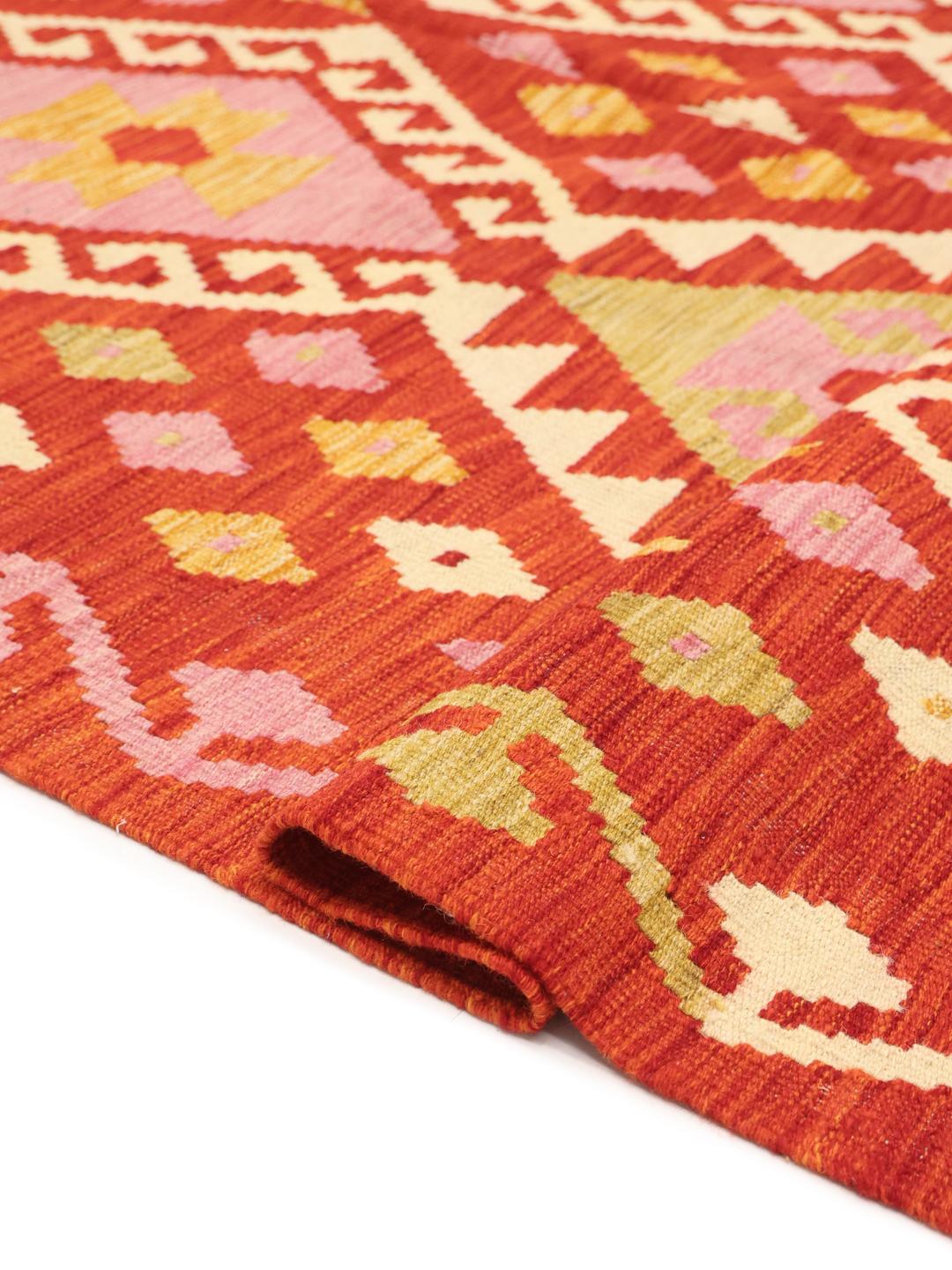
The term 'Kelim' refers specifically to the flat-weaving technique where the warp and weft are interlaced to produce a smooth, non-piled surface. This method requires a meticulous approach to colour changes, as the weaver must build the pattern directly into the structure of the rug. This results in a reversible piece that is highly valued for its durability and its ability to showcase the weaver's technical proficiency.
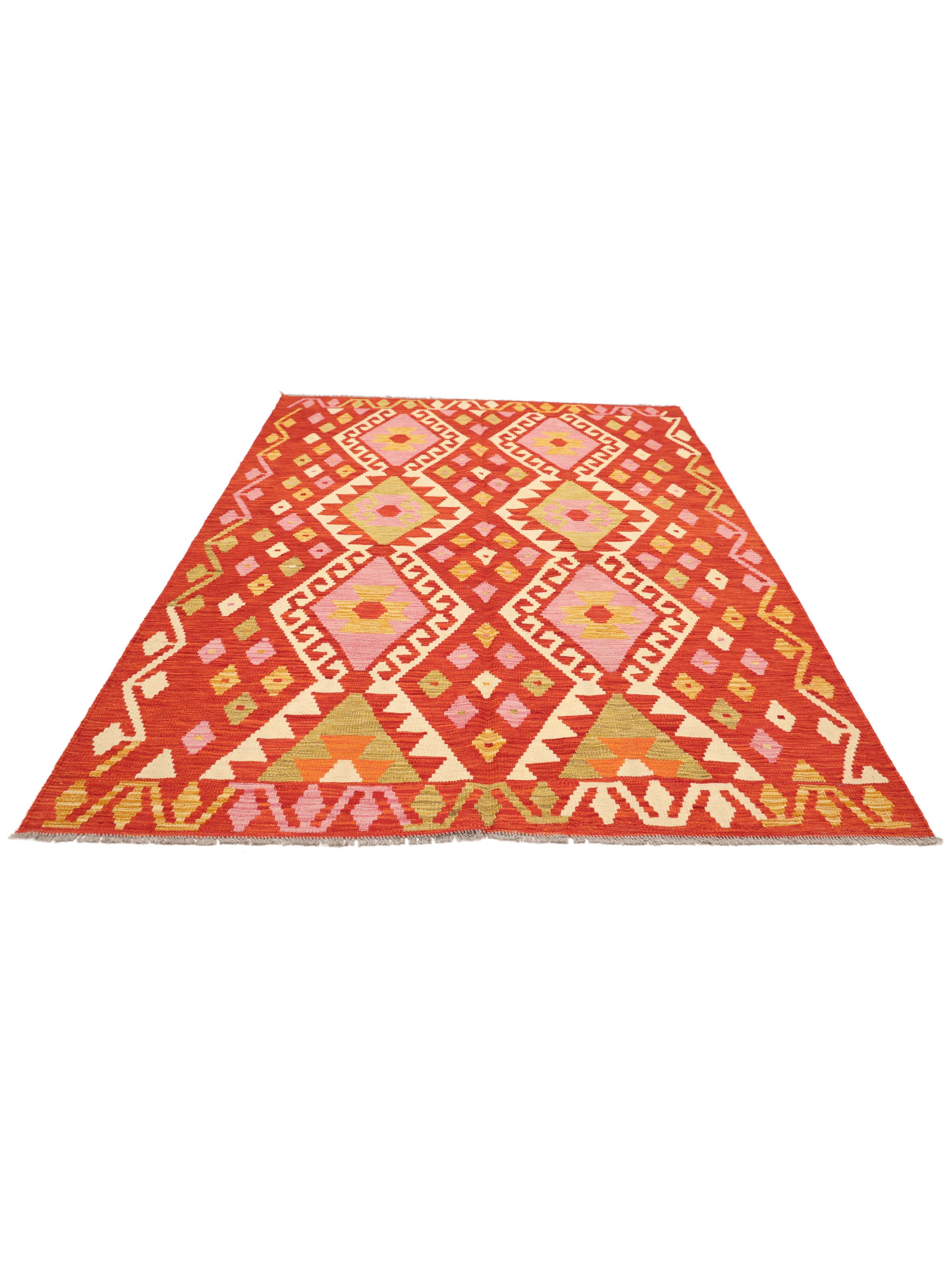
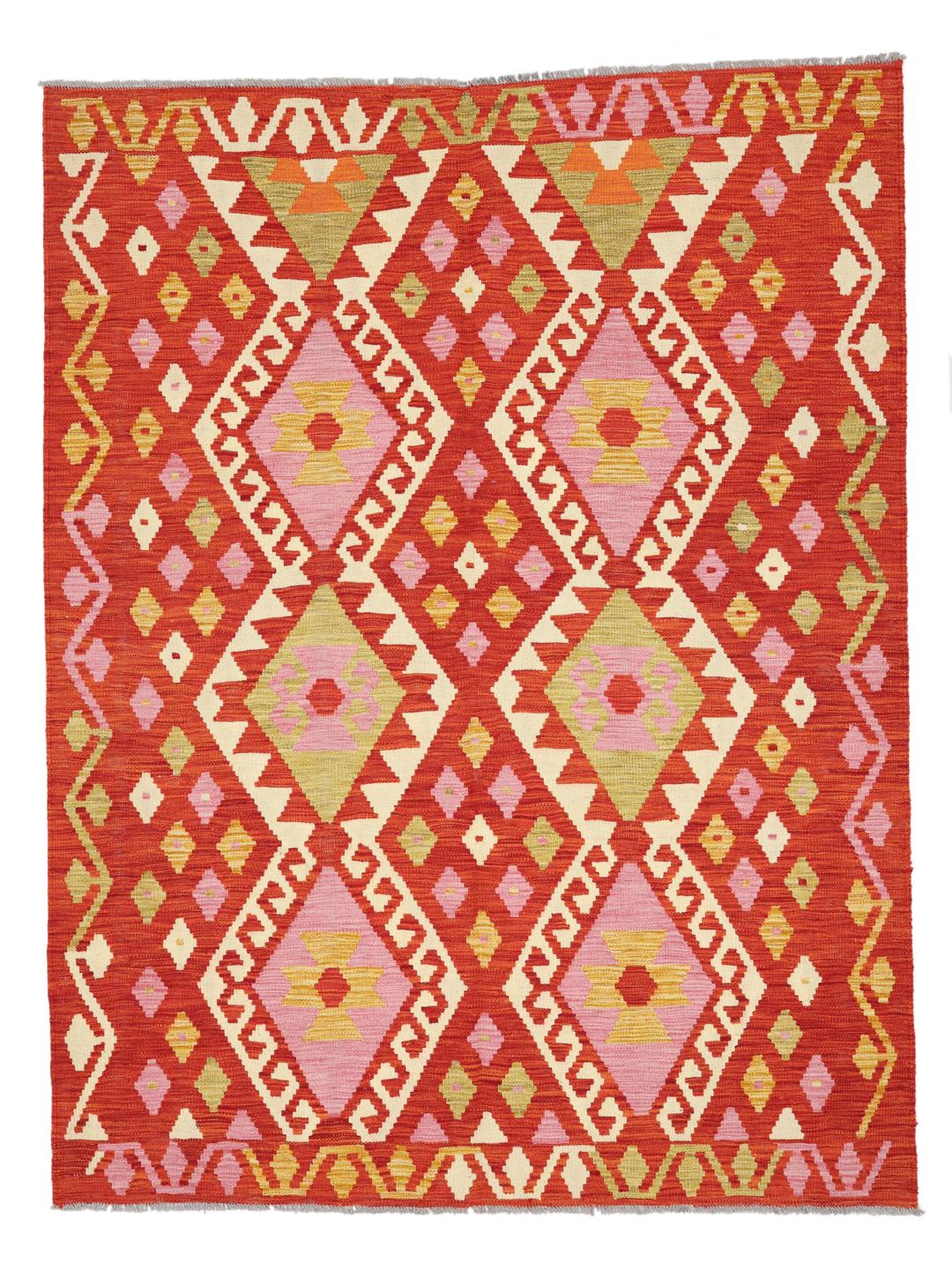
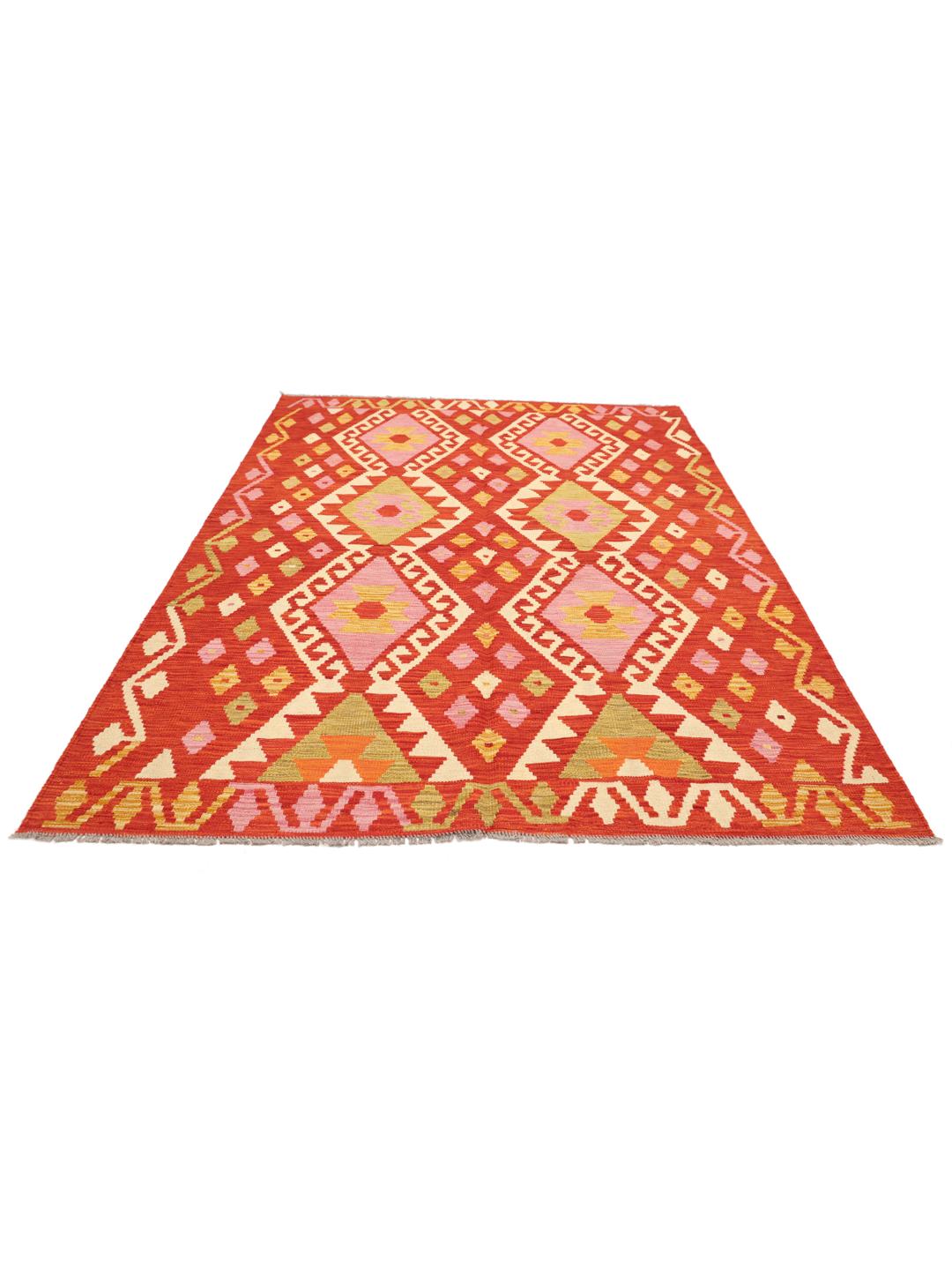
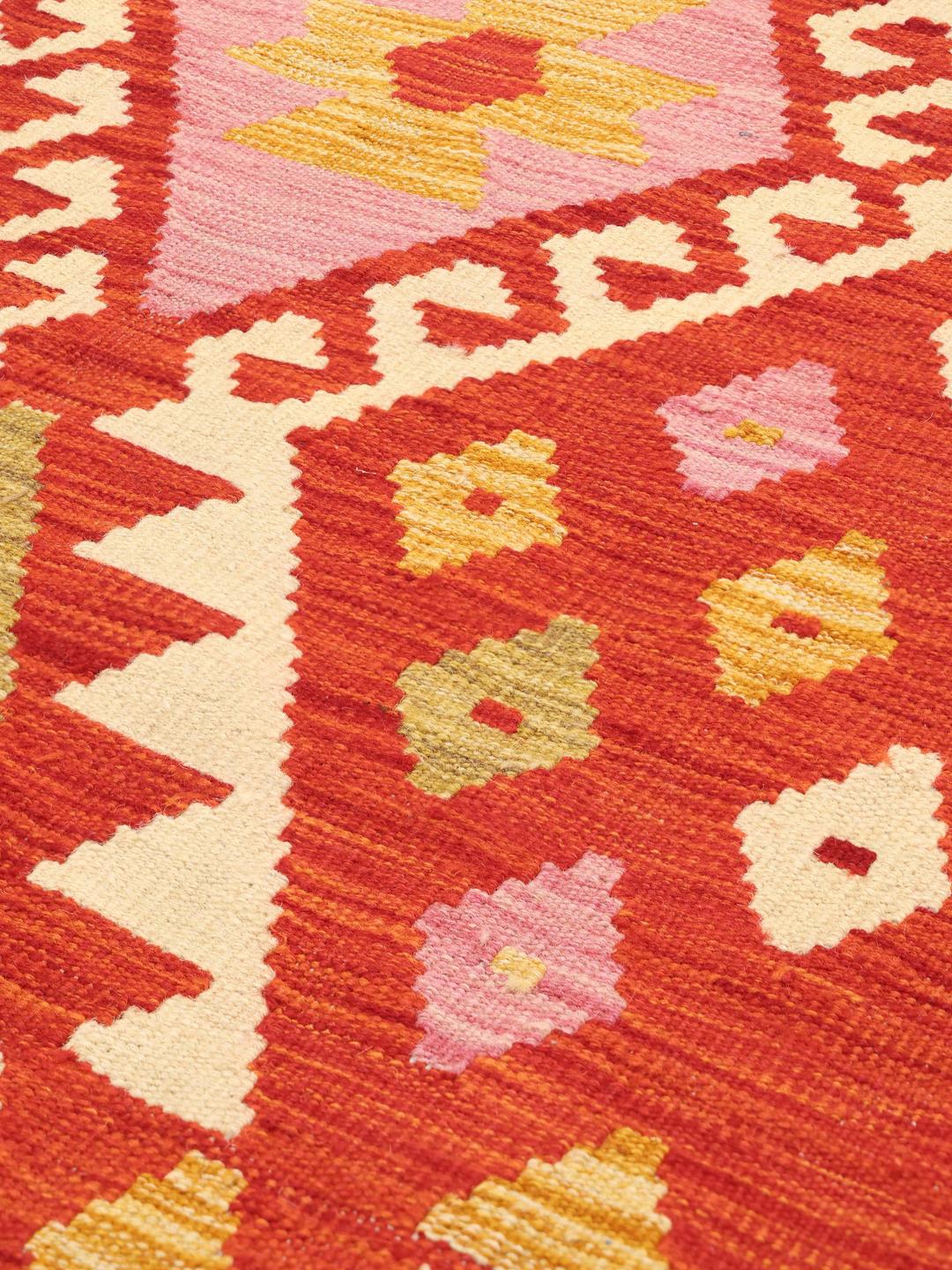
Visually, these rugs are defined by their geometric language. The diamond motifs seen here are classic elements of this tradition, often representing protection, fertility, or the natural landscape of the mountainous regions where these rugs are crafted. The bold, vibrant colours are achieved through traditional dyeing methods, which have evolved to balance historical aesthetics with modern interior needs.
Owning a Kelim from this tradition is an investment in human skill and cultural continuity. Because they are not mass-produced, each rug carries the specific aesthetic choices of its creator, making it a unique collector's item. These rugs are cherished for their ability to bring a sense of heritage and grounded, authentic craft into contemporary homes.