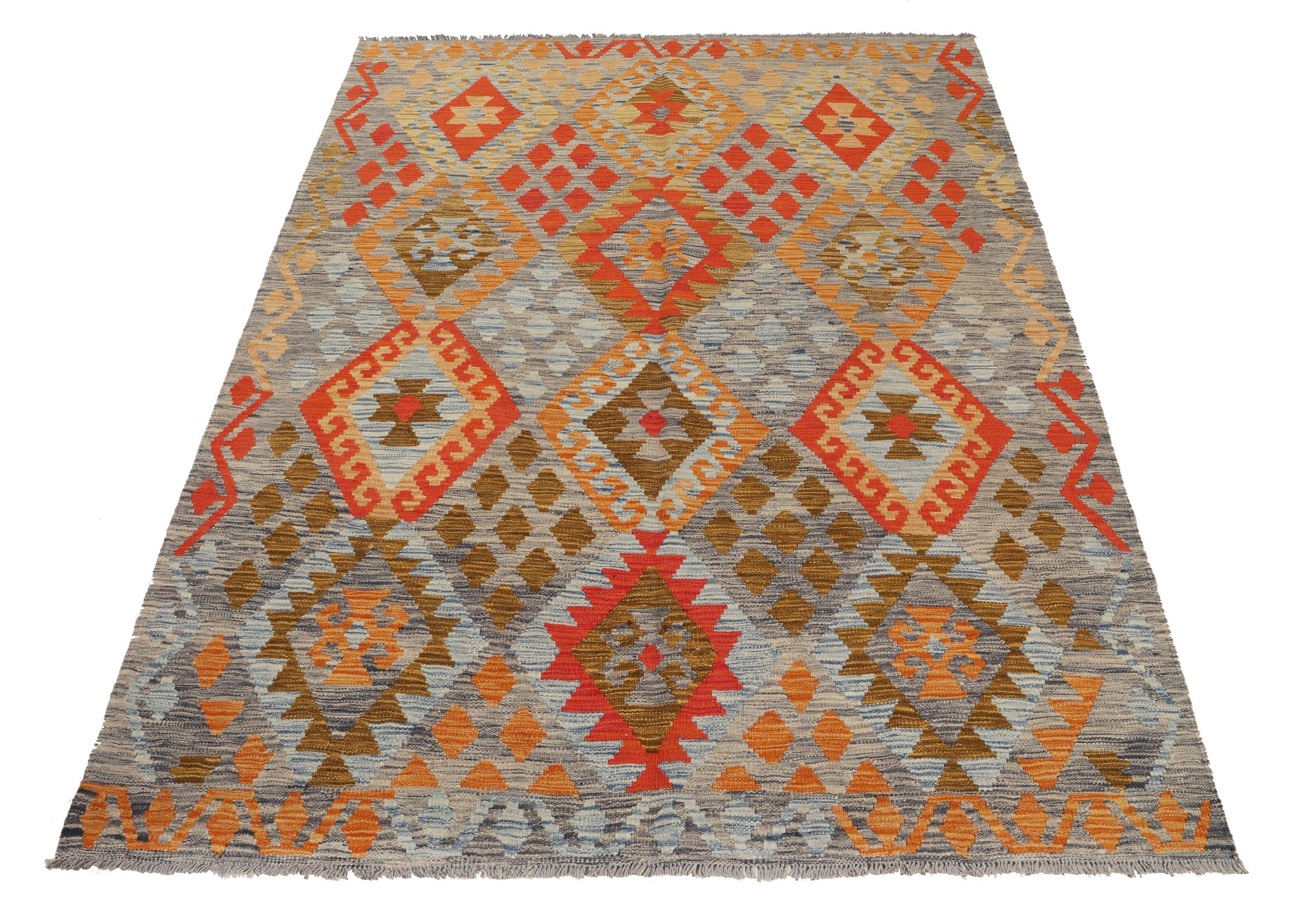
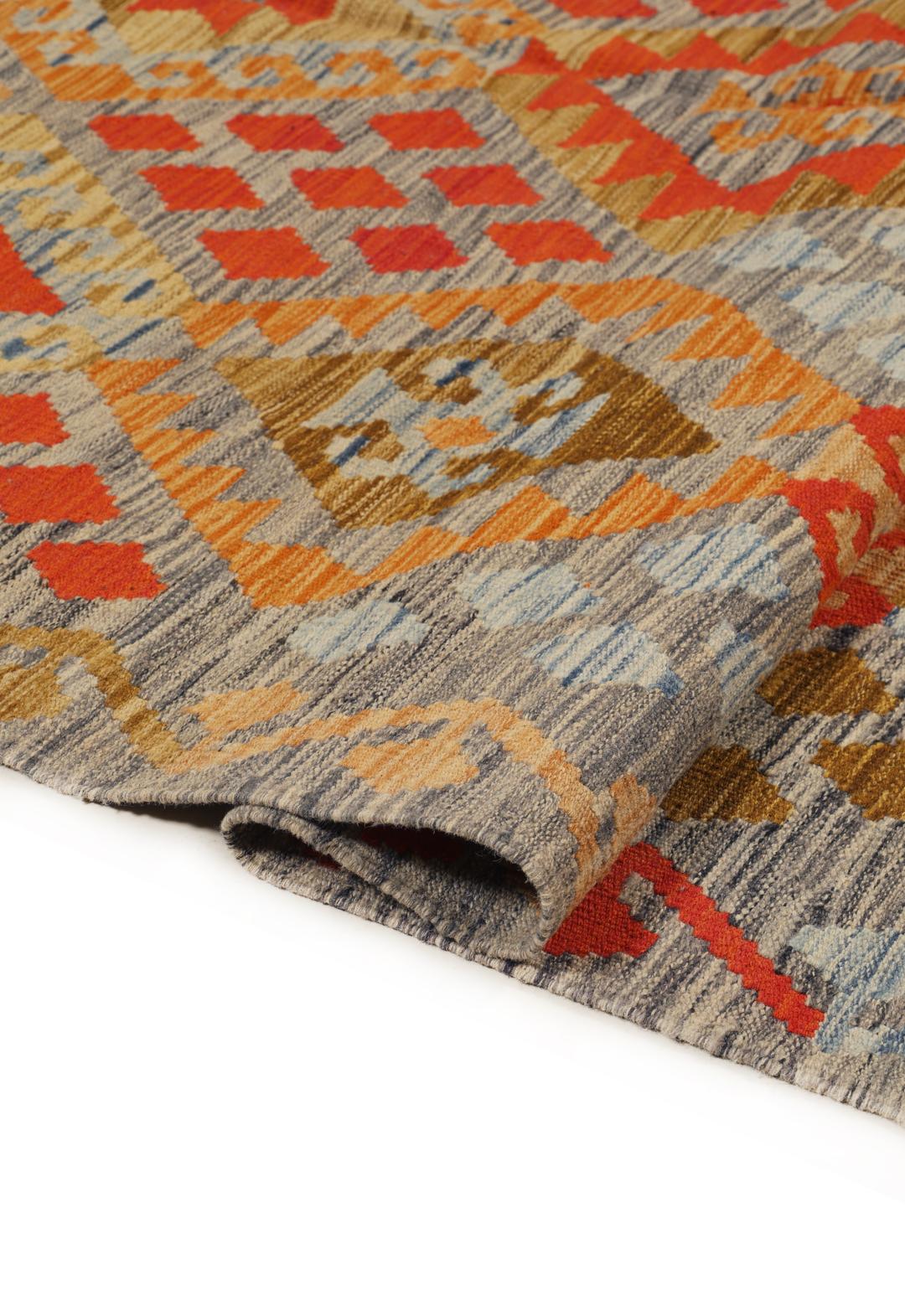
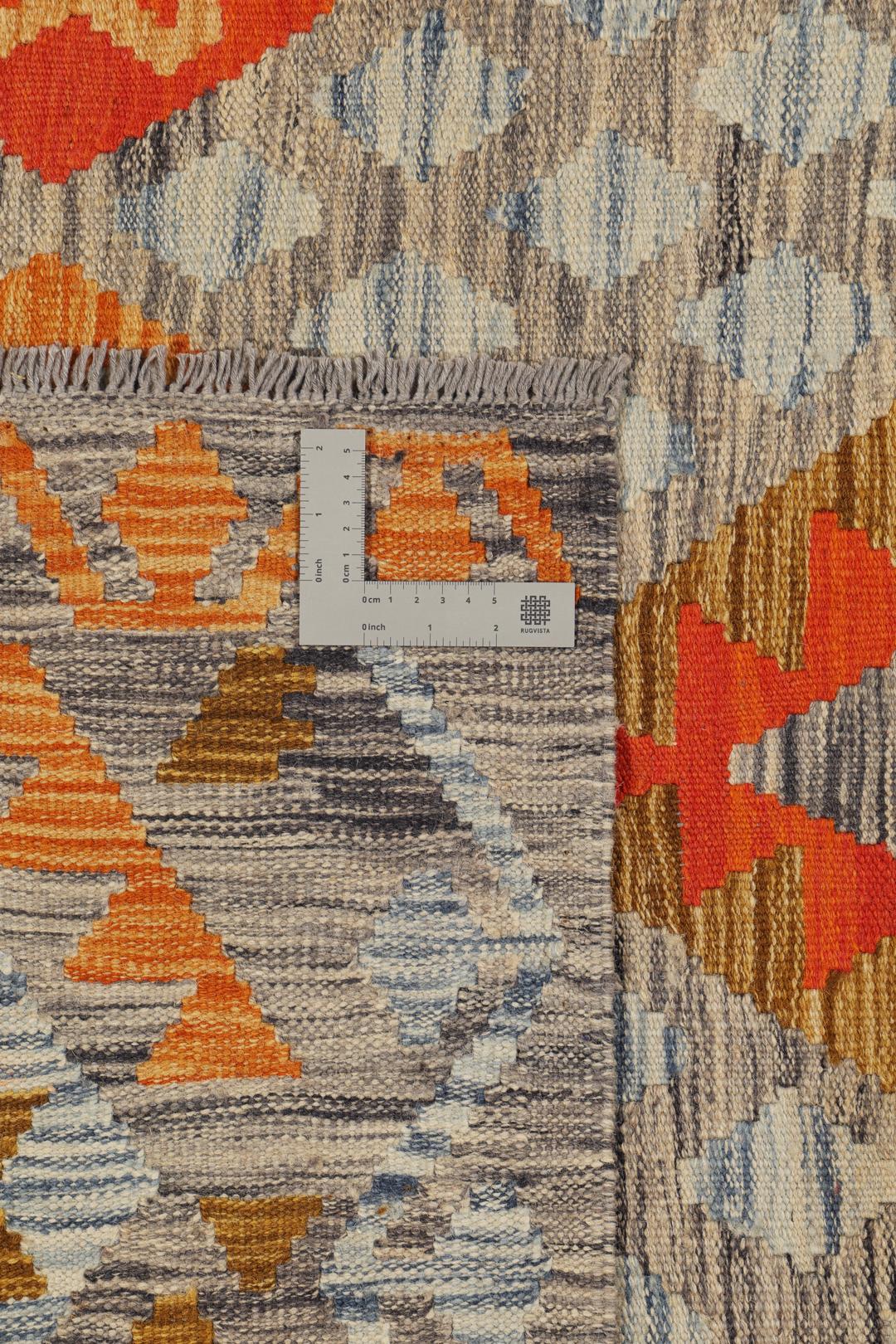
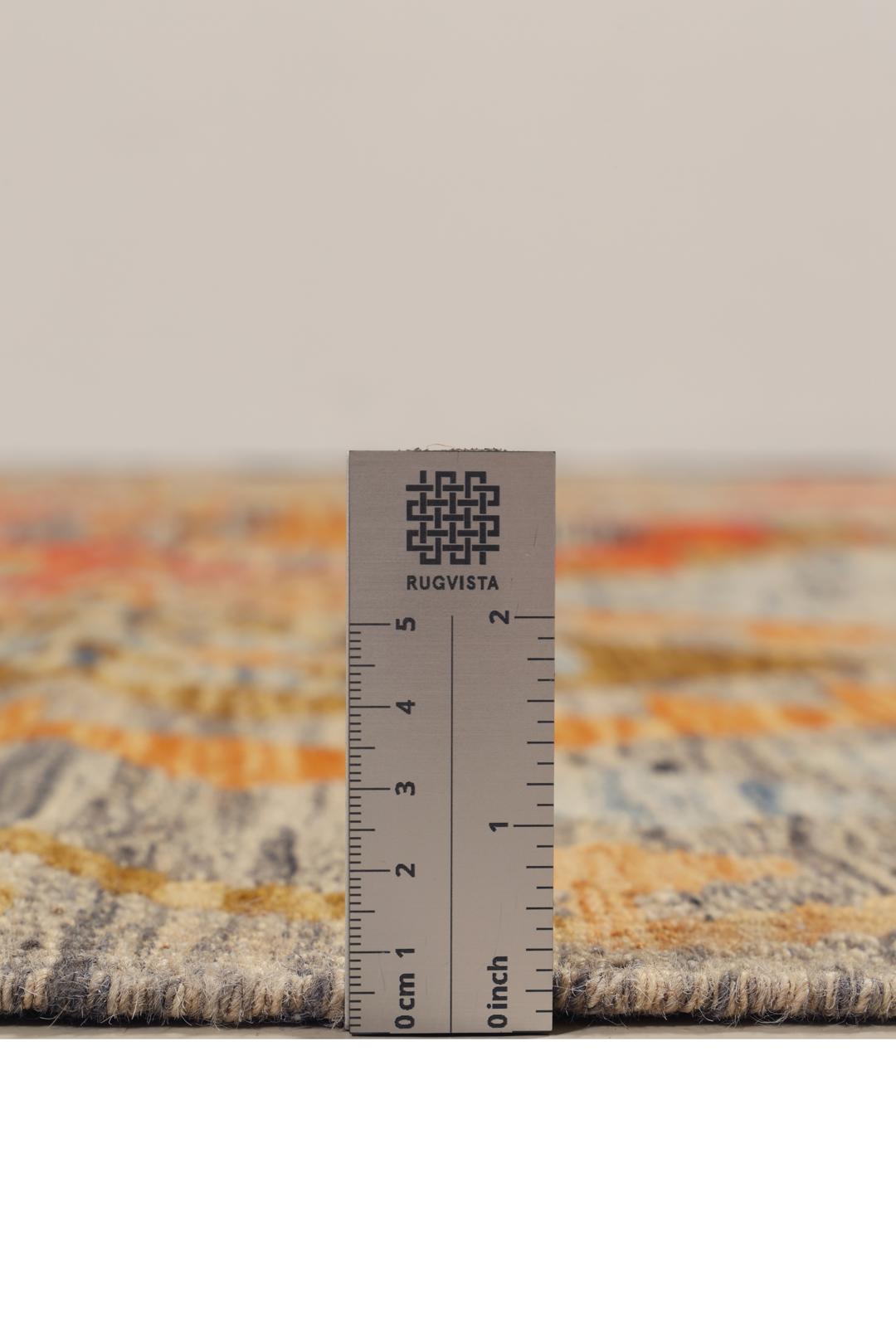
Kelim rugs have been a cornerstone of life in the Middle East and Central Asia for centuries. These flat-woven textiles were originally created by nomadic tribes as functional items for their tents, serving as floor coverings, blankets, and storage bags. The word Kelim itself refers to the specific technique of weaving where the weft threads are passed over and under the warp to create a smooth, pileless surface that is equally beautiful on both sides.
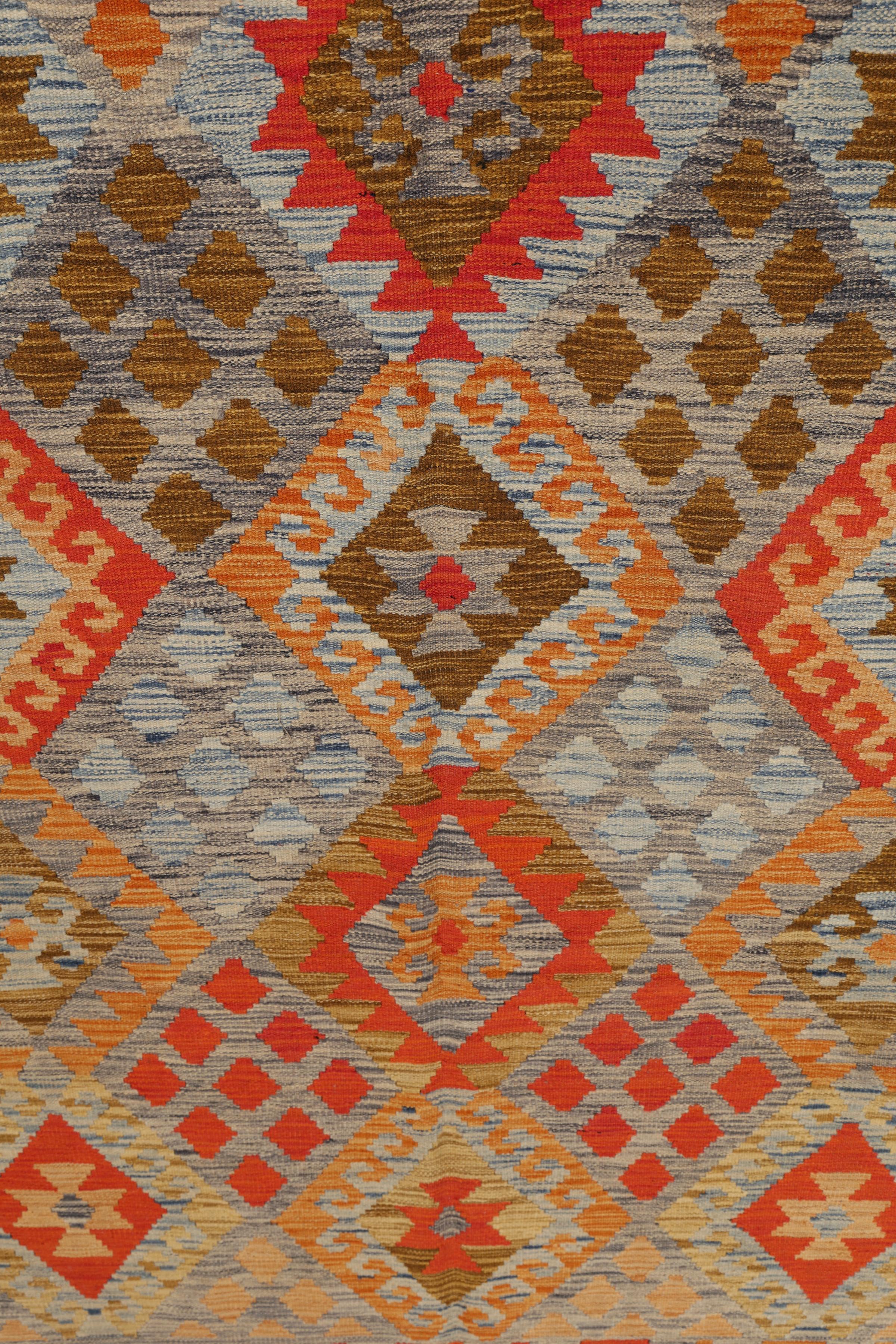
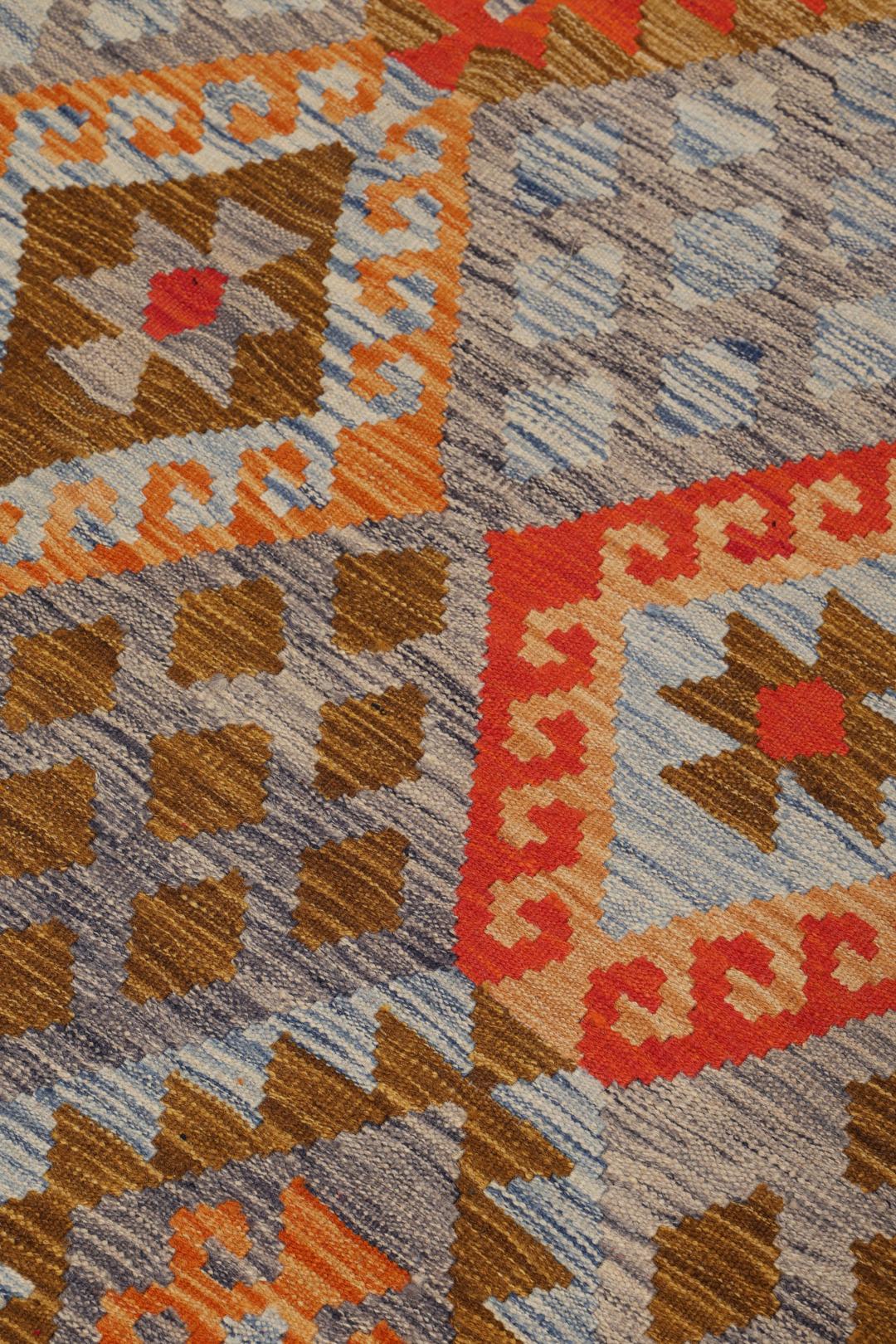
The technical mastery required for these rugs lies in the slit-weave technique. By stopping the colour change at a specific point and returning the weft, artisans create small vertical slits between blocks of colour. This method is essential for achieving the crisp, sharp geometric shapes that define the Afghan Kelim tradition. The tension control during this process is critical, as it determines the final shape and durability of the rug.
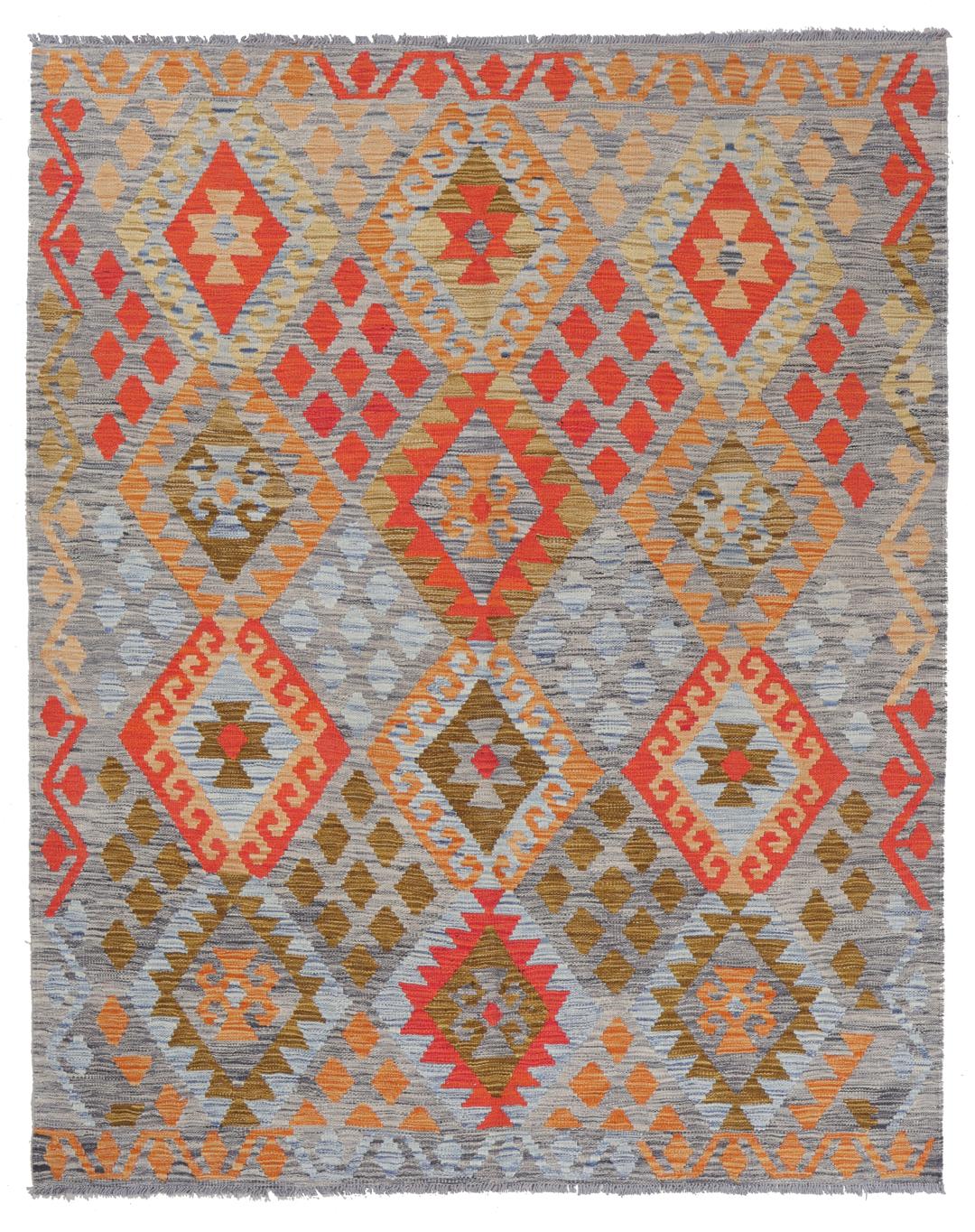
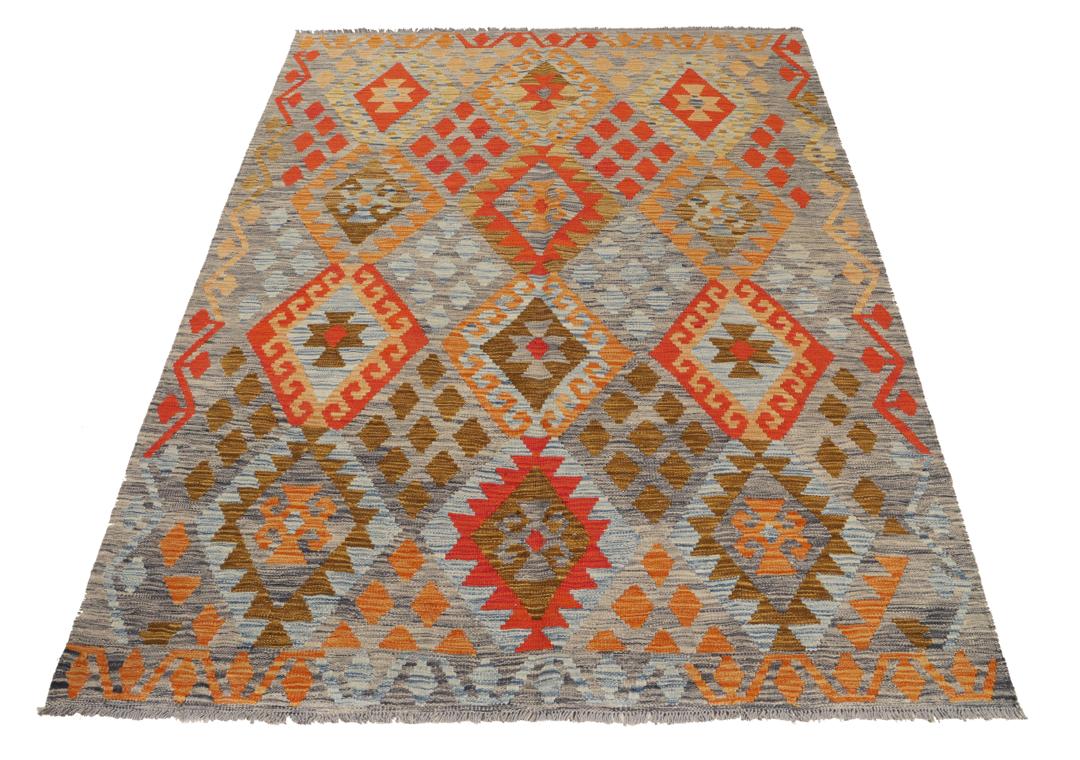
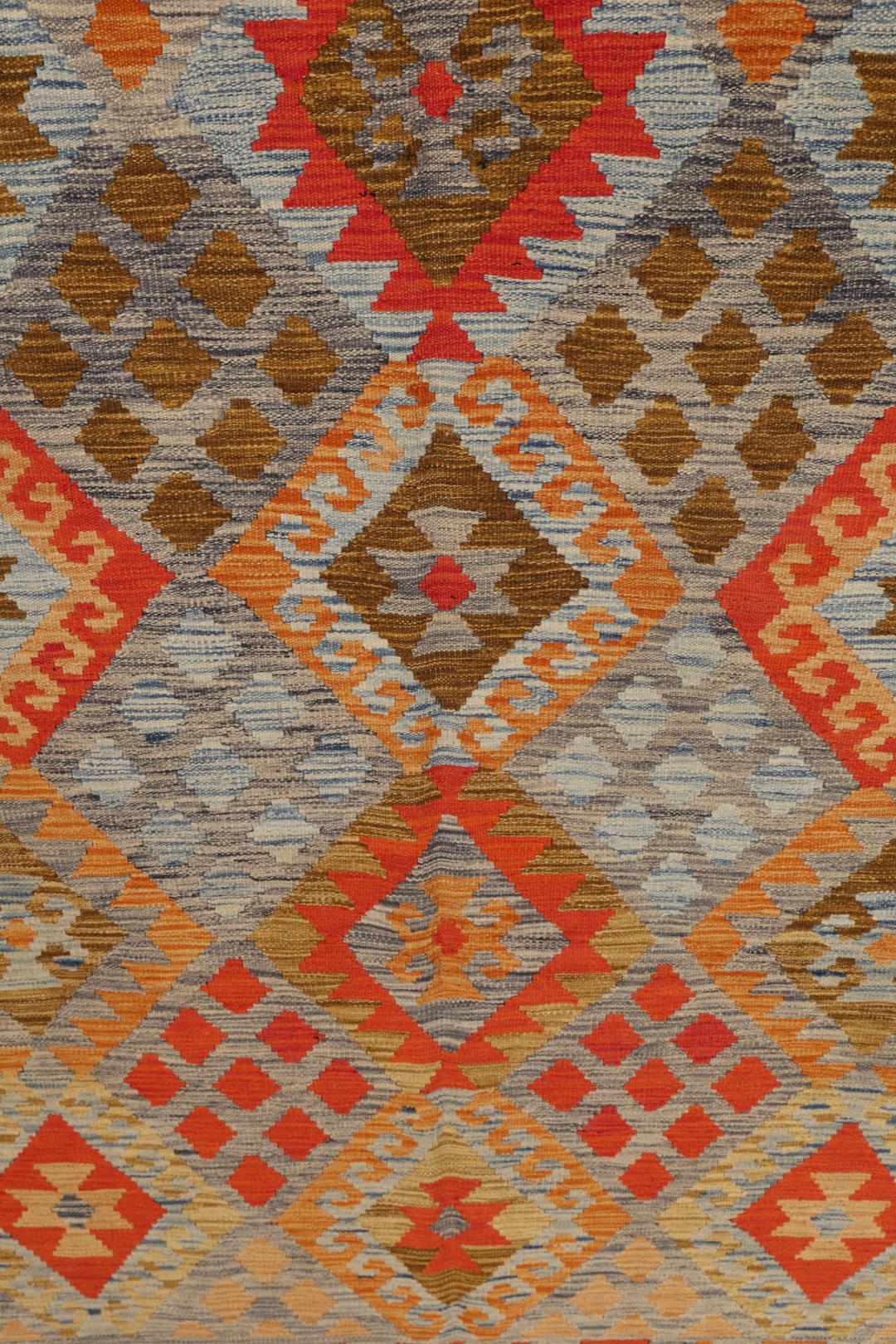
Design-wise, Afghan Kelims are celebrated for their bold, tribal aesthetic. The field is often dominated by large, repeating diamonds and geometric medallions that represent protective symbols or reflections of the weaver's environment. The colour traditions are equally distinct, favouring deep, earthy tones derived from natural dyes, though contemporary pieces often showcase vibrant, saturated hues that highlight the complexity of the geometric layout.
Owning an Afghan Kelim is an invitation to connect with a long-standing cultural heritage. These rugs are highly valued by collectors not just for their aesthetic beauty, but for the human story woven into every inch. They represent a bridge between the nomadic past and modern living, offering a sense of depth, skill, and enduring quality that mass-market rugs simply cannot match.