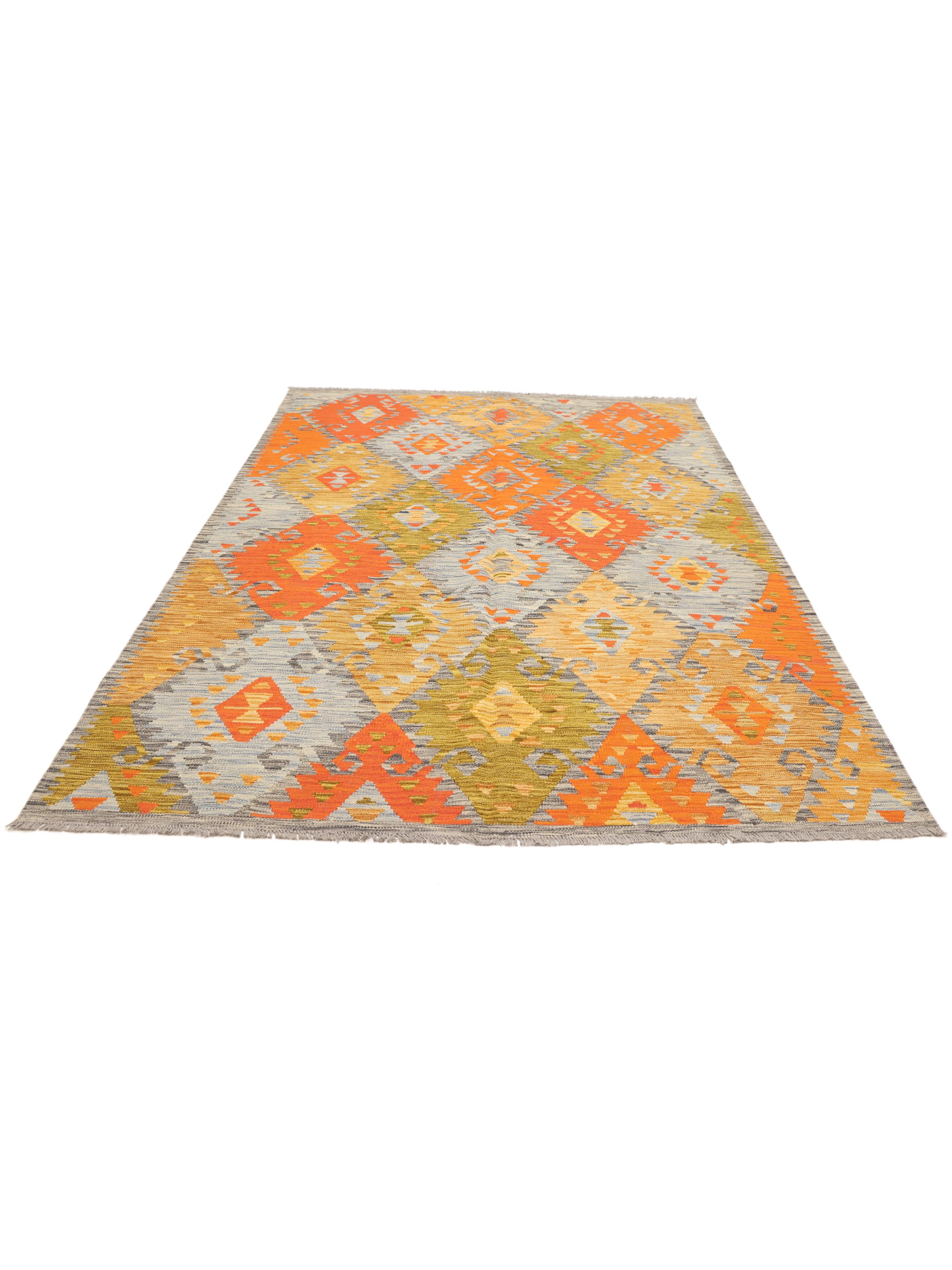
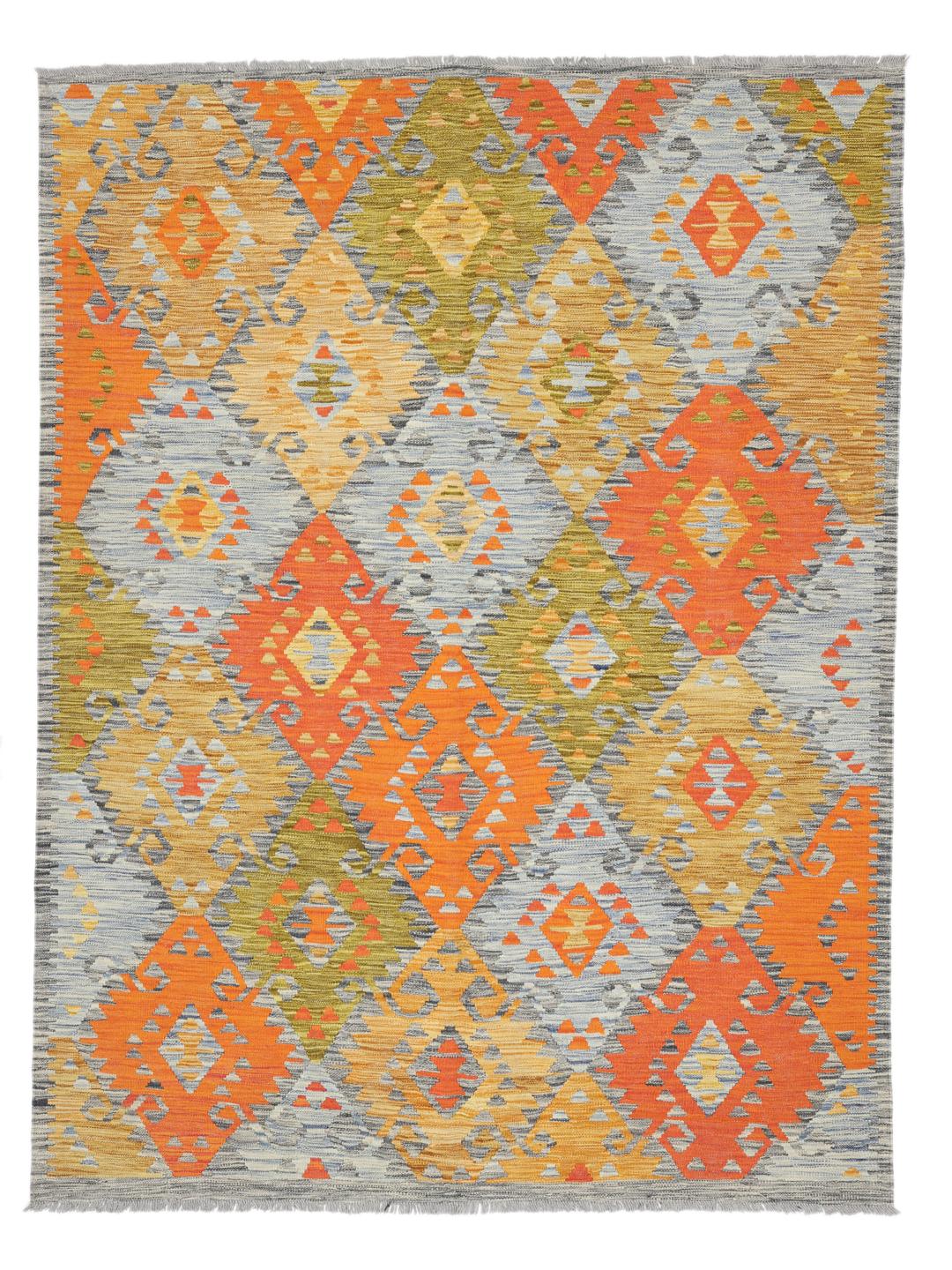
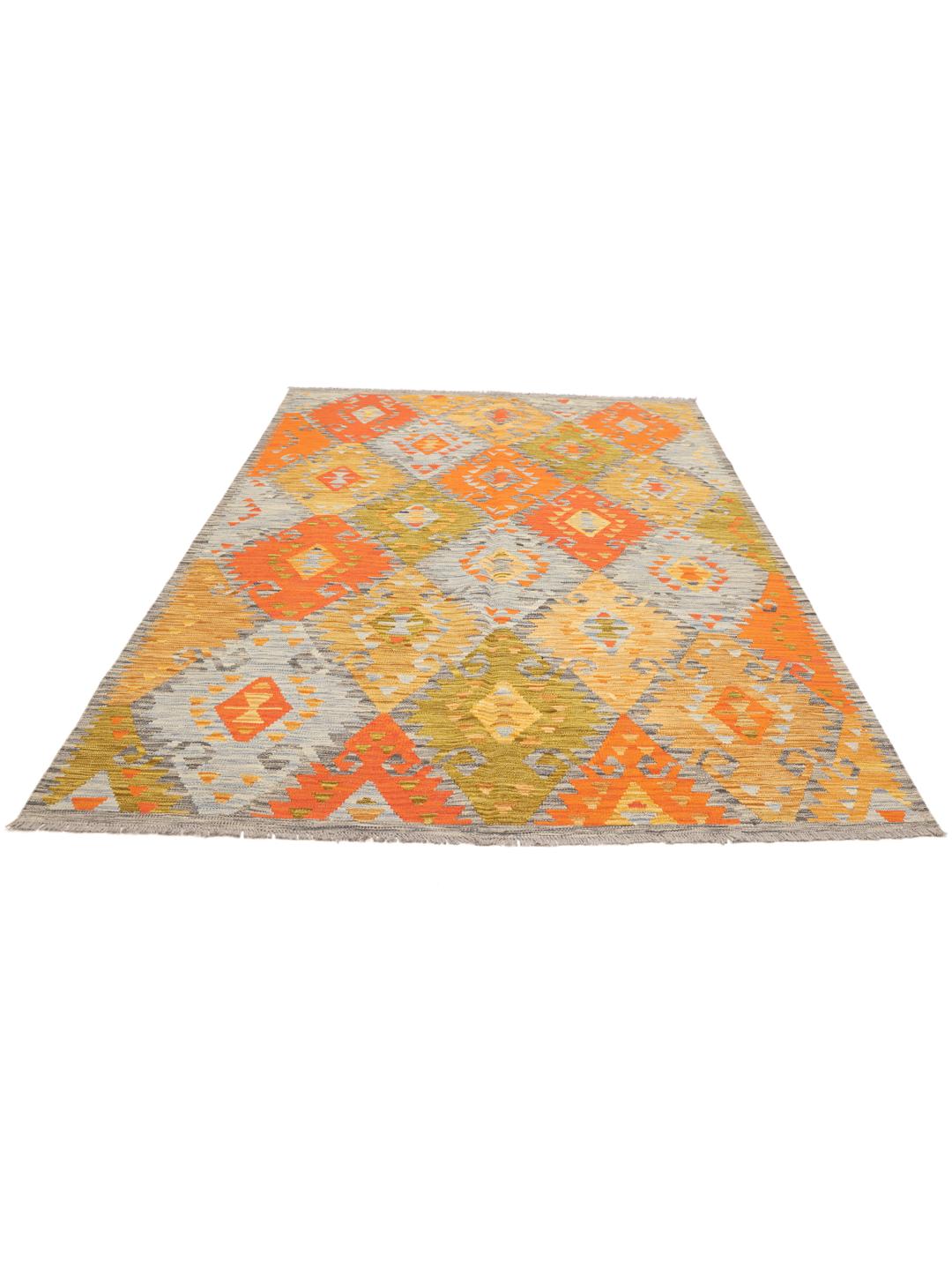
The Kelim Afghan Old Style draws its inspiration from the centuries-old nomadic traditions of the Middle East. Historically, these flat-weave textiles were crafted by tribal groups to serve as practical, portable floor coverings, room dividers, and bags, reflecting the needs of a mobile lifestyle. Today, these rugs represent a blend of ancient weaving techniques and contemporary design, adapted for modern homes while retaining their cultural roots.
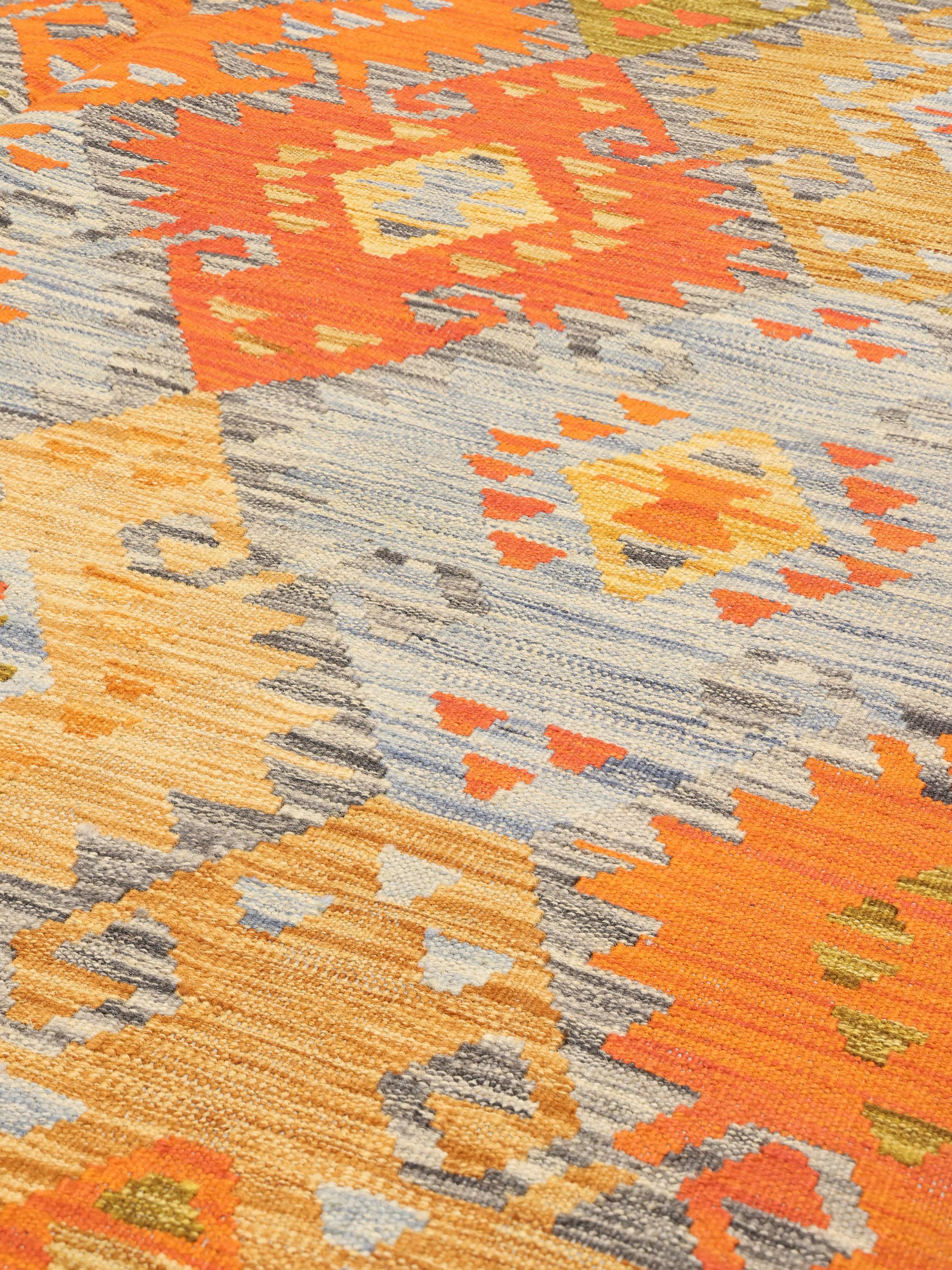
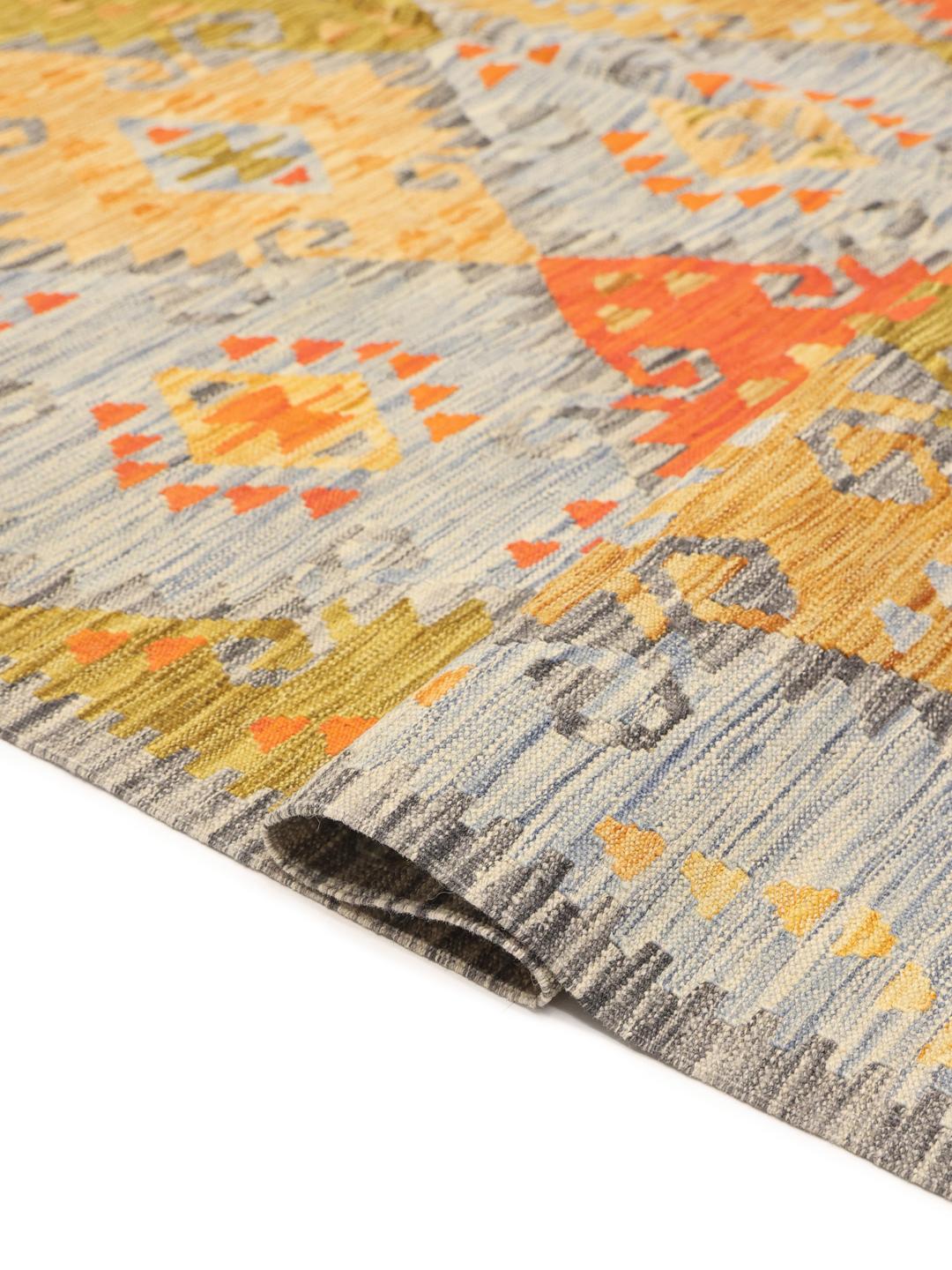
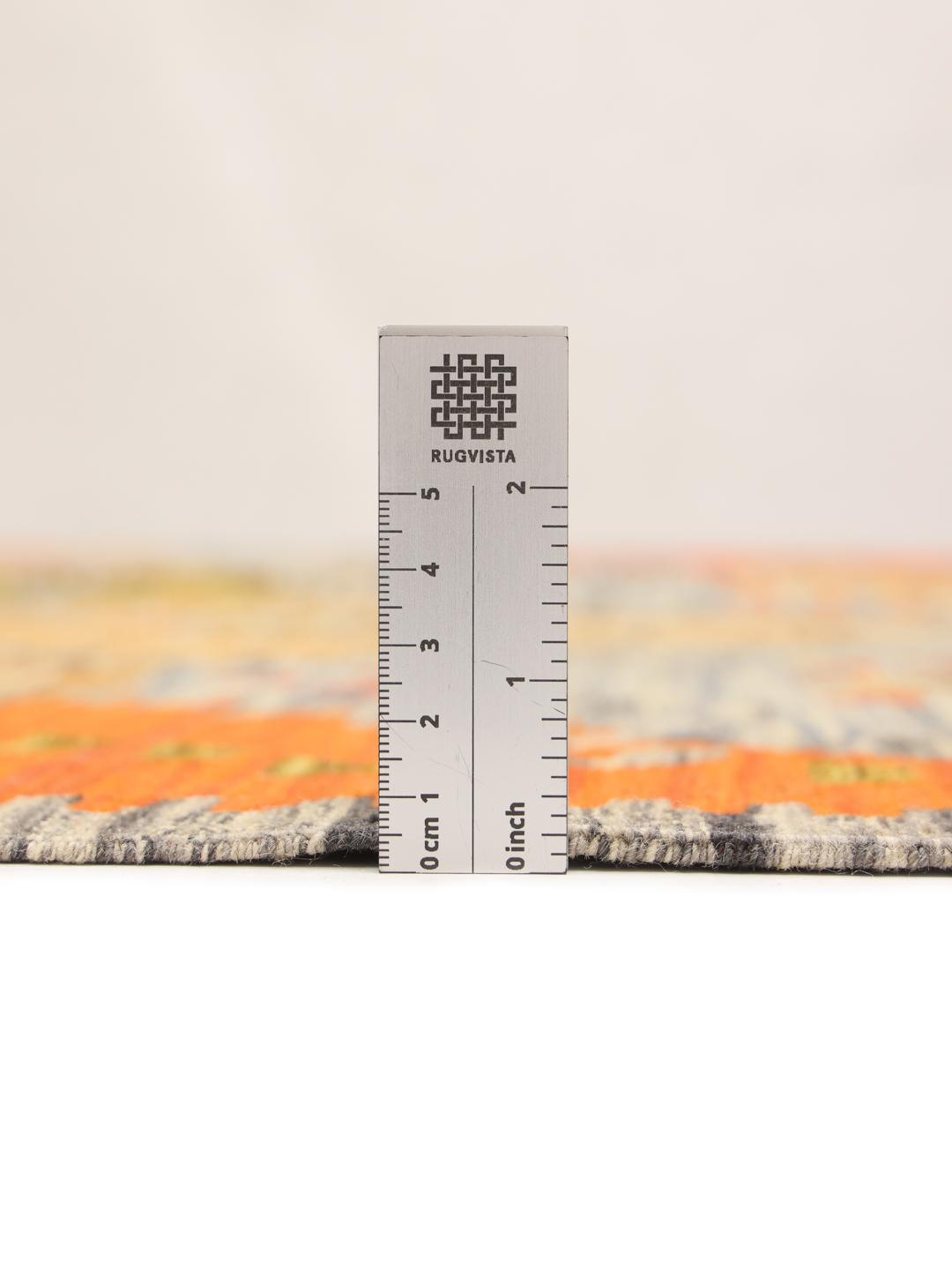
Kelim refers to a specific type of tapestry-woven rug that lacks a pile, meaning the pattern is created by the interweaving of the coloured weft threads directly into the warp. This technique results in a reversible, lightweight, and incredibly durable textile. The absence of pile allows for intricate, sharp-edged geometric designs that are hallmarks of the style, showcasing the weaver's ability to manipulate colour and form with high precision.
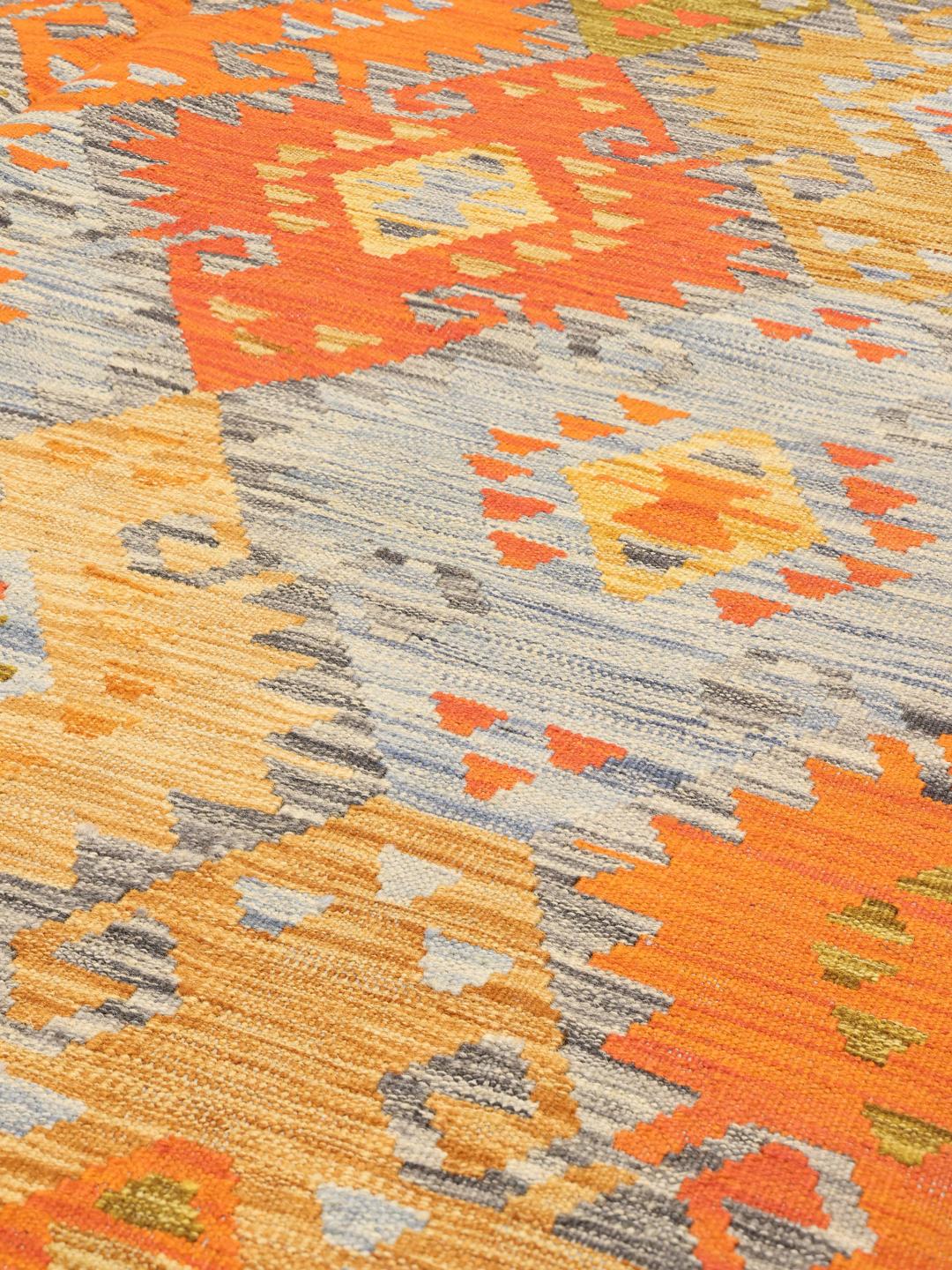
The visual language of these rugs is defined by bold, repeating motifs such as the diamond shapes seen here. These symbols often carry deep cultural significance, representing protection, fertility, or tribal identity. The use of natural dyes and the specific way colours are placed within the geometric grid provide each rug with a rhythm and movement that is distinctly characteristic of Afghan textile arts.
Collecting these rugs is an investment in human skill and regional heritage. Each piece is a narrative of the weaver's environment and the artistic legacy of their ancestors. By bringing a Kelim into your home, you are participating in a long-standing dialogue between past and present, ensuring these traditional crafts continue to be appreciated and honoured.