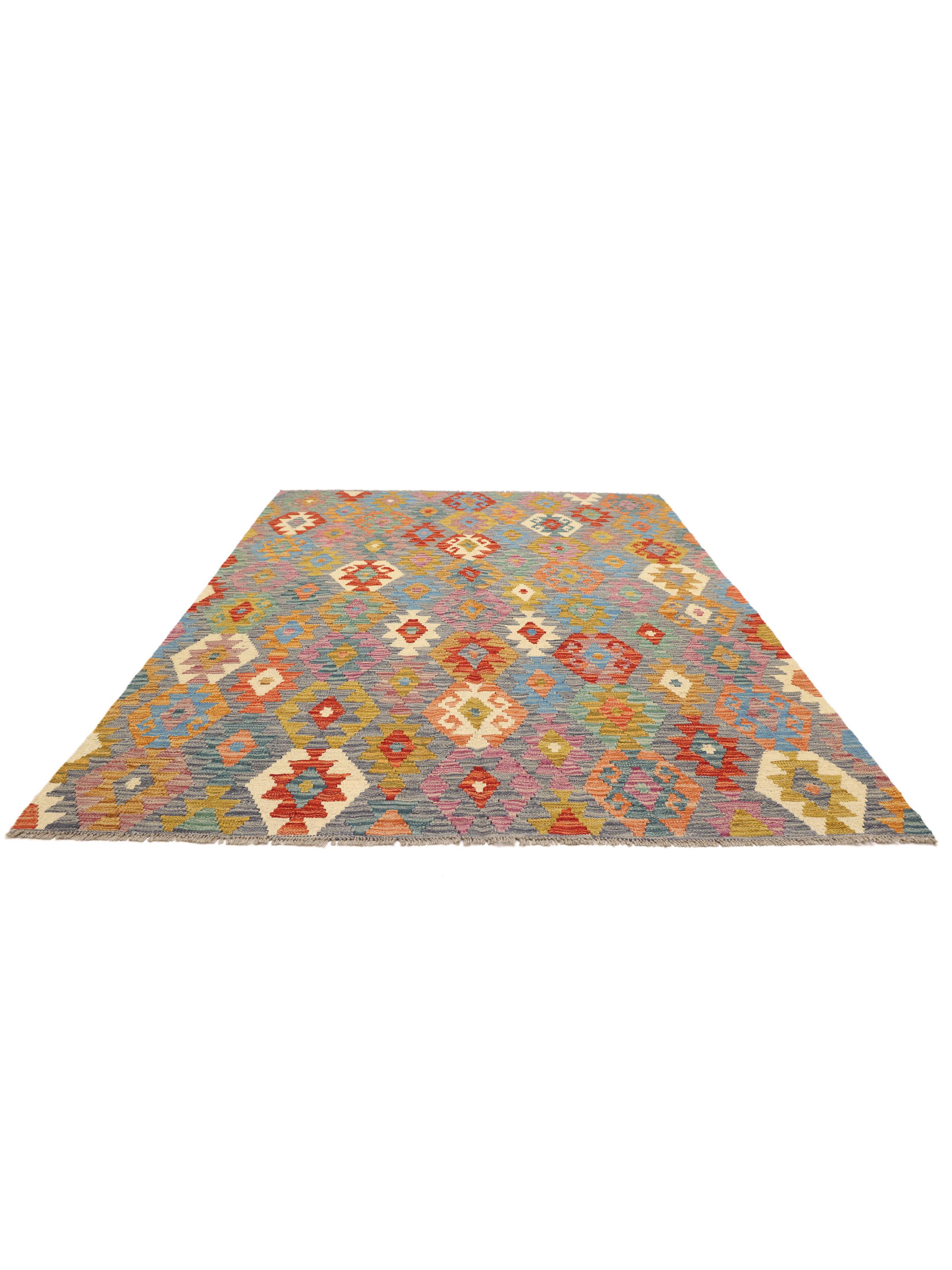
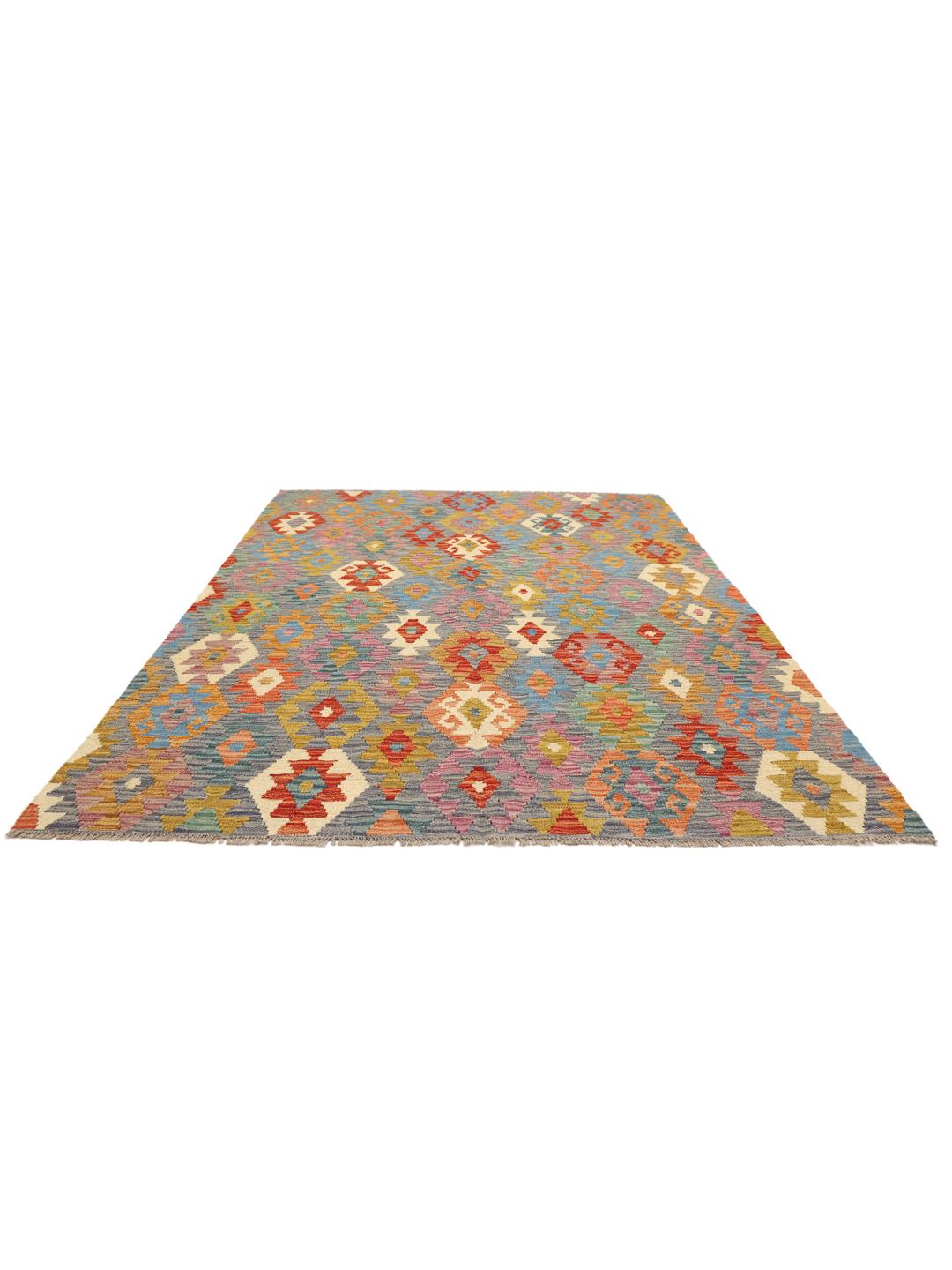
Kelim rugs have a long and storied history across the Middle East and Central Asia, serving as both functional floor coverings and essential cultural textiles for nomadic tribes. The term Kelim refers to the flat-weaving technique used to create these pieces, which differs from traditional pile rugs by lacking a knotted surface. Historically, these rugs were used as room dividers, floor cushions, and storage bags, reflecting the portable lifestyle of the weavers who crafted them.
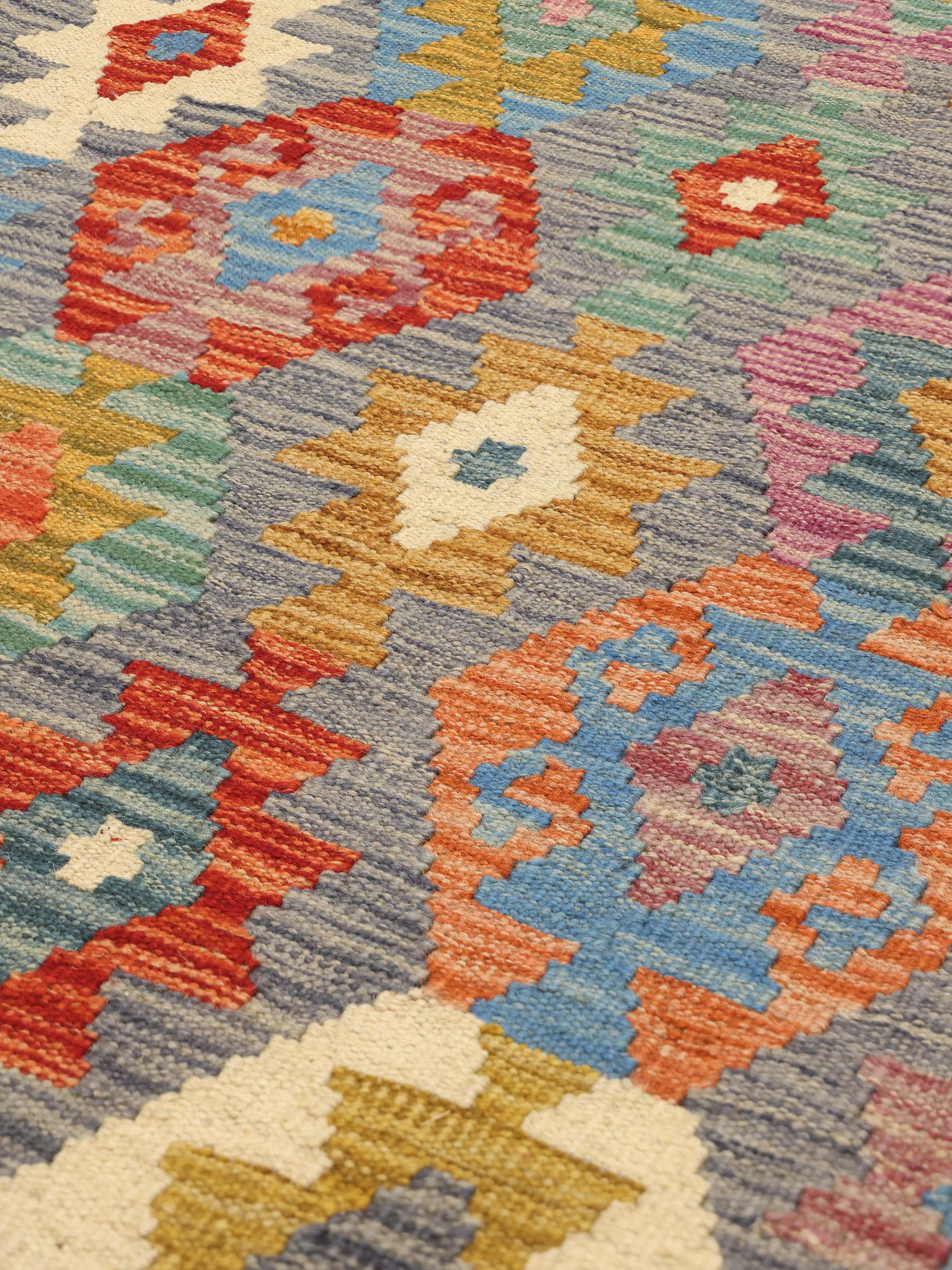
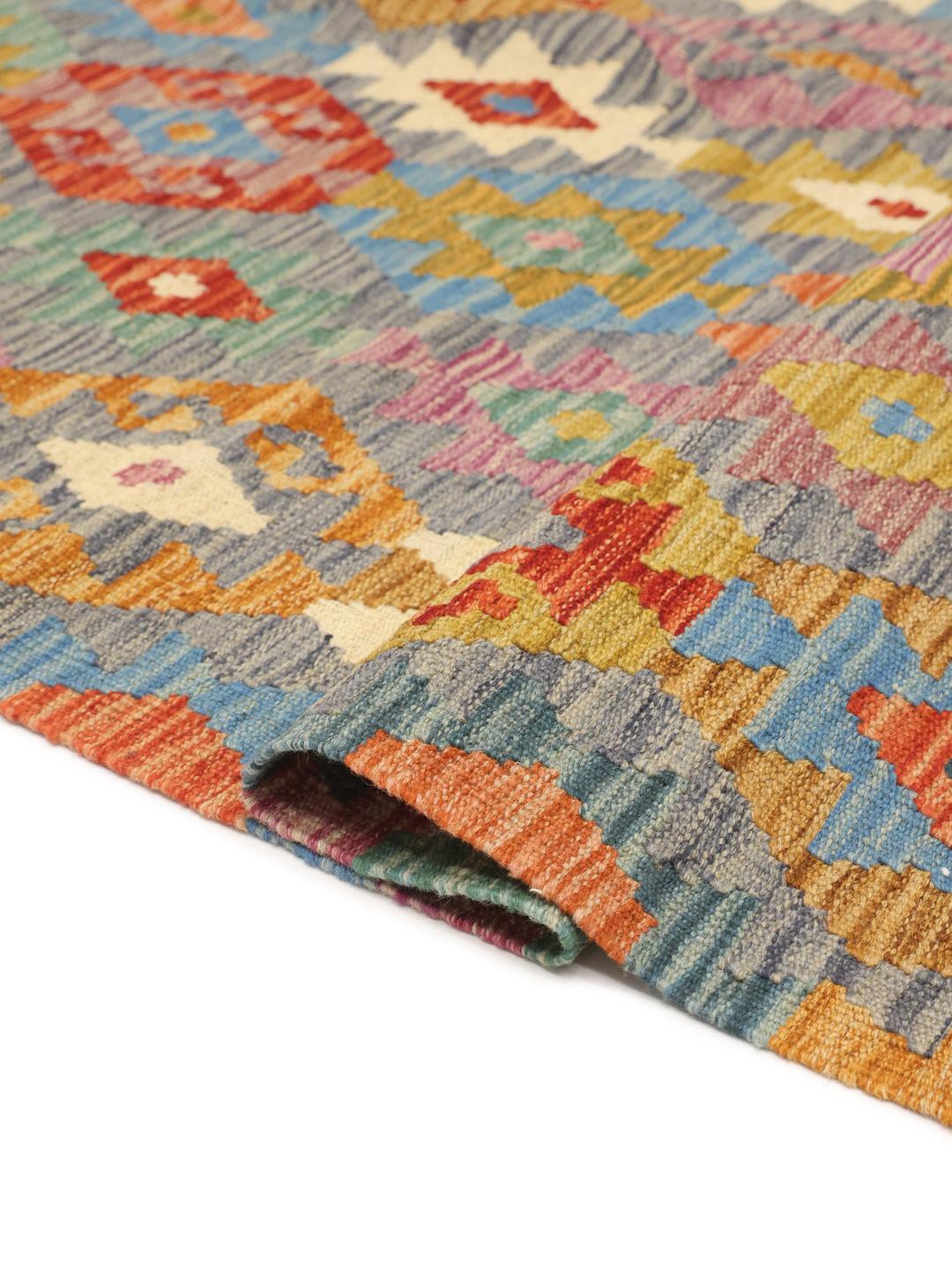
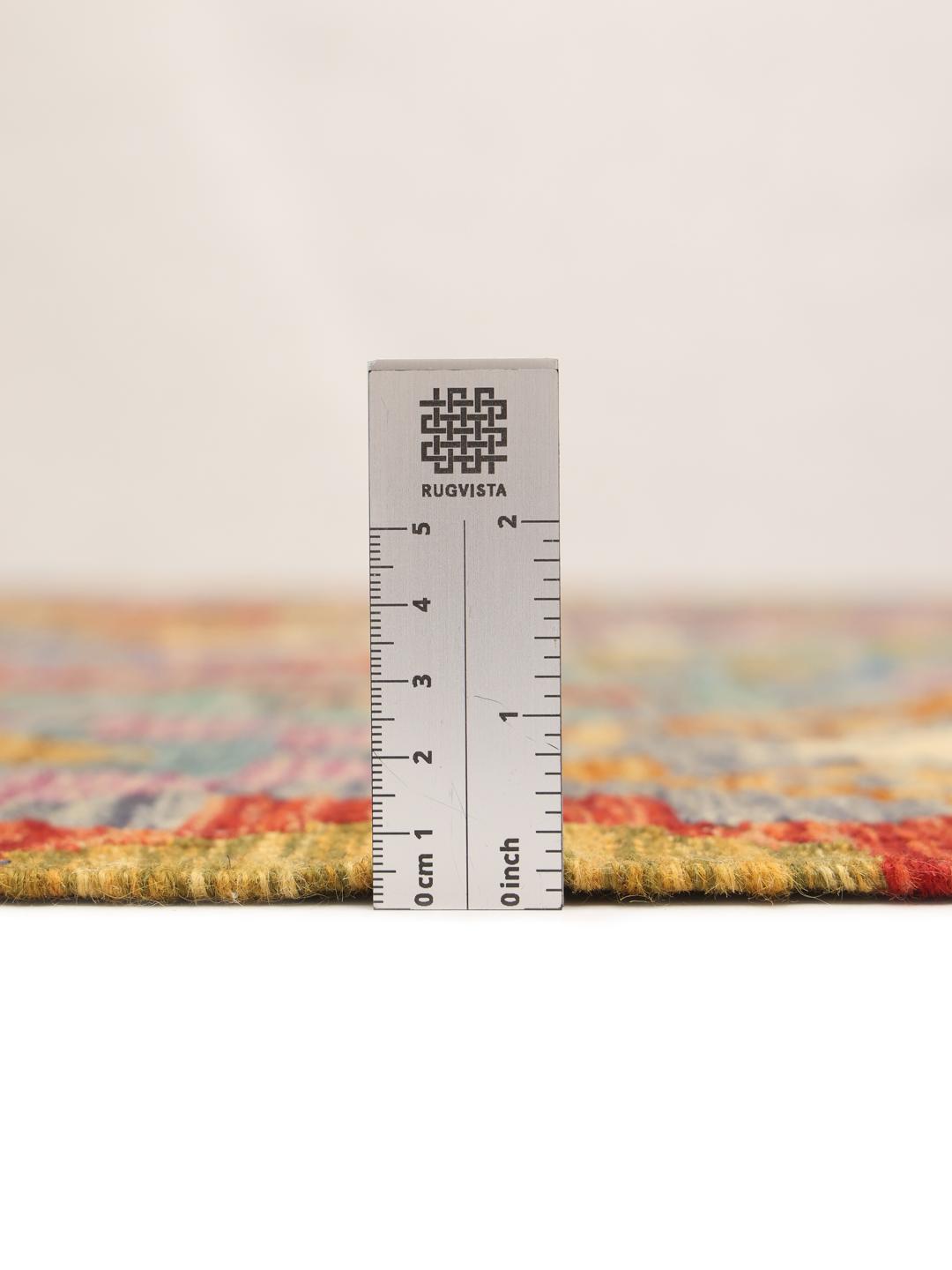
The quality of a Kelim is largely defined by its weave, which relies on the tension between the warp and the weft. By using high-quality Wool, weavers are able to create a tight, interlocking structure that is remarkably strong despite its thin profile. This technique allows for the creation of crisp, sharp geometric designs that define the aesthetic of Afghan weaving traditions, showcasing a sophisticated understanding of colour and pattern geometry.
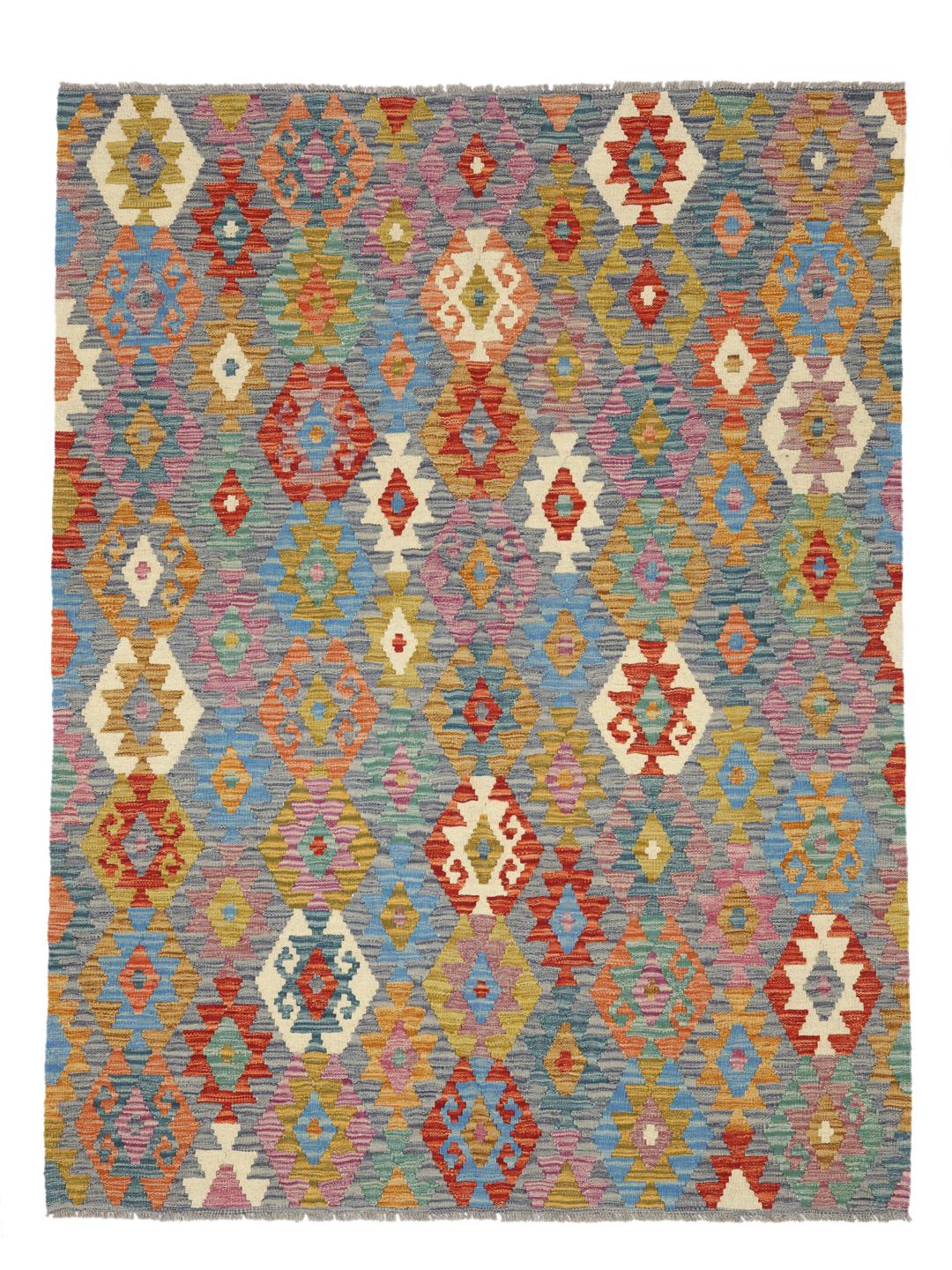
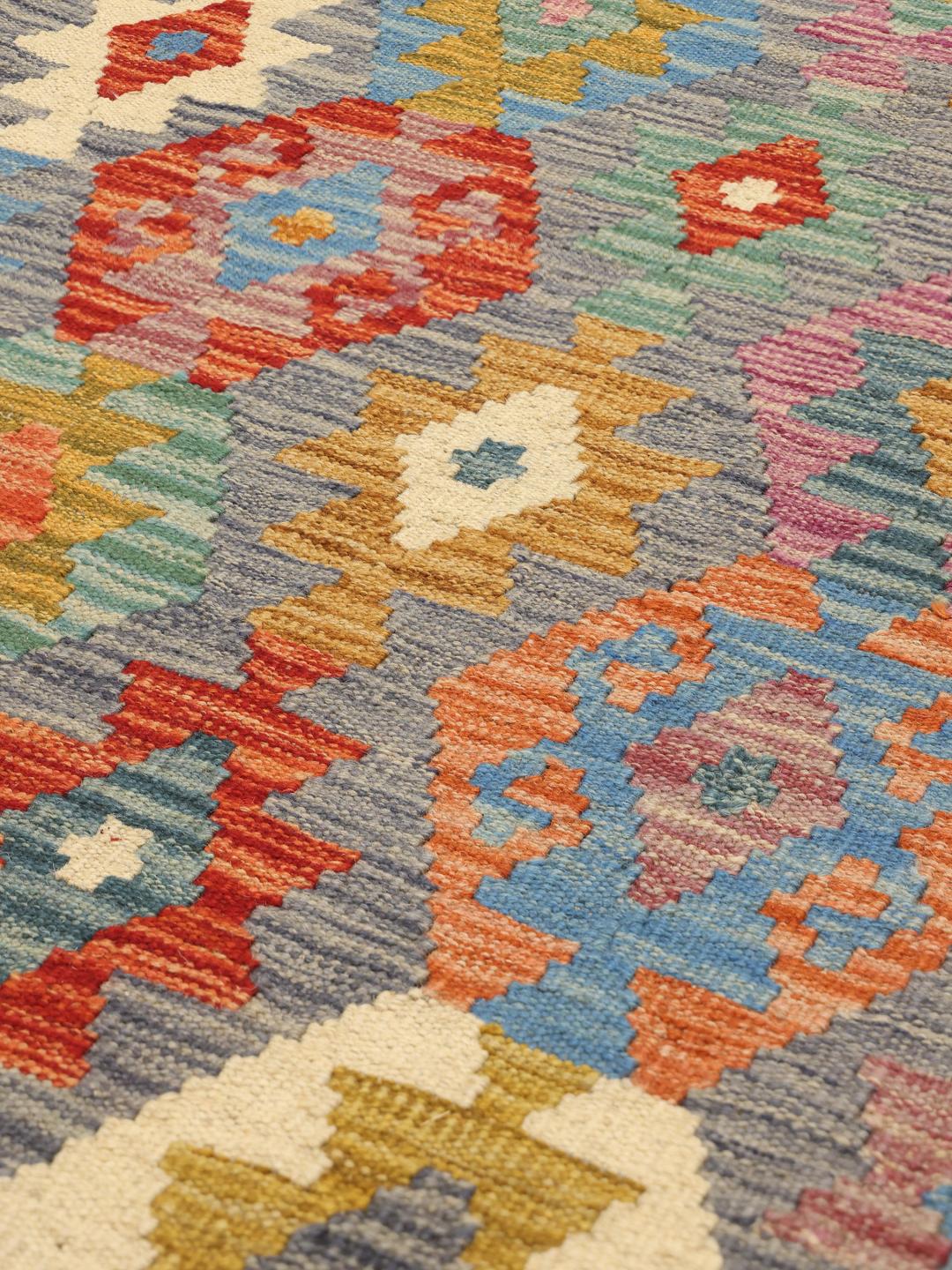
Signature design elements in Afghan Kelims often include bold diamonds, latch-hook motifs, and intricate borders that draw inspiration from the natural environment and local folklore. The use of vibrant, contrasting colours is a hallmark of this style, often achieved through natural dyes that develop a beautiful, muted patina over time. This specific piece celebrates these classic motifs, offering a visual narrative that is deeply rooted in the artistic heritage of the region.
Collecting a Kelim is an investment in cultural tradition and human skill. These rugs are valued for their authenticity and the way they connect modern homes to ancient craft practices. By choosing a piece like this, you are preserving a tradition that prioritises manual dexterity and creative expression, ensuring that the legacy of these master weavers continues to be appreciated in homes across the world.