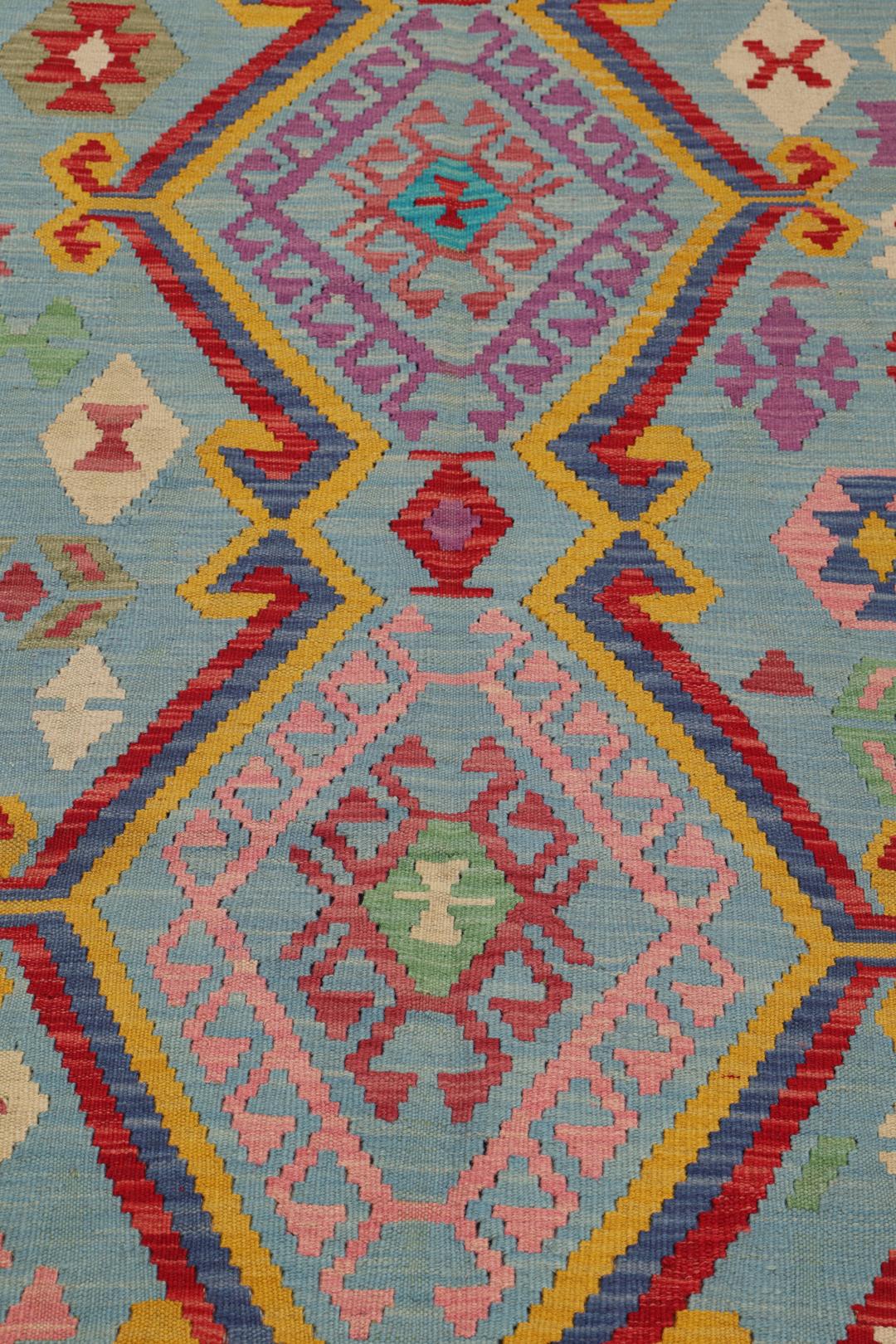
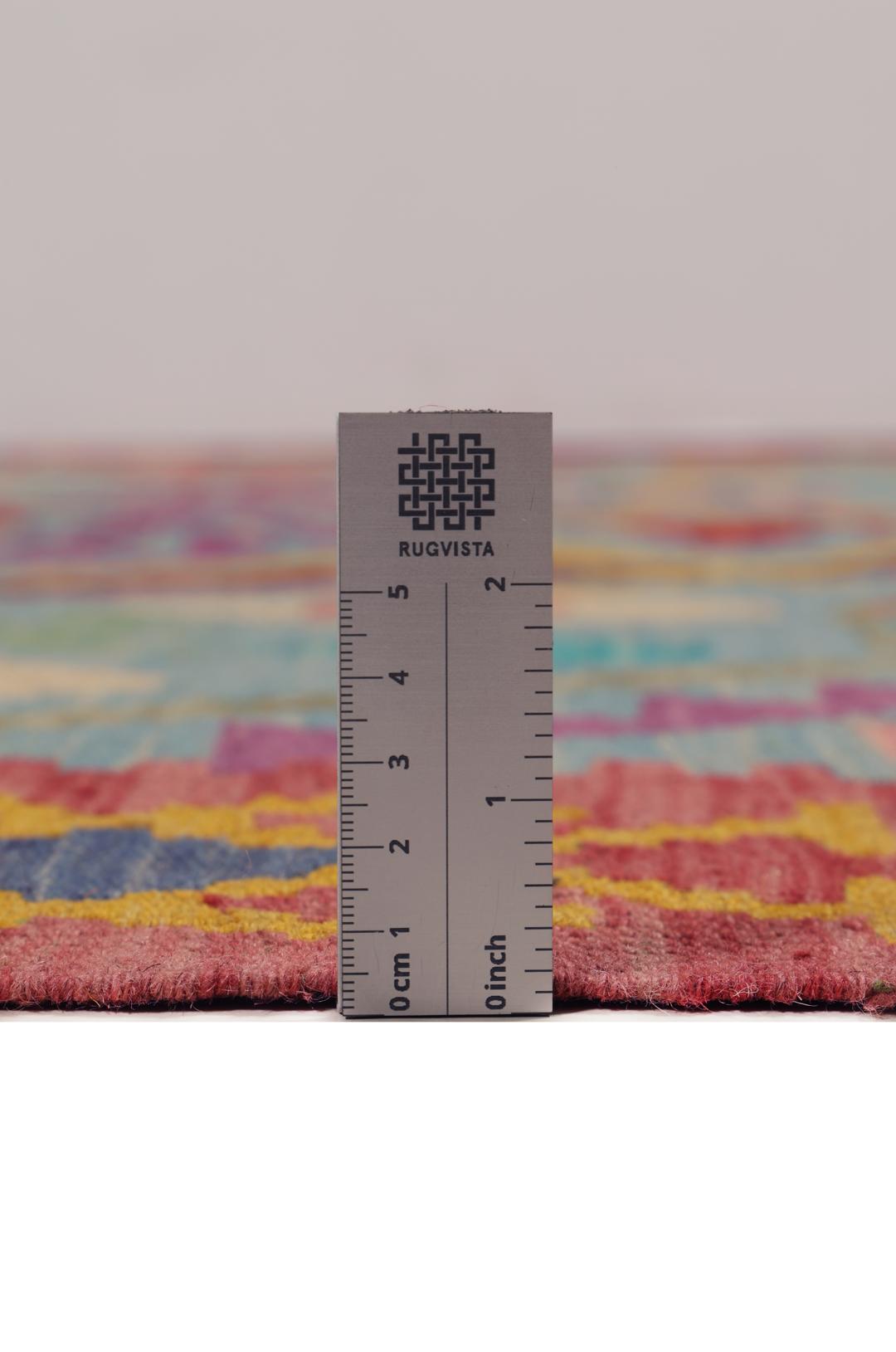
The Kelim tradition in Afghanistan is deeply rooted in the nomadic and semi-nomadic lifestyles of the region, where flat-woven textiles were essential for both utility and beauty. These rugs were historically crafted to serve as functional items, such as floor coverings, saddlebags, and wall hangings, designed to be easily transported during seasonal migrations. Over centuries, these traditions have evolved, yet they remain intrinsically linked to the cultural identity of the weavers.
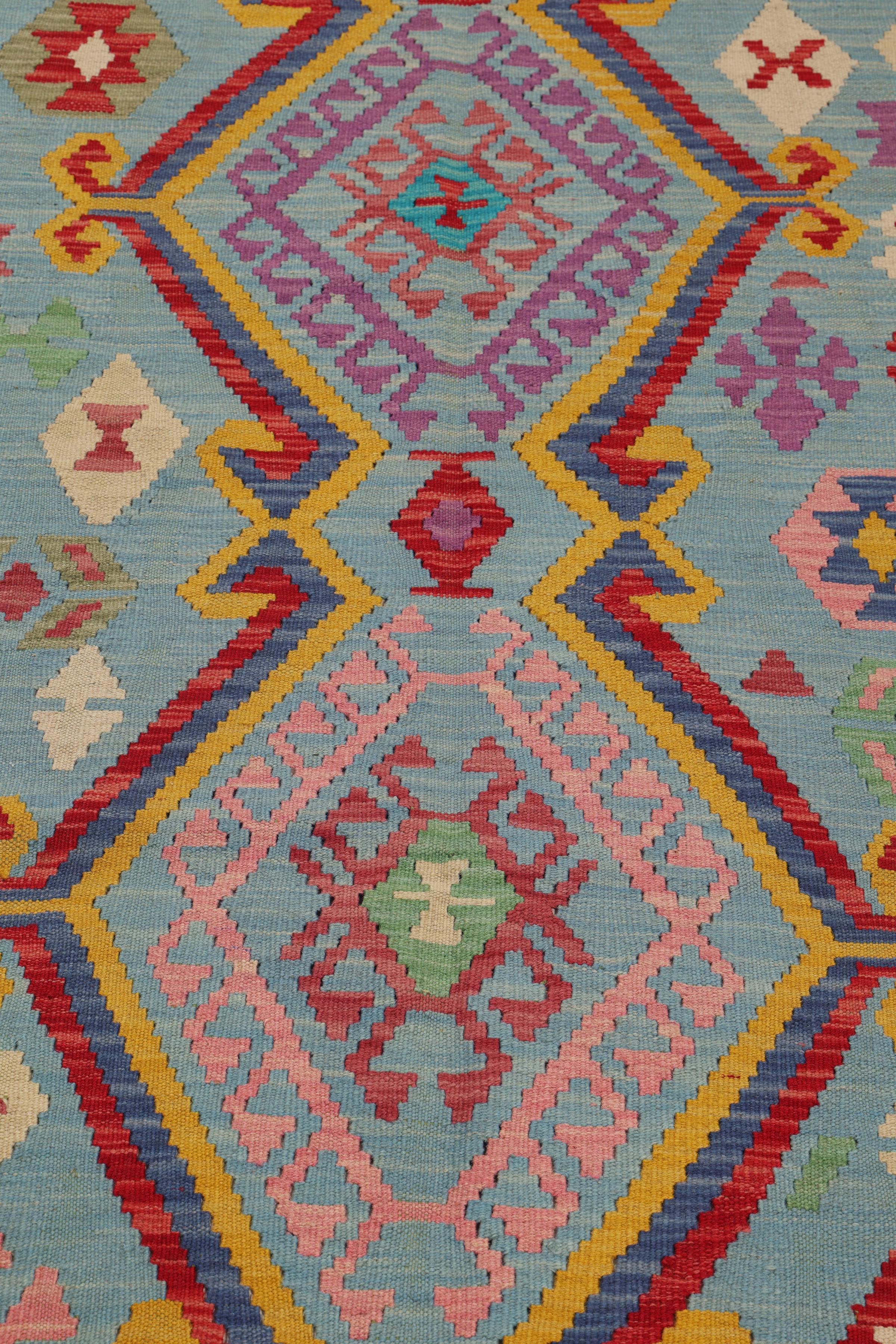
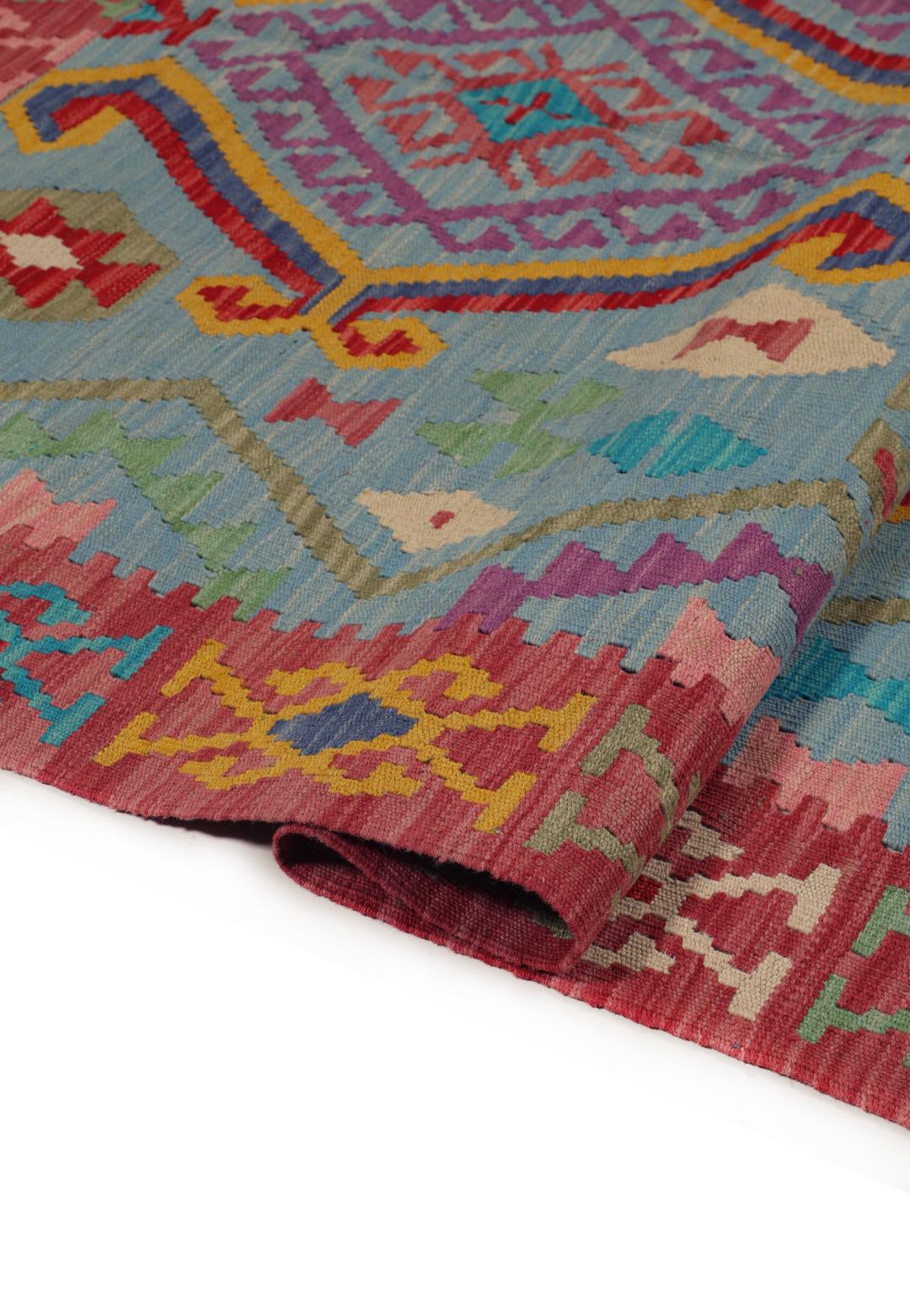
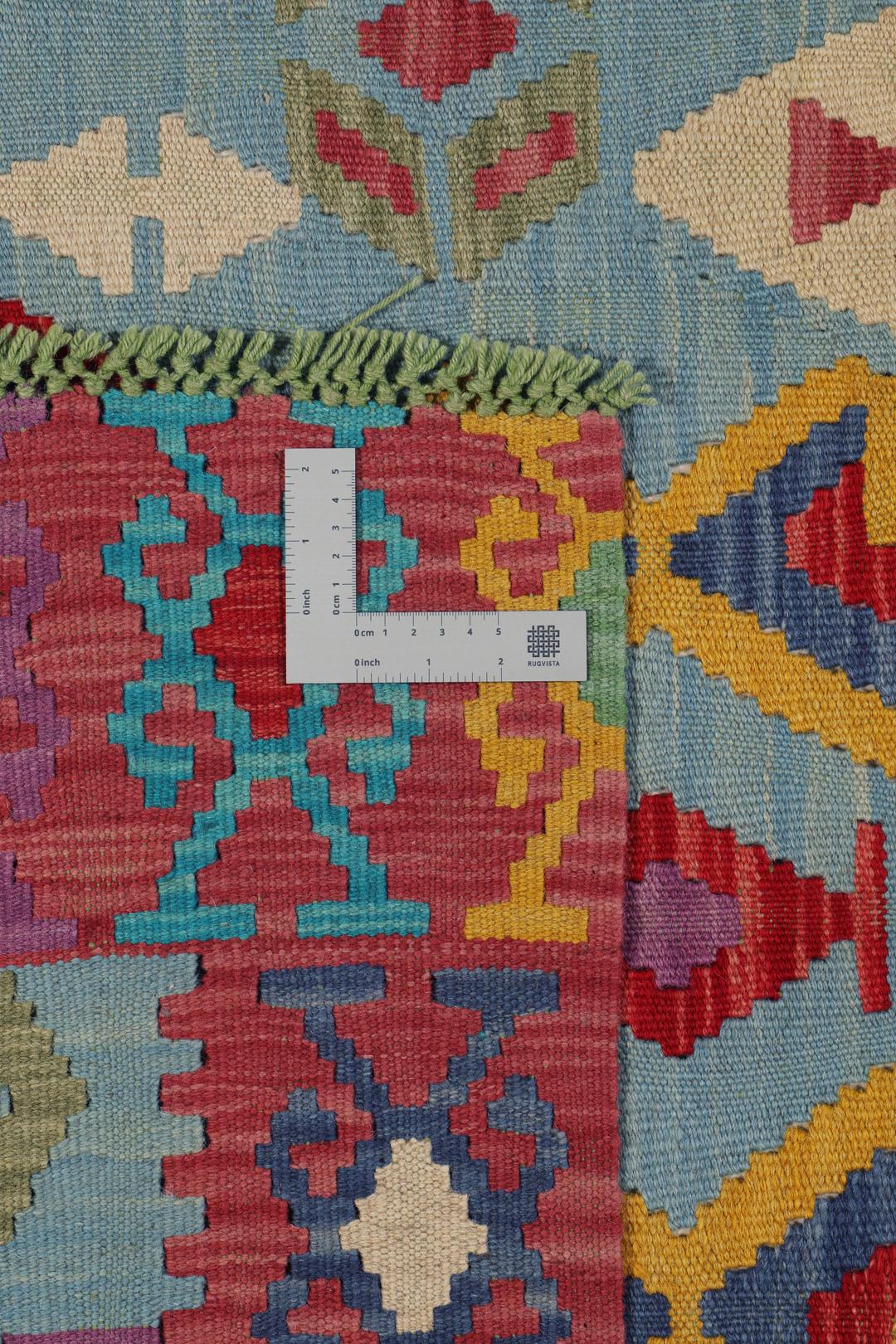
The term 'Kelim' refers to the specific flat-weaving technique where the warp and weft threads are interwoven to create a smooth, pileless surface. This method is distinct from knotted rugs because it relies on the tension and arrangement of the coloured wefts to build the design directly into the structure. This creates a reversible or near-reversible textile that is incredibly strong and lightweight, reflecting the practical needs of the communities that developed the craft.
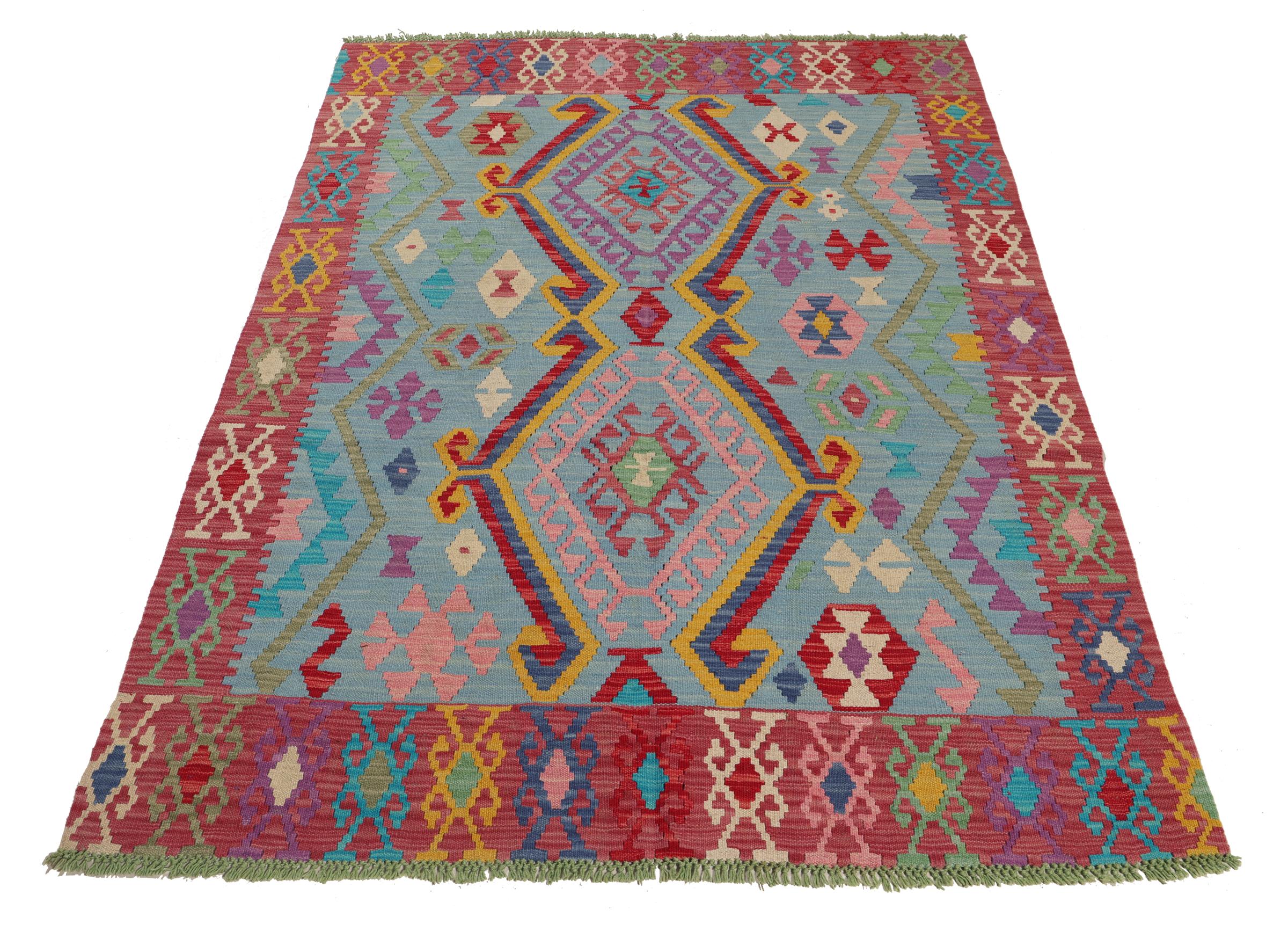
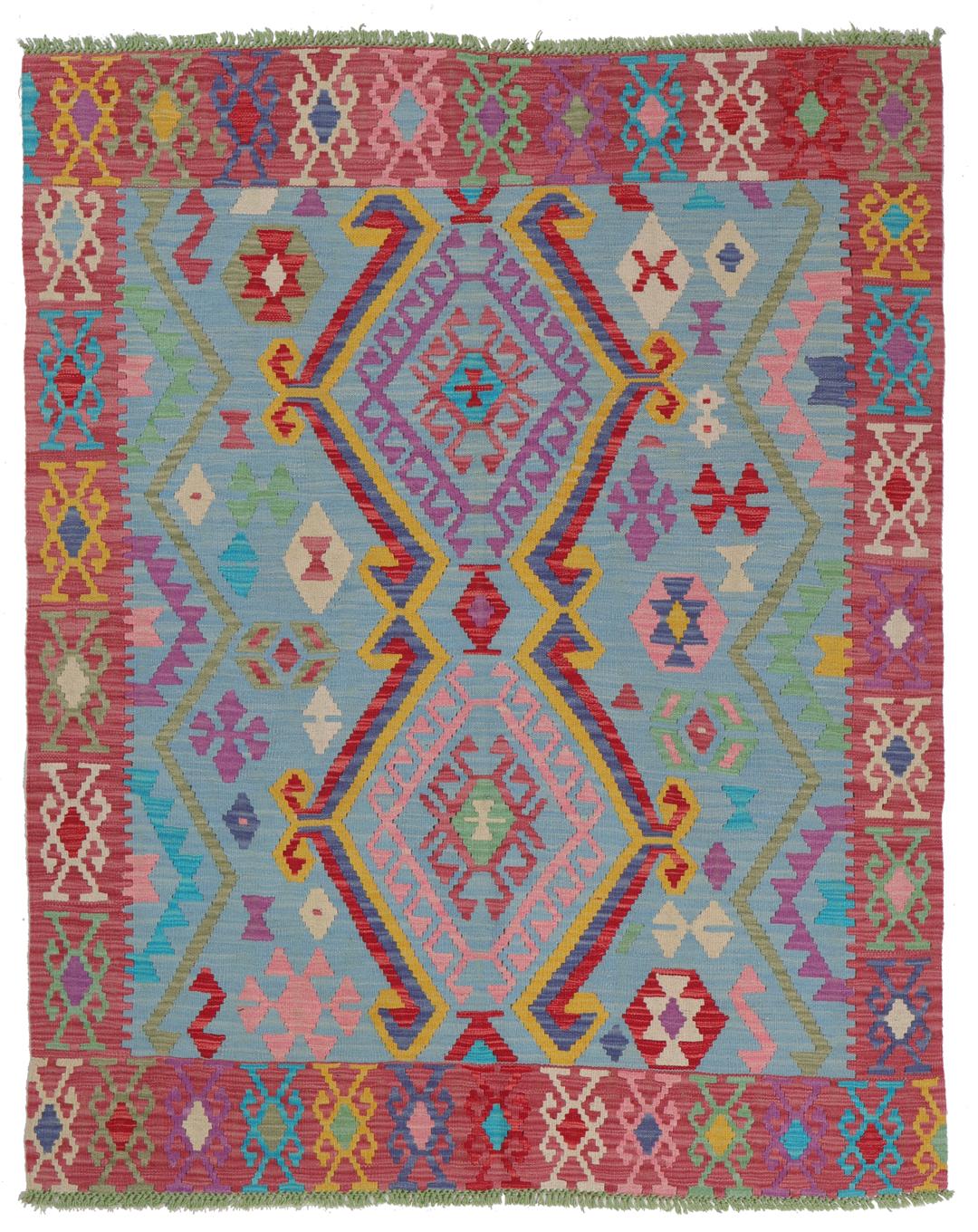
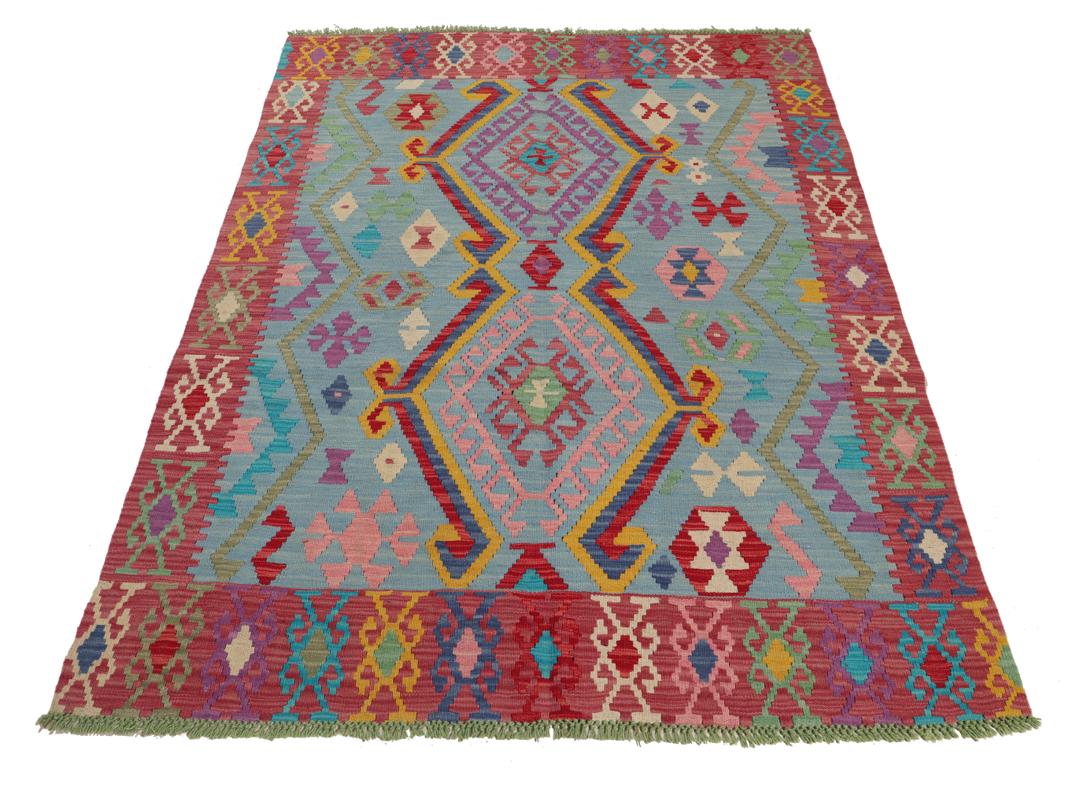
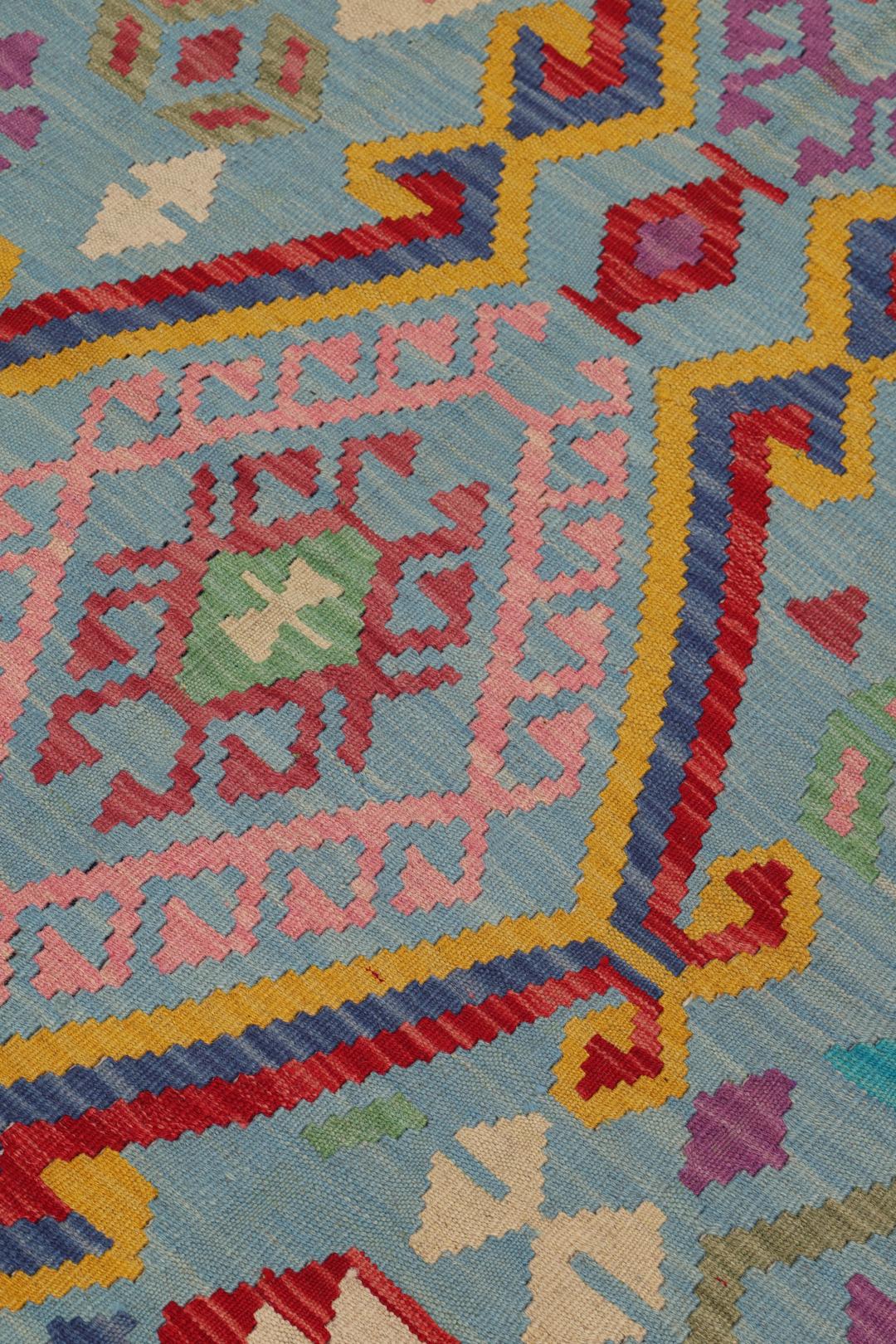
Signature design elements in Afghan Kelims often include bold geometric motifs such as diamonds, medallions, and intricate borders. These patterns are rarely random, often carrying symbolic meanings related to protection, fertility, or tribal lineage. The use of vibrant, contrasting colours is a hallmark of this style, intended to bring brightness and energy to traditional dwellings, making these rugs a celebrated example of regional textile art.
Today, these rugs are highly valued by collectors and interior enthusiasts for their authenticity and the human skill they represent. Owning an Afghan Kelim is an investment in a living heritage, as each piece serves as a physical record of the weaver’s creative choices and technical expertise. They are treasured not just for their aesthetic impact, but for their ability to connect a modern home to a long, rich history of communal craft.