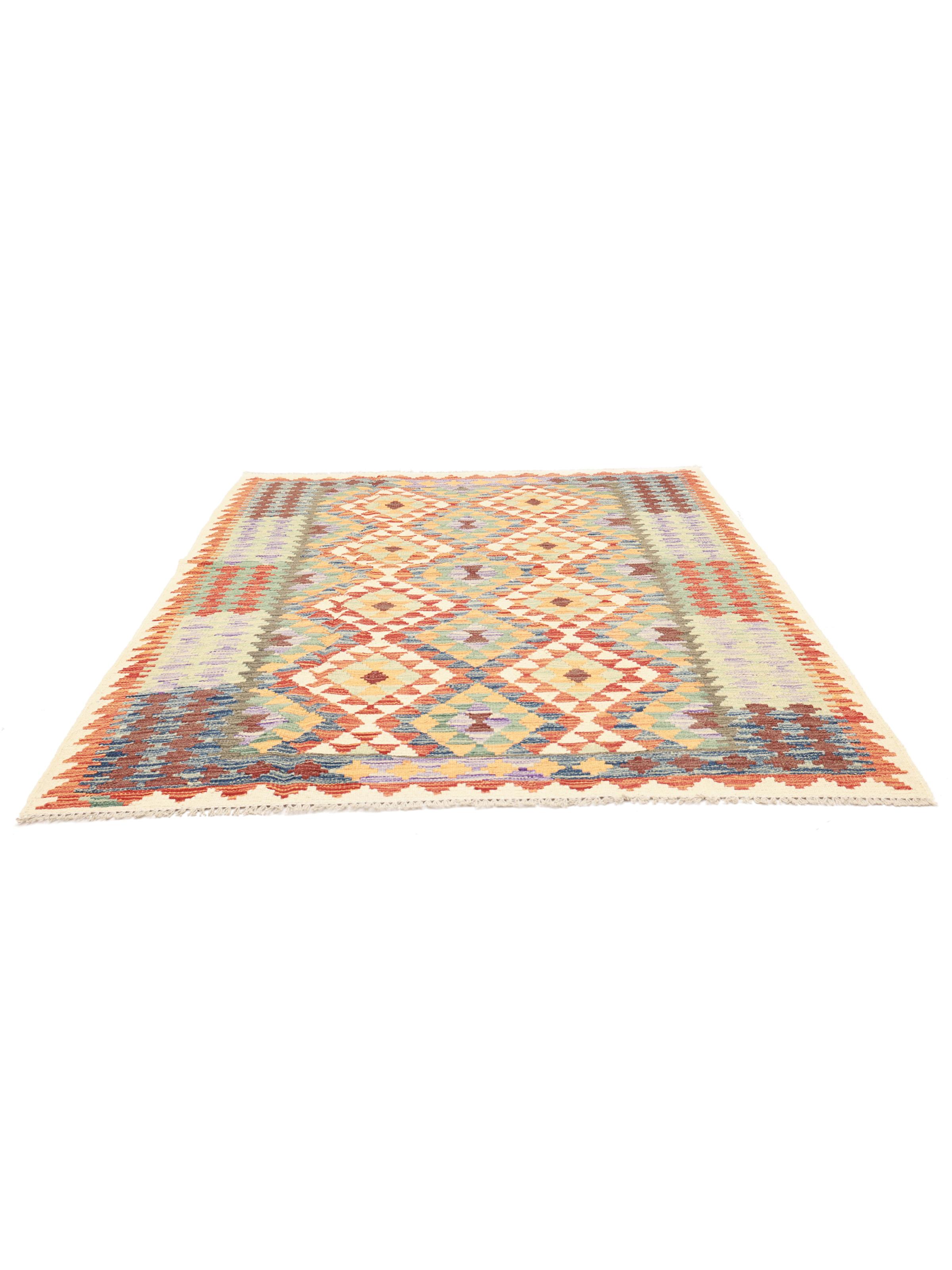
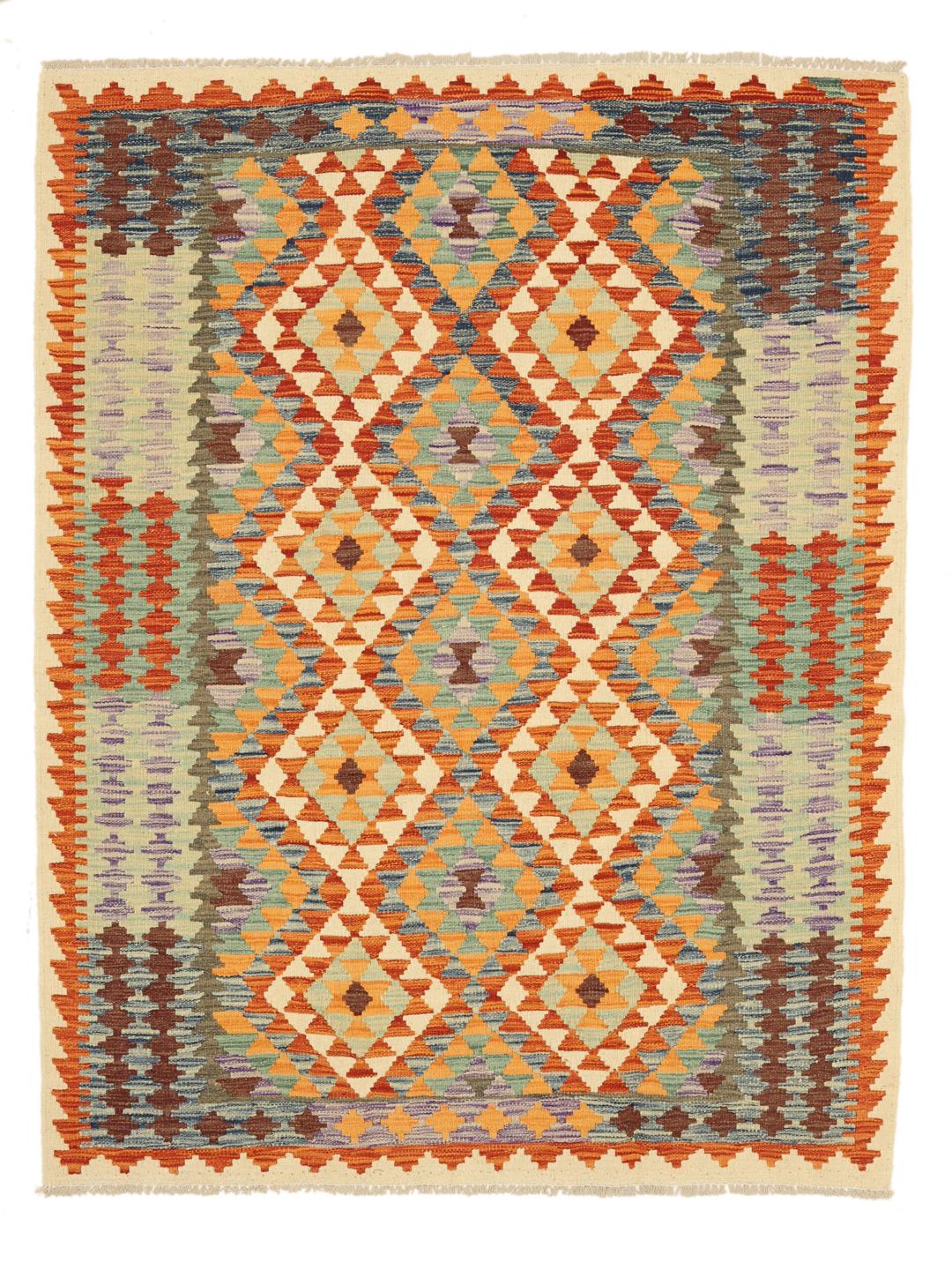
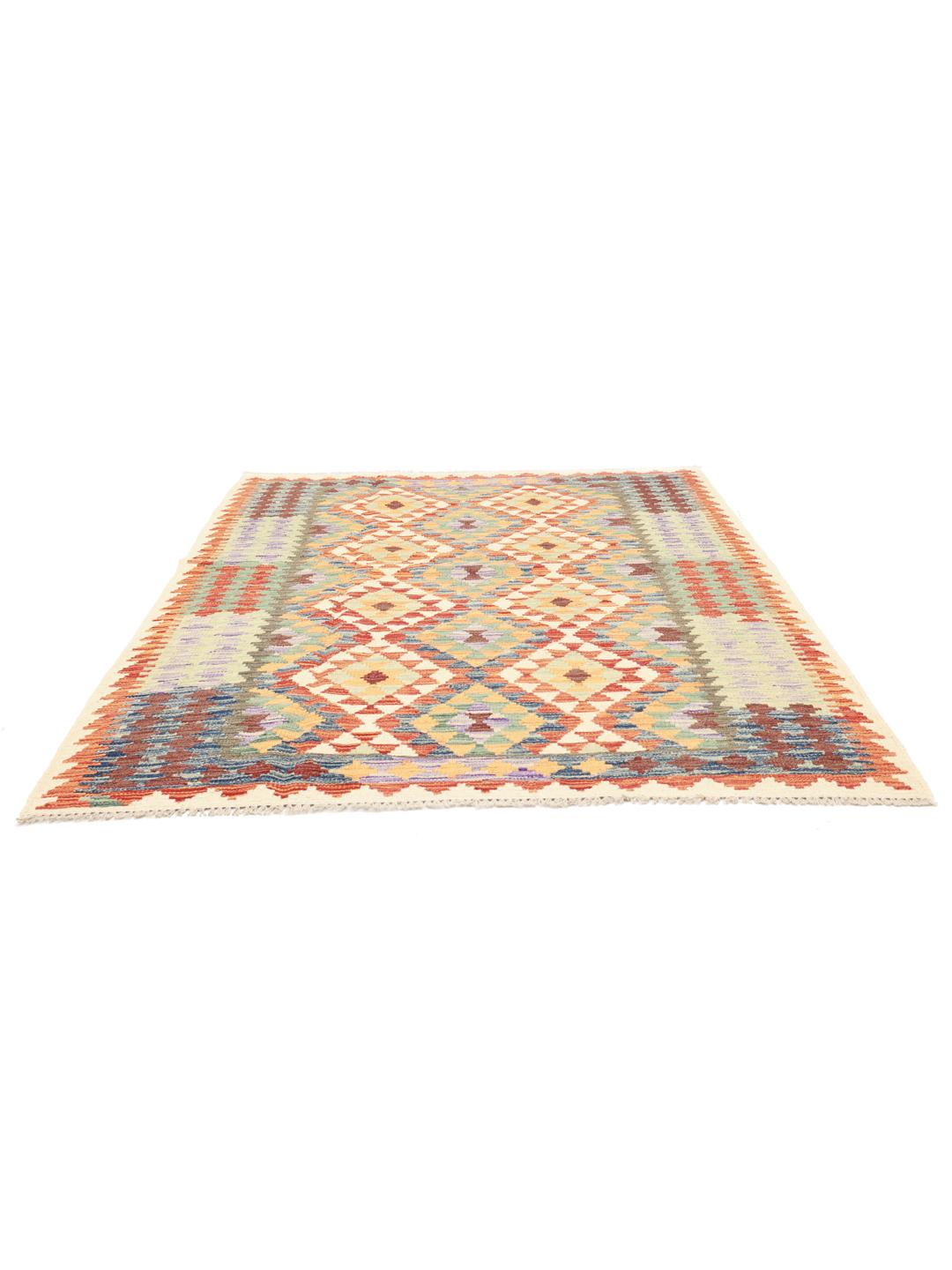
Kelim rugs have a storied history rooted in the nomadic cultures of the Middle East and Central Asia. Originally created by tribal weavers for practical use as floor coverings, tent dividers, and storage bags, these rugs were designed to be durable, portable, and aesthetically rich. The Afghan tradition, in particular, is celebrated for its robust construction and the use of bold, earthy pigments that reflect the vibrant landscapes of the region.
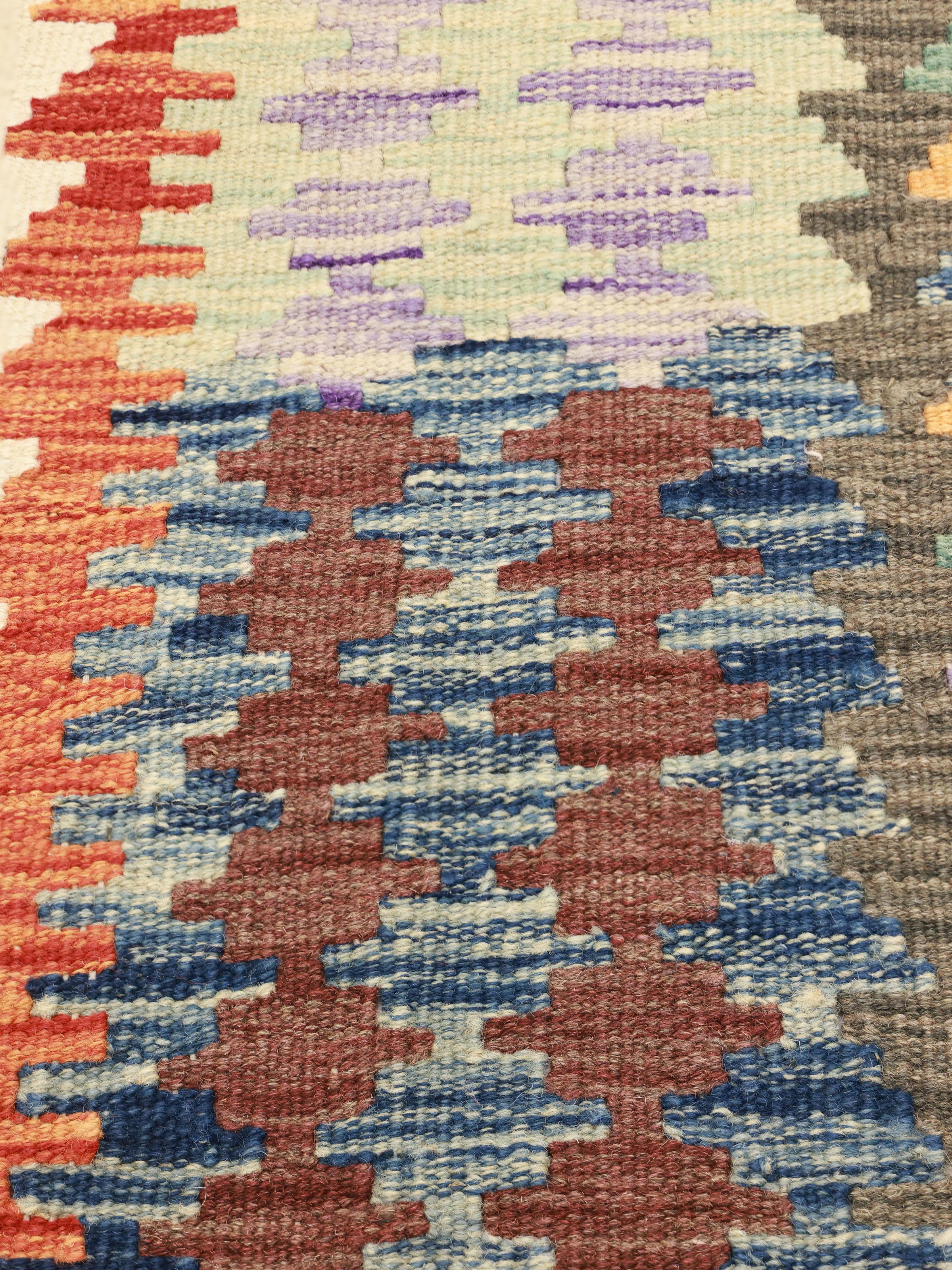
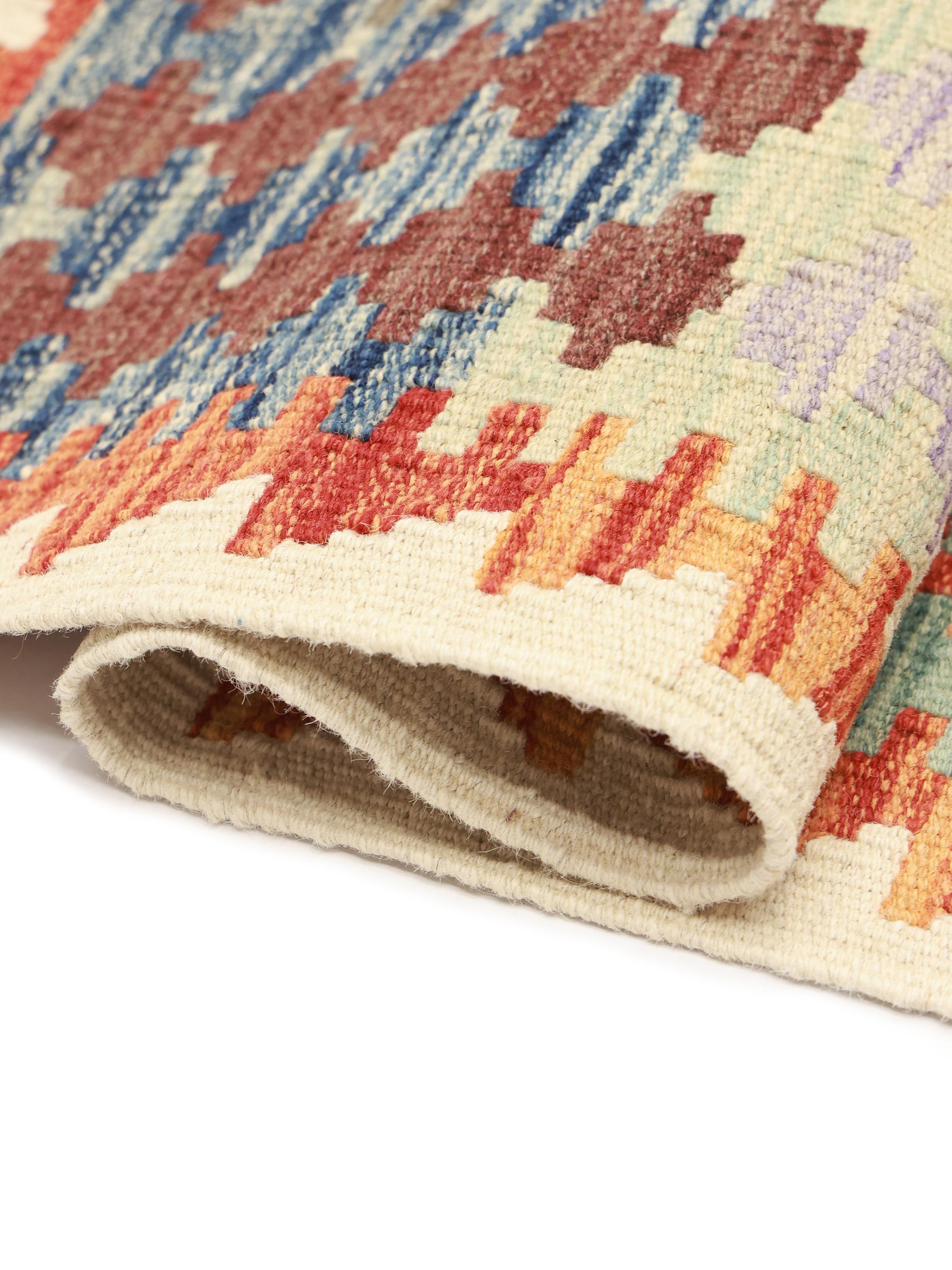
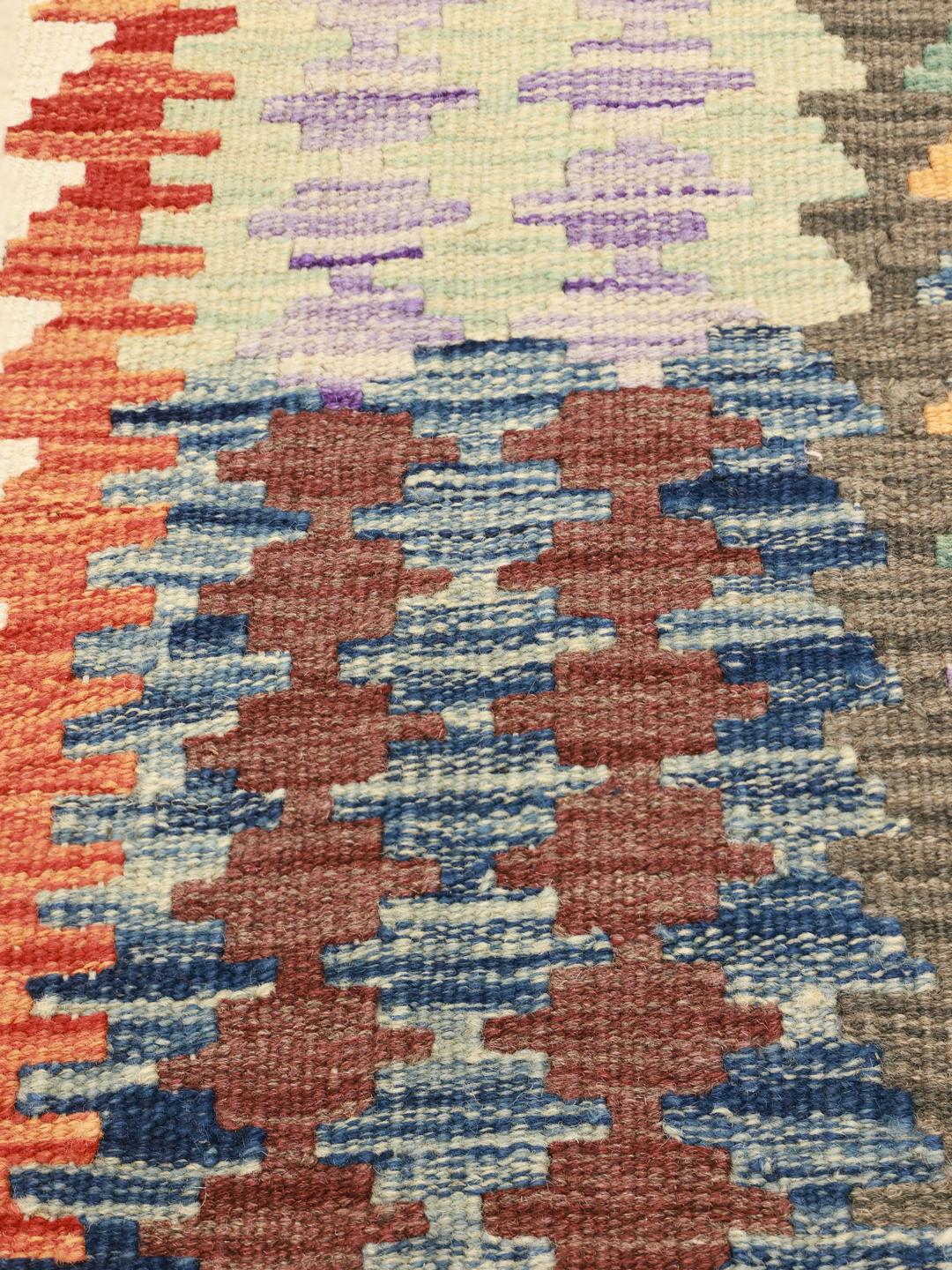
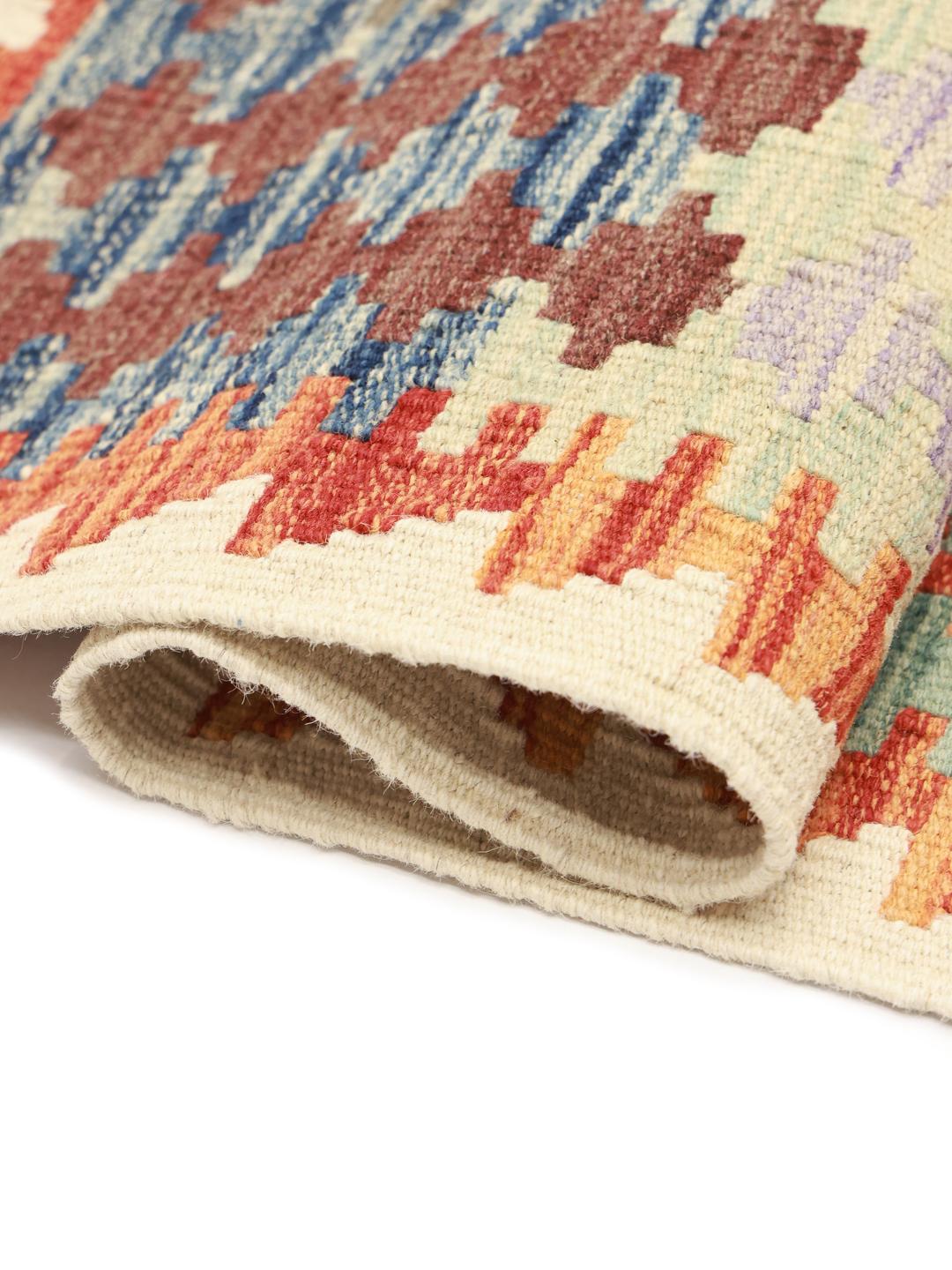
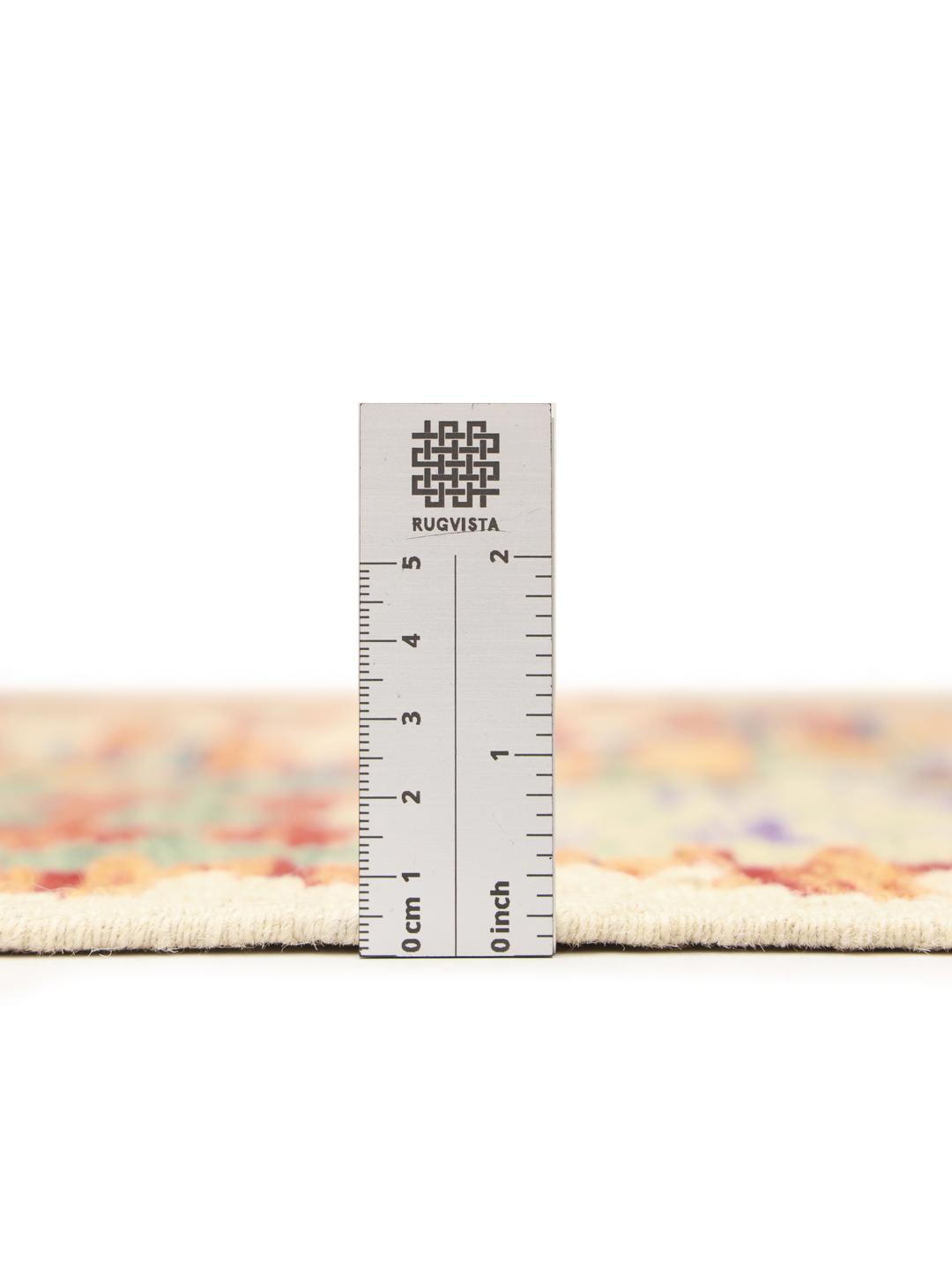
The term 'Kelim' refers to a flat-weave technique where the weft threads are woven tightly through the warp threads to create the pattern, omitting a pile entirely. This method produces a thin, reversible rug with a clean, graphic look. The skill of the weaver is essential here, as they must maintain consistent tension to ensure the geometric lines remain sharp and the structure remains stable throughout the life of the rug.
Signature design elements in Afghan Kelims often include repeated geometric motifs such as diamonds, triangles, and stylized floral forms. These patterns are not merely decorative but are deeply symbolic, often representing tribal identity or protective symbols. The borders are typically filled with intricate, repeating patterns that frame the central field, creating a sense of balance and completeness that is highly sought after by collectors.
Owning an Afghan Kelim is an investment in cultural heritage and skilled artistry. These rugs are valued not only for their visual impact but for the history they carry from the hands of the weaver to your home. Collectors prize them for their authenticity, the quality of the Wool, and the way they age gracefully over time, becoming more beautiful with each passing year.