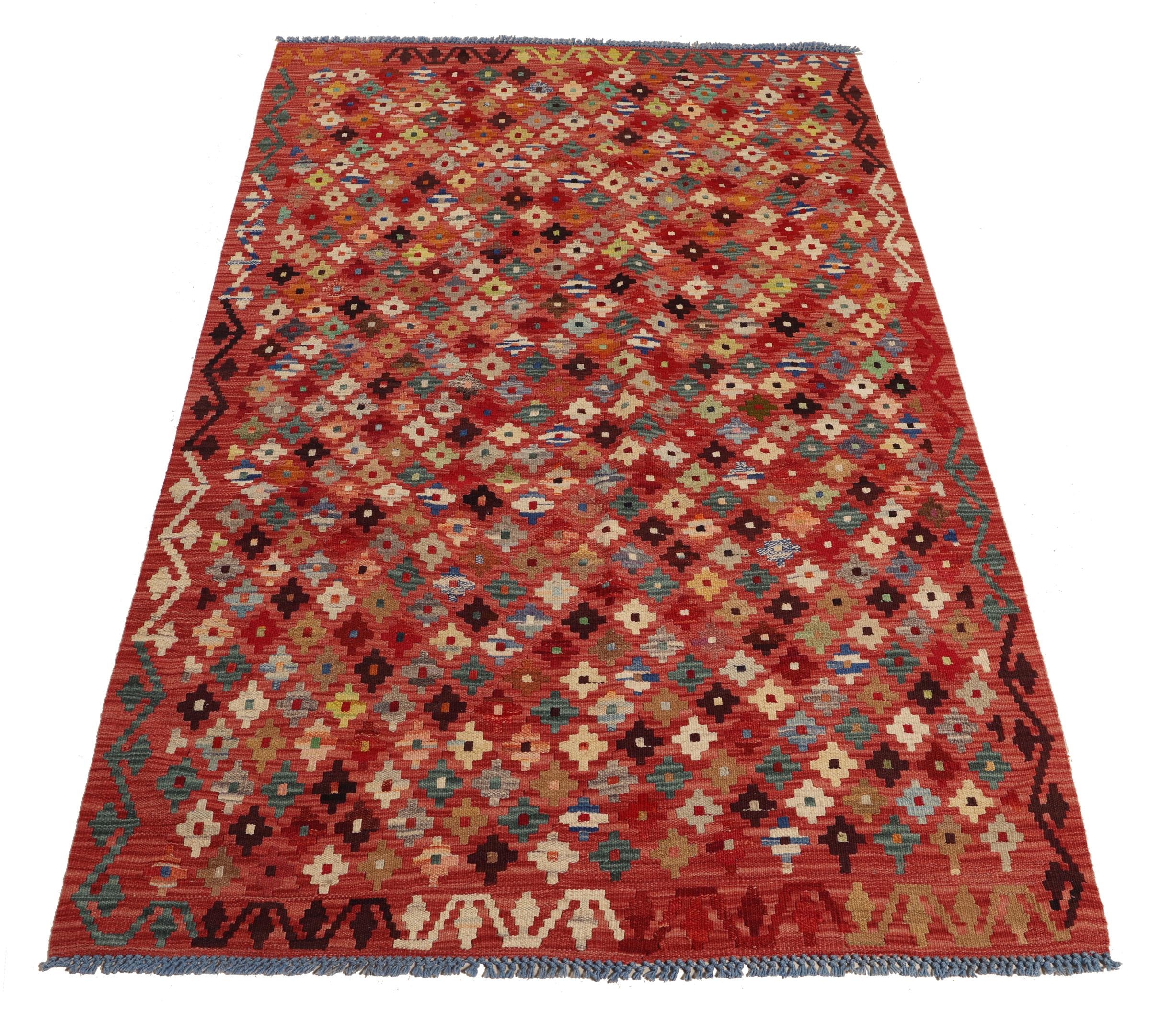
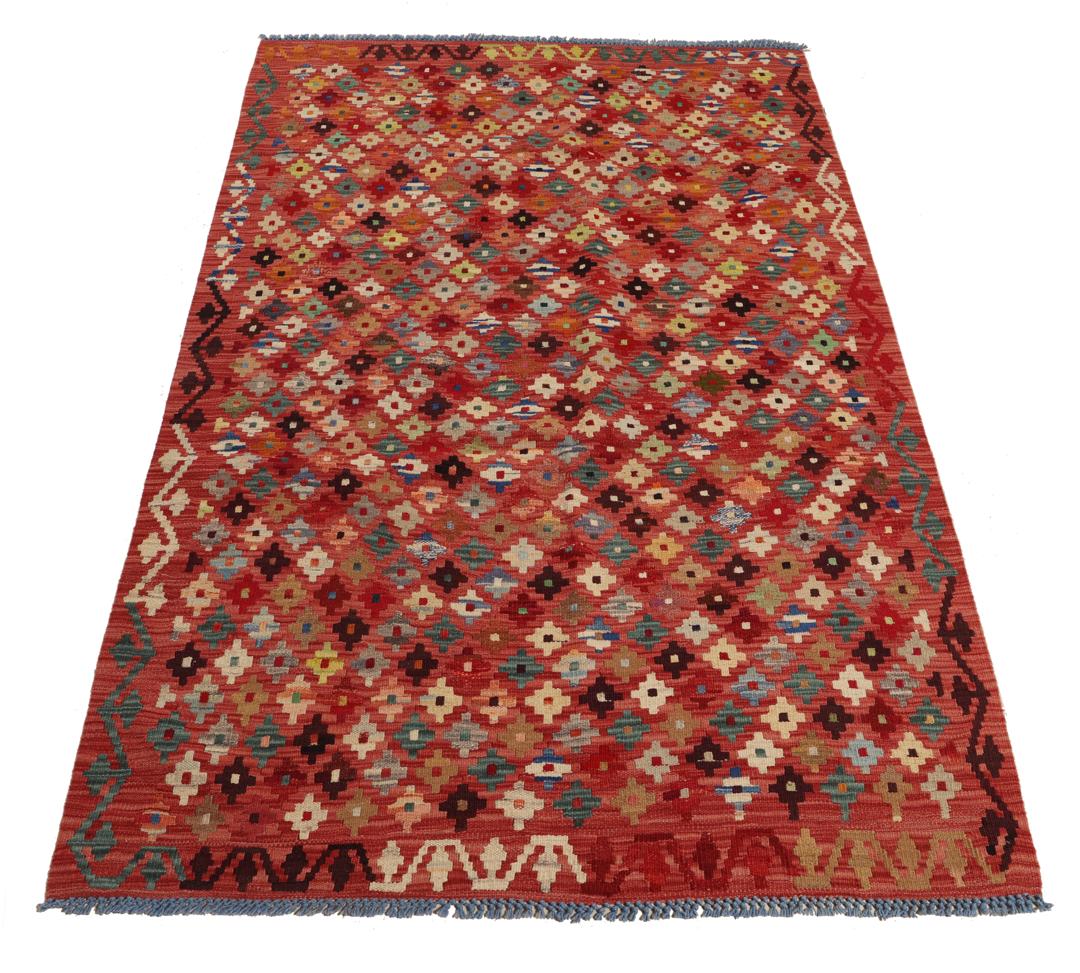
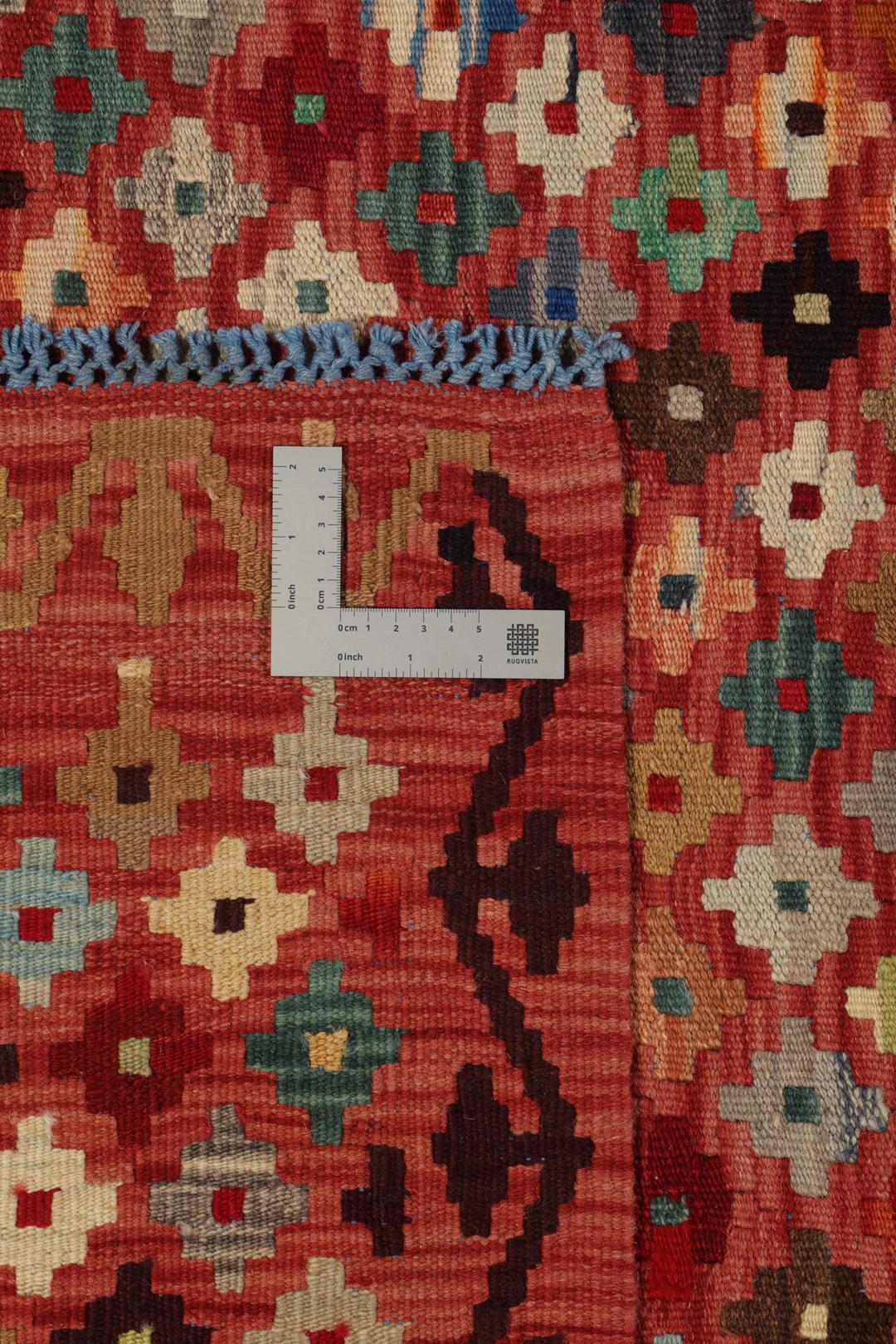
The Kelim, or Kilim, is a flat-woven textile tradition with deep roots across the Middle East, Central Asia, and the Balkans. Afghan Kelims, in particular, are celebrated for their bold use of colour and geometric storytelling. Historically, these rugs were essential to the nomadic lifestyle, serving as versatile floor coverings, wall hangings, and storage bags, designed to be durable enough for life on the move while beautiful enough to reflect the weaver's cultural identity.
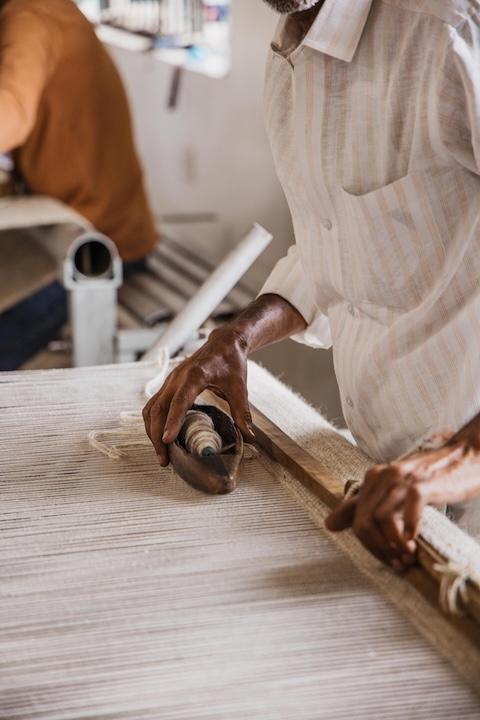
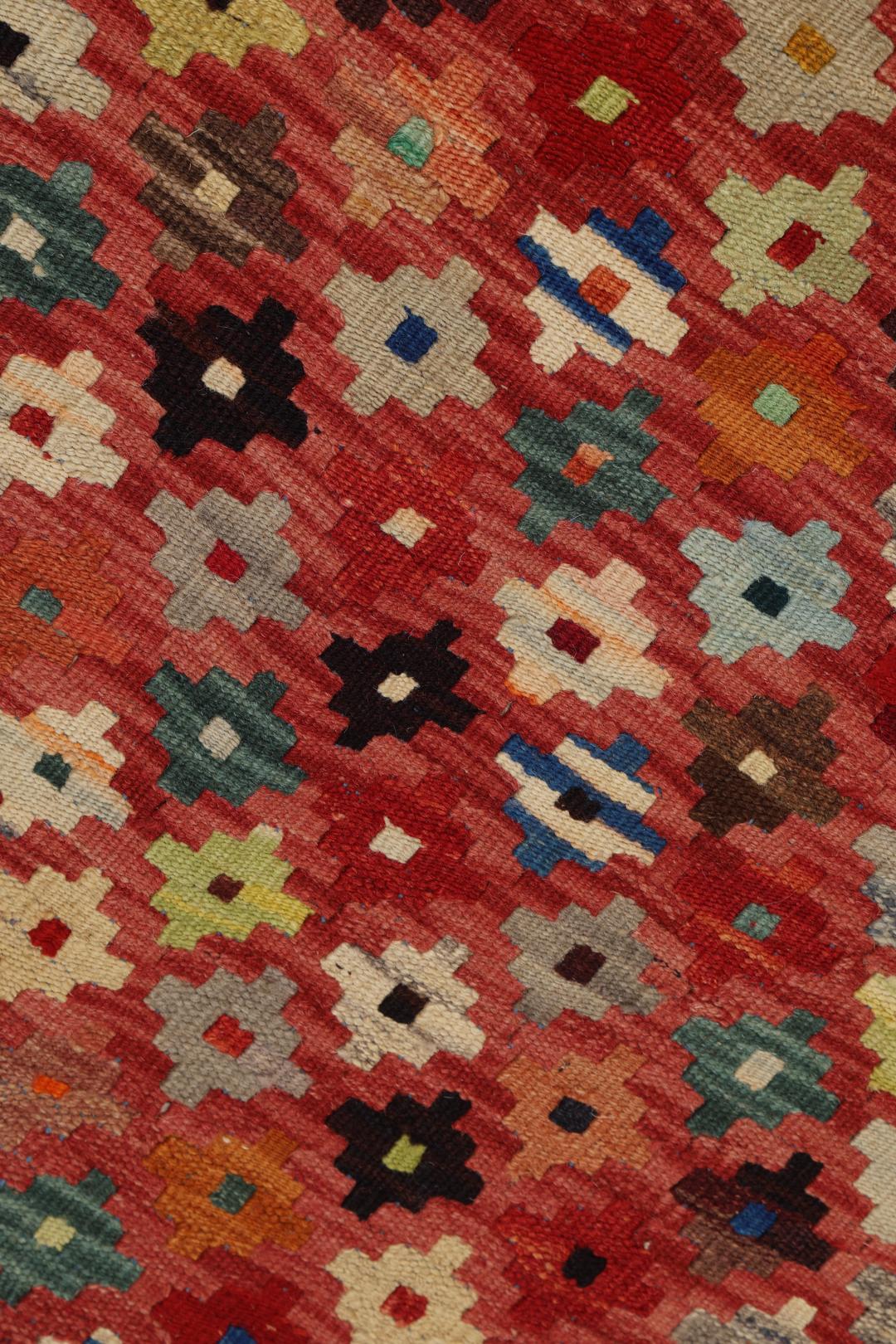
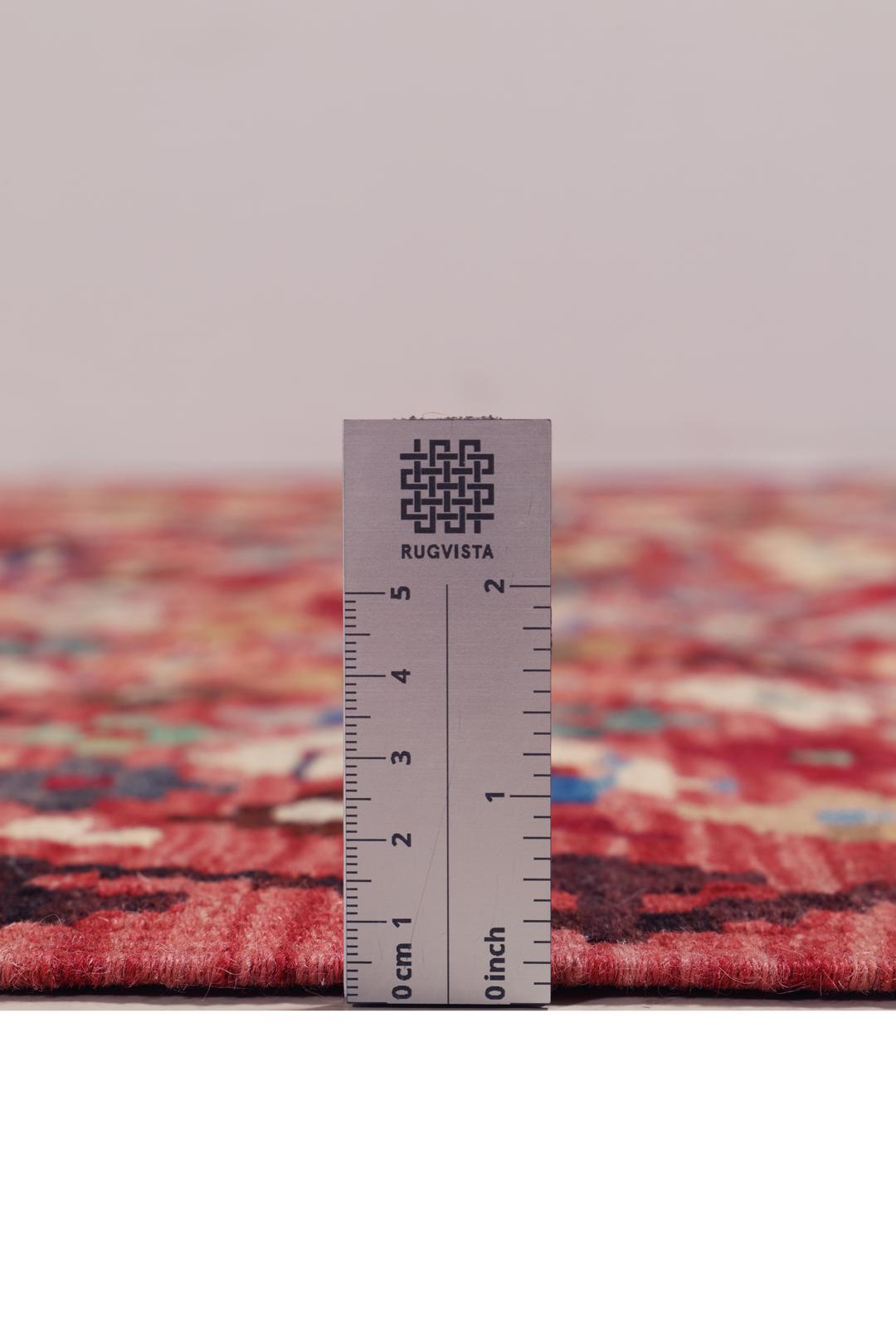
The term Kelim refers to the specific technique of slit-weaving, where the weft threads are looped back at the edge of each colour area, creating small vertical slits between colours. This technique creates a reversible, lightweight rug without a pile, which is why they feel so distinct from knotted rugs. Mastering this method requires a keen eye for tension, as the weaver must ensure the structure remains perfectly square and flat throughout the entire process.
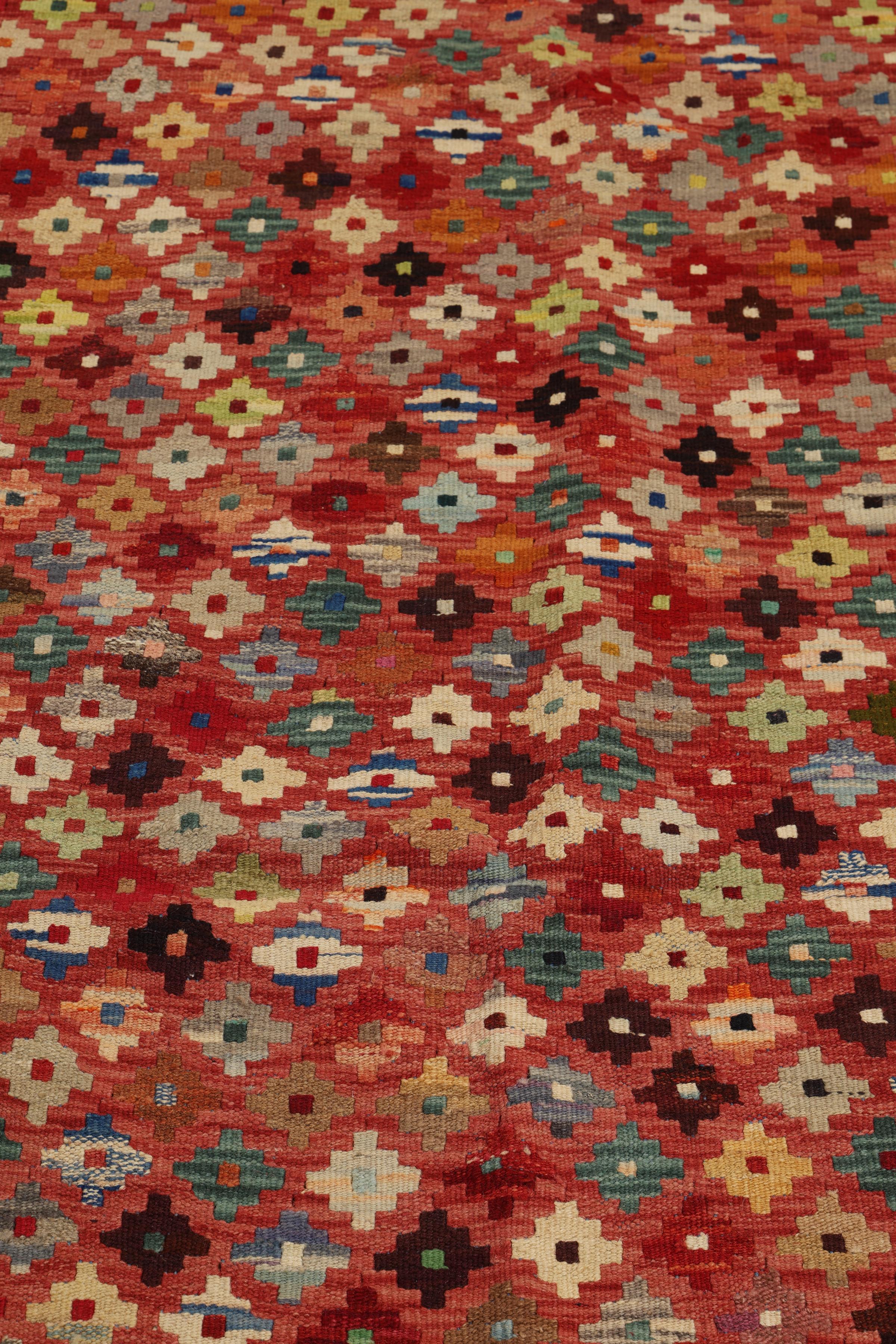
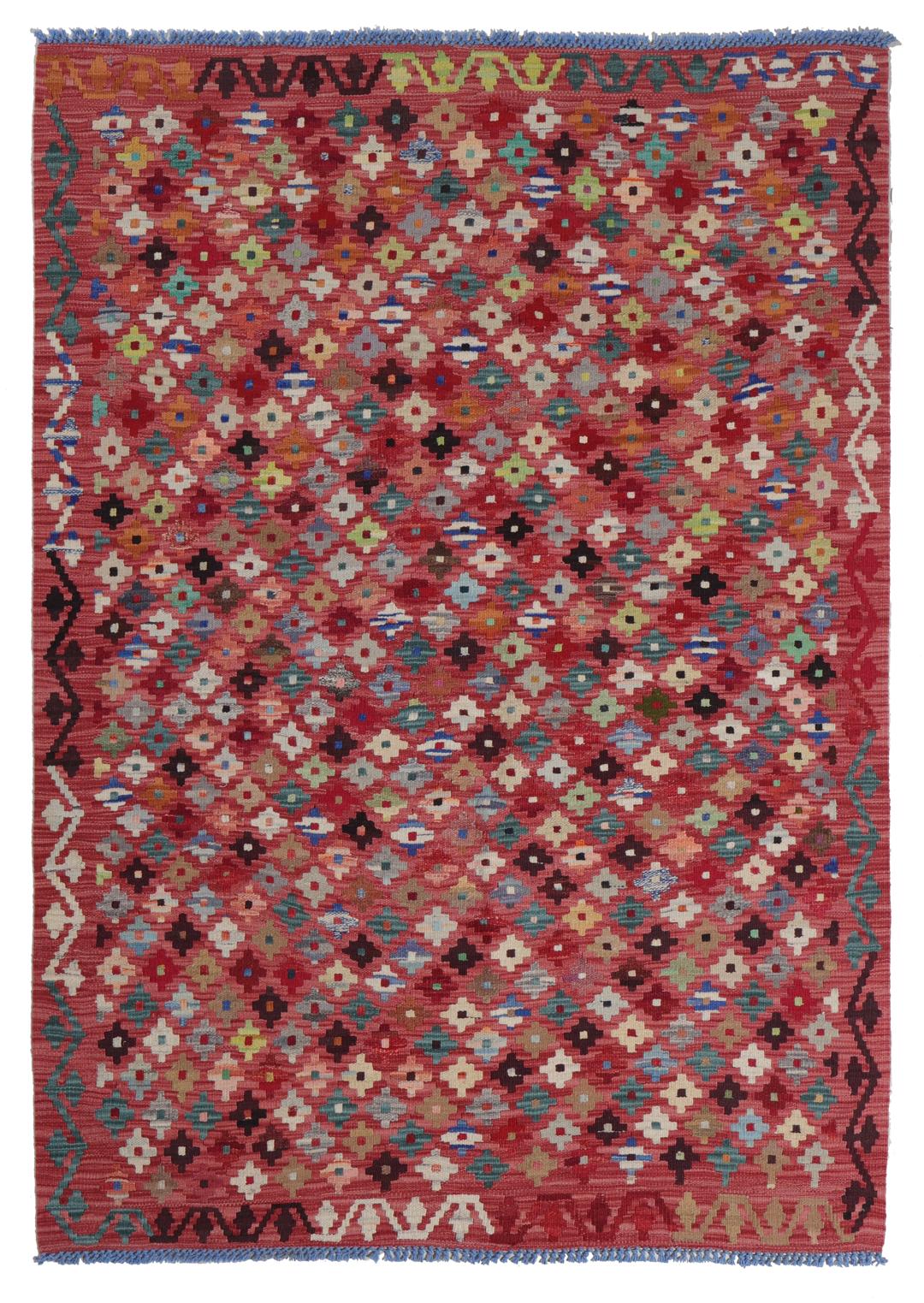
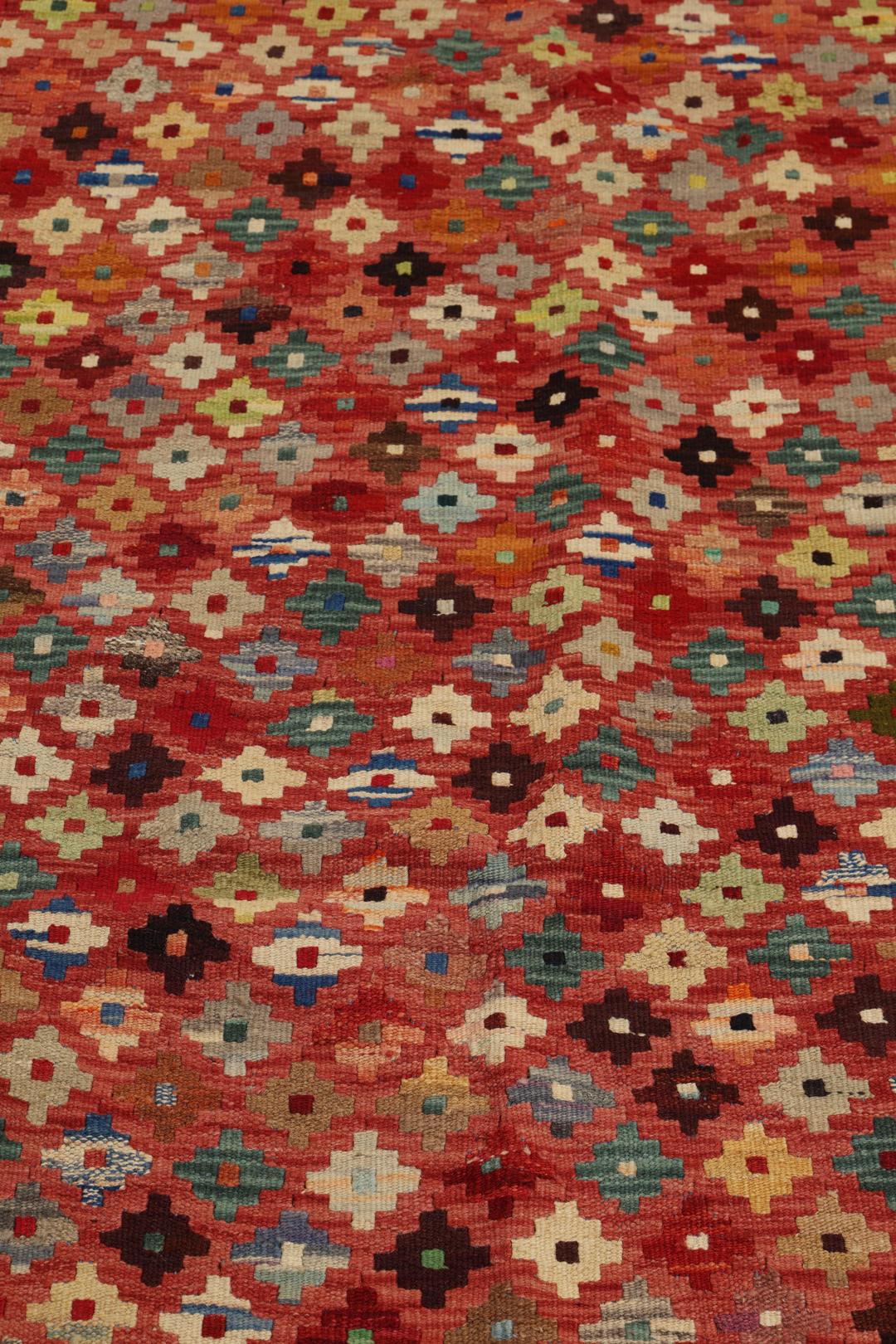
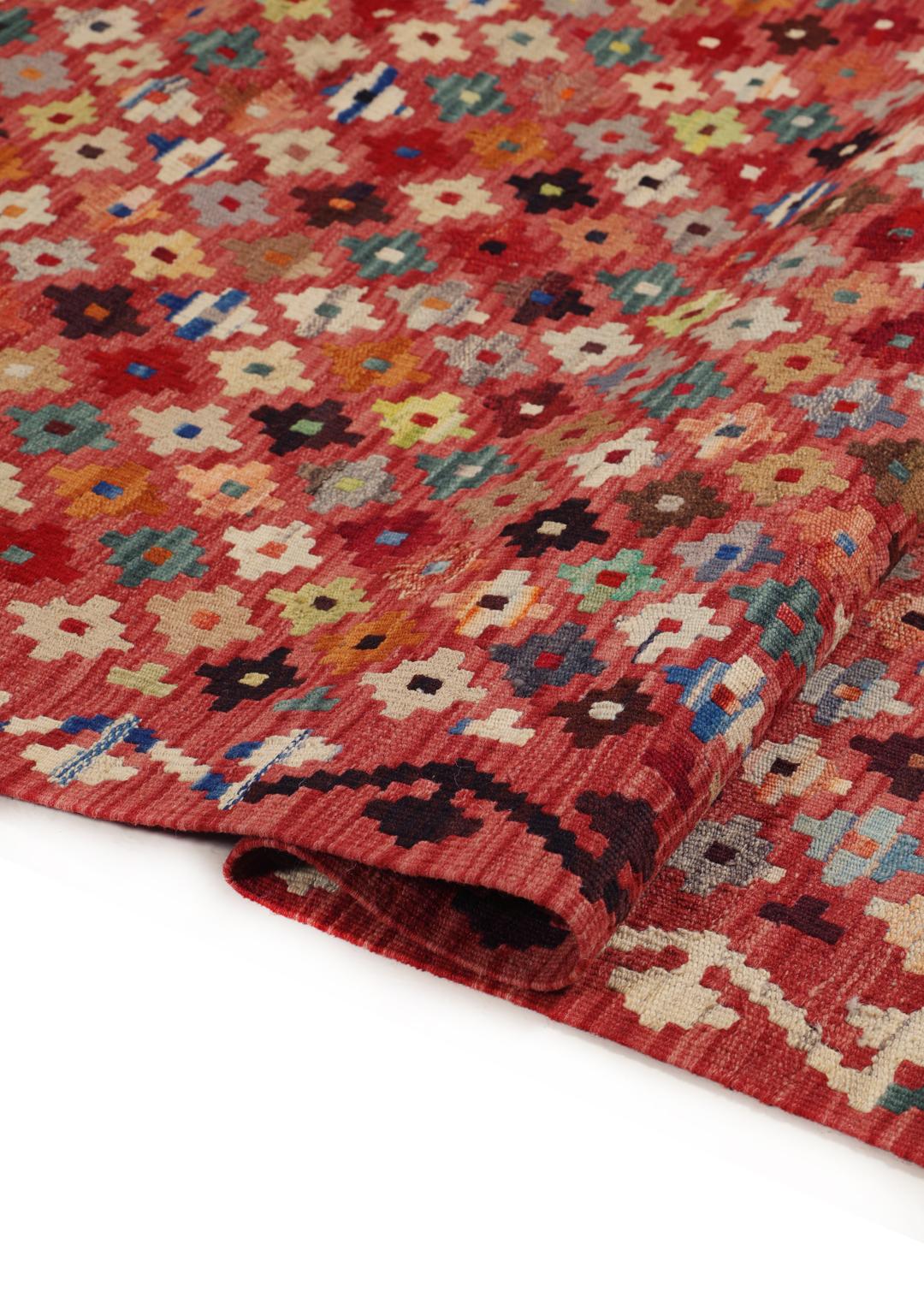
Signature design elements in Afghan Kelims often include repeated geometric motifs such as diamonds, triangles, and stylized floral or tribal symbols. The vibrant red palette seen here is a classic hallmark of the region, often achieved through natural dyes that develop a beautiful, muted patina over time. The border patterns are typically formal and structured, acting as a frame for the more spontaneous and expressive arrangements of the main field.
These rugs are highly valued by collectors and interior enthusiasts alike for their authenticity and the human story woven into every thread. Owning an Afghan Kelim is more than just purchasing a floor covering; it is an act of preserving a traditional craft that relies entirely on human skill rather than industrial machinery. Each rug acts as a bridge to the past, offering a sense of heritage and lasting quality that modern mass-produced items simply cannot replicate.