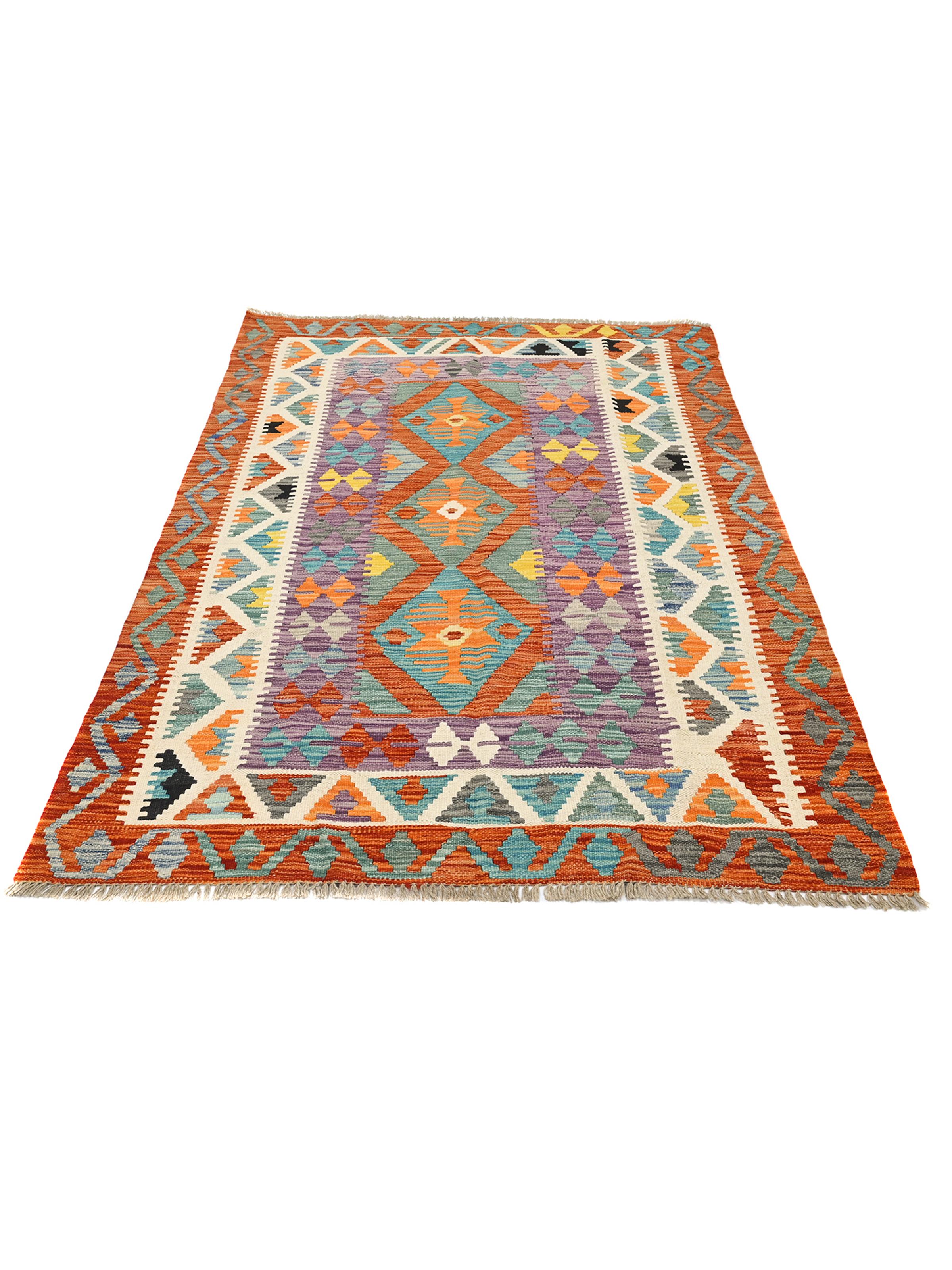
Kelim rugs have been a cornerstone of Middle Eastern domestic life for centuries, serving as both utilitarian floor coverings and decorative expressions of tribal identity. Traditionally, these flat-woven textiles were created by nomadic and semi-nomadic peoples who needed versatile, portable, and durable items for their tents. The migration of these weaving traditions across the region has led to the distinct Afghan style we admire today, which is celebrated for its boldness and technical sophistication.
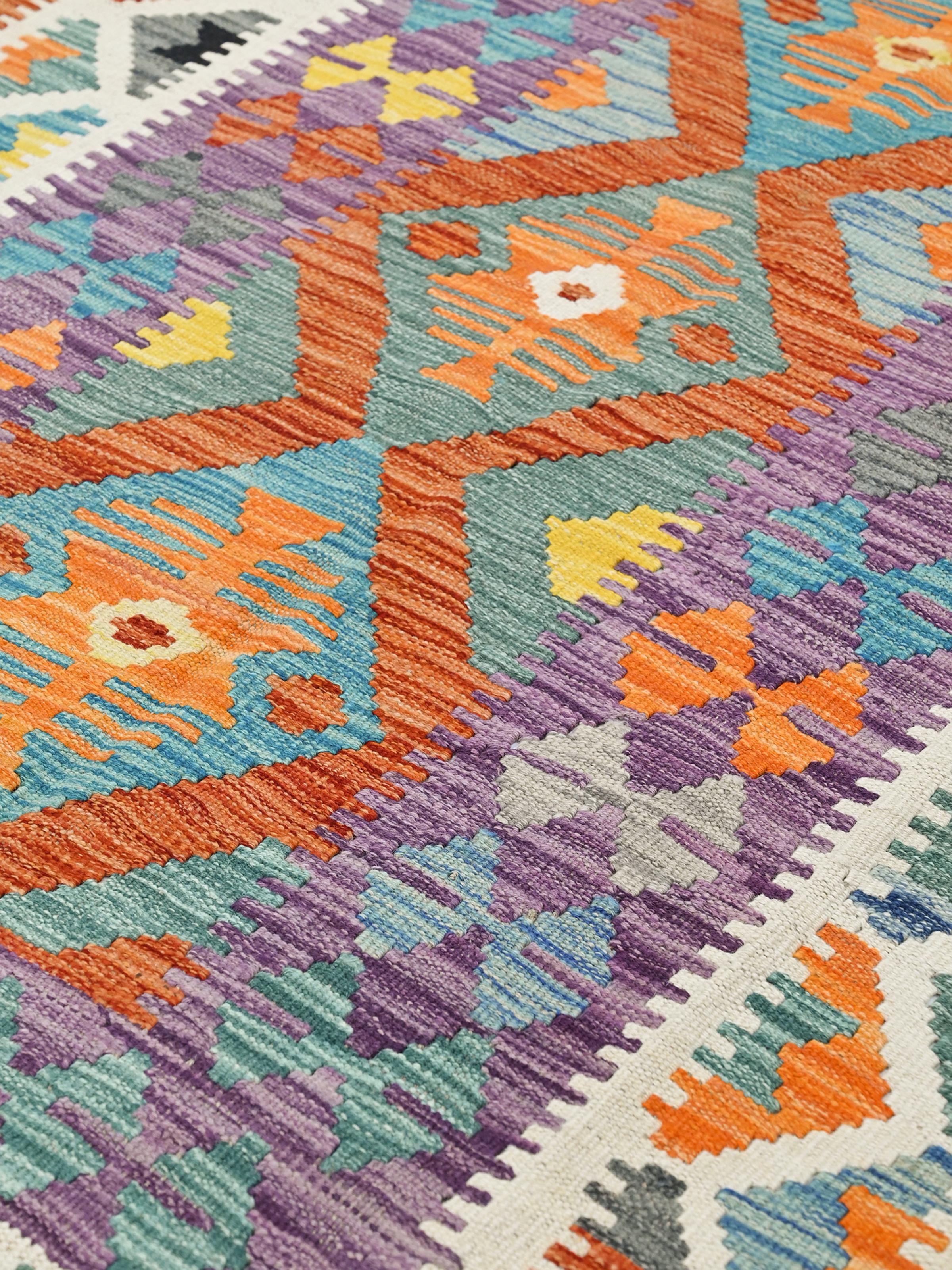
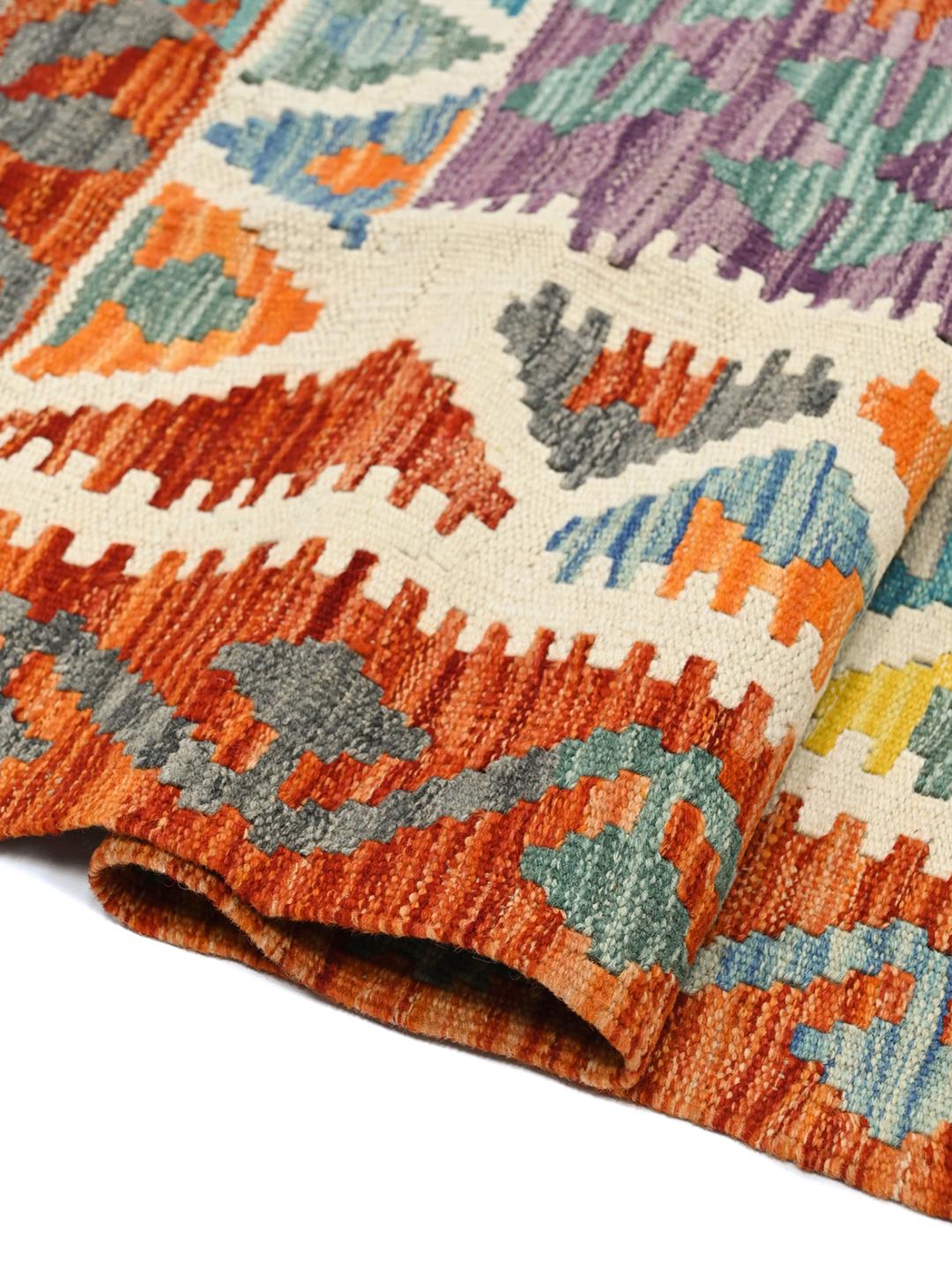
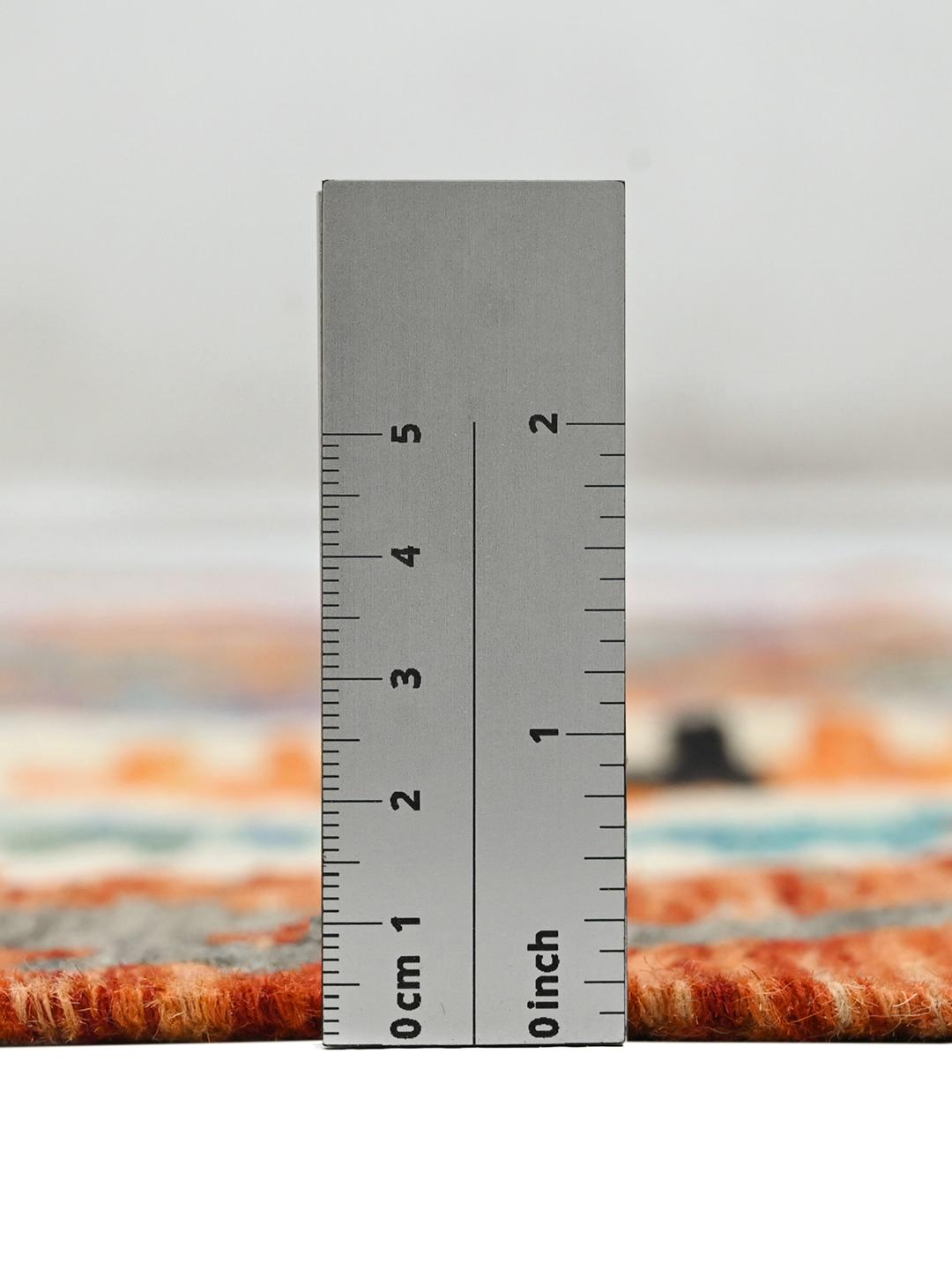
The term Kelim refers to the specific flat-weaving technique used to create these pieces. Unlike pile rugs, Kelims have no knots; instead, they are created by interlacing the warp and weft threads, which produces a smooth, durable surface on both sides. This technique allows for exceptionally sharp, clean geometric designs, as the weaver is not restricted by the need to knot individual tufts of Wool, resulting in a lightweight yet incredibly sturdy finished textile.
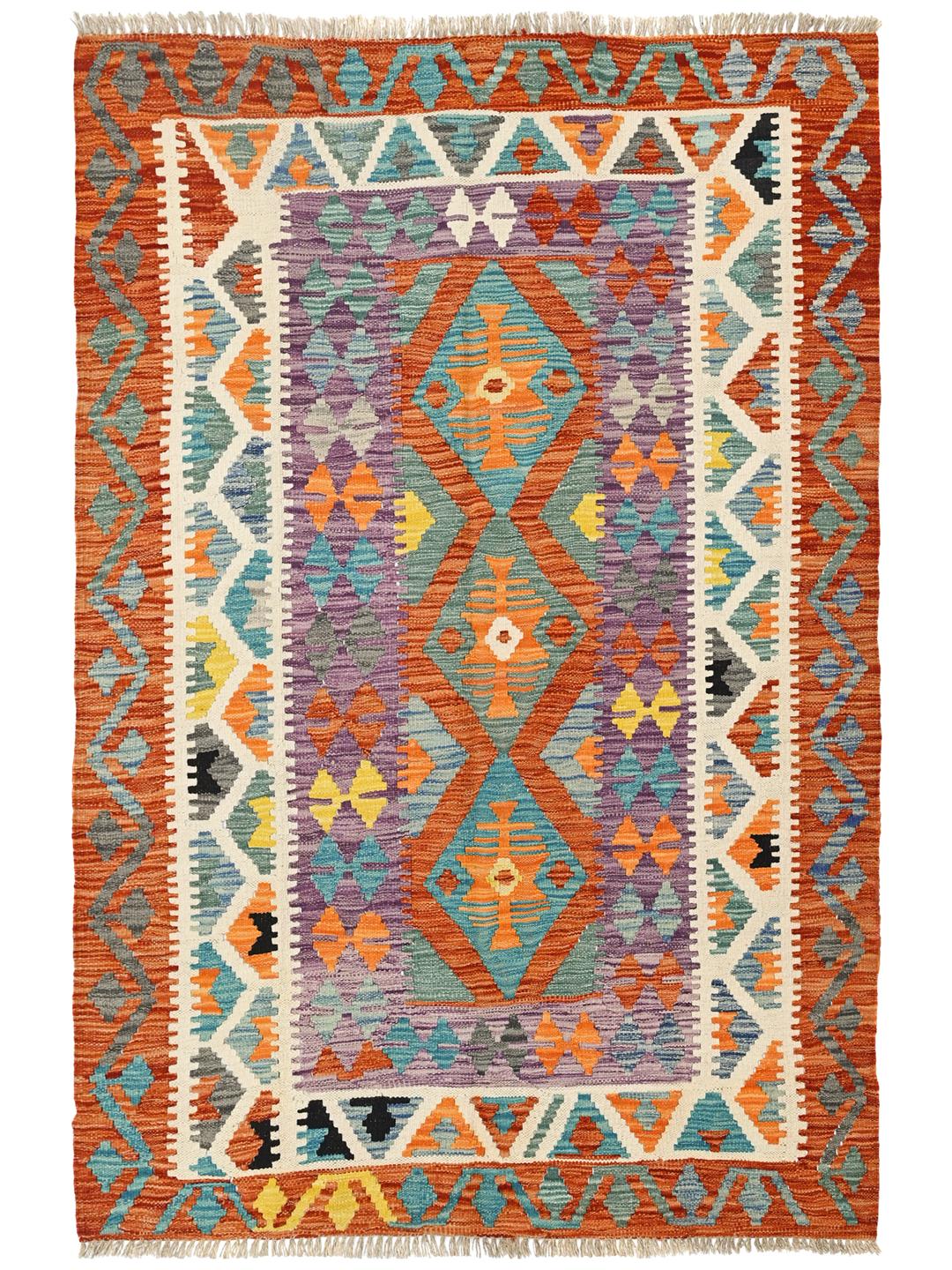
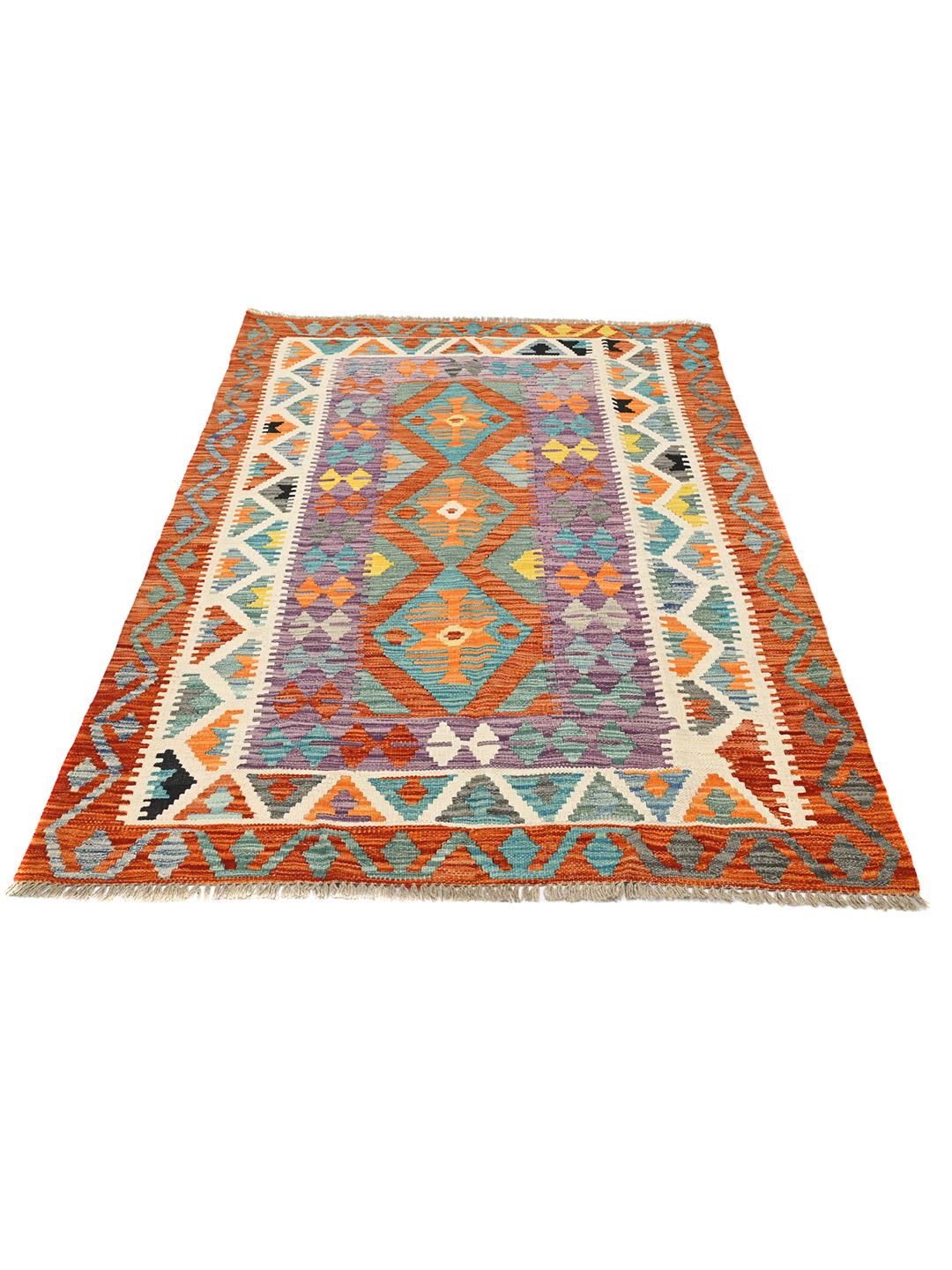
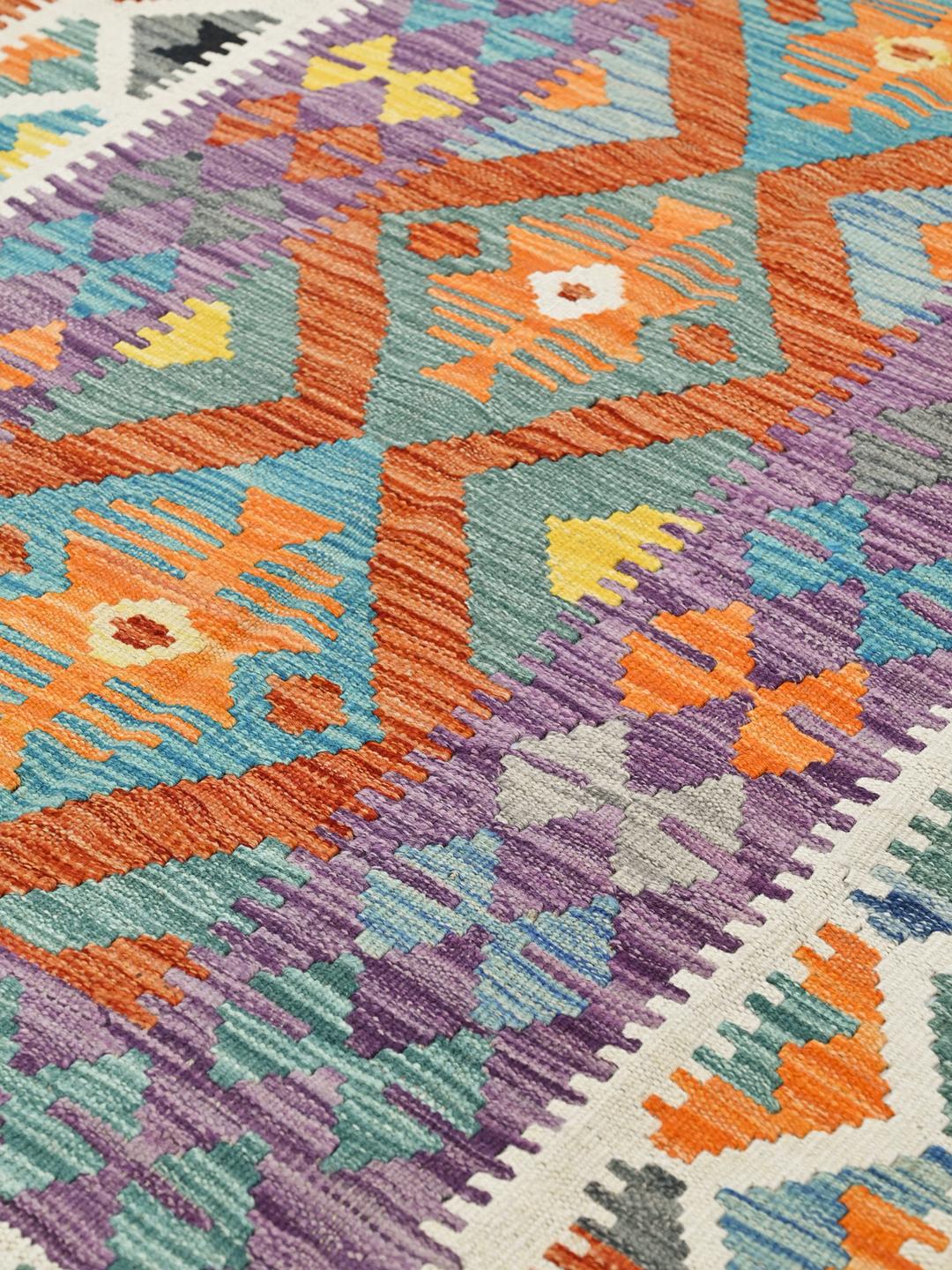
The design language of this Afghan Kelim is rooted in ancient geometric motifs, often featuring diamonds, triangles, and intricate borders that carry symbolic meaning within their culture of origin. These patterns are not merely decorative but are a visual language passed down through generations of weavers. The use of vibrant, contrasting colours is a hallmark of this tradition, designed to bring life and warmth into the interiors of traditional dwellings.
Collecting a Kelim is an investment in human skill and cultural continuity. These rugs are highly valued for their ability to bridge the gap between traditional craft and contemporary design, making them a favourite among those who appreciate the soul of a handmade object. By owning this piece, you are preserving a craft tradition that has survived for generations and supporting the continued existence of an art form that values longevity and individual expression over mass production.