Kelim rugs have long been a cornerstone of nomadic and village life across the Middle East and Central Asia. Historically, these flat-woven textiles were crafted by tribal weavers to serve a multitude of purposes, from floor coverings and room dividers to saddlebags and wall hangings. The tradition of weaving these rugs in Afghanistan is deeply rooted in a culture that values both utility and aesthetic beauty, with techniques passed down through generations.
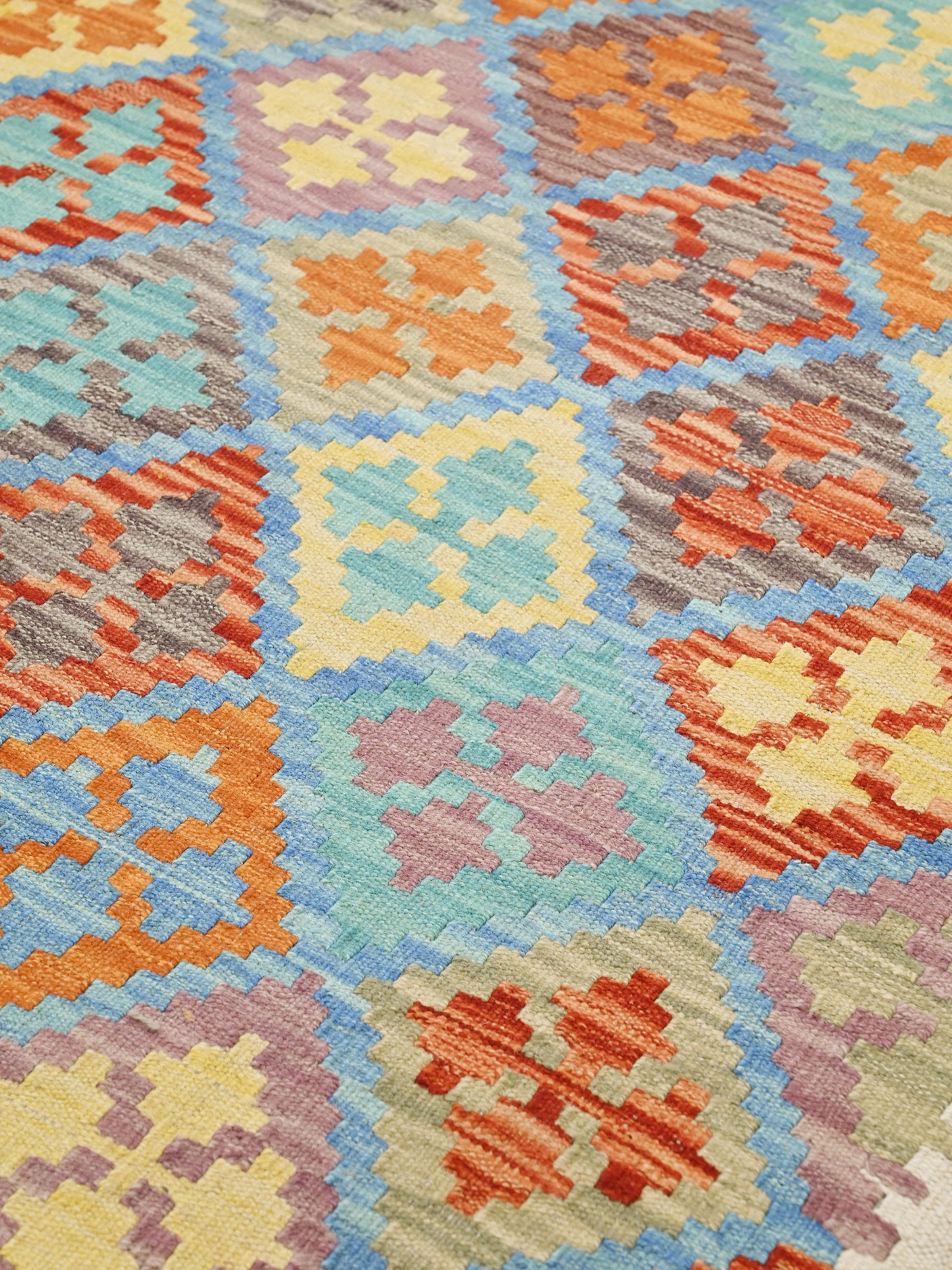
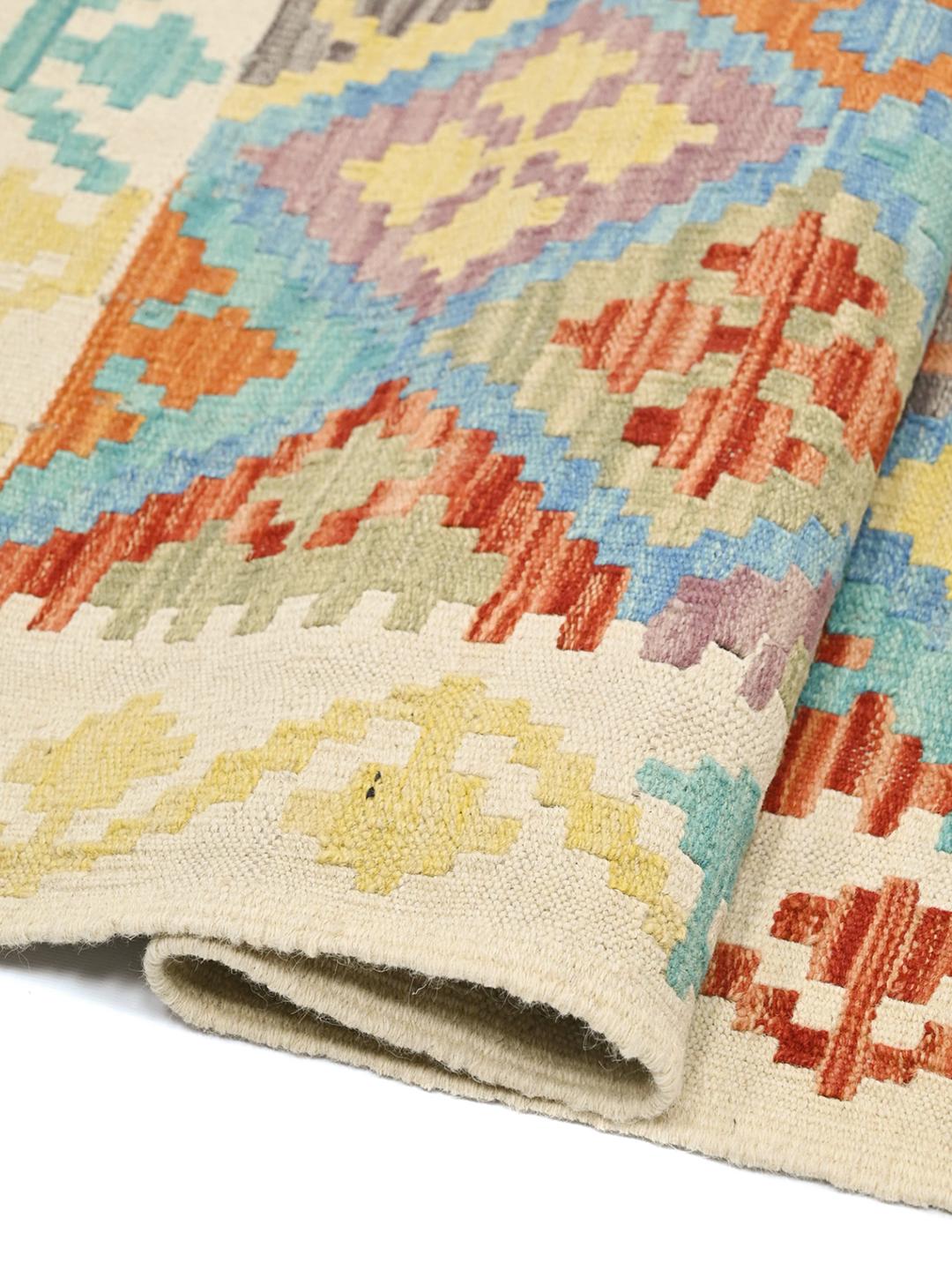
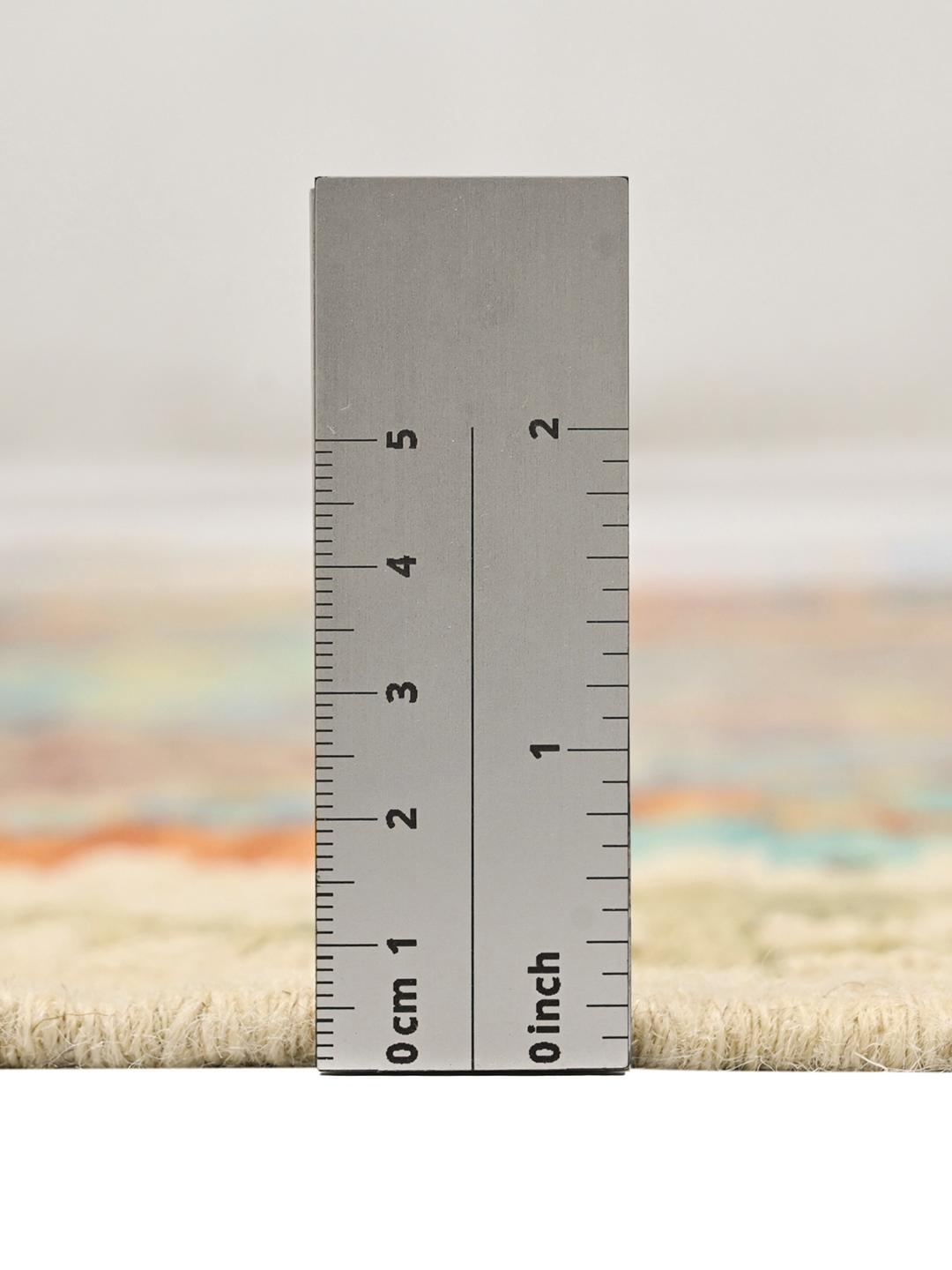
The term 'Kelim' refers specifically to the slit-weave technique, where the weft threads are pulled tightly against the warp to create a smooth, pileless surface. This method is what gives these rugs their distinctive, clean appearance and remarkable strength. Because there is no pile to wear down, a well-made Kelim can endure for decades, often becoming more beautiful as the wool fibres soften and settle with age.
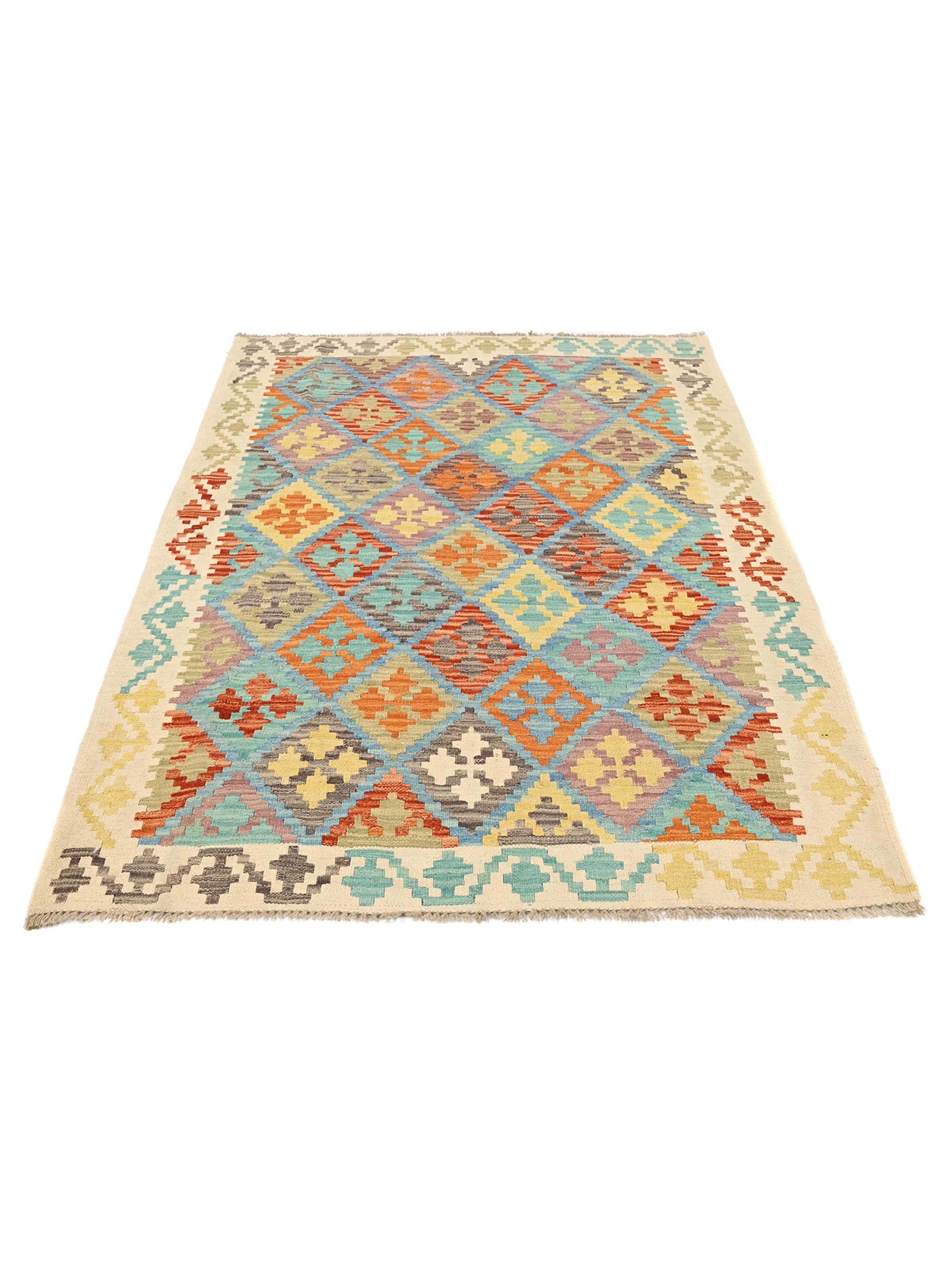
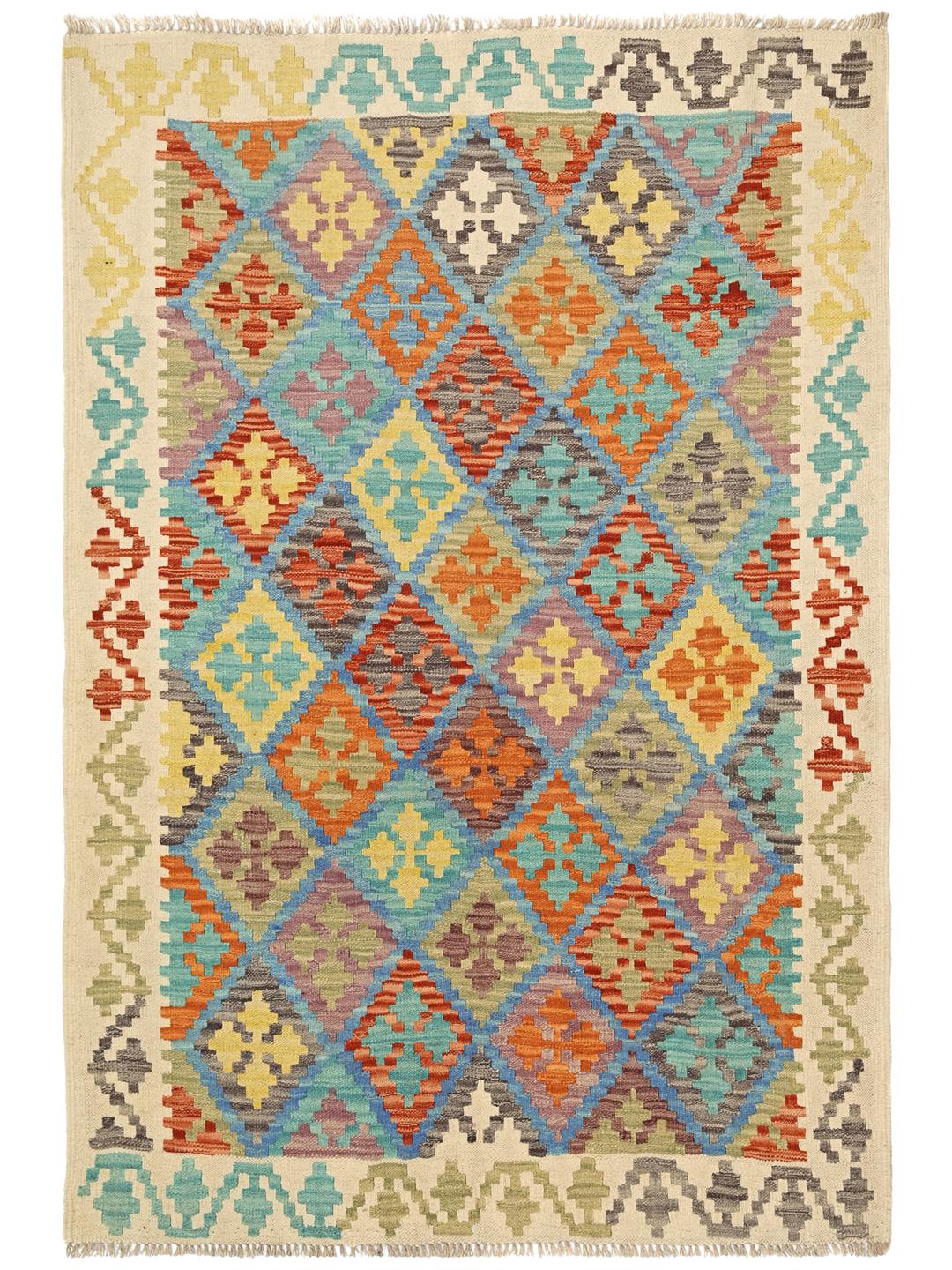
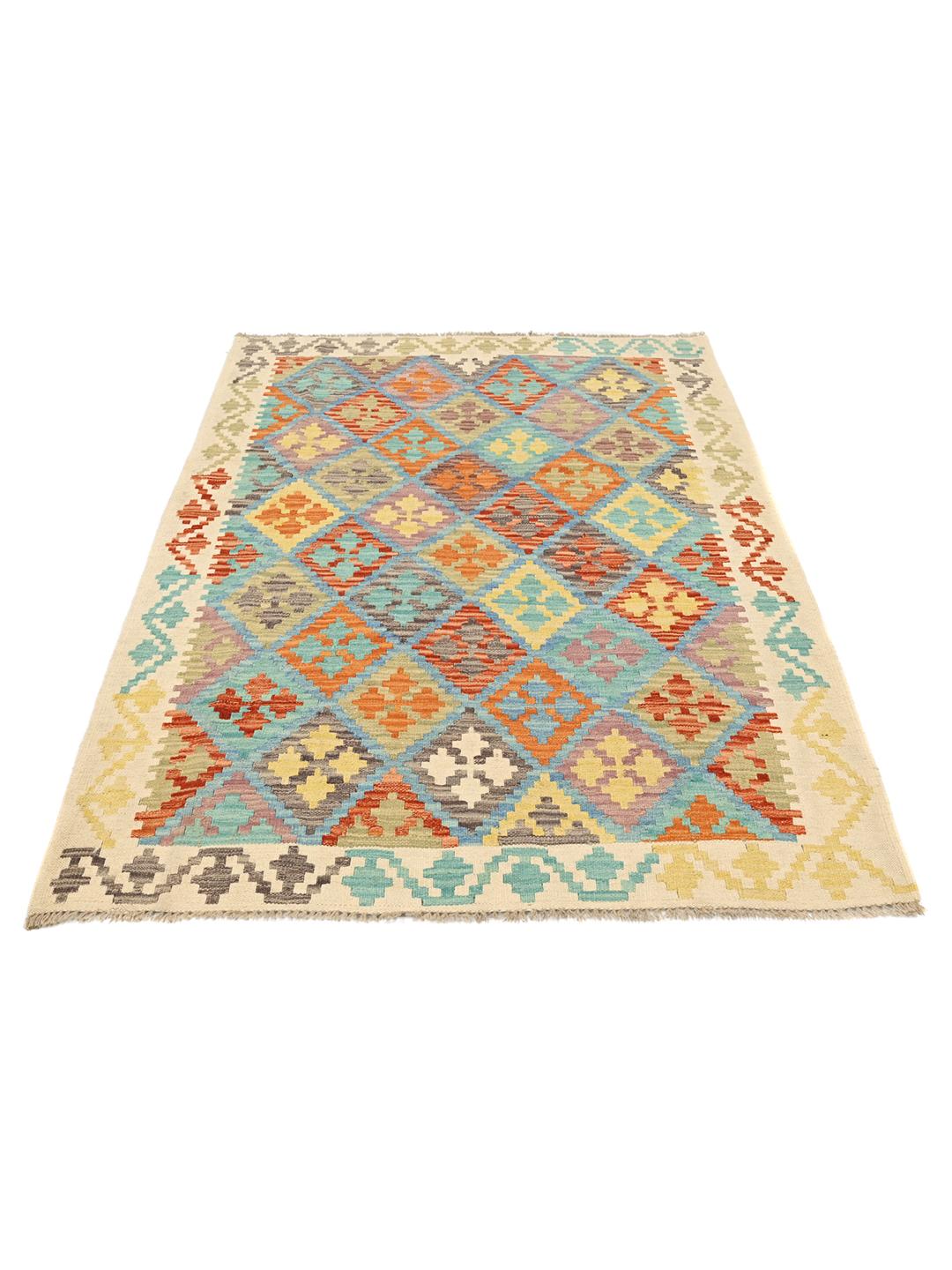
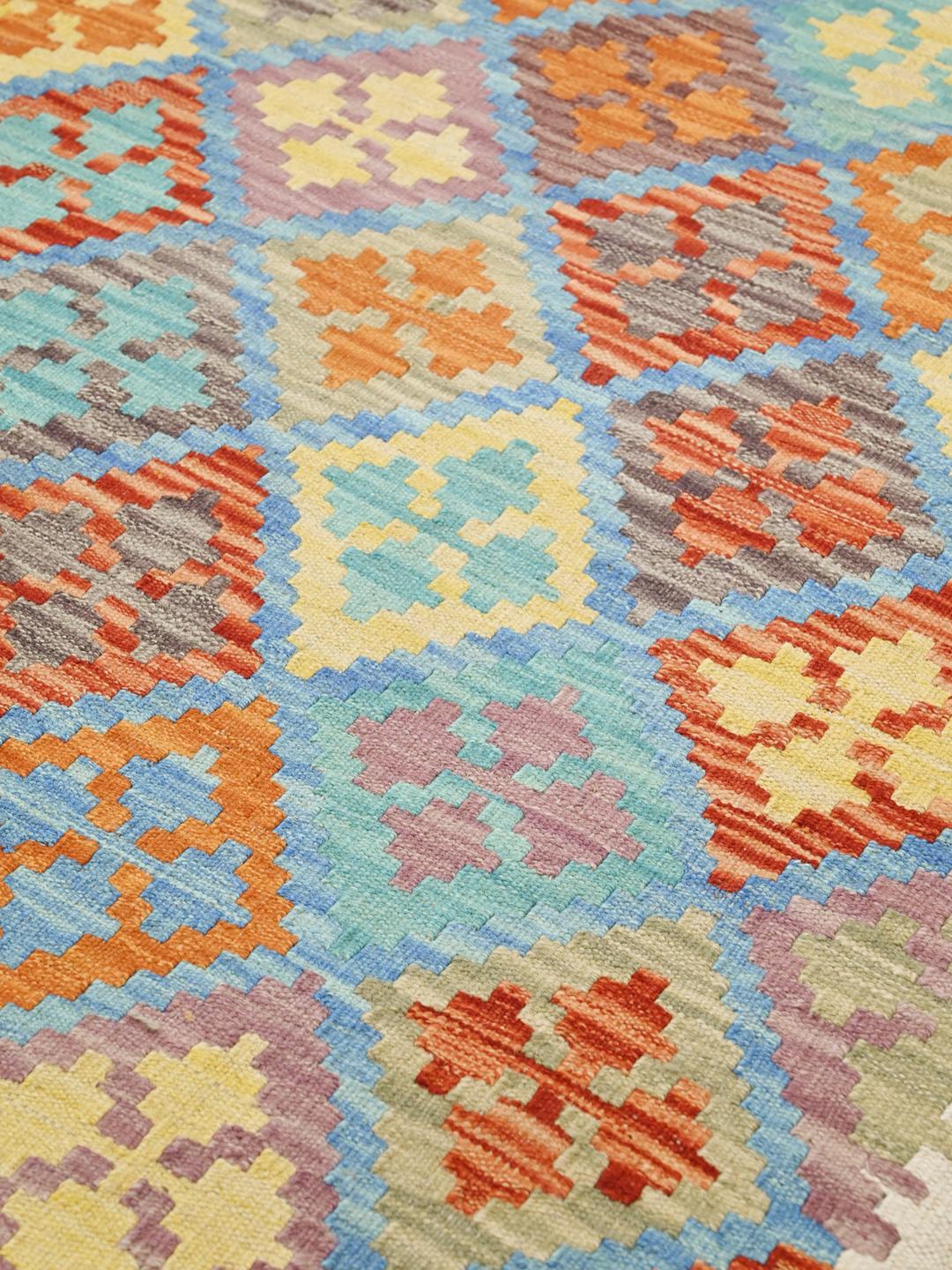
Design-wise, these rugs are defined by their bold geometric language. Diamonds, triangles, and intricate borders are common, often rendered in a palette derived from natural dyes. In this particular piece, the interplay of vibrant colours within the diamond grid reflects a classic, yet dynamic, approach to traditional patterns. Such designs are not merely decorative but often carry symbolic meanings related to protection, fertility, and the weaver's own tribal identity.
Collectors value these pieces for their authenticity and the human story they represent. Unlike mass-produced rugs, a Kelim is a record of a weaver's individual choices and cultural heritage. Owning one is a way to connect with a timeless craft, bringing a piece of history into a modern home. These rugs remain highly sought after because they represent a perfect harmony of traditional skill and enduring style.