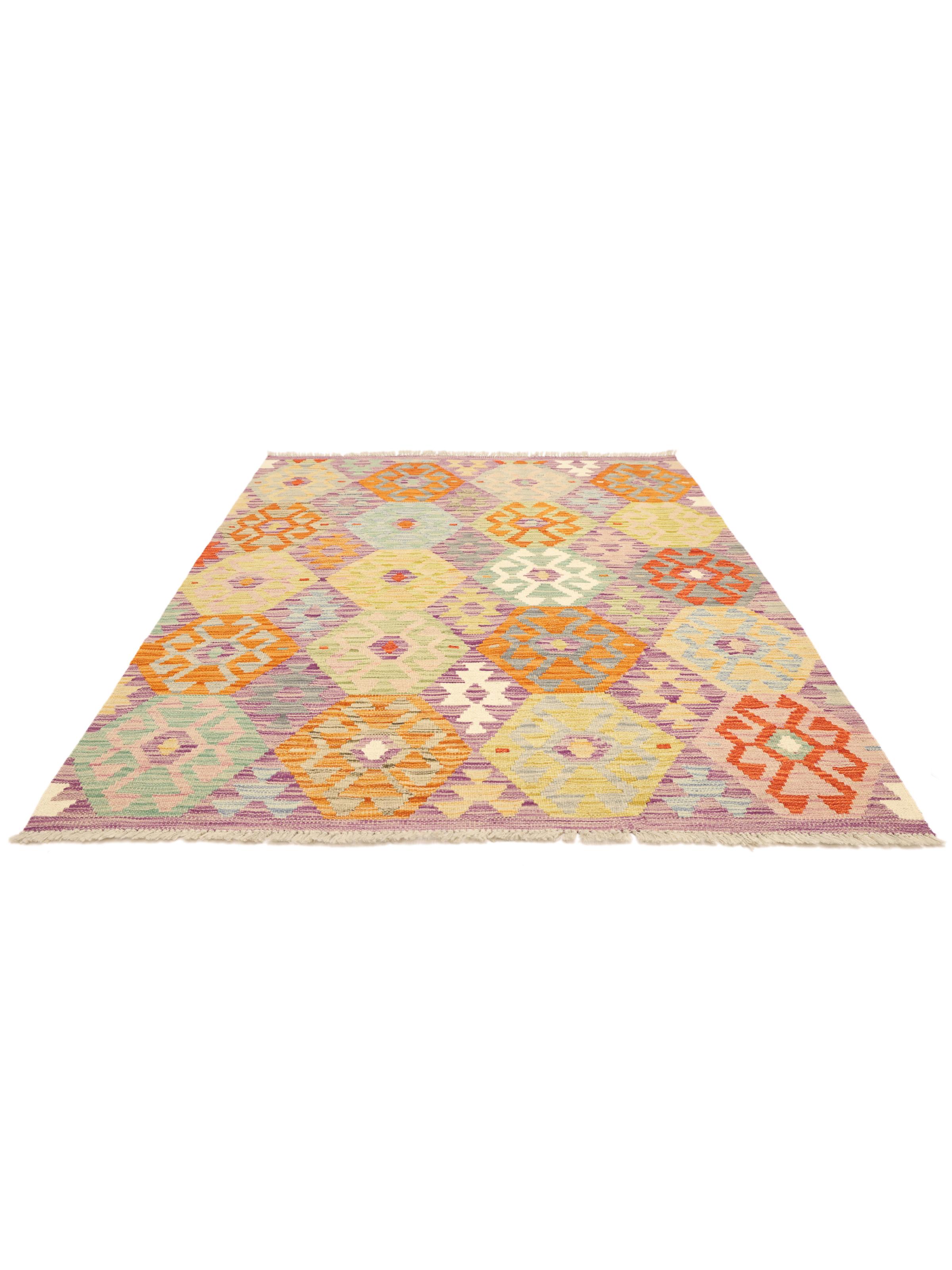
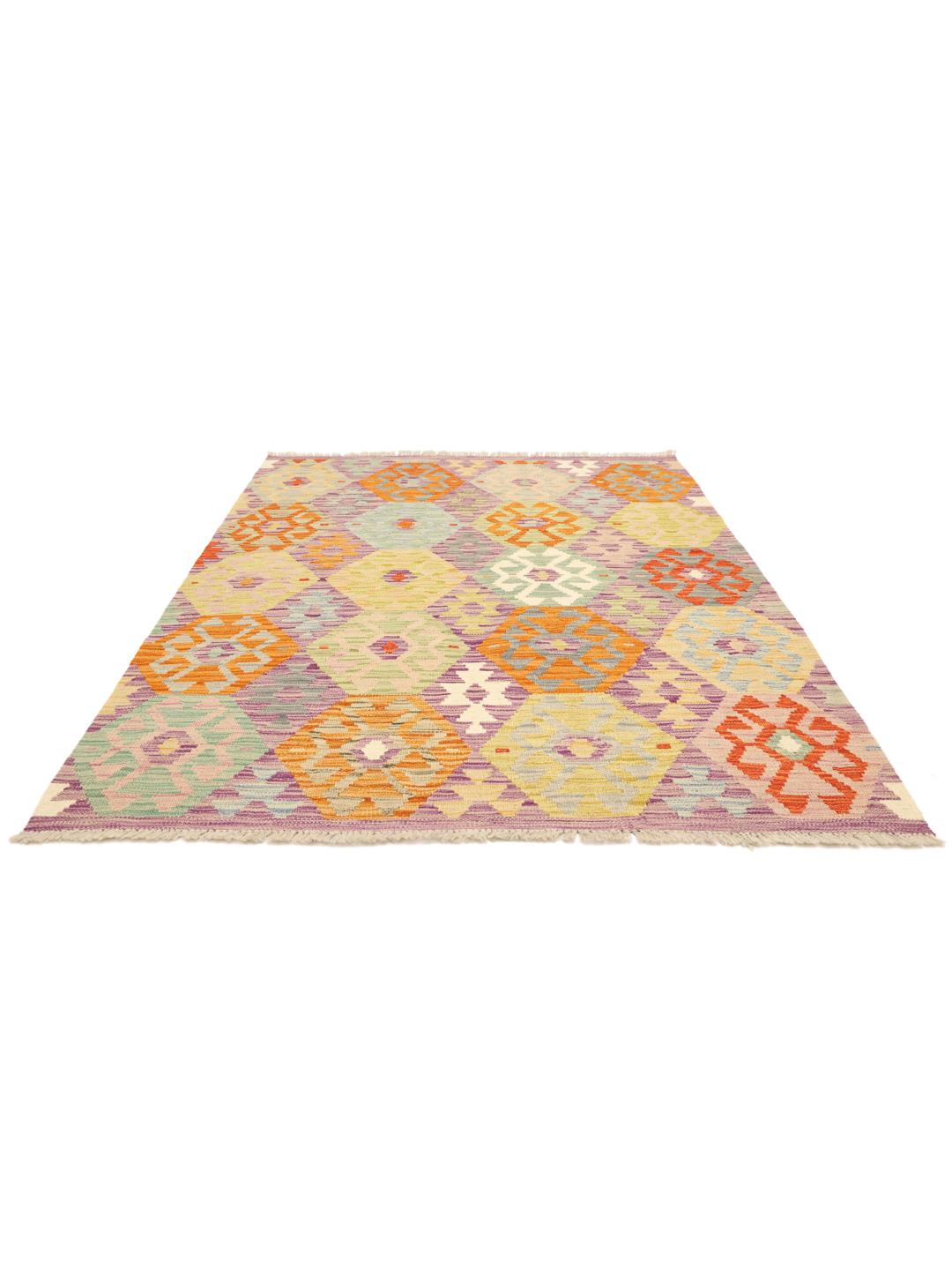
Kelim rugs have long been a cornerstone of nomadic life across the Middle East and Central Asia. These flat-woven textiles were originally created by tribal communities as functional, portable items, serving as floor coverings, wall hangings, or even saddlebags. The tradition is deeply rooted in the need for durable yet beautiful objects that could withstand the rigours of migration, and today, they are celebrated for their authentic, soulful aesthetic.
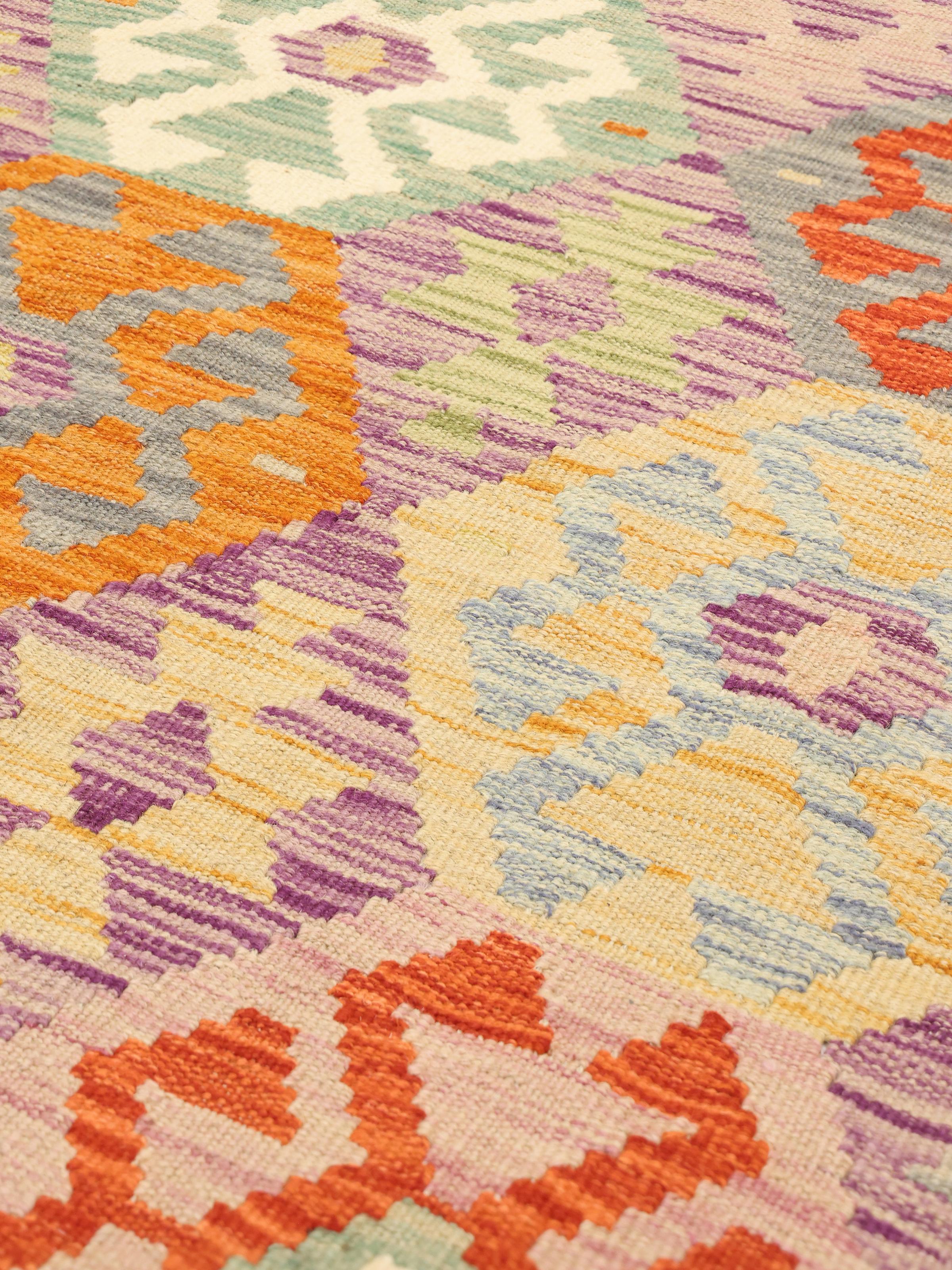
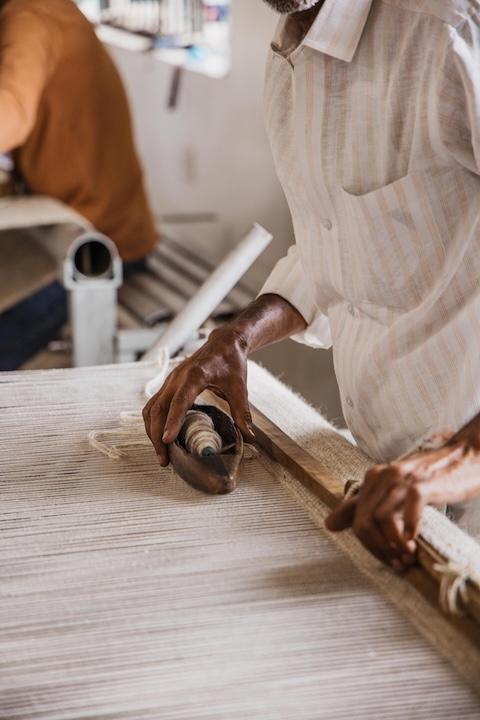
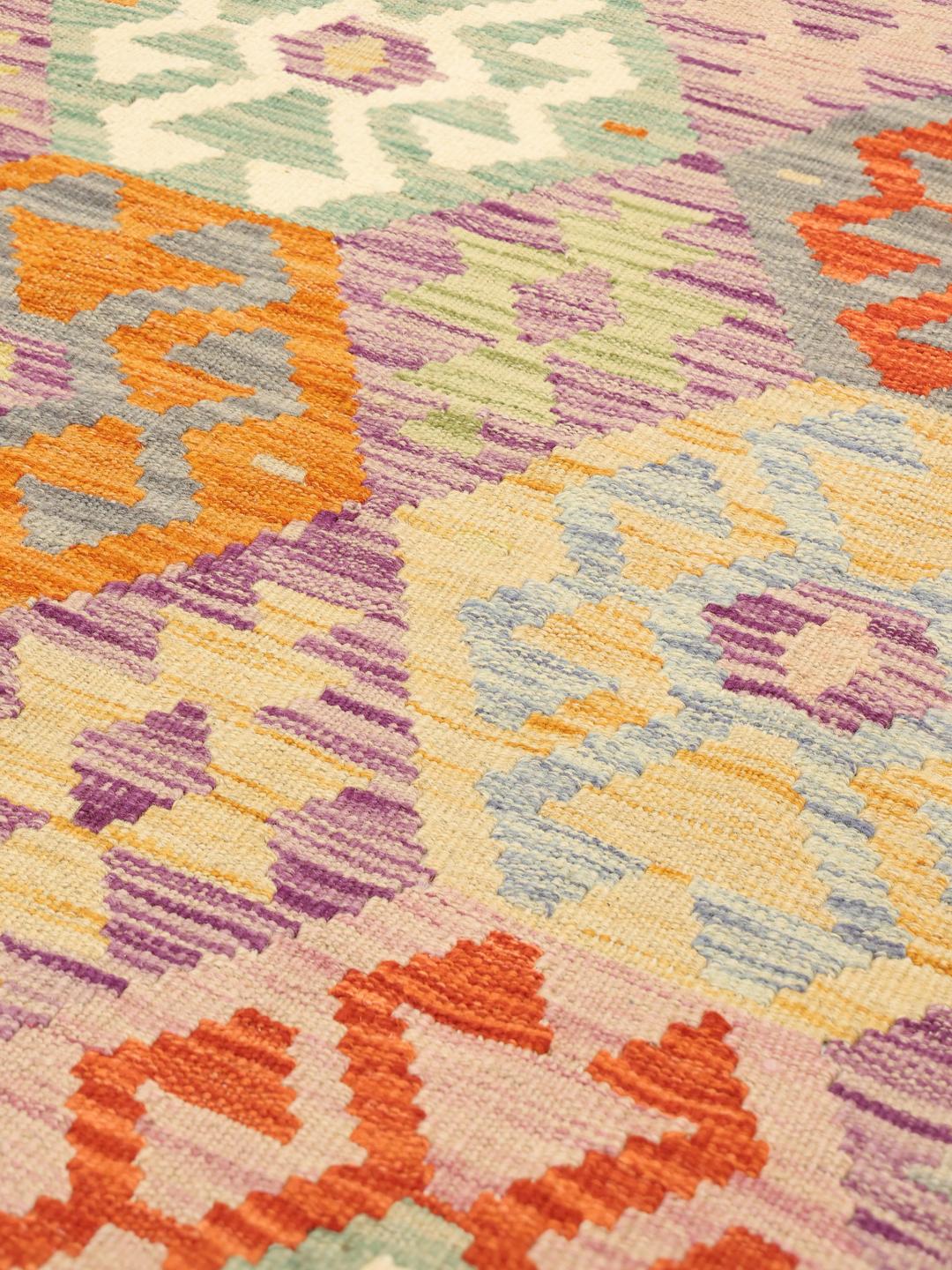
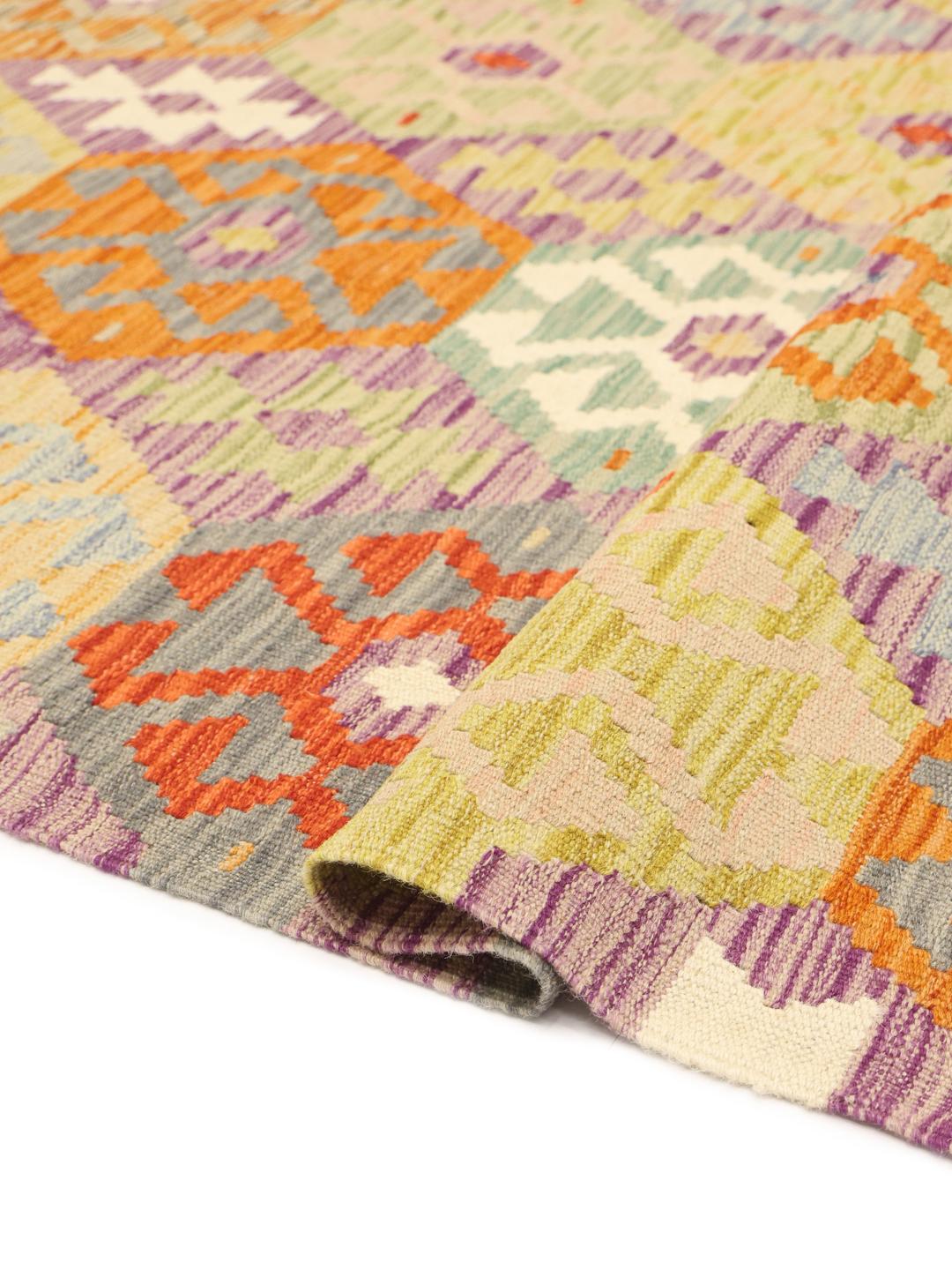
The term 'Kelim' refers to the specific slit-weave technique used to create these rugs, where the weft threads are woven back and forth around the warp threads to produce a pattern. This method results in a reversible, pile-less surface that is highly prized for its crisp, geometric clarity. The 'Old Style' designation signifies a commitment to traditional motifs and natural colour palettes that have remained consistent for centuries, honouring the techniques of the past.
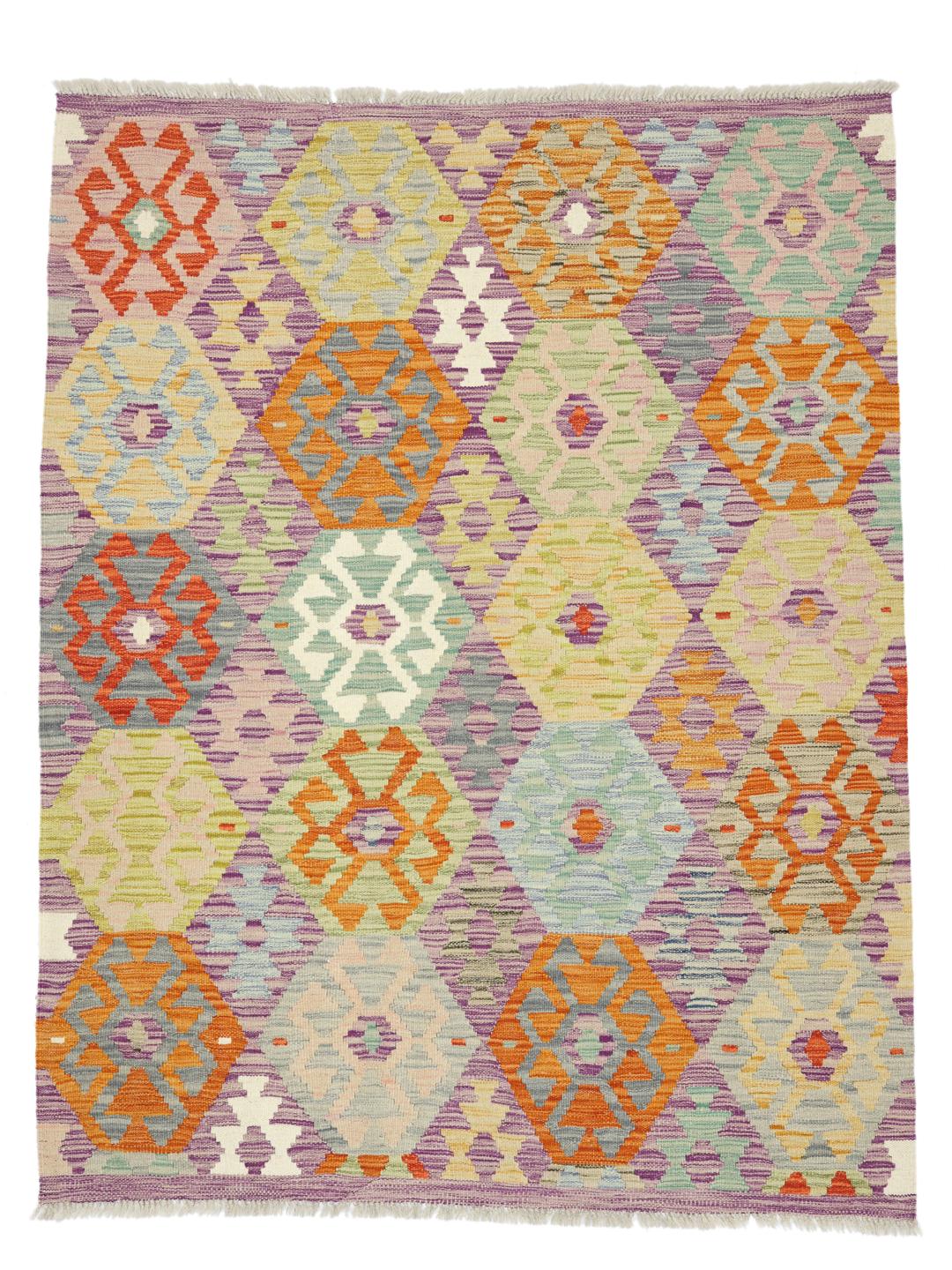
Design-wise, these rugs are defined by their bold geometric shapes, such as the repeating diamonds and medallions seen here. These symbols often carry deep cultural significance, representing protection, prosperity, or the natural landscape of the weaver’s homeland. The use of vibrant, contrasting colours is a hallmark of the Afghan tradition, designed to bring life and visual interest to the interiors of traditional dwellings.
Collecting a Kelim Afghan is an opportunity to own a piece of living history. These rugs are not just floor coverings but artefacts of a rich cultural heritage, reflecting the skill and artistic vision of the weavers. By bringing such a piece into your home, you are preserving an ancient craft and supporting the continuation of a tradition that values human connection, sustainable materials, and enduring beauty.