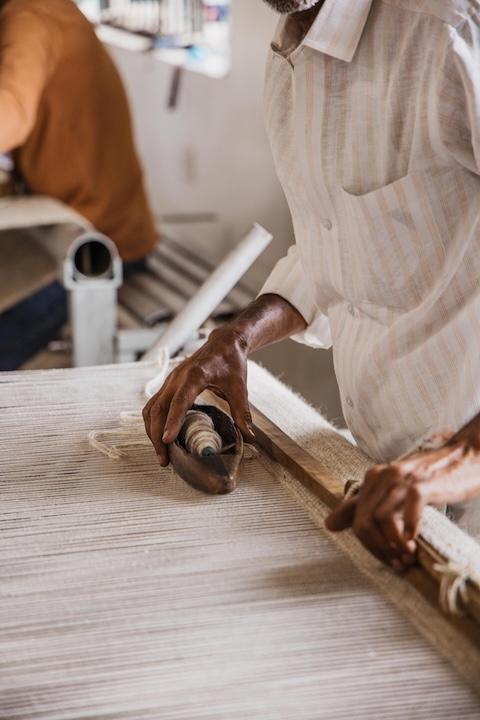
Kelim rugs have long been a cornerstone of nomadic life across the Middle East and Central Asia. These flat-woven textiles were originally created by tribal communities as functional items, serving as floor coverings, wall hangings, and storage bags for people on the move. The term Kelim itself refers to the specific weaving technique where the weft threads are passed back and forth through the warp, creating a smooth, pileless surface on both sides.
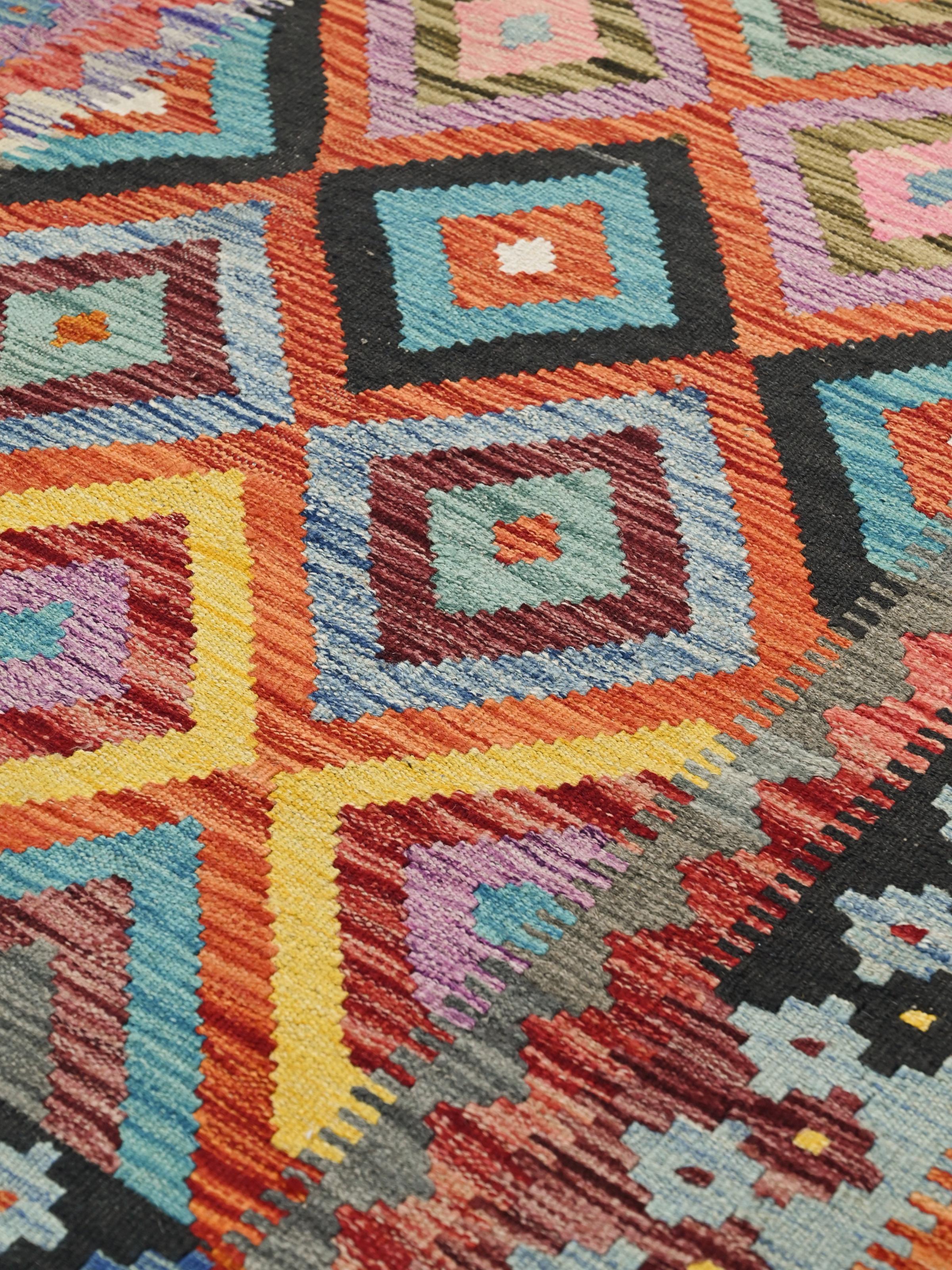
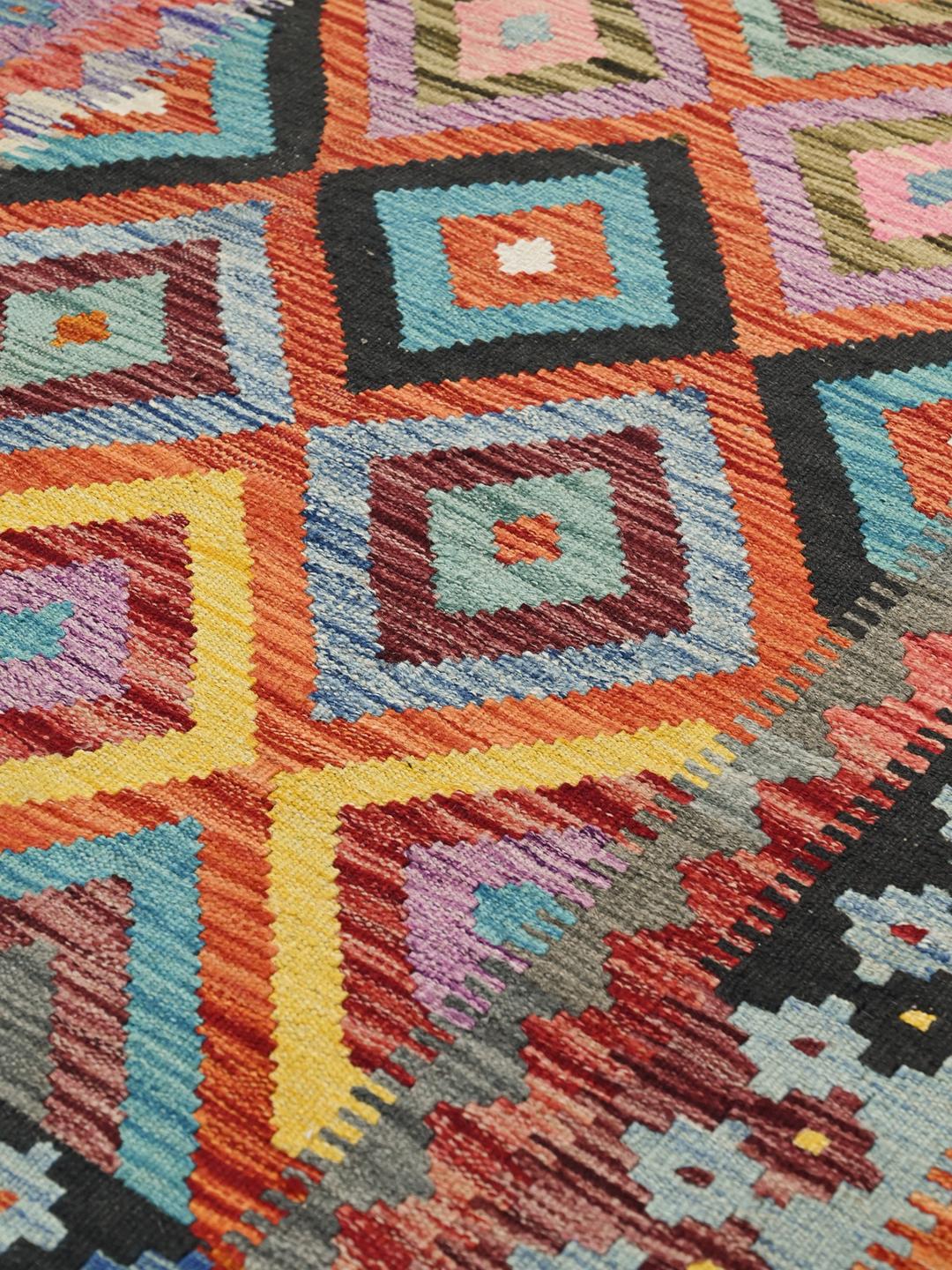
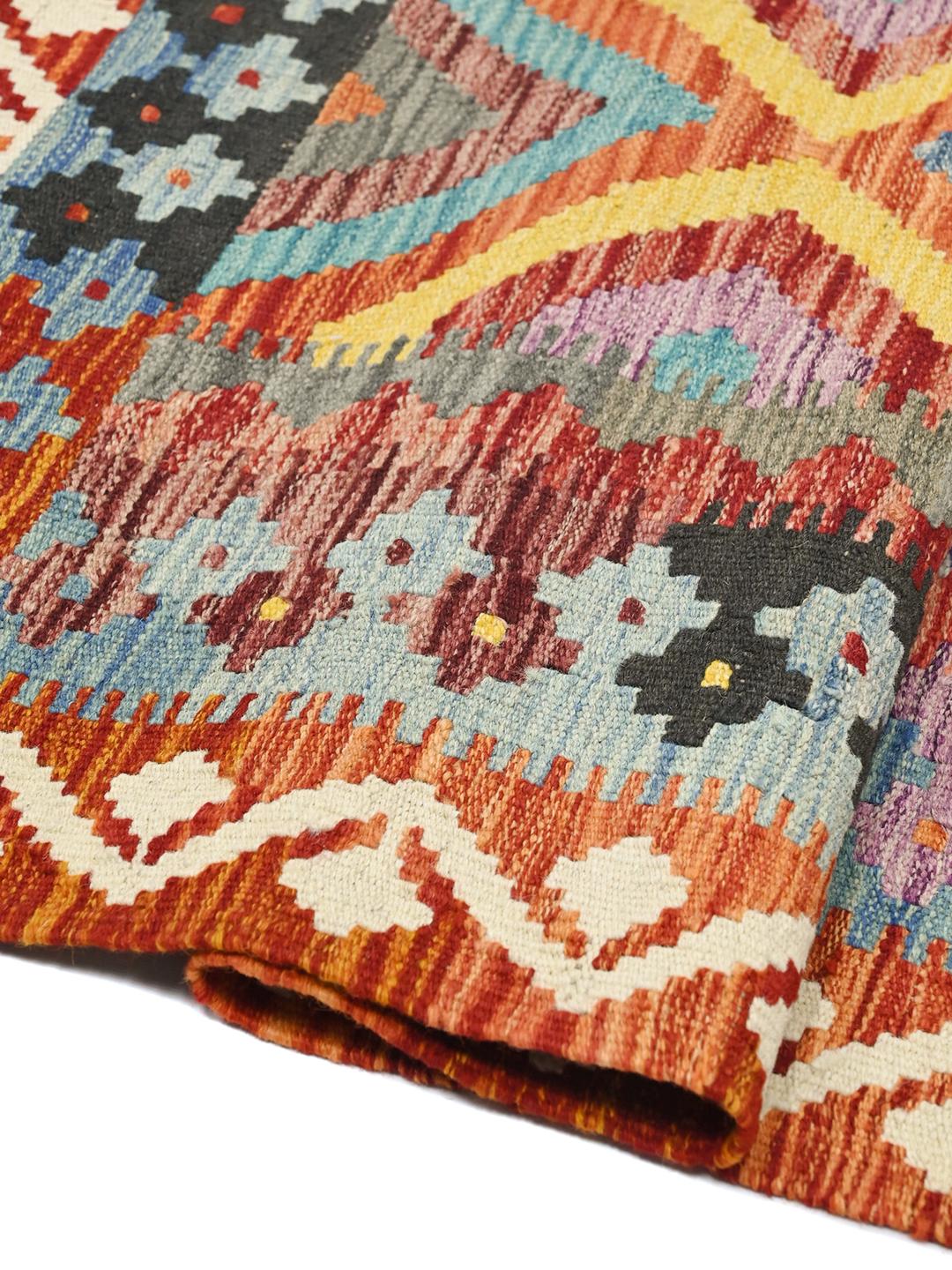
The flat-weave construction is what gives these rugs their signature durability and versatility. By using strong Wool, weavers create a structure that is remarkably resilient, capable of withstanding the rigours of tent life and constant transport. This technique also allows for the crisp, clean lines of the geometric motifs that define the Kelim style, as the weave naturally encourages sharp angles and bold, blocky shapes.
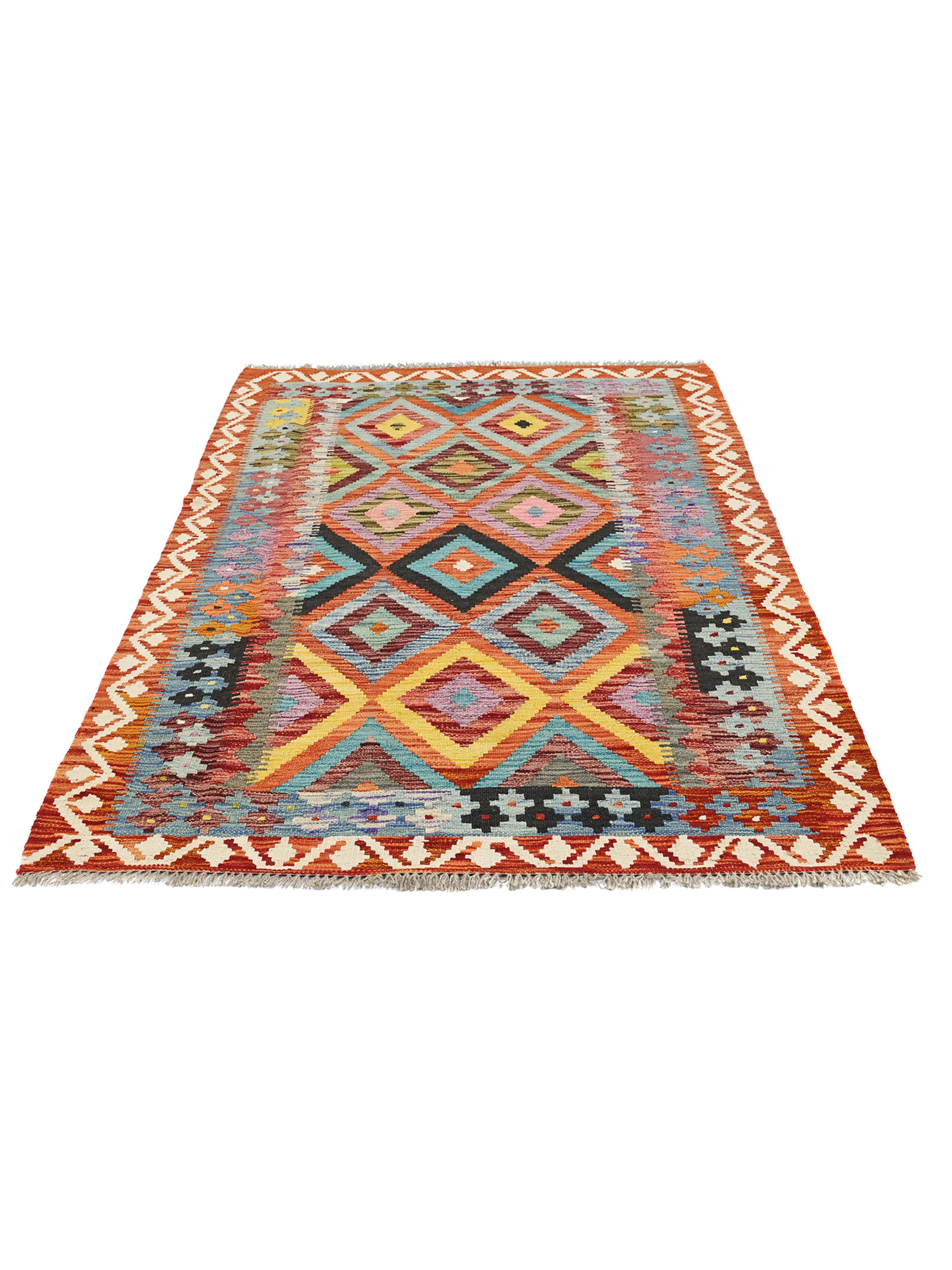
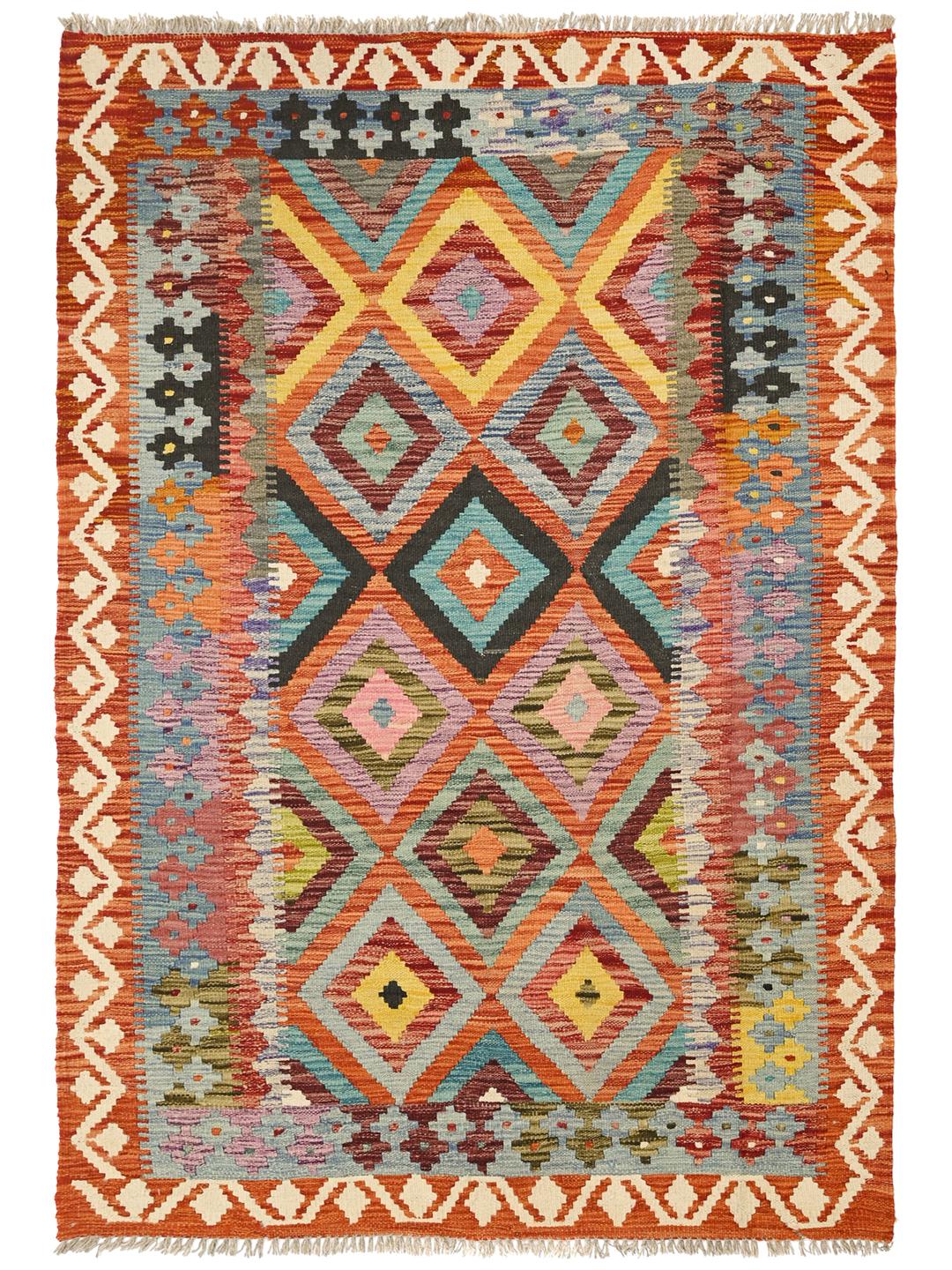
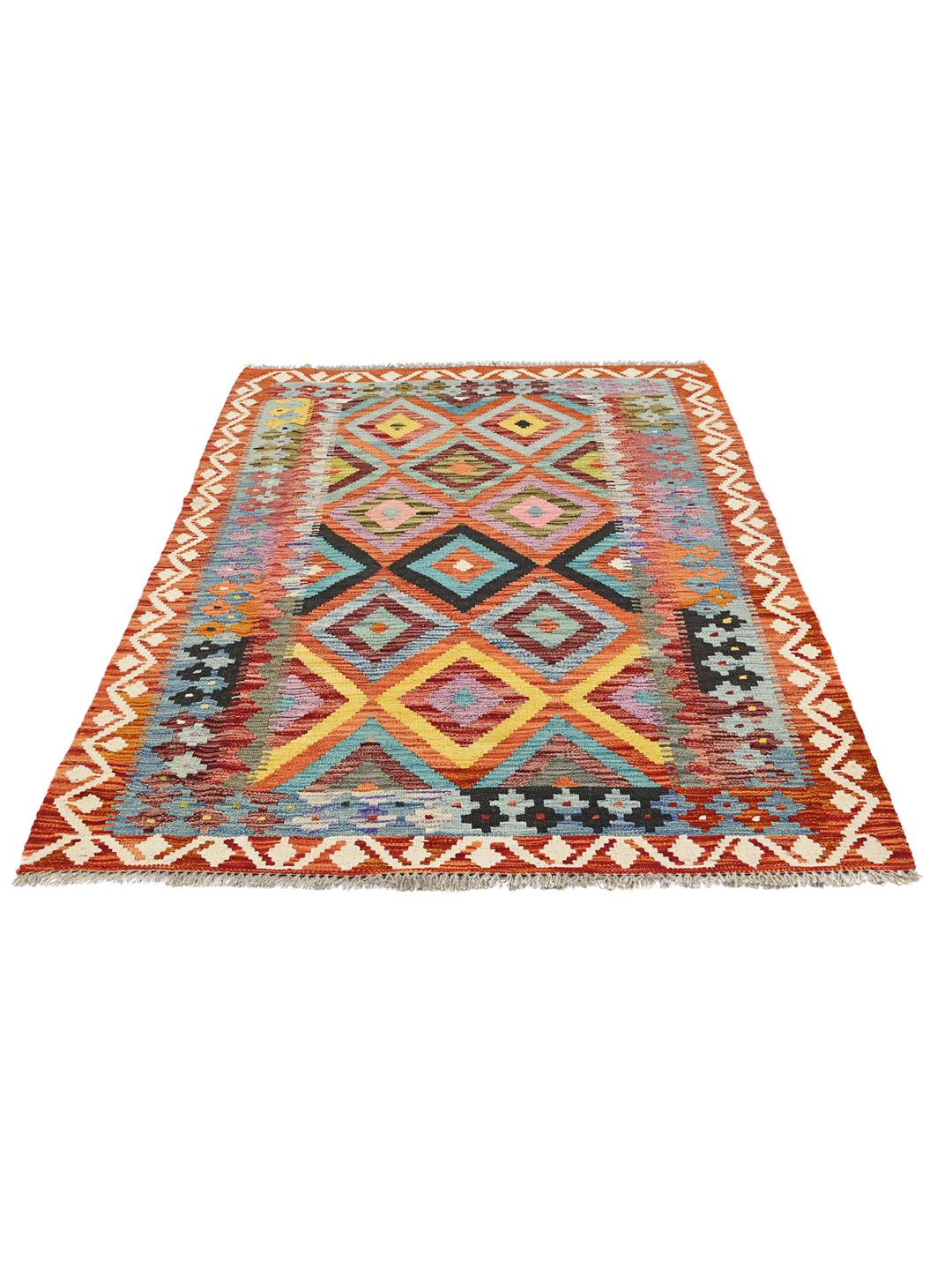
Design-wise, Afghan Kelims are celebrated for their expressive use of space and colour. They often feature repeating geometric motifs, such as diamonds and triangles, which are deeply rooted in tribal symbolism and cultural storytelling. This particular piece showcases a vibrant palette that reflects the traditional dyes and artistic preferences of its region, resulting in a visual rhythm that is both energetic and balanced.
Owning an Afghan Kelim is more than just a decorative choice, it is a connection to a rich cultural heritage that has been passed down through generations. These rugs are highly valued by collectors for their authenticity and the human story woven into every thread. By choosing a Kelim, you are preserving an ancient craft and bringing a piece of living history into your modern home.