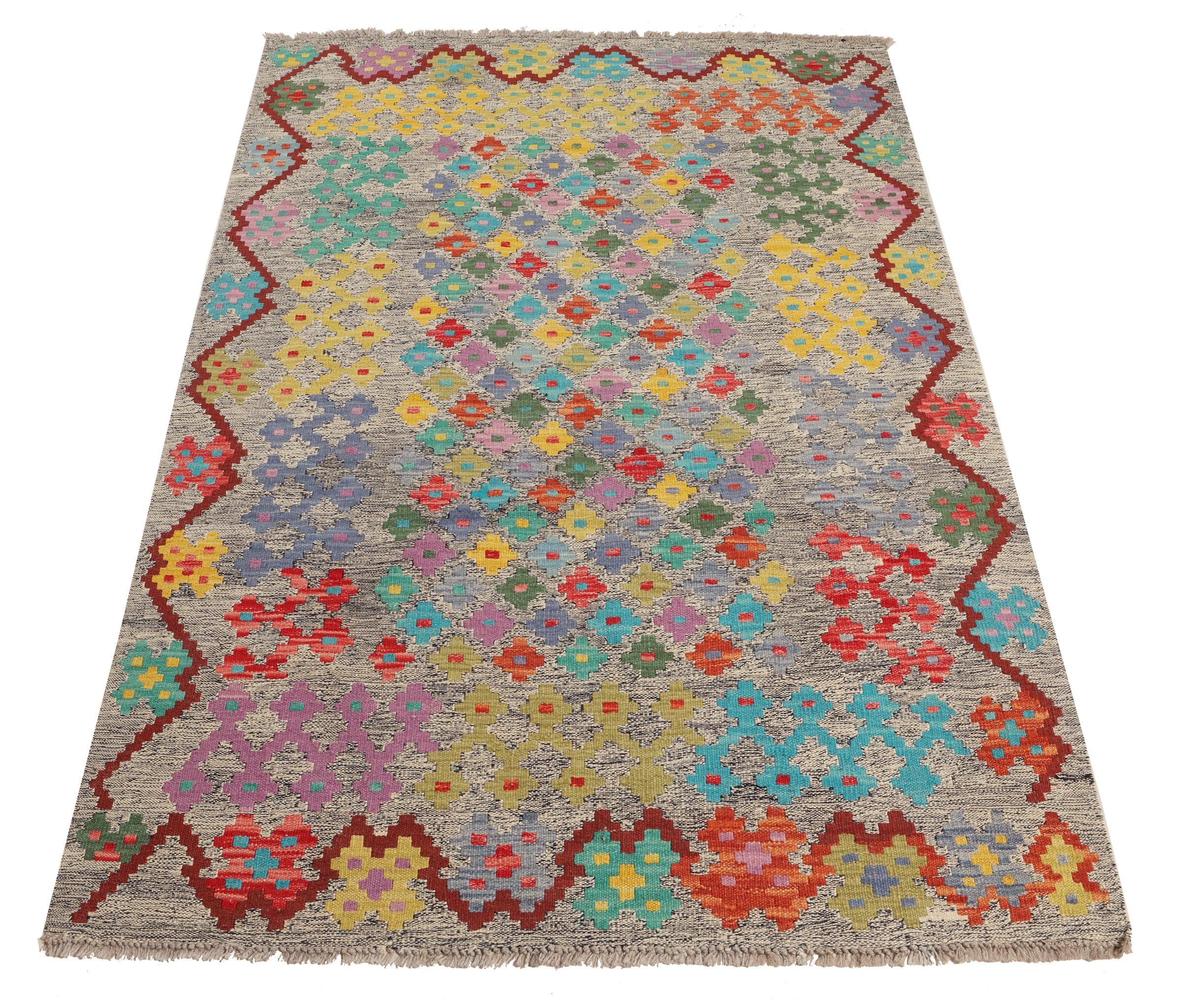
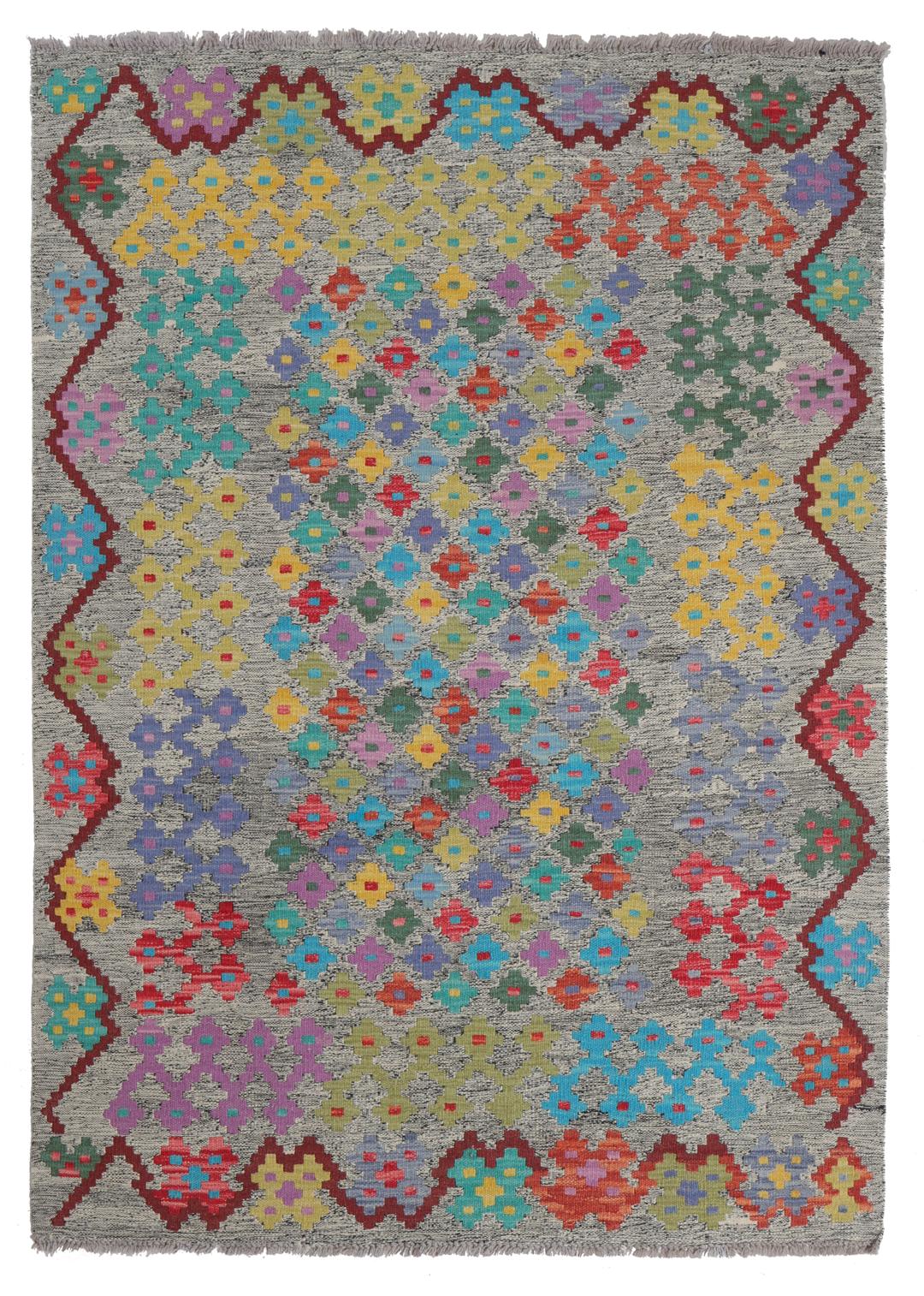
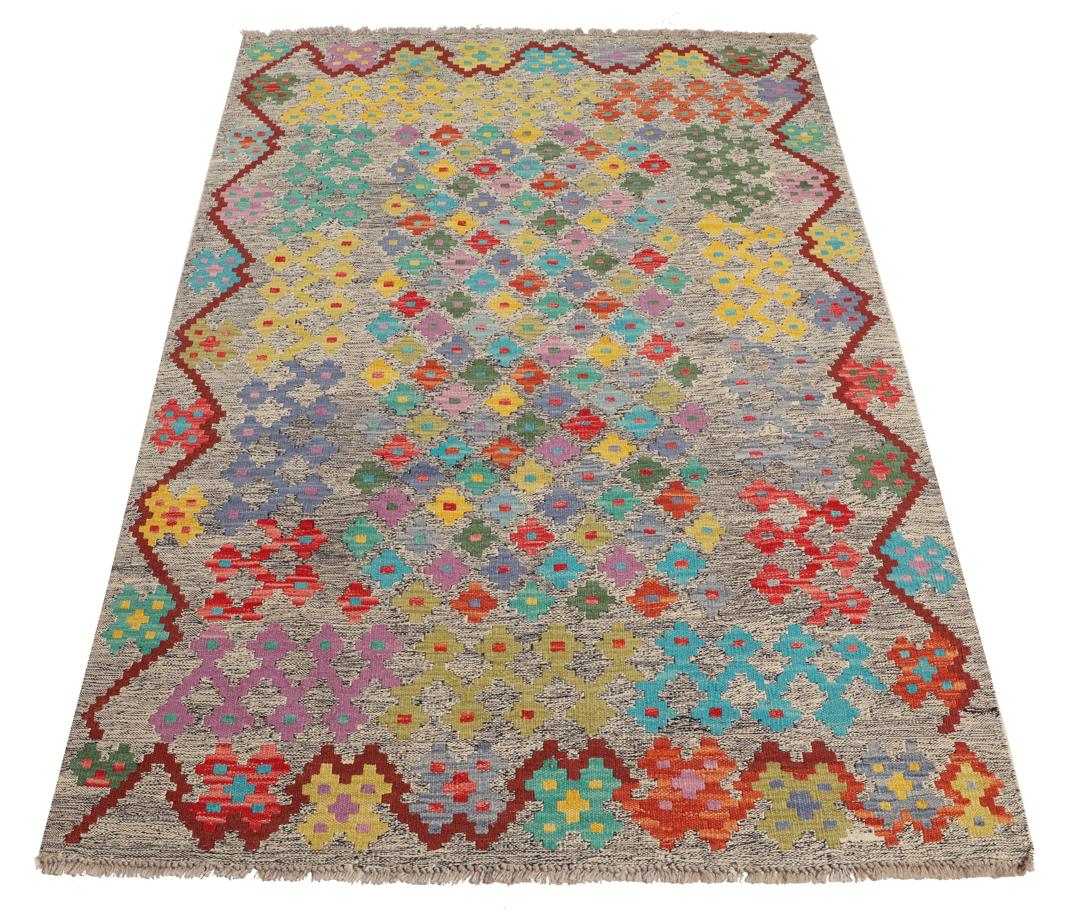
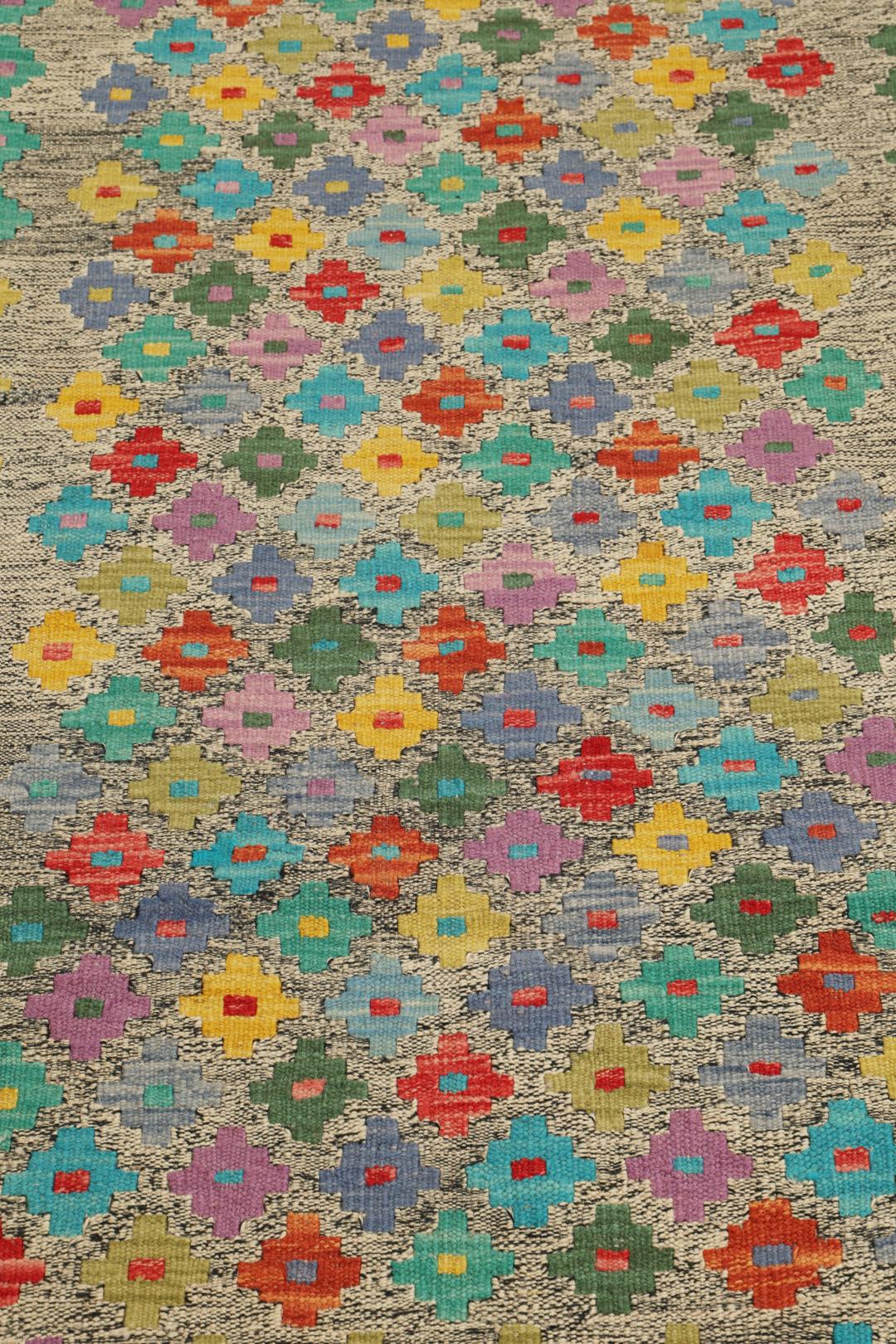
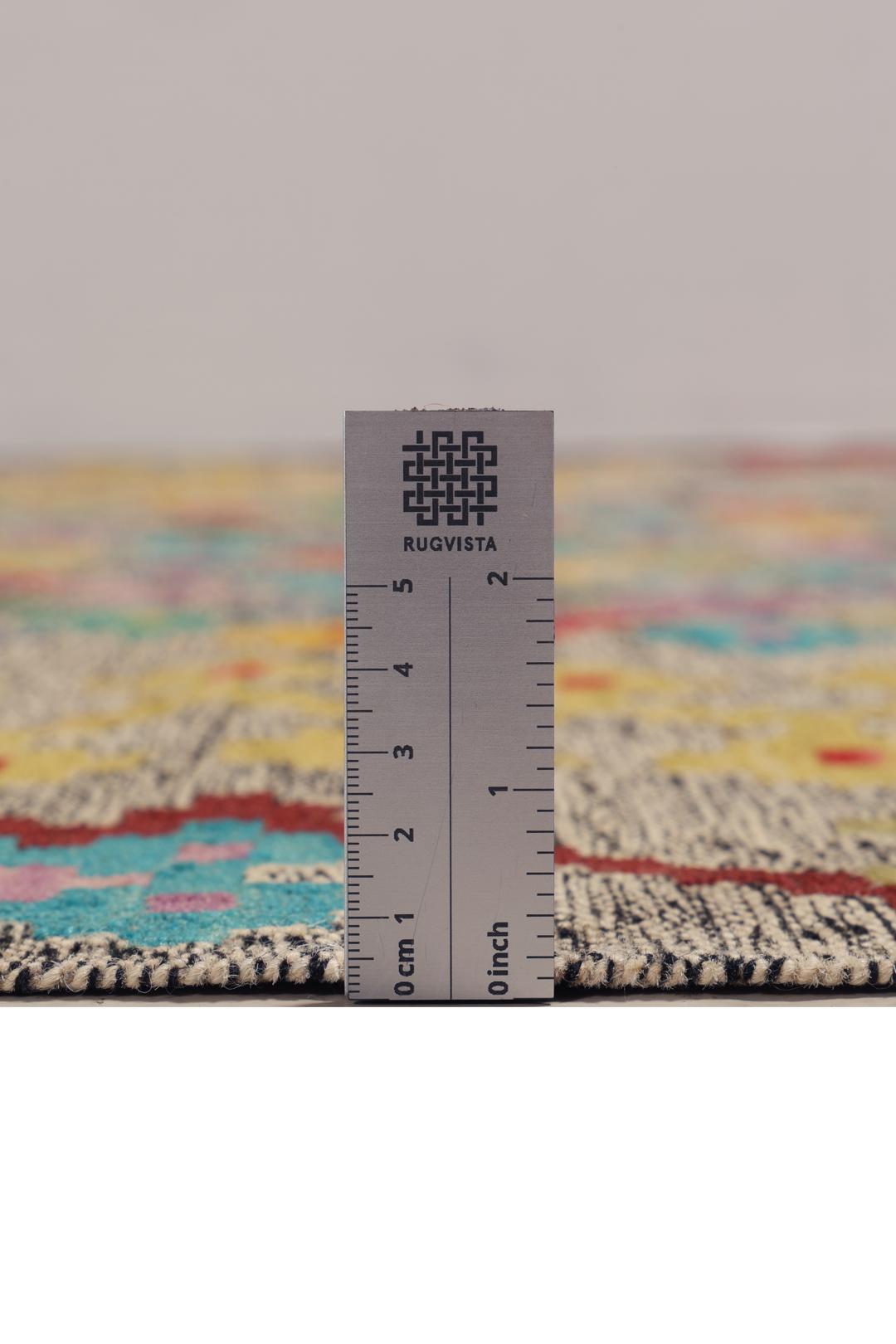
Kelim rugs from Afghanistan are deeply rooted in the nomadic and semi-nomadic traditions of the region, where the art of weaving has been passed down through generations. These flat-woven textiles were historically used by tribal groups as floor coverings, blankets, and storage bags, serving as essential, portable items that were both functional and decorative. The evolution of these rugs into the pieces we see today reflects a blend of ancient cultural heritage and a refined aesthetic that appeals to contemporary design sensibilities.
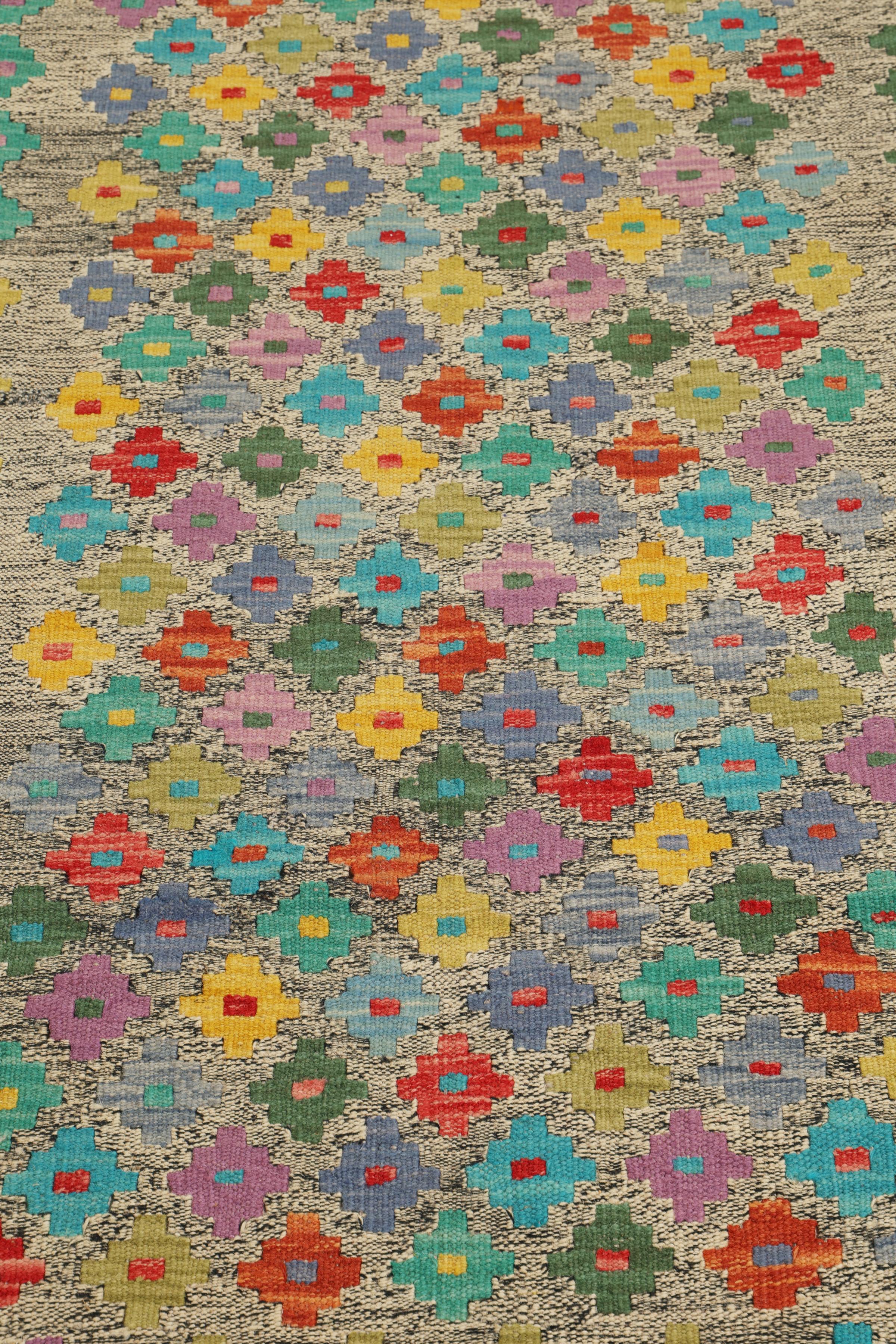
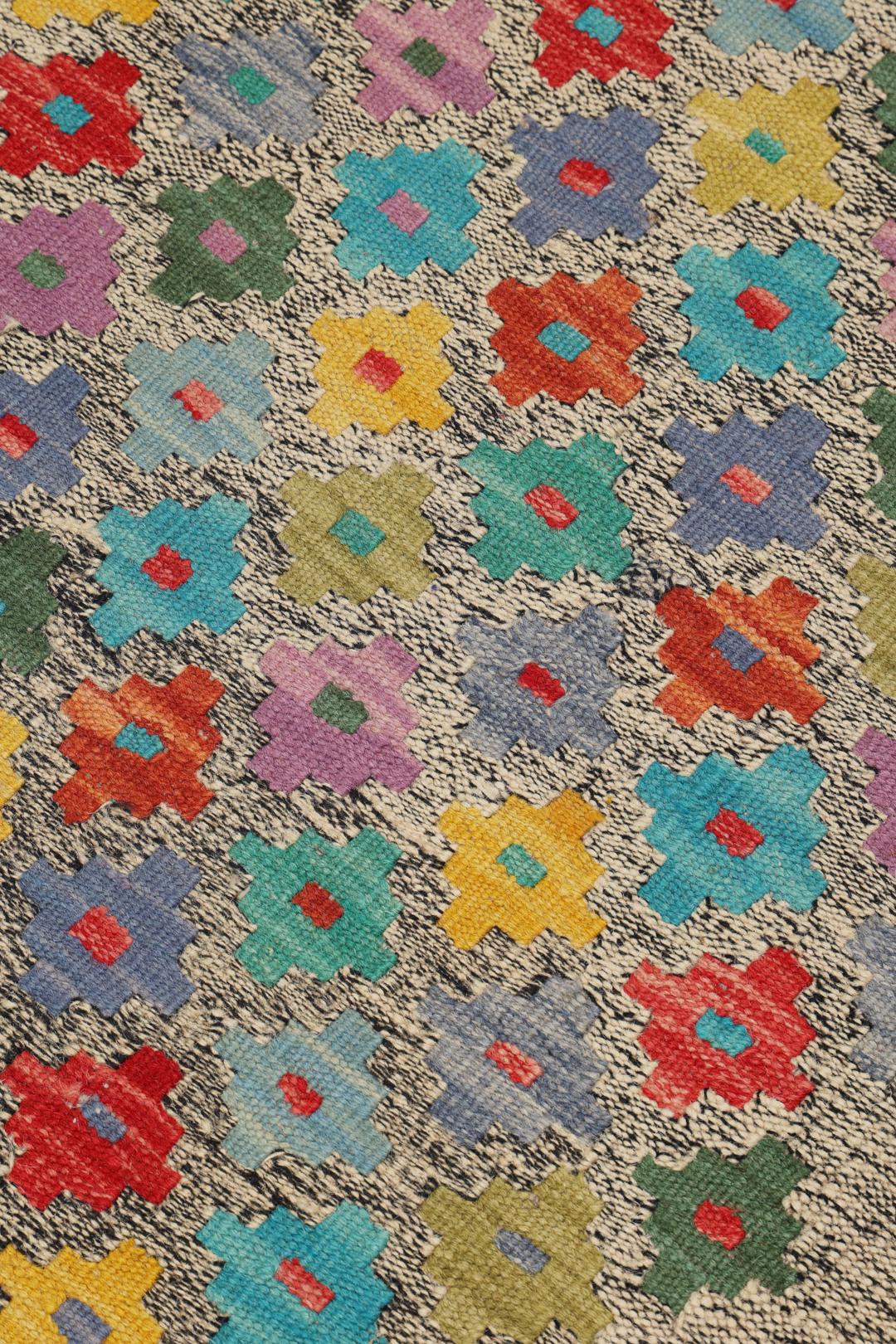
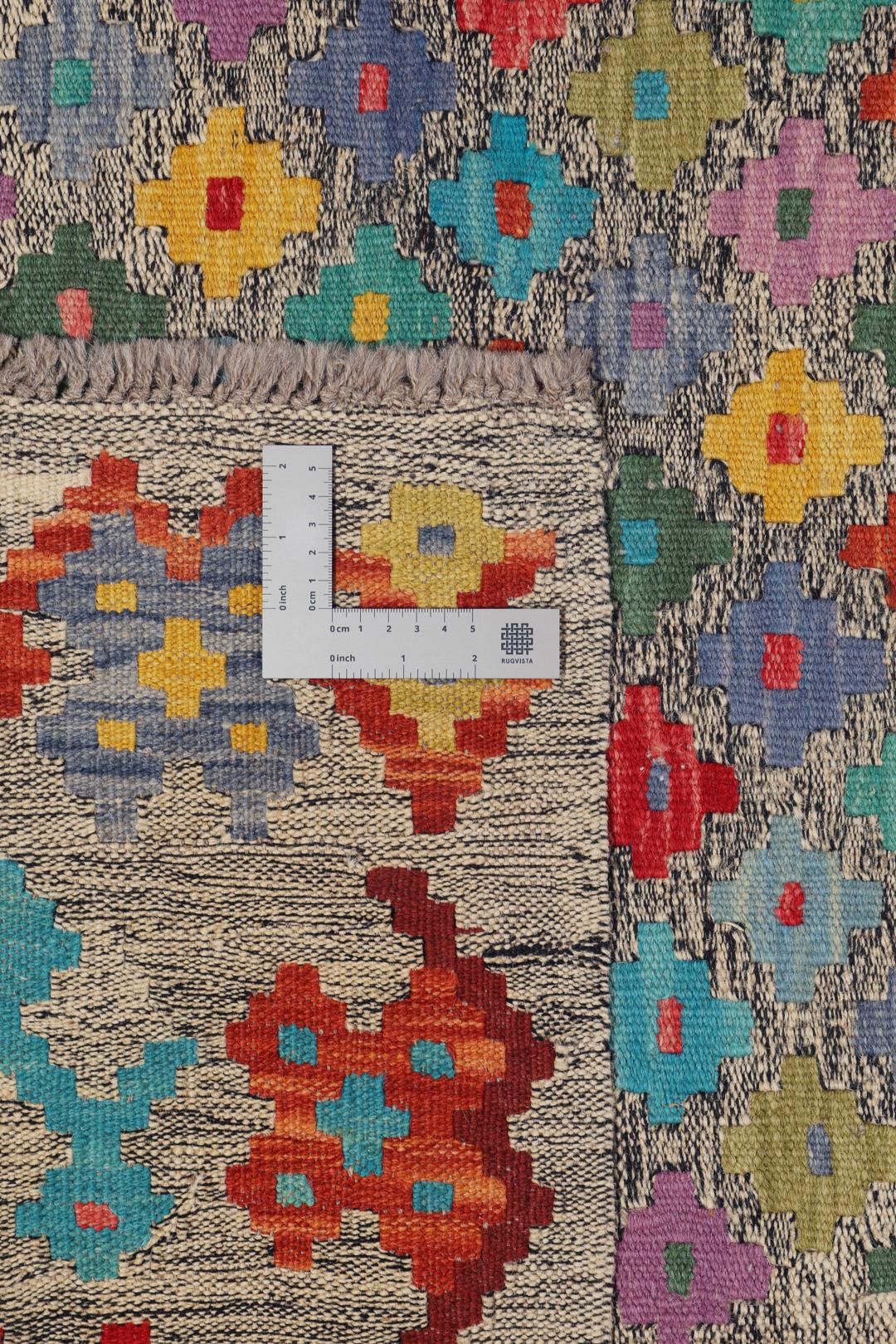
The term 'Kelim' refers to the specific flat-weaving technique used, where the weft threads are woven tightly through the warp to create a reversible surface without a pile. This method is highly prized for its ability to produce sharp, clean lines and intricate geometric patterns that are difficult to achieve in knotted rugs. Because there is no pile to wear down, these rugs are exceptionally durable and maintain their crisp, graphic quality even after years of use in busy parts of the home.
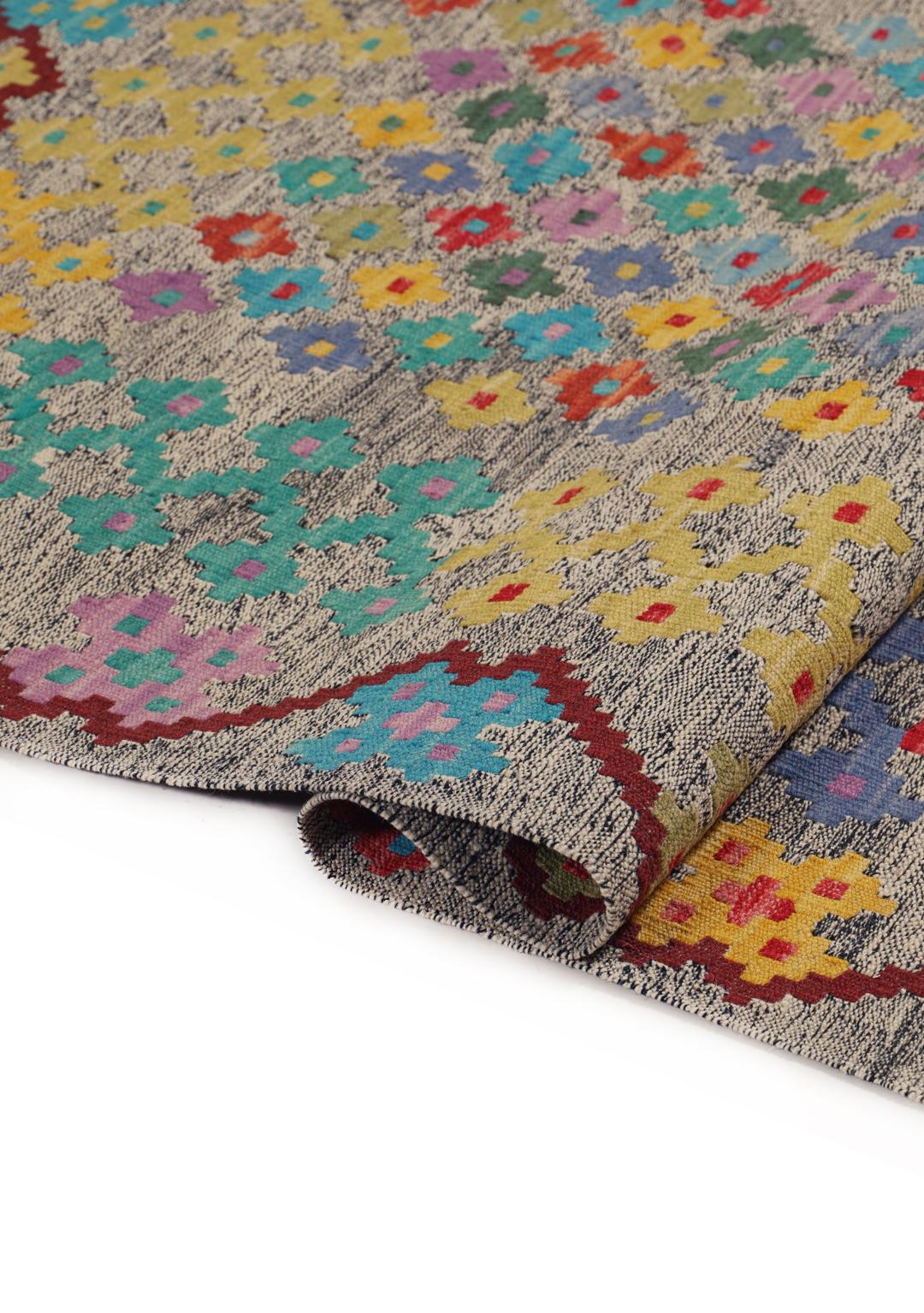
Signature design elements in Afghan Kelims often include bold, repeating geometric motifs such as diamonds and zig-zags, which are frequently arranged in rhythmic, symmetrical patterns. The use of vibrant, contrasting colours is a hallmark of this tradition, reflecting the natural dyes historically derived from local plants and minerals. The inclusion of a formal, decorative border serves to contain the energy of the field, providing a sense of balance that anchors the overall design.
Collecting a Kelim is an investment in human skill and regional history. These rugs are valued not only for their aesthetic appeal but also for the cultural weight they carry, representing a tradition that has remained largely unchanged for centuries. By choosing a piece like this, you are preserving a craft that celebrates the human hand, ensuring that these distinct, storied patterns continue to have a place in modern homes.