Kelim rugs from Afghanistan are deeply rooted in the nomadic traditions of the region, where weaving was an essential skill for creating both functional and decorative items. These flat-weave textiles were historically used as floor coverings, wall hangings, and storage bags, reflecting the practical needs of life on the move. Today, this tradition has evolved into a sophisticated craft that preserves these ancient techniques while adapting to contemporary home aesthetics.
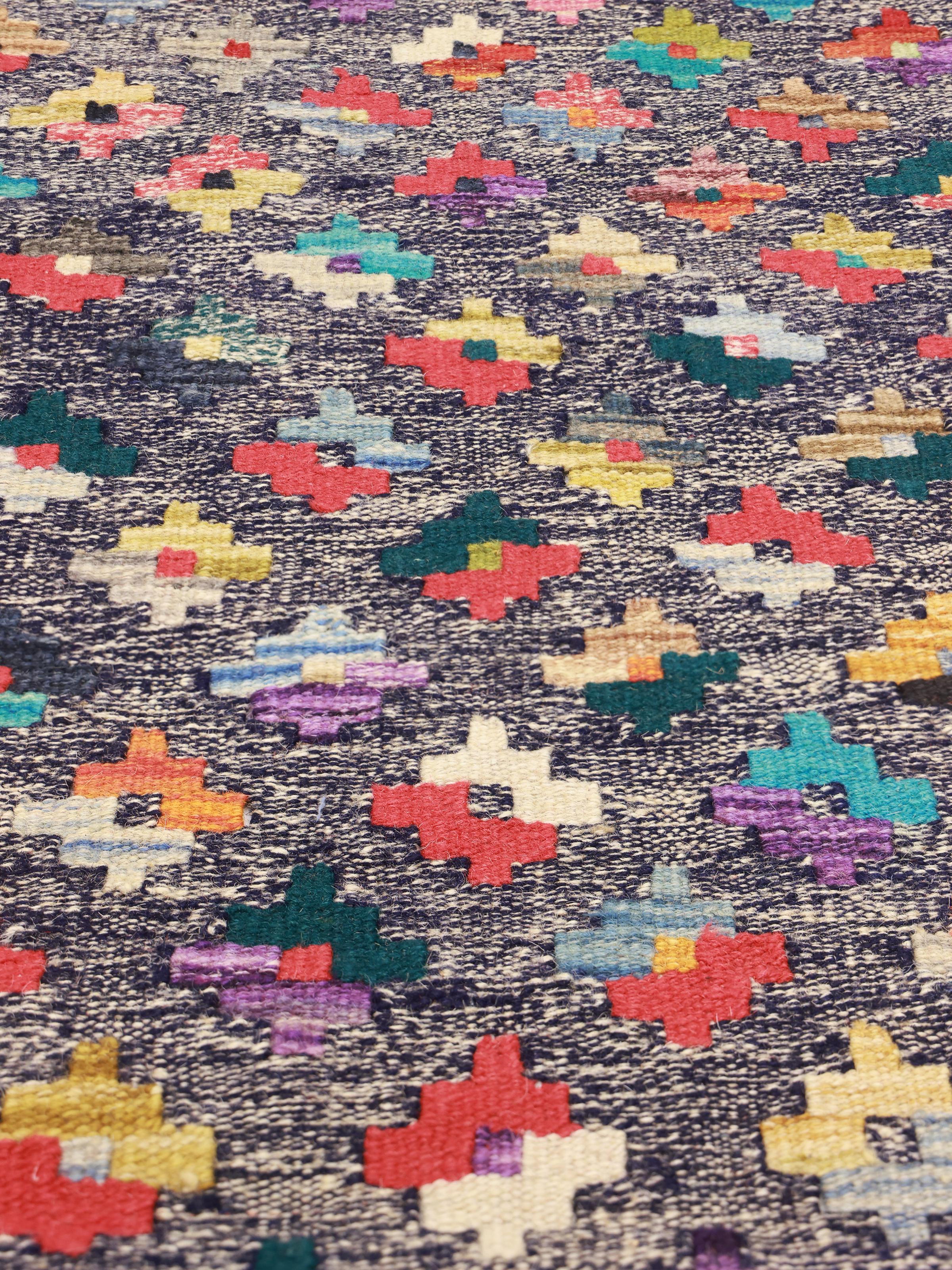
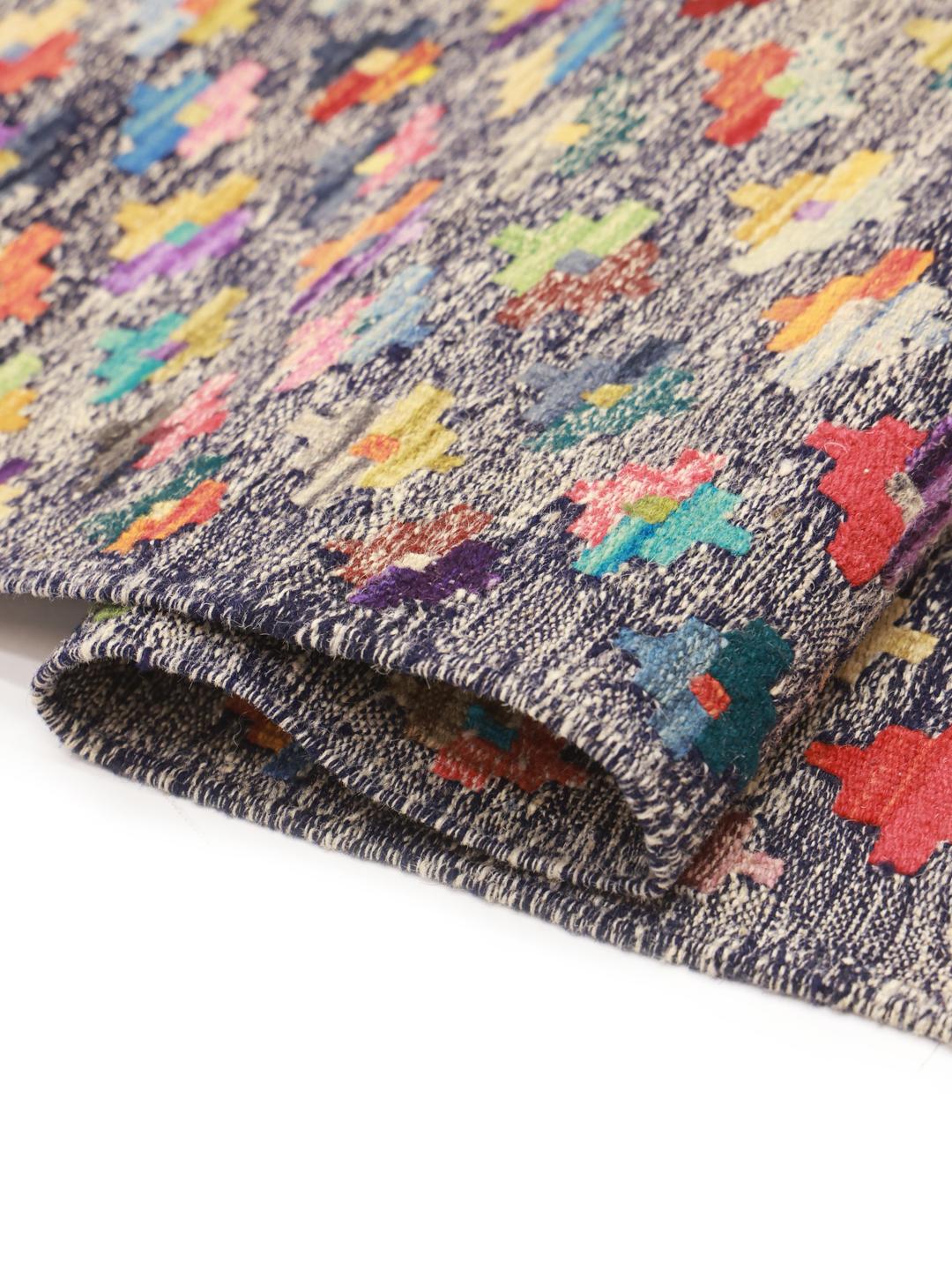
The term 'Kelim' refers to a specific type of tapestry-woven, pileless rug. Unlike knotted rugs, these are created by interlacing the warp and weft threads to create a flat, durable fabric. This technique is particularly valued for its clarity of design and the sharpness of the patterns, as the weave structure naturally lends itself to geometric shapes and clean lines that remain crisp over time.
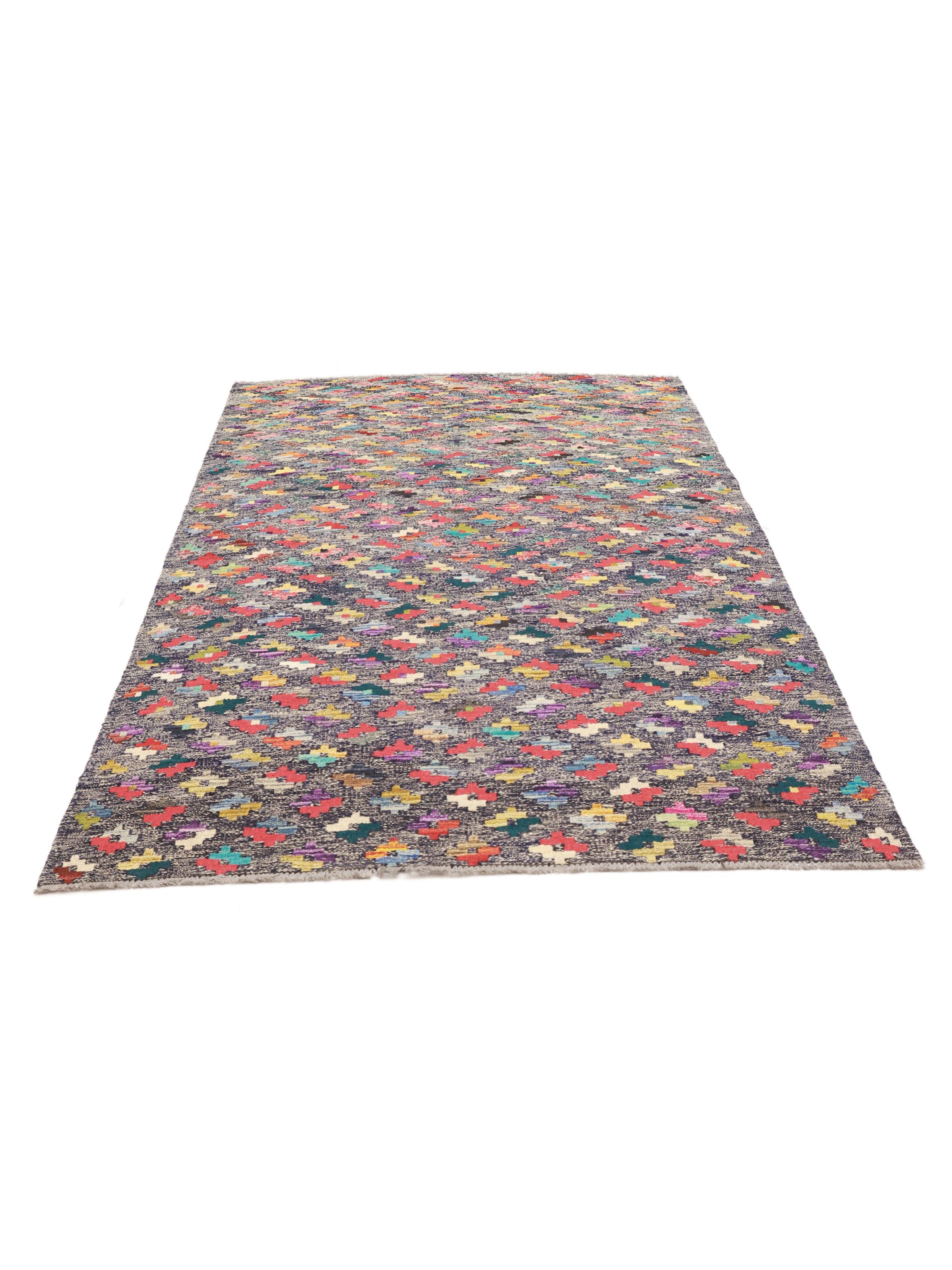
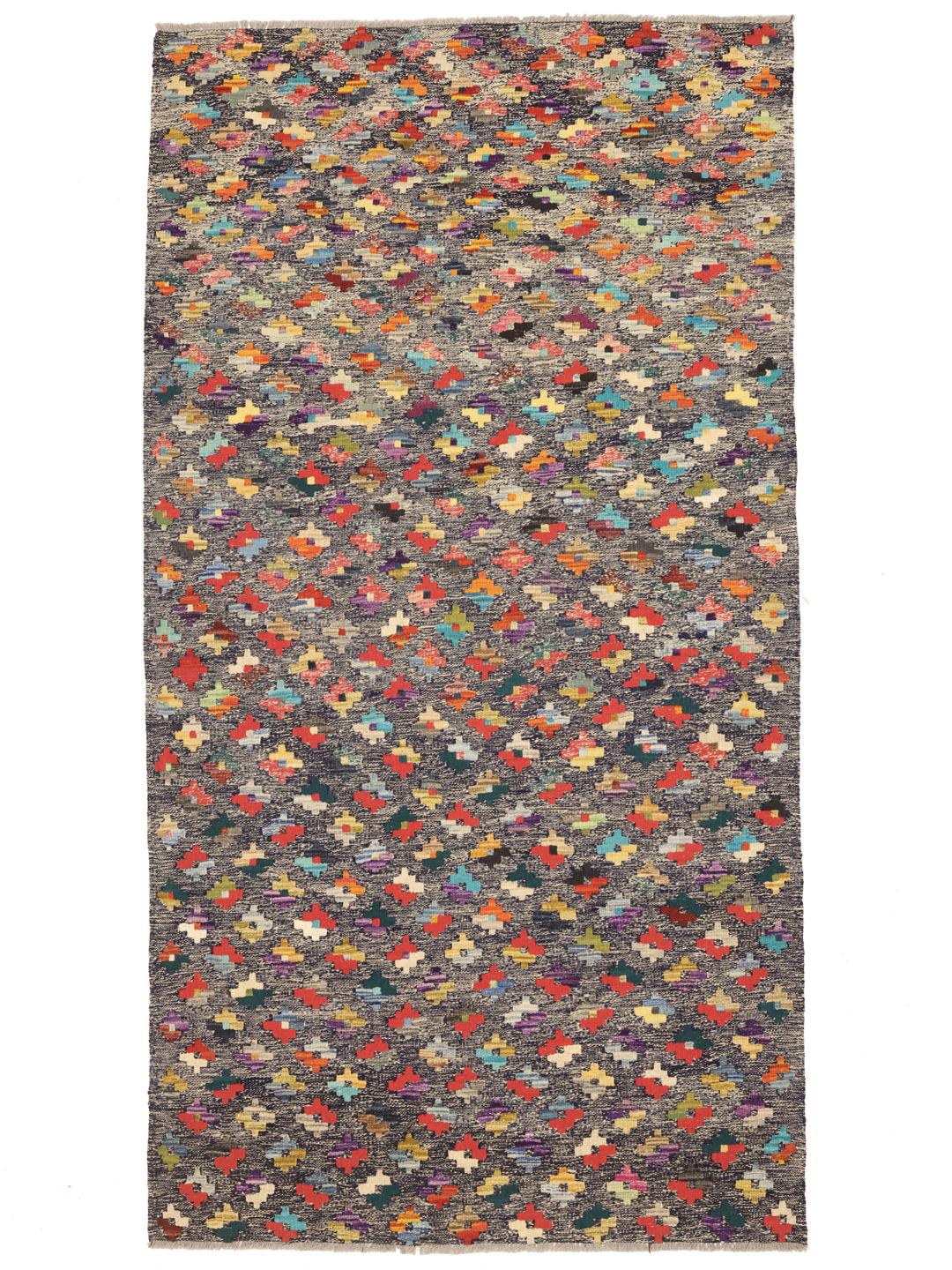
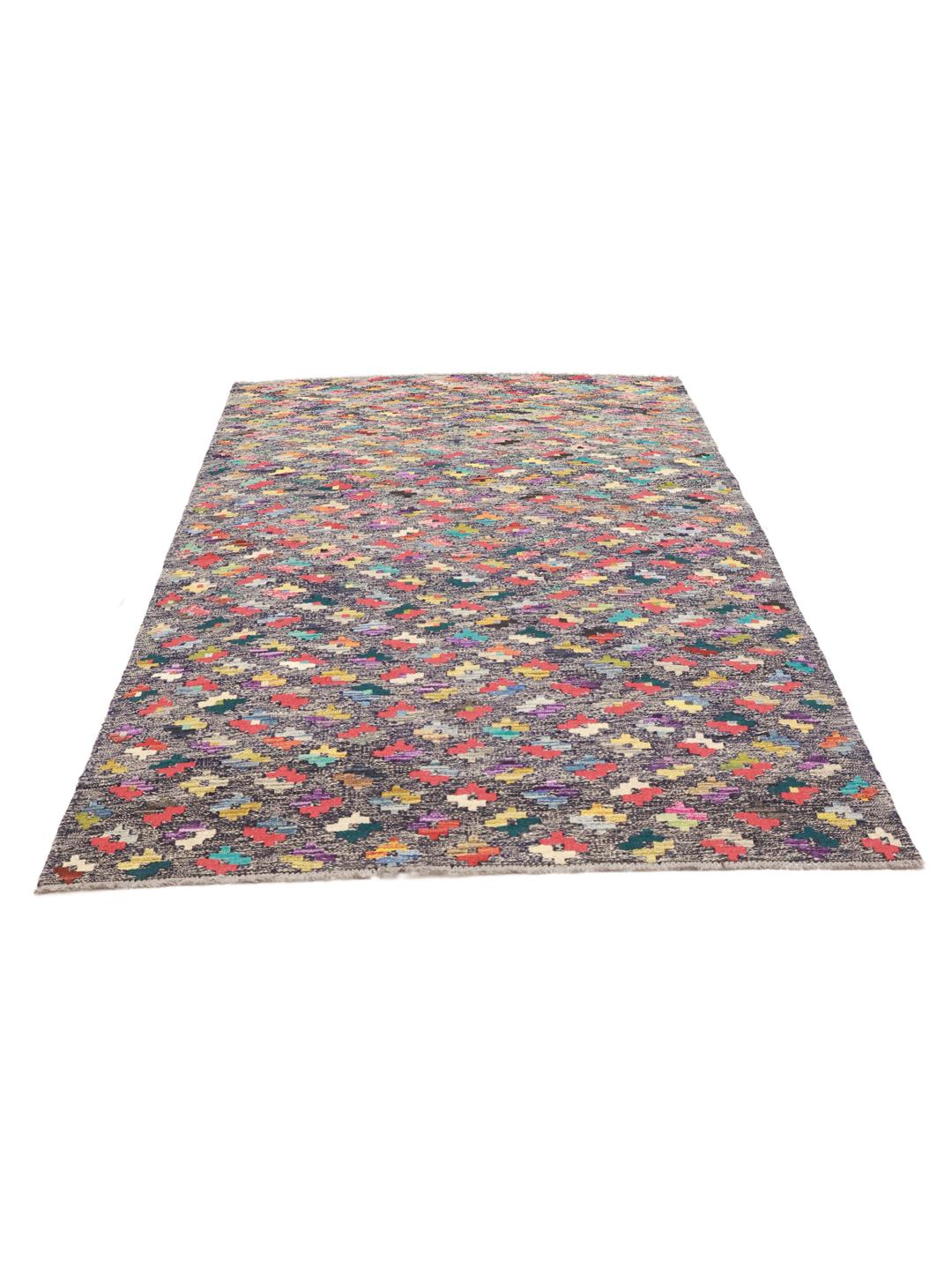
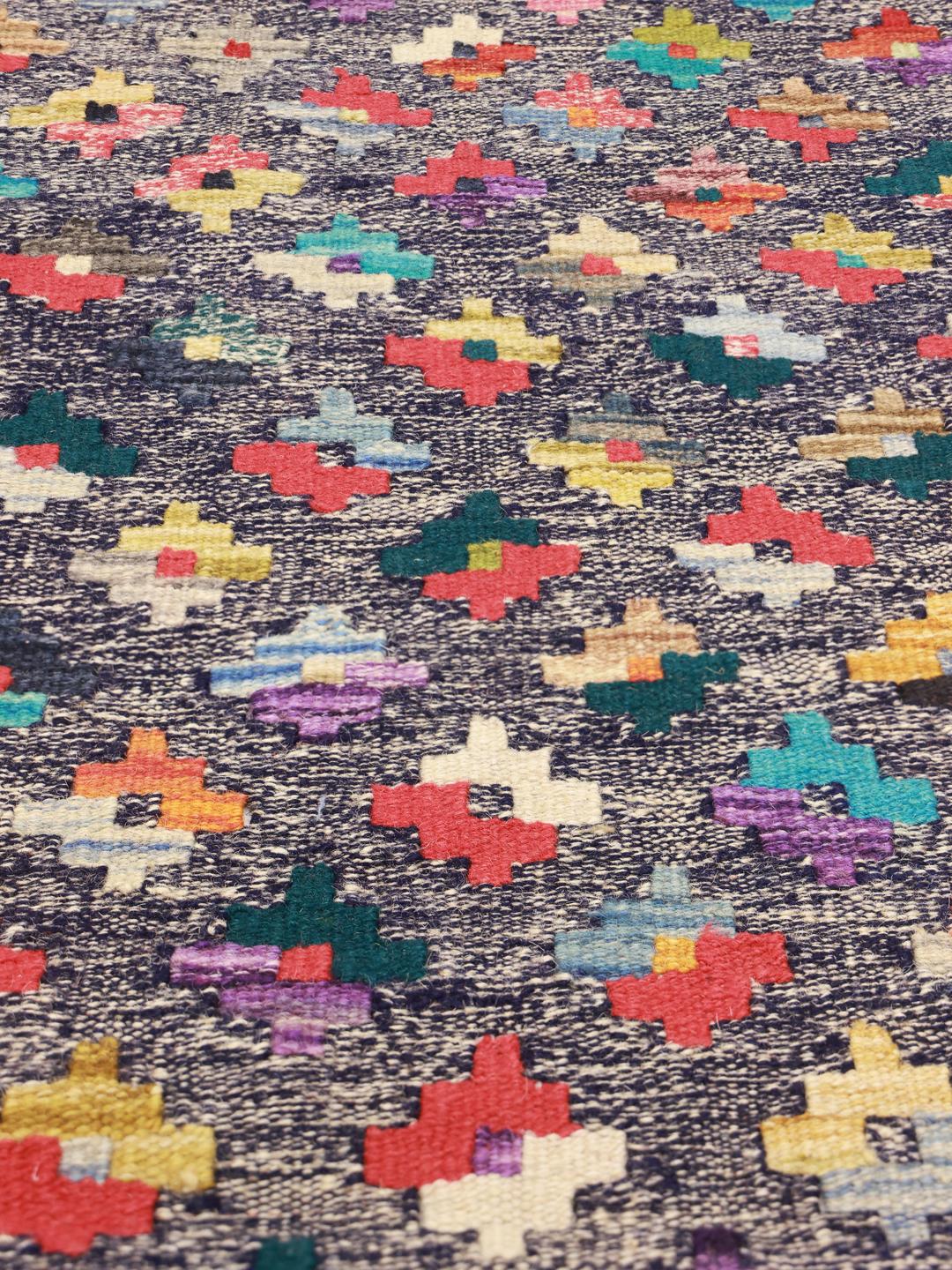
The design of this particular piece features a signature array of geometric motifs scattered across a dark background. Afghan weavers are renowned for their bold use of colour, often utilising natural dyes to create vibrant, contrasting patterns that stand out against earthy or deep-toned foundations. This specific style of 'old style' weaving celebrates the classic tribal aesthetics that have defined Afghan textile art for centuries.
Collecting a hand-woven Kelim is an investment in cultural heritage and human skill. Each rug represents a dialogue between the weaver and their environment, capturing a moment in time through colour and form. Owning such a piece means connecting your modern home to a long-standing tradition of artistry, where every thread tells a story of patience, community, and creative expression.