Kelim rugs have been a cornerstone of nomadic life across the Middle East and Central Asia for centuries. Originally crafted by tribal weavers to serve as functional items like floor coverings, saddlebags, and tent dividers, these rugs are defined by their flat-weave construction. The tradition of the Afghan Kelim is deeply connected to the migratory patterns of local tribes, who developed these textiles to be lightweight, portable, and incredibly durable for life on the move.
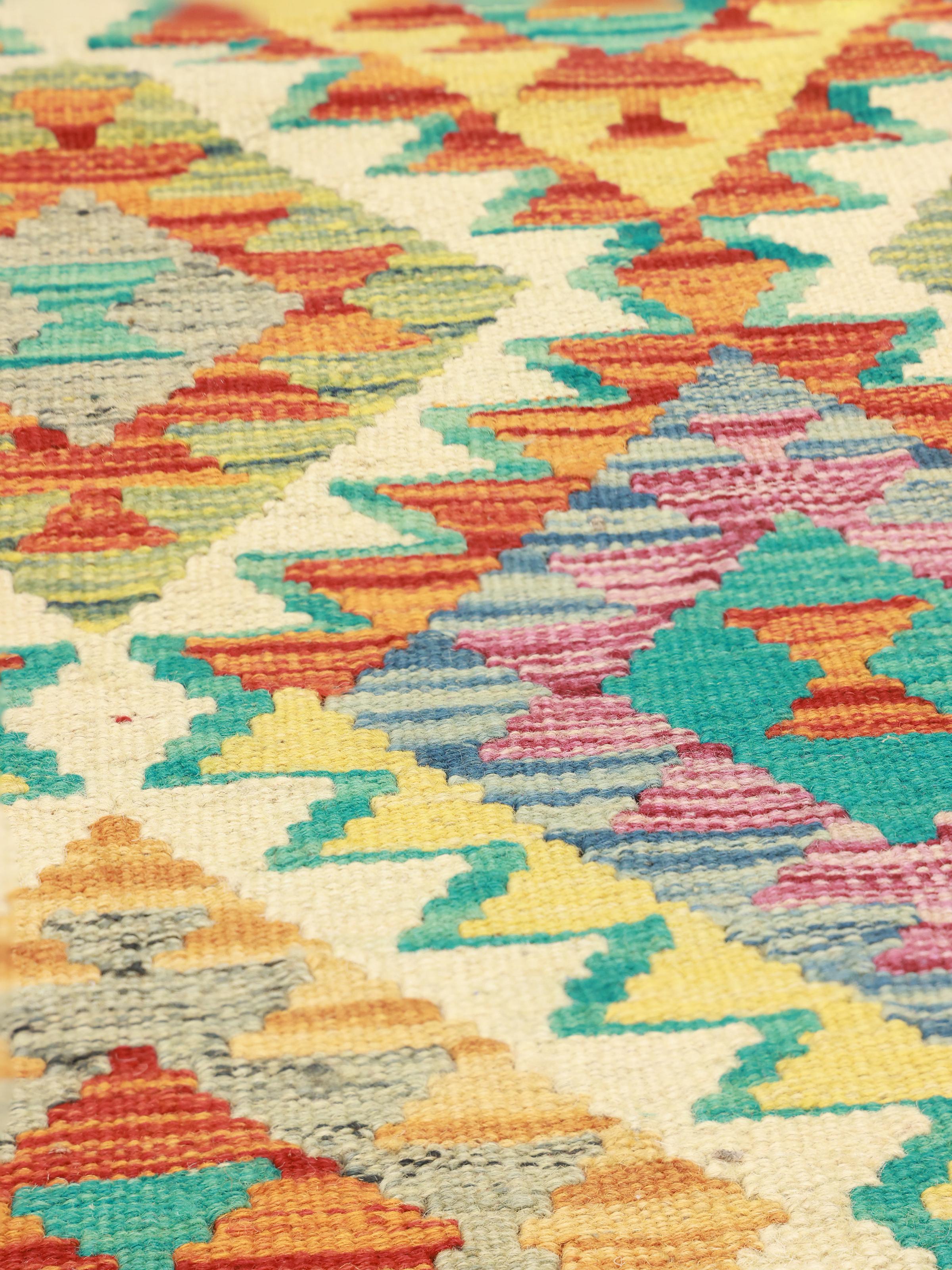
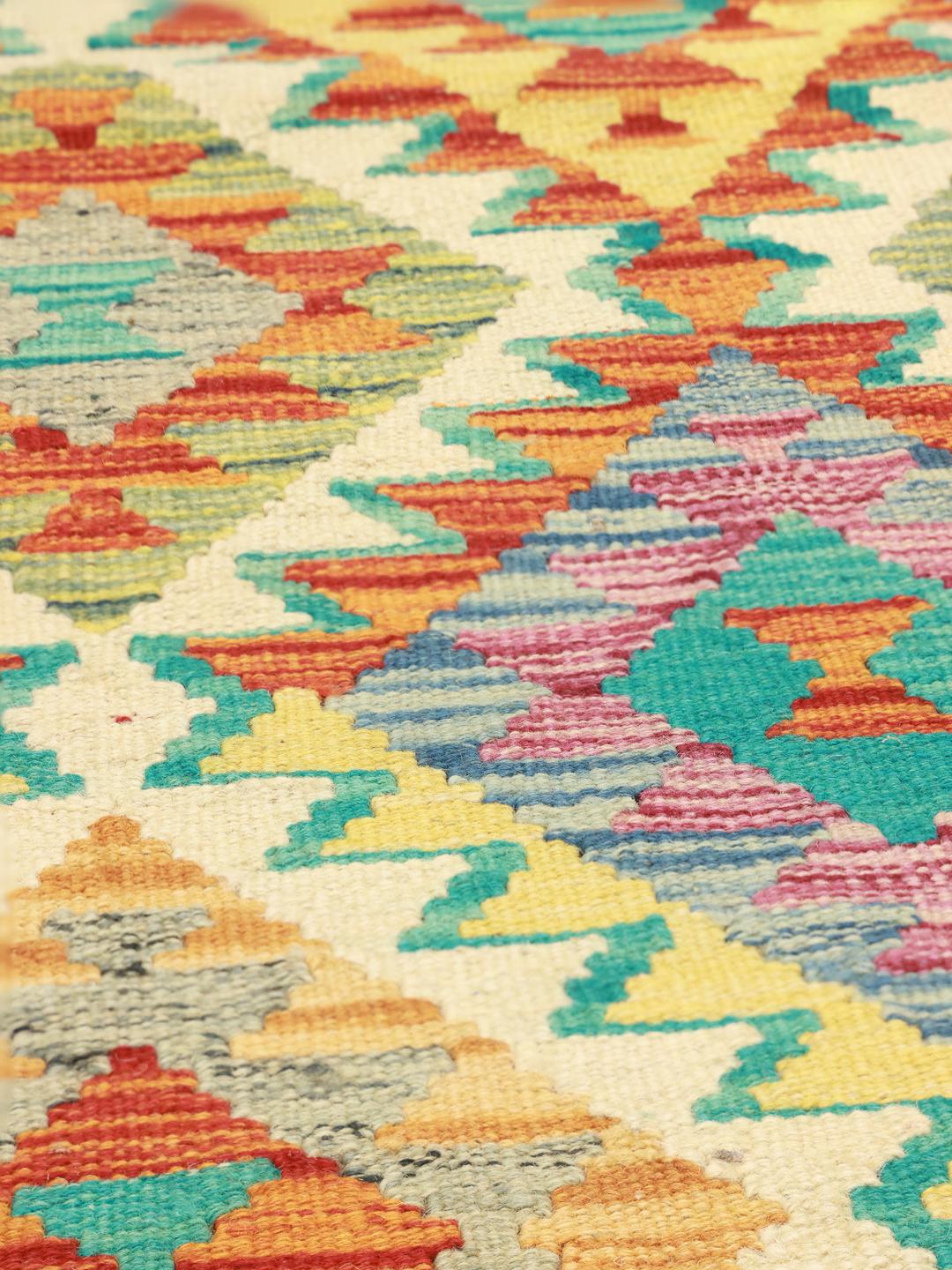
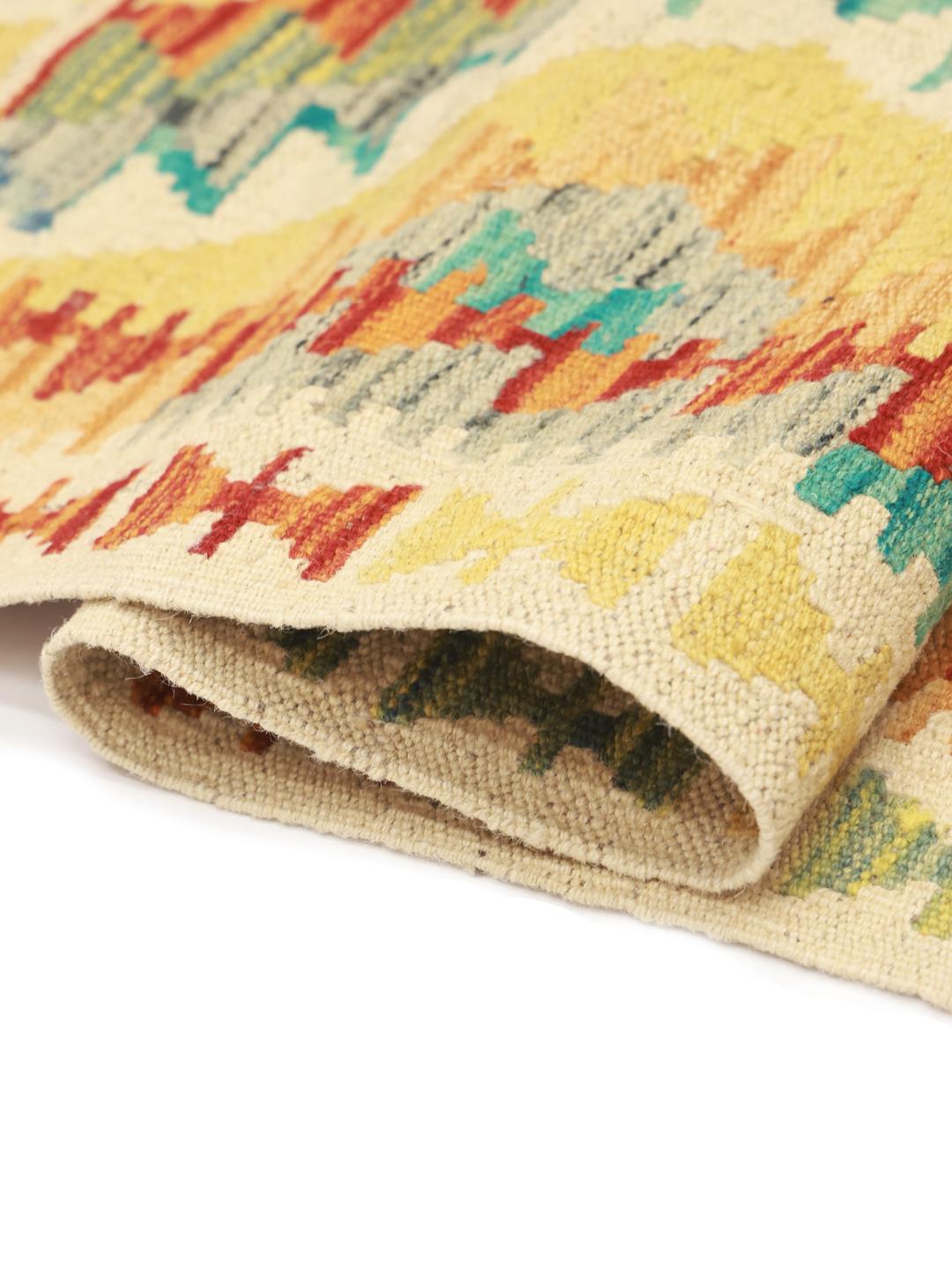
The term Kelim refers specifically to the slit-weave technique employed during production. By leaving small gaps or slits where different colour areas meet, the weaver creates distinct blocks of pattern without adding excessive bulk to the fabric. This method requires immense focus and spatial awareness, as the design must be calculated from the very first row to ensure symmetry and balance across the finished piece.
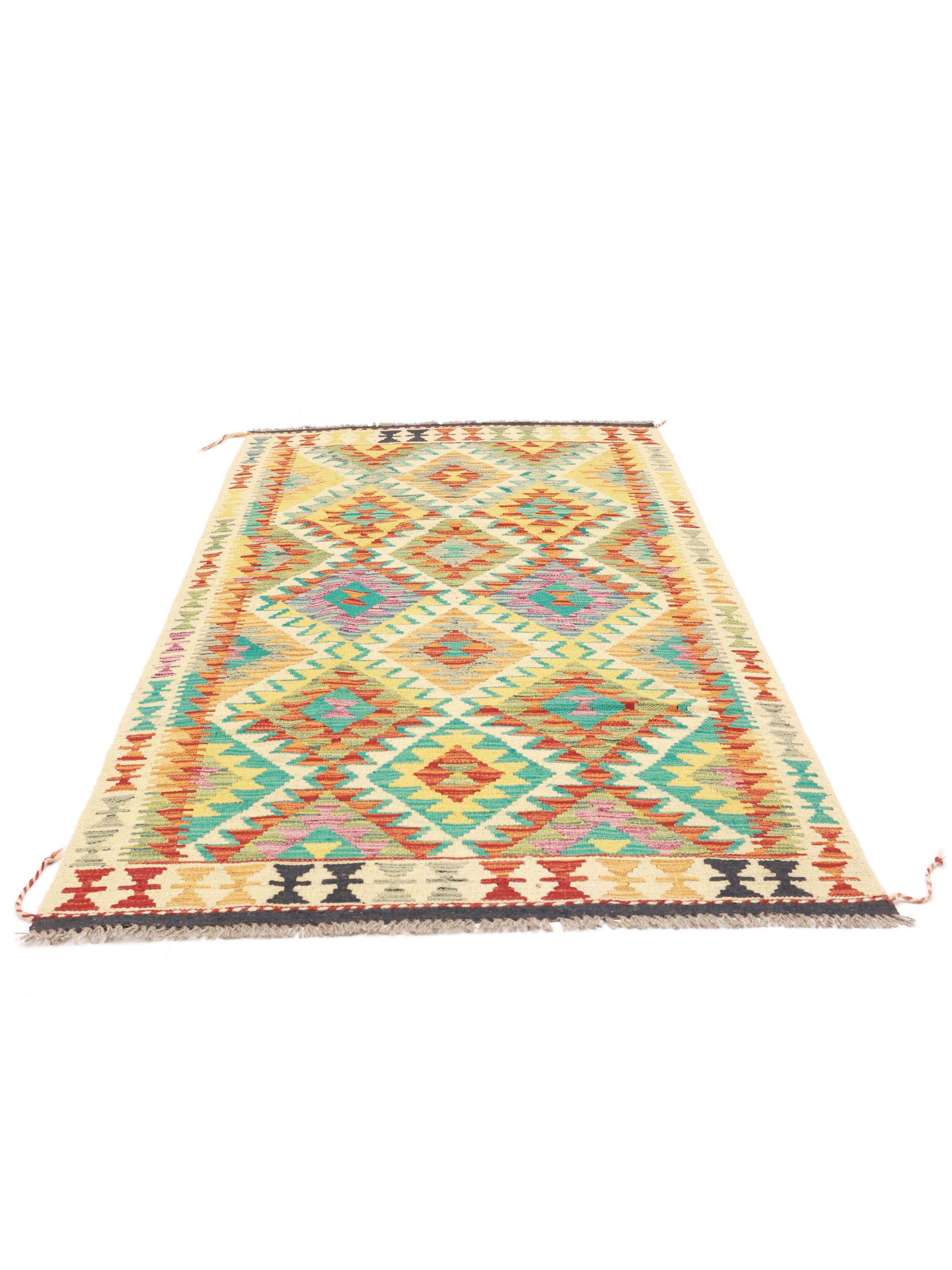
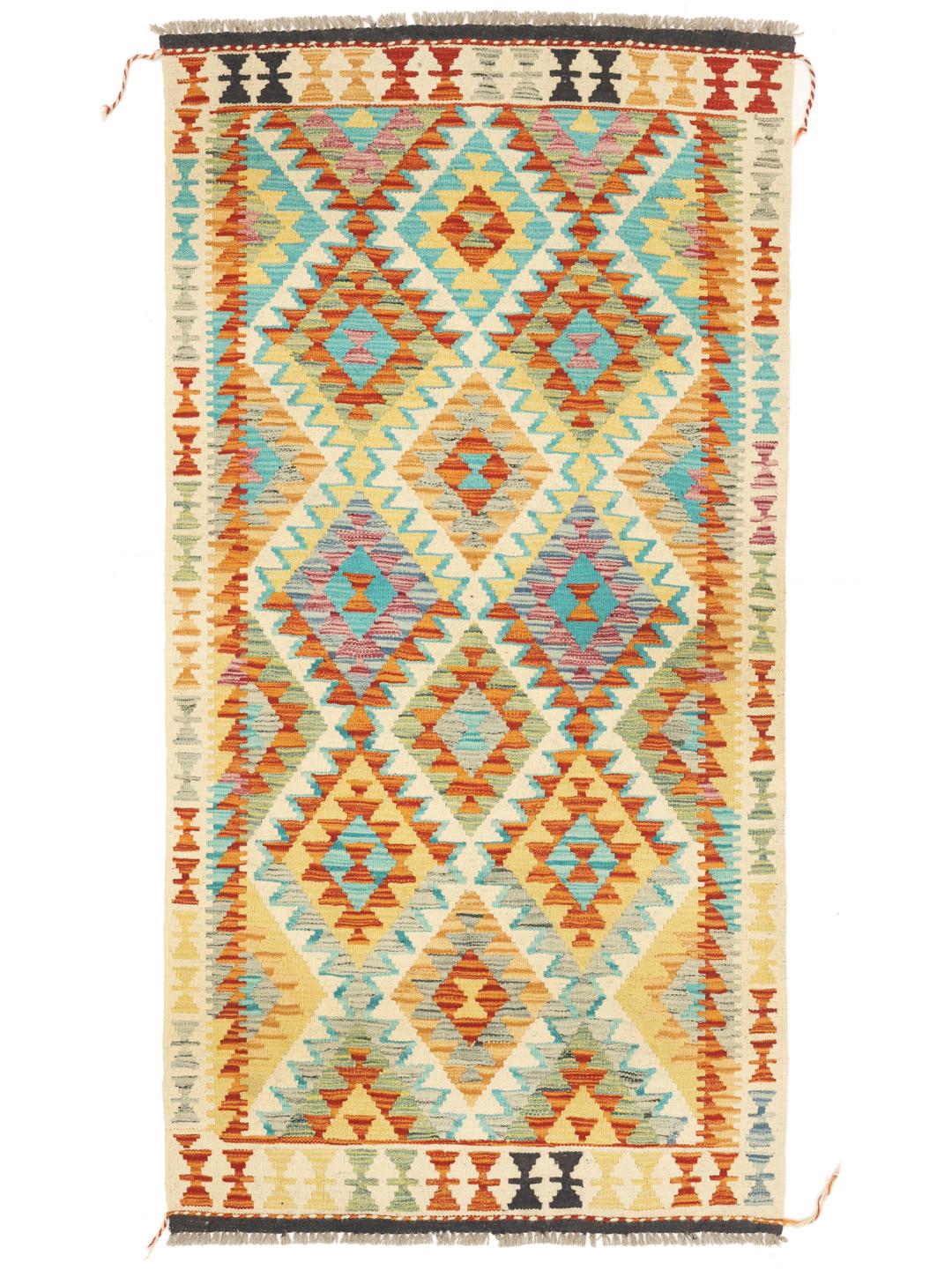
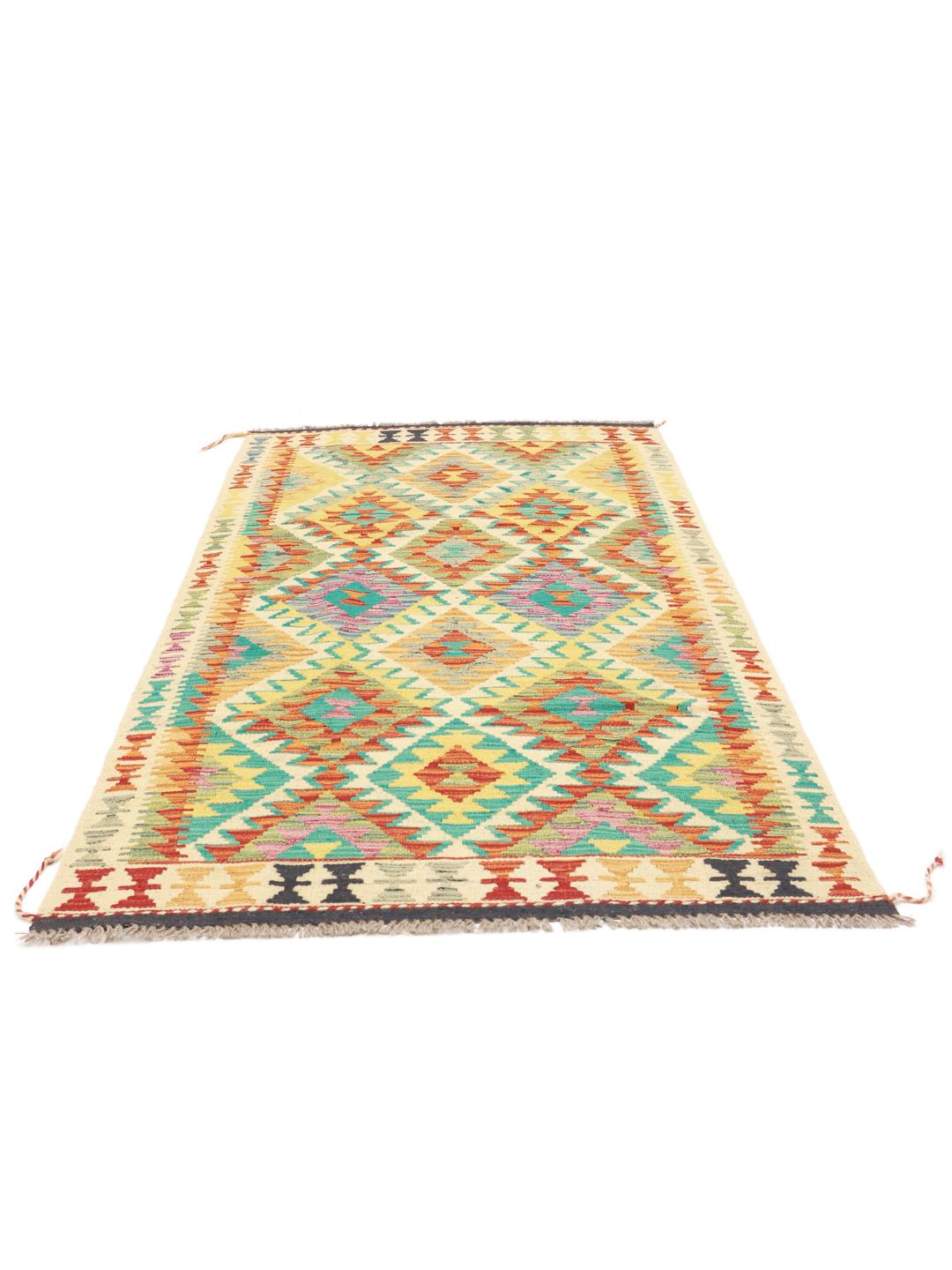
Design-wise, these rugs are famous for their bold, geometric motifs. The diamond patterns seen here are classic symbols often used to represent protection or prosperity within tribal cultures. The borders are frequently decorated with smaller, repeating elements that frame the central field, providing a sense of order to the vibrant, often abstract compositions. Each colour used is a testament to the local materials available, often derived from natural sources that give the rug its authentic, earthy appeal.
Collecting a Kelim is more than just purchasing a floor covering; it is an act of preserving a dying art form. These rugs are valued by collectors for their honesty and the visible record of the weaver's hand. Because they are not mass-produced, each rug acts as a unique document of the time, place, and individual creative energy that went into its creation, making it a meaningful addition to any thoughtful collection.