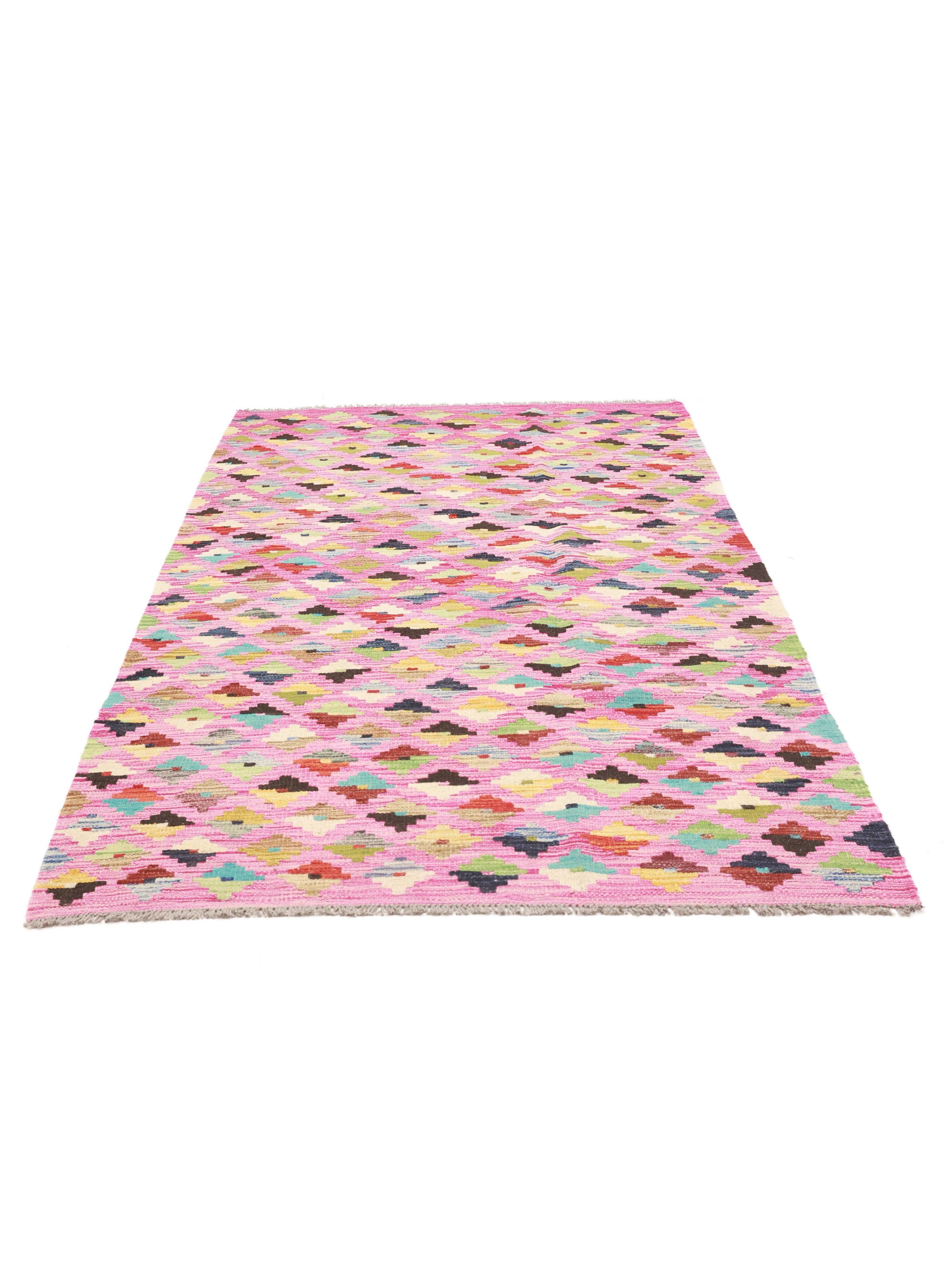
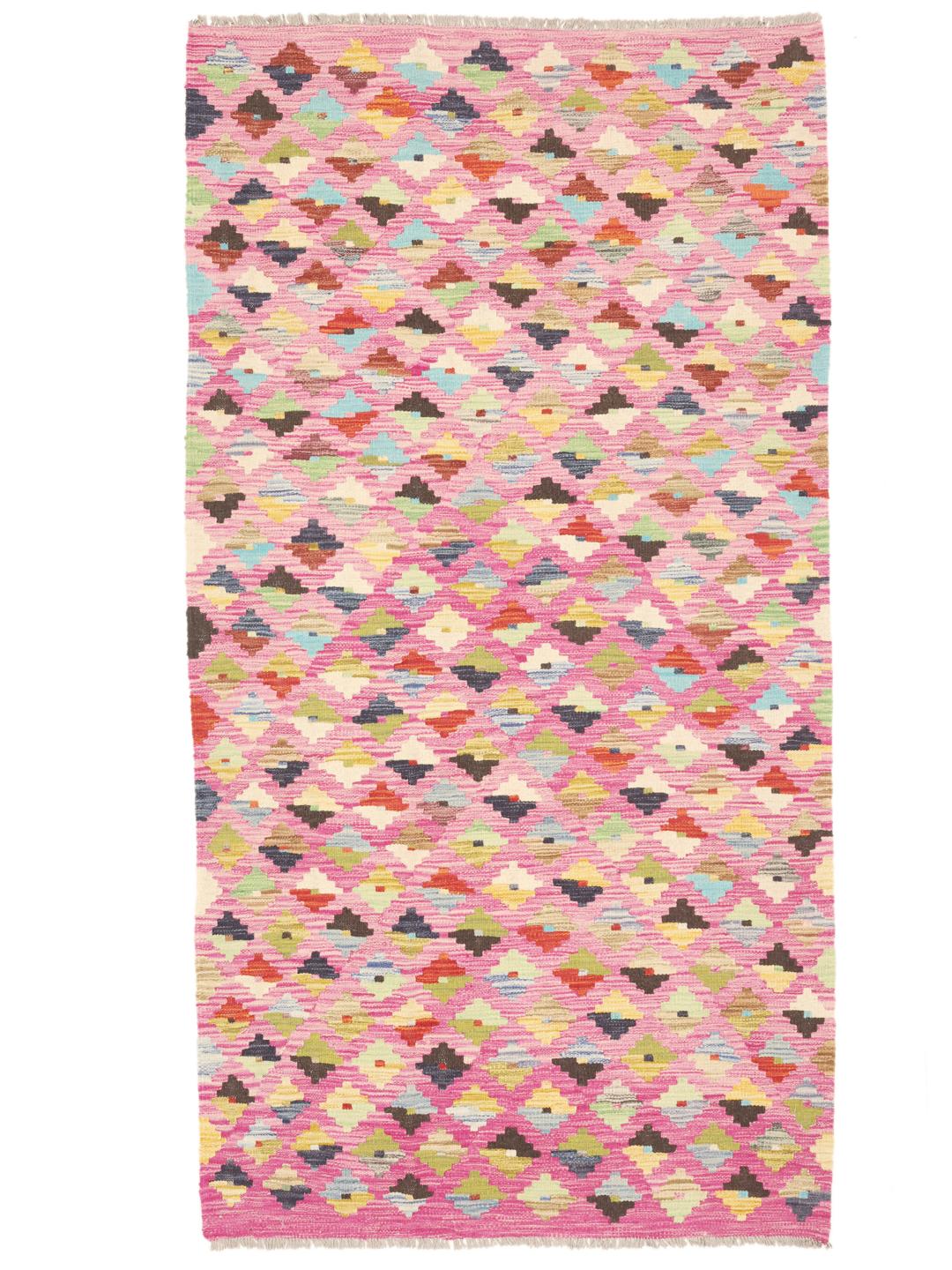
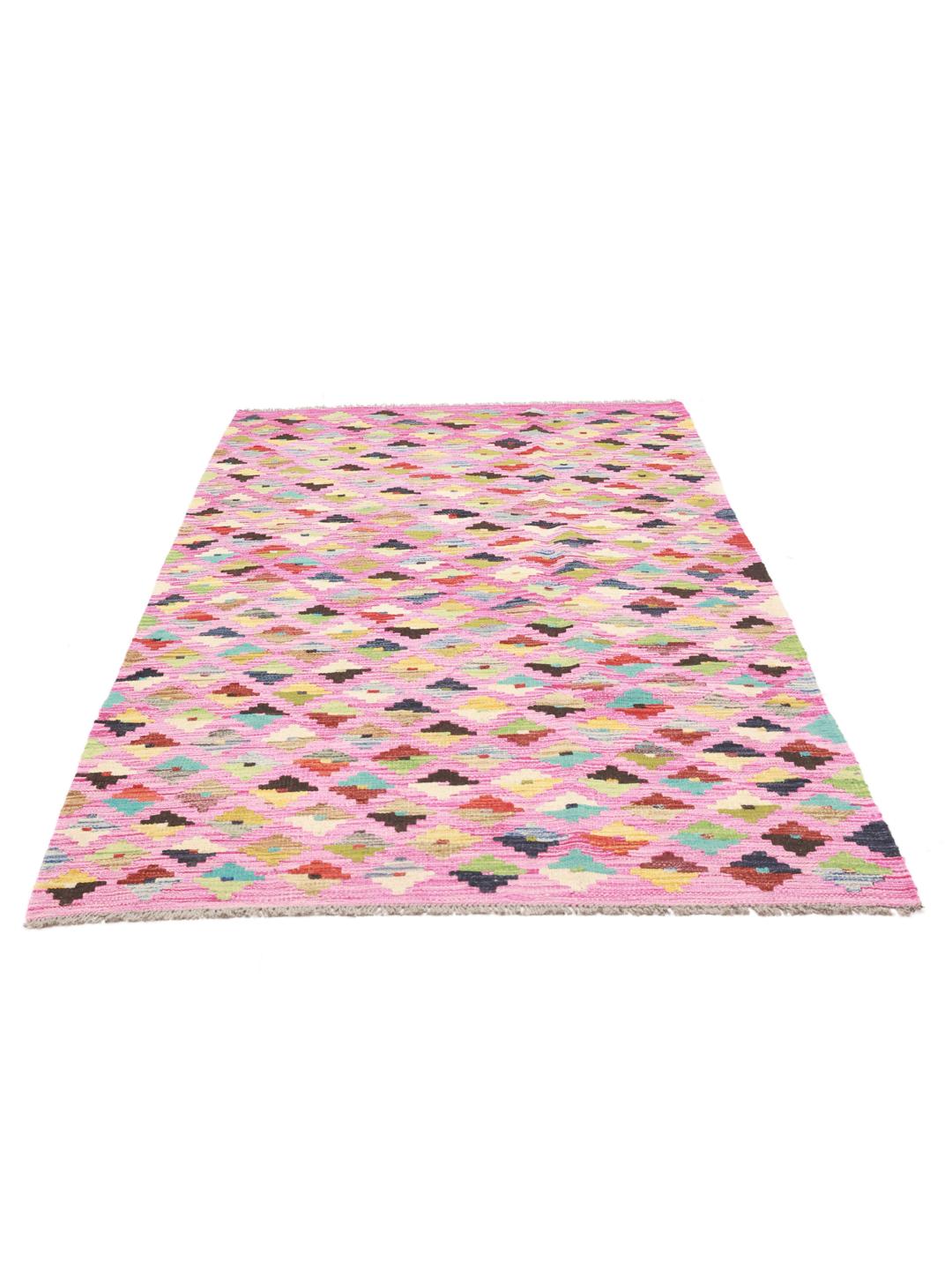
The Kelim Afghan tradition is deeply rooted in the history of the Middle East, where these flat-woven textiles have served functional and artistic purposes for centuries. Originally created by nomadic and semi-nomadic tribes, these rugs were designed to be portable, durable, and versatile, acting as floor coverings, wall hangings, and even storage sacks. Today, they are celebrated for their ability to bridge the gap between ancient tribal artistry and modern home aesthetics.
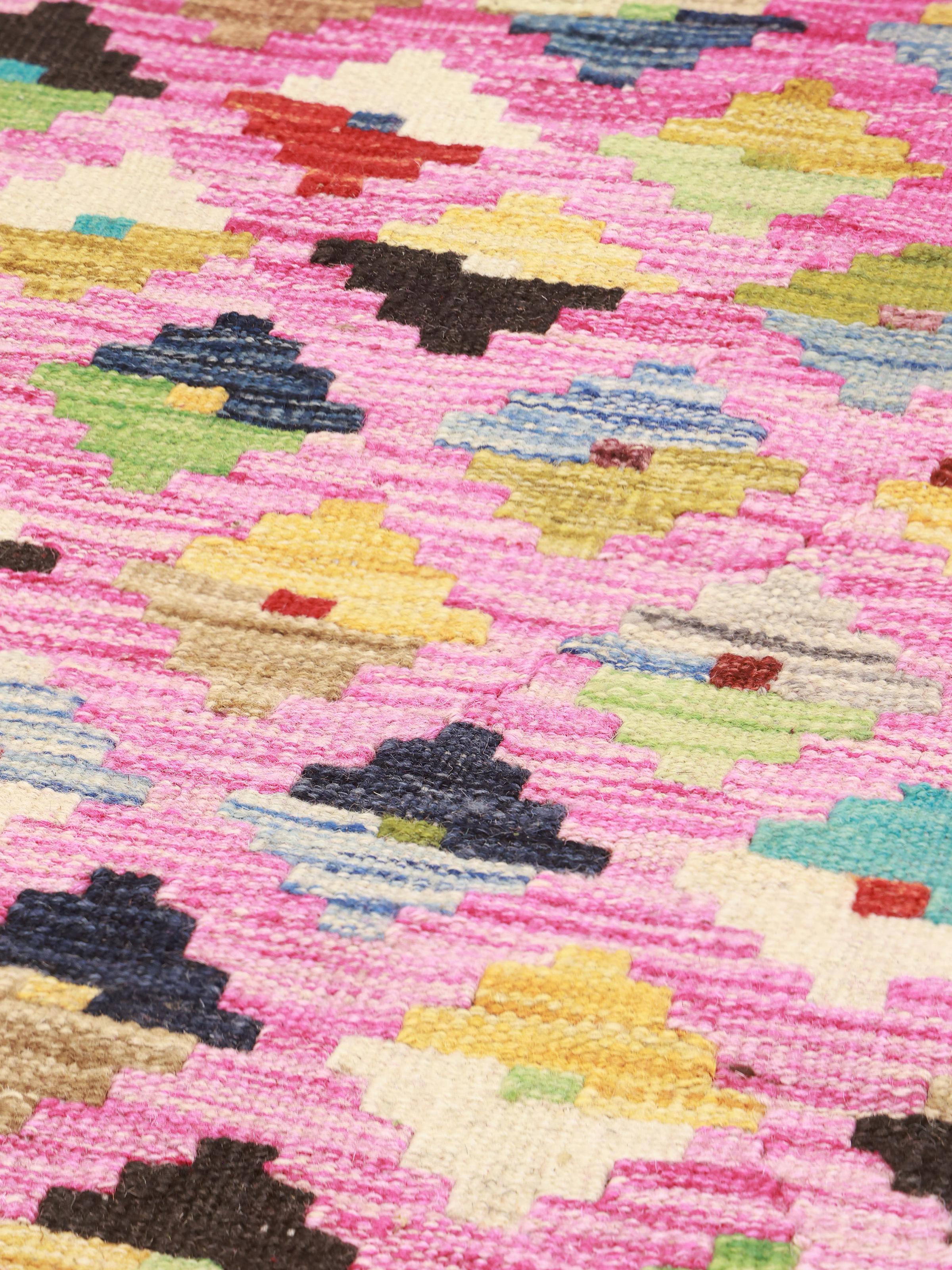
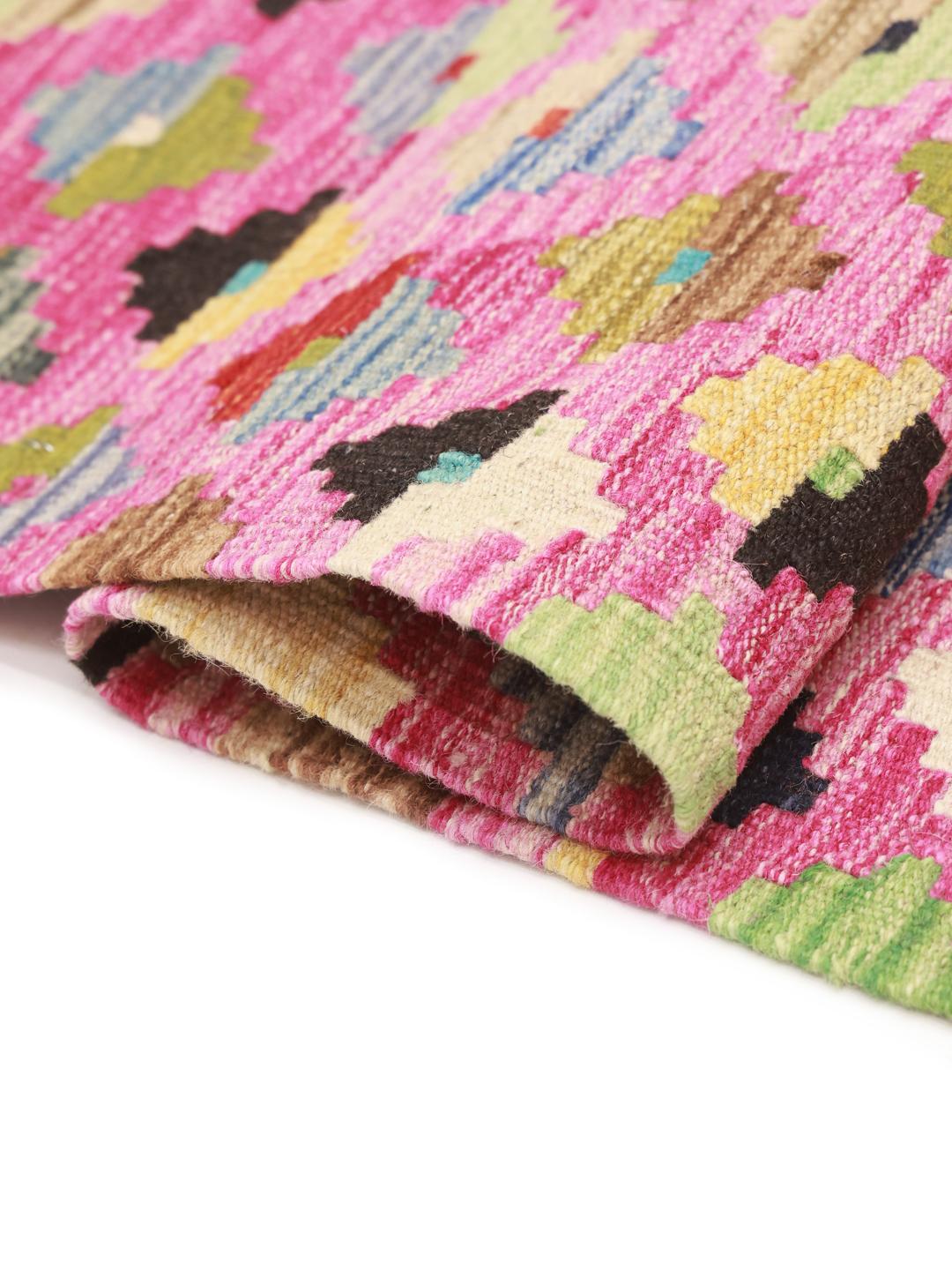
The term 'Kelim' refers specifically to the flat-weaving technique where the weft strands are pulled tightly to conceal the warp, creating a smooth surface with no pile. This requires a high degree of precision from the weaver, as the pattern must be perfectly aligned during the creation process. This method results in a durable, reversible rug that is lightweight yet incredibly strong, making it ideal for various household uses.
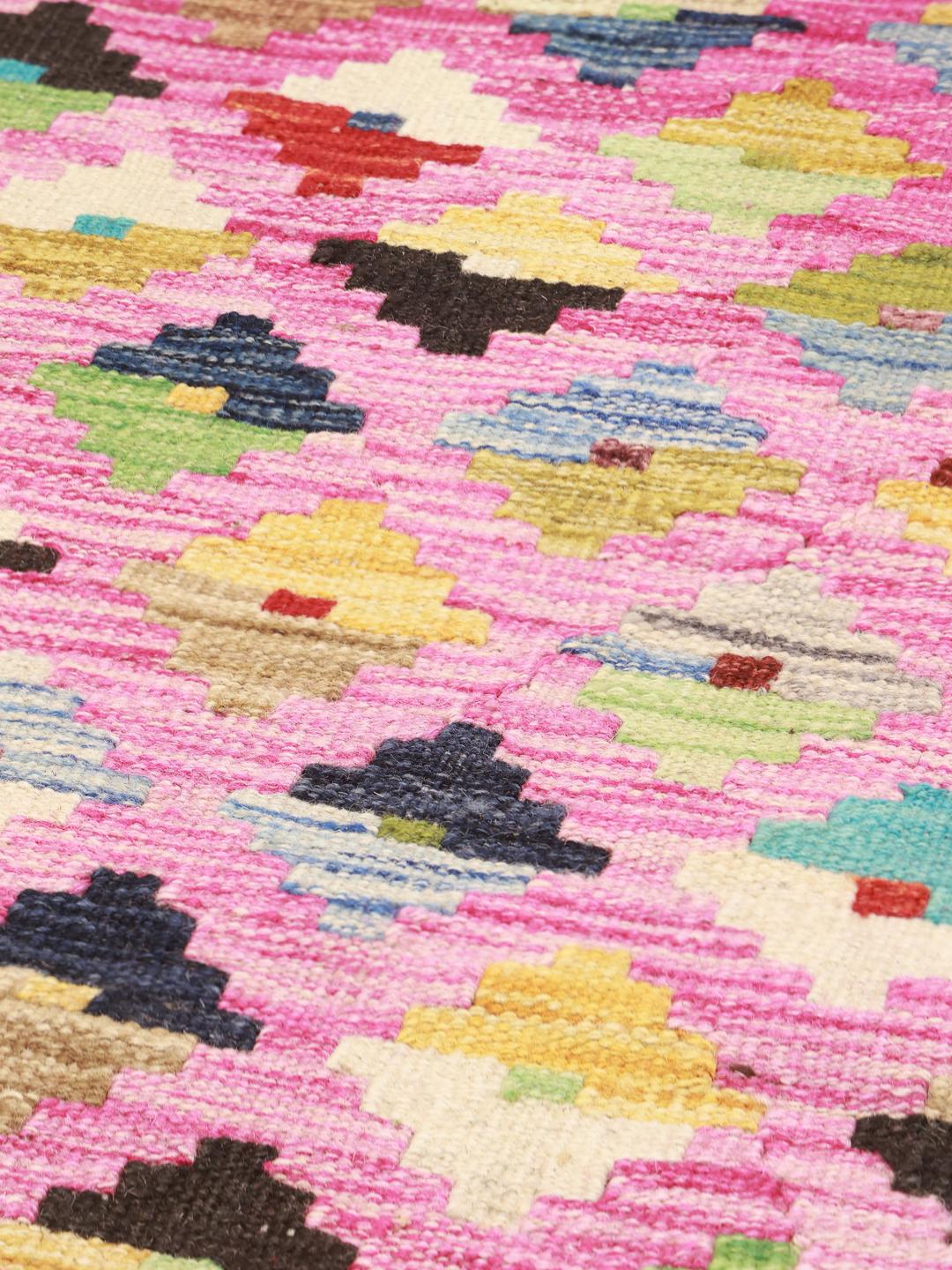
Visually, these rugs are defined by their geometric motifs and bold, earthy palettes. The patterns often feature diamonds, triangles, and stepped shapes that carry symbolic meaning, often representing protection or the natural environment of the weaver. The use of vibrant, contrasting colours is a hallmark of the Afghan style, which distinguishes these pieces from other regional flat-weaves and highlights the creativity of the artisans.
Collecting a Kelim from this region is an opportunity to own a piece of living heritage. These rugs are valued not only for their aesthetic beauty but also for the skill required to produce them without the aid of modern machinery. Owning one is a testament to the endurance of traditional craft and a way to introduce a sense of history and human connection into a contemporary living environment.