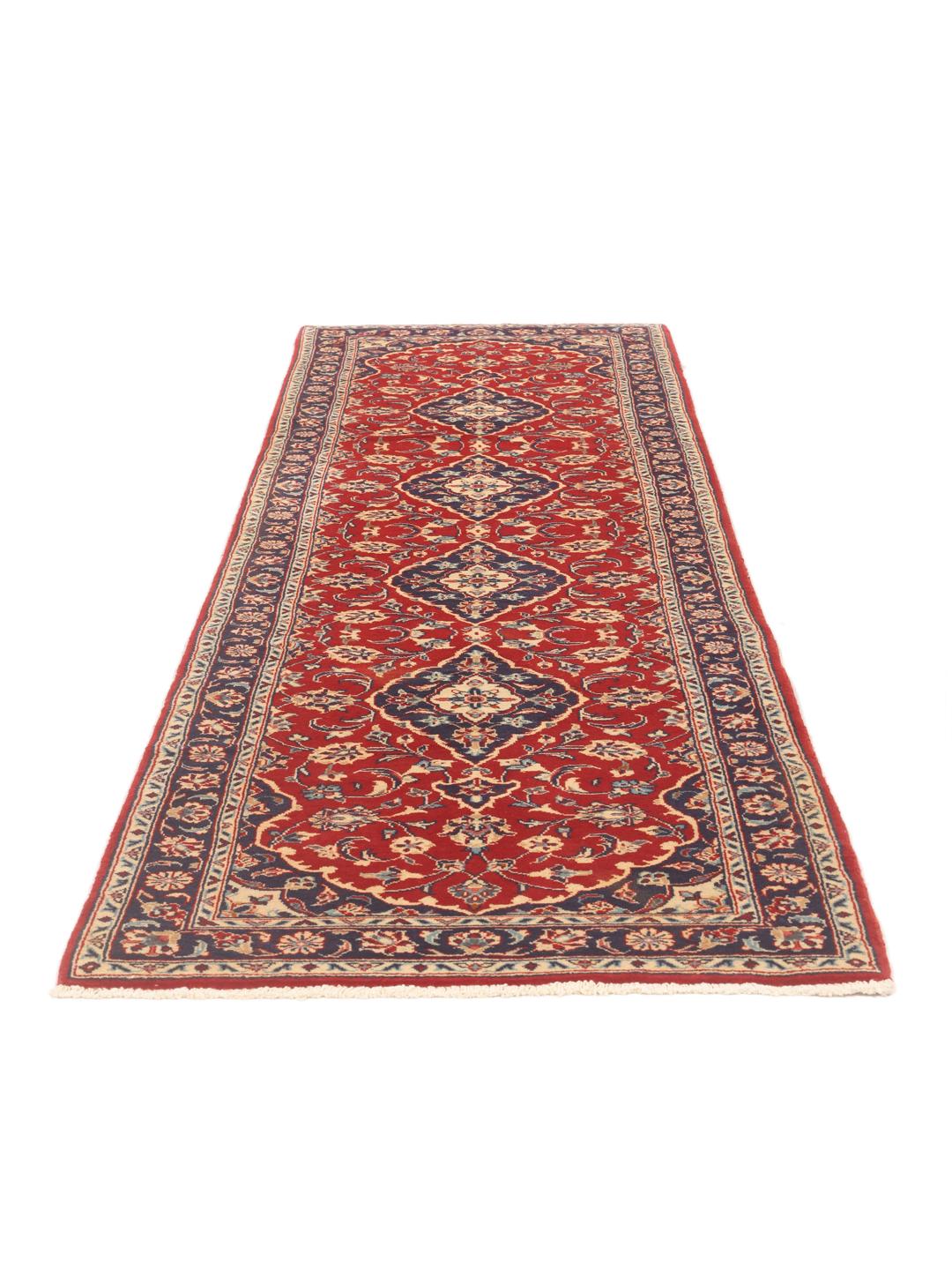
The Keshan rug tradition finds its roots in the historic Middle Eastern city of Kashan, a centre of textile production that has flourished for centuries. Historically, this region was a vital stop on the Silk Road, which allowed artisans to exchange techniques and design influences with weavers from across the continent. This cultural crossroads fostered a unique style that balances structural formality with flowing, organic beauty.
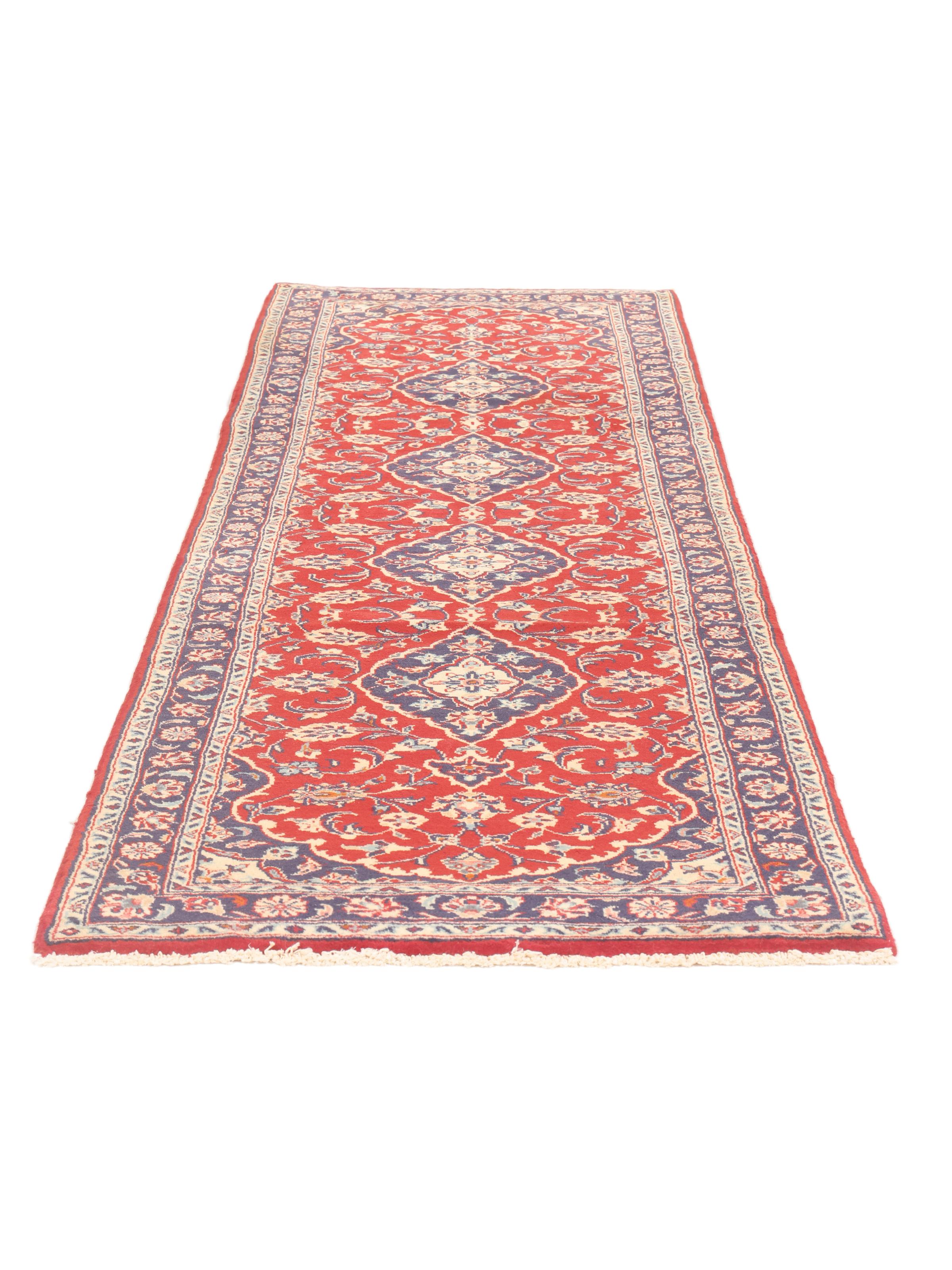
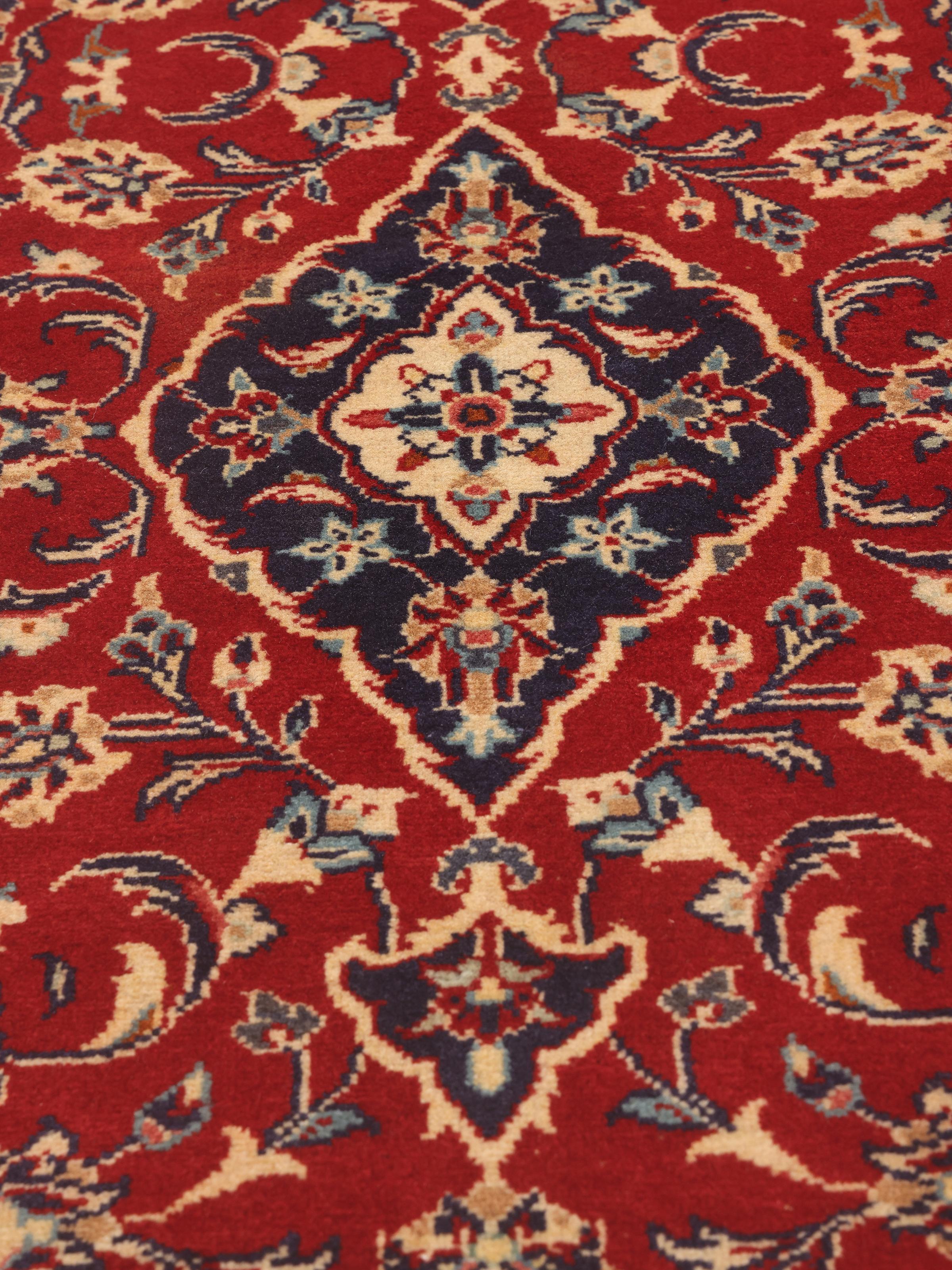
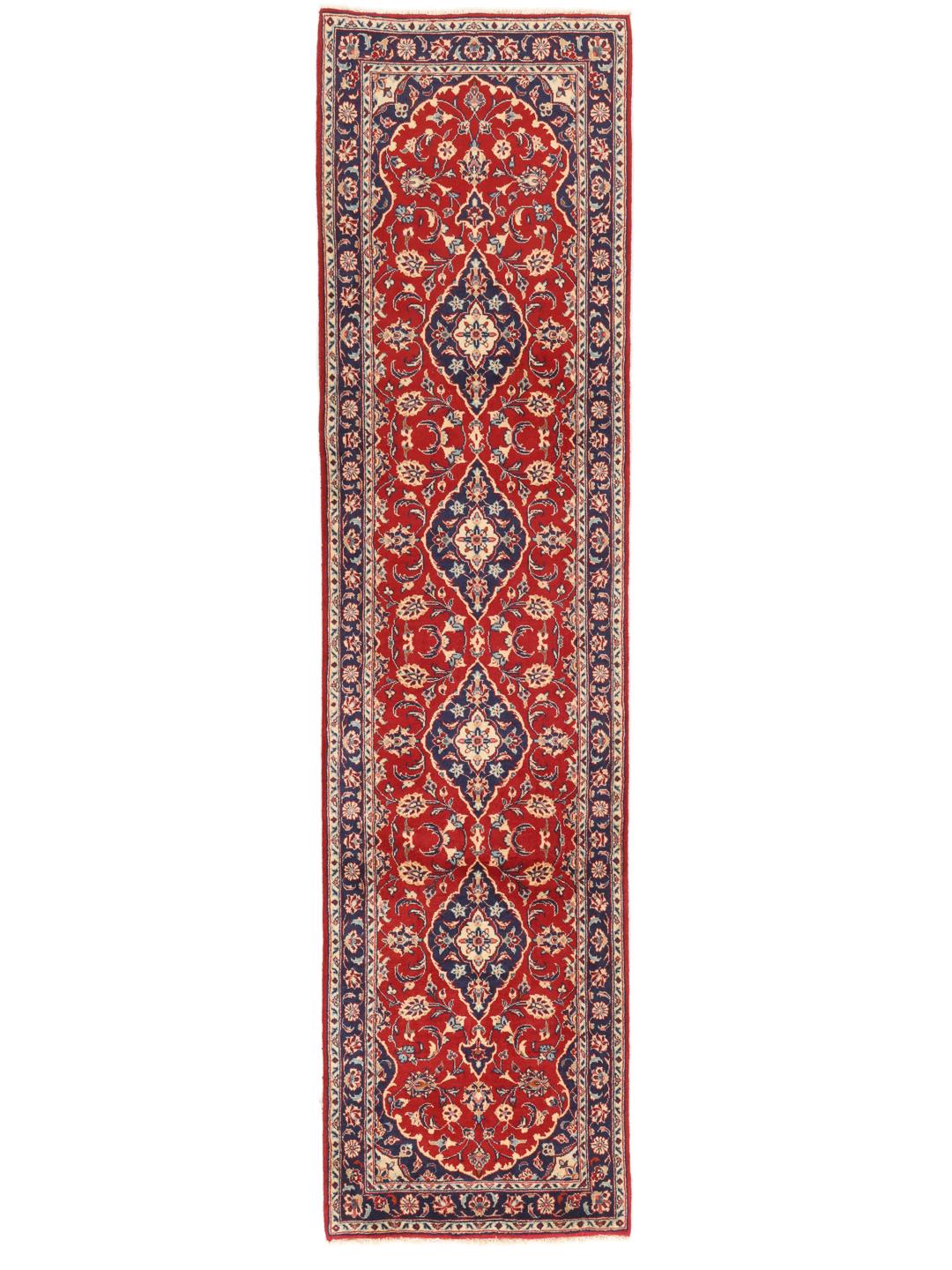
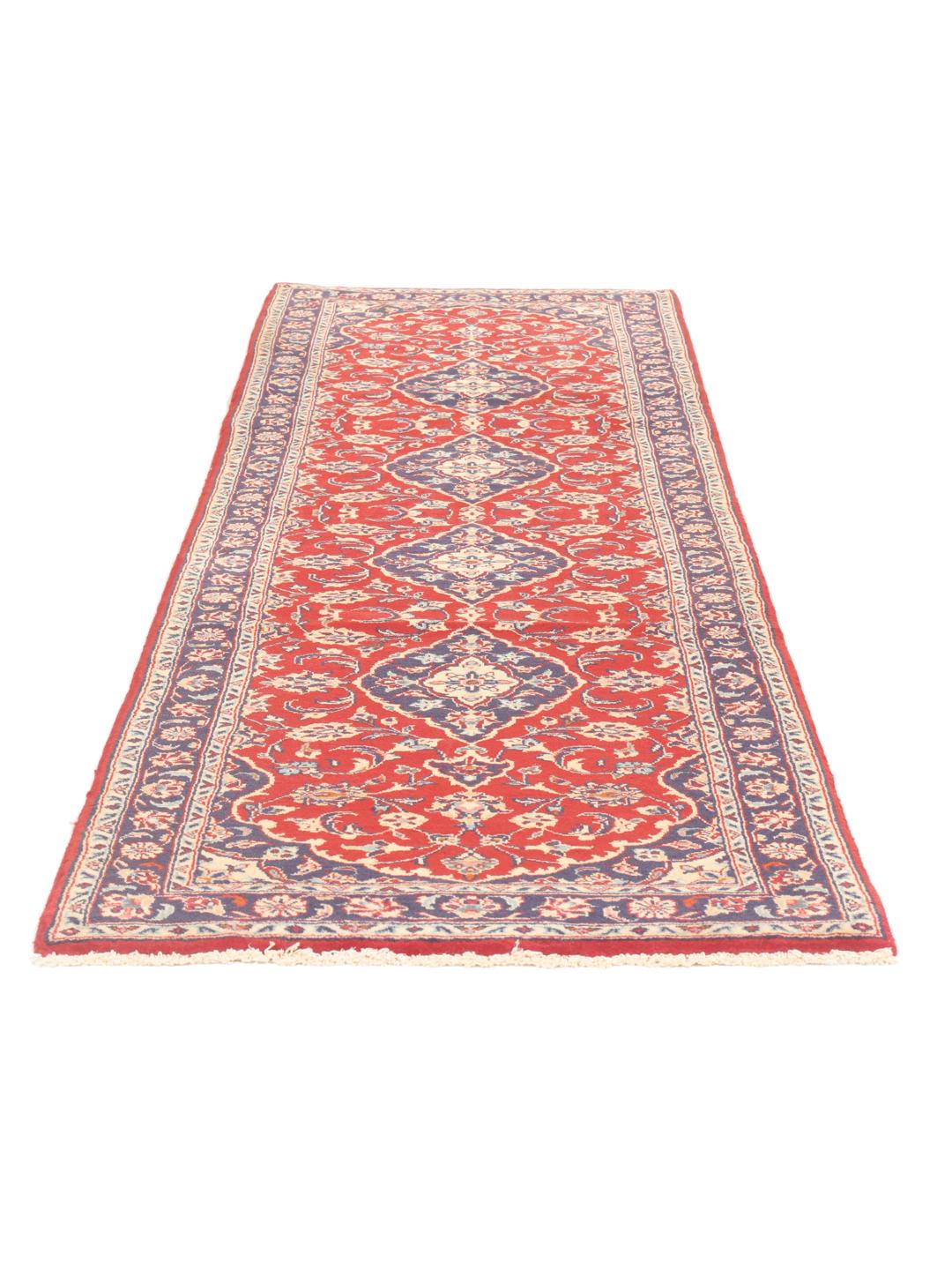
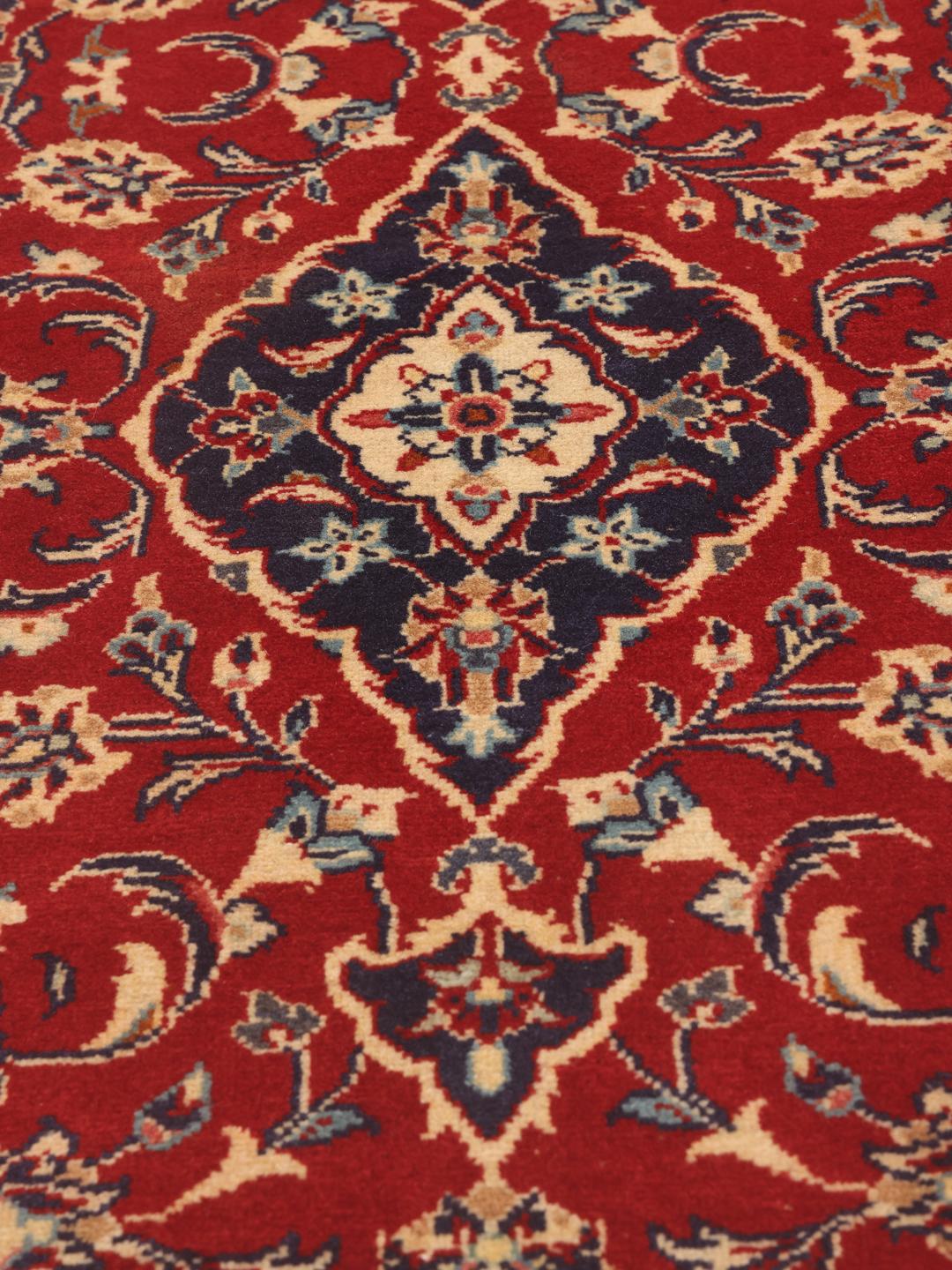
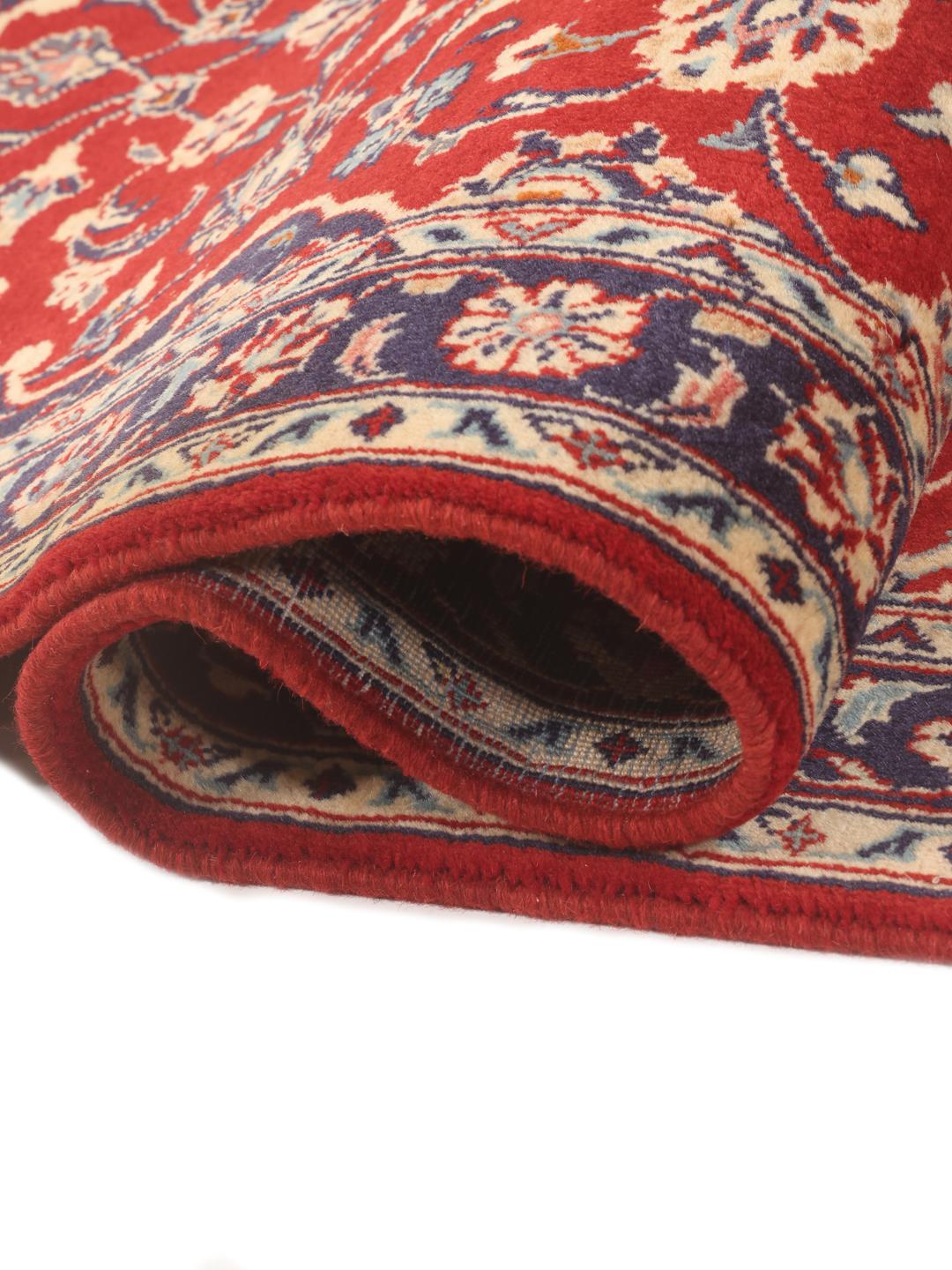
A defining feature of the Keshan style is the intricate relationship between the field and the border. These rugs are renowned for their sophisticated use of space, often featuring a central medallion that is mirrored or echoed by stylized floral scrolls and vine motifs. The technical term for this style often refers to the precision of the knotting, which allows for the fluid, elegant lines that define these iconic patterns.
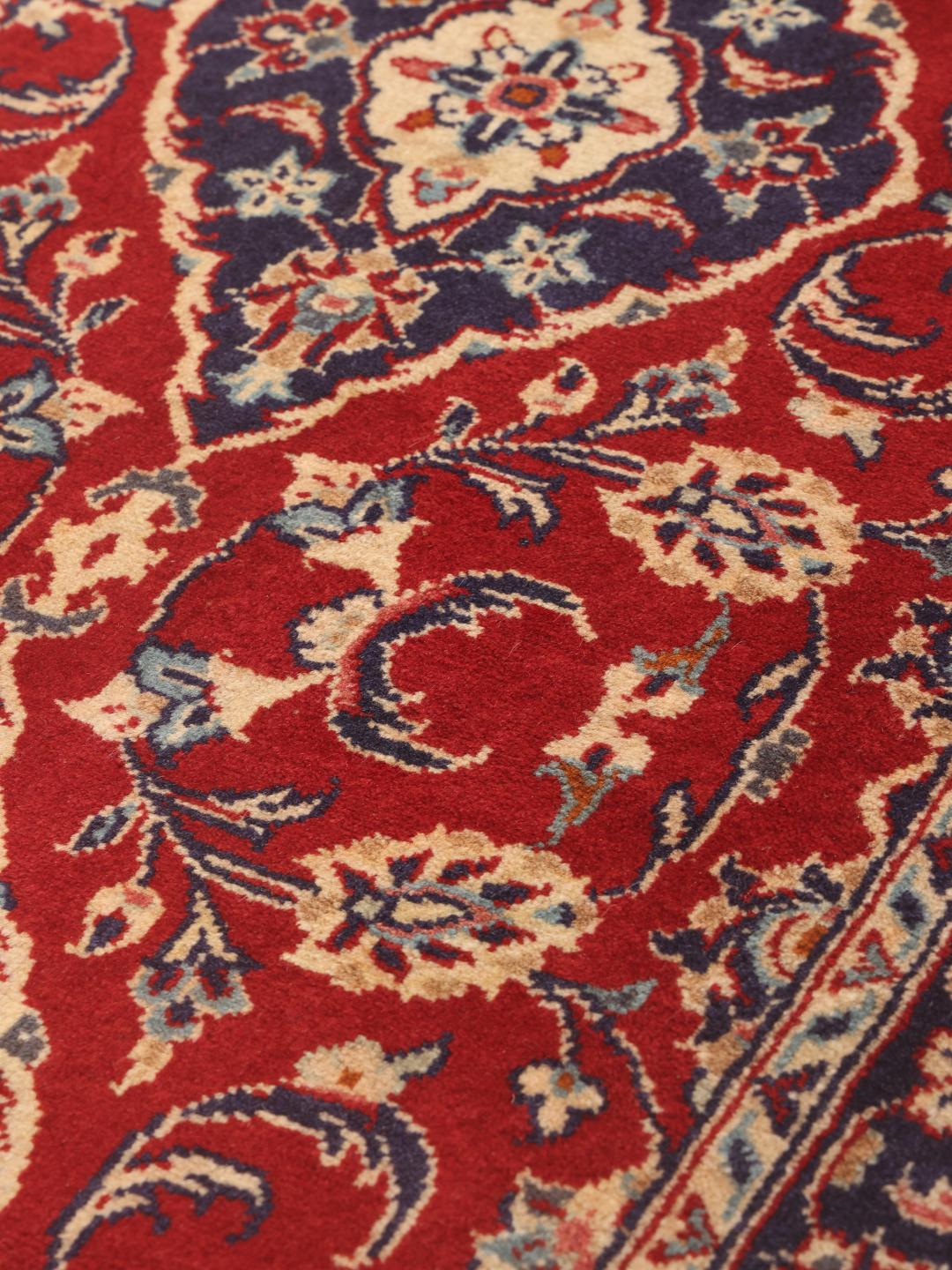
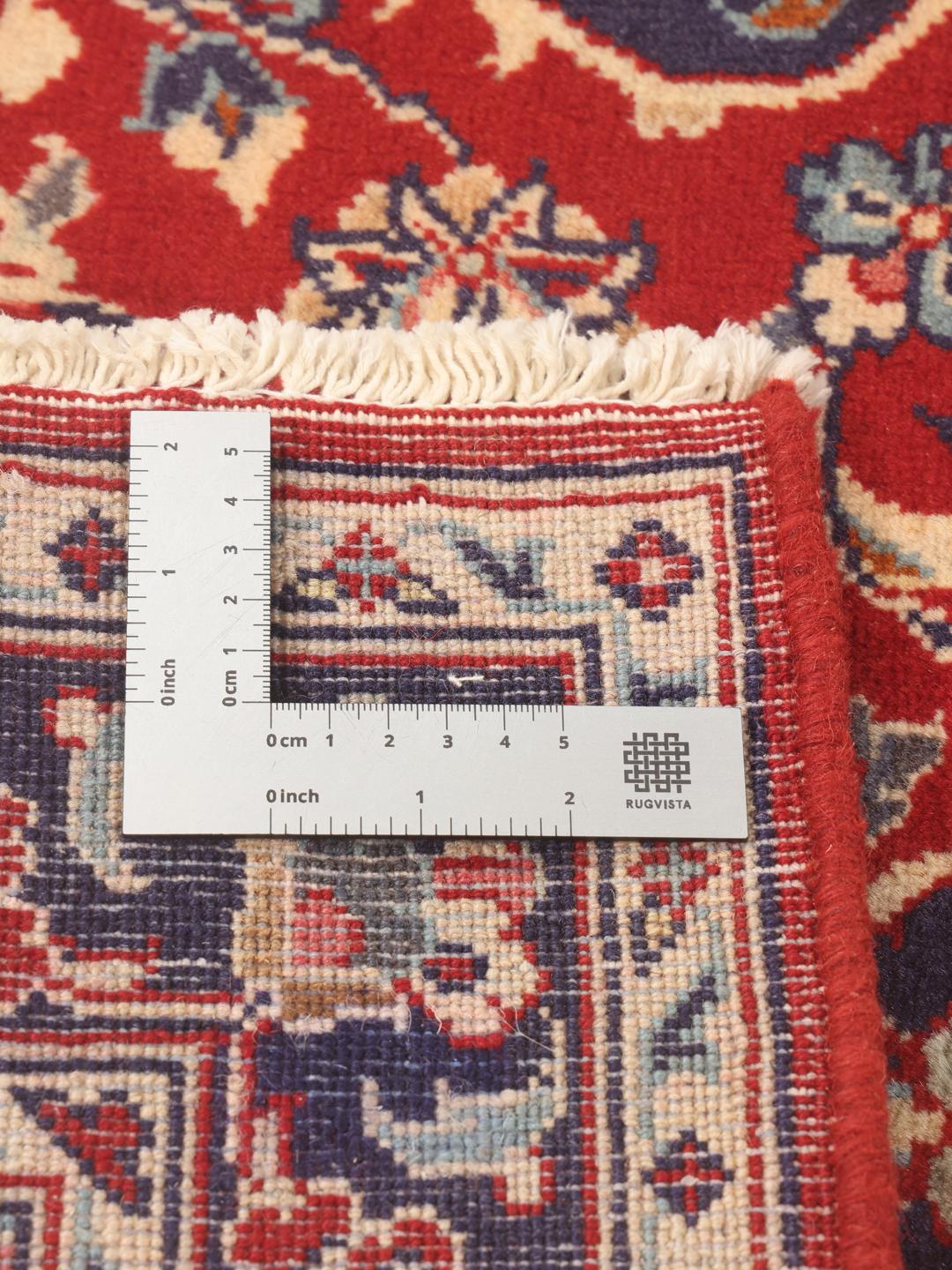
Design elements in a Keshan rug are deeply symbolic and rooted in a long history of artistic expression. The floral patterns, often referred to as Shah Abbas designs, are characterised by palmettes, rosettes, and scrolling vines that create a sense of endless motion. The deep red and blue tones are traditional staples of the region, chosen for their ability to hold colour beautifully over time and provide a rich contrast that highlights the complexity of the design.
Collectors and design enthusiasts value Keshan rugs for their ability to serve as a bridge between historical tradition and modern living. Owning a piece from this lineage is an appreciation of a craft that has been passed down through generations. These rugs are not merely floor coverings but are regarded as cultural artifacts that retain their beauty and value, serving as a testament to the enduring skill of the artisans who created them.