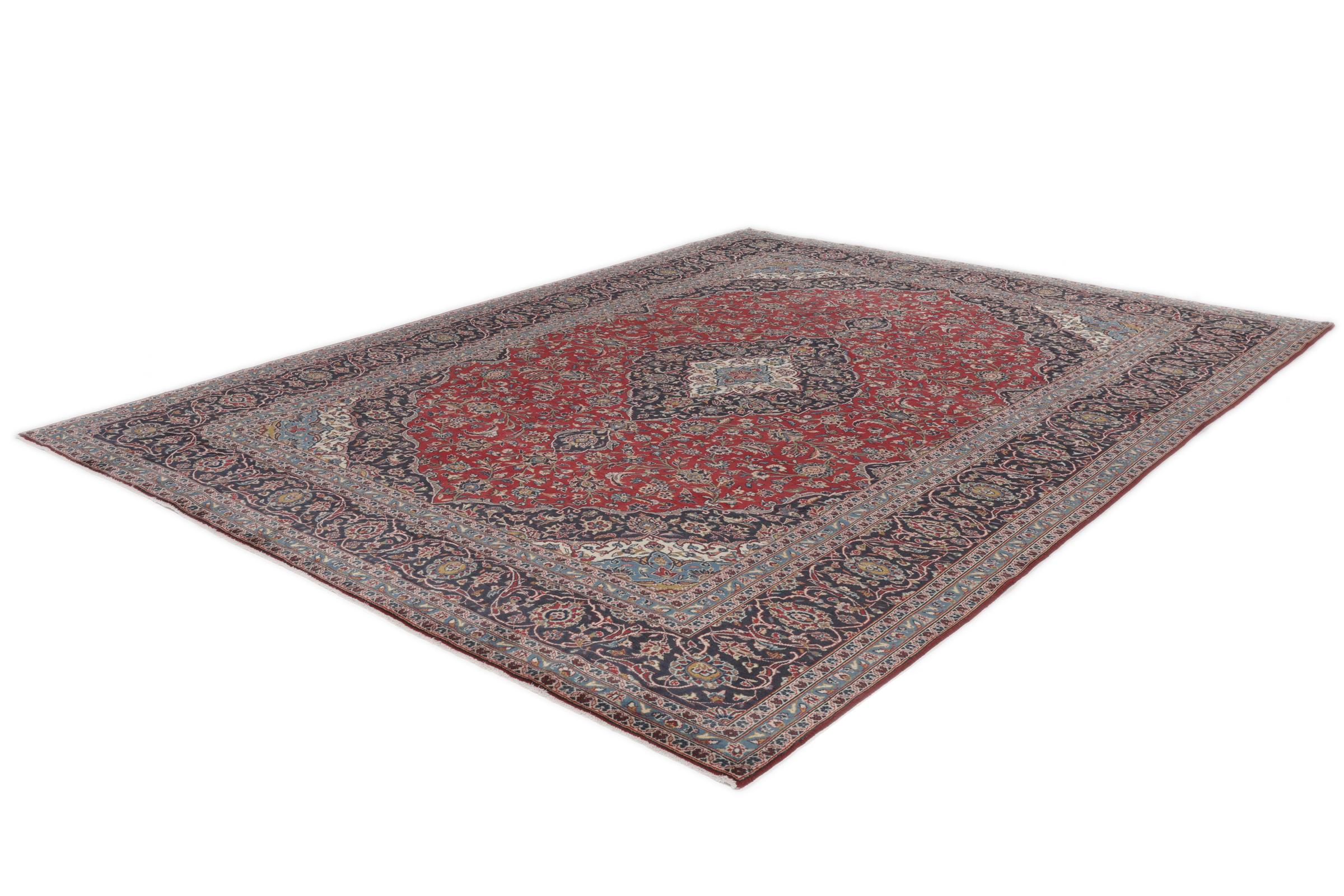
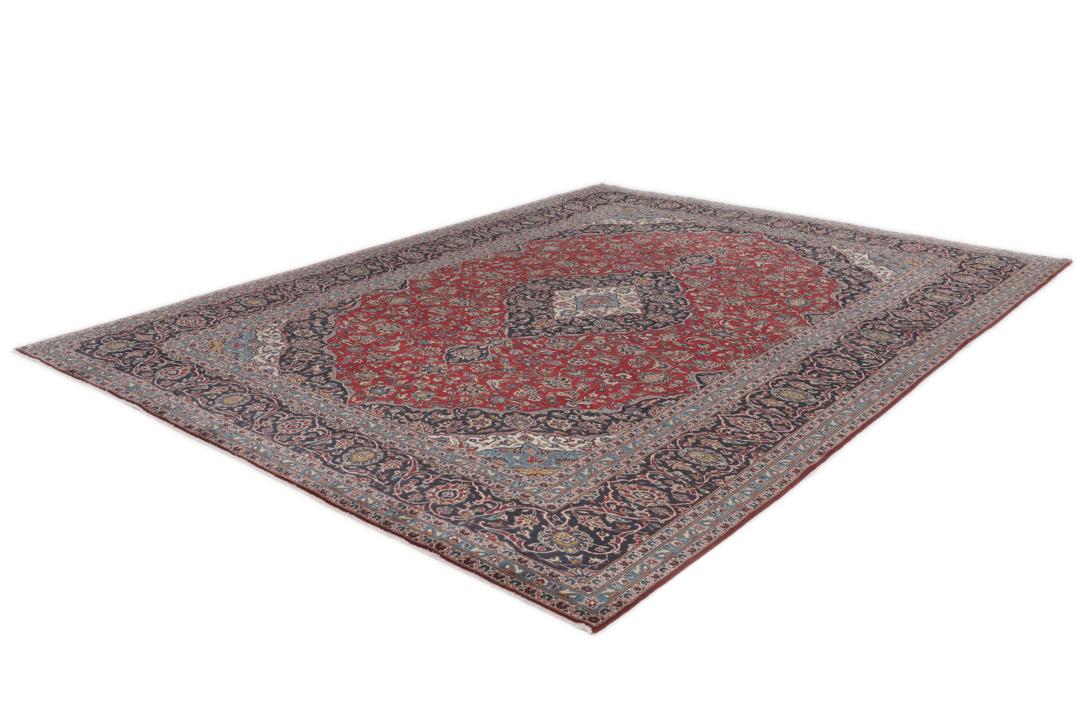
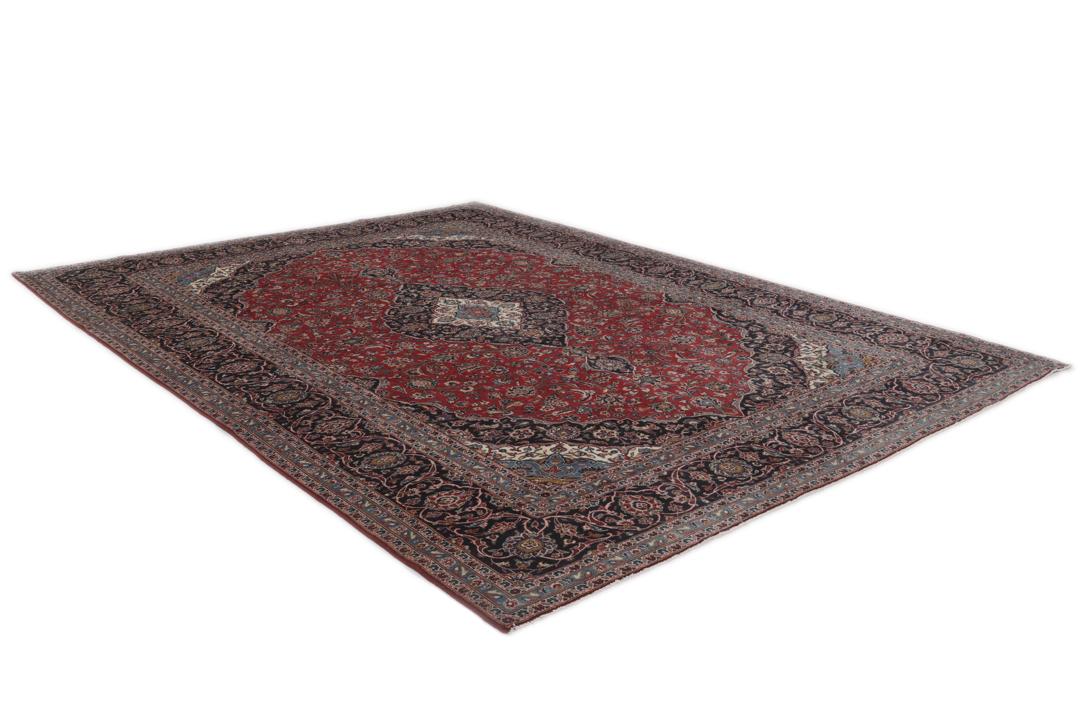
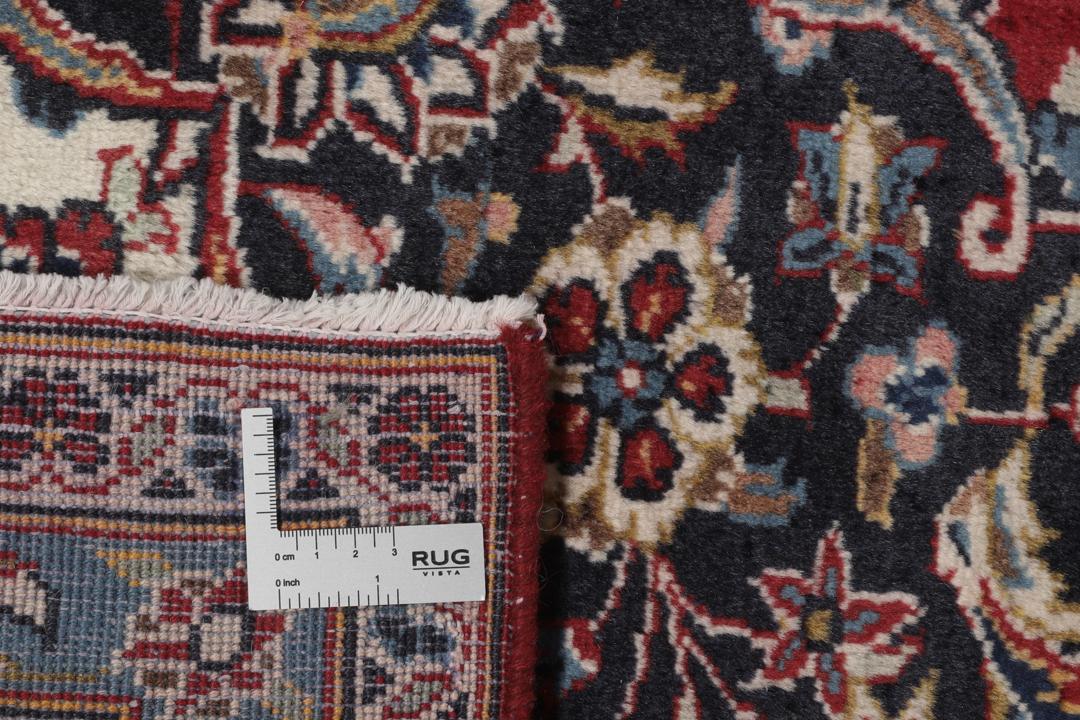
The Keshan rug tradition originates from the historic city of Kashan in the Middle East, a region long celebrated for its contributions to textile arts. Historically, these rugs were favoured by royalty and the elite, known for their exceptional craftsmanship and the use of the finest materials available. Today, this tradition continues to represent the pinnacle of regional weaving, bridging the gap between historical grandeur and modern home living.
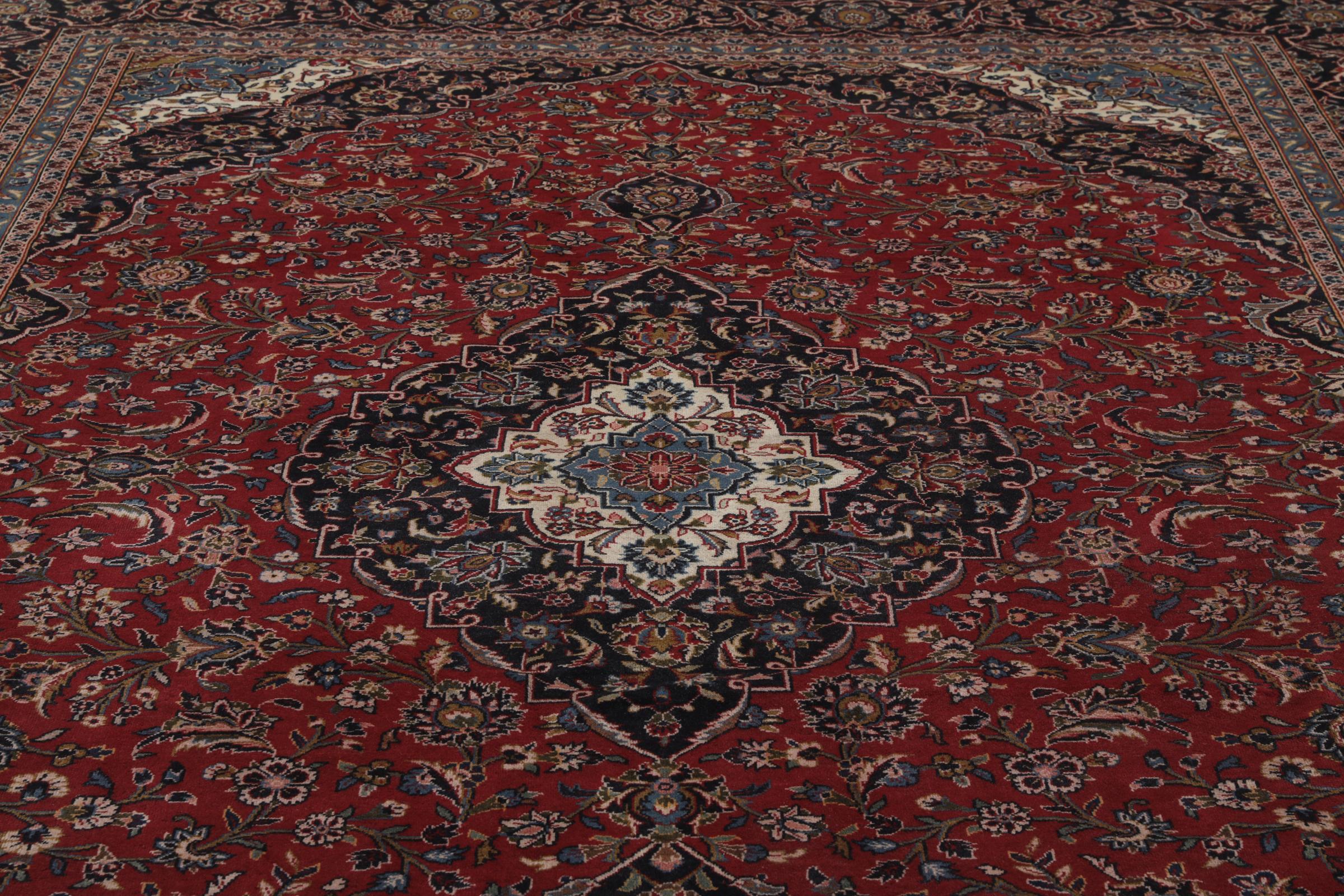
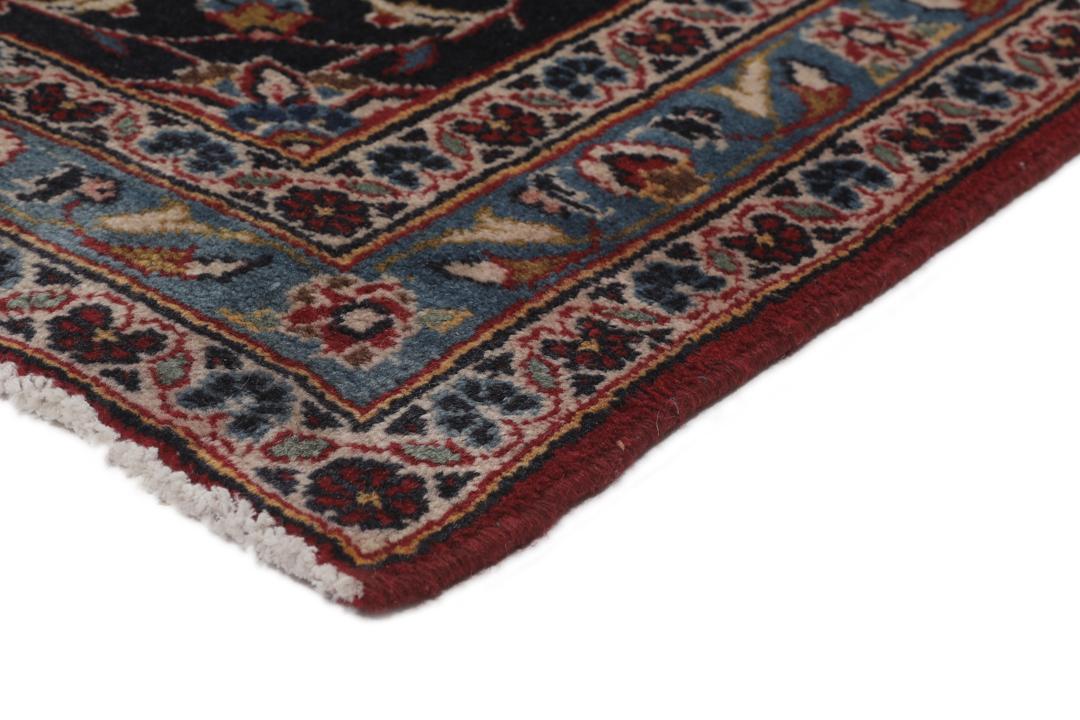
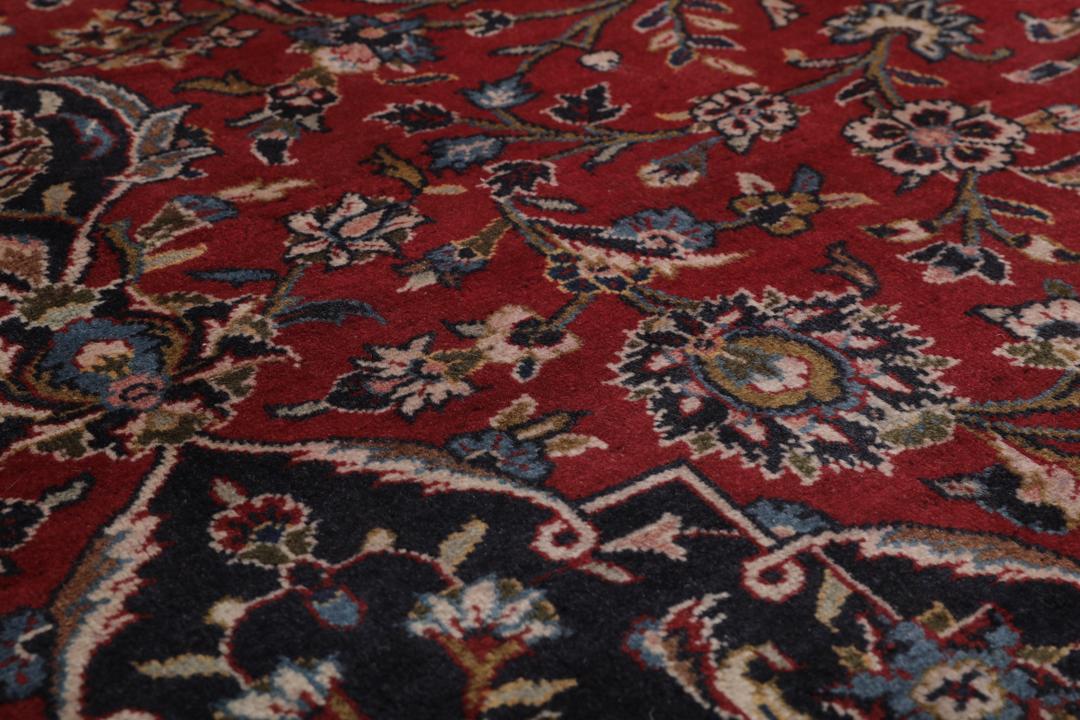
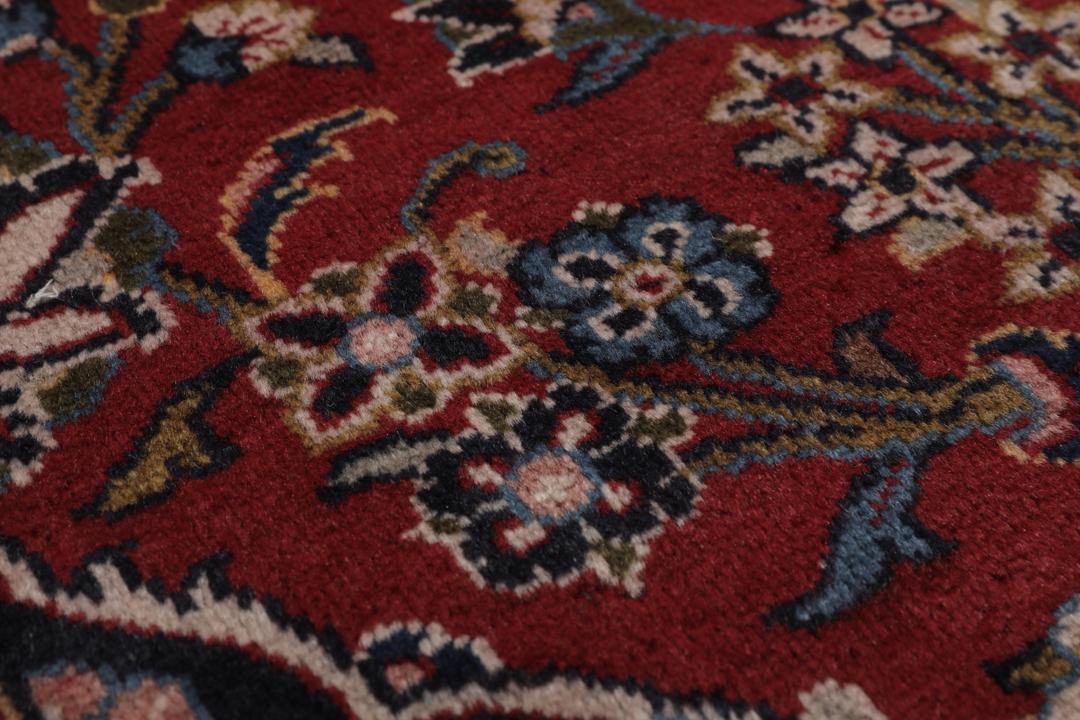
The term hand-knotted refers to the traditional technique where each knot is individually tied by hand onto the foundation. This method is the hallmark of high-quality weaving, as it allows for intricate designs and a durable, lasting pile. The density of these knots directly influences the clarity of the patterns, which is why rugs from this tradition are so highly prized for their aesthetic precision.
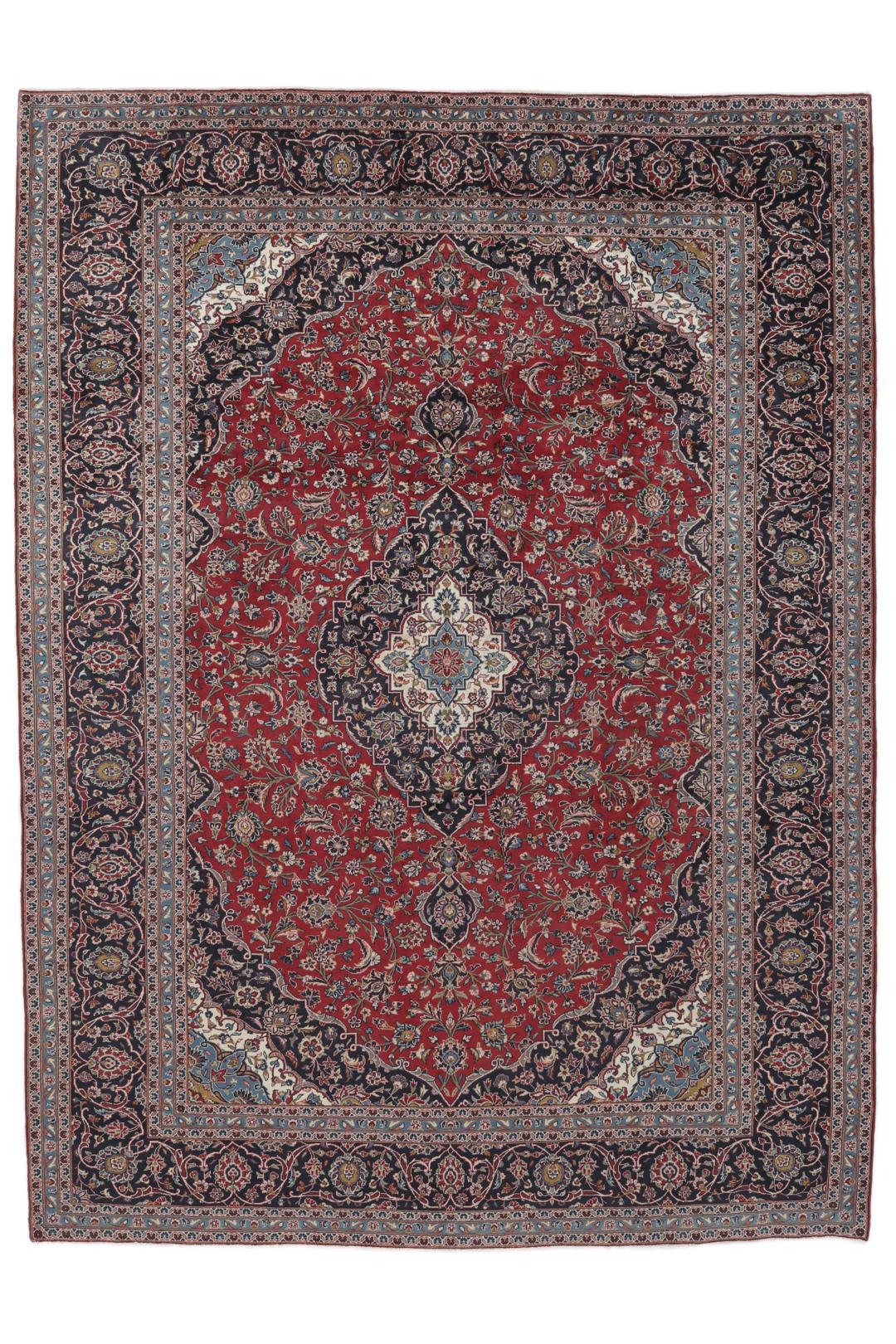
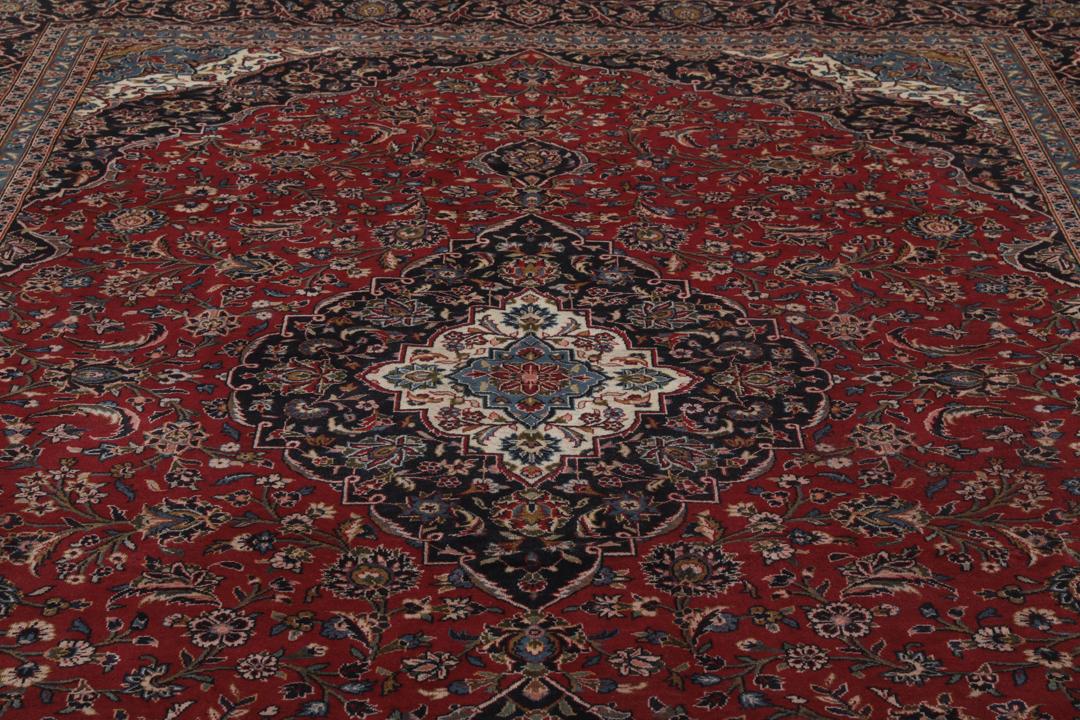
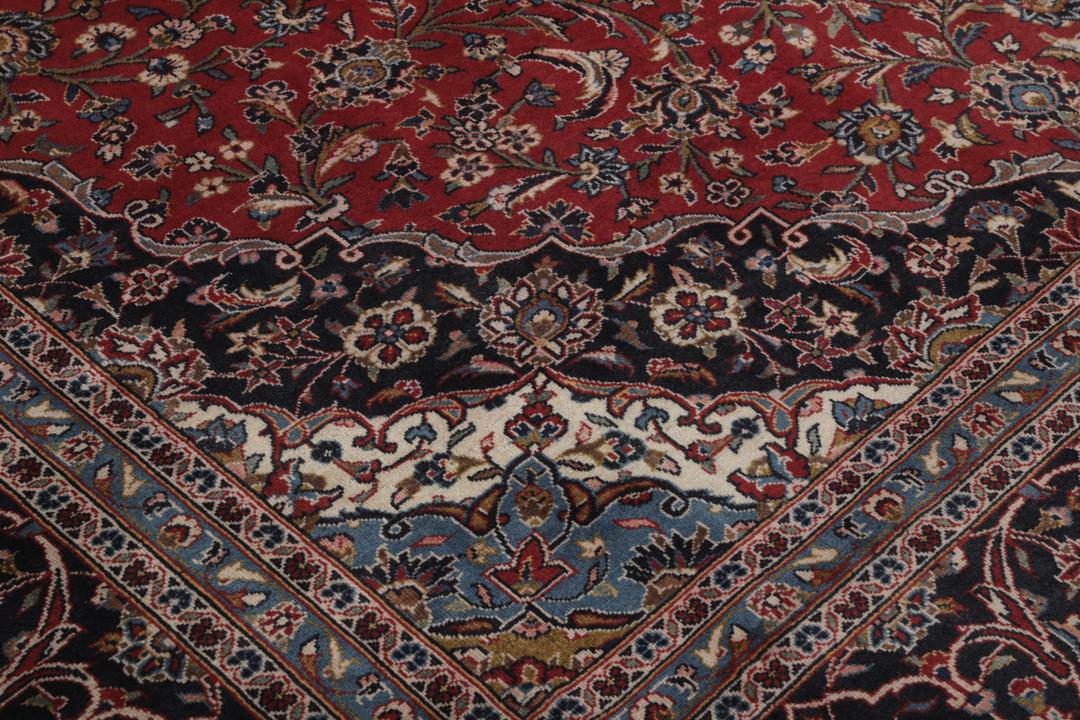
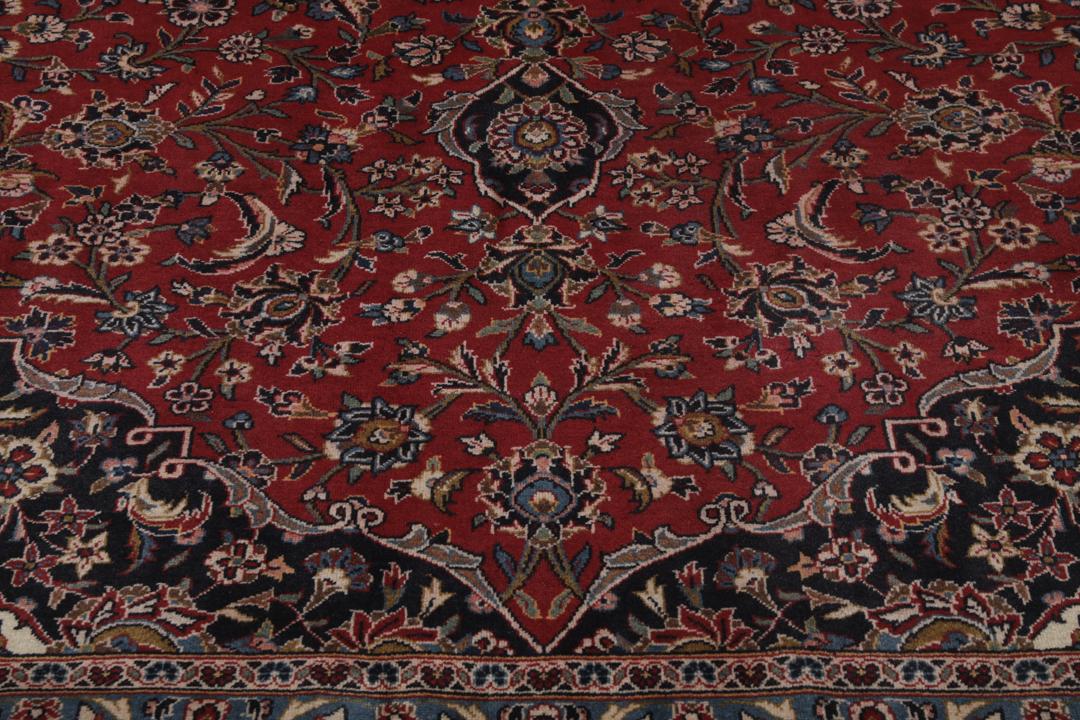
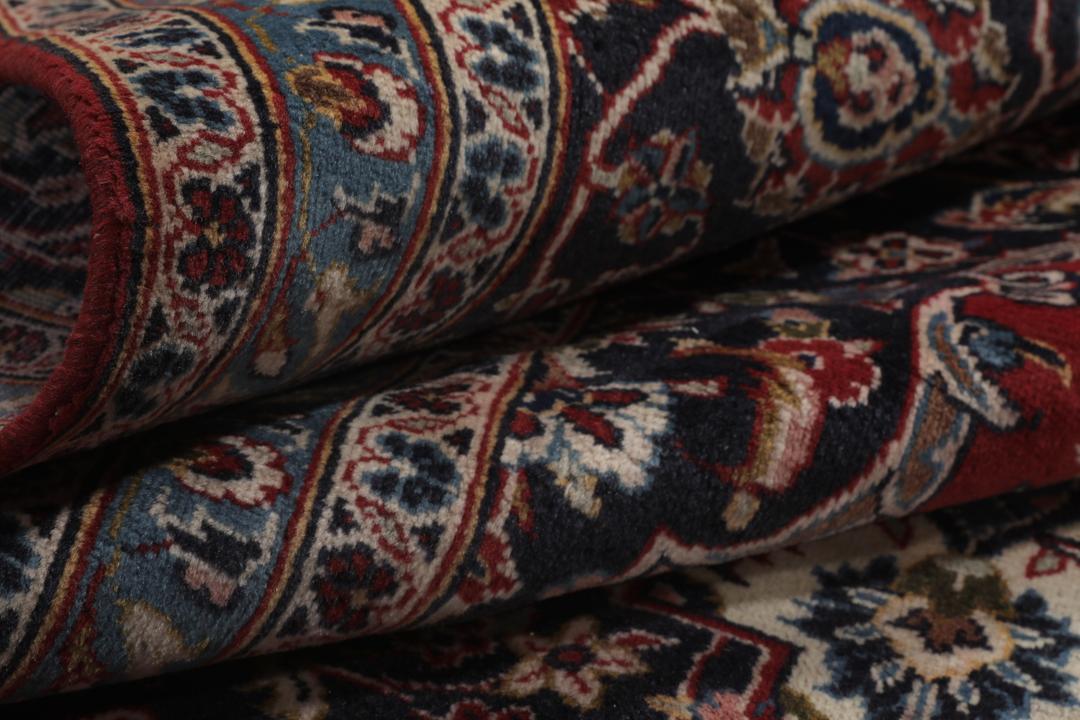
Signature design elements of a classic Keshan rug often include a central medallion surrounded by a field of flowing floral sprays, vines, and palmettes. This symmetrical, balanced composition is enclosed by a formal, multi-layered border. The depth of colour, particularly the use of deep reds and blues, is a classic characteristic that creates a sense of harmony and sophistication in any interior setting.
Collectors value these rugs for their immense cultural significance and the skill required to produce them. Owning a piece from this tradition is an investment in heritage, representing a connection to a long line of master weavers. It is a way to bring a sense of history and genuine craft into a contemporary home, ensuring that the legacy of these beautiful designs lives on.