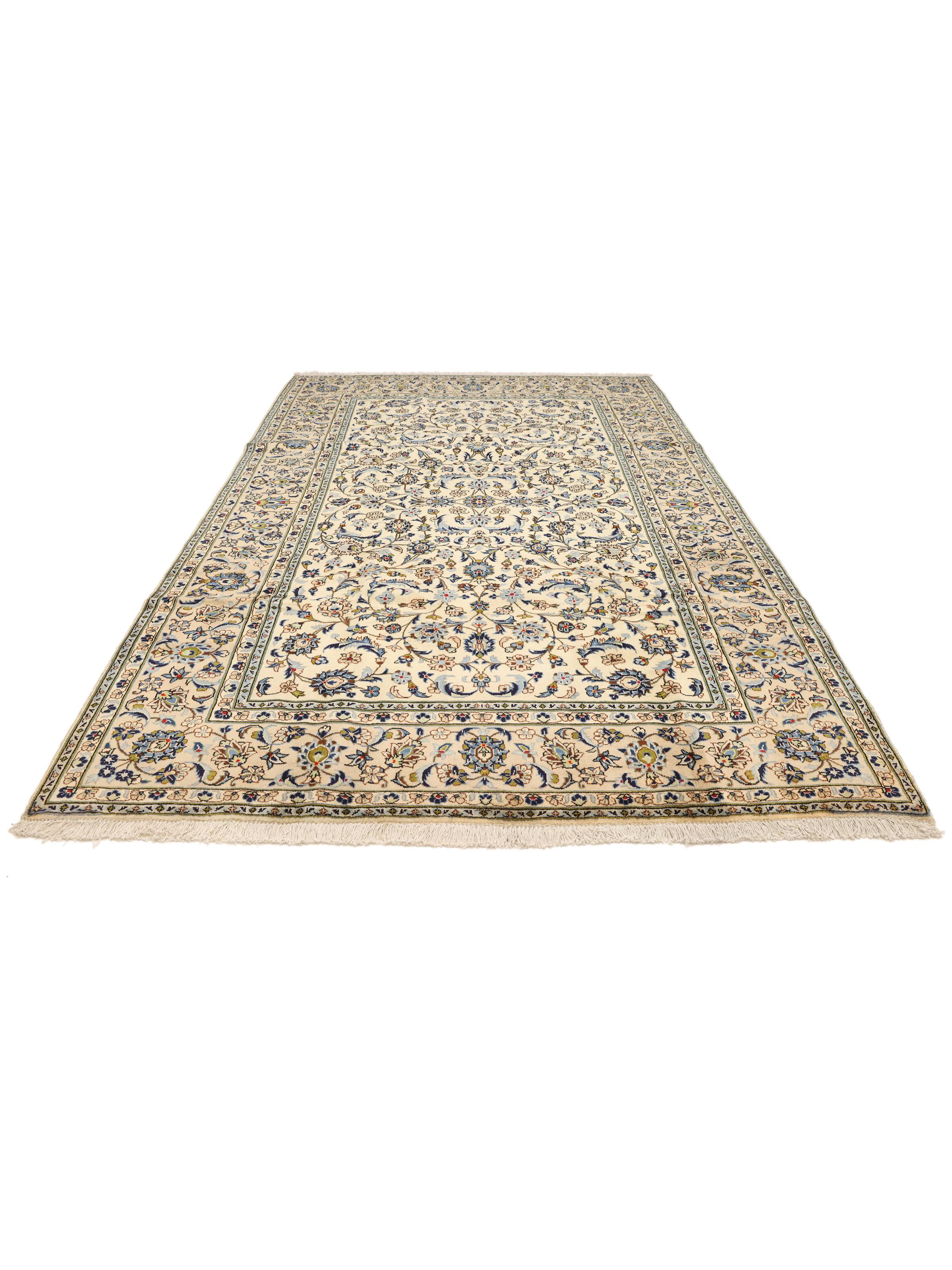
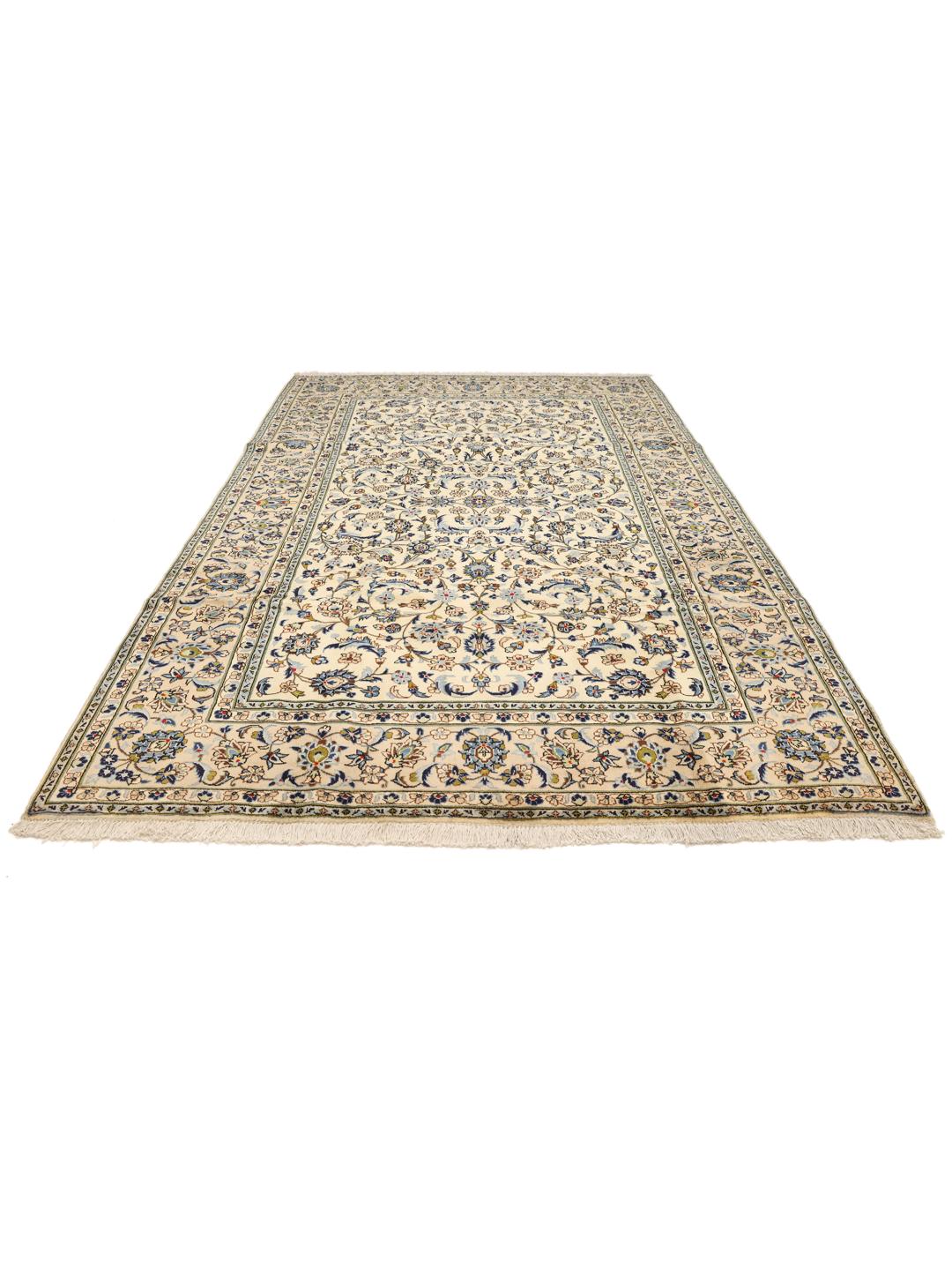
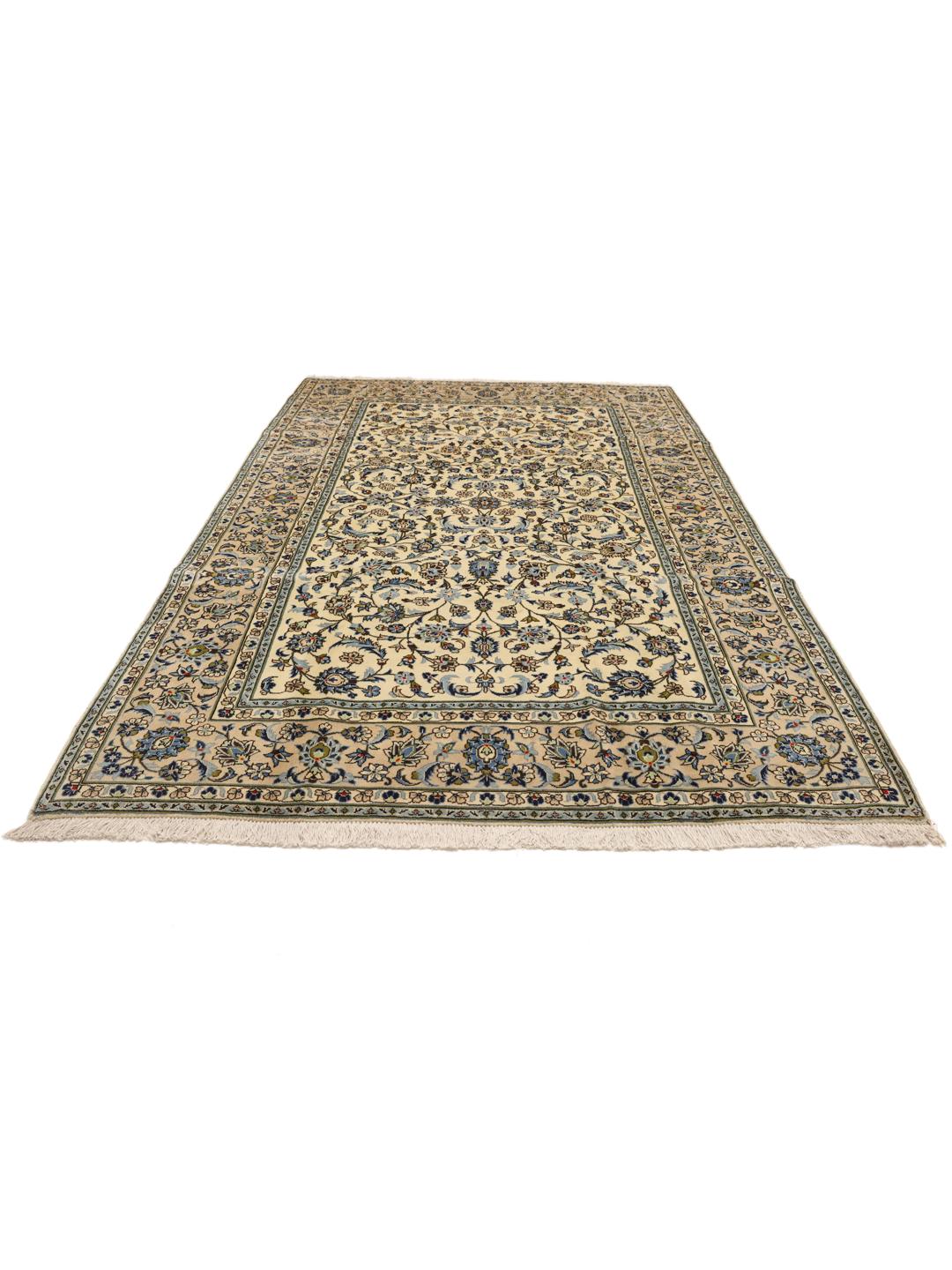
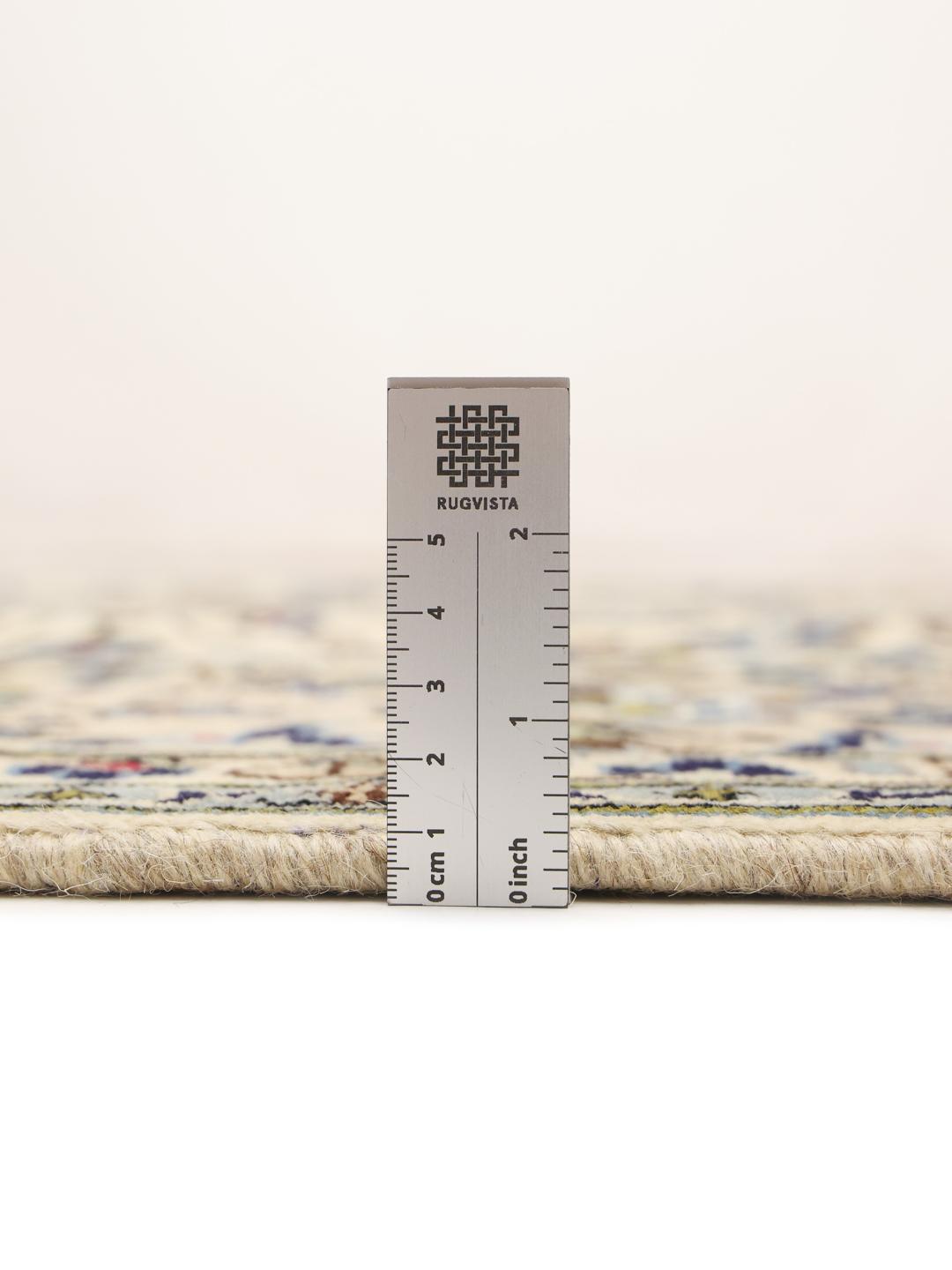
The Keshan rug tradition finds its roots in the historic city of Kashan, located in the Middle East. This region has served as a vital hub for textile production for centuries, benefiting from its location on major trade routes. The rugs from this area are renowned for their historical significance, often drawing inspiration from the architectural details and garden layouts that have defined the local culture for generations.
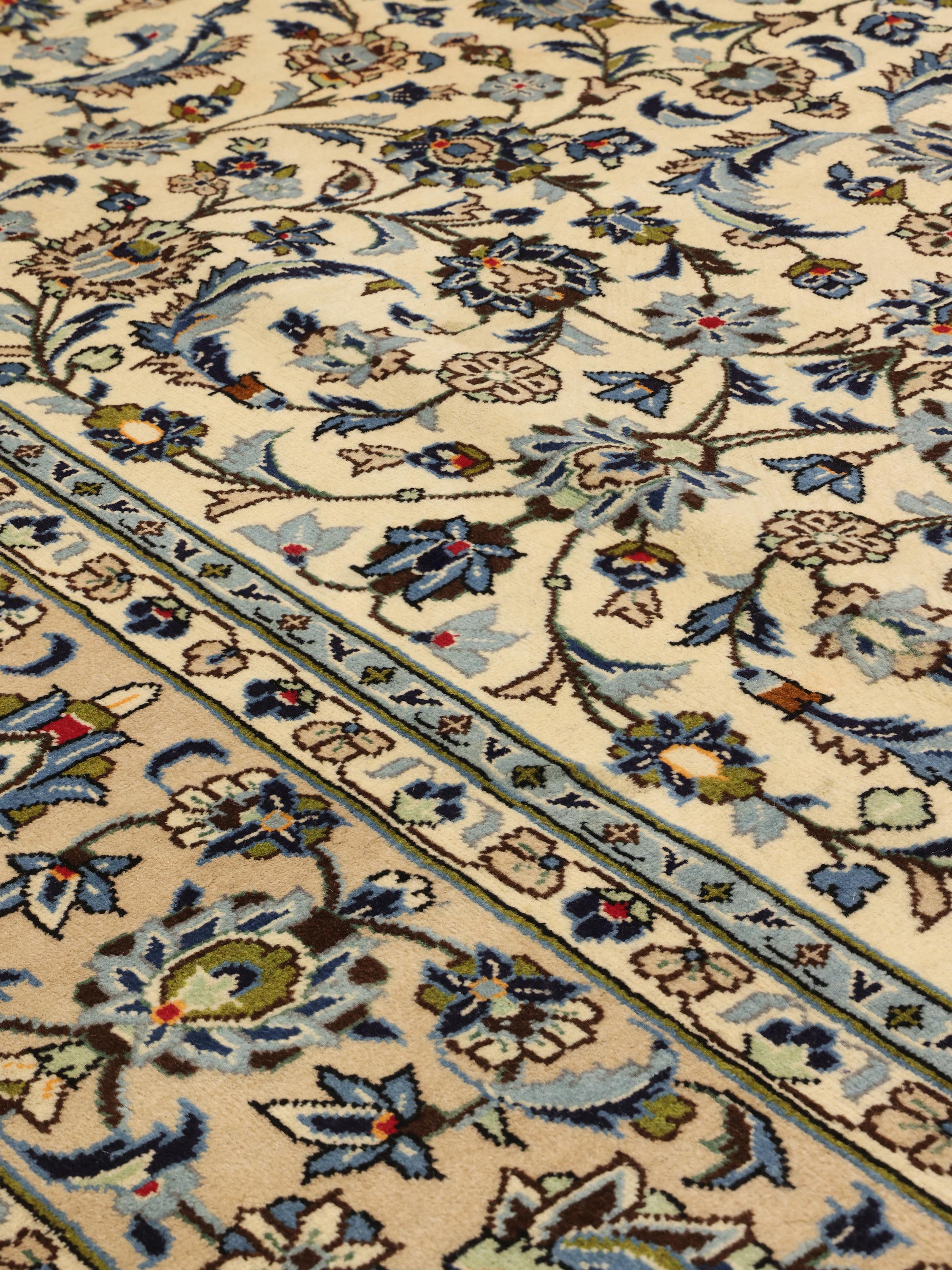
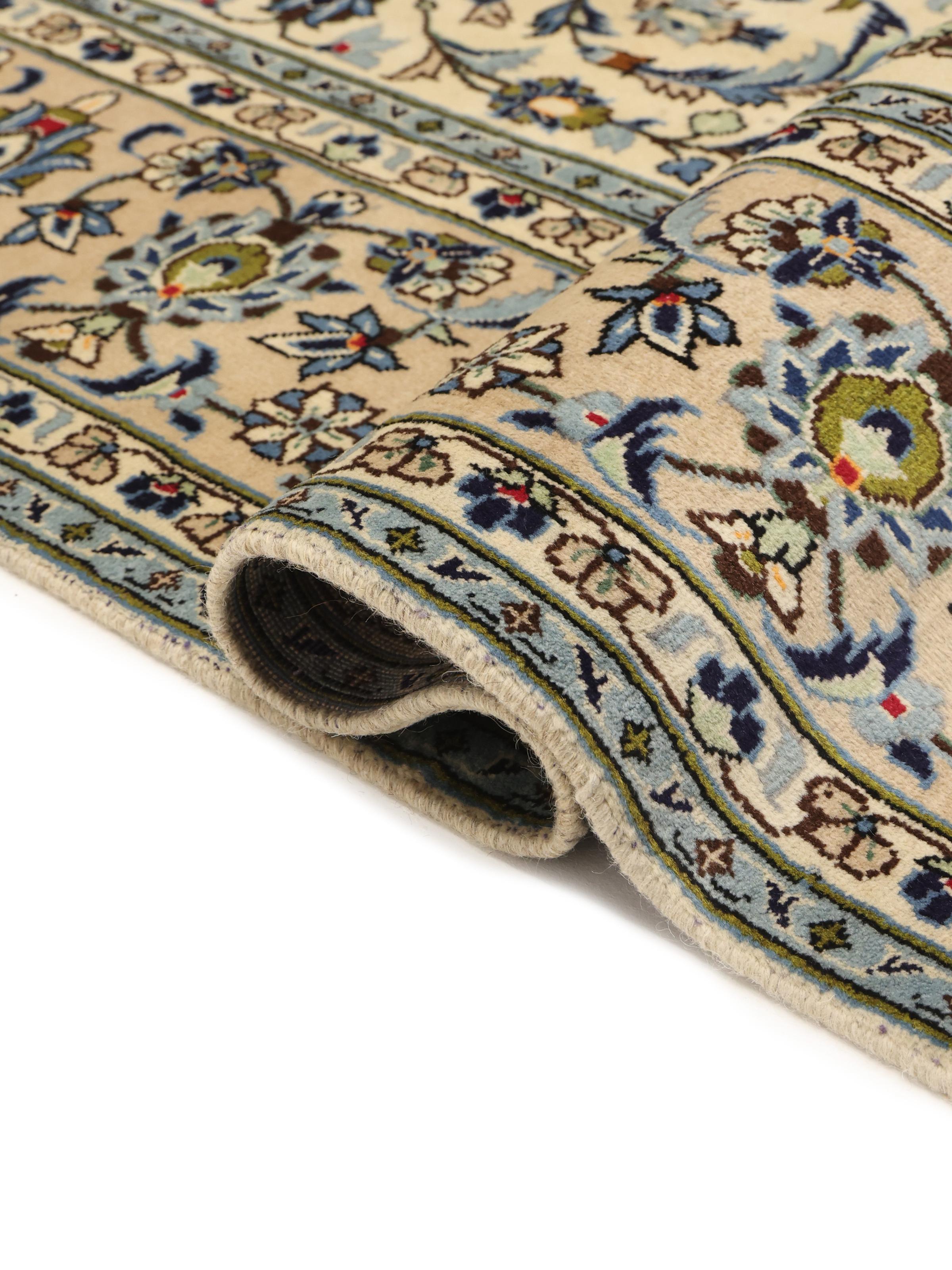
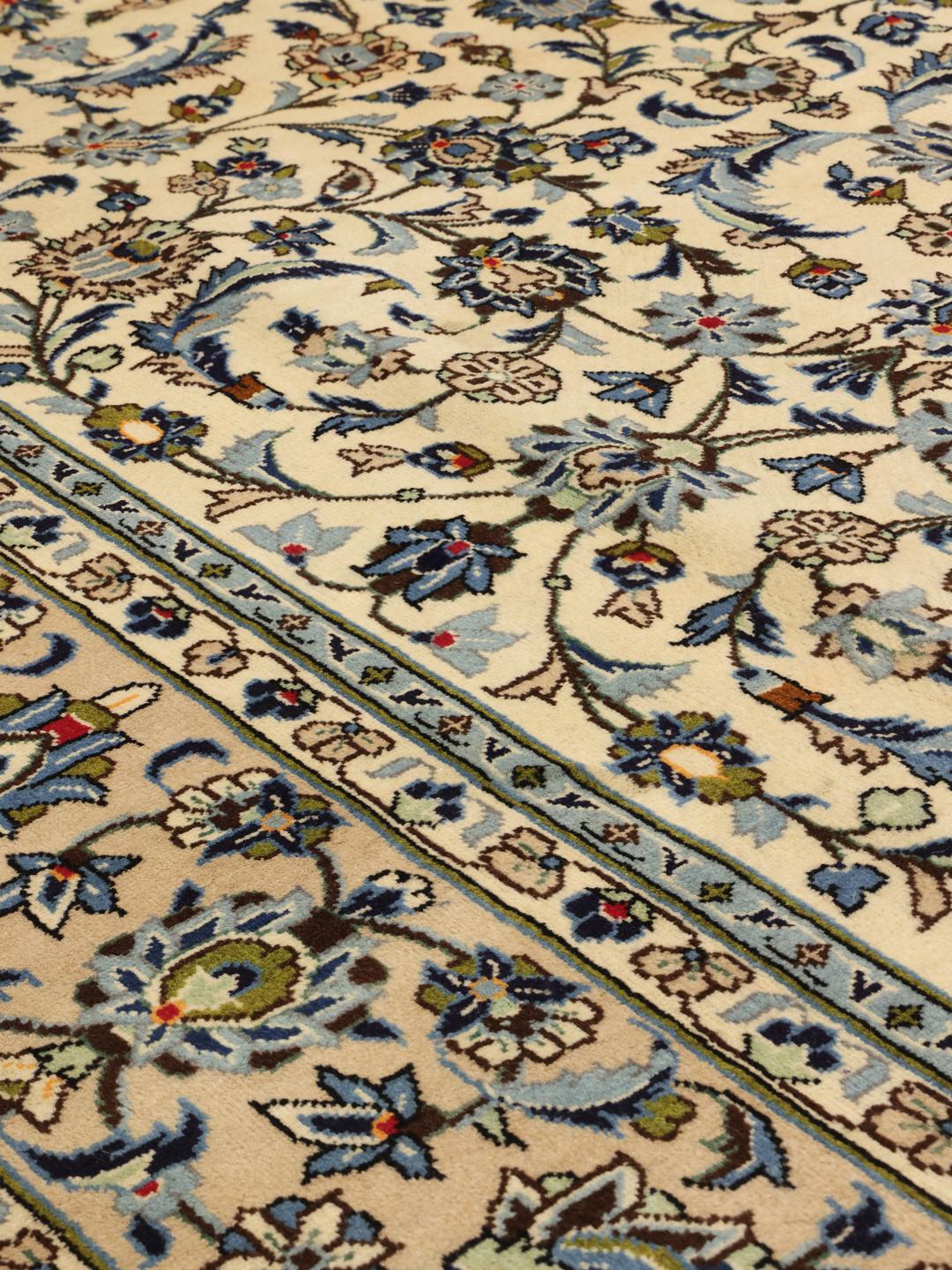
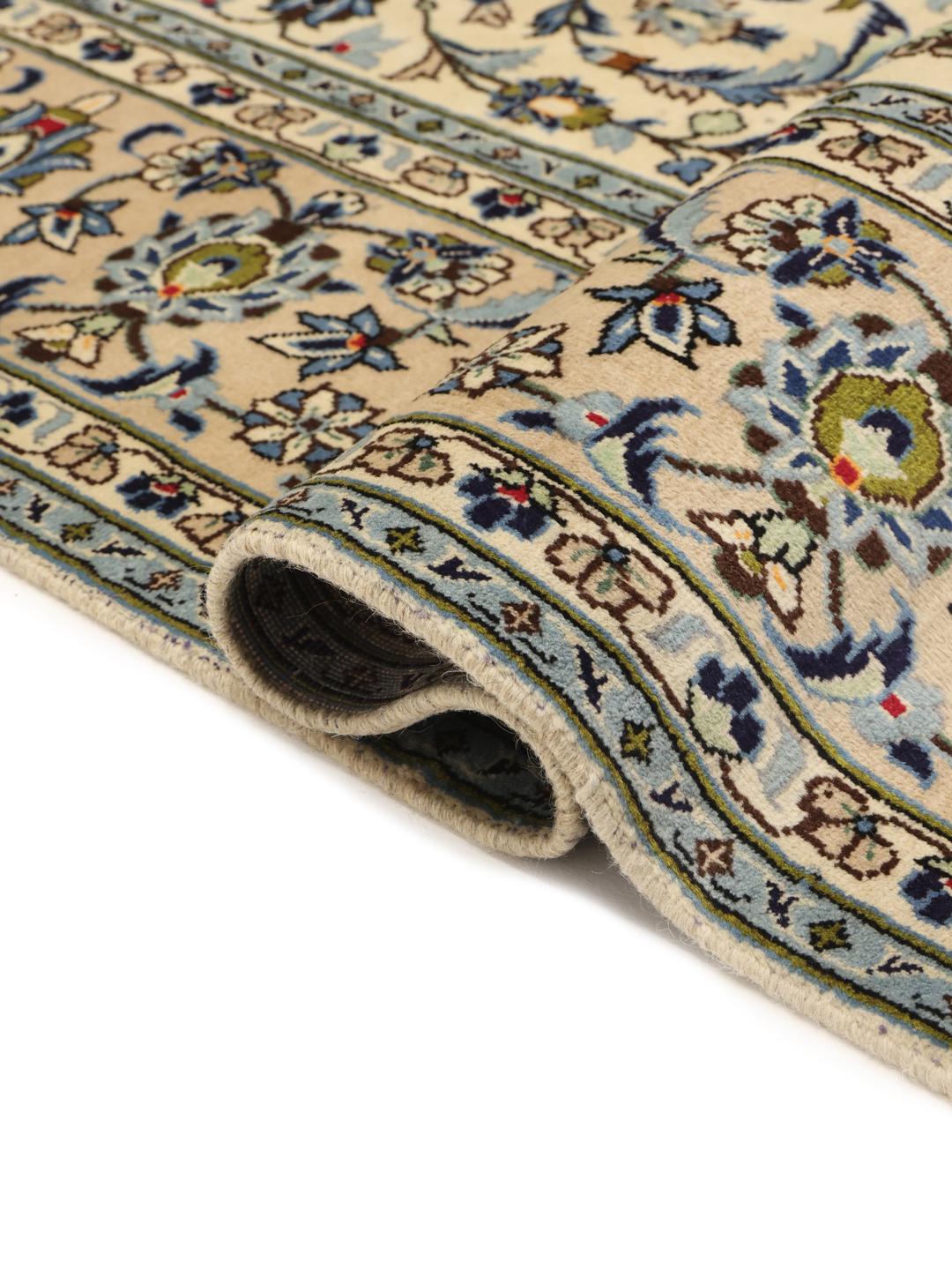
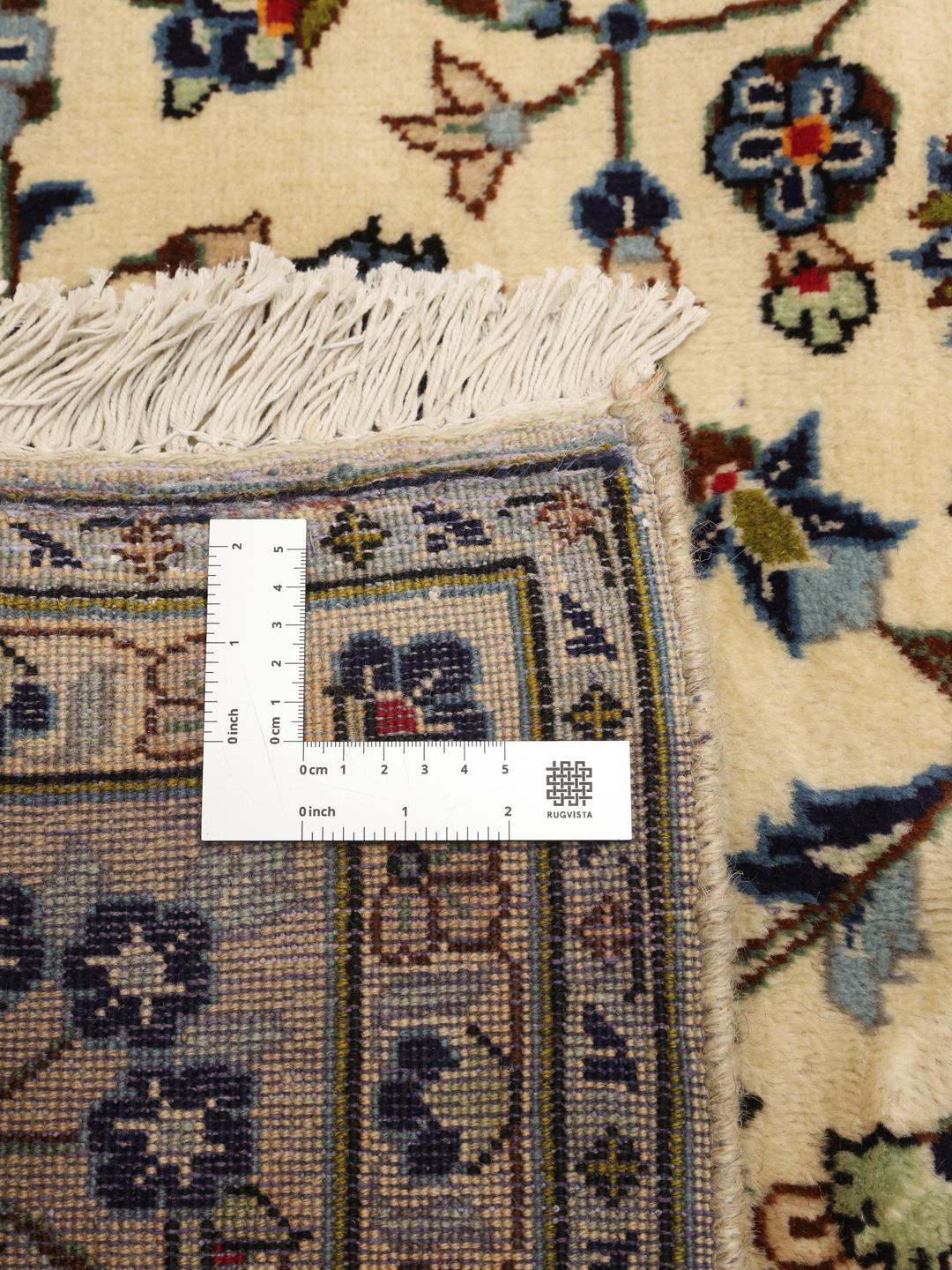
The technical term 'hand-knotted' refers to the foundation of this rug's quality. Each knot is tied by hand, which is the hallmark of authentic, high-quality production. This manual process is essential because it allows for a level of pile density and pattern precision that machines simply cannot replicate. The resulting structure is not only more durable but also creates a more lustrous and deep surface that ages gracefully over time.
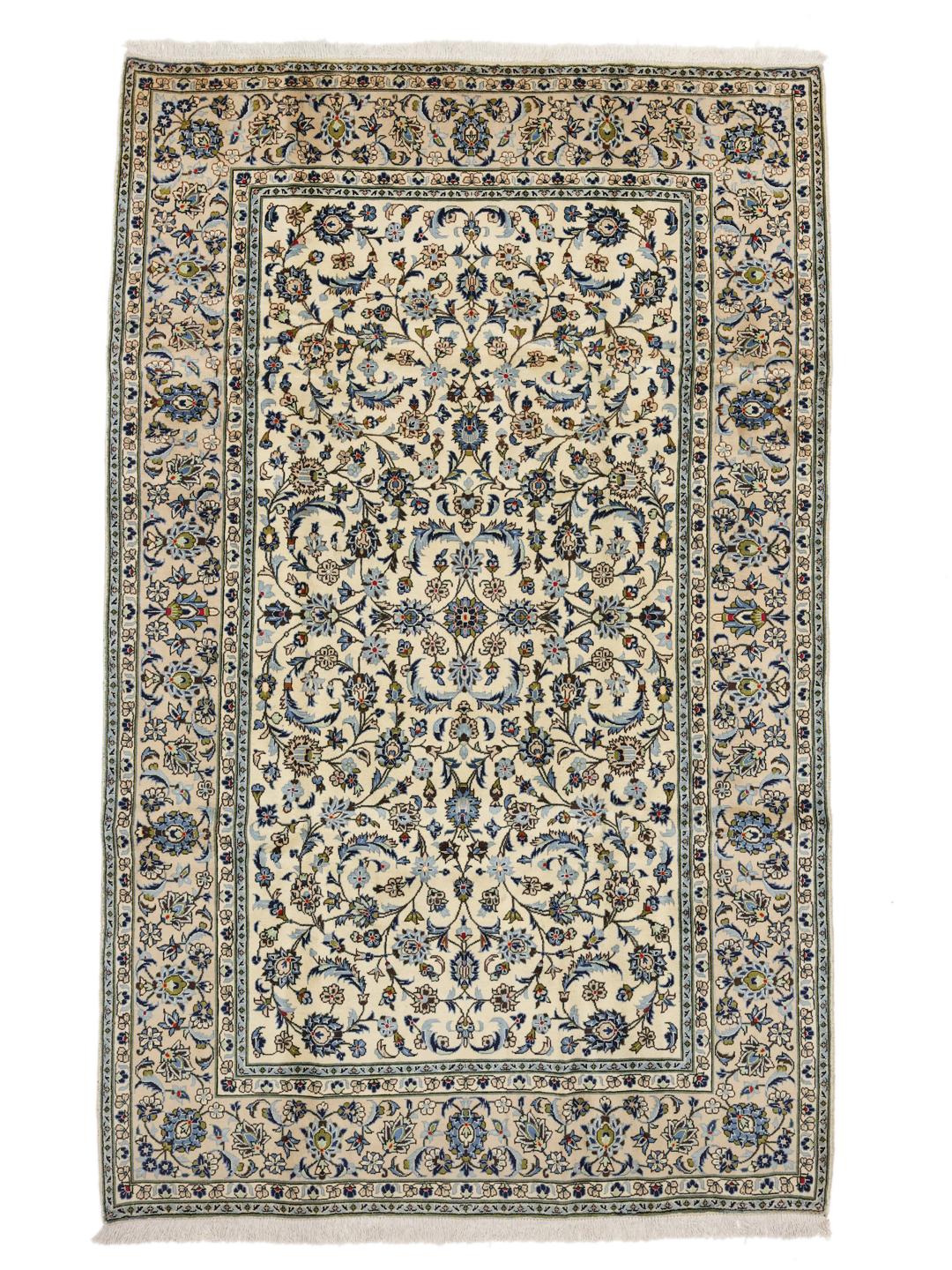
The signature design of a Keshan rug typically centres on ornate floral motifs, often featuring a central medallion surrounded by dense, flowing vines and palmettes. The border is usually just as detailed, framing the central field with a rhythm of repeating patterns. The colour palette often focuses on natural, earthy tones balanced by deep blues and reds, creating a harmonious and balanced visual language that is instantly recognisable to collectors.
Owning a piece from this tradition is an investment in cultural heritage. These rugs are highly valued by collectors not just for their aesthetic beauty, but for the immense skill and patience required to produce them. To possess a Keshan rug is to own a narrative of human dedication, representing a bridge between the artistic traditions of the past and the contemporary home of today.